The name Poe brings to mind images of murderers and madmen, premature burials, and mysterious women who return from the dead. His works have been in print since 1827 and include such literary classics as The Tell-Tale Heart, The Raven, and The Fall of the House of Usher. This versatile writer’s oeuvre includes short stories, poetry, a novel, a textbook, a book of scientific theory, and hundreds of essays and book reviews. He is widely acknowledged as the inventor of the modern detective story and an innovator in the science fiction genre, but he made his living as America’s first great literary critic and theoretician. Poe’s reputation today rests primarily on his tales of terror as well as on his haunting lyric poetry.
Just as the bizarre characters in Poe’s stories have captured the public imagination so too has Poe himself. He is seen as a morbid, mysterious figure lurking in the shadows of moonlit cemeteries or crumbling castles. This is the Poe of legend. But much of what we know about Poe is wrong, the product of a biography written by one of his enemies in an attempt to defame the author’s name.
The real Poe was born to traveling actors in Boston on January 19, 1809. Edgar was the second of three children. His other brother William Henry Leonard Poe would also become a poet before his early death, and Poe’s sister Rosalie Poe would grow up to teach penmanship at a Richmond girls’ school. Within three years of Poe’s birth both of his parents had died, and he was taken in by the wealthy tobacco merchant John Allan and his wife Frances Valentine Allan in Richmond, Virginia while Poe’s siblings went to live with other families. Mr. Allan would rear Poe to be a businessman and a Virginia gentleman, but Poe had dreams of being a writer in emulation of his childhood hero the British poet Lord Byron. Early poetic verses found written in a young Poe’s handwriting on the backs of Allan’s ledger sheets reveal how little interest Poe had in the tobacco business.
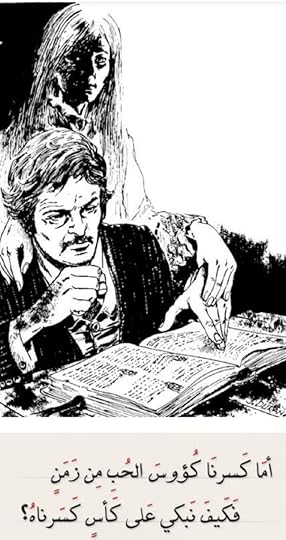
*الشر هو :غياب التعاطف* مع موريلا سنرى كيف تفسد الزيجات تدريجيا؛ كيف يتحول الإنبهار لحقد.. و كيف يتحول الجمال لقبح و كيف يقتل الرجل زوجته؛ فقط بما لم يقله و لم يفعله بأقل الكلمات و بأسلوبه الشعري العذب؛ يسممنا ادجار ببطء من خلال زوج لا يعرف ما يريد حقا يتزوج من موريلا استخساراً لمزاياها الفريدة: كقارئة و كمثقفة ذات ميول عدمية و اهتمامات ماورائية صار الزوج من مريديها بل تلميذها و وهبته هي كل وقتها و ضنت به على كل معارفها..و بالطبع ضاق بتفوقها تدريجيا؛ َ صار يتمنى انطفائها بل و موتها و بسعادة بالغة يراقبها و هي تذوي.. و لكن لماذا تأخر الموت حقا؟!! ا سأموت و مع ذلك ساحيا؛ فأجمل الايام للحياة او للموت" لم تحبني ابدا في حياتي و لكنك ستعشقني في موتى" ا في خطبتها الأخيرة على فراش الموت قبيل الولادة تمنح موريلا زوجها خطبة اشبه بنبؤات ساحرات ماكبث الثلاث؛ لم أجد ما هو أكثر كآبة منها حتى في أيامنا هذه و تضيف الكآبة هي أكثر المشاعر بقاء والفرح لا ُيجتني مرتين* *في العمر و "موريلا هي احدى اربع بطلات متوفيات اشتهر بهن " ادجار ادبيا
و نبدأ مشوار الاب مع ابنته التي يعطيها كل الحب الذي ضن به على امها و في آخر سطر من الاقصوصة السوداوية الغرائبية /الواقعية التي تجبرنا على وضع اكثر من تعريف : للموت.. يمنحنا ادجار نهاية مدهشة لنتذكر ان * ساعاتنا في الحب لها أجنحة و في الفراق لها مخالب*
El protagonista de esta historia se casó con una muy inteligente mujer llamada Morella, pero ella tenía algo especial: era una competente estudiosa del ocultismo, el esoterismo, las artes oscuras, puede que también de la brujería y otras materias afines. Con el paso del tiempo, eso fue causando cierto repelús en su marido, lo que se incrementó hacia la etapa final. De cualquier modo, tarde o temprano, el hombre presenciaría lo que estas pseudociencias pueden traer a la mesa.
Ahora, dejando de lado la sinopsis contextual, llama la atención que el protagonista de indicios de . ¿Por qué pienso esto?, porque básicamente cuando más comienza a desentenderse de su esposa con sus impíos intereses, es cuando se toca el tema sobre , cosa que este relato se encarga de demostrar que eso no es tan así: el marido será testigo de tales situaciones, pero no como sus supuestas e hipotéticas creencias profesan. Todo esto lo digo muy responsablemente y sin asegurar nada, ya que nunca se confirma que él como tal, solo es una especulación personal en base a lo observado.
Posteriormente, la esposa cae gravemente enferma, lo que la lleva a estar moribunda. Durante ese periodo, su marido tiene el deseo de que su corazón deje de latir, pero no con la intención para que su miseria se acabe. En ese estado, ella se da cuenta de algunas cosas y momentos previos a su muerte, tiene una interesantísima conversación con él: básicamente, le da una especie de premonición, que más que eso, pareciera ser que lo está condenando o maldiciendo, junto con asegurarle de que no podrá ser feliz, entre otros mensajes y revelaciones completamente ajenas a la situación del momento, como que . Y efectivamente, . Luego de una década, el pobre viudo miserable continúa atormentado, ya que ; además de que cada día le recuerda más a su difunta esposa. Sin embargo, , desconociendo el mundo exterior, , la edad perfecta para el bautismo.
Acercándonos a la parte final de la historia, hay que mencionar lo del bautizo, debido a que, en ese preciso instante, se le dará un nombre a la chica, porque carecía de uno. Se barajan varias ideas, pero todas son descartadas en favor de un incontrolable impulso. Cito textualmente: «Y en la pila bautismal titubee buscando un nombre. Y muchos nombres de los sabios y hermosos, de tiempos antiguos y modernos, de tierras lejanas y de la mía propia, acudieron como una multitud a mis labios, con muchos, muchos nombres perfectos de los gentiles, los felices y los bondadosos. ¿Qué me llevó entonces a perturbar la memoria de los muertos y sepultados? ¿Qué demonio me instó a emitir aquel sonido, cuya sola mención acostumbraba hacer fluir en torrentes de sangre purpúrea desde las sienes al corazón? ¿Qué espíritu maligno habló desde lo más recóndito de mi alma, cuando entre aquellos oscuros pasillos, y en el silencio de la noche, susurré en los oídos de aquel santo varón las sílabas [...]?»… Sílabas que, por obvias razones, no diré, aunque es bastante predecible a qué nombre se corresponde. Pero ¿por qué cité toda esa parte? Porque no se puede dejar pasar como si nada una nueva aparición del ‘’demonio de la perversidad’’. No me esperaba en absoluto un cameo así de claro y explícito en otro relato de Poe. Pensé que las posteriores manifestaciones de esta entidad iban a ser con más sutileza, como ocurren en El gato negro o en El corazón delator. PD: lean mi reseña de El demonio de la perversidad.
Con respecto a la elección del nombre, personalmente descarto la idea de que , como muchos suelen creer. Pienso que la elección del nombre fue obra de su propio demonio de la perversidad, con la intención de traer a la memoria algo que intentaba dejar atrás, causando así, que siempre tenga presente a su mujer para continuar siendo atormentado por ella, directa o indirectamente. Y por supuesto, el resultado y las repercusiones posteriores de todo esto son consecuencias del esoterismo que Morella practicó en vida. Y en relación con esto último que menciono, no hay que olvidar que ella misma en la conversación final que tienen, deja bien claro que realmente ama a su cónyuge; por lo que no se puede descartar la idea de que ella haya buscado la forma de poder hacerle compañía tras su deceso, para así estar con él por más tiempo, aunque eso nuevamente signifique . Quizás lo hizo a sabiendas de lo que ocurriría, pero su amor fue más grande y fuerte, sin importarle , a pesar de que solamente sea por dos lustros, con tal de .
Quiero concluir esta reseña hablando muy bien de este título, ya que lo recomiendo encarecidamente. Si bien es cierto que presenta el ya más que recurrente y arquetípico argumento de Poe donde siempre propone al desdichado viudo que adquiere una miserable y lamentosa vida tras quedar solo, para que posteriormente, todo conduzca a alguna situación que tenga el fantasmal o sobrenatural sello del autor. Esta vez, puedo decirles que, sin lugar a duda, este es su mejor relato de dicha estirpe. La verdad es que Morella es una historia muy interesante y atrapante, con un trasfondo en base a las ciencias ocultas y la . Por lejos, lo mejor de esta obra es la sobresaliente conversación que Morella tiene con su esposo antes de morir, en conjunto con el desenlace de toda la historia. Aunque, debo confesar que el punto más alto para mí es la última conversación entre marido y mujer. En base a todo lo que he mencionado, mi calificación es de 3.5 estrellas, al ser una obra que está muy bien escrita y decorada que, a pesar de la conocida prosa de su autor, no se siente que sea tan barroca ni sofocante. Se disfruta tanto por cómo está escrita como por la trama que nos ofrece, además de brindarnos un muy buen final.
Para no perder el hilo con las demás reseñas que he hecho sobre las obras de Edgar Allan Poe:
One of Poe's horror tales. At first you learn how the first person narrator adores his wife Morella. They talk about philosophy and he regards himself as her pupil. She dies in childbed though. Well, the daughter born is also baptized Morella since the father only sees his deceased woman in her. Did his wife really die and where is her body? The story has an extreme uncanny twist at the end and I really liked it. Morbid as usual, full of forebodings and compelling. Recommended!
Morella is one of Poe’s stories where an enigmatic woman dies of an unknown disease and “haunts” the narrator. While Berenice and The Fall of the House of Usher are longer and have really horrific elements, Morella is shorter and less disturbing…at least on the surface.
The narrator likes Morella, but he doesn’t really love her per se. They do end up married and he is taken with her intelligence and her knowledge about mystical and philosophical topics. Morella starts to suffer from an illness, which bothers her husband a great deal. Maybe not because he loves her, maybe not because he doesn’t want to see her suffer, but probably because he wants her suffering to be done. He pretty much wishes her to die quickly. She senses this and tells him that it’s fine because she will live on. When she dies, she gives birth to a daughter. The baby grows quickly - too quickly - and looks and acts a great deal like her mother. The narrator loves his daughter but doesn’t have her baptized until she’s ten. The baptism only happens because he hopes to get rid of what possesses her (her mother). When the priest asks her name, the narrator says Morella’s name. In that instant, Morella answers the call and the child dies. When the narrator takes his daughter to the family tomb, he finds that the body of the original Morella is missing.
Such a strange story! The narrator is clearly intrigued by Morella but also perhaps afraid of her. Her love of philosophy, the theories of self-identity, and mystical elements are points of interest to him; however, her voice and physical touch upset him. He wishes her to die, but she knows that she will live on in her daughter. When the girl looks and acts too much like her mother, the narrator assumes she is possessed by evil. When he gives her the name of her mother during the baptism, it’s almost like he hopes she too will die, which is exactly what happens. The missing body is the slight interjection of horror. It’s pretty bad the narrator wishes his wife dead, but the fact that he did the same with his daughter, who he actually loved, is just awful. The horror here is more psychological and the icky feeling definitely sticks around awhile. Another great classic!
This entire review has been hidden because of spoilers.
I was really quite surprised at my reaction to this. But, judging by Poe’s very high level of storytelling, this was all very basic. What I mean is that everything he attempted in here is handled better in another one of his stories. Perhaps, this was a stepping stone for some of his more refined work. This did have the same melancholy tone, though it didn’t quite have the same profound depth as, for example, Ligeia or The Black Cat.
I was under the naive assumption that all of his stories would be as good as the last. I do suppose that not even Poe could achieve the same level of mastery in all of his works. The main problem I had with this was the sheer speed in which it was told. Yes, all of his works are very short; however, the mood shifts in this changed with each paragraph. It was all too quick with none of his trademark subtlety. The story begins with the narrator explaining how dearly he loves his wife; she is beautiful and intelligent; she is his life, and he is completely dependent on her. Okay, so that’s fine. A paragraph later he is now disgusted with the very same things that he once loved about her. This is also okay. The same notion can be in the mind of the narrator of the The Black Cat. These shifts do happen over time.
Then she dies. This, once again, arouses his devotion. He is now, once again, in love with her. This time it’s her memory. He cannot even bare to speak her name in his grief. She died in childbirth where she gave birth to their daughter. The baby girl strongly resembles the mother. The narrator initially loves her, and then he sees the uncanny resemblance to his late wife. He can no longer bear to see the child; he developes hatred and disgust for her; he becomes angry. This is no less than five rapid states of emotional changes in one character within the course of a very short story.
For me it felt quick and, well, just a little bit too much. The changes were too sudden and not fully explored. It was like being told of the emotional change, like I have stated, but without actually seeing it occur. It was a case of tell rather than show. If you, again, compare this to The Black Cat it wanes in comparison. The narrative voice lacked the depth, feeling and power of his other works.
If you’ve not seen any of my other reviews for Poe before, this is not a reflection of what I think of him in general. He is a fantastic writer; however, this particular story was not as good as his more renowned ones.
"Morella" anticipa lo que Edgar Allan Poe va a perfeccionar en "Ligeia". Poe mismo reconocía que era su mejor cuento hasta el momento. Esta típica narración poeiana que oscila entre el poder de la muerte sobre la vida, la transmutación de las almas y en cierto modo, la temática del doble, nos permite encontrarnos con el típico amor enfermizo que Poe tenía por aquellas mujeres que amó en su vida trasladado a su propia literatura. La idealización de la mujer es capitalizada dos veces, tanto en la primer Morella como en la segunda, su hija. El final con esa risa trágica conecta en forma casi directa con el de otro de sus cuentos: "El tonel de amontillado". Las características que rodean a este cuento rozan lo mejor de la tragedia griega mezclado con los elementos sobrenaturales que sólo él podía amalgamar para transformar en belleza.
You only have to look at some of the book covers available online to make a decision about Morella. You don't have to read it. People have done that enough to create a harrowing atmosphere.
If you have any doubt about the sinister and bizarre inner persona of EAP, put that aside at once. He is, I mean he was, bonkers nuts. I love that about the man.
Morella and Carmilla get together in a lovenest of epic proportions and go to the moon in moans of pleasure (I wish). At the same time, the crockery in gran's kitchen has cracked and disintegrated into dust and I haven't started the first page yet. That's the EAP effect.
Work hard, rage quietly, build up a steam of intrepid love and awe from within and let the demons do their thing. It's what they do best.
After reading this short story twice I'm none the wiser, as with pretty much everything by Edgar Allan Poe. You're supposed to be confused and he succeeds in this admirably.
Morella is a beautifully written story about death.
The unknown or unreliable protagonist falls in love and gets married, but instead of settling down and living happily ever after - this, after all, is EAP - his wife gets pale and wan and dies after what appears to be childbirth.
The child, a daughter, grows up in the image of her mother, who he can never forget. You're never going to believe this, but the daughter dies as well!
Maybe this is Poe's way of telling us we're ready for the crypt, which you can look at in two ways:
- a gloomy outlook with no point in living because we're going to die anyway? - or a reminder that we're close to the edge and might as well get busy living with the time we've got left?
This could be one of the reasons EAP is misinterpreted as a harbinger of doom and gloom. Sure, it's the way he expresses himself, but I prefer to view this as a reminder to get on with it before it's too late.
Maybe I interpreted this short story wrong? Does it matter? What does matter is finding something positive and worth living for within.
Gracias, Edgar, por estos 20 minutos de angustia y creepiness. El argumento habría dado para una novela entera, pero el efecto de shock y sorpresa que tiene al ser un relato juega a su favor.
“And, hourly, grew darker these shadows of similitude, and more full, and more definite, and more perplexing, and more hideously terrible in their aspect. For that her smile was like her mother’s I could bear; but then I shuddered at its too perfect identity – that her eyes were like Morella’s I could endure; but then they too often looked down into the depths of my soul with Morella’s own intense and bewildering meaning. And in the contour of the high forehead, and in the ringlets of the silken hair, and in the wan fingers which buried themselves therin, and in the sad musical tones of her speech, and above all – oh, above all – in the phrases and expressions of the dead on the lips of the loved and the living, I found food for consuming thought and horror – for a worm that would not die.”
The bottom line: An unnamed narrator marries Morella, who dies in childbirth. The unnamed child grows and bears a striking resemblance to the older Morella. With some of the best prose I’ve ever read and a jaw-dropping twist at the end, I found “Morella” to be one of Poe's shorter but more entertaining stories.
Damn! I read it as MOZZARELLA when I read the title for the first time! LOL!
🕯️psychological horror+poetic flair+a pinch of necromantic flair='MORELLA'
🕯️Identity Theft -> Gothic Art :)
🕯️Poe stretches the idea of "till death do us part" to haunting extremes and then decides parting is overrated:)
The narrator marries the intellectually intense Morella, only to be creeped out by her cryptic nature and her obsession with the metaphysical. When she dies, he tries to move on... but... Poe’s love of eerie plot twists—has other plans:D Let’s just say reincarnation isn’t all sunshine and butterflies when your daughter starts sounding way too much like your dead wife :D
🕯️🕯️🕯️
Poe doesn't shy from cozying up with corpses and crypts—he practically invites them over for dinner :D
Morella, după biografia lui Poe, este ea însăşi una dintre iubirile lui (însă nu a confirmat nimeni ceea ce a scris el aici despre destinul ei). Povestirea descrie un proces de metempsihoză aparte: trecerea sufletului mamei (moartă la naşterea copilei) în sufletul fiicei ei. Poe descrie simţământul de melancolie pe care avea să-l aibă la vederea copilei, aducându-i aminte, prin procese freudiene, fizic şi psihic, de mama ei, de iubita naratorului: "nume a cărui simplă amintire îmi trimitea de obicei şuvoaie de sânge clocotitor din tâmple până-n inima? Ce diavol a izbucnit din străfundurile sufletului meu, când, sub bolţile întunecoase, am şoptit la urechile cuviosului preot numele - Morella?" Memorie involuntară.
“But she was woman, and thus pined away” will be a sentence that lives forever in my mind.
This feels like Poe hitting his stride on the horror side of things a little, but he’s still too dense and not clarifying the horrors enough. He shines most when the threat behind the horrors is vague but the horrors themselves make sense. In these early stories we still haven’t gotten there yet.
- ليست بذات مستوى قصصه القصيرة الأخرى. الفكرة تبدأ من الحب والتعلق الى الخوف والبغض ثم ولادة جديدة مع الباس روح موريلا جسداً جديداً (ابنتها) فموت فمفاجأة بسيطة...
"And as years rolled away, and daily I gazed upon her eloquent and mild and holy face, and pored over her maturing form, did I discover new points of resemblance in the child to her mother — the melancholy, and the dead."
If your wife states she's studying reincarnation, and then suddenly decides to die and give birth to a daughter at the same time, having shown no prior signs of pregnancy, you gotta know something is up.
This entire review has been hidden because of spoilers.
Al principio me pareció un poco indiferente,..pero hay que llegar hasta la última frase del relato para entenderlo y para que te recorra un estremecimiento por todo el cuerpo. Brillante.
En términos de construcción, este cuento da la sensación de una redondez impecable, tan así que hasta el tema tiene algo de circular en su elección: la metempsicosis.
La identidad y el traspaso de la conciencia, el pienso luego existo de los cuentos de Poe.
La risa final, presente también en otros cuentos, como un último intento liberador para no caer en la completa locura.
Morella. Las personas, integrantes de este medio ya estarán cansadas de que yo diga, una y otra, y otra vez lo mismo de Edgar Allan Poe, pero es que su escritura es inigualable, su delicadeza, gozo y lascivia que inspiran en mí, es agotador. Este carácter narrativo motivado por el suspenso, los susurros, sensaciones, movimientos, descripciones detalladas de la verdadera naturaleza humana y la crueldad, ese deseo impenetrable que todos conocen, pero nadie menciona, el nos habla de ello, nos lo presenta y lo integra en una parte esencial de la vida, como enviandote un "No estas solo".
Pocas paginas. Incontables sentimientos. Así es...
"But one autumnal evening, when the winds lay still in heaven, Morella called me to her bedside. There was a dim mist over all the earth, and a warm glow upon the waters, and amid the rich October leaves of the forest , a rainbow from the firmament had surely fallen. 'It is a day od days,' she said, as I aproached;' a day of all days either to live or die. It is a fair day for the sons of earth and life-ah,more fair for the daughters of heaven and death.'
"For the hours of thy happiness are over and joy is not gathered twice in a life, as the roses of Paestum twice in a year."
Lu dans le recueil "La Chute de la Maison Usher et autres histoires extraordinaires" des éditions RBA coleccionables.
Troisième nouvelle de ce recueil, j'ai le plaisir d'apprécier chaque récit de Poe un peu plus que le précédent ! Cette nouvelle semble prendre un tournant extrêmement déplaisant et abjecte mais est "sauvée" par l'arrivée du surnaturel, mais aussi par les non-dits et la lutte constante du narrateur contre ses propres idées. Un homme épouse une femme, Morella, et cette dernière meurt en couche. Et notre narrateur constate que l'enfant ressemble très étrangement et de plus en plus à sa mère...
Nah este relato está chulísimo, me mola mazo el concepto y cómo está escrito. Lo leí hace mucho y no me ha defraudado releerlo. EL FINAL THO 👌👌👌Este siento que funciona muy bien como relato, mientras que "la máscara de la muerte roja" me parecía que a lo mejor quedaría mejor como novela? Leyéndome cosas del Edgar Alan Poe porque se acerca Halloween jejej