

What do you think?

Birdbrain
From the author of the critically acclaimed "Troll," the new novel from Johanna Sinisalo is full of her trademark style, surreal invention, and savage humor Set in Australasia, this is the story of a young Finnish couple who have embarked on the hiking trip of a lifetime, with "Heart of Darkness" as their only reading matter. Conrad's dark odyssey turns out to be a prescient choice as their trip turns into a tortuous thriller, with belongings disappearing, and they soon find themselves at the mercy of untamed nature, seemingly directed by the local kakapo--a highly intellegent parrot threatened with extinction. This is a skillful portrait of the unquenchable desire of Westerners for the pure and the primitive, revealing the dark side of the explorer's desire--the insatiable need to control, to invade, and leave one's mark on the landscape. But what happens when nature starts to fight back?
224 pages, Kindle Edition
First published January 1, 2008
About the author
Johanna Sinisalo
64 books304 followersENG: Johanna Sinisalo is an award-winning Finnish author. She was born in Sodankylä in 1958. During 1984-1997, she worked as a professional designer in advertising, after which she started as a screenwriter and writer. Sinisalo's first novel, Troll, won the Finlandia prize, the most important literature award in Finland. As her hobbies, Sinisalo mentions astronomy, gastronomy, hiking, literature and comics.
The author notes that her novels always feature a bit of the small everyday reality. However, overcoming the borders of realism does not mean that the author's works were to be classified as sci-fi or fantasy – from Sinisalo's point of view, categorizing literature by genre should be left behind.
FI: Johanna Sinisalo on syntynyt Sodankylässä vuonna 1958. Hän valmistui ylioppilaaksi Tampereella 1977 ja suoritti kandidaatintutkinnon Tampereen yliopiston yleisen kirjallisuustieteen draamalinjalla vuonna 1986. Markkinointi-instituutissa opiskellessaan hän sai vuoden parhaan diplomityön palkinnon 1987. Vuosina 1984–1997 Sinisalo toimi ammatikseen mainonnan suunnittelijana, sittemmin hän ryhtyi vapaaksi käsikirjoittajaksi ja kirjailijaksi. Sinisalon esikoisromaani Ennen päivänlaskua ei voi voitti vuoden 2000 Finlandia-palkinnon. Sittemmin Sinisalo on saanut muun muassa James Tiptree Jr. -palkinnon, Tampereen kaupungin kirjallisuuspalkinnon ja Prometheus-palkinnon.
Kirjailijan perheeseen kuuluu avomies ja aikuinen tytär. Harrastuksikseen Sinisalo mainitsee tähtitieteen, gastronomian, vaelluksen, kirjallisuuden ja sarjakuvan. Sinisalo asuu lapsuutensa kotikaupungissa Tampereella.
Tärkeitä kirjailijoita Sinisalolle ovat olleet Tove Jansson, Astrid Lindgren, L. M. Montgomery, Ray Bradbury, Volter Kilpi, Vladimir Nabokov, Michel Tournier ja Margaret Atwood. Tieteiskirjallisuuden lukemisen Sinisalo aloitti lapsena Edgar Rice Burroughsin seikkailukirjoilla. Niiden jälkeen hän löysi George Orwellin ja Aldous Huxleyn, joiden teoksissa science fiction on yhteiskunnan havainnoinin ja arvostelun väline.
Kirjailija toteaa, että hänen romaaneissaan on aina jokin pieni piirre arkitodellisuuden ulkopuolelta. Sinisalo on useiden muiden tavoin muistuttanut, että puhdas realismi on varsin nuori, 1800-luvun lopulta peräisin oleva kirjallinen suuntaus. Realismin rajojen ylittäminen ei kuitenkaan tarkoita, että kirjailijan teokset olisivat lajityypiltään scifiä tai fantasiaa. Sinisalon mielestä lajityyppiajattelusta pitäisi irtautua.
Sinisalo painottaa, että spekulatiivisuus ei ole kirjallisuudessa itseisarvo, vaan että sen kautta voidaan sanoa jotain oleellista jopa paremmin kuin realismin keinoin. Fantasian tai science fictionin kirjoittaminen ei ole päämäärä vaan väline kirjallisuuden tuottamiseen. Sinisalo käyttää sanaa ”viistovalaistus” kuvaamaan tämän välineen toimintaa: todellisuuden tutkiminen uudesta ja ennenkokemattomasta näkökulmasta voi paljastaa uusia puolia, joita ei ole voinut aikaisemmin nähdä.
The author notes that her novels always feature a bit of the small everyday reality. However, overcoming the borders of realism does not mean that the author's works were to be classified as sci-fi or fantasy – from Sinisalo's point of view, categorizing literature by genre should be left behind.
FI: Johanna Sinisalo on syntynyt Sodankylässä vuonna 1958. Hän valmistui ylioppilaaksi Tampereella 1977 ja suoritti kandidaatintutkinnon Tampereen yliopiston yleisen kirjallisuustieteen draamalinjalla vuonna 1986. Markkinointi-instituutissa opiskellessaan hän sai vuoden parhaan diplomityön palkinnon 1987. Vuosina 1984–1997 Sinisalo toimi ammatikseen mainonnan suunnittelijana, sittemmin hän ryhtyi vapaaksi käsikirjoittajaksi ja kirjailijaksi. Sinisalon esikoisromaani Ennen päivänlaskua ei voi voitti vuoden 2000 Finlandia-palkinnon. Sittemmin Sinisalo on saanut muun muassa James Tiptree Jr. -palkinnon, Tampereen kaupungin kirjallisuuspalkinnon ja Prometheus-palkinnon.
Kirjailijan perheeseen kuuluu avomies ja aikuinen tytär. Harrastuksikseen Sinisalo mainitsee tähtitieteen, gastronomian, vaelluksen, kirjallisuuden ja sarjakuvan. Sinisalo asuu lapsuutensa kotikaupungissa Tampereella.
Tärkeitä kirjailijoita Sinisalolle ovat olleet Tove Jansson, Astrid Lindgren, L. M. Montgomery, Ray Bradbury, Volter Kilpi, Vladimir Nabokov, Michel Tournier ja Margaret Atwood. Tieteiskirjallisuuden lukemisen Sinisalo aloitti lapsena Edgar Rice Burroughsin seikkailukirjoilla. Niiden jälkeen hän löysi George Orwellin ja Aldous Huxleyn, joiden teoksissa science fiction on yhteiskunnan havainnoinin ja arvostelun väline.
Kirjailija toteaa, että hänen romaaneissaan on aina jokin pieni piirre arkitodellisuuden ulkopuolelta. Sinisalo on useiden muiden tavoin muistuttanut, että puhdas realismi on varsin nuori, 1800-luvun lopulta peräisin oleva kirjallinen suuntaus. Realismin rajojen ylittäminen ei kuitenkaan tarkoita, että kirjailijan teokset olisivat lajityypiltään scifiä tai fantasiaa. Sinisalon mielestä lajityyppiajattelusta pitäisi irtautua.
Sinisalo painottaa, että spekulatiivisuus ei ole kirjallisuudessa itseisarvo, vaan että sen kautta voidaan sanoa jotain oleellista jopa paremmin kuin realismin keinoin. Fantasian tai science fictionin kirjoittaminen ei ole päämäärä vaan väline kirjallisuuden tuottamiseen. Sinisalo käyttää sanaa ”viistovalaistus” kuvaamaan tämän välineen toimintaa: todellisuuden tutkiminen uudesta ja ennenkokemattomasta näkökulmasta voi paljastaa uusia puolia, joita ei ole voinut aikaisemmin nähdä.
Ratings & Reviews
Friends & Following
Create a free account to discover what your friends think of this book!
Community Reviews
Displaying 1 - 30 of 70 reviews
June 23, 2022
Johanna Sinisalon "Linnunaivot" (Teos, 2008) on jonkinmoista suomikummaa edustava romaani Jyrkistä ja Heidistä, jotka lähtevät extreme-vaellukselle Tasmaniaan. Vaikka varusteet ovat viimeisen päälle ja mukaan otettava ruoka on laskettu jokaista grammaa myöten, syö lähestulkoon koskematon erämaa miestä ja naista siinä mittakaavassa, ettei homma voi päättyä hyvin. Lisäsävynsä tarinaan tuovat katkelmat huippuälykkäistä kea-papukaijoista sekä psykoottiselta vaikuttavat takaumajaksot, joissa ääneen pääsee pahasti häiriintynyt hahmo.
Sinisalo käsittelee kiinnostavasti ekologisia teemoja ja kuvaa ihan oivallisesti kahden päähenkilönsä välistä suhdetta päästäen molemmat vuorotellen ääneen. Kumpikaan ei vaikuta suoranaisesti miellyttävältä henkilöltä. Vaelluksen aikana tapahtuu monenlaista kummaa, mutta ihan hirvittävän painostavaksi tai ahdistavaksi tunnelma ei silti muodostu - tai ainakin minä odotin enemmän. Loppuratkaisu tulee turhan nopeasti ja jättää ovet auki monenlaisille tulkinnoille, joista se ensimmäisenä mieleen tuleva tuntuu pikkuisen hölmöltä.
Ja kenen kertojaääni kursiivilla painettu psyko-osuus onkaan? Lukemieni arvioiden perusteella kyseessä oli . Itse ajattelin sen olevan . Mitä mieltä te muut olette?
"Linnunaivot" jätti todella ristiriitaiset fiilikset - kirja tempaisi mukaansa ja oli ehdottomasti luettava loppuun asti, mutta lopulta jäi vähän sellainen olo, että jotakin oleellista jäi nyt tajuamatta. Sinisalo siteeraa ja viittaa toistuvasti Joseph Conradin Pimeyden sydämeen. Olisikohan sen tuntemisesta ollut apua?
Loppuun todettakoon, että "Linnunaivot" on takuulla erinomainen lukupiirikirja, joka takuulla herättäisi keskustelua ja tänne kirjoitettujen arvioiden mukaan myös jakaa mielipiteitä!
Sinisalo käsittelee kiinnostavasti ekologisia teemoja ja kuvaa ihan oivallisesti kahden päähenkilönsä välistä suhdetta päästäen molemmat vuorotellen ääneen. Kumpikaan ei vaikuta suoranaisesti miellyttävältä henkilöltä. Vaelluksen aikana tapahtuu monenlaista kummaa, mutta ihan hirvittävän painostavaksi tai ahdistavaksi tunnelma ei silti muodostu - tai ainakin minä odotin enemmän. Loppuratkaisu tulee turhan nopeasti ja jättää ovet auki monenlaisille tulkinnoille, joista se ensimmäisenä mieleen tuleva tuntuu pikkuisen hölmöltä.
Ja kenen kertojaääni kursiivilla painettu psyko-osuus onkaan? Lukemieni arvioiden perusteella kyseessä oli . Itse ajattelin sen olevan . Mitä mieltä te muut olette?
"Linnunaivot" jätti todella ristiriitaiset fiilikset - kirja tempaisi mukaansa ja oli ehdottomasti luettava loppuun asti, mutta lopulta jäi vähän sellainen olo, että jotakin oleellista jäi nyt tajuamatta. Sinisalo siteeraa ja viittaa toistuvasti Joseph Conradin Pimeyden sydämeen. Olisikohan sen tuntemisesta ollut apua?
Loppuun todettakoon, että "Linnunaivot" on takuulla erinomainen lukupiirikirja, joka takuulla herättäisi keskustelua ja tänne kirjoitettujen arvioiden mukaan myös jakaa mielipiteitä!

June 24, 2013
Don't forget to pop a book in your backpack

Translated from the Finnish by David Hackston
Opening quote is from The Raven by Poe
Clapper Board: SOUTH COAST TRACK, TASMANIA
Cockle Creek to South Cape Rivulet
Monday, March 2007
HEIDI
Hanging around a modest distance from the Tassielink minibus terminal is a group of guys, their shorts boasting rips and tears, their T-shirts with stains, their armpits and backs with patches of sweat, their hiking boots with layers of dried mud.
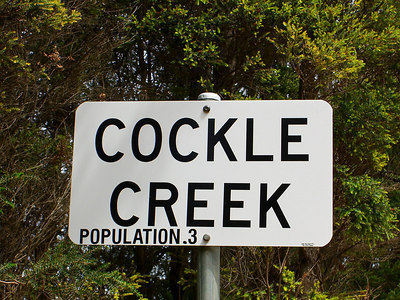
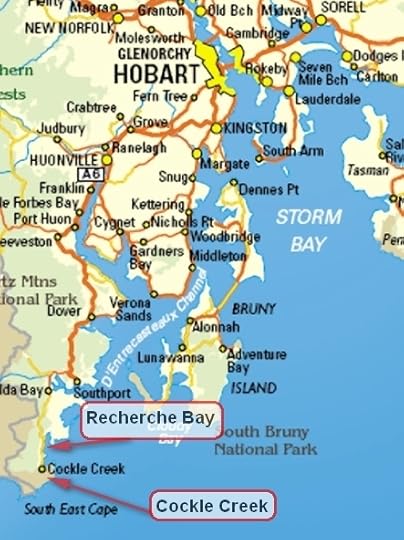
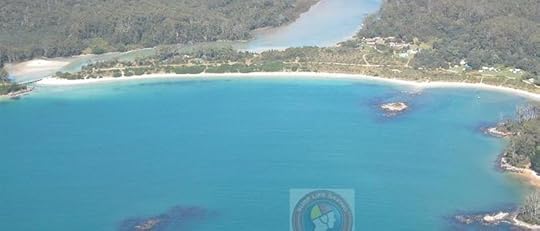
GAH! Something of a nothing that was perched on an environmental soapbox. In the form of a diary there is a paragraph from him and a paragraph from her intersperses by Heart of Darkness quotes.
It does state in the Author Box that Sinisalo enjoys hiking, so this could be construed as a personal rant about litter.
Stark contrast to the first book I read of hers...
5* Troll: A Love Story
1* Birdbrain

August 5, 2014
Pidin tästä kirjasta ihan viime metreille asti neljän tähden edestä. Mystinen loppu oli kuitenkin liikaa itselleni, enkä edes tajunnut sitä ennen kuin luin joitain nettiarvosteluita. Muuten tarina kahden ihmisen satunnaisesta kohtaamisesta ja heidän näkemyksistään saman reitin varrelta tehdysta extreme-vaelluksesta olivat kiinnostavia ja hyvin lomitettuja. Veljen roolista odotin jotain muuta kuin mitä siitä tuli, ja näin ratkaistuna en näe veljeä tarpeellisena hahmona lainkaan.

January 5, 2014
Can a book cheat? Sure all novels are constructions. The author is building something to cause an effect. A book that effectively manipulates a reader is a successful one. But is there an onus to be honest?
I think I came into this with too much in the way of genre expectations. The book is set up like a thriller. There is much forboding. There are endless Heart of Darkness quotes. There is a little brother who is a complete anti-social little fuck. Even at 50 pages from the end I was waiting for the various threads to collide. But in the end the book doesn't cohere except in the most random, understated, pat way: nature will have its revenge. Frustratingly, the little brother turns magically into the kea bird or a merciless, angry symbol of nature. The problem is that it feels so much like a writerly creation that it didn't resonate for me. Sinisalo is a wonderful author and watching the characters circle around each other and survive is worth the read, but the end is a cake that didn't rise, a gun that didn't go off, an acorn that didn't grow.
I was gripped all the way through, but I feel like Sinisalo did a bait-and-switch on me at the end. Ha, ha! It was nature all along! How surprising! Not really. The constant bits about the Kea bird drove home that much of the mischievous disappearances were possibly benign, but Sinisalo countered that with the possibility of sociopathic little brother shadowing and fucking with the couple. That at the end she waved her authorly wand and combined bird and brother to make nature have its revenge on these two hikers was far too convenient to make a satisfying story.
This entire review has been hidden because of spoilers.

December 3, 2013
This reminded me of Scott Smith's 'The Ruins', Katy Gardner's 'Losing Gemma' and the films 'The Blair Witch Project' and 'The Beach' and though I haven't read 'Heart of Darkness' by Joseph Conrad (though this book encouraged me to buy if on Kindle) I know the basic premise, and as their are quotes from that novel throughout this book, it's influence is pretty clear. 'Birdbrain' is a classic 'exotic paradise turns nasty' and 'backpackers get in trouble' story, but is distinctly it's own book, with it's own odd and creepy little twists.
Jykri and Heidi are a young Finnish couple who are backpacking through New Zealand, mainland Australia, and Tasmania. Jykri is one of those annoying eco-snobs, and a hiking-snob as well. He insists on planning every moment of their hike, determined to get away from the 'tourists' and find somewhere untouched by humanity. The harder the going, the better, as far as he's concerned. And he's an eco-snob as well, lecturing Heidi on the importance of not leaving any rubbish. While this is important of course, Jykri takes it to an insane length. As they trek through the ever more 'perfect', untouched, and threatening wilderness, their relationship comes under strain. Heidi becomes irritated at Jykri's lectures and his determination to have as few luxuries as possible. Jykri's irritated by her lack of experience and her attitude to his ecological monologues. It also seems that someone, or something, out in the wilderness is playing a game with them - their possessions keep disappearing only to reappear in some impossible place later on. It seems as though their desire to conquer 'untouched' wilderness, however well-intentioned and eco-friendly they consider themselves, the wilderness is resisting them,
I loved the descriptions of the wilderness in this book. I also loved the encroaching sense of the strains forming in Jykri and Heidi's relationship which seem to be both caused by and a result of the wilderness they find themselves pretty much isolated in. Then there's the increasing sense of menace and creepiness as their things go missing and turn up in strange places.
What I admired about 'Birdbrain' is that while it made an excellent point about how human beings and the tourism trade are responsible for the slow destruction of areas of supposedly unspoiled natural beauty and the planet in general (particularly due to waste disposal methods or the lack of them), by setting up Jykri as an almost laughable example of that annoying eco/hiking-i'm-not-a-tourist-even-though-I- am-one snob who many of us are familiar with, the author Johanna Sinisalo prevents the book from becoming preachy. She makes the point that eco-snobs like Jykri aren't much better than the four-wheel-driving, softy, litter-dumping types he so despises, and that he's just as vulnerable to the wiles of nature as anyone else.
Excellent story, very creepy and thought-provoking, and a fairly quick read as well.
Jykri and Heidi are a young Finnish couple who are backpacking through New Zealand, mainland Australia, and Tasmania. Jykri is one of those annoying eco-snobs, and a hiking-snob as well. He insists on planning every moment of their hike, determined to get away from the 'tourists' and find somewhere untouched by humanity. The harder the going, the better, as far as he's concerned. And he's an eco-snob as well, lecturing Heidi on the importance of not leaving any rubbish. While this is important of course, Jykri takes it to an insane length. As they trek through the ever more 'perfect', untouched, and threatening wilderness, their relationship comes under strain. Heidi becomes irritated at Jykri's lectures and his determination to have as few luxuries as possible. Jykri's irritated by her lack of experience and her attitude to his ecological monologues. It also seems that someone, or something, out in the wilderness is playing a game with them - their possessions keep disappearing only to reappear in some impossible place later on. It seems as though their desire to conquer 'untouched' wilderness, however well-intentioned and eco-friendly they consider themselves, the wilderness is resisting them,
I loved the descriptions of the wilderness in this book. I also loved the encroaching sense of the strains forming in Jykri and Heidi's relationship which seem to be both caused by and a result of the wilderness they find themselves pretty much isolated in. Then there's the increasing sense of menace and creepiness as their things go missing and turn up in strange places.
What I admired about 'Birdbrain' is that while it made an excellent point about how human beings and the tourism trade are responsible for the slow destruction of areas of supposedly unspoiled natural beauty and the planet in general (particularly due to waste disposal methods or the lack of them), by setting up Jykri as an almost laughable example of that annoying eco/hiking-i'm-not-a-tourist-even-though-I- am-one snob who many of us are familiar with, the author Johanna Sinisalo prevents the book from becoming preachy. She makes the point that eco-snobs like Jykri aren't much better than the four-wheel-driving, softy, litter-dumping types he so despises, and that he's just as vulnerable to the wiles of nature as anyone else.
Excellent story, very creepy and thought-provoking, and a fairly quick read as well.

January 11, 2023
The style choices made here were puzzling to say the least. The story jumps between two timelines, something which doesn't really add antyhing and only serves to confuse the reader, especially when the author starts alternating between two different treks, with naturally quite similar events. We stopped at this hut, we set up our tent here, etc. Many times I got confused as to what had happened on which trek. The whole effort seemed overly complex.
Another strange choice was the POV. The story is written in 1st person POV, and this too continuously alternates between the two main characters, Jyrki and Heidi, sometimes as often as three times on the same page. I caught myself thinking Heidi was speaking when it had already switched to Jyrki, and vice-versa on numerous occasions, which was quite annoying. Then we have a third person, from whose train of thought we recieve snippets at the beginning of the chapters.
And as if all this wasn't enough, the author intersparses everything with a lot of quotes from Conrad too. And by a lot, I mean A LOT. Near the end it was almost getting ridiculous.
The plot was a bit odd, and the conclusion was too. None of the characters were likeable, and the relationship between them was unpleasant and even off-putting at times.
And still, despite all this, I actually enjoyed reading this! It was really the strangest thing.
I'd compare this book to a face where every part in itself is a bit wonky or flawed, and even the overall result can't be called pretty in the traditional sense, but that manages to be attractive all the same.
A je-ne-sais-quoi, maybe?
All in all, I would gladly read this author again.
Another strange choice was the POV. The story is written in 1st person POV, and this too continuously alternates between the two main characters, Jyrki and Heidi, sometimes as often as three times on the same page. I caught myself thinking Heidi was speaking when it had already switched to Jyrki, and vice-versa on numerous occasions, which was quite annoying. Then we have a third person, from whose train of thought we recieve snippets at the beginning of the chapters.
And as if all this wasn't enough, the author intersparses everything with a lot of quotes from Conrad too. And by a lot, I mean A LOT. Near the end it was almost getting ridiculous.
The plot was a bit odd, and the conclusion was too. None of the characters were likeable, and the relationship between them was unpleasant and even off-putting at times.
And still, despite all this, I actually enjoyed reading this! It was really the strangest thing.
I'd compare this book to a face where every part in itself is a bit wonky or flawed, and even the overall result can't be called pretty in the traditional sense, but that manages to be attractive all the same.
A je-ne-sais-quoi, maybe?
All in all, I would gladly read this author again.

March 26, 2021
What?
Hmmm, ok, so I've just finished reading this (was actually late for work as I was trying to finish it off) and was that what it was all building up to?
Back track a bit and I was really enjoying the read. The style took a bit of getting used to and, to be honest, I gave up trying to keep up with the switches in timeline (or even working out why the author had bothered!), but I found it very readable. It did surprise me that there weren't more descriptive pieces about the country the two are hiking through, but there was enough to keep me interested in where they were going. The two main characters aren't exactly likeable, but they seem real enough to invest some reading time in, and you do wonder how their relationship will survive the trip.
But all the way through, the story was hinting at something - some big reveal or hidden character or just something to actually happen. Instead, the single bit of really heart-pounding, scary action is dealt with in two pages at the end and you never really find out what happened.
So, for me, a good enough read, let down by a disappointing conclusion.
Hmmm, ok, so I've just finished reading this (was actually late for work as I was trying to finish it off) and was that what it was all building up to?
Back track a bit and I was really enjoying the read. The style took a bit of getting used to and, to be honest, I gave up trying to keep up with the switches in timeline (or even working out why the author had bothered!), but I found it very readable. It did surprise me that there weren't more descriptive pieces about the country the two are hiking through, but there was enough to keep me interested in where they were going. The two main characters aren't exactly likeable, but they seem real enough to invest some reading time in, and you do wonder how their relationship will survive the trip.
But all the way through, the story was hinting at something - some big reveal or hidden character or just something to actually happen. Instead, the single bit of really heart-pounding, scary action is dealt with in two pages at the end and you never really find out what happened.
So, for me, a good enough read, let down by a disappointing conclusion.
July 30, 2012
Yet another great novel from Sinisalo. In this story she has the two protagonists wandering the isolated Tasmanian trekking tracks in nature's terms. The text consists of interesting little bits: insides from both of the protagonists minds as well as one of their disturbed good-for-nothing little brother's thoughts, quotes from Joseph Conrad's Heart of Darkness (which I now want to read) and pieces of "scientific" text about kea birds. The mysterious, intelligent and corky kea birds that have an important role in the story.
Sinisalo makes interesting parallels in her text. It seems as in the book the intrusive nature and kea birds, a disturbed young man destructing everything just for fun and a western man with the urge to conquest and own are all deep down the same thing. They are doing the same thing: not caring about others just to amuse themselves.
In the end this is a disturbing novel about the state of the world as well as human nature - or just any nature. It is unordinary thriller that makes you think still a long time after reading it.
Sinisalo makes interesting parallels in her text. It seems as in the book the intrusive nature and kea birds, a disturbed young man destructing everything just for fun and a western man with the urge to conquest and own are all deep down the same thing. They are doing the same thing: not caring about others just to amuse themselves.
In the end this is a disturbing novel about the state of the world as well as human nature - or just any nature. It is unordinary thriller that makes you think still a long time after reading it.

January 17, 2024
4,5
Tosi vetävää tekstiä. Pääparin keskinäinen dynamiikka ja luonnekuvaus oli valitettavan uskottavaa. Liian pitkälle meneminen kuvattiin hyvin sekä arjen, mantereen että maapallon mittakaavassa.
Joskus pidempiä vaelluksia harrastaneena vaelluskuvaukset kiinnostivat, ja olivat uskottavia.
Kahden eri vaelluksen kuvaaminen lomittain oli ajoittain hämmentävää. En tiedä mitä psykopaattihahmolla haluttiin sanoa. Halusi tehdä jotain merkittävää ja meni liian pitkälle? Tapahtumat rinnastuivat, mutta en siltikään tajunnut pointtia.
Tosi vetävää tekstiä. Pääparin keskinäinen dynamiikka ja luonnekuvaus oli valitettavan uskottavaa. Liian pitkälle meneminen kuvattiin hyvin sekä arjen, mantereen että maapallon mittakaavassa.
Joskus pidempiä vaelluksia harrastaneena vaelluskuvaukset kiinnostivat, ja olivat uskottavia.
Kahden eri vaelluksen kuvaaminen lomittain oli ajoittain hämmentävää. En tiedä mitä psykopaattihahmolla haluttiin sanoa. Halusi tehdä jotain merkittävää ja meni liian pitkälle? Tapahtumat rinnastuivat, mutta en siltikään tajunnut pointtia.

July 21, 2017
Holy carp, what to say about this book...
First off, it's my second book by a Finnish author in a fairly short time. The two authors, Sinisalo and Emmi Itäranta, couldn't be more different in style or subject.
Birdbrain tells the story of two Finnish eco-tourists hiking in Tasmania and New Zealand. The timeline is a bit fragmented. There's some jumping back and forth in time and place. I actually sat down at one point and started a linear timeline, just to get the events to line up clearly in my head.
Jyrki, the male of the party, is a hard-core hiker, seeking out places farthest off the beaten track for his travels. Heidi is more rooted in the modern world. She basically joins Jyrki's trip on a whim. Each one relates what happens from his/her own point of view. That's actually an interesting way to tell the story, because Heidi and Jyrki tend to see things VERY differently.
The hikers' narratives are interspersed with quotations from Joseph Conrad's Heart of Darkness and with little accounts told from another viewpoint. These accounts from a third viewpoint are disturbing, and add to a building sense of dread through the book.
In the end, I can't say for sure whether I think the book was successful or not. The whole situation of the hikers got in my head a bit and worried me, so the storytelling was effective in that respect. I can't say I really LIKED the characters, but that doesn't seem to have been as much of a deal-breaker in this book as it sometimes is for me. I think it might be worthwhile to go back and read it again and see if I understood more things better now.
First off, it's my second book by a Finnish author in a fairly short time. The two authors, Sinisalo and Emmi Itäranta, couldn't be more different in style or subject.
Birdbrain tells the story of two Finnish eco-tourists hiking in Tasmania and New Zealand. The timeline is a bit fragmented. There's some jumping back and forth in time and place. I actually sat down at one point and started a linear timeline, just to get the events to line up clearly in my head.
Jyrki, the male of the party, is a hard-core hiker, seeking out places farthest off the beaten track for his travels. Heidi is more rooted in the modern world. She basically joins Jyrki's trip on a whim. Each one relates what happens from his/her own point of view. That's actually an interesting way to tell the story, because Heidi and Jyrki tend to see things VERY differently.
The hikers' narratives are interspersed with quotations from Joseph Conrad's Heart of Darkness and with little accounts told from another viewpoint. These accounts from a third viewpoint are disturbing, and add to a building sense of dread through the book.
In the end, I can't say for sure whether I think the book was successful or not. The whole situation of the hikers got in my head a bit and worried me, so the storytelling was effective in that respect. I can't say I really LIKED the characters, but that doesn't seem to have been as much of a deal-breaker in this book as it sometimes is for me. I think it might be worthwhile to go back and read it again and see if I understood more things better now.

November 27, 2020
Turboahdettu nousukausiromaani länsimaisen ihmisen jääräpäisestä matkasta kohti ilmastokatastrofia ja sukupuuttoaaltoa sekä siihen liittyvästä puritanistisesta kaksinaismoralismista. Olen jostain syystä vältellyt Sinisalon romaaneja, koska ennakko-odotuksena on, että lukukokemus olisi jotenkin raskas. Kielen tasolla tätä luki kuitenkin hyvin nopeasti ja mielellään. Kirjan kolmas näkökulmahenkilö tuntui todella pitkään tosi irralliselta, mutta loppua kohti sekin löysi paikkansa.
June 1, 2024
Hämmentävä mutta soljuvaa luettavaa. "Maailma palaa"-tyyli toimii aina, mutta tässä lopuksi kaikki jotenkin lässähtää, tarina ei vaan nivoudu yhteen.
Jää silti mieleen vähän muhimaan, joten ei huono vaikkei nerokaskaan.
Jotenkin tykkäsin🤷♀️
Jää silti mieleen vähän muhimaan, joten ei huono vaikkei nerokaskaan.
Jotenkin tykkäsin🤷♀️
June 8, 2023
A realistic description of grueling hikes and how awful people are. Not such a fun read.

July 15, 2017
I am not sure what to do with "Birdbrain", I liked it for the most part but at the same time I don't think it truly worked. The whole time I was waiting for something to make a bigger splash, to explode into a more insightful finale yet I was underwhelmed with how it wrapped up. Still, I enjoyed the journey.
I love backpacking stories, the hiking parts were well done. Tasmania is one of those places I really would love to go to, so extra points right here for setting the story there. We follow a couple meeting back in Finland, then onto their hikes in New Zealand and Australia to the hike it all centers around in Tasmania. The story is told switching between his and her perspective which is a really smart move, you will often get both perspectives on the same happenings which is always fun. What frustrated me was the lack of resolution in the end: we see how they meet and fall in love, how their travels put a strain on their relationship but no final stance in that regard. Also, the characters and their own personal arcs seemed to remain unfinished to me in the end. Additionally, the connection between her anarchic brother (who we get small snippets from intersecting the main arc) and the birds did not work, I understand what Sinisalo was trying to go for (at least I think I do) but I don't think she succeeded.
Overall the novel does get too preachy with its messages and forgets that it also has to tell a cohesive narration but that doesn't mean I didn't enjoy it. Sinisalo is a clever writer, our two leads are difficult and therefor interesting (especially Jyrki, I quite enjoyed the fact that he never referred to Heidi with her name but only as 'she', also being the hiking snob he is he does get on your nerves as much as on Heidi's). I still think both needed more of an ending than they got, some things were just left hanging too wide in the air for me.
But when all is said and done I have a hard time not enjoying a travel related novel, especially when it throws around some interesting questions in regard to traveling into untouched nature, 3* it is.
I love backpacking stories, the hiking parts were well done. Tasmania is one of those places I really would love to go to, so extra points right here for setting the story there. We follow a couple meeting back in Finland, then onto their hikes in New Zealand and Australia to the hike it all centers around in Tasmania. The story is told switching between his and her perspective which is a really smart move, you will often get both perspectives on the same happenings which is always fun. What frustrated me was the lack of resolution in the end: we see how they meet and fall in love, how their travels put a strain on their relationship but no final stance in that regard. Also, the characters and their own personal arcs seemed to remain unfinished to me in the end. Additionally, the connection between her anarchic brother (who we get small snippets from intersecting the main arc) and the birds did not work, I understand what Sinisalo was trying to go for (at least I think I do) but I don't think she succeeded.
Overall the novel does get too preachy with its messages and forgets that it also has to tell a cohesive narration but that doesn't mean I didn't enjoy it. Sinisalo is a clever writer, our two leads are difficult and therefor interesting (especially Jyrki, I quite enjoyed the fact that he never referred to Heidi with her name but only as 'she', also being the hiking snob he is he does get on your nerves as much as on Heidi's). I still think both needed more of an ending than they got, some things were just left hanging too wide in the air for me.
But when all is said and done I have a hard time not enjoying a travel related novel, especially when it throws around some interesting questions in regard to traveling into untouched nature, 3* it is.

March 21, 2022
Hämmentävä teos. Lukiessa mietin välillä, että koska tässä alkaa tapahtua, mutta kun kirja lopulta oli ohi, sen tunnelma jäi lillumaan päähän.
Kirjassa Jyrki ja Heidi kohtaavat, ihastuvat salamana ja lähtevät yhdessä vaeltamaan Uuteen Seelantiin ja Australiaan tunnettuaan toisensa vain joitain kuukausia. Hahmot eivät ole erityisen karismaattisia tai kiinnostavia itsessään. Suuri osa kirjasta on vaelluselämän kuvausta: tarkkoja ruoka-annoksia, roskista huolehtimista, enemmän ja vähemmän kehnoja yösijoja erämaassa. Tavallaan kiinnostavaa, tavallaan vähän pitkästyttävääkin.
En ole varma pidinkö lopusta. Kielellisesti kyllä, mutta häiritsee kun niin paljon jäi kysymyksiä ilman vastausta. Silti kirjassa on sellainen erikoinen pysähtyneisyyden tunnelma, joka sai ainakin minut ahmimaan viimeiset 100 sivua vauhdilla. Sitä on todella vaikea selittää, se vain jäi elämään päähän, vaikka en ole edes varma kuinka paljon kirjasta oikeastaan pidin.
Kirjassa Jyrki ja Heidi kohtaavat, ihastuvat salamana ja lähtevät yhdessä vaeltamaan Uuteen Seelantiin ja Australiaan tunnettuaan toisensa vain joitain kuukausia. Hahmot eivät ole erityisen karismaattisia tai kiinnostavia itsessään. Suuri osa kirjasta on vaelluselämän kuvausta: tarkkoja ruoka-annoksia, roskista huolehtimista, enemmän ja vähemmän kehnoja yösijoja erämaassa. Tavallaan kiinnostavaa, tavallaan vähän pitkästyttävääkin.
En ole varma pidinkö lopusta. Kielellisesti kyllä, mutta häiritsee kun niin paljon jäi kysymyksiä ilman vastausta. Silti kirjassa on sellainen erikoinen pysähtyneisyyden tunnelma, joka sai ainakin minut ahmimaan viimeiset 100 sivua vauhdilla. Sitä on todella vaikea selittää, se vain jäi elämään päähän, vaikka en ole edes varma kuinka paljon kirjasta oikeastaan pidin.

May 31, 2013
This entire review has been hidden because of spoilers.

October 27, 2014
Oli hyvä, tykkäsin, mutta jotain jäi puuttumaan. Joko en ymmärtänyt tai lukenut tarpeeksi tarkkaan, mutten pystynyt yhdistämään kahta tarinaa toisiinsa, kuka puhui ja missä.

September 8, 2019
I was going to give it three stars because I almost liked it. Sinisalo's books are always decently written. But I just had too many problems with it. I didn't mind the shifting narration but I did mind the interspersion of incredibly short descriptions of anti-social behavior from some kid back in Finland and the quotations from Heart of Darkness. The timeline was difficult to keep track of as well as we seemed to occasionally go backward and forward in time.
It appears that the story is supposed to be about mankind's mindless, selfish destruction of nature and nature's indifference and, indeed, hostility toward the life and death of humans. I had to read Heart of Darkness twice for high school and college and I had the impression that the book was about the fear of the unknown, untamed, and exotic - not just nature - but also human beings. The fear of "going native". The fear of people who, at the time, were not quite seen as people and the uncultivated wilderness they lived in, something the audience would think savage. So, while the quotes were picked to talk about scary nature, they never resonated with the story for me.
The kid back in Finland doing terrible things also seemed to be a pointless connection. At first I thought maybe he had something to do with destruction of material objects because the author has Jyrki (the uptight, judgmental hiking enthusiast) espouse the view that you shouldn't get too attached to things. The kid knew that people freak out when their stuff is sabotaged or stolen but ultimately it's replaceable. But then the kid moves on to actual physical harm against people. So I thought maybe these sections had to do with this idea that was put forward about mankind attempting to put a mark on the world only the kid just seems to be doing it because he likes hurting people and causing chaos.
It appears that the story is supposed to be about mankind's mindless, selfish destruction of nature and nature's indifference and, indeed, hostility toward the life and death of humans. I had to read Heart of Darkness twice for high school and college and I had the impression that the book was about the fear of the unknown, untamed, and exotic - not just nature - but also human beings. The fear of "going native". The fear of people who, at the time, were not quite seen as people and the uncultivated wilderness they lived in, something the audience would think savage. So, while the quotes were picked to talk about scary nature, they never resonated with the story for me.
The kid back in Finland doing terrible things also seemed to be a pointless connection. At first I thought maybe he had something to do with destruction of material objects because the author has Jyrki (the uptight, judgmental hiking enthusiast) espouse the view that you shouldn't get too attached to things. The kid knew that people freak out when their stuff is sabotaged or stolen but ultimately it's replaceable. But then the kid moves on to actual physical harm against people. So I thought maybe these sections had to do with this idea that was put forward about mankind attempting to put a mark on the world only the kid just seems to be doing it because he likes hurting people and causing chaos.

March 1, 2018
One of several genres I'd like to tackle as a fiction writer is what I've been loosely thinking of as a "Weird environmental thriller." As far as I'd encountered, Annihilation was about the closest to what I had in mind that existed, but I was skeptical of that absence and periodically tried different google searches to look for other things in the same ballpark. This time I finally found a list that seems to have a promising selection, and Birdbrain blurbed closest to the mark. It turns out that this was uncannily right--aside from the general approach of the work in crafting a horror thriller around environmental experiences and themes, Birdbrain has at least two explicit commonalities with ideas and drafts on my computer. I was excited to find it because it showed other people are on the same wavelength as me.
The plot is extremely simple, to the point that it's not really even a "tour" but just a ramp of the same unpleasant experiences and interactions getting worse until the end. No twists or decisions or inflection points to speak of. I think that's a bold approach to plotting but almost inevitable yields a lacking product. Birdbrain doesn't quite manage to be an exception, but it comes fairly close. The translation is a bit rough at the outset, but it soon creates a unique, very European voice for both POV characters that helps create the engrossing sense of how annoying it is for these people to spend time with each other. I'm not sure if there is a world in which "hikers get lost in the woods and fuck with them but it's not a B-movie because nothing dumb and fun happens on screen, it's serious literature with Heart of Darkness quotes every other page" is a good idea for a book, but Birdbrain is a pretty good execution on it. The thing that surprised me was that the effective part was the thriller core. If you leave all the trappings aside, this is a compelling "people lost in the woods getting fucked with by a mysterious monster just out of view" story.
What doesn't work is pretty much everything else. The Conrad quotes, the nattering about littering and climate change, the POV interludes (never presented as such, something you have to piece together yourself) and ecological entries, all of the stuff here that's meant to make it a smart, specific story rather than a generic one of its type . . . fail completely. The litter conversation makes good grit for the sanctimonious interpersonal conflict, but it feels a bit stilted. The material is somewhere in the right territory, highlighting common traits like creativity, greed, cruelty, and littering, but without a sense of purpose or framing. It's like keeping the (fairly obvious after some point) secret was considered more important than doing anything interesting with it, because doing so would tip the author's hand too much. A cheap mystery box instead of a thoughtful exploration. That kind of thoughtful exploration would perhaps be best served by (how many times have I said this now?) a slow-burn community drama than a wilderness journey thriller, but still.
The plot is extremely simple, to the point that it's not really even a "tour" but just a ramp of the same unpleasant experiences and interactions getting worse until the end. No twists or decisions or inflection points to speak of. I think that's a bold approach to plotting but almost inevitable yields a lacking product. Birdbrain doesn't quite manage to be an exception, but it comes fairly close. The translation is a bit rough at the outset, but it soon creates a unique, very European voice for both POV characters that helps create the engrossing sense of how annoying it is for these people to spend time with each other. I'm not sure if there is a world in which "hikers get lost in the woods and fuck with them but it's not a B-movie because nothing dumb and fun happens on screen, it's serious literature with Heart of Darkness quotes every other page" is a good idea for a book, but Birdbrain is a pretty good execution on it. The thing that surprised me was that the effective part was the thriller core. If you leave all the trappings aside, this is a compelling "people lost in the woods getting fucked with by a mysterious monster just out of view" story.
What doesn't work is pretty much everything else. The Conrad quotes, the nattering about littering and climate change, the POV interludes (never presented as such, something you have to piece together yourself) and ecological entries, all of the stuff here that's meant to make it a smart, specific story rather than a generic one of its type . . . fail completely. The litter conversation makes good grit for the sanctimonious interpersonal conflict, but it feels a bit stilted. The material is somewhere in the right territory, highlighting common traits like creativity, greed, cruelty, and littering, but without a sense of purpose or framing. It's like keeping the (fairly obvious after some point) secret was considered more important than doing anything interesting with it, because doing so would tip the author's hand too much. A cheap mystery box instead of a thoughtful exploration. That kind of thoughtful exploration would perhaps be best served by (how many times have I said this now?) a slow-burn community drama than a wilderness journey thriller, but still.

October 6, 2022
The translator, or maybe the author... really needs to decide how they are going to write dialogue. It's usually written in... I guess it would be called a passive voice? I'm not very well versed in writing terminology. 95% of the time when a character speaks it's something we're told happens rather than it actually happening. (example: "I told her I didn't have a clue what she meant.") Then randomly sometimes it's written with only a single apostrophe on both sides of it. (IMO this is something that is NEVER correct, but I know opinions differ.) It doesn't seem to be because the things in this different apostrophe style seem to be more important or any different from the dialogue written the other way, it just seems random. There are also-- not too many, but more than I usually see-- spelling errors and just the wrong word chosen in some passages, which I can more definitely say is the translator/editors.

February 17, 2019
I'm not sure I thoroughly got this book. I suppose it's part love story, part survival story, part Gaia story. I just struggled to find the thread connecting it all together.
My partner read the book first and it came highly recommended, although I wasn't too impressed by the Heart of Darkness quotes he said it was full of. I did not like Heart of Darkness. It's apparent he enjoyed the book more than I did, but I can't quite figure out what my problem was. It was a perfectly easy read, relatively short with the tiny chapters and quotes and not too difficult to follow. Sinisalo's Finnish is sometimes a little hard to follow because of words and phrases nobody uses anymore in a modern setting but that's not it, either.
The setting was quite intriguing, even though I'm not a hiker myself or dream of hiking tens of kilometers in horrible hot conditions. But Tasmania is a place I would visit if I could easily teleport from my couch and back...
My partner read the book first and it came highly recommended, although I wasn't too impressed by the Heart of Darkness quotes he said it was full of. I did not like Heart of Darkness. It's apparent he enjoyed the book more than I did, but I can't quite figure out what my problem was. It was a perfectly easy read, relatively short with the tiny chapters and quotes and not too difficult to follow. Sinisalo's Finnish is sometimes a little hard to follow because of words and phrases nobody uses anymore in a modern setting but that's not it, either.
The setting was quite intriguing, even though I'm not a hiker myself or dream of hiking tens of kilometers in horrible hot conditions. But Tasmania is a place I would visit if I could easily teleport from my couch and back...

January 28, 2024
Un couple part de Norvège pour un voyage de randonnée en Nouvelle-Zélande, puis en Tasmanie (Australie). La très grande partie du roman se passe en Tasmanie, c’est le noeud du roman.
Ce couple écolo, sera évidemment confrontées aux contradictions: parfois il est difficile de calculer vraiment l’empreinte environnemental d’un tel ou tel autre geste; parfois un geste qui nous paraît mieux pour la planète est, en fait, pire qu’un autre.
Le couple sera durement éprouvé, mis à l’épreuve. Surtout lorsqu’on a un conjoint qui calcule tout (notamment le Zéro empreinte environnementale) et qu’on a nos menstruations… : Facile à dire pour l’homme, autre chose pour la femme qui le vit.
L'oeuvre Oiseau de malheur, le Kéa ici, est parsemé de petites citations du roman de Conrad Au coeur des ténèbres. Car, oui, le couple aboutira au coeur des ténèbres en quelque sorte.
Beau roman de l’autrice finnoise. Est-ce le meilleur? Peut-être pas mais vaut la peine de n’être pas élagué et d’être lu.
Ce couple écolo, sera évidemment confrontées aux contradictions: parfois il est difficile de calculer vraiment l’empreinte environnemental d’un tel ou tel autre geste; parfois un geste qui nous paraît mieux pour la planète est, en fait, pire qu’un autre.
Le couple sera durement éprouvé, mis à l’épreuve. Surtout lorsqu’on a un conjoint qui calcule tout (notamment le Zéro empreinte environnementale) et qu’on a nos menstruations… : Facile à dire pour l’homme, autre chose pour la femme qui le vit.
L'oeuvre Oiseau de malheur, le Kéa ici, est parsemé de petites citations du roman de Conrad Au coeur des ténèbres. Car, oui, le couple aboutira au coeur des ténèbres en quelque sorte.
Beau roman de l’autrice finnoise. Est-ce le meilleur? Peut-être pas mais vaut la peine de n’être pas élagué et d’être lu.

October 23, 2019
Eso fue... Extraño. Ya había leído a Sinisalo y sabía que me iba a sacar de onda pero fue de una manera distinta a la esperada. No es realmente terror pero si es inquietante y poco a poco te va poniendo más alerta. La naturaleza se vuelve casi un personaje más y cada descripción de ruidos o de vegetación o tipos de rocas sé vuelve una advertencia de que la "acción" podría comenzar otra vez.
La pareja protagonista me aburrió un poco y me estaba costando leer por eso, pero al final me quedo con una historia que explora la naturaleza y sus misterios como paralelo de una relación entre dos personas. Así como Heart of Darkness explora lo más intenso de la humanidad desde lo desconocido de la naturaleza, aquí el territorio no explorado es, hasta cierto punto, está incipiente relación donde casi no se conocen y poco a poco revelan mucho de si mismos.
La pareja protagonista me aburrió un poco y me estaba costando leer por eso, pero al final me quedo con una historia que explora la naturaleza y sus misterios como paralelo de una relación entre dos personas. Así como Heart of Darkness explora lo más intenso de la humanidad desde lo desconocido de la naturaleza, aquí el territorio no explorado es, hasta cierto punto, está incipiente relación donde casi no se conocen y poco a poco revelan mucho de si mismos.

January 19, 2026
Olipa ristiriitainen lukukokemus! tämä oli koukuttava ja luin tätä innokkaasti eteenpäin. Päähenkilöt kuitenkin myös ärsyttivät, etenkin Jyrki persoonana oli epämiellyttävän oloinen ja minua raivostutti hänen kertomissa osissaan, kuinka hän käytti Heidistä sanaa "se".
Paikoin tuntui, että kirjassa yritettiin hifistellä turhaan hienolla retkeilysanastolla. Ajoittain myös tylsistytti kuvaus kävelypätkistä, ne toistuivat samanlaisina. Heidin veljen pätkät jäivät minusta irrallisiksi.
Odotin koko ajan, että tässä tapahtuisi jotain. Loppu oli kuitenkin jotenkin pettymys. Kaikesta tästä nurinastani huolimatta tämä kirja jäi mieleen ja herätti ajatuksia liittyen luontoon ja ekosysteemiimme.
Kolme-kolme ja puoli tähteä tälle.
Paikoin tuntui, että kirjassa yritettiin hifistellä turhaan hienolla retkeilysanastolla. Ajoittain myös tylsistytti kuvaus kävelypätkistä, ne toistuivat samanlaisina. Heidin veljen pätkät jäivät minusta irrallisiksi.
Odotin koko ajan, että tässä tapahtuisi jotain. Loppu oli kuitenkin jotenkin pettymys. Kaikesta tästä nurinastani huolimatta tämä kirja jäi mieleen ja herätti ajatuksia liittyen luontoon ja ekosysteemiimme.
Kolme-kolme ja puoli tähteä tälle.
May 13, 2025
3.5. I was so hooked on this, but the payoff was disappointing. I wanted something else, more horrifying and climactic, to happen. it’s frustrating to be made to hate a character (Jyrki) so much and not get a proper catharsis. and the structure/quotes felt irrelevant/overdone. but like I say, was utterly invested and glued to the pages. another confirmation about my preferred writing style - following movements including seemingly mundane events (but with sinister thrills/deeper meanings underneath) closely from the first person.
This entire review has been hidden because of spoilers.

February 1, 2022
Pitkästyttävä tarina kahdesta reppumatkailijasta riitelemässä koko matkan aikana. Pidin luontokuvauksesta kyllä, mutta en ihan ymmärtänyt mitä nautintoa tästä romaanista piti saada. Toki miehen ekologinen neuroottisuus oli kivaa luettavaa. Opin paljon Australian herkästä luonnosta, mutta en minä tästä tarnasta oikein pitänyt. Loppu toki oli huikea, mutta en tajunnut oliko tässä tarinassa mitään pointtia. Oppivatko hahmot yhtään mitään?

May 30, 2025
I liked this book for the most part. I found the italicized portions, especially when the speaker seemed to change towards the end. Jyrki was kind of an obnoxious character - I definitely felt more sympathy for Heidi. Their relationship dynamic was interesting, although I felt some of the science fiction? fantastical? - elements of the novel were underdeveloped, and the ending could have been a little clearer. A brief novel, that might have benefitted from being a little more fleshed out.

January 1, 2021
"Tasmania on sille valtava maaginen otus, joka teke meille mitä tahtoo. Sen mielikuvissa me varmaankin paarustamme Tasmanian mahan päällä kuin kaksi uutteraa ja uteliasta muurahaista. Kompastelemme sen ihokarvoihin ja hikihuokosiin ja koetamme olla häiritsemättä otuksen unta."
Ei parasta Sinisaloa tämä ekologinen kasvutarina. Tuttuja piirteitä kuitenkin mukana.
Ei parasta Sinisaloa tämä ekologinen kasvutarina. Tuttuja piirteitä kuitenkin mukana.

May 3, 2024
4.5/5 niin hienosti rakennettu jännitys, joka rakentuu pienistä asioista, mutta kuitenkin läpitunketaa ja käsinkosketeltavaa! kaks kertojaa myös toi tähän tosi paljon ja se oli must toteutettu tosi taitavasti. kirja, joka oli helppo ahmia. välillä olin vähän pihalla et missä järjestyksessä eri takaumat ajallisesti tapahtu, mutta ei vaikuttanu erityisen paljon lukukokemukseen.

June 6, 2023
This was sort of a psychological hiking thriller about a couple pushing themselves to try more and more difficult backcountry hikes around the world, while trying to reconcile the conflict between their desire for "freedom" and their awareness of their ecological impact on the wilderness.
Displaying 1 - 30 of 70 reviews