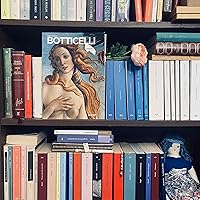
فى هـذا الكتاب الذى بين يديك ، يسرنى أن أقـدم لك ترجمة روايتين مـن أشـهر أعمـال كاتب إيطاليـا المعـاصر الأشهر ( ألبرتو مورافيا ) :
الرواية الأولى هى ( أجوستينو ) أو ( الخطيئـة الأولى ) ، التى اعتبرت أحسن رواية إيطالية فى عام 1945م ، وما زالت تعـد إلى اليوم من أكمل روايات موارفيا وأعظم أعماله الأدبية نضوجًا ، إذ يرى النقاد أنهـا أروع رواية من روايات الأدب العالمى الحديث تناولت ـ بصراحة كاملة ـ ظواهر التطور ويقظة الرجولة فى نفس الفتى ( المراهق ) الذى أطلق عليه المؤلف اسم ( أجوستينو ) .
AGOSTINO .. وقد كتبها موارفيا عام 1942م واستغرقت منه كتابتها أكثر من عام !
أما الرواية الثانية التى يضمها هذا الكتاب الذى بين يديك ، فهى رواية ( فتاة من الأقاليم ) LE PROVINALE التى كتبها مورافيا عام 1937م ، وهى من لون مغاير تمامًا للأولى : فبينما تعتمد ( أجوستينو ) على التحليل النفسى أولاً وأخيرًا ، تعتمد الثانية على الحركة والحوادث المتلاحقة ، فبطلتها فتاة ذات حيوية وطموح ، تضيق آمالها بالحياة الراكدة الرتيبة التى تفرضها عليها بيئة الأقاليم ، وتتمرد أحلامها على قيود الفقر والظروف المتواضعة التى تحيط بها ، فتحلم بالثراء ، والزواج مـن شاب متـرف ، والانتقال إلى العاصمة ... و .... و ... إلى آخر أحلامها !
Alberto Moravia, born Alberto Pincherle, was one of the leading Italian novelists of the twentieth century whose novels explore matters of modern sexuality, social alienation, and existentialism. He was also a journalist, playwright, essayist and film critic. Moravia was an atheist, his writing was marked by its factual, cold, precise style, often depicting the malaise of the bourgeoisie, underpinned by high social and cultural awareness. Moravia believed that writers must, if they were to represent reality, assume a moral position, a clearly conceived political, social, and philosophical attitude, but also that, ultimately, "A writer survives in spite of his beliefs".
Adolescence is a unique stage of human development, and it is significant in the terms that it plays important role in laying the foundation of a man’s life. This phase of life experiences rapid physical, cognitive and psychological growth, also in this phase, the body and mind start understanding the sexual feelings and evolve both physically and emotionally. We know that during the phase, the individual may experience an upsurge of sexual feelings. It is during adolescence that the individual learns to control and direct sexual urges. It is often considered by the experts that the process of maturation is by and large peaceful and untroubled, but we know that life does not always go merrily. Adolescence is an intense and stressful development period wherein one may encounter specific behaviours which one could not even think of.
The turbulences our mind and body go through mark our phase of adolescence, we lose our innocence to comprehend the vagaries and nuances of life during the transformational phase. The story starts with 13-year-old boy, the protagonist, Agostino, who finds himself on the verge of adolescence, spending the summer with his beautiful, gregarious mother. They enjoy each other’s company until the life of Agostino is shaken by her mother’s flirtatious relationship with a young man, Renzo. Agostino feels as if he is robbed off any power and influence on his mother and becomes toothless to do anything about his mother’s increasing attraction towards Renzo, and his discomfort is evident through the cruel, immediate and sparse prose of the author.
Feeling ignored and unloved, as if the affectionate chord connecting the son to the mother gets twisted and strained, Agostino carves out a life of himself in the undesired but requisite company of the local young guys. The rough and vulgar existence of the neighbourhood boys initially embarrasses Agostino, as we all feel when we are exposed to something we are not used to, somewhat like being burned by the light of comprehension, however, gradually it starts raising interest in our protagonist as often darkness attracts us. Through the humiliations of being weak and ignorant, the repulsion felt by Agostino due to brutality of these young guys gradually transformed into an untamed attraction riding upon masochism and innate curiosity of humanity.
In the light of the new and dangerous awakenings, Agostino first time sees her mother as a woman and not just being his mother. The troubled feelings of Agostino make him uneasy as they are beyond his comprehension, the guilt and desire, arise out of his feeling towards his mother, get entangled and forces him to sever the umbilical cord of his troubled sensuality from his mother. Ironically, Agostino’s mother remains oblivious to her son’s sexual awakenings and the emotional turbulence he goes; for her, he keeps on being an innocent child.
Agostino might be slim book, a novella, but it deals with complex emotions of humanity, its adolescence. The book has been able to deftly portray the tensions and juxtapositions of a boy’s struggle to come to terms with his evolving life. The sea of emotions awakened in him due to the behaviour of his mother in the light of his awaken sexuality forces him to come to terms with things which may have unpleasant consequences. The author has been able to astutely portray the agony of Agostino who find a route to understand his feelings through the brutal neighbourhood by tormenting the motherly affection.
The inability of young Agostino to accept her mother as a woman beside her motherhood is being portrayed with brutal honesty by the author. The motherly warmth of his mother changes into animal cordiality which forces him to take refuge in the savage world of his neighbourhood. The book acts as a great introduction to the world of Moravia, though it was banned by Fascist censors, but it has become a timeless classic over the years. The controlled, and sparse prose, which is cleansed of all frills, of the book conveys the agonies of the young Agostino with immediacy and brutality of adolescence and shows the prowess of Moravia. The great tension between the enigma of sex and the curiosity to know it proves to be the central theme of this compact but powerful psychological study of adolescence.
The image of sheer negligee on the prostitute at the brothel is superimposed on the wrinkled nightgown the mother is wearing when she comforts Agostino. As pointed out by Michael F. Moore in the translator’s note, the bluntness of the parallels the author draws, in association with the images flourish from the controlled imagination of the author, clearly marks his mastery to paint a picture through words.
The mother, having removed her necklace and set it on the marble top of the chest of drawers, brought her hands together at her earlobe in a graceful gesture to unscrew one of the earnings. Throughout this motion, she kept her head titled to one side and turned toward the room.
Moravia portrays Agostino’s psychological investigations in an incisive but ruthless manner against the protagonist’s ignorance and innocence. What appears to be a simple portrayal of transformation of innocence to ruggedness of life in the background of any other neighbourhood, is actually an attentive and carefully crafted lively existence of Agostino amidst his frustrations on incomprehension of himself to make him feel that perhaps he should ignore everything altogether as it would have been the best solution.
The literary techniques used by Moravia here talks about his ability as a master of prose, for we hear the characters of the book most of times through the narrator’s voice and they are being allowed to express themselves selectively as per the will of the author. The selective expression of the characters gives the prose a unique twist as of the story has been portrayed mainly through the eyes of the protagonist. Overall, Agostino is a fascinating case study of Freudian Oedipus complex, not in a typical sense but it deals with the complex subject of awakening of sexuality with an astute touch.
In the early days of summer, Agostino and his mother used to go out to sea every morning in a small rowboat...
With that opening sentence, the reader is dropped into Agostino's world. There is no 'before' the early days of summer, no 'back story' provided for Agostino and his mother. I liked that Alberto Moravia trusted the reader to follow him straight into the deep water of his story. I was ready and eager to spend time with Agostino and his mother — except for the second part of the sentence, the part that spelled out what kind of rowboat was being used: ..a small rowboat typical of Mediterranean beaches known as a pattino.
I got tangled up in that explanation. Something told me there would have been no such awkward explanation in the original, so I looked at a sample of the Italian version online, and sure enough, the opening sentence was much shorter: Nei primi giorni d’estate, Agostino e sua madre uscivano tutte le mattine sul mare in pattino. In the early days of summer, Agostino and his mother went out to sea every morning on a pattino.
There are a full eleven words less in the Italian version. I wished I could have read this book in Italian, but I had to read it in English, wondering as I read what other superfluous words had been added to the sparely written sentences. Because yes, though I was reading this in a translation where I suspected extra words were being added, I was still aware that Moravia favoured brevity. Nearly everything was stated concisely, and even starkly at times.
That style took a little while to get used to but I soon began to see how well it fitted the tale being told. This is a story about what happens when an innocent and overprotected boy is suddenly confronted with the brutal realities of the adult world. Just as the reader is dropped from nowhere into that rowboat, Agostino is abruptly dropped into an alien place filled with crudities and cruelties. The result is much confusion for Agostino, especially with regard to his feelings for his mother. An eaborate style wouldn't have suited this story at all. Short sharp sentences were the perfect choice for describing Agostino's anguish.
………………………………………
There's a story behind my reading of Agostino's story. Last month I read a book by Italian author Elsa Morante, called Arturo's Island. The story was about a boy's transition from innocence to experience, and although Arturo didn't have a mother, his young stepmother played a role in his transition.
A goodreader friend pointed out that Elsa Morante's themes seemed to be very similar to the the themes of a book by Morante's husband, Alberto Moravia. I was curious so I got a copy of Agostino straight away. What I found interesting is that while dealing with similar themes, these two books offer completely different reading experiences, and it seemed to me that the difference lay largely in the writing styles. Moravia's book, published in 1945, seems very modern in its unadorned prose. Morante's, though published in 1957, is written in a style that would suit ancient tales of brave knights, beautiful damsels and cruel sorcerers. A big difference.
Both books were written on Mediterranean islands in the bay of Naples, Moravia's on the large and sophisticated isle of Capri, Morante's on the small island of Procida, little different today from what it must have been hundreds of years ago.
I'd like to think the atmosphere of the respective islands contributed a little to the telling of Agostino's and Arturo's stories.
This is not your typical coming of age story. Agostino is a 13 year old boy, on vacatioon at a Tuscan beach with his widowed mother. The writer describes her as a big woman, in her prime, and Agostino is fixated on her, not just as a mother, but also as a woman. Things get complicated when his mother meets a young local man, and they spend their days in what is presumed, a romantic fling. Agostino feels left out, jealous, and in his gloom he meets a group of local boys on the beach and he learns some life lessons the hard way. An event at a local house of prostitution does further damage to Agostino's fragile sexual understandings. A short novel and well written.
I am sitting here thinking, “what on earth can I say about this book?”
It packs a punch. True It’s sensual and voyeuristic. Disturbingly true. It’s about jealousy and feelings one doesn’t understand. Truly we know this truth. It’s about fitting in and not fitting in. Sadly true. It’s violent. Brutally true. It’s about the classes. Unfortunately true. It’s about the hard realities of life. So true. It’s about that dramatic change in adolescence. Regrettably true. It’s about wanting to be a man and stop being a child. Doubly true.
It’s about that great rush to grow up when one doesn’t have the means, the ability nor the experience to know what to do or how to handle it. Mother, son, peer pressure, desire, hormones, conflicted loyalties. A summer to remember or one to forget.
The book is a classic. Undoubtedly true.
PS the cover painting “Il pino sul mare “ by Carlo Carra sets the melancholic tone. Vero.
Πρώτο βιβλίο του Αλμπέρτο Μοράβια που πέφτει στα χέρια μου και δηλώνω ικανοποιημένος. Πρόκειται για ένα αρκετά σύντομο και περιεκτικό μυθιστόρημα, που σκιαγραφεί το πορτρέτο ενός δεκατριάχρονου αγοριού, του οποίου η αθωότητα χάνεται ξαφνικά μέσα σ'ένα καλοκαίρι, έπειτα από κάποια συγκεκριμένα περιστατικά. Ο μικρός Αυγουστίνος κάνει διακοπές με τη νέα και όμορφη χήρα μητέρα του σ'ένα παραθαλάσσιο μέρος, όντας ουσιαστικά το επίκεντρο της προσοχής της. Μέχρι που μια μέρα εμφανίζεται ένας νέος άντρας, ο οποίος τη σαγηνεύει. Ο Αυγουστίνος ταράζεται συναισθηματικά, νιώθει προδομένος και προσπαθώντας να καλύψει το κενό, μπλέκεται με κάτι αλητόπαιδα και έναν αμφιβόλου ηθικής βαρκάρη. Νομίζω ότι την όλη διαφορά στο βιβλίο την κάνει, φυσικά, η πολύ καλή και οξυδερκής γραφή του Μοράβια. Από τις περιγραφές των τοπίων και των γεγονότων, μέχρι τις περιγραφές των συναισθημάτων και των σκέψεων του νεαρού πρωταγωνιστή, ο συγγραφέας κατάφερε να μου κρατήσει το ενδιαφέρον από την αρχή μέχρι το τέλος. Η ιστορία είναι αρκετά απλή και συγκεκριμένη, αλλά ο τρόπος γραφής θεωρώ ότι την απογειώνει ως ένα σημείο. Το μόνο σίγουρο είναι ότι θα διαβάσω και άλλα βιβλία του Αλμπέρτο Μοράβια.
Agostino is a short coming-of-age tale with majestic descriptions of a Tuscan seaside town. The tale of a young, privileged teen trying to fit in with the rough boys and engage in their uncouth adventures is nothing new. Coddled Agostino's frustrations are familiar and heartwarming.
Since the book is told from his perspective, it has a contained scope and effective focus. It is not concerned with politics or philosophy, but the reader can draw many connections between the interior sensations of the main character and the outward acts of immaturity and confusion.
Moravia is an important author in Italy, from what I've gathered, but often neglected in English-speaking countries. A small portion of his works have made their way into English, and I would love to see him given the same attention as Umberto Eco. He wrote dozens of novels, stories, plays, and essays. In some ways, his style reminds me of W. Somerset Maugham's - a refined, unhurried, wise, and observant style, concerned with subtle characters interactions and elegant settings.
Apparently, Moravia was nominated for the Nobel Prize 13 times, and comparing him to certain winners (I'm thinking of Orhan Pamuk and Pirandello) I'm wishing he'd won.
Moravia really uses his character's childlike innocence and naivety to comedic and dramatic effect. It makes it really easy to put yourself in this boy's shoes, and to experience the wonder and bittersweet sorrow that is growing up. From an adult's perspective there is constant dramatic irony in the fact that you know his idols and fascinations and agony, will all fade away when the world finally opens up its wonders to him. But there is also a loss we all experience, I think, when the universe loses some of its mystery, and human nature in particular is revealed to us in all of its wickedness and intricacy.
This is a loving portrait of youth and a simple, but discerning fable with universal appeal.
It was a bestseller in its day, and it remains an easy, evocative read 70 years later.
Agostino is a coming-of-age novella written and censored during Facist regime in 1942. Moravia wrote it in a month while on the island of Capri. In 1945 it was awarded Italy’s first postwar literary prize, the Corriere Lombardo according to the translator’s note.
It’s a great novella about a 13 year old boy who is vacationing with his widowed Mommy. The story begins with the boy, Agostino, being so close to his mother that it was clearly Oedipal. His mother becomes interested in a man, and Agostino is angry and threatened. So, he’s drawn to some local hooligans. Agostino, being from a wealthy class, has been shielded from the rougher side of life. He’s intrigued with the boys. The boys are cruel and mean to him, yet he’s drawn to them like moths drawn to flame.
There’s many themes compacted into this little book: there’s the social class differences, the classic coming-of-age issues of young boys; struggles of boys trying to fit in; and the hopelessness of the disenfranchised.
Romanzo breve tutto dedicato al senso della scoperta, dell’inganno e del disincanto. Agostino è un ragazzetto in villeggiatura al mare con la madre vedova , ancora giovane e avvenente. Tra la cabina e l’ombrellone, la loro estate scorre lieta e serena , la mattina in spiaggia, il pomeriggio a casa per una siesta rigenerante, per tornare al lido la sera. La loro routine è scandita dall’immancabile giro in patino, al largo, la mattina, per fare il bagno; Agostino rema orgoglioso, consapevole dello sguardo di ammirazione degli altri bagnanti, sguardo che li accompagna mentre loro, coppia perfetta, si avviano verso la linea dell’orizzonte. È Agostino il più orgoglioso, soprattutto perché ha convinto la madre a liquidare il marinaio che li accompagnava le prime volte. Un giorno però un’ombra si staglia , ritta e fiera, presso il loro ombrellone; oscura il sole, mina la felicità, modifica gli equilibri: un giovanotto prestante invita la donna all’uscita quotidiana sul patino e il ruolo di Agostino viene lentamente a decadere. Inizialmente l’ingenuo ragazzetto accompagna i due diventando complice di incontri la cui natura non è ancora in grado di definire, solo in seguito ad un alterco con la madre, un giorno decide di non stare con loro e , offeso e risentito per uno schiaffo materno, si rintana nella cabina,incapace di qualsiasi azione. Sarà un ragazzetto del popolo, giunto dalle spiagge limitrofe a quelle elitarie degli stabilimenti a strapparlo dalla visione edulcorata della realtà nella quale è immerso . Si è introdotto in cabina per sfuggire agli altri in quella che parrebbe una comune battuta di “Guardie e ladri”; gli altri: una masnada di ragazzotti della peggior specie ai quali l’intrepido riesce a condurlo. Da quel momento in poi l’estate di Agostino diventa al tempo stesso fuga, pericolo, scoperta, dolore fisico e morale, iniziazione sessuale o almeno un primo approccio indiretto e nelle sue manifestazioni meno edificanti, passando per pederastia e prostituzione. Le esperienze forti alle quali si esporrà, spesso in maniera inconsapevole e ingenua, altre volte per appagare un improvviso moto di curiosità che diventa sempre più prepotente nella misura in cui riesce ad allontanarlo dalla madre, faranno di lui un giovanotto confuso, irrisolto e forse consapevole di non essere ancora divenuto uomo. Questo breve romanzo rappresenta nella produzione di Moravia un tassello importante, cronologicamente è quello che lo restituisce alla scrittura dopo l’esperienza forte della guerra e della vita alla macchia in Ciociaria; è quello inoltre che lo conferma grande scrittore con plauso del pubblico, scalza “Cristo si è fermato a Eboli” dell’amico Carlo Levi dal podio del vincitore del premio istituito dal “Corriere Lombardo”; è infine quello che lo stesso Moravia definì la “cerniera” tra la prima produzione e la successiva. Si inserisce in un filone letterario che ha per oggetto le inquietudini adolescenziali, a me ha ricordato in particolare “I turbamenti del giovane Torless” di Musil e in maniera prepotente anche “Dietro la porta” di Bassani, uno precedente , l’altro successivo; introduce nella produzione di Moravia il tema dell’eros, in una delle tante e possibili sfaccettature. Gode di un respiro particolare che appoggia il suo afflato sulla rappresentazione dell’ambiente marino: il mare, la spiaggia, il cielo, la foce prepotente di un rio, la successione di lidi attrezzati alla migliore villeggiatura e la sporcizia della spiaggia libera, quella vera, quella di un’altra possibile vita, “uno strappo nel cielo di carta”…
Moravia’s ”Agostino” is about the naivety of a child that becomes an awkward adolescent in mind and spirit and implores the boundary of adolescence and manhood.
”The dark realization came to him that a difficult and miserable age had begun for him, and he couldn’t imagine when it would end.”
Agostino is a feeble-bodied, yet healthy teenager of thirteen years from an upper middle-class to wealthy family and what I would deem a ‘mama’s boy’. With the encounter of a young boatman flirting with his mother brings on the question of her dignity, from his point of view, and his strange filial fantasies of his mother as she engages with this new, younger man; taking place of Agostino as the man in her life. Agostino is repulsed by his mother and her actions, but also repulsed by his oedipal complex as it lingers in his mind. His insatiable feelings towards her control him and confuse him in ways he cannot understand.
With these feelings inside, he looks elsewhere for peace of mind. Questions are stated and imposed upon the reader and Agostino strives to find answers to those questions that he has within. As he distances himself from his mother and boyfriend, he finds himself upon a ragtag group of indigent age-like children that he cannot relate to, but the reader discovers that this is just an acting out for attention as he cannot attain it from elsewhere.
The unpleasant nature of his transition as an adolescent are described in the later pages as his mother replies to his comment: ”You always treat me like a baby!” and in retort fashion, she exclaims, ”All right, then, from now on I’ll treat you like a man”.
Agostino seems to find the answers to his questions by finally realizing to himself:
”Like a man,” he couldn’t help but think to himself before falling asleep. But he wasn’t a man, and many unhappy days would pass before he became one.”
Moravia seems to epitomize how early life’s inquiries trouble the mind and how the people around you affect and are affected by your actions and emotions during those years.
Direi che lo si può assimilare a un romanzo di formazione che tratta del passaggio dall'infanzia all'adolescenza ed esamina quel fugace momento in cui si spezzano i legami con i genitori per muovere i primi passi di quella che sarà la propria vita, in cui si esce dal mondo dorato dei giochi e si scopre l'amaro sapore della cattiveria altrui, in cui le pulsioni, ormai sveglie, turbano le giornate con le lusinghe del desiderio. Alcune parti sono molto poetiche, ma il romanzo non mi ha lasciato quasi nulla. Forse è una storia già letta e riletta e vista e rivista in mille altri contesti.
"Chissá che forse, camminando sempre diritto davanti a sé, lungo il mare, sulla rena bianca e soffice, non sarebbe arrivato in un paese dove tutte quelle brutte cose non esistevano. In un paese dove fosse stato accolto come voleva il cuore, e dove gli sarebbe stato possibile dimenticare tutto quanto aveva appreso, per poi riapprenderlo senza vergogna né offesa, nella maniera dolce e naturale che pur doveva esserci e che oscuramente avrebbe voluto. Guardava alla caligine che sull'orizzonte avvolgeva i termini del mare, della spiaggia e della boscaglia e si sentiva attratto da quella immensità come dalla sola cosa che avrebbe potuto liberarlo dalla presente servitù."
“Dopo quel giorno iniziò per Agostino un tempo oscuro e pieno di tormenti. In quel giorno gli erano stati aperti per forza gli occhi; ma quello che aveva appreso era troppo più di quanto potesse sopportare.”
L’inettitudine è una caratteristica tipica dei personaggi moraviani: incapaci di agire e di adattarsi al mondo, vivono attraverso le parole, i pensieri. Inetti mi sono sembrati i protagonisti di L’uomo che guarda e Gli indifferenti – romanzi che mi sono piaciuti molto –, e allo stesso modo mi è parso Agostino, novello Edipo che dà il nome al romanzo breve. L’estate afosa e soleggiata di Agostino si trasforma in un sogno oscuro e torbido quando il gruppo di ragazzini conosciuti al mare gli rivela i misteri del sesso. L’innocenza persa lo scaglia in un mondo ambiguo, in cui i corpi assumono significati prima incomprensibili. Lo sguardo di Agostino muta per sempre, e nel mondo che ora si profila ai suoi occhi scopre il corpo della madre, la femminilità che non aveva mai scorto in lei.
Agostino mi è piaciuto meno dei due precedenti romanzi di Moravia che ho letto. Tuttavia, ho ritrovato grande profondità psicologica nei personaggi – cosa che mi pare sia il punto forte dello scrittore –, sempre ambigui, realistici, difficili da cogliere con categorie chiuse. E la scrittura figurativa e quasi chirurgica, in cui ogni termine sembra al posto giusto.
Agostino tredicenne di buona famiglia è in vacanza al mare con una madre ingombrante; ingombrante in tutti i sensi, ovvero grande, opulenta come ci descrive con insistenza l'autore, e onnipresente nei pensieri e nelle prime fantasie sessuali del figlio roso dalla gelosia. Come compensazione alla disattenzione della madre, presa da tutt'altro, Agostino cercherà di farsi accettare da un gruppo di ragazzi del luogo di bassa estrazione sociale, e attraverso loro incontrerà la omosessualità e la prostituzione sfiorandole appena, ma non arriverà a conoscere davvero il sesso perché è ancora troppo giovane e "molto tempo infelice deve passare " prima che diventi uomo Quando leggo che un libro viene definito datato mi sembra spesso un commento sbrigativo e superficiale che non entra nel merito, eppure in questo caso non ho potuto fare a meno di pensarlo. Sa di polvere e naftalina questa madre vedova stordita dalla riscoperta del sesso con un giovane villeggiante, le ascelle con peli neri che saettano ( brrr) e la sua sensualità quasi macchiettistica, tutta fuoco e fremiti. Sa di accanimento lombrosiano questa descrizione dei poveri come brutti, neri, tozzi, sgraziati e fra di loro "con grande meraviglia di Agostino " c'è perfino un negro... E con coerenza altrettanto lombrosiana Agostino immagina che l'unico biondo con gli occhi cerulei sia di origine più signorile degli altri, ma purtroppo sbaglia e il costume tutto strappato lo rivela come l'eccezione che conferma la regola . È goffa e volgare la descrizione degli omosessuali con notazioni che sottolineano come siano diversi dentro e fuori: uno, ça va sans dire, è il negro. E l'altro, il bagnino che adesca e esercita il suo potere sulla piccola banda, ha sei dita per mano...! Manca solo l'omosessuale con la pelle verde e le antenne, per ricordarci che "loro" sono diversi da "noi". E ha infine un sapore di angusto moralismo questa percezione del sesso da un lato pruriginosa, come visto dal buco della serratura, dall'altro minaccioso e deflagrante come una bomba a orologeria. Se questo era l'Edipo di quegli anni, la Summer of love ne ha salvate di vite...
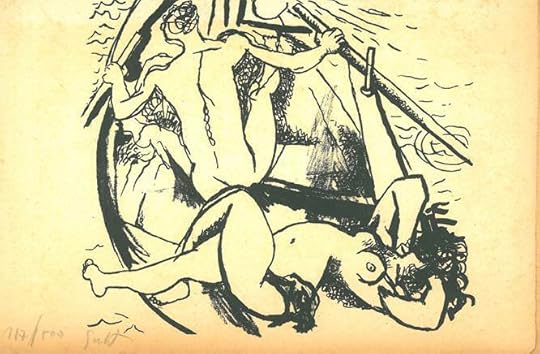
siamo nel 1944: i tedeschi occupano Roma. Esce questo romanzetto in edizione limitata e illustrata da Renato Guttuso che vale a Moravia il primo premio letterario della sua vita: il Corriere Lombardo. La critica tutta, o quasi tutta (incluso Gadda) concentra la propria indagine sulla tematica sessuale affrontata nel testo. Gadda dice «È l’incontro di un ragazzo tredicenne, di famiglia "civile", Agostino, coi fatti e coi problemi del sesso». Agostino è in vacanza in un'imprecisata località balneare, insieme con la madre. Il nucleo morale del racconto segna 'la caduta', il 'distacco' dal mondo dell'infanzia e l'ingresso perturbante nel mondo dell'adolescenza, con tutti i suoi classici turbamenti. Agostino si ritrova suo malgrado difronte ad alcune verità riguardanti il rapporto fra i sessi e le differenze sociali, l'immagine materna (grande, opulenta, ingombrante) comincerà a cambiare ai suoi occhi, a farlo ammalare di gelosia, inizierà a guardarla con occhi nuovi e ad annotare pensieri che agiteranno in lui sentimenti contrastanti di regressione e di repulsione. Sullo sfondo il contrasto fra la sua realtà borghese e quella proletaria della banda di coetanei.
Ho letto i primi capitoli avvertendo un fastidio costante. Il testo è costruito su una visione del mondo istintiva e profondamente moralistica, goffa, superata, che io non so come meglio definire se non come 'volgare' e caricaturale e pure un filo morbosetta. Sarà sicuramente un limite mio e proverò a leggere qualcos'altro di Moravia.
La vita è troppo breve per leggere un libro che non ci soddisfi almeno un po'.
Breve romanzo di iniziazione, dallo stile secco ma evocativo, ci racconta la vicenda di Agostino, un ragazzino di tredici anni, che, cresciuto in un ovattato ambiente borghese, si appresta a compiere quell’inconsapevole passo dall’infanzia all’età adulta, attraverso una serie di brutali scoperte: la gelosia, il tradimento, la violenza, la prevaricazione sul più debole, e il sesso. Il forte legame affettuoso nei confronti della madre, figura signorile e protettiva, mi ricordò, ai tempi della lettura, quello che univa Arturo al padre, nel celebre capolavoro della Morante, con l’amara delusione di quell’incanto spezzato, in una vita di cambiamenti, da parte appunto del protagonista. Mi vergogno ad ammettere che questo è l’unico libro di Moravia da me letto finora, ma sono pronta a rimediare con ciò che di meglio mi manca per poterlo apprezzare.
Agostino is a novel I bought in 2006, from one of the secondhand book stores in Fort, Mumbai. It is a dark tale of sexual awakening. A teenager falls in with a bunch of local goons as a rebellion against his beautiful mother seducing a guy. He is intensely attracted to his own mother. I liked the book enough to check out more of Moravia's work. It was well written. Told through the childhood awareness of Agostino. A tad slow. But I am glad I read it.
If you like Freud (are there any Freudians left in the house?), Alberto Moravia's novella (weighing in at a mere 99 pages) is just the ticket. It's the story of a 13-year-old boy spending summer by the sea with his young and beautiful widowed mother. The boy is as green as they come and hopelessly in love with his mother.
At first young Agostino is honored to row his Mamma beyond nosy eyes on the beach to where she can skinny-dip (while he doesn't look because she tells him not to) in the sea. The snake in young Agostino's garden is a young gentleman who comes to join them, a man who causes his mother to act differently as she flirts and plays helpless and such. Our young protagonist, now the third wheel (oar?) on these excursions, is confused to say the least.
Then he gets snared by this beach-side band of feral boys led by a creepy, Fagin-type character. He's half horrified, half fascinated by their coarse world and the lack of ethics they take pride in. They are only too happy to tell him what Mamma is probably doing while swimming in the sea with her new suitor.
So, we have a forcing-of-age story here and apparently the work is famous for its plain narrative style, which of course translator Michael F. Moore must try to capture. It was OK. Not much, overall, but there were moments. Like this interesting description of his mother after he's learned the awful truth about humans and lust:
"Her arms were raised to unhook the clasp of the necklace, lending her back a movement that could be seen through the transparent fabric, making the furrow that divided her expanse of tanned flesh blur and fade into two different backs, one lower and beneath the kidneys, the other higher and nearer the nape of the neck. Her armpits opened to the air like the jaws of two snakes, the soft long hairs like thin black tongues protruding as if eager to escape the heavy, sweaty constriction of her arms...."
Innocence lost? I guess. And there are more jolting mirror contrasts as Moravia details the transformation between innocence and experience, showing the boy's struggle with Madonna/Whore images and thoughts.
Also in the mix? One of Moravia's pet themes, as he contrasts the rich boy, Agostino, and the lower-class boys from the beach. Freud and Marx, then, in the Key of Italy....
Agostino è un ragazzino d’altri tempi. E’ innamorato della sua mamma in modo puro , la dimensione del corpo e del desiderio fino a quell’estate non lo aveva mai sfiorato, il suo sguardo è limpido, ciò che prova è orgoglio e gelosia filiale , sempre intrisi di buoni sentimenti, senza malizia sempre. Proprio la malizia imparerà in un solo momento, attraverso l’altrui sguardo, quello di altri ragazzini cresciuti fuori dalla campana di vetro della ricchezza e dell’ipocrisia. Proprio quel suo sguardo cambierà: la sua mamma è una donna ora, può amare un altro uomo, considera lui un bambino, il suo dolce bambino e lo sguardo incestuoso è soltanto, dolorosamente, il suo. Il caro Moravia descrive benissimo l’angoscia di Agostino, senza volgarità gli fa sentire l’odore di donna su una guancia sfiorata dal fianco materno, gli fa fare sogni impudichi, lo guida verso una soluzione che non si compie, sulla soglia di una ‘casa chiusa’, e lo lascia spaurito e indifeso di fronte alla visione degli anni a venire in cui, bambino ancora, non potrà sostituire il corpo sognato con un corpo reale di altra donna. Bravo Agostino a pensarci e povero Agostino d’altri tempi! Poveri i suoi buoni sentimenti! Crudele Moravia: avrebbe potuto scrivere di un tredicenne più alto, più muscoloso, più furbo, con uno sguardo meno impaurito e lo avrebbero fatto entrare in quel villino. E stride moltissimo la differenza tra un passato felice e spensierato fatto di giochi ingenui e un veloce divenire tormentato dal desiderio, da desideri inconfessabili a chiunque, anche se Moravia-Agostino è poi fin troppo sincero. La storia potrebbe continuare con uno qualsiasi di quei film in bianco e nero nell’Italia del dopoguerra, dove le protagoniste sono le servette di ogni dove, che giungono nelle città e nelle famiglie più ricche per camparsi e sfuggire alla povertà di allora. Mi sovviene l’esistenza di una nuova funzione sociale di queste donne, quella di educatrici sentimentali dei giovani rampolli di buona famiglia, oltre alla collaborazione domestica: amaramente azzardo.
A sparse and curious little novel about one of those things American culture doesn't like to talk about, namely, sexual awakening. Sex is something that we like to read about if it involves super-wealthy werewolf vampire lesbians, or lycanthropic New Age gay knights, or teenage magic-wielders touching each other in their naughty bits...but only by suggestion, or vindictive and unrealistic pornographic scenarios involving with about as much life as a Sani-hand (a kind of glove used to ward off masturbatory obsolescence) Real people dealing with real sexual issues! Damn! A 13-year old boy emerging from the shadow of his overloving mother starts thinking about sex and starts thinking about her. Then he meets a gang of ruffians on vacation that he starts hanging out with some of whom are sleeping with a fat lifeguard guy and who teach the kid, in their poetically crass way, about all these weird feelings he's having. Like I said, it's a very desolate and simple novel, but that's part of its strength because it is the story of that middle ground that none of us like to think about (outside implausible, fantastic scenarios) between being free of desire and having desire, the middle ground where you're trying to find out, often by yourself, what the hell to do with yourself.
Bildungsroman per eccellenza, in cui il protagonista, Agostino, attraversa un periodo di crescita e scoperta di sé durante un'estate al mare. Il romanzo racconta il difficile passaggio dall'infanzia all'adolescenza: Agostino si confronta con temi come la sessualità, il desiderio e il distacco dalla figura materna.
Durante la vacanza con la madre, Agostino si accorge dei cambiamenti nel loro rapporto, in parte dovuti all'interesse che lei mostra verso altri uomini. Questo lo spinge a cercare il proprio posto nel mondo, entrando in contatto con ragazzi di estrazione sociale più bassa e sperimentando il mondo adulto in un modo confuso e spesso pericoloso.
L'opera esplora con grande profondità psicologica le difficoltà di un ragazzo che impara a confrontarsi con la realtà delle relazioni, la perdita dell'innocenza e il bisogno di autonomia. Per me è stato il primo Moravia, e devo dire che ha rappresentato il giusto appiglio.
Tema fondamentale -l'iniziazione sessuale - trattato in modo pudico e conservativo per mezzo di una scrittura erudita e distaccata che non coinvolge nè emoziona. Forse per via del nome che ricorda il filosofo o perché pubblicato nel 1943 dopo tante vicissitudini.
"Thirteen-year-old Agostino is spending the summer at a Tuscan seaside resort with his beautiful widowed mother. When she takes up with a cocksure new companion, Agostino, feeling ignored and unloved, begins hanging around with a group of local young toughs. Though repelled by their squalor and brutality, and repeatedly humiliated for his weakness and ignorance when it comes to women and sex, the boy is increasingly, masochistically drawn to the gang and its rough games. He finds himself unable to make sense of his troubled feelings. Hoping to be full of manly calm, he is instead beset by guilty curiosity and an urgent desire to sever, at any cost, the thread of troubled sensuality that binds him to his mother.
Alberto Moravia’s classic, startling portrait of innocence lost was written in 1942 but rejected by Fascist censors and not published until 1944, when it became a best seller and secured the author the first literary prize of his career. I read the 1947 Secker & Warburg (see my footnote *1 below) edition translated by Beryle de Zoete.
I haven't read anything by Moravia in over forty years but his place in my literary canon was established back in my teenage years growing up in Ireland where Moravia's novels and the scandal and run-ins they created between the author and the catholic church made fascinating reading and added a wonderful added frisson to his novels through their left wing sympathies and blatant rejecting of church guidance in matters of sex and morals. He was amongst the last writers to have all their works placed on the index of banned books by the catholic church (I am sure this probably means little or nothing to anyone under 60 reading this but I to avoid a long digression I refer the curious to Wikipedia as a start).
But more importantly he was the author of 'The Conformist' and 'The Women of Rome' incredible novels made into films which were as impactful and important to us as Tarantino would be to a later generation (and possibly explains why I remain happily in love with the cinema of my youth). It is interesting when reading reviews written about the time of this book's reissue in 2014 in a new translation by Michael F. Moore that Moravia's passionate political point of view is not even noted. The novella (or even short story) is perceived almost exclusively as a sexual bildunsroman rather then a sharp eyed portrayal of the futility and purposeless decadence of haute bourgeois Italian society and it is this added layer that gives the novel, even if unrecognised or understood by today's readers, its incredible strength, depth, power and emotional charge.
There are plenty of reviews of this book - reading any amount of them, never mind the criticism available, would take longer to read than this novel. I heartily recommend this short novel as an introduction to Moravia's wonderful oeuvre which, despite what one reviewer on Goodreads says, is almost all available in English translation, though like most books worth reading may only be available second hand.
*1 I want to take a moment to praise the London library service - because of its long, historic roots and long years of public service principal underlying it, long pre-dating market forces as the be-all and end-all of planning, the service is blessed with some extraordinary reserve collections dating from a time when librarians believed that it was important to have certain books in stock long after they had lost their immediate popularity and when book were produced to a quality that made them worth rebinding and preserving. I remember when I worked, while at University in the late 1970's, in various London library systems, that most still had the facilities and personnel to rebind books that had been worn and damaged through use. The result is that it is often easier to get a book like this published 80 years ago than one ten or 15 years old.
Un romanzo di formazione che non si conclude con una formazione; che è solo un abbozzo di formazione, perché Agostino rimane figura liminare tra infanzia ed età adulta, fluttuante in quel periodo indefinito che si chiama adolescenza. Mi verrebbe da citare Balto ("non è cane, non è lupo..."), poiché il ragazzo, pur mantenendo tratti fanciulleschi e pur acquisendo pensieri, gesti, pose di chi è più grande, non è più ciò che era, né ancora ciò che sarà. Il passaggio, già presente in potenza nell'animo del ragazzino - lo notiamo da certe reazioni viscerali seppur latenti verso la madre sedotta dal giovane sul pattino, quando Agostino entra fortuitamente in contatto col ventre bagnato della donna e comincia a provare sensazioni per lui ancora indecifrabili ancorché istintuali - viene, per così dire, forzato, dai ragazzi del bagno Vespucci e dal bagnino Saro (la cui omosessualità porterà Agostino al dileggio da parte della banda, che lo considera suo amante). Proprio Berto, il Tortima e gli altri, vanno a rappresebtare una summa di quella classe operaia e popolare così invidiosa degli agi e delle ricchezze della borghesia da velarla attraverso le prese in giro e la violenza. Agostino, da parte sua, ne assume certi atteggiamenti, ma non riesce a distaccarsi da quelli che gli sono stati inculcati fin dalla nascita, da quell'essere borghese che è quasi un marchio (["così si trovava ad avere perduto la primitiva condizione senza per questo essere riuscito ad acquistarne un'altra"]). Moravia ci dice sempre più di quanto non vi sia nel significato letterale. Merita una ulteriore menzione, però, anche la figura della madre: non le viene dato nome, poiché ella è un mero simbolo (come la Mariagrazia degli Indifferenti) di una intera classe sociale in decadimento, che ha perso i freni inibitori, i valori basilari, che si concede a qualcuno più giovane e finge di nasconderlo a suo figlio. Il rapporto madre figlio, prima puro, incorrotto e caratterizzato da edipica gelosia, s'inquina all'atto della comparsa di quel giovane, e i commenti scurrili degli altri ragazzi sono solo un catalizzatore per l'animo già in tempesta di Agostino. La ripugnanza s'alterna alla curiosità, la brama di conoscere l'altro sesso - la scena della casa d'appuntamenti - viene vista dal ragazzino come soluzione finale alla crisi che lo lacera. Tuttavia, dovrà passare ancora del tempo affinché Agostino cresca per davvero, ché le parole, da sole, non bastano. E così si conclude questo romanzo di formazione a metà, che Moravia racconta col suo tipico stile asciutto ma carico di allegorie, con una prosa così lineare, fluida, semplice ma profonda, che quasi in nessun altro scrittore ho incontrato. Promosso a pieni voti.
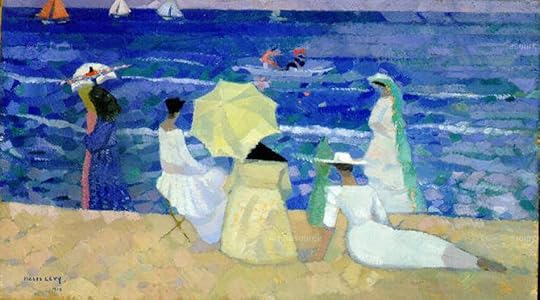
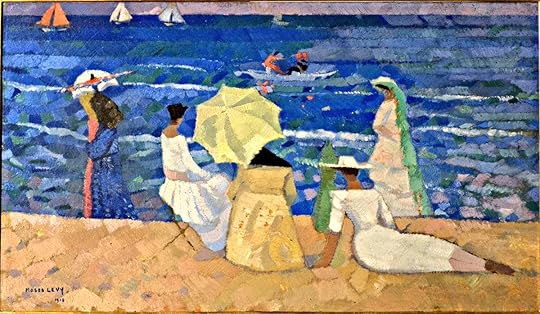
What pleasure to open a book about which I knew absolutely nothing! I have been reading so many new books lately, each set up by talk in the press, the opinions of my friends, the necessity to review, that everything becomes a kind of test, no longer personal, not longer individual. So imagine this, a delicious mystery, a book waiting to be opened, no one to satisfy but myself. It is slim, so no huge investment in time. Published by New York Review Books, who have seldom let me down. A novella by Alberto Moravia, a respected name, but an author I have never read. A slightly surreal beach scene on the cover, its bold simplicity suggesting a disturbing sense of loneliness. I open the book…
…and am introduced to Agostino, a prepubescent boy at an Italian resort, escorting his young and beautiful mother to the beach each day with proprietorial pride, rowing out with her so that they can both go swimming. Then a young man enters the picture, and the mother responds to his interest. Sidelined, Agostino falls in with a group of local boys, fishermen's sons, who show him aspects of life he had barely imagined. It's called growing up, and we have all been through it, all experienced his eagerness, his embarrassment, his pain. And perhaps also his sudden awareness of class.
From the encounter, Agostino learns the facts of life: "something he seemed to have always known and, as if in a deep sleep, forgotten." Immediately, everything changes inside him: his understanding of the attentions of an older man, his awareness of a certain house on the outskirts of the town, his awareness of his mother as a woman, although she still treats him as a child. Delicate in fact, but deeply penetrating in feeling, this youthful novella by Moravia is the most exquisite account of the Oedipus complex you could imagine. Agostino may feel tainted by "the subtle bond of deviant and murky sexuality that had formed between the mother and himself," but we can see it as a necessary phase, a brief summer of discovery in the life of a young man who will nonetheless remain a child for many months to come.
The accomplished translator of this small masterpiece, Michael F. Moore, has provided an afterword which sets this unassuming work of 1942 in the context of Moravia's early career, and establishes its debt to what the author himself called "the two great unmaskers, Marx and Freud."
Though published in 1942 (held back by the censors until 1944) adolescence has not changed much, and it's easy to see why Moravia's novella has become a classic.
On summer vacation in an Italian beach resort with his mother young Agostino is ignored while she chases a local man. He takes an interest, though 'makes friends' would be stretching it, with a group of boys who are generally older than him and from a less privaleged background, their behaviour fascinates him. They hang around with an older man, a local boat renter, Saco, who clearly makes sexual advances towards the boys. Though published in 1945, Saco is depicted as not normal, even a monster maybe, in that Moravia gives him 6 fingers on each hand.
There are a couple of scenes that stand out and are memorable. The boys go skinny dipping almost to tantalise Saco, but it is Agostino, as a small 13 year old, who is more interested in their changing bodies. Agostino' mother is a beauty, and when his new 'friends' see her their language shocks him, though he pretends it doesn't.
Moravia's observation of teenagers is the strength of the story. So many writers of coming of age stories shy away from the topic of sexual awakening, which is what this novella is all about.
Coming of age is an awkward time for Agostino, especially given his preoccupation with his mother. Moravia tells the story quite well but it seemed nevertheless slight to me. I don't regret the hour it took me to read this. Perhaps it suffered for my reading it just after Edisto, wherein the same inchoate understandings reveal themselves in a 13 year-old mind.
A tratti disturbante per il trattamento riservato al povero Agostino, che subisce la mancanza di umanità di un gruppo di disagiati, è però delicato nel rappresentare i primi turbamenti di un bimbo che sta per diventare adolescente, nei suoi crucci riguardo la mamma, che inizia a vedere come donna, nel bisogno di frequentare gruppi diversi, forse più adulti rispetto ai soliti, sicuramente più duri.
3.75 | freud would’ve had a field day with this one __________________
‘agostino’ is a story of adolescence, tracking a mother-son relationship as the son transitions from a child to a teen. we follow agostino and his mother (a widowed woman) as they spend their holiday on a tuscan beach. after agostino’s mother meets a man on holiday, alberto rebels and joins the local, ragtag group of boys, who force him to confront the idea that the world isn't exactly as it seems.
touching on class divides and the state of the working poor, and written in the wake of freud and foucault's emerging theories of the mind, 'agostino' was a layered novella that perfectly captures the confusion and turbulence of ageing as one is thrown into the harsh and often violent adult world.
following the cognitive, sexual, and hormonal shifts that occur during this transitional phase, the dynamic between agostino and his mother alters. the realisation that your parents are people with their own desires, autonomy, and flaws, agostino is forced to see his mother as a woman and not just a maternal figure, leading to very uncomfortable and uneasy thoughts. the mother, unaware of her son’s sexual awakening, continues to treat him as an innocent child. moravia captures the taunt tension between childhood and adolescence and the emotional turbulence and anguish that come with it.
sidenote: there are some uncomfortable racial depictions in here
A decent novella focusing on a young teenager, that addresses the loss of childhood innocence and the confusions of growing up. I prefer Moravia delving into the lives of adults - psychologically; sexually - but certainly worth reading as he's one of favourite Italian writers.