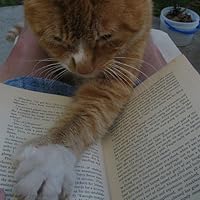
I cannot remember a time when I wasn’t a reader. From superhero comic books to 1,000-page epics to Brit Lit classics and today’s political commentaries, I’ve never stopped reading. Why? I blame my Mom. She made me a reader at bedtime. Most every night, she would tuck me in, plop a cat down by my feet, and then sit on the edge of my bed and read to me. Over the years, we read a variety of books, some over and over again. I will discuss a number of them in the course of this year’s 52 Favorites, but today’s post is about a particular favorite: Mr. Mysterious and Company.
Written by Newberry Award-winner author Sid Fleischman in 1962, Mr. Mysterious and Company is about a family of traveling magicians in the Old West. The book has been called The Grapes of Wrath for children. The Hackett family is making a trip from Texas to California where they hope to finally settle down, thereby offering the three Hackett children a “normal” life. Along the way, of course, adventure ensues. The Hacketts even encounter a notorious villain known as the Badlands Kid.
What I remember most about the book, however, was not the danger and adventure the Hackett family faced, exciting as it was. I was enthralled by the idea of Abracadabra Day. Once a year, each of the Hackett children could play a prank on their family without fear of punishment. In other words, no grounding, no extra chores, no being sent to bed early, not even a lecture. All the culprit had to do was proclaim it Abracadabra Day when the prank was discovered. Tada, just like real magic, all punishment vanished.
Mr. Mysterious and Company demonstrates that great books are more than poetic prose, true-to-life characters, and the clever, witty use of literary elements. You’ll find all these in Mr. Mysterious to be sure. But you’ll find more. You’ll find Abracadabra Day, an idea that transcends time and generations. Everyone could use a few instances of Abracadabra Day in their lives. Some more than others!
Abracadabra Day is not only a great idea because, as every parent and educator knows, kids will be kids. They will cause mischief and sometimes headaches. They will do things in seeming attempts to simply get away with doing them. The magical day allows them to succeed once a year. Moreover, Abracadabra Day connects author Fleischman to his young readers. By inventing it, he proves that he should be writing for children. He knows his audience and, more importantly, he can relate to them.