

What do you think?

The Prophetess of Dharma : Long Lost Journeys of Divine Justice, Healing and Peace
The past, a restless spirit, pleads as it waits for buried truths to come out into the light. The wisdom and wealth of forgotten civilisations, a legacy bestowed by the bounty of the Enlightened Serpent, remains an enigmatic secret. A Prophetess, divinely chosen, delivers declarations of justice. Her pronouncements, imbued with timeless knowledge and potent with power, illuminate the universe's core truths and bring to light forgotten truths from the depths of history.
Myths are reborn with fresh perspectives and legendary tales are discovered millennia after their creation and burial. Diverse cultures combine and clash, revealing undeniable truths about divine justice and the afterlife. Embark on an unforgettable chronicle brimming with revelatory discoveries, technological advancements and the pivotal discoveries that shaped human history. This saga will sweep you away as it explores the boundless potential of the human spirit, the scars of our brutality, and our enduring hope for healing and restoration, all in the face of our inevitable mortality.
Myths are reborn with fresh perspectives and legendary tales are discovered millennia after their creation and burial. Diverse cultures combine and clash, revealing undeniable truths about divine justice and the afterlife. Embark on an unforgettable chronicle brimming with revelatory discoveries, technological advancements and the pivotal discoveries that shaped human history. This saga will sweep you away as it explores the boundless potential of the human spirit, the scars of our brutality, and our enduring hope for healing and restoration, all in the face of our inevitable mortality.
355 pages, Kindle Edition
Published July 21, 2024
About the author
Dipa Sanatani
17 books103 followersDipa Sanatani is a Singaporean author and the founder of Twinn Swan, an independent publishing house dedicated to Modern Sacred Literature. Through her body of work, Sanatani invites readers into a literary universe where spirituality, philosophy and the sacred converge.
Across more than a dozen books, she writes at the confluence of Hindu thought, world wisdom traditions, and the universal longing for transcendence. Her narratives bridge cultures and faiths, reflecting a cosmopolitan devotion to the idea that all paths—however diverse—lead toward a shared truth. Through myth, history, and introspective storytelling, she contemplates the mysteries of destiny, divinity, and the timeless dialogue between soul and world.
She holds a Bachelor of Commerce and a Bachelor of Arts (Media and Communication) from the University of Melbourne, complemented by a distinguished study abroad program at the Hebrew University of Jerusalem. Her diverse global experiences—marked by academic pursuit and professional immersion across Japan, China, Australia, and Israel—have enriched her worldview, positioning her as a unique voice within contemporary sacred literature.
Across more than a dozen books, she writes at the confluence of Hindu thought, world wisdom traditions, and the universal longing for transcendence. Her narratives bridge cultures and faiths, reflecting a cosmopolitan devotion to the idea that all paths—however diverse—lead toward a shared truth. Through myth, history, and introspective storytelling, she contemplates the mysteries of destiny, divinity, and the timeless dialogue between soul and world.
She holds a Bachelor of Commerce and a Bachelor of Arts (Media and Communication) from the University of Melbourne, complemented by a distinguished study abroad program at the Hebrew University of Jerusalem. Her diverse global experiences—marked by academic pursuit and professional immersion across Japan, China, Australia, and Israel—have enriched her worldview, positioning her as a unique voice within contemporary sacred literature.
Ratings & Reviews
Friends & Following
Create a free account to discover what your friends think of this book!
Community Reviews
Displaying 1 - 30 of 30 reviews

July 17, 2024
“Life, my dear, is an eternal quest.”
Amid the echoes of history, emerges a voice from the depth of time. The resonating voice of the Prophetess forges an emotional connection while weaving together a tapestry of myriad themes with multiple narrative tones to tell the tale of civilisation itself. Spinning non-fictional yarns into a fictional pattern, the voice embarks on an enlightening journey to illuminate the ultimate truths of the Universe.
Welcome to "The Prophetess of Dharma" by author Dipa Sanatani where tradition meets modernity, history meets mythology, science meets spirituality, nature meets civilisation and reality meets fantasy to create a unique canvas of tales unknown to the humanity before. Rising from the whirlpool of different cultures across the world, the book feels like a story of different Little Lights who traversed the Universe through the generations.
“O humanity! Do not search the entire vastness of the oceans for the pearl. The greatest treasure is already hidden within your own being...”
The Prophetess of Dharma is a non-fictional marvel. It earns such a title by narrating non-fictional topics of history, science and technology, politics, religion, Dharma, art and culture in a story-like fashion. Some of the chapters are even woven into a fairytale-like narrative with a historical twist, mythological spice and spiritual touch. It feels like a book that breathes an air of fictional aroma into the topics of non-fictional origin.
The most unique aspect of the book is its multi-themed pattern. History exerts its reign upon the tales. Doses of spirituality are sprinkled across every corner. Myths and mythology are intricately woven into its pattern. Science and technology form a beautiful embrace around it. Traditions, customs, rituals and religion seeps into its ornate narrative. Politics wields its influence over the stories. Fairytales and magic too exhibit its unique charm. The Prophetess’ preaching truly brings together a thematic coherence and creates a space where seemingly contrasting realities can perfectly co-exist.
“The sting of hardship can linger, leaving wounds upon the heart. Yet, even in the depths of despair, faith offers strength.”
The narrative technique as adopted in the book too has a distinctive taste. The book embraces multiple narrators, beginning with the voice of the mythical serpent—Ahir Bhudnya—and slowly merging into the voice of an omniscient narrator who shares the stage with our Prophetess herself. Sandwiched between the Prophetess’ voice lie the episodes where she enlightens the humanity with timeless wisdom. At times, she also employs the stream-of-consciousness technique to mystically reveal her life’s stories. A fairytale-like narrative too works its magic, unveiling myths and history in the most extraordinary fashion.
A ray of uniqueness also radiates in the titles of each chapter whose name is kind of a prayer, an offering, a realisation of the greatest truths of life. Even the number of chapters employed to tell the tale is symbolic too. Hundred and Eight is a powerful number in Hindu tradition and its significance runs wild in different spiritual practises, rituals, prayer and meditation. The titles of 108 episodes in the book resemble the Ashtottara Shatanamavali, the Hindu practice of weaving the 108 names of Gods and Goddesses into a song and chanting it to invoke their blessings.
“Let our egos be destroyed; and from the ashes, may our true consciousness ascend.”
With all its ingenuity and intricacies, the book creates an enchanting world with words that resonate within the heart and calms the mind, enlightening the soul deep within. New doors are opened, fresh perspectives are born and unfiltered truths are revealed as the book’s rays fall upon the path towards a new means to view life.
Adorning the genre of experimental historical fiction, the book embraces the concept of universality in diversity. It skilfully wreathes together similar gems from different civilisations, cultures and timelines, creating a cohesive entity to impart the society with valuable lessons and precious insights.
“The soul that has realised the One is forever transformed. Worldly stains can no longer taint its core.”
Owing to its thematic diversity, the book promises to appeal to a wide range of audience—history lovers, science enthusiasts, myth mongers, spiritual addicts and the ones who are always yearning for new reading adventures. And if read with an open mind and willing heart, the book will definitely take the readers on a wild quest through different realms of the Universe.
The final book of The Guardians of the Lore series, "The Prophetess of Dharma" by Dipa Sanatani invites the readers to a journey though the mist of time and into their inner self, to remind humanity how they need the light of the past to build the torch of the future with a tale that directly appeals to the soul.
“To live, you must discover for yourself what lays beyond it. That is the Lore.”
Amid the echoes of history, emerges a voice from the depth of time. The resonating voice of the Prophetess forges an emotional connection while weaving together a tapestry of myriad themes with multiple narrative tones to tell the tale of civilisation itself. Spinning non-fictional yarns into a fictional pattern, the voice embarks on an enlightening journey to illuminate the ultimate truths of the Universe.
Welcome to "The Prophetess of Dharma" by author Dipa Sanatani where tradition meets modernity, history meets mythology, science meets spirituality, nature meets civilisation and reality meets fantasy to create a unique canvas of tales unknown to the humanity before. Rising from the whirlpool of different cultures across the world, the book feels like a story of different Little Lights who traversed the Universe through the generations.
“O humanity! Do not search the entire vastness of the oceans for the pearl. The greatest treasure is already hidden within your own being...”
The Prophetess of Dharma is a non-fictional marvel. It earns such a title by narrating non-fictional topics of history, science and technology, politics, religion, Dharma, art and culture in a story-like fashion. Some of the chapters are even woven into a fairytale-like narrative with a historical twist, mythological spice and spiritual touch. It feels like a book that breathes an air of fictional aroma into the topics of non-fictional origin.
The most unique aspect of the book is its multi-themed pattern. History exerts its reign upon the tales. Doses of spirituality are sprinkled across every corner. Myths and mythology are intricately woven into its pattern. Science and technology form a beautiful embrace around it. Traditions, customs, rituals and religion seeps into its ornate narrative. Politics wields its influence over the stories. Fairytales and magic too exhibit its unique charm. The Prophetess’ preaching truly brings together a thematic coherence and creates a space where seemingly contrasting realities can perfectly co-exist.
“The sting of hardship can linger, leaving wounds upon the heart. Yet, even in the depths of despair, faith offers strength.”
The narrative technique as adopted in the book too has a distinctive taste. The book embraces multiple narrators, beginning with the voice of the mythical serpent—Ahir Bhudnya—and slowly merging into the voice of an omniscient narrator who shares the stage with our Prophetess herself. Sandwiched between the Prophetess’ voice lie the episodes where she enlightens the humanity with timeless wisdom. At times, she also employs the stream-of-consciousness technique to mystically reveal her life’s stories. A fairytale-like narrative too works its magic, unveiling myths and history in the most extraordinary fashion.
A ray of uniqueness also radiates in the titles of each chapter whose name is kind of a prayer, an offering, a realisation of the greatest truths of life. Even the number of chapters employed to tell the tale is symbolic too. Hundred and Eight is a powerful number in Hindu tradition and its significance runs wild in different spiritual practises, rituals, prayer and meditation. The titles of 108 episodes in the book resemble the Ashtottara Shatanamavali, the Hindu practice of weaving the 108 names of Gods and Goddesses into a song and chanting it to invoke their blessings.
“Let our egos be destroyed; and from the ashes, may our true consciousness ascend.”
With all its ingenuity and intricacies, the book creates an enchanting world with words that resonate within the heart and calms the mind, enlightening the soul deep within. New doors are opened, fresh perspectives are born and unfiltered truths are revealed as the book’s rays fall upon the path towards a new means to view life.
Adorning the genre of experimental historical fiction, the book embraces the concept of universality in diversity. It skilfully wreathes together similar gems from different civilisations, cultures and timelines, creating a cohesive entity to impart the society with valuable lessons and precious insights.
“The soul that has realised the One is forever transformed. Worldly stains can no longer taint its core.”
Owing to its thematic diversity, the book promises to appeal to a wide range of audience—history lovers, science enthusiasts, myth mongers, spiritual addicts and the ones who are always yearning for new reading adventures. And if read with an open mind and willing heart, the book will definitely take the readers on a wild quest through different realms of the Universe.
The final book of The Guardians of the Lore series, "The Prophetess of Dharma" by Dipa Sanatani invites the readers to a journey though the mist of time and into their inner self, to remind humanity how they need the light of the past to build the torch of the future with a tale that directly appeals to the soul.
“To live, you must discover for yourself what lays beyond it. That is the Lore.”
October 5, 2024
In The Prophetess of Dharma, Dipa Sanatani intricately weaves the concept of Dharma into the narrative, using the protagonist as a personification of this multifaceted principle. The book explores how Dharma evolves over time, reflecting the need to correct past mistakes and strive for balance in a complex world.
At the heart of Sanatani's narrative is the evolving interpretation of Dharma. Unlike a static principle, Dharma is portrayed as a dynamic force that adapts to societal changes and individual circumstances. The protagonist embodies this fluidity, illustrating how understanding one's Dharma can lead to personal growth and societal harmony. This perspective aligns with the broader philosophical interpretations of Dharma as not just a set of moral guidelines but as a living concept that must be navigated thoughtfully.
Sanatani excels in her recognition that Dharma encompasses both secular and religious dimensions. This duality allows for a broader interpretation that resonates with contemporary readers. The secular aspect acknowledges the importance of ethical living and social responsibility, while the religious dimension connects individuals to deeper spiritual truths and traditions. This nuanced view reflects the ongoing discourse in modern spirituality, where individuals seek meaning beyond traditional religious frameworks. By presenting Dharma in this way, Sanatani invites readers to engage with their own beliefs and practices, encouraging a personal exploration of what it means to live a life aligned with their values.
A significant theme in The Prophetess of Dharma is the interplay between gifts and challenges. Sanatani illustrates that with every gift—be it talent, opportunity, or insight—comes a corresponding challenge that must be faced. This duality highlights the complexity of human experience; it suggests that growth often emerges from adversity. The protagonist's journey reflects this balance, as she learns to embrace her gifts while confronting the obstacles that arise. This theme resonates with readers who may find themselves navigating similar dynamics in their own lives. It serves as a reminder that challenges can lead to greater understanding and fulfillment when approached with courage and resilience.
Sanatani’s exploration of Dharma is deeply rooted in cultural contexts, drawing on rich traditions while addressing contemporary issues. By grounding her narrative in cultural heritage, she emphasizes the importance of understanding one's roots while navigating modern challenges. This approach not only enriches the story but also resonates with readers who seek to connect their personal journeys with broader cultural narratives.
The Prophetess of Dharma by Dipa Sanatani offers a profound exploration of the concept of Dharma through its dynamic portrayal in the protagonist's journey through time. By recognizing the dual nature of Dharma—both secular and religious—and highlighting the interplay between gifts and challenges, Sanatani creates a narrative that is both relatable and thought-provoking. This work invites readers to reflect on their own paths, encouraging them to navigate life's complexities with awareness and intention. Through this lens, The Prophetess of Dharma stands as a significant contribution to contemporary spiritual literature, offering insights that resonate across cultures and time periods.
At the heart of Sanatani's narrative is the evolving interpretation of Dharma. Unlike a static principle, Dharma is portrayed as a dynamic force that adapts to societal changes and individual circumstances. The protagonist embodies this fluidity, illustrating how understanding one's Dharma can lead to personal growth and societal harmony. This perspective aligns with the broader philosophical interpretations of Dharma as not just a set of moral guidelines but as a living concept that must be navigated thoughtfully.
Sanatani excels in her recognition that Dharma encompasses both secular and religious dimensions. This duality allows for a broader interpretation that resonates with contemporary readers. The secular aspect acknowledges the importance of ethical living and social responsibility, while the religious dimension connects individuals to deeper spiritual truths and traditions. This nuanced view reflects the ongoing discourse in modern spirituality, where individuals seek meaning beyond traditional religious frameworks. By presenting Dharma in this way, Sanatani invites readers to engage with their own beliefs and practices, encouraging a personal exploration of what it means to live a life aligned with their values.
A significant theme in The Prophetess of Dharma is the interplay between gifts and challenges. Sanatani illustrates that with every gift—be it talent, opportunity, or insight—comes a corresponding challenge that must be faced. This duality highlights the complexity of human experience; it suggests that growth often emerges from adversity. The protagonist's journey reflects this balance, as she learns to embrace her gifts while confronting the obstacles that arise. This theme resonates with readers who may find themselves navigating similar dynamics in their own lives. It serves as a reminder that challenges can lead to greater understanding and fulfillment when approached with courage and resilience.
Sanatani’s exploration of Dharma is deeply rooted in cultural contexts, drawing on rich traditions while addressing contemporary issues. By grounding her narrative in cultural heritage, she emphasizes the importance of understanding one's roots while navigating modern challenges. This approach not only enriches the story but also resonates with readers who seek to connect their personal journeys with broader cultural narratives.
The Prophetess of Dharma by Dipa Sanatani offers a profound exploration of the concept of Dharma through its dynamic portrayal in the protagonist's journey through time. By recognizing the dual nature of Dharma—both secular and religious—and highlighting the interplay between gifts and challenges, Sanatani creates a narrative that is both relatable and thought-provoking. This work invites readers to reflect on their own paths, encouraging them to navigate life's complexities with awareness and intention. Through this lens, The Prophetess of Dharma stands as a significant contribution to contemporary spiritual literature, offering insights that resonate across cultures and time periods.
October 7, 2024
This book is a profound exploration of the concept of dharma, personified through its protagonist, Dharma. The narrative traverses various epochs, illustrating how the interpretation and application of dharma—both secular and religious—evolve to address the challenges of each era.
At the heart of the novel is the multifaceted nature of dharma, which Sanatani presents as a guiding principle that adapts to the needs of different times and cultures. The protagonist's journey through history serves as a vehicle for exploring how dharma encompasses not only moral and ethical duties but also personal growth and societal responsibilities. This dynamic interpretation emphasizes that dharma is not static; rather, it is a living concept that reflects the complexities of human existence.
Sanatani delves into the theme of healing, particularly through the lens of restorative justice. The narrative suggests that true healing comes from understanding and reconciliation rather than mere punishment. By portraying historical events where the past must be confronted to rectify wrongs, the author highlights the transformative power of forgiveness and empathy. This approach resonates with contemporary discussions about justice systems that prioritize healing over retribution.
Another significant theme in The Prophetess of Dharma is the idea that our gifts often conceal challenges, while our challenges may hide gifts. This duality reflects a deeper philosophical understanding that life’s complexities can lead to personal growth. Sanatani encourages readers to embrace both their strengths and weaknesses as integral parts of their journeys. This perspective fosters resilience and adaptability in navigating life's obstacles.
The novel is steeped in cultural references that enrich its narrative. Sanatani draws on various mythologies and religious traditions to illustrate how dharma transcends cultural boundaries. By weaving these elements into her storytelling, she creates a tapestry that celebrates diversity while emphasizing universal truths about justice, healing, and human connection.
The protagonist, Dharma, embodies the struggles and aspirations associated with living a life aligned with dharma. Her interactions with different religions and secular systems of justice reveal the complexities of human relationships and the impact of 'time' on collective well-being. Sanatani crafts her analysis with depth, allowing readers to witness the changes which have taken place over time as they navigate moral dilemmas and personal challenges.
Dipa Sanatani's ability to intertwine philosophical concepts with engaging storytelling invites readers to reflect on their own lives in relation to dharma. The novel serves as both a spiritual guide and a commentary on contemporary issues surrounding justice and healing, making it a fascinating read for those seeking deeper understanding in an ever-changing world. Through its exploration of complex themes, The Prophetess of Dharma encourages readers to embrace their journeys with compassion and awareness.
At the heart of the novel is the multifaceted nature of dharma, which Sanatani presents as a guiding principle that adapts to the needs of different times and cultures. The protagonist's journey through history serves as a vehicle for exploring how dharma encompasses not only moral and ethical duties but also personal growth and societal responsibilities. This dynamic interpretation emphasizes that dharma is not static; rather, it is a living concept that reflects the complexities of human existence.
Sanatani delves into the theme of healing, particularly through the lens of restorative justice. The narrative suggests that true healing comes from understanding and reconciliation rather than mere punishment. By portraying historical events where the past must be confronted to rectify wrongs, the author highlights the transformative power of forgiveness and empathy. This approach resonates with contemporary discussions about justice systems that prioritize healing over retribution.
Another significant theme in The Prophetess of Dharma is the idea that our gifts often conceal challenges, while our challenges may hide gifts. This duality reflects a deeper philosophical understanding that life’s complexities can lead to personal growth. Sanatani encourages readers to embrace both their strengths and weaknesses as integral parts of their journeys. This perspective fosters resilience and adaptability in navigating life's obstacles.
The novel is steeped in cultural references that enrich its narrative. Sanatani draws on various mythologies and religious traditions to illustrate how dharma transcends cultural boundaries. By weaving these elements into her storytelling, she creates a tapestry that celebrates diversity while emphasizing universal truths about justice, healing, and human connection.
The protagonist, Dharma, embodies the struggles and aspirations associated with living a life aligned with dharma. Her interactions with different religions and secular systems of justice reveal the complexities of human relationships and the impact of 'time' on collective well-being. Sanatani crafts her analysis with depth, allowing readers to witness the changes which have taken place over time as they navigate moral dilemmas and personal challenges.
Dipa Sanatani's ability to intertwine philosophical concepts with engaging storytelling invites readers to reflect on their own lives in relation to dharma. The novel serves as both a spiritual guide and a commentary on contemporary issues surrounding justice and healing, making it a fascinating read for those seeking deeper understanding in an ever-changing world. Through its exploration of complex themes, The Prophetess of Dharma encourages readers to embrace their journeys with compassion and awareness.
August 24, 2024
The Prophetess of Dharma, with its 108 chapters mirroring the beads of a rosary, presents a fascinating exploration of humanity's journey through time. The book's interfaith and multicultural nature offers a unique perspective on the interconnectedness of different belief systems and cultural traditions.
The structure of the book, reminiscent of a spiritual meditation, invites readers to delve into the depths of human experience and contemplate the interconnectedness of past, present, and future. By exploring various stages of human history, from ancient times to the modern era, the book offers insights into the enduring nature of the human condition and the ways in which different faiths and cultures have shaped our understanding of the world.
Interfaith Dialogue
The book explores the interactions between different religious traditions, highlighting both the similarities and differences between them. It examines the ways in which faith can be a source of both unity and division. By presenting a diverse range of perspectives, the book celebrates the richness and diversity of human culture. It explores the ways in which different cultures have influenced each other and contributed to the development of human civilisation.
The Role of Dharma
Dharma, which the author equates to ethics, plays a significant role in the narrative. It represents the guiding principles or cosmic laws that transcend different religious traditions and shape human behaviour. The book chronicles the evolution of human consciousness, from a state of ignorance or innocence to one of knowledge and complexity. This evolution was influenced by both religious and cultural factors.
Stages of Evolution
By exploring various stages of human history, the book offers insights into the enduring nature of the human condition. Themes such as love, loss, joy, suffering, and the search for meaning might be explored across different cultures and religious traditions.
Overall, The Prophetess of Dharma appears to be a thought-provoking and spiritually enriching work that invites readers to contemplate the complexities of human existence and the interconnectedness of different faiths and cultures. By presenting a series of interconnected stories, the book offers a unique perspective on the human journey and the challenges and triumphs faced by humanity throughout history.
The structure of the book, reminiscent of a spiritual meditation, invites readers to delve into the depths of human experience and contemplate the interconnectedness of past, present, and future. By exploring various stages of human history, from ancient times to the modern era, the book offers insights into the enduring nature of the human condition and the ways in which different faiths and cultures have shaped our understanding of the world.
Interfaith Dialogue
The book explores the interactions between different religious traditions, highlighting both the similarities and differences between them. It examines the ways in which faith can be a source of both unity and division. By presenting a diverse range of perspectives, the book celebrates the richness and diversity of human culture. It explores the ways in which different cultures have influenced each other and contributed to the development of human civilisation.
The Role of Dharma
Dharma, which the author equates to ethics, plays a significant role in the narrative. It represents the guiding principles or cosmic laws that transcend different religious traditions and shape human behaviour. The book chronicles the evolution of human consciousness, from a state of ignorance or innocence to one of knowledge and complexity. This evolution was influenced by both religious and cultural factors.
Stages of Evolution
By exploring various stages of human history, the book offers insights into the enduring nature of the human condition. Themes such as love, loss, joy, suffering, and the search for meaning might be explored across different cultures and religious traditions.
Overall, The Prophetess of Dharma appears to be a thought-provoking and spiritually enriching work that invites readers to contemplate the complexities of human existence and the interconnectedness of different faiths and cultures. By presenting a series of interconnected stories, the book offers a unique perspective on the human journey and the challenges and triumphs faced by humanity throughout history.
September 28, 2024
The Prophetess of Dharma presents a unique and thought-provoking exploration of the concept of Dharma, reframing it as a dynamic and evolving force rather than a static, unchanging principle. The novel challenges traditional interpretations of Dharma, suggesting that it is not merely a religious or spiritual ideal but a broader ethical framework that has evolved over time.
The central character of 'Dharma' is both a person and a concept; an embodiment of the ideal of Dharma. This conceptual approach allows Sanatani to explore the complexities and contradictions inherent in the term, examining how it has been interpreted and applied throughout history. Sanatani argues that our understanding of Dharma, or ethics, has changed significantly over time. What was considered morally acceptable in one era may be seen as unjust or outdated in another. This evolution is driven by societal changes, technological advancements, and shifts in cultural values.
The novel warns against the dangers of clinging to outdated notions of morality. Sanatani emphasizes the importance of understanding that our ethical principles must adapt to the challenges and opportunities of the present day. A rigid adherence to past ideals can hinder progress and perpetuate injustice. The Prophetess of Dharma challenges the idea of a fixed and unchanging moral code. It suggests that ethics is a fluid and evolving concept that must be continually re-examined and re-evaluated.
The novel emphasizes the importance of considering context when making moral judgments. What is considered right or wrong in one situation may be different in another. While Sanatani advocates for a flexible and adaptable approach to ethics, she also warns against moral relativism. She argues that there are certain core principles, such as compassion, justice, and respect for human dignity, that should remain constant across different cultures and historical periods.
The Prophetess of Dharma is a thought-provoking exploration of the concept of Dharma. By reframing Dharma as a dynamic and evolving force, Sanatani offers a fresh perspective on ethics, religion and morality. The novel's message is particularly relevant in today's rapidly changing world, where traditional values are being challenged and new ethical dilemmas are emerging.
The central character of 'Dharma' is both a person and a concept; an embodiment of the ideal of Dharma. This conceptual approach allows Sanatani to explore the complexities and contradictions inherent in the term, examining how it has been interpreted and applied throughout history. Sanatani argues that our understanding of Dharma, or ethics, has changed significantly over time. What was considered morally acceptable in one era may be seen as unjust or outdated in another. This evolution is driven by societal changes, technological advancements, and shifts in cultural values.
The novel warns against the dangers of clinging to outdated notions of morality. Sanatani emphasizes the importance of understanding that our ethical principles must adapt to the challenges and opportunities of the present day. A rigid adherence to past ideals can hinder progress and perpetuate injustice. The Prophetess of Dharma challenges the idea of a fixed and unchanging moral code. It suggests that ethics is a fluid and evolving concept that must be continually re-examined and re-evaluated.
The novel emphasizes the importance of considering context when making moral judgments. What is considered right or wrong in one situation may be different in another. While Sanatani advocates for a flexible and adaptable approach to ethics, she also warns against moral relativism. She argues that there are certain core principles, such as compassion, justice, and respect for human dignity, that should remain constant across different cultures and historical periods.
The Prophetess of Dharma is a thought-provoking exploration of the concept of Dharma. By reframing Dharma as a dynamic and evolving force, Sanatani offers a fresh perspective on ethics, religion and morality. The novel's message is particularly relevant in today's rapidly changing world, where traditional values are being challenged and new ethical dilemmas are emerging.

November 16, 2024
The Prophetess of Dharma weaves mythological themes with contemporary realities, offering readers a fictional narrative that explores humanity's evolution. The narrative begins with a rich mythological premise of Goddess Saraswati, drawing inspiration from ancient stories that serve as the foundation for understanding early human existence. As the plot unfolds, the narrative transitions into the modern world, reflecting on how these myths no longer inform contemporary issues.
The book opens by establishing a connection between humanity's mythical origins and its journey toward self-awareness. Sanatani suggests that these myths provide a framework for understanding not only our past but also our present circumstances. This interplay between mythology and reality is reminiscent of Joseph Campbell's ideas about the hero's journey, where myths serve as metaphors for human experiences and struggles. Sanatani emphasises that as humans gained knowledge, they also became more aware of the complexities of life, including prosperity; and its accompanying challenges such as injustice, inequality and inequity.
The narrative illustrates how individuals and societies evolve over time, often facing moral dilemmas that arise from newfound consciousness and changing circumstances. Sanatani’s main character--the Prophetess by the name of Dharma--grapples, over the course of millennia, life in a world that demands both progress and ethical considerations, highlighting the pitfalls that accompany human advancement.
Sanatani does not shy away from addressing contemporary social issues. The story serves as a critique of modern society, exploring how the pursuit of progress can lead to both enlightenment and disillusionment. The author presents a nuanced view of progress, suggesting that while humanity has expanded its horizons, it has also fallen, time and again, into traps of inequality and injustice. This duality is central to understanding the moral implications of our choices in a rapidly changing world.
The Prophetess of Dharma is a profound commentary on human existence and the continuous struggle between knowledge and morality. Dipa Sanatani successfully bridges the gap between ancient wisdom and modern dilemmas, encouraging readers to reflect on their own journeys taking past realities into account when confronting contemporary issues.
The book opens by establishing a connection between humanity's mythical origins and its journey toward self-awareness. Sanatani suggests that these myths provide a framework for understanding not only our past but also our present circumstances. This interplay between mythology and reality is reminiscent of Joseph Campbell's ideas about the hero's journey, where myths serve as metaphors for human experiences and struggles. Sanatani emphasises that as humans gained knowledge, they also became more aware of the complexities of life, including prosperity; and its accompanying challenges such as injustice, inequality and inequity.
The narrative illustrates how individuals and societies evolve over time, often facing moral dilemmas that arise from newfound consciousness and changing circumstances. Sanatani’s main character--the Prophetess by the name of Dharma--grapples, over the course of millennia, life in a world that demands both progress and ethical considerations, highlighting the pitfalls that accompany human advancement.
Sanatani does not shy away from addressing contemporary social issues. The story serves as a critique of modern society, exploring how the pursuit of progress can lead to both enlightenment and disillusionment. The author presents a nuanced view of progress, suggesting that while humanity has expanded its horizons, it has also fallen, time and again, into traps of inequality and injustice. This duality is central to understanding the moral implications of our choices in a rapidly changing world.
The Prophetess of Dharma is a profound commentary on human existence and the continuous struggle between knowledge and morality. Dipa Sanatani successfully bridges the gap between ancient wisdom and modern dilemmas, encouraging readers to reflect on their own journeys taking past realities into account when confronting contemporary issues.

August 1, 2024
When Sacred Institutions Decay
"The Prophetess of Dharma" challenges--and at the same time makes peace with--traditional notions of divinity and religious authority. Human construction of the sacred is as impermanent as the religions themselves. This ultimately prompts a search for deeper meaning beyond institutionalised faith. In a way, this novel is a critical exploration of the foundations of belief without any attempts to be revolutionary. By focusing on the impermanence of the institutions which represent sacred, the novel invites a deconstruction of traditional religious frameworks.
The implication, when I read between the lines, is that the sacred is not an immutable, transcendent force, but rather a cultural construct subject to change and decay. By emphasizing the human hand in shaping religious beliefs, the novel comes to terms with the authority of religious institutions and the unquestioned acceptance of dogma.
The notion of religion as an impermanent entity is a radical departure from traditional perspectives. It suggests that religious systems are not static but evolve, adapt, or ultimately disappear over time. This could be explored through historical or comparative religious studies, examining the rise and fall of different faiths. The novel also considers the impact of globalization, secularization, and cultural exchange on religious beliefs.
If the traditional foundations of faith are crumbling, what replaces them? The prophetess, as a central figure, embodies the spirit of inquiry and wisdom. She embodies and represents a new generation that is disillusioned with traditional religion but still seeks spiritual fulfillment. Her character arc follows a process of deconstruction and reconstruction, grappling with the limitations of existing belief systems.
By positioning religion as a human construct subject to change and decay, "The Prophetess of Dharma" invites readers to question the foundations of their own beliefs. The novel's exploration of the search for deeper meaning beyond institutionalized faith offers a compelling narrative for contemporary audiences grappling with the complexities of spirituality in a rapidly changing world.
"The Prophetess of Dharma" challenges--and at the same time makes peace with--traditional notions of divinity and religious authority. Human construction of the sacred is as impermanent as the religions themselves. This ultimately prompts a search for deeper meaning beyond institutionalised faith. In a way, this novel is a critical exploration of the foundations of belief without any attempts to be revolutionary. By focusing on the impermanence of the institutions which represent sacred, the novel invites a deconstruction of traditional religious frameworks.
The implication, when I read between the lines, is that the sacred is not an immutable, transcendent force, but rather a cultural construct subject to change and decay. By emphasizing the human hand in shaping religious beliefs, the novel comes to terms with the authority of religious institutions and the unquestioned acceptance of dogma.
The notion of religion as an impermanent entity is a radical departure from traditional perspectives. It suggests that religious systems are not static but evolve, adapt, or ultimately disappear over time. This could be explored through historical or comparative religious studies, examining the rise and fall of different faiths. The novel also considers the impact of globalization, secularization, and cultural exchange on religious beliefs.
If the traditional foundations of faith are crumbling, what replaces them? The prophetess, as a central figure, embodies the spirit of inquiry and wisdom. She embodies and represents a new generation that is disillusioned with traditional religion but still seeks spiritual fulfillment. Her character arc follows a process of deconstruction and reconstruction, grappling with the limitations of existing belief systems.
By positioning religion as a human construct subject to change and decay, "The Prophetess of Dharma" invites readers to question the foundations of their own beliefs. The novel's exploration of the search for deeper meaning beyond institutionalized faith offers a compelling narrative for contemporary audiences grappling with the complexities of spirituality in a rapidly changing world.

October 5, 2024
The Prophetess of Dharma is a compelling exploration of the intersections between comparative religion and secular ethics. This work stands out for its thoughtful examination of how these two fields, often portrayed as adversaries, can indeed inform and enrich one another in the quest for shared human values.
Sanatani adeptly navigates the complexities of comparative religion, illustrating that ethical systems are not static but evolve over time. One of her core assertions is that what is deemed ethical in one generation may be viewed as unethical in another. This fluidity challenges readers to reconsider their moral frameworks and recognise the historical, technological and cultural contexts that shape ethical beliefs.
A notable aspect of Sanatani's narrative is her portrayal of the main character, Dharma, not as a traditional character but as a concept personified. This innovative approach allows her to delve deeper into the essence of Dharma itself—its principles, challenges, and relevance in contemporary society. By embodying Dharma, Sanatani invites readers to engage with the concept on a more personal level, prompting reflections on their own ethical practices and beliefs.
Sanatani's exploration of the birth and death of ethical systems resonates deeply throughout the text. She illustrates how societal norms change over time, suggesting that ethical evolution is a natural process influenced by various factors, including cultural shifts and advancements in human understanding. This theme serves as a reminder that rigidity in moral thinking can lead to stagnation, while openness to change can foster growth and compassion.
In "The Prophetess of Dharma," Dipa Sanatani offers an admirable contribution to the discourse on comparative religion and secular ethics. Her insightful analysis encourages readers to reflect on their own ethical beliefs while recognizing the dynamic nature of morality across generations. By personifying Dharma, she creates a relatable framework for understanding complex concepts, ultimately advocating for a more harmonious coexistence between diverse ethical systems. This work is not only thought-provoking but also essential for anyone interested in the evolving landscape of ethics in our interconnected world.
Sanatani adeptly navigates the complexities of comparative religion, illustrating that ethical systems are not static but evolve over time. One of her core assertions is that what is deemed ethical in one generation may be viewed as unethical in another. This fluidity challenges readers to reconsider their moral frameworks and recognise the historical, technological and cultural contexts that shape ethical beliefs.
A notable aspect of Sanatani's narrative is her portrayal of the main character, Dharma, not as a traditional character but as a concept personified. This innovative approach allows her to delve deeper into the essence of Dharma itself—its principles, challenges, and relevance in contemporary society. By embodying Dharma, Sanatani invites readers to engage with the concept on a more personal level, prompting reflections on their own ethical practices and beliefs.
Sanatani's exploration of the birth and death of ethical systems resonates deeply throughout the text. She illustrates how societal norms change over time, suggesting that ethical evolution is a natural process influenced by various factors, including cultural shifts and advancements in human understanding. This theme serves as a reminder that rigidity in moral thinking can lead to stagnation, while openness to change can foster growth and compassion.
In "The Prophetess of Dharma," Dipa Sanatani offers an admirable contribution to the discourse on comparative religion and secular ethics. Her insightful analysis encourages readers to reflect on their own ethical beliefs while recognizing the dynamic nature of morality across generations. By personifying Dharma, she creates a relatable framework for understanding complex concepts, ultimately advocating for a more harmonious coexistence between diverse ethical systems. This work is not only thought-provoking but also essential for anyone interested in the evolving landscape of ethics in our interconnected world.
July 29, 2024
The Prophetess of Dharma emerges as a monumental tapestry, intricately weaving together the disparate threads of ancient mythologies from Egypt, Mesopotamia, Hinduism and Christianity; amongst others. The book's audacious scope is matched by its intellectual rigour, as Sanatani embarks on a quest to uncover the underlying unity amidst the apparent diversity of these belief systems. Can such differences be reconciled? Yes, but only if we are seeking to reconcile them.
Sanatani's work is a testament to the power of comparative mythology, as she deftly identifies recurring motifs, symbols, and archetypes across cultures. By juxtaposing these elements, the author reveals a shared human experience that transcends time and geography. This approach not only fosters a deeper appreciation for individual mythologies but also challenges the notion of cultural exclusivity.
The book’s exploration of Dharma is particularly compelling. Sanatani moves beyond the confines of religious dogma to present Dharma as a universal principle of cosmic order and moral righteousness. By anchoring her comparative study in this concept, she provides a unifying framework for her exploration.
The breadth of the book is undoubtedly impressive. Sanatani's ability to connect seemingly disparate elements into a coherent narrative is a testament to her scholarly acumen. The author's passion for her subject matter is evident on every page and her passion is infectious. The Prophetess of Dharma is not an academic exercise; it is a journey that invites readers to contemplate the interconnectedness of all things. By revealing the common ground shared by diverse cultures, Sanatani offers a vision of hope and unity in a world often divided by difference.
The Prophetess of Dharma is a bold and brilliant work that challenges conventional perspectives and offers a profound exploration of the human spirit. It is a book that will resonate with readers from a variety of backgrounds, inspiring a deeper understanding of humanity's shared heritage.
Sanatani's work is a testament to the power of comparative mythology, as she deftly identifies recurring motifs, symbols, and archetypes across cultures. By juxtaposing these elements, the author reveals a shared human experience that transcends time and geography. This approach not only fosters a deeper appreciation for individual mythologies but also challenges the notion of cultural exclusivity.
The book’s exploration of Dharma is particularly compelling. Sanatani moves beyond the confines of religious dogma to present Dharma as a universal principle of cosmic order and moral righteousness. By anchoring her comparative study in this concept, she provides a unifying framework for her exploration.
The breadth of the book is undoubtedly impressive. Sanatani's ability to connect seemingly disparate elements into a coherent narrative is a testament to her scholarly acumen. The author's passion for her subject matter is evident on every page and her passion is infectious. The Prophetess of Dharma is not an academic exercise; it is a journey that invites readers to contemplate the interconnectedness of all things. By revealing the common ground shared by diverse cultures, Sanatani offers a vision of hope and unity in a world often divided by difference.
The Prophetess of Dharma is a bold and brilliant work that challenges conventional perspectives and offers a profound exploration of the human spirit. It is a book that will resonate with readers from a variety of backgrounds, inspiring a deeper understanding of humanity's shared heritage.
August 21, 2024
The Prophetess of Dharma is 'a time-travel narrative'. The book gives us a taste and a teaser of religious beliefs from various cultures including: Hinduism, Mesopotamia, Egypt, Christianity, Indigenous traditions as well as secular ethics. The novel centres around the eponymous Prophetess, Dharma, who serves as a conduit for divine wisdom and a bridge between different belief systems.
One of the central themes in The Prophetess of Dharma is religious pluralism and tolerance. Sanatani presents a diverse tapestry of religious beliefs, showcasing the similarities and differences between various traditions. The novel challenges the notion of religious superiority and promotes a message of understanding and coexistence. Dharma's role as a Prophetess of all faiths underscores the interconnectedness of different belief systems and the possibility of finding common ground instead of conflict.
Dharma's teachings often draw inspiration from ancient myths and legends, demonstrating their enduring relevance in contemporary society. Sanatani's novel suggests that myths can serve as powerful tools for exploring universal themes and values. The figure of the Prophetess, Dharma, embodies the archetypal role of the sage or prophet. She serves as a teacher of time, offering wisdom and guidance to those who seek it. The novel examines the challenges and responsibilities of such a role, particularly in a world characterised by religious diversity and conflict.
The Prophetess of Dharma delves into ethical and moral questions, exploring themes such as justice, compassion, and the meaning of life. Dharma's teachings often draw on a blend of religious and secular principles, suggesting that ethical values can be found in multiple belief systems. The novel encourages readers to reflect on their own values and to consider the ways in which they can contribute to a more just and compassionate world.
Through its rich tapestry of characters and ideas, the novel offers a powerful message of tolerance, understanding, and the enduring power of myth and storytelling.
One of the central themes in The Prophetess of Dharma is religious pluralism and tolerance. Sanatani presents a diverse tapestry of religious beliefs, showcasing the similarities and differences between various traditions. The novel challenges the notion of religious superiority and promotes a message of understanding and coexistence. Dharma's role as a Prophetess of all faiths underscores the interconnectedness of different belief systems and the possibility of finding common ground instead of conflict.
Dharma's teachings often draw inspiration from ancient myths and legends, demonstrating their enduring relevance in contemporary society. Sanatani's novel suggests that myths can serve as powerful tools for exploring universal themes and values. The figure of the Prophetess, Dharma, embodies the archetypal role of the sage or prophet. She serves as a teacher of time, offering wisdom and guidance to those who seek it. The novel examines the challenges and responsibilities of such a role, particularly in a world characterised by religious diversity and conflict.
The Prophetess of Dharma delves into ethical and moral questions, exploring themes such as justice, compassion, and the meaning of life. Dharma's teachings often draw on a blend of religious and secular principles, suggesting that ethical values can be found in multiple belief systems. The novel encourages readers to reflect on their own values and to consider the ways in which they can contribute to a more just and compassionate world.
Through its rich tapestry of characters and ideas, the novel offers a powerful message of tolerance, understanding, and the enduring power of myth and storytelling.

August 6, 2024
The Prophetess of Dharma is a unique exploration of spiritual and religious history, weaving together narratives from diverse cultures and time periods. The book presents a compelling argument for the interconnectedness of faiths, highlighting common threads and underlying spiritual truths.
Dipa's work is noteworthy for its expansive scope, drawing from ancient civilisations like Egypt and Mesopotamia to contemporary religions like Christianity. By juxtaposing these disparate traditions, the author reveals striking parallels in mythology, symbolism, and ethical teachings. This comparative approach invites readers to recognise the shared human quest for meaning and connection to the divine.
A central theme in the book is the concept of a universal spiritual wisdom, a Dharma that transcends cultural and religious boundaries. Dipa posits that while the forms of worship and expression may vary, the core essence of spirituality remains constant. This perspective offers a refreshing counterpoint to the often divisive narratives that dominate religious discourse.
In the latter part of the book, the focus shifts to the concept of spiritual warfare. Dipa explores the challenges faced by individuals and societies in maintaining faith amidst adversity. The author emphasizes the importance of inner strength and spiritual resilience as essential tools in overcoming these challenges. By drawing on the wisdom of various traditions, Dipa offers a comprehensive approach to spiritual warfare, suggesting that faith, regardless of its form, can be a powerful weapon against darkness.
The Prophetess of Dharma is a significant contribution to interfaith dialogue. By presenting a holistic view of spirituality, the book encourages readers to embrace diversity while recognizing the shared human experience. Dipa's work is a testament to the power of storytelling in fostering understanding and compassion across religious boundaries.
Dipa's work is noteworthy for its expansive scope, drawing from ancient civilisations like Egypt and Mesopotamia to contemporary religions like Christianity. By juxtaposing these disparate traditions, the author reveals striking parallels in mythology, symbolism, and ethical teachings. This comparative approach invites readers to recognise the shared human quest for meaning and connection to the divine.
A central theme in the book is the concept of a universal spiritual wisdom, a Dharma that transcends cultural and religious boundaries. Dipa posits that while the forms of worship and expression may vary, the core essence of spirituality remains constant. This perspective offers a refreshing counterpoint to the often divisive narratives that dominate religious discourse.
In the latter part of the book, the focus shifts to the concept of spiritual warfare. Dipa explores the challenges faced by individuals and societies in maintaining faith amidst adversity. The author emphasizes the importance of inner strength and spiritual resilience as essential tools in overcoming these challenges. By drawing on the wisdom of various traditions, Dipa offers a comprehensive approach to spiritual warfare, suggesting that faith, regardless of its form, can be a powerful weapon against darkness.
The Prophetess of Dharma is a significant contribution to interfaith dialogue. By presenting a holistic view of spirituality, the book encourages readers to embrace diversity while recognizing the shared human experience. Dipa's work is a testament to the power of storytelling in fostering understanding and compassion across religious boundaries.
July 30, 2024
An Odyssey of Time and Justice
The Prophetess of Dharma emerges as a captivating exploration of interconnectedness. By bringing together seemingly disparate narratives that we rarely ever bring together, the novel crafts a rich tapestry where the threads of history, mythology, and contemporary life intertwine, revealing a profound tapestry of human experience. The book invites readers to embark on a journey through time, witnessing the evolution of Dharma—not as a rigid code but as a dynamic force shaping human destiny. The novel suggests that Dharma is not merely a manmade concept but a living entity, a cosmic principle that manifests in diverse forms across epochs.
Sanatani’s narrative masterfully demonstrates how individual actions, whether grand or seemingly insignificant, ripple through time, influencing the course of history. By highlighting the interconnectedness of human lives, the novel underscores the idea that Dharma is a timeless principle. It suggests that while the forms of justice may vary across cultures and eras, its essence remains constant—a quest for wrongs to be righted.
Through its intricate plot structure and rich character development, The Prophetess of Dharma invites readers to contemplate the cyclical nature of existence. The novel implies that the challenges and triumphs of the past are mirrored in the present, and that the seeds of future events are sown in the actions of today.
In essence, The Prophetess of Dharma is a testament to the enduring power of the human spirit and its capacity to connect with something larger than itself. By exploring the multifaceted nature of Dharma, the novel offers a profound meditation on the meaning of life, the nature of reality, and the ultimate quest for justice: a quest perhaps as old as time.
The Prophetess of Dharma emerges as a captivating exploration of interconnectedness. By bringing together seemingly disparate narratives that we rarely ever bring together, the novel crafts a rich tapestry where the threads of history, mythology, and contemporary life intertwine, revealing a profound tapestry of human experience. The book invites readers to embark on a journey through time, witnessing the evolution of Dharma—not as a rigid code but as a dynamic force shaping human destiny. The novel suggests that Dharma is not merely a manmade concept but a living entity, a cosmic principle that manifests in diverse forms across epochs.
Sanatani’s narrative masterfully demonstrates how individual actions, whether grand or seemingly insignificant, ripple through time, influencing the course of history. By highlighting the interconnectedness of human lives, the novel underscores the idea that Dharma is a timeless principle. It suggests that while the forms of justice may vary across cultures and eras, its essence remains constant—a quest for wrongs to be righted.
Through its intricate plot structure and rich character development, The Prophetess of Dharma invites readers to contemplate the cyclical nature of existence. The novel implies that the challenges and triumphs of the past are mirrored in the present, and that the seeds of future events are sown in the actions of today.
In essence, The Prophetess of Dharma is a testament to the enduring power of the human spirit and its capacity to connect with something larger than itself. By exploring the multifaceted nature of Dharma, the novel offers a profound meditation on the meaning of life, the nature of reality, and the ultimate quest for justice: a quest perhaps as old as time.
August 23, 2024
Harmony or conflict?
The Prophetess of Dharma represents a significant departure from her previous work, The Heart of Shiva. While both books delve into themes of religion and spirituality, The Prophetess of Dharma expands its scope to encompass a broader range of stories from different civilisations, myths, and legends. These topics are also intertwined with the broader society of politics, justice and so on.
The book delves into the rich tapestry of human history, exploring the diverse ways in which people have sought meaning and purpose in their lives. Sanatani skilfully weaves together narratives from various cultures, highlighting the common threads that unite us despite our differences. Despite the division and conflict that have plagued humanity throughout history, The Prophetess of Dharma emphasises the importance of embracing change rather than resisting it. The book encourages readers to view change as opportunities for growth and transformation, rather than as barriers to traditional values.
An enduring message of the book is that we are all products of our time and the era in which we are born. Our beliefs, values, and experiences are shaped by the cultural and historical context in which we live. By recognising the influence of our time, we can gain a deeper understanding of ourselves and the world around us.
Sanatani's writing style is both engaging and thought-provoking. She has a knack for making complex philosophical ideas accessible to a wide audience. The book's exploration of diverse cultures and historical events is both informative and inspiring. The Prophetess of Dharma is a valuable contribution to the literature on religion, spirituality, and human history. By examining the common threads that connect us all, the book offers a powerful message of hope and unity.
The Prophetess of Dharma represents a significant departure from her previous work, The Heart of Shiva. While both books delve into themes of religion and spirituality, The Prophetess of Dharma expands its scope to encompass a broader range of stories from different civilisations, myths, and legends. These topics are also intertwined with the broader society of politics, justice and so on.
The book delves into the rich tapestry of human history, exploring the diverse ways in which people have sought meaning and purpose in their lives. Sanatani skilfully weaves together narratives from various cultures, highlighting the common threads that unite us despite our differences. Despite the division and conflict that have plagued humanity throughout history, The Prophetess of Dharma emphasises the importance of embracing change rather than resisting it. The book encourages readers to view change as opportunities for growth and transformation, rather than as barriers to traditional values.
An enduring message of the book is that we are all products of our time and the era in which we are born. Our beliefs, values, and experiences are shaped by the cultural and historical context in which we live. By recognising the influence of our time, we can gain a deeper understanding of ourselves and the world around us.
Sanatani's writing style is both engaging and thought-provoking. She has a knack for making complex philosophical ideas accessible to a wide audience. The book's exploration of diverse cultures and historical events is both informative and inspiring. The Prophetess of Dharma is a valuable contribution to the literature on religion, spirituality, and human history. By examining the common threads that connect us all, the book offers a powerful message of hope and unity.

July 19, 2024
This book is the epic conclusion to Sanatani's The Guardians of the Lore trilogy. The Prophetess of Dharma plunges readers into a world grappling with forgotten knowledge, the birth of ancient civilisations and humanity's place in the cosmos in the face of era upon era of irreversible change. Through the narrative, we discover numerous ancient and advanced civilisations whose lives are shrouded in mystery.
At the heart of the story stands the Prophetess, a visionary whose pronouncements hold immense wisdom. Her words and her revelations ignite an awakening which challenges the status quo and forces humanity to confront its place in the grand cosmic dance. Sanatani beautifully and effortlessly breathes new life into ancient myths and legends, presenting them as "myths reborn." Through this reinterpretation, she dismantles traditional narratives of history and religion, urging readers to question what they thought they knew.
The story transcends the physical realm. Sanatani delves into the mysteries of the afterlife and the concept of divine justice. As readers confront the nature of existence beyond the veil of mortality, they are forced to grapple with profound questions of morality, purpose, and humanity's place in the grand scheme of things.
The narrative of The Prophetess of Dharma is rich with diversity. The story transcends cultural boundaries. It offers a fresh perspective on universal questions about lost knowledge, humanity's search for meaning and the possibility of a unifying truth that emerges from diverse cultural perspectives. This is a novel that challenges traditional narratives and has the potential to leave a lasting impression on readers.
At the heart of the story stands the Prophetess, a visionary whose pronouncements hold immense wisdom. Her words and her revelations ignite an awakening which challenges the status quo and forces humanity to confront its place in the grand cosmic dance. Sanatani beautifully and effortlessly breathes new life into ancient myths and legends, presenting them as "myths reborn." Through this reinterpretation, she dismantles traditional narratives of history and religion, urging readers to question what they thought they knew.
The story transcends the physical realm. Sanatani delves into the mysteries of the afterlife and the concept of divine justice. As readers confront the nature of existence beyond the veil of mortality, they are forced to grapple with profound questions of morality, purpose, and humanity's place in the grand scheme of things.
The narrative of The Prophetess of Dharma is rich with diversity. The story transcends cultural boundaries. It offers a fresh perspective on universal questions about lost knowledge, humanity's search for meaning and the possibility of a unifying truth that emerges from diverse cultural perspectives. This is a novel that challenges traditional narratives and has the potential to leave a lasting impression on readers.
July 31, 2024
Dipa Sanatani's The Prophetess of Dharma is an intriguing blend of ancient mythology from all over the world weaved into contemporary themes. The novel, which is the finale in the Guardians of the Lore trilogy, presents a fictional narrative that weaves together elements of mythology, history and adventure.
Sanatani skillfully interweaves mythological figures and concepts into a modern-day setting. The novel explores the idea of ancient wisdom being relevant to contemporary challenges. This fusion creates a unique narrative space where the past and present interact in a dynamic and thought-provoking manner.
The central character, a woman with modern sensibilities, is imbued with the spirit of a mythical prophetess. The author challenges traditional gender roles and stereotypes, presenting a strong, independent female protagonist who embodies both ancient wisdom and contemporary resilience.
As the title suggests, Dharma—a central concept encompassing justice in the face of societal change—is a pivotal theme. The protagonist's journey is marked by a quest for justice, not only for herself but also for the people and society around her. This pursuit of justice is intertwined with her spiritual growth and her role as a prophetess of 'time' itself.
The Prophetess of Dharma is a call to return to ancient wisdom. It is an ambitious work that offers a fresh perspective on ancient wisdom. By combining mythology, spirituality, politics, power and contemporary issues, Sanatani creates a thought-provoking narrative that invites readers to explore the depths of their own history and heritage.
Sanatani skillfully interweaves mythological figures and concepts into a modern-day setting. The novel explores the idea of ancient wisdom being relevant to contemporary challenges. This fusion creates a unique narrative space where the past and present interact in a dynamic and thought-provoking manner.
The central character, a woman with modern sensibilities, is imbued with the spirit of a mythical prophetess. The author challenges traditional gender roles and stereotypes, presenting a strong, independent female protagonist who embodies both ancient wisdom and contemporary resilience.
As the title suggests, Dharma—a central concept encompassing justice in the face of societal change—is a pivotal theme. The protagonist's journey is marked by a quest for justice, not only for herself but also for the people and society around her. This pursuit of justice is intertwined with her spiritual growth and her role as a prophetess of 'time' itself.
The Prophetess of Dharma is a call to return to ancient wisdom. It is an ambitious work that offers a fresh perspective on ancient wisdom. By combining mythology, spirituality, politics, power and contemporary issues, Sanatani creates a thought-provoking narrative that invites readers to explore the depths of their own history and heritage.
September 2, 2025
This book is a profound exploration of dharma, a central concept in Indian philosophy. Sanatani presents dharma as an evolving quest for wisdom and knowledge that transcends both time and space. The stories within the book serve as a narrative vehicle to illustrate this journey, portraying a universal human yearning for enlightenment.
Sanatani's work redefines dharma from its common association with duty or righteousness to a more dynamic, personal, and continuous quest for wisdom. It is about the growth of consciousness and the accumulation of knowledge, which, in turn, allows individuals to act with greater purpose and integrity. The book's narrative structure, which spans different eras and geographical locations, emphasises that this quest is a timeless and universal aspect of the human condition.
A key element in Sanatani's narrative is the attribution of this wisdom and knowledge to the Nagas, the serpent beings. In many cultural traditions, serpents are powerful symbols of transformation, rebirth, and hidden knowledge. By framing the Nagas as the purveyors of this wisdom, Sanatani introduces a rich, symbolic layer to the concept of dharma. The Naga, a creature that sheds its skin, represents the constant process of renewal and the shedding of old, outdated beliefs to embrace new truths. This symbolism ties directly into the idea of dharma as a progressive journey rather than a static state. The "gift of the serpent" is not a simple, one-time bestowal but a continuous, often challenging, process of acquiring and integrating deeper insights, which ultimately guides humanity's path toward enlightenment.
Sanatani's work redefines dharma from its common association with duty or righteousness to a more dynamic, personal, and continuous quest for wisdom. It is about the growth of consciousness and the accumulation of knowledge, which, in turn, allows individuals to act with greater purpose and integrity. The book's narrative structure, which spans different eras and geographical locations, emphasises that this quest is a timeless and universal aspect of the human condition.
A key element in Sanatani's narrative is the attribution of this wisdom and knowledge to the Nagas, the serpent beings. In many cultural traditions, serpents are powerful symbols of transformation, rebirth, and hidden knowledge. By framing the Nagas as the purveyors of this wisdom, Sanatani introduces a rich, symbolic layer to the concept of dharma. The Naga, a creature that sheds its skin, represents the constant process of renewal and the shedding of old, outdated beliefs to embrace new truths. This symbolism ties directly into the idea of dharma as a progressive journey rather than a static state. The "gift of the serpent" is not a simple, one-time bestowal but a continuous, often challenging, process of acquiring and integrating deeper insights, which ultimately guides humanity's path toward enlightenment.
August 5, 2024
The Evolution of Justice
The Prophetess of Dharma offers a unique perspective on the evolution of justice by tracing its trajectory from ancient civilisations to contemporary times. The novel presents a compelling narrative that underscores the dynamic nature of justice, shaped by intricate interplay of societal, philosophical, and political forces.
Through its narrative structure, the book reveals that the concept of justice is not static but a fluid construct, evolving in response to changing social and cultural contexts. From the retributive justice systems of ancient Mesopotamia and Egypt, where punishment was often severe and collective, to the spiritual mercy of Jesus, the narrative highlights a gradual shift in the understanding of justice.
Political developments have also played a crucial role in shaping the concept of justice. The rise of empires, the emergence of nation-states, and the growth of democratic systems have all had profound implications for the administration of justice. The advent of globalization, technological advancements, and increasing social inequality have raised new questions about the nature and scope of justice.
By examining the historical evolution of justice through multiple lenses, The Prophetess of Dharma offers a rich and complex understanding of this fundamental human concept. The novel's exploration of the interplay between societal, philosophical, and political factors provides valuable insights into the ongoing quest for a just and equitable world.
The Prophetess of Dharma offers a unique perspective on the evolution of justice by tracing its trajectory from ancient civilisations to contemporary times. The novel presents a compelling narrative that underscores the dynamic nature of justice, shaped by intricate interplay of societal, philosophical, and political forces.
Through its narrative structure, the book reveals that the concept of justice is not static but a fluid construct, evolving in response to changing social and cultural contexts. From the retributive justice systems of ancient Mesopotamia and Egypt, where punishment was often severe and collective, to the spiritual mercy of Jesus, the narrative highlights a gradual shift in the understanding of justice.
Political developments have also played a crucial role in shaping the concept of justice. The rise of empires, the emergence of nation-states, and the growth of democratic systems have all had profound implications for the administration of justice. The advent of globalization, technological advancements, and increasing social inequality have raised new questions about the nature and scope of justice.
By examining the historical evolution of justice through multiple lenses, The Prophetess of Dharma offers a rich and complex understanding of this fundamental human concept. The novel's exploration of the interplay between societal, philosophical, and political factors provides valuable insights into the ongoing quest for a just and equitable world.

July 28, 2024
The novel centres on a woman--a prophetess--endowed with a profound understanding of the past and a glimpse into the future, a unique perspective that challenges traditional notions of power and governance.
The prophetess embodies a new paradigm of justice, one firmly rooted in wisdom of past ages, compassion and a holistic vision for humanity. Her possession of knowledge beyond the tangible realm positions her as an unconventional yet potent force, capable of guiding a world teetering on the brink. Sanatani masterfully navigates the complexities of this role, illustrating both the immense potential and the immense challenges faced by women in positions of prophetic knowledge, wisdom and insight.
By placing a woman at the helm, Sanatani offers a refreshing counterpoint to male-dominated narratives of politics and power. The prophetess’s leadership style, characterized by empathy, intuition, and a long-term perspective, challenges traditional masculine models of governance. Her ability to connect with people on a deep level, to understand their fears and aspirations, is a potent tool for forging unity and inspiring change.
Ultimately, The Prophetess of Dharma is a call to reimagine leadership. It invites us to consider a future where wisdom, compassion, and a holistic worldview guide our collective destiny. By centering a woman in this narrative, Sanatani not only challenges gender stereotypes but also offers a blueprint for a more just and equitable world.
The prophetess embodies a new paradigm of justice, one firmly rooted in wisdom of past ages, compassion and a holistic vision for humanity. Her possession of knowledge beyond the tangible realm positions her as an unconventional yet potent force, capable of guiding a world teetering on the brink. Sanatani masterfully navigates the complexities of this role, illustrating both the immense potential and the immense challenges faced by women in positions of prophetic knowledge, wisdom and insight.
By placing a woman at the helm, Sanatani offers a refreshing counterpoint to male-dominated narratives of politics and power. The prophetess’s leadership style, characterized by empathy, intuition, and a long-term perspective, challenges traditional masculine models of governance. Her ability to connect with people on a deep level, to understand their fears and aspirations, is a potent tool for forging unity and inspiring change.
Ultimately, The Prophetess of Dharma is a call to reimagine leadership. It invites us to consider a future where wisdom, compassion, and a holistic worldview guide our collective destiny. By centering a woman in this narrative, Sanatani not only challenges gender stereotypes but also offers a blueprint for a more just and equitable world.
August 3, 2024
The Prophetess of Dharma is an intriguing exploration of comparative religion, presented through the lens of a fictional prophetess. The novel invites readers into a world where ancient wisdom and contemporary questions intertwine. At its core, the book undertakes a systematic examination of diverse religious traditions, illuminating both their shared foundations and distinctive characteristics. Sanatani masterfully navigates a complex tapestry of belief systems, inviting readers to consider the profound similarities and striking differences that shape human spirituality.
A central question that emerges is the very nature of religion itself. Is it a divine revelation, or a human construct moulded by culture, politics and history? Through the eyes of the prophetess, the novel delves deep into this philosophical quandary, presenting a compelling argument for both sides. The prophetess serves as a unique conduit for these explorations. Her character allows for a multifaceted perspective, bridging the gap between ancient wisdom and modern inquiry. By embodying a blend of knowledge and intuition, she becomes a symbol of the ongoing human search for meaning and connection.
The Prophetess of Dharma is an invitation to question, to wonder, and to seek deeper understanding. The novel's exploration of the human spirit, as expressed through diverse religious lenses, offers a rich and thought-provoking experience.
A central question that emerges is the very nature of religion itself. Is it a divine revelation, or a human construct moulded by culture, politics and history? Through the eyes of the prophetess, the novel delves deep into this philosophical quandary, presenting a compelling argument for both sides. The prophetess serves as a unique conduit for these explorations. Her character allows for a multifaceted perspective, bridging the gap between ancient wisdom and modern inquiry. By embodying a blend of knowledge and intuition, she becomes a symbol of the ongoing human search for meaning and connection.
The Prophetess of Dharma is an invitation to question, to wonder, and to seek deeper understanding. The novel's exploration of the human spirit, as expressed through diverse religious lenses, offers a rich and thought-provoking experience.
July 20, 2024
Dipa's book intrigues with its central figure: a prophetess. The title of the book "The Prophetess of Dharma" narrates a journey of the close connection between the prophetess and the concept of Dharma. Dharma encompasses righteous conduct, moral duty and the cosmic law. The prophetess in the book interprets historical events in order to guide others to act in accordance with Dharma. This focus on Dharma raises questions about the nature of the prophecies; the ability to foretell the future by studying the past. This, in turn, offers guidance on how to shape that future according to Dharma.
The narrative combines the pronouncements of the prophetess with actual historical events. Do the prophecies foreshadow real occurrences or do they offer alternative paths or interpretations of known events? This interplay between prophecy and historical reality creates a captivating narrative tension, prompting readers to question the nature of historical records and the potential for alternative interpretations.
With the concept of the prophetess at its core, "The Prophetess of Dharma" opens doors to a world rich in possibilities. Sanatani explores themes of fate and destiny, the nature of righteousness, and the challenges of upholding Dharma in a complex and ever-changing world. A fantastic read that does not bog the reader down in historical details!
The narrative combines the pronouncements of the prophetess with actual historical events. Do the prophecies foreshadow real occurrences or do they offer alternative paths or interpretations of known events? This interplay between prophecy and historical reality creates a captivating narrative tension, prompting readers to question the nature of historical records and the potential for alternative interpretations.
With the concept of the prophetess at its core, "The Prophetess of Dharma" opens doors to a world rich in possibilities. Sanatani explores themes of fate and destiny, the nature of righteousness, and the challenges of upholding Dharma in a complex and ever-changing world. A fantastic read that does not bog the reader down in historical details!

July 24, 2024
Sanatani's debut novel, THE LITTLE LIGHT and the sequel, THE HEART OF SHIVA explored reincarnation. The Prophetess of Dharma continues this thread, but in a new and unexpected way.
The protagonist of the Prophetess takes us on a long journey through the history of the world and how all souls that have incarnated are interconnected. 'The past' itself is a character that plays a crucial role in the story. Dipa takes us from primordial history through to present day as she elaborates on a 'humanity' that has been evolving over the passageway of time.
Dharma, the core concept of the novel, extends well beyond Hinduism. Many religions emphasise ethical conduct and leading a moral life. The story explores views from diverse faiths and finds the commonalities and differences in them. Historical fiction, as a genre, allows readers to step into a bygone era. The Prophetess of Dharma transported me on a journey through time itself, alive with its social and political realities. This setting is the stage for the protagonist's journey, adding depth and texture to the narrative.
I highly recommend this for readers interested in interfaith narratives, archeology and ancient history. It is not a heavy read so don't expect to be bored by too many boring and unnecessary details. Definitely a book I will re-read again in the near future.
The protagonist of the Prophetess takes us on a long journey through the history of the world and how all souls that have incarnated are interconnected. 'The past' itself is a character that plays a crucial role in the story. Dipa takes us from primordial history through to present day as she elaborates on a 'humanity' that has been evolving over the passageway of time.
Dharma, the core concept of the novel, extends well beyond Hinduism. Many religions emphasise ethical conduct and leading a moral life. The story explores views from diverse faiths and finds the commonalities and differences in them. Historical fiction, as a genre, allows readers to step into a bygone era. The Prophetess of Dharma transported me on a journey through time itself, alive with its social and political realities. This setting is the stage for the protagonist's journey, adding depth and texture to the narrative.
I highly recommend this for readers interested in interfaith narratives, archeology and ancient history. It is not a heavy read so don't expect to be bored by too many boring and unnecessary details. Definitely a book I will re-read again in the near future.
July 27, 2024
By deftly interlacing elements from ancient philosophy, mythology, and contemporary society, Dipa constructs a rich and complex episodic narrative where one is left wondering what's next. The Prophetess of Dharma masterfully weaves together threads from disparate eras and intellectual currents.
Sanatani’s work is a testament to the power of historical fiction. It transports readers through time while illuminating timeless questions of existence. The novel serves as a bridge between past and present, inviting readers to explore the enduring relevance and obsolescence of ancient wisdom in our modern world. Sanatani’s ability to seamlessly blend historical detail with political commentary is a testament to her skill as a storyteller. Unlike her previous works, this book tackles politics, economics, power, justice and other such big picture themes.
The Prophetess by the name of 'Dharma' herself becomes a conduit for these disparate ideas, a character who embodies the modern even though she is in possession of the stories of humanity's journey. Through Dharma's journey, readers are invited to consider the cyclical nature of history and the enduring power of the human spirit. The Prophetess of Dharma is a thought-provoking exploration of consciousness, identity and the interconnectedness of all things.
Sanatani’s work is a testament to the power of historical fiction. It transports readers through time while illuminating timeless questions of existence. The novel serves as a bridge between past and present, inviting readers to explore the enduring relevance and obsolescence of ancient wisdom in our modern world. Sanatani’s ability to seamlessly blend historical detail with political commentary is a testament to her skill as a storyteller. Unlike her previous works, this book tackles politics, economics, power, justice and other such big picture themes.
The Prophetess by the name of 'Dharma' herself becomes a conduit for these disparate ideas, a character who embodies the modern even though she is in possession of the stories of humanity's journey. Through Dharma's journey, readers are invited to consider the cyclical nature of history and the enduring power of the human spirit. The Prophetess of Dharma is a thought-provoking exploration of consciousness, identity and the interconnectedness of all things.

July 21, 2024
"The Prophetess of Dharma" (the finale in The Guardians of the Lore series) transcends the boundaries of singular faiths, weaving a narrative that acknowledges the rich tapestry of world religions. While the novel doesn't delve too deeply into elaborate religious rituals or doctrines, it acknowledges the thread that ties diverse faiths together. Readers familiar with different religions might find subtle references and parallels that enrich their reading experience.
By incorporating elements from various religions, Sanatani transcends the limitations of singular belief systems. The novel's core values of compassion, forgiveness, and the fight against evil resonate across cultures. This unifying message is particularly relevant in today's world, where interfaith understanding is crucial.
"The Prophetess of Dharma" offers a refreshing perspective by incorporating elements from various world religions. The novel doesn't preach or prioritize one faith over another. Instead, it celebrates the underlying unity in the human search for meaning and a righteous path. Readers interested in a story that transcends religious boundaries and explores universal themes will find "The Prophetess of Dharma" a delightful read.
By incorporating elements from various religions, Sanatani transcends the limitations of singular belief systems. The novel's core values of compassion, forgiveness, and the fight against evil resonate across cultures. This unifying message is particularly relevant in today's world, where interfaith understanding is crucial.
"The Prophetess of Dharma" offers a refreshing perspective by incorporating elements from various world religions. The novel doesn't preach or prioritize one faith over another. Instead, it celebrates the underlying unity in the human search for meaning and a righteous path. Readers interested in a story that transcends religious boundaries and explores universal themes will find "The Prophetess of Dharma" a delightful read.
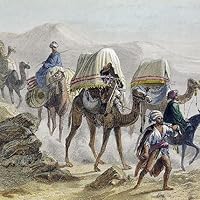
July 25, 2024
Through a narrative that goes from Ancient Egypt, Mesopotamia, India (and others), Dipa illuminates the quest for an ethical society with a clarity and breadth that is both inspiring and accessible. The author's masterful blend of philosophical inquiry and historical narrative creates a rich tapestry that makes readers wonder: what's next? Each chapter is like a mini story within a larger narrative.
The Prophetess of Dharma is a luminous tapestry woven with threads of ancient wisdom imbued into contemporary relevance. It is a spiritual odyssey that invites readers to embark on a profound exploration of humanity's place in the universe. The narrative is not centred around the main character, but rather, of humanity's journey as it has unfolded over time.
What distinguishes this work is its ability to bridge the gap between ancient civilisations and the modern world. The book navigates the complexities of contemporary life while grounding readers in the lives of ancient civilisations. The prose is both lyrical and profound, inviting readers to contemplate life's deeper questions with a sense of peace and purpose.
The Prophetess of Dharma is a luminous tapestry woven with threads of ancient wisdom imbued into contemporary relevance. It is a spiritual odyssey that invites readers to embark on a profound exploration of humanity's place in the universe. The narrative is not centred around the main character, but rather, of humanity's journey as it has unfolded over time.
What distinguishes this work is its ability to bridge the gap between ancient civilisations and the modern world. The book navigates the complexities of contemporary life while grounding readers in the lives of ancient civilisations. The prose is both lyrical and profound, inviting readers to contemplate life's deeper questions with a sense of peace and purpose.
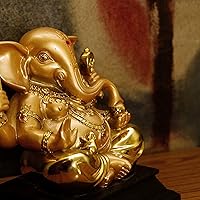
August 21, 2024
The Prophetess of Dharma offers a captivating exploration of the interconnectedness of ancient traditions, bringing together elements of Mesopotamia, Egypt, Christianity, Hinduism and indigenous cultures. The Prophetess of Dharma is a celebration of diversity, recognising the richness and complexity of different cultural and religious traditions. The novel demonstrates the enduring power of ancient wisdom. By exploring the ideas and practices of these ancient civilisations, Sanatani suggests that their insights can still be relevant and valuable in the modern world.
Sanatani presents 'dharma' as a universal concept that transcends religious and judicial boundaries. The novel suggests that dharma (ethics) is a fundamental principle that can be found in various traditions, regardless of their specific beliefs and practices. The Prophetess of Dharma explores the ways in which different cultures have influenced and shaped the concept of ethics in their respective societies.
What I loved most about the book is its ability to bridge cultures. Perhaps Sanatani is a diplomat in the making.
Sanatani presents 'dharma' as a universal concept that transcends religious and judicial boundaries. The novel suggests that dharma (ethics) is a fundamental principle that can be found in various traditions, regardless of their specific beliefs and practices. The Prophetess of Dharma explores the ways in which different cultures have influenced and shaped the concept of ethics in their respective societies.
What I loved most about the book is its ability to bridge cultures. Perhaps Sanatani is a diplomat in the making.

September 30, 2024
This book offers a fascinating exploration of religious ideas, ideals, and practices. The novel introduces Dharma as a prophetess of time, reminding us that the lofty concepts of "justice" and "ethics" are not static but evolve over time. This central theme is expertly woven into the narrative, showcasing how religious systems can become outdated and how the pursuit of justice and ethics must adapt to changing circumstances.
One of the most compelling aspects of the book is its exploration of unity amidst diversity. Sanatani demonstrates how different religious traditions can coexist and contribute to a richer understanding of the human experience. The novel challenges narrow-minded perspectives and encourages readers to embrace the interconnectedness of all beings.
Through its engaging narrative and insightful commentary, The Prophetess of Dharma offers a valuable exploration of timeless themes. It is a thought-provoking read for anyone interested in religion, philosophy, and the journey of human society.
One of the most compelling aspects of the book is its exploration of unity amidst diversity. Sanatani demonstrates how different religious traditions can coexist and contribute to a richer understanding of the human experience. The novel challenges narrow-minded perspectives and encourages readers to embrace the interconnectedness of all beings.
Through its engaging narrative and insightful commentary, The Prophetess of Dharma offers a valuable exploration of timeless themes. It is a thought-provoking read for anyone interested in religion, philosophy, and the journey of human society.

August 8, 2024
Unlike most books on politics, religion and society, this one makes its thesis known through a story; a journey that spans thousands and thousand of millennia. How is justice executed? Is it humanity's task or is it in all in God's hands? What is the relationship between the two when totalitarian regimes and even the technological age appear?
This is an ambitious work in terms of its scope. There are all kinds of topics covered; too many to even list here. Many books in this genre tend to be dry, uninteresting and uninspiring. Due to the character of the prophetess and her need to share her ethical worldview with the audience, I found myself thinking about my own view on the matters she had discussed.
Did I agree? At times I did, at other times, I wrote my own notes as though I were responding to what she had said. This book, with its varied and interesting themes, could be a great addition to any book club that would like to have a chat, chapter by chapter.
This is an ambitious work in terms of its scope. There are all kinds of topics covered; too many to even list here. Many books in this genre tend to be dry, uninteresting and uninspiring. Due to the character of the prophetess and her need to share her ethical worldview with the audience, I found myself thinking about my own view on the matters she had discussed.
Did I agree? At times I did, at other times, I wrote my own notes as though I were responding to what she had said. This book, with its varied and interesting themes, could be a great addition to any book club that would like to have a chat, chapter by chapter.

August 27, 2024
'The Prophetess of Dharma' marks a significant departure from 'The Heart of Shiva'. While her earlier novel delved into the complexities of reincarnation and the afterlife, this new book returns to the theme of spiritual traditions explored in her debut, The Little Light. However, The Prophetess of Dharma offers a more mature and sophisticated exploration of the subject.
Sanatani's ability to present complex religious concepts in an accessible and engaging manner is a testament to her skill as a writer. The novel does not bog the reader down with unnecessary details, but instead focuses on the core ideas and historical context of various spiritual traditions.
For those interested in discovering the history of world religions in an interesting and thought-provoking way, The Prophetess of Dharma is highly recommended. Sanatani's insightful analysis and engaging storytelling make this book a valuable addition to any reader's library.
Sanatani's ability to present complex religious concepts in an accessible and engaging manner is a testament to her skill as a writer. The novel does not bog the reader down with unnecessary details, but instead focuses on the core ideas and historical context of various spiritual traditions.
For those interested in discovering the history of world religions in an interesting and thought-provoking way, The Prophetess of Dharma is highly recommended. Sanatani's insightful analysis and engaging storytelling make this book a valuable addition to any reader's library.
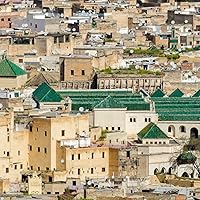
July 30, 2024
Dharma, as a concept, is a vast ocean. Sanatani captures this in her latest and final instalment of The Guardians of the Lore series. Dharma is cosmic law, the moral order and the individual's path to spiritual redemption. The protagonist is a spiritual guide, a visionary and a revolutionary figure. Her journey, however, does not include challenging societal norms. Rather, she is seeking the wisdom of the past as she bridges the gap between the spiritual and material worlds.
My main takeaway from the book was that 'Dharma' itself can be viewed as a foundational myth, a guiding narrative for society. The novel explored how this myth is interpreted, challenged, or reimagined, based on the era, the rulers and the changes that all societies go through. The story explored how justice and healing are intertwined, with one being essential to the other.
A good book to re-read.
My main takeaway from the book was that 'Dharma' itself can be viewed as a foundational myth, a guiding narrative for society. The novel explored how this myth is interpreted, challenged, or reimagined, based on the era, the rulers and the changes that all societies go through. The story explored how justice and healing are intertwined, with one being essential to the other.
A good book to re-read.
August 7, 2024
The Prophetess of Dharma presents a fascinating exploration of interfaith dialogue, weaving together elements of Hindu, Mesopotamian, Egyptian, and Christian traditions into a cohesive narrative. By juxtaposing these diverse belief systems, the novel offers a rich tapestry of spiritual and ethical perspectives.
Central to the narrative appears to be the theme of justice, framed not merely as retribution but as a process of healing and restoration. Sanatani’s approach is commendable as it moves beyond simplistic binaries of good and evil, inviting readers to contemplate the complexities of moral dilemmas.
The novel's exploration of interfaith harmony is particularly relevant in today's world, marked by increasing polarization. By demonstrating common ground among different faiths, Sanatani offers a hopeful vision of a more united humanity.
Central to the narrative appears to be the theme of justice, framed not merely as retribution but as a process of healing and restoration. Sanatani’s approach is commendable as it moves beyond simplistic binaries of good and evil, inviting readers to contemplate the complexities of moral dilemmas.
The novel's exploration of interfaith harmony is particularly relevant in today's world, marked by increasing polarization. By demonstrating common ground among different faiths, Sanatani offers a hopeful vision of a more united humanity.
Displaying 1 - 30 of 30 reviews