

What do you think?

نه مقاله درباره دانته
نه مقاله درباره ی دانته و دو سخنرانی درباره ی "کمدی الهی" و "هزار و یک شب"
178 pages
First published January 1, 1982
About the author
Jorge Luis Borges
1,635 books15.1k followersJorge Francisco Isidoro Luis Borges Acevedo was an Argentine short-story writer, essayist, poet and translator regarded as a key figure in Spanish-language and international literature. His best-known works, Ficciones (transl. Fictions) and El Aleph (transl. The Aleph), published in the 1940s, are collections of short stories exploring motifs such as dreams, labyrinths, chance, infinity, archives, mirrors, fictional writers and mythology. Borges's works have contributed to philosophical literature and the fantasy genre, and have had a major influence on the magic realist movement in 20th century Latin American literature.
Born in Buenos Aires, Borges later moved with his family to Switzerland in 1914, where he studied at the Collège de Genève. The family travelled widely in Europe, including Spain. On his return to Argentina in 1921, Borges began publishing his poems and essays in surrealist literary journals. He also worked as a librarian and public lecturer. In 1955, he was appointed director of the National Public Library and professor of English Literature at the University of Buenos Aires. He became completely blind by the age of 55. Scholars have suggested that his progressive blindness helped him to create innovative literary symbols through imagination. By the 1960s, his work was translated and published widely in the United States and Europe. Borges himself was fluent in several languages.
In 1961, he came to international attention when he received the first Formentor Prize, which he shared with Samuel Beckett. In 1971, he won the Jerusalem Prize. His international reputation was consolidated in the 1960s, aided by the growing number of English translations, the Latin American Boom, and by the success of Gabriel García Márquez's One Hundred Years of Solitude. He dedicated his final work, The Conspirators, to the city of Geneva, Switzerland. Writer and essayist J.M. Coetzee said of him: "He, more than anyone, renovated the language of fiction and thus opened the way to a remarkable generation of Spanish-American novelists."
Born in Buenos Aires, Borges later moved with his family to Switzerland in 1914, where he studied at the Collège de Genève. The family travelled widely in Europe, including Spain. On his return to Argentina in 1921, Borges began publishing his poems and essays in surrealist literary journals. He also worked as a librarian and public lecturer. In 1955, he was appointed director of the National Public Library and professor of English Literature at the University of Buenos Aires. He became completely blind by the age of 55. Scholars have suggested that his progressive blindness helped him to create innovative literary symbols through imagination. By the 1960s, his work was translated and published widely in the United States and Europe. Borges himself was fluent in several languages.
In 1961, he came to international attention when he received the first Formentor Prize, which he shared with Samuel Beckett. In 1971, he won the Jerusalem Prize. His international reputation was consolidated in the 1960s, aided by the growing number of English translations, the Latin American Boom, and by the success of Gabriel García Márquez's One Hundred Years of Solitude. He dedicated his final work, The Conspirators, to the city of Geneva, Switzerland. Writer and essayist J.M. Coetzee said of him: "He, more than anyone, renovated the language of fiction and thus opened the way to a remarkable generation of Spanish-American novelists."
Ratings & Reviews
Friends & Following
Create a free account to discover what your friends think of this book!
Community Reviews
Displaying 1 - 30 of 87 reviews

December 31, 2015
کمدی الهی
در يكى از مقاله ها، كه به نظرم زيباترين (و شايد نه محققانه ترين) مقاله ى كتاب بود، بورخس شرح مى دهد كه كمدى الهى نه بنا به تصور عمومى، كتابى در باب الهيات و ترسيم تابلويى از عذاب و رستگارى، بلكه تقرير رؤياى عاشقانه ى اندوهناك دانته است، پرستش بئاتريس است در قالب شعر.
مى گويد كه كتاب توضيح سفر دانته از عمق دوزخ تا صعود از قله ى دست نيافتنى برزخ و رسيدن به خود خود بهشت است در طلب ديدار بئاتريس. اما حتى دانته در رؤياى عاشقانه اش هم نمى تواند از عشق بئاتريس بهره مند شود، در نتيجه بئاتريس با بى رحمى، او را بى خداحافظى رها مى كند و به ميان خيل انبوه فرشتگان، به جايگاهى دست نايافتنى مى رود، و تنها نيم نگاهى به دانته مى اندازد و همين.
هزار و یک شب
يك سخنرانى در انتهاى كتاب آمده بود، در باره ى هزار و يك شب كه شمه اى از عشق جادويى بورخس به شرق را باز مى نماياند.
من مدت ها حيران بودم كه داستان علاء الدين، كه از معروف ترين داستان هاى هزار و يك شب است (در كنار ماجراى على بابا و چهل دزد بغداد و سفرهاى سندباد بحرى) چرا در هزار و يك شب ترجمه ى طسوجى نبود؟
بورخس در اين مقاله توضيح مى كند كه اين حكايت در هيچ يك از نسخ عربى هزار و يك شب نيست و از حكاياتى است كه مترجمان غربى به شيوه ى هزار و يك شب ساخته و بدان افزوده اند.
من هم هنگام خواندن هزار و يك شب، حكايتى شبيه به حال و هواى كتاب نوشتم، كه چون جاى ديگرى نداشتم، مى گذارم در كامنت ها.
از کتاب
هومر در اوديسه مى گويد: «خدايان انسان ها را به تيره روزى مى كشانند تا نسل هاى آينده چيزى براى سرودن داشته باشند.»
مالارمه همان را كه هومر گفته است با زيبايى كمترى تكرار مى كند: «جهان براى اين پديد آمده است تا به كتابى زيبا منجر شود.»
انديشه همان است، اين انديشه كه ما براى هنر پديد آمده ايم، براى خاطره شدن، براى شعر شدن.
در يكى از مقاله ها، كه به نظرم زيباترين (و شايد نه محققانه ترين) مقاله ى كتاب بود، بورخس شرح مى دهد كه كمدى الهى نه بنا به تصور عمومى، كتابى در باب الهيات و ترسيم تابلويى از عذاب و رستگارى، بلكه تقرير رؤياى عاشقانه ى اندوهناك دانته است، پرستش بئاتريس است در قالب شعر.
مى گويد كه كتاب توضيح سفر دانته از عمق دوزخ تا صعود از قله ى دست نيافتنى برزخ و رسيدن به خود خود بهشت است در طلب ديدار بئاتريس. اما حتى دانته در رؤياى عاشقانه اش هم نمى تواند از عشق بئاتريس بهره مند شود، در نتيجه بئاتريس با بى رحمى، او را بى خداحافظى رها مى كند و به ميان خيل انبوه فرشتگان، به جايگاهى دست نايافتنى مى رود، و تنها نيم نگاهى به دانته مى اندازد و همين.
هزار و یک شب
يك سخنرانى در انتهاى كتاب آمده بود، در باره ى هزار و يك شب كه شمه اى از عشق جادويى بورخس به شرق را باز مى نماياند.
من مدت ها حيران بودم كه داستان علاء الدين، كه از معروف ترين داستان هاى هزار و يك شب است (در كنار ماجراى على بابا و چهل دزد بغداد و سفرهاى سندباد بحرى) چرا در هزار و يك شب ترجمه ى طسوجى نبود؟
بورخس در اين مقاله توضيح مى كند كه اين حكايت در هيچ يك از نسخ عربى هزار و يك شب نيست و از حكاياتى است كه مترجمان غربى به شيوه ى هزار و يك شب ساخته و بدان افزوده اند.
من هم هنگام خواندن هزار و يك شب، حكايتى شبيه به حال و هواى كتاب نوشتم، كه چون جاى ديگرى نداشتم، مى گذارم در كامنت ها.
از کتاب
هومر در اوديسه مى گويد: «خدايان انسان ها را به تيره روزى مى كشانند تا نسل هاى آينده چيزى براى سرودن داشته باشند.»
مالارمه همان را كه هومر گفته است با زيبايى كمترى تكرار مى كند: «جهان براى اين پديد آمده است تا به كتابى زيبا منجر شود.»
انديشه همان است، اين انديشه كه ما براى هنر پديد آمده ايم، براى خاطره شدن، براى شعر شدن.

January 14, 2020
Every time I read Borges I am absolutely amazed not only by his erudition and eloquence, but by his elegance and ability to pack so many original ideas in 3 pages essays. This book is no exception. I’ve read it in conjunction with reading Divine Comedy by Dante. But I think it can easily be read stand alone. Again, Borges picks up quite specific and not obvious topics for these essays and often uses Dante’s book for more general very insightful observations.
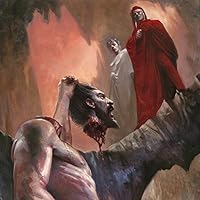
For this review, I’ve picked up just two examples. Ugolino - the character from Inferno, while recounting the death of his children from hunger in a Gaol and his further actions says “fasting did more than grief had done”. This line has become the subject of multiple interpretations. The possible one is that Ugolino has eaten his dead children before his death. Especially it is possible as in Inferno Ugolino is gnawing the nape of the neck of his enemy. However, the other possible interpretation that he has simply died of hunger. Borges picks up this story to generalise about the power of literature versus the reality.
‘In real time, in history, whenever a man finds himself facing different alternatives, he opts for one, eliminating the others for ever; not so in the ambiguous time of art, which resembles that of hope and oblivion. Hamlet, in this literary time, is both sane and mad. In the darkness of the Tower of Hunger Ugolino devours and does not devour the bodies of his beloved children, and this wavering imprecision, this uncertainty is the strange matter of which he is made up. This was how Dante imagined him, in two possible death scenes, and how future generations imagine him.’
This sense of “possibility” is the one of the strongest features that make the art, especially the fiction, so penetrating and that is in turn might affect the future reality.
Another essay is about the creatures The Simurgh and the Eagle. Both are composed of other beings. Borges considers the Eagle composed of “thousands of just kings” in the Canto xviii of Paradiso. The Eagle talks and identifies as “I”, not “we”. This allows Borges to bring up the comparison with the other epic poem, from Persia written only a century later by Farid al-Din Attar called “The conference of birds”. The birds are going on the quest to find The Simurgh to bring him as their king. “Thirty birds purified by their efforts, set foot on the mountain of the Simurgh. At last they gaze upon it: they perceive that they are the Simurgh and that the Simurgh is each one of them and all of them. In the Simurgh are the thirty birds and in each bird is the Simurgh”.
I like how effortlessly Borges compares the Western and the Eastern culture avoiding any “orientalism”. Additionally, I absolutely admire the idea of this Persian epic. It is on my radar for a long time. I do not think I would go ahead and read it all, though there is a new translation into English. But i might spent some time looking into the person of Farid Din Attar and his connection to Sufis and Neoplatonism.
However even while staying within the context of the Divine Comedy, Borges asks quite unusual questions and poses interesting conjectures. For example, why Francesca (famous lovers Francesca and Paolo) is placed by Dante in Inferno. Each of these 9 essays is a little jewell.
For this review, I’ve picked up just two examples. Ugolino - the character from Inferno, while recounting the death of his children from hunger in a Gaol and his further actions says “fasting did more than grief had done”. This line has become the subject of multiple interpretations. The possible one is that Ugolino has eaten his dead children before his death. Especially it is possible as in Inferno Ugolino is gnawing the nape of the neck of his enemy. However, the other possible interpretation that he has simply died of hunger. Borges picks up this story to generalise about the power of literature versus the reality.
‘In real time, in history, whenever a man finds himself facing different alternatives, he opts for one, eliminating the others for ever; not so in the ambiguous time of art, which resembles that of hope and oblivion. Hamlet, in this literary time, is both sane and mad. In the darkness of the Tower of Hunger Ugolino devours and does not devour the bodies of his beloved children, and this wavering imprecision, this uncertainty is the strange matter of which he is made up. This was how Dante imagined him, in two possible death scenes, and how future generations imagine him.’
This sense of “possibility” is the one of the strongest features that make the art, especially the fiction, so penetrating and that is in turn might affect the future reality.
Another essay is about the creatures The Simurgh and the Eagle. Both are composed of other beings. Borges considers the Eagle composed of “thousands of just kings” in the Canto xviii of Paradiso. The Eagle talks and identifies as “I”, not “we”. This allows Borges to bring up the comparison with the other epic poem, from Persia written only a century later by Farid al-Din Attar called “The conference of birds”. The birds are going on the quest to find The Simurgh to bring him as their king. “Thirty birds purified by their efforts, set foot on the mountain of the Simurgh. At last they gaze upon it: they perceive that they are the Simurgh and that the Simurgh is each one of them and all of them. In the Simurgh are the thirty birds and in each bird is the Simurgh”.
I like how effortlessly Borges compares the Western and the Eastern culture avoiding any “orientalism”. Additionally, I absolutely admire the idea of this Persian epic. It is on my radar for a long time. I do not think I would go ahead and read it all, though there is a new translation into English. But i might spent some time looking into the person of Farid Din Attar and his connection to Sufis and Neoplatonism.
However even while staying within the context of the Divine Comedy, Borges asks quite unusual questions and poses interesting conjectures. For example, why Francesca (famous lovers Francesca and Paolo) is placed by Dante in Inferno. Each of these 9 essays is a little jewell.

January 1, 2014
En este librito, Borges elabora reflexiones sobre la Divina Comedia ya esbozadas en las conferencias de sus Siete noches. Estas nueve meditaciones toman episodios de la obra de Dante (algunos de ellos insignificantes a primera vista), repasan varias interpretaciones canónicas de las mismas y, finalmente exponen la visión del mismo Borges al respecto (siguiendo así una argumentación de índole escolástica, que Dante no hubiera despreciado).
Entre estos episodios dantescos mencionaré: el castillo del canto cuarto del Infierno, donde Dante se encuentra con los venerables poetas del pasado (Homero con una espada, Horacio, Ovidio y Lucano, a los cuales podríamos añadir ahora a Virgilio y al mismo Dante... tal vez incluso al propio Borges); el destino ambiguo de Ugolino que se ha comido y no se ha comido a sus propios hijos; el último viaje de Ulises, que naufragó en orillas de la montaña austral del Purgatorio; la presencia conmovedora de Francesca y Paolo en el Infierno, tal vez debida a una providencia desdichada; el legado de Beda el Venerable; el “Dolce color d'oriental zaffiro” encontrado en el Purgatorio; el Águila y el Simurgh panteísta de la poesía Persa; el encuentro real y literario con Beatriz; finalmente la nostalgia por la sonrisa y la mirada de Beatriz, perdida para siempre.
Una frase de Borges es especialmente memorable: “Un gran libro como la Divina Comedia no es el aislado o azaroso capricho de un individuo; muchos hombres y muchas generaciones tendieron hacia él”. Cabe decir que ese libro sigue siendo la fuente de los movimientos, de los tanteos, de las aventuras, de las vislumbres y de las premoniciones del espíritu humano.
Entre estos episodios dantescos mencionaré: el castillo del canto cuarto del Infierno, donde Dante se encuentra con los venerables poetas del pasado (Homero con una espada, Horacio, Ovidio y Lucano, a los cuales podríamos añadir ahora a Virgilio y al mismo Dante... tal vez incluso al propio Borges); el destino ambiguo de Ugolino que se ha comido y no se ha comido a sus propios hijos; el último viaje de Ulises, que naufragó en orillas de la montaña austral del Purgatorio; la presencia conmovedora de Francesca y Paolo en el Infierno, tal vez debida a una providencia desdichada; el legado de Beda el Venerable; el “Dolce color d'oriental zaffiro” encontrado en el Purgatorio; el Águila y el Simurgh panteísta de la poesía Persa; el encuentro real y literario con Beatriz; finalmente la nostalgia por la sonrisa y la mirada de Beatriz, perdida para siempre.
Una frase de Borges es especialmente memorable: “Un gran libro como la Divina Comedia no es el aislado o azaroso capricho de un individuo; muchos hombres y muchas generaciones tendieron hacia él”. Cabe decir que ese libro sigue siendo la fuente de los movimientos, de los tanteos, de las aventuras, de las vislumbres y de las premoniciones del espíritu humano.

July 22, 2022
Contaba Borges que de joven trabajaba en una biblioteca lejos de su casa, entonces en los viajes de tranvía de ida y de vuelta leía asiduamente y con pasión La Divina Commedia de Dante Alighieri.
Fue tanta su devoción por este libro, que no es menos efusiva que lo que sintió por Don Quijote de la Mancha o Las mil y una Noches que rápidamente comenzó a escribir sobre él.
De esta manera, años más tarde, entre 1948 y 1951, se publicarían estos ensayos en donde el maestro nos da una sólida cátedra sobre una de sus obras preferidas.
Tomando momentos estelares de la obra del gran mantuano, como si fueran hitos de la literatura, y en completa devoción, nos acerca sus conclusiones acerca del Infierno, el Purgatorio y el Paraíso, de cómo Beatriz Portinari es el motor de este viaje.
A su vez, Borges elabora distintas teorías sobre ciertos personajes que pueblan el Infierno como por ejemplo Ugolino, Ulises, Homero, Lucano e incluso el propio papel de Dante en la Commedia y por qué no también, su compañero Virgilio.
Un libro pequeño, de menos de cien páginas, pero poderoso, como todo lo que Borges escribía y que es uno de los pocos que me faltaban para seguir engalanando mi biblioteca dedicada al Maestro.
Fue tanta su devoción por este libro, que no es menos efusiva que lo que sintió por Don Quijote de la Mancha o Las mil y una Noches que rápidamente comenzó a escribir sobre él.
De esta manera, años más tarde, entre 1948 y 1951, se publicarían estos ensayos en donde el maestro nos da una sólida cátedra sobre una de sus obras preferidas.
Tomando momentos estelares de la obra del gran mantuano, como si fueran hitos de la literatura, y en completa devoción, nos acerca sus conclusiones acerca del Infierno, el Purgatorio y el Paraíso, de cómo Beatriz Portinari es el motor de este viaje.
A su vez, Borges elabora distintas teorías sobre ciertos personajes que pueblan el Infierno como por ejemplo Ugolino, Ulises, Homero, Lucano e incluso el propio papel de Dante en la Commedia y por qué no también, su compañero Virgilio.
Un libro pequeño, de menos de cien páginas, pero poderoso, como todo lo que Borges escribía y que es uno de los pocos que me faltaban para seguir engalanando mi biblioteca dedicada al Maestro.

March 7, 2024
Short essays that Borges wrote, somewhere between 1940 and 1950, in which he elaborates on certain passages or aspects of the Divine Comedy, the most beautiful book ever written. Not all equally inspired, but they do testify to the depth and erudition with which Borges took on his reading.

September 22, 2021
نه مقاله در مورد دانته و کمدی الهی،بررسی موشکافانه بورخس از این اثر در نه مقاله.
اما چیزی که توجه من رو جلب کرد مقاله آخر در مورد دانته و عطار نیشابوری است و قیاس عقاب دانته با سیمرغ عطار.
دو سخنرانی یکی راجع به دانته و کمدی الهی پیشینه کمدی الهی و تاثیرش بر ادبیات پیش رو
و دیگری که مکمل سخنرانی اول هست در مورد هزار و یک شب«این مقاله دو غلط املایی به چشمم خورد»
و افسوسی که هزار و یک شب و شاهنامه و آثار عطار و خیلم در غرب شناخته شده است و من در سطح درس دبیرستان ازیشان خواندم.
و اینکه چه ترجمه ای از دانته بخوانیم ؟یا ایتالیایی بیاموزیم!
این کتاب قبلا از نشر آگه پخش شده ولی چاپ جدیدش از نیلوفر هست.
اما چیزی که توجه من رو جلب کرد مقاله آخر در مورد دانته و عطار نیشابوری است و قیاس عقاب دانته با سیمرغ عطار.
دو سخنرانی یکی راجع به دانته و کمدی الهی پیشینه کمدی الهی و تاثیرش بر ادبیات پیش رو
و دیگری که مکمل سخنرانی اول هست در مورد هزار و یک شب«این مقاله دو غلط املایی به چشمم خورد»
و افسوسی که هزار و یک شب و شاهنامه و آثار عطار و خیلم در غرب شناخته شده است و من در سطح درس دبیرستان ازیشان خواندم.
و اینکه چه ترجمه ای از دانته بخوانیم ؟یا ایتالیایی بیاموزیم!
این کتاب قبلا از نشر آگه پخش شده ولی چاپ جدیدش از نیلوفر هست.

August 29, 2016
Colloquial thoughts on the Divine Comedy, by one of the most illustrious lovers of the "best book written by a human being".
Borges passionately states that no one should deny themselves the pleasure of reading Dante's Divine Comedy. More: he says that "no one has the right to deny themselves the pleasure of reading the Divine Comedy".
Interesting fact: Borges agrees with my opinion about the ending of Inferno Canto XXXII, where Count Ugolino is gnawing away at the skull of his enemy. At the end of the canto, when recounting the horrible true story of Ugolino locked up in a tower with his children and left there to starve, Dante says "and more than his pain, his fasting prevailed". Most commentators say this means he died. Some say it means he ate his children. Borges and I (eh eh!!) think that Dante left this on an ambiguous note on purpose, without confirming because he probably didn't know, but letting his readers imagine that horrendous possibility.
Finally, here is a stunning poem by Borges about gifts, that spends no less than three lines expressing gratitude for the Divine Comedy:
"I want to give thanks to the divine
Labyrinth of causes and effects
For the diversity of beings
That form this singular universe,
For Reason, that will never give up its dream
Of a map of the labyrinth,
For Helen’s face and the perseverance of Ulysses,
For love, which lets us see others
As God sees them,
For the solid diamond and the flowing water,
For Algebra, a palace of exact crystals,
For the mystic coins of Angelus Silesius,
For Schopenhauer,
Who perhaps deciphered the universe,
For the blazing of fire,
That no man can look at without an ancient wonder,
For mahogany, cedar, and sandalwood,
For bread and salt,
For the mystery of the rose
That spends all its colour and can not see it,
For certain eves and days of 1955,
For the hard riders who, on the plains,
Drive on the cattle and the dawn,
For mornings in Montevideo,
For the art of friendship,
For Socrates’ last day,
For the words spoken one twilight
From one cross to another,
For that dream of Islam that embraced
A thousand nights and a night,
For that other dream of Hell,
Of the tower of cleansing fire
And of the celestial spheres,
For Swedenborg,
Who talked with the angels in London streets,
For the secret and immemorial rivers
That converge in me,
For the language that, centuries ago, I spoke in Northumberland,
For the sword and harp of the Saxons,
For the sea, which is a shining desert
And a secret code for things we do not know
And an epitaph for the Norsemen,
For the word music of England,
For the word music of Germany,
For gold, that shines in verses,
For epic winter,
For the title of a book I have not read: Gesta Dei per Francos,
For Verlaine, innocent as the birds,
For crystal prisms and bronze weights,
For the tiger’s stripes,
For the high towers of San Francisco and Manhattan Island,
For mornings in Texas,
For that Sevillian who composed the Moral Epistle
And whose name, as he would have wished, we do not know,
For Seneca and Lucan, both of Cordova,
Who, before there was Spanish, had written
All Spanish literature,
For gallant, noble, geometric chess,
For Zeno’s tortoise and Royce’s map,
For the medicinal smell of eucalyptus trees,
For speech, which can be taken for wisdom,
For forgetfulness, which annuls or modifies the past,
For habits,
Which repeat us and confirm us in our image like a mirror,
For morning, that gives us the illusion of a new beginning,
For night, its darkness and its astronomy,
For the bravery and happiness of others,
For my country, sensed in jasmine flowers
Or in an old sword,
For Whitman and Francis of Assisi, who already wrote this poem,
For the fact that the poem is inexhaustible
And becomes one with the sum of all created things
And will never reach its last verse
And varies according to its writers
For Frances Haslam, who begged her children’s pardon
For dying so slowly,
For the minutes that precede sleep,
For sleep and death,
Those two hidden treasures,
For the intimate gifts I do not mention,
For music, that mysterious form of time."
Borges passionately states that no one should deny themselves the pleasure of reading Dante's Divine Comedy. More: he says that "no one has the right to deny themselves the pleasure of reading the Divine Comedy".
Interesting fact: Borges agrees with my opinion about the ending of Inferno Canto XXXII, where Count Ugolino is gnawing away at the skull of his enemy. At the end of the canto, when recounting the horrible true story of Ugolino locked up in a tower with his children and left there to starve, Dante says "and more than his pain, his fasting prevailed". Most commentators say this means he died. Some say it means he ate his children. Borges and I (eh eh!!) think that Dante left this on an ambiguous note on purpose, without confirming because he probably didn't know, but letting his readers imagine that horrendous possibility.
Finally, here is a stunning poem by Borges about gifts, that spends no less than three lines expressing gratitude for the Divine Comedy:
"I want to give thanks to the divine
Labyrinth of causes and effects
For the diversity of beings
That form this singular universe,
For Reason, that will never give up its dream
Of a map of the labyrinth,
For Helen’s face and the perseverance of Ulysses,
For love, which lets us see others
As God sees them,
For the solid diamond and the flowing water,
For Algebra, a palace of exact crystals,
For the mystic coins of Angelus Silesius,
For Schopenhauer,
Who perhaps deciphered the universe,
For the blazing of fire,
That no man can look at without an ancient wonder,
For mahogany, cedar, and sandalwood,
For bread and salt,
For the mystery of the rose
That spends all its colour and can not see it,
For certain eves and days of 1955,
For the hard riders who, on the plains,
Drive on the cattle and the dawn,
For mornings in Montevideo,
For the art of friendship,
For Socrates’ last day,
For the words spoken one twilight
From one cross to another,
For that dream of Islam that embraced
A thousand nights and a night,
For that other dream of Hell,
Of the tower of cleansing fire
And of the celestial spheres,
For Swedenborg,
Who talked with the angels in London streets,
For the secret and immemorial rivers
That converge in me,
For the language that, centuries ago, I spoke in Northumberland,
For the sword and harp of the Saxons,
For the sea, which is a shining desert
And a secret code for things we do not know
And an epitaph for the Norsemen,
For the word music of England,
For the word music of Germany,
For gold, that shines in verses,
For epic winter,
For the title of a book I have not read: Gesta Dei per Francos,
For Verlaine, innocent as the birds,
For crystal prisms and bronze weights,
For the tiger’s stripes,
For the high towers of San Francisco and Manhattan Island,
For mornings in Texas,
For that Sevillian who composed the Moral Epistle
And whose name, as he would have wished, we do not know,
For Seneca and Lucan, both of Cordova,
Who, before there was Spanish, had written
All Spanish literature,
For gallant, noble, geometric chess,
For Zeno’s tortoise and Royce’s map,
For the medicinal smell of eucalyptus trees,
For speech, which can be taken for wisdom,
For forgetfulness, which annuls or modifies the past,
For habits,
Which repeat us and confirm us in our image like a mirror,
For morning, that gives us the illusion of a new beginning,
For night, its darkness and its astronomy,
For the bravery and happiness of others,
For my country, sensed in jasmine flowers
Or in an old sword,
For Whitman and Francis of Assisi, who already wrote this poem,
For the fact that the poem is inexhaustible
And becomes one with the sum of all created things
And will never reach its last verse
And varies according to its writers
For Frances Haslam, who begged her children’s pardon
For dying so slowly,
For the minutes that precede sleep,
For sleep and death,
Those two hidden treasures,
For the intimate gifts I do not mention,
For music, that mysterious form of time."

May 6, 2016
اگر بتوانيم نويسنده و اثرش را دو چيز جدا از هم تصور كنيم، همين طور كه از اسم كتاب پيداست، مقاله ها بيشتر در مورد خود دانته است تا درباره اثرش كمدي الهي. اين موضوع كه هر كتاب با هربار خوانده شدن بازنويسي و تبديل به كتاب جديدي مي شود در چندين داستان بورخس مطرح شده است. بورخس اين عقيده را اينجا هم دوباره مطرح مي كند. ولي آيا مطالعه ي اين كتاب قبل از كمدي الهي مي تواند مفيد باشد؟ هم بله و هم نه. چون نوشته ها بيشتر شرح حالات روحي دانته و بررسي قسمت هايي از كمدي الهي است كه از نظر بورخس برجستگي خاصي دارند. و آخر يكي از مقاله ها، آمده كه: كسي نبايد خودش را از خواندن ساده لوحانه كمدي الهي محروم كند و تفسير ها در وهله ي بعد مي آيند.
بدون شك نوشتن مقاله ي سيمرغ و عقاب فقط از عهده ي بورخس بر مي آيد، آنجا كه تمثيل عقاب در كمدي الهي را با سيمرغ منطق الطير عطار مقايسه كرده
بدون شك نوشتن مقاله ي سيمرغ و عقاب فقط از عهده ي بورخس بر مي آيد، آنجا كه تمثيل عقاب در كمدي الهي را با سيمرغ منطق الطير عطار مقايسه كرده

January 2, 2021
Il Portegno e il Poeta
Preziosi (ma brevi) interventi del genio bonaerense sull'opera fondamentale della letteratura, da Borges amata e riletta svariate volte. Non è un dantista "di professione", il maestro della letteratura argentina, ma conosce la critica letteraria e la storia dei commenti alla Commedia.
E da questa competenza e profonda cultura (come al solito) scaturisce una prosa affascinante e poliedrica, un pensiero libero e avvolgente, fin dall'incipit in cui la Commedia è immaginata come opera letteraria che contiene tutto il passato, il presente ed il futuro (e la mente non può andare che alla Biblioteca di Babele).
Borges passa in questo immenso monumento letterario, illuminandone per un attimo alcuni dettagli
e condividendone con la consueta asciuttezza e lucida le sue riflessioni.
Notevoli ed originali (almeno per me) sono alcune intuizioni: su tutte il personaggio di Ulisse, considerato un alter ego e un monito per lo stesso Dante e paragonato ad un altro personaggio archetipico della letteratura: il capitano Achab di Melville.
E particolarmente stimolante la riflessione su Beatrice di Borges, figura intorno alla quale ruota tutta l'opera di Dante, donna perduta la cui nostalgia finisce per pervadere tutto il testo - la Commedia sarebbe quindi una finzione costruita dal Sommo Poeta come mezzo per ritrovare Beatrice stessa ed poterle essere vicino, quando nella realtà storica questo non avvenne mai. Beatrice esistette infinitamente per Dante. Dante molto poco, forse niente, per Beatrice .
Su questa linea interpretativa Borges procede poi per analizzare alcuni punti ambigui che da sempre hanno perplesso i lettori: la complicata mostruosità della processione nel Paradiso Terrestre, l'incontro ansioso e opprimente con Beatrice, la sua improvvisa sparizione nell'Empireo senza un saluto e l'ultimo suo strano sorriso dalla Rosa.
In questo testo ho anche trovato una perfetta definizione sul perchè io stesso leggo:
Ho letto libri per l'emozione estetica che potevo trarne
Preziosi (ma brevi) interventi del genio bonaerense sull'opera fondamentale della letteratura, da Borges amata e riletta svariate volte. Non è un dantista "di professione", il maestro della letteratura argentina, ma conosce la critica letteraria e la storia dei commenti alla Commedia.
E da questa competenza e profonda cultura (come al solito) scaturisce una prosa affascinante e poliedrica, un pensiero libero e avvolgente, fin dall'incipit in cui la Commedia è immaginata come opera letteraria che contiene tutto il passato, il presente ed il futuro (e la mente non può andare che alla Biblioteca di Babele).
Borges passa in questo immenso monumento letterario, illuminandone per un attimo alcuni dettagli
e condividendone con la consueta asciuttezza e lucida le sue riflessioni.
Notevoli ed originali (almeno per me) sono alcune intuizioni: su tutte il personaggio di Ulisse, considerato un alter ego e un monito per lo stesso Dante e paragonato ad un altro personaggio archetipico della letteratura: il capitano Achab di Melville.
E particolarmente stimolante la riflessione su Beatrice di Borges, figura intorno alla quale ruota tutta l'opera di Dante, donna perduta la cui nostalgia finisce per pervadere tutto il testo - la Commedia sarebbe quindi una finzione costruita dal Sommo Poeta come mezzo per ritrovare Beatrice stessa ed poterle essere vicino, quando nella realtà storica questo non avvenne mai. Beatrice esistette infinitamente per Dante. Dante molto poco, forse niente, per Beatrice .
Su questa linea interpretativa Borges procede poi per analizzare alcuni punti ambigui che da sempre hanno perplesso i lettori: la complicata mostruosità della processione nel Paradiso Terrestre, l'incontro ansioso e opprimente con Beatrice, la sua improvvisa sparizione nell'Empireo senza un saluto e l'ultimo suo strano sorriso dalla Rosa.
In questo testo ho anche trovato una perfetta definizione sul perchè io stesso leggo:
Ho letto libri per l'emozione estetica che potevo trarne

December 26, 2015
I Nove saggi danteschi si presentano come un libricino di opinioni e letture estremamente accessibili a chiunque, quale che sia il livello di conoscenza della Commedia o della teoria della letteratura. L'analisi di Borges risulta sempre limpida, naturale, mai appesantita da rimandi e citazioni specialistiche. Il risultato è una raccolta di interventi di forte potenziale divulgativo, che certo non si sostituiscono agli strumenti specialistici dell'interpretazione, ma che attirano il lettore comune, quello che riesce ad ascoltare e amare Dante anche senza penetrarne tutti i segreti.
http://athenaenoctua2013.blogspot.it/...
http://athenaenoctua2013.blogspot.it/...

December 20, 2023
Dante hakkındaki her şeyi okumaya açım ve bu kitap Dante hakkında şimdiye dek okuduğum en iyi eserlerden biriydi
Bir süredir Borges okumayı istiyordum. Kitabın ismi de gördüğüm an dikkatimi çekmişti. Borges’in İlahi Komedya hakkındaki zekice tespitleri, üstüne gece gece “Evet ya!” diye bağırmak istememe neden olan harikulade yorumlamaları ve lezzetli dili kitaptan hiç tahmin etmediğim bir keyif almamı sağladı. Kapağını kapattığımda yıllardır tutkunu olduğum bir konuda çok bilgili ama çok da samimi biriyle keyifli bir sohbet etmişim gibi hissettirdi. Tekrar tekrar okuyacağım, harika cümleleri var.
Borges’le bu kitabıyla tanıştığım için çok mutluyum
Bir süredir Borges okumayı istiyordum. Kitabın ismi de gördüğüm an dikkatimi çekmişti. Borges’in İlahi Komedya hakkındaki zekice tespitleri, üstüne gece gece “Evet ya!” diye bağırmak istememe neden olan harikulade yorumlamaları ve lezzetli dili kitaptan hiç tahmin etmediğim bir keyif almamı sağladı. Kapağını kapattığımda yıllardır tutkunu olduğum bir konuda çok bilgili ama çok da samimi biriyle keyifli bir sohbet etmişim gibi hissettirdi. Tekrar tekrar okuyacağım, harika cümleleri var.
Borges’le bu kitabıyla tanıştığım için çok mutluyum

October 20, 2025
"Lo que fue, lo que es y lo que será, la historia del pasado y la del futuro, las cosas que he tenido y las que tendré, todo ello nos espera en algún lugar de ese laberinto tranquilo... He fantaseadp una obra mágica, una lámina que también fuera un microcosmo; el poema de Dante es esa lámina de ámbito universal".
Últimamente, he estado releyendo partes de La divina comedia y quería leer algún libro que la analizara o comentara sin entrar en un análisis detallado de los miles de elementos históricos y metáforas. Como este libro era corto, me releí los cantos que mencionó para poder seguirlo en en análisis.
"El poeta es cada uno de los hombres de su mundo ficticio, es cada soplo y cada pormenor".
Como su nombre lo dice, fueron nueve ensayos en los que Borges analizó distintos puntos relacionados a La divina comedia. Se sintió más como su respuesta a ciertos elementos que se consideraban polémicos o negativos y estos ensayos fueron la respuesta del autor refutándolos. Borges analizó las palabras que usó Dante, su elección para describir sentimientos o el entorno, se notó que podría haber escrito un ensayo por cada canto.
"El sujeto de este poema es literalmente el estado de las almas ya separadas de sus cuerpos y moralmente los premios o las penas que el hombre alcanza por su libre albedrío". (cita de Francesco da Buti)
Estuvo divertido, pues se notó que Borges amaba el libro y lo consideraba el peak de la literatura. Entonces, fue como leer a un fanboy defendiendo la obra que amaba. Me gustó, en particular, el análisis de la Beatriz de Dante y el por qué de la dinámica que presentó y esos encuentros casi secos entre ambos.
"Enamorarse es crear una religión cuyo dios es falible".

February 16, 2026
Un’opera che mi ha colpito per l’assenza di sistematicità: Borges non mira alla completezza né alla dimostrazione, ma alla suggestione interpretativa. Accettando questo “gioco” sarà possibile rinnovare Dante attraverso l’immaginazione.
L’andamento é discorsivo, quasi narrativo: racconta un episodio della Commedia, si sofferma su un dettaglio, poi improvvisamente lo illumina con un’idea che cambia la prospettiva.
Il gusto per il paradosso riveste tutti i saggi. Borges rovescia le interpretazioni consolidate, non per spirito polemico, ma per mostrare che un grande testo vive di ambiguità. La sorpresa che ho provato leggendo queste nuove possibilità mi ha riempito di curiosità.
Spesso un singolo verso, o un singolo istante narrativo, possono contenere interi destini.
In ogni pagina si avverte la presenza silenziosa della vastissima cultura di Borges, in questo caso di tutte le edizioni e i commenti della Commedia. Dante dialoga implicitamente con la filosofia, con la letteratura inglese, con la mistica e con il pensiero metafisico, ma senza che questi riferimenti appesantiscano il testo. Tutto resta leggero e allusivo, come se Borges invitasse il lettore a intravedere una biblioteca infinita senza mai obbligarlo a entrarvi.
Pur essendo una raccolta di saggi, la lettura mi ha pienamente conquistato perché l’autore é riuscito a farmi comprendere il personaggio di Dante sotto un nuovo punto di vista, estremamente umano, creando un profondo coinvolgimento.
L’andamento é discorsivo, quasi narrativo: racconta un episodio della Commedia, si sofferma su un dettaglio, poi improvvisamente lo illumina con un’idea che cambia la prospettiva.
Il gusto per il paradosso riveste tutti i saggi. Borges rovescia le interpretazioni consolidate, non per spirito polemico, ma per mostrare che un grande testo vive di ambiguità. La sorpresa che ho provato leggendo queste nuove possibilità mi ha riempito di curiosità.
Spesso un singolo verso, o un singolo istante narrativo, possono contenere interi destini.
In ogni pagina si avverte la presenza silenziosa della vastissima cultura di Borges, in questo caso di tutte le edizioni e i commenti della Commedia. Dante dialoga implicitamente con la filosofia, con la letteratura inglese, con la mistica e con il pensiero metafisico, ma senza che questi riferimenti appesantiscano il testo. Tutto resta leggero e allusivo, come se Borges invitasse il lettore a intravedere una biblioteca infinita senza mai obbligarlo a entrarvi.
Pur essendo una raccolta di saggi, la lettura mi ha pienamente conquistato perché l’autore é riuscito a farmi comprendere il personaggio di Dante sotto un nuovo punto di vista, estremamente umano, creando un profondo coinvolgimento.

September 1, 2020
Belle alcune interpretazioni che Borges dà di questi passi della Commedia.
L'unico dispiacere è che sono solo 9 saggi, ne avrei voluti di più. Ma questo il maestro cieco ci ha lasciato, e questo dobbiamo farcelo bastare. Questa lettura inoltre è stata una buona scusa per riprendere in mano la Commedia dantesca e rileggersi anche qualche passo del De Vulgari Eloquentiae.
Peccato non averlo avuto sotto mano al liceo.
L'unico dispiacere è che sono solo 9 saggi, ne avrei voluti di più. Ma questo il maestro cieco ci ha lasciato, e questo dobbiamo farcelo bastare. Questa lettura inoltre è stata una buona scusa per riprendere in mano la Commedia dantesca e rileggersi anche qualche passo del De Vulgari Eloquentiae.
Peccato non averlo avuto sotto mano al liceo.
January 14, 2020
Tiene cositas verdaderamente excelentes, pero, a mi parecer, la mayoría de ensayos acá son bastante triviales.

February 9, 2021
Non avendo letto molto della Divina Commedia questo per me é stato un libricino da leggere per curiosità e nulla più.
Ammetto che mi ha incuriosito, mi é piaciuto, i saggi sono abbastanza scorrevoli e soprattutto smontano certe frasi allucinanti che ho sentito dire diverse volte quest'anno.
"La Commedia é un testo internazionale" e i critici citati sono tutti italiani. Oppure: "Dante era umile e scrisse per il popolo" quando si paragona ad Omero dopo due saggi incompleti scritti in latino.
Nonostante ciò, ribadisco: la Commedia é una grande opera e ha avuto un impatto incredibile sulla lingua e sulla cultura italiana.
Appunto per questo però se si smettesse di fare elogi ad ogni frase del testo e se i professori la finissero di fare sei verifiche solamente per comprendere il significato di: "Nel mezzo del cammin di nostra vita" forse questi saggi potrebbero arrivare ad un pubblico più ampio e si potrebbe leggere la Commedia con innocenza come, a buon diritto, spera Borges.
Ammetto che mi ha incuriosito, mi é piaciuto, i saggi sono abbastanza scorrevoli e soprattutto smontano certe frasi allucinanti che ho sentito dire diverse volte quest'anno.
"La Commedia é un testo internazionale" e i critici citati sono tutti italiani. Oppure: "Dante era umile e scrisse per il popolo" quando si paragona ad Omero dopo due saggi incompleti scritti in latino.
Nonostante ciò, ribadisco: la Commedia é una grande opera e ha avuto un impatto incredibile sulla lingua e sulla cultura italiana.
Appunto per questo però se si smettesse di fare elogi ad ogni frase del testo e se i professori la finissero di fare sei verifiche solamente per comprendere il significato di: "Nel mezzo del cammin di nostra vita" forse questi saggi potrebbero arrivare ad un pubblico più ampio e si potrebbe leggere la Commedia con innocenza come, a buon diritto, spera Borges.

July 16, 2025
Borges, una certezza.
September 25, 2026
Piccolo gioiello

June 26, 2025
Ensayos breves que, siguiendo la generosa costumbre de su hacedor, sugieren más que resuelven. Personalmente prefiero mil veces este tipo de análisis al rígido diccionario de equivalencias que pretenden fijar cada imagen como una alegoría con un significado único, universal y premeditado y que bajo mi punto de vista lo que hacen es castrar el arte y convertirlo en una ciencia desagradable y estrecha y sin gracia. Por eso agradezco el punto de vista de Borges, que no viene a reafirmar una interpretación alegórica de Dante, al contrario, que abre las costuras del estrecho vestido que a veces parece que le han puesto encima.
De hecho, más que un análisis concreto de la Comedia, lo que hace Borges en este libro es reafirmar una teoría estética: que el artista no es un demiurgo que tenga el control ni el conocimiento absoluto sobre su obra; que la creación es compartida entre un individuo azaroso y las muchas generaciones que tendieron hacia ella; que los tiempos de la historia y la literatura se impregnan mutuamente y que a veces las reglas se invierten (la reunión con Beatriz es mucho más real para nosotros, que sólo la leemos, que para Dante, que pese a ser en todo más cercano a ella, tuvo que imaginarla); que cada palabra que se escribe debe estar justificada… Además del alegato estético, es divertido ver la Comedia desde sus ojos, y ver cómo relaciona algunos elementos con sus propias obsesiones: el infinito, las recursiones, el gusto por el adjetivo insólito.
Sobre la relación de Dante y Beatriz, Borges no compra la teoría de Beatriz como mujer abstracta, salvadora en tanto que es algo más que una persona real concreta. Se empeña en recalcar la realidad de la relación entre ambos. Así, cuando en el Paraíso ella se separa de Dante para unirse a la Rosa de los Justos y desde allí le sonríe, Borges ve un momento triste: Dante ha vuelto a separarse de la amada por segunda vez (la primera fue a la muerte de ella) y siente además que esta separación será eterna. Dios, la ascensión espiritual, la purificación —que parecerían ser el objetivo del viaje— poco le importan ante esa separación de la amada.
Yo, interpretando la interpretación de Borges (copiándole el gusto por la recursión) lo que creo percibir es su profundo ateísmo. No parece dispuesto a aceptar como final de la historia la unión mística con Dios, o la unión de todos los humanos en Dios, ni nada que se le parezca, su interpretación es romántica y exclusivamente humana: existe la vida terrena y el amor, nada más, y su interpretación me ha recordado a la entrevista en la que, frente a las acusaciones que algunos le hacían de ser un hombre frío, respondía dulcemente diciendo que no, que él era un hombre "desagradablemente sentimental".
De hecho, más que un análisis concreto de la Comedia, lo que hace Borges en este libro es reafirmar una teoría estética: que el artista no es un demiurgo que tenga el control ni el conocimiento absoluto sobre su obra; que la creación es compartida entre un individuo azaroso y las muchas generaciones que tendieron hacia ella; que los tiempos de la historia y la literatura se impregnan mutuamente y que a veces las reglas se invierten (la reunión con Beatriz es mucho más real para nosotros, que sólo la leemos, que para Dante, que pese a ser en todo más cercano a ella, tuvo que imaginarla); que cada palabra que se escribe debe estar justificada… Además del alegato estético, es divertido ver la Comedia desde sus ojos, y ver cómo relaciona algunos elementos con sus propias obsesiones: el infinito, las recursiones, el gusto por el adjetivo insólito.
Sobre la relación de Dante y Beatriz, Borges no compra la teoría de Beatriz como mujer abstracta, salvadora en tanto que es algo más que una persona real concreta. Se empeña en recalcar la realidad de la relación entre ambos. Así, cuando en el Paraíso ella se separa de Dante para unirse a la Rosa de los Justos y desde allí le sonríe, Borges ve un momento triste: Dante ha vuelto a separarse de la amada por segunda vez (la primera fue a la muerte de ella) y siente además que esta separación será eterna. Dios, la ascensión espiritual, la purificación —que parecerían ser el objetivo del viaje— poco le importan ante esa separación de la amada.
Yo, interpretando la interpretación de Borges (copiándole el gusto por la recursión) lo que creo percibir es su profundo ateísmo. No parece dispuesto a aceptar como final de la historia la unión mística con Dios, o la unión de todos los humanos en Dios, ni nada que se le parezca, su interpretación es romántica y exclusivamente humana: existe la vida terrena y el amor, nada más, y su interpretación me ha recordado a la entrevista en la que, frente a las acusaciones que algunos le hacían de ser un hombre frío, respondía dulcemente diciendo que no, que él era un hombre "desagradablemente sentimental".

October 19, 2013
A master of Castilian letters tells us anecdotes, commentaries, and analyses on the topography, chronology, and inspiration that propelled Dante to write his classic work of literature: The Divine Comedy—which, as a matter of fact, is considered a theological novel. With original passages and a vast reading of other critics on the classic, Borges inspires us to read this work of XIII- or XIV-century literature. "If you know Spanish well, you ought to know the rudiments of Italian, not a hard task," claims Borges, paraphrasing one of his final sentences in the book. I'll have to see if I can get the original Italian and Spanish versions, just the English for now. "A close knowledge of or direct contact with the Comedy is one of the greatest pleasures literature can provide." Coming from you, Mr. Borges, that's all I needed to know; thank you!

December 31, 2023
İsminden, Dante'yi örnek alan, Dantevari denemeler okuyacağımı düşünmüştüm ama pek öyle olmadı. Daha çok İlahi Komedya'ya dair inceleme yazıları gibi düşünmek lazım. Hal böyle olunca İlahi Komedya'yı okuduktan sonra bunu okumak çok daha mantıklı olacaktır.
Güzel bir kitap, Borges'in derin düşünce dünyası ve engin edebi bilgi düzeyi her eserinde takdir uyandırıyor.
İyi ki var, iyi ki yazmış.
Güzel bir kitap, Borges'in derin düşünce dünyası ve engin edebi bilgi düzeyi her eserinde takdir uyandırıyor.
İyi ki var, iyi ki yazmış.

February 18, 2021
Como para volver a leer la Divina Comedia. Borges siempre será grande.

Read
June 1, 2020Innamorarsi è dar vita a una religione il cui dio è fallibile. Che Dante abbia professato per Beatrice un'adorazione idolatrica è una verità innegabile; che lei si sia burlata di lui e l'abbia respinto sono fatti testimoniati nella Vita Nuova. C'è chi sostiene che sono immagini di altri fatti; se così fosse la nostra certezza di un amore sventurato e superstizioso ne risulterebbe rafforzata. Morta Beatrice, perduta per sempre Beatrice, Dante giocò con la finzione di ritrovarla, per mitigare la tristezza; io personalmente penso che abbia edificato la triplice architettura del suo poema per introdurvi quell'incontro. Accadde allora ciò che di solito accade nei sogni, che tristi ostacoli li macchiano. Così fu per Dante. Rifiutato per sempre da Beatrice, sognò Beatrice, ma la sognò severissima, ma la sognò inaccessibile, ma la sognò su di un carro tirato da un leone che era un uccello e che era soltanto uccello o soltanto leone quando gli occhi di Beatrice lo riflettevano. [...]
Beatrice esistette infinitamente per Dante. Dante molto poco, o forse per niente, per Beatrice; tutti noi siamo propensi, per pietà, per venerazione, a dimenticare questo penoso contrasto, indimenticabile per Dante. Leggo e rileggo le traversie del suo illusorio incontro e penso a due amanti che l'Alighieri sognò nella bufera del secondo cerchio e che sono emblemi oscuri, anche se egli non lo comprese o non lo volle, di quella felicità che non ottenne. Penso a Francesca e a Paolo, uniti per sempre nel loro inferno («Questi che mai da me non fia diviso»). Con un amore spaventoso, con angoscia, con ammirazione, con invidia, deve aver forgiato questo verso.
Beatrice esistette infinitamente per Dante. Dante molto poco, o forse per niente, per Beatrice; tutti noi siamo propensi, per pietà, per venerazione, a dimenticare questo penoso contrasto, indimenticabile per Dante. Leggo e rileggo le traversie del suo illusorio incontro e penso a due amanti che l'Alighieri sognò nella bufera del secondo cerchio e che sono emblemi oscuri, anche se egli non lo comprese o non lo volle, di quella felicità che non ottenne. Penso a Francesca e a Paolo, uniti per sempre nel loro inferno («Questi che mai da me non fia diviso»). Con un amore spaventoso, con angoscia, con ammirazione, con invidia, deve aver forgiato questo verso.

September 17, 2026
Sono una filologa e non è stato facile leggere i saggi di Borges, abbandonarmi alle sue suggestioni letterarie. Eppure sono anche una scrittrice ed è meraviglioso vedere come la lettura della Commedia possa rivelare così tanto di quello che siamo e di quello che pensiamo.
La nota al testo di Tommaso Scarano mi ha aiutato a dare il giusto peso agli interventi di Borges.
Ho apprezzato, in modo diverso, tutti i saggi e in tutti ho trovato degli spunti interessanti, anche da condividere in classe. Certo, l'idea che Dante abbia scritto tutto questo solo per risentirsi vicino a Beatrice non mi avrà mai, ma siamo d'accordo che la Commedia sia "il miglior libro della letteratura".
L'appendice aggiunge poco ai saggi, ma tanto ai sentimenti. Grazie, Borges, per queste parole che mi hanno fatta piangere:
"Di quel Medioevo che ci ha dato, soprattutto, la Commedia, che continuiamo a leggere e che continua a sorprenderci, che durerà oltre la nostra vita, ben oltre le nostre veglie e sarà resa più ricca da ogni generazione di lettori".
E per tanto, tanto altro amore che hai dato a Dante - che è lo stesso amore che provo io.
La nota al testo di Tommaso Scarano mi ha aiutato a dare il giusto peso agli interventi di Borges.
Ho apprezzato, in modo diverso, tutti i saggi e in tutti ho trovato degli spunti interessanti, anche da condividere in classe. Certo, l'idea che Dante abbia scritto tutto questo solo per risentirsi vicino a Beatrice non mi avrà mai, ma siamo d'accordo che la Commedia sia "il miglior libro della letteratura".
L'appendice aggiunge poco ai saggi, ma tanto ai sentimenti. Grazie, Borges, per queste parole che mi hanno fatta piangere:
"Di quel Medioevo che ci ha dato, soprattutto, la Commedia, che continuiamo a leggere e che continua a sorprenderci, che durerà oltre la nostra vita, ben oltre le nostre veglie e sarà resa più ricca da ogni generazione di lettori".
E per tanto, tanto altro amore che hai dato a Dante - che è lo stesso amore che provo io.

April 25, 2021
La conoscenza e la passione di Borges per la Divina Commedia sono impressionanti e nonostante i riferimenti continui a numerose edizioni critiche, le riflessioni restano sempre accessibili. Sono d'accordo con Tommaso Scarano, Dante e i visionari anglosassoni e Il Simurg e l'Aquila sono i due saggi che funzionano meglio, fondandosi sugli studi di Borges su contaminazione e precursori si scollano dalla Commedia come testo unitario e risultano più interessanti e inediti. Non sono però convinto che come collezione funzioni completamente. Forse l'appendice era più interessante come prefazione introduttiva, nel complesso mi pare ci sia un po' confusine di fondo.

March 16, 2023
Piccolo grande gioiello, che più che di Dante parla di Borges. Della sua poetica, della sua fantasia, delle sue suggestioni. È trovare e ritrovare continui rimandi che si susseguono nella storia della Letteratura, ciclicamente.
December 2, 2025
La ternura con la que habla de Dante y Beatriz ❤️

November 28, 2025
pesado y muy superficial, no es algo que recomendaría para empezar con Borges pero pues no me agradó tanto.

June 29, 2025
Mi amigo el de las teorías locas:

March 6, 2025
Libro que llega a mis manos como un afectuoso regalo, completando un ciclo peculiar, pues la "Divina Comedia" también ha sido un preciado regalo hace exactamente 10 años.
En "Nueve ensayos dantescos" se conjugan dos gustos de los idealistas virginianos: elucubraciones borgianas y la infinita Divida Comedia. Digo elucubraciones de manera irónica, pues aunque Borges siempre intenta plasmar sus reflexiones con modales simples "como quien no quiere la cosa", se evidencia su gran estudio y fascinación sobre los comentaristas e intelectuales de la Divina Comedia a lo largo de la historia (un gusto muy de nicho, a decir verdad). Y considero que Borges deja su aporte a esta lista de comentaristas y estudiosos de la obra con estos breves ensayos.
Respecto a mi propia apreciación, admito que me ha alegrado descubrir que Borges sostiene y justifica la misma posición que tengo respecto a la Divina Comedia, y que ha sido mi primera impresión al conocer la obra hace una década: la Divina Comedia es la travesía de un reencuentro imposible. No es un posición novedosa, es más, se trata de una de las interpretaciones mas mundanas de la obra, pero no por ello menos importante. Me gusta compartir esa visión de Borges, donde el paso por el ultramundo de Dante se vuelve una travesía de expiación para volver a ver la sonrisa de Beatriz (que, considero, ha sido el objetivo principal de Dante autor, y no del Dante personaje, se entiende).
Así pues, dejo algunas ideas sintéticas de los ensayos que más me gustaron, para volver eventualmente:
- "El noble castillo del canto IV": en ese castillo preámbulo del infierno, seguramente se encuentre el Dante autor y el mismo Borges. ¿Terminaré allí? El único requisito que cumplo es que no soy teísta, después no soy para nada un hombre virtuoso.
- "El falso problema de Ugolino": Ugolino como el caníbal de Schrödinger, donde su canibalismo y no-canibalismo solo son posibles gracias al mundo de las palabras.
- "Dante y los visionarios anglosajones": ensayo con la idiosincrática fascinación de Borges, donde las visiones y símbolos soñados por Dante pueden convertirse en un ejemplo de todas las visiones y símbolos soñados por la humanidad.
- "El encuentro en un sueño": un bello ensayo para comprender qué diferencia realmente a Dante personaje del Dante autor-real, donde queda más que claro que el reencuentro soñado e idílico del Dante personaje con Beatriz, ha sido un sufrimiento patético y humillante para el Dante autor-real.
En fin: 9círculos/10
En "Nueve ensayos dantescos" se conjugan dos gustos de los idealistas virginianos: elucubraciones borgianas y la infinita Divida Comedia. Digo elucubraciones de manera irónica, pues aunque Borges siempre intenta plasmar sus reflexiones con modales simples "como quien no quiere la cosa", se evidencia su gran estudio y fascinación sobre los comentaristas e intelectuales de la Divina Comedia a lo largo de la historia (un gusto muy de nicho, a decir verdad). Y considero que Borges deja su aporte a esta lista de comentaristas y estudiosos de la obra con estos breves ensayos.
Respecto a mi propia apreciación, admito que me ha alegrado descubrir que Borges sostiene y justifica la misma posición que tengo respecto a la Divina Comedia, y que ha sido mi primera impresión al conocer la obra hace una década: la Divina Comedia es la travesía de un reencuentro imposible. No es un posición novedosa, es más, se trata de una de las interpretaciones mas mundanas de la obra, pero no por ello menos importante. Me gusta compartir esa visión de Borges, donde el paso por el ultramundo de Dante se vuelve una travesía de expiación para volver a ver la sonrisa de Beatriz (que, considero, ha sido el objetivo principal de Dante autor, y no del Dante personaje, se entiende).
Así pues, dejo algunas ideas sintéticas de los ensayos que más me gustaron, para volver eventualmente:
- "El noble castillo del canto IV": en ese castillo preámbulo del infierno, seguramente se encuentre el Dante autor y el mismo Borges. ¿Terminaré allí? El único requisito que cumplo es que no soy teísta, después no soy para nada un hombre virtuoso.
- "El falso problema de Ugolino": Ugolino como el caníbal de Schrödinger, donde su canibalismo y no-canibalismo solo son posibles gracias al mundo de las palabras.
- "Dante y los visionarios anglosajones": ensayo con la idiosincrática fascinación de Borges, donde las visiones y símbolos soñados por Dante pueden convertirse en un ejemplo de todas las visiones y símbolos soñados por la humanidad.
- "El encuentro en un sueño": un bello ensayo para comprender qué diferencia realmente a Dante personaje del Dante autor-real, donde queda más que claro que el reencuentro soñado e idílico del Dante personaje con Beatriz, ha sido un sufrimiento patético y humillante para el Dante autor-real.
En fin: 9círculos/10
Displaying 1 - 30 of 87 reviews