
What do you think?
Rate this book


416 pages, Paperback
First published January 1, 1953


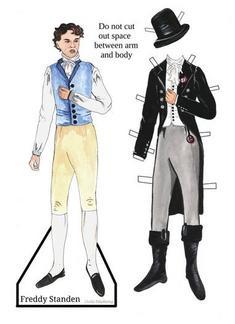
“I do think,” said Kitty fervently, “that Freddy is the most truly chivalrous person imaginable!”Freddy is about the farthest thing from a dragon-killer or a feet-sweeper-offer: he's a clothes hound who loves high fashion, and he has an interesting habit of dropping his pronouns that makes him appear more dim-witted than he really is. But he's also a totally goodhearted, stand-up guy, and Kitty's tendency to get into fixes that require some nice guy to rescue her motivates Freddy to step up to the plate and develop new depths.
Freddy’s sister, regarding her with awe, opened her mouth, shut it again, swallowed, and managed to say, though in a faint voice: “Do you, indeed?”
“Yes, and a great deal more to the purpose than all the people one was taught to revere, like Sir Lancelot, and Sir Galahad, and Young Lochinvar, and—and that kind of man! I daresay Freddy might not be a great hand at slaying dragons, but you may depend upon it none of those knight-errants would be able to rescue one from a social fix, and you must own, Meg, that one has not the smallest need of a man who can kill dragons! And as for riding off with one in the middle of a party, which I have always thought must have been extremely uncomfortable, and not at all the sort of thing one would wish to happen to one—”


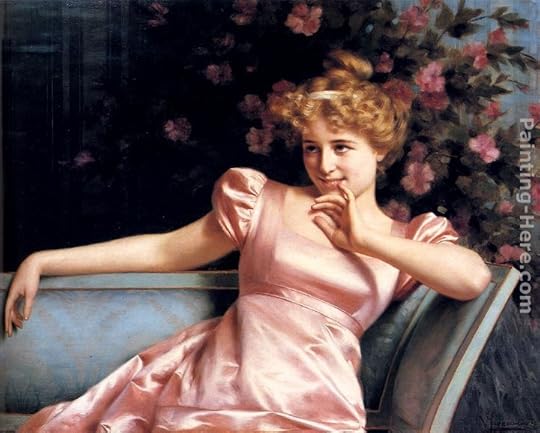


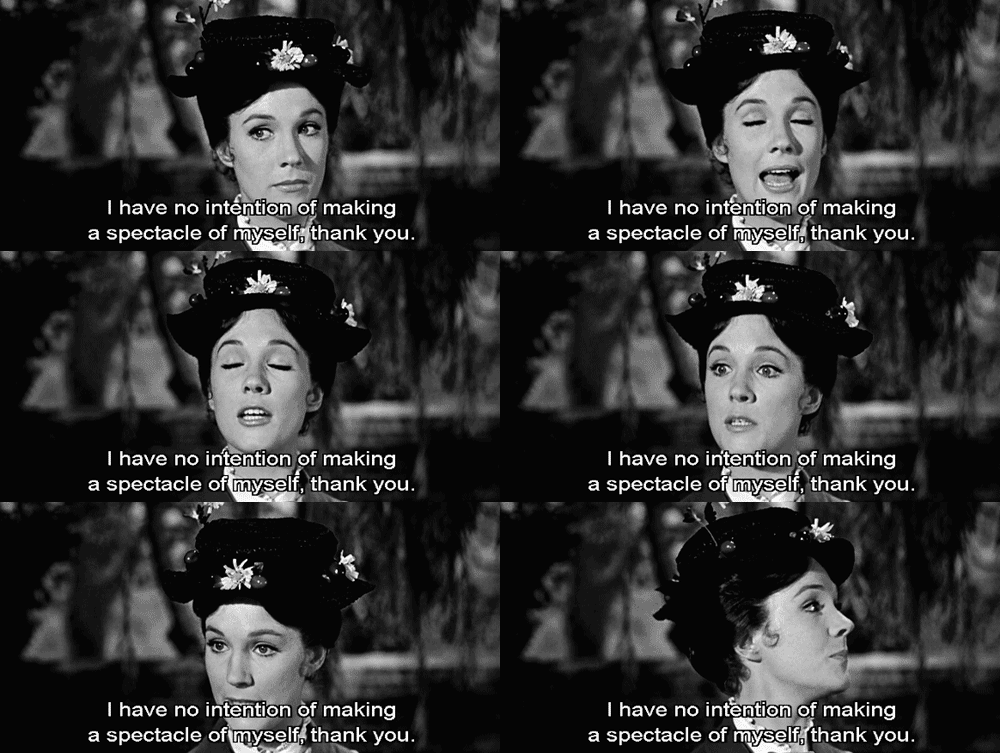



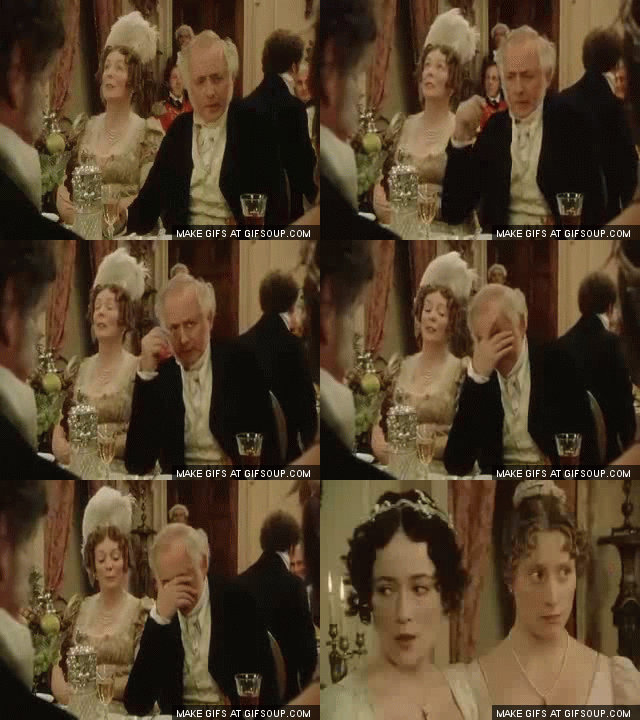


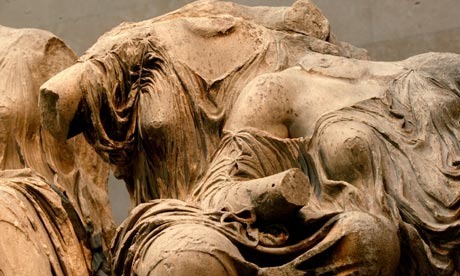

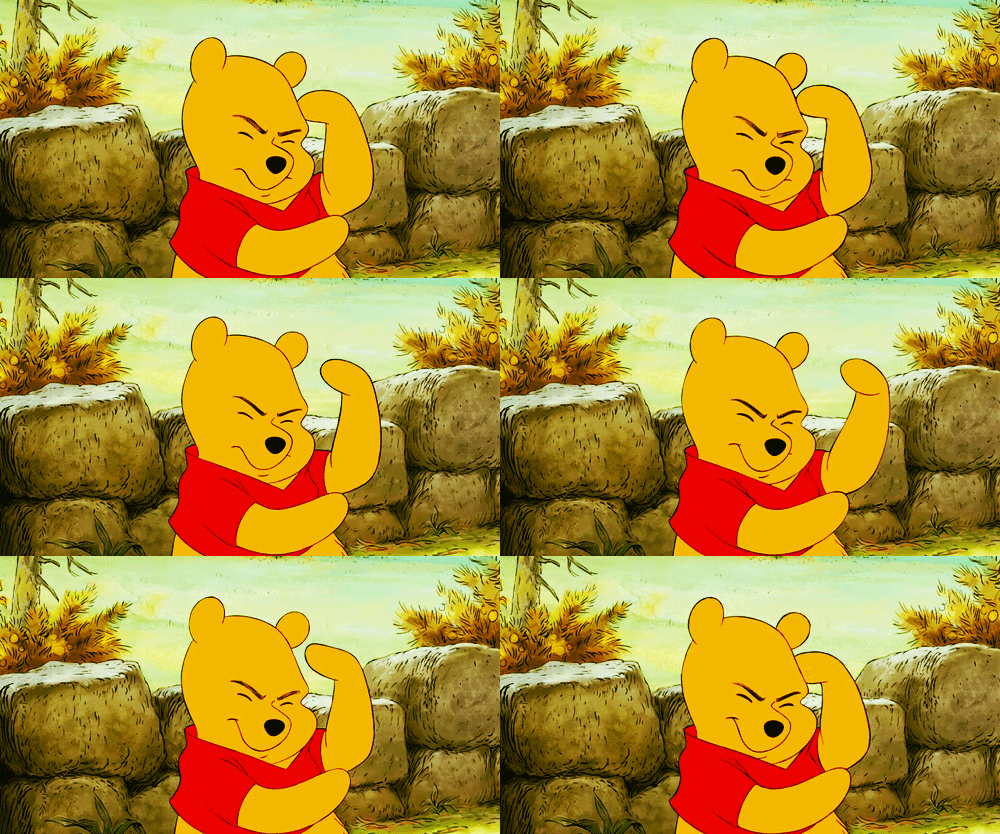

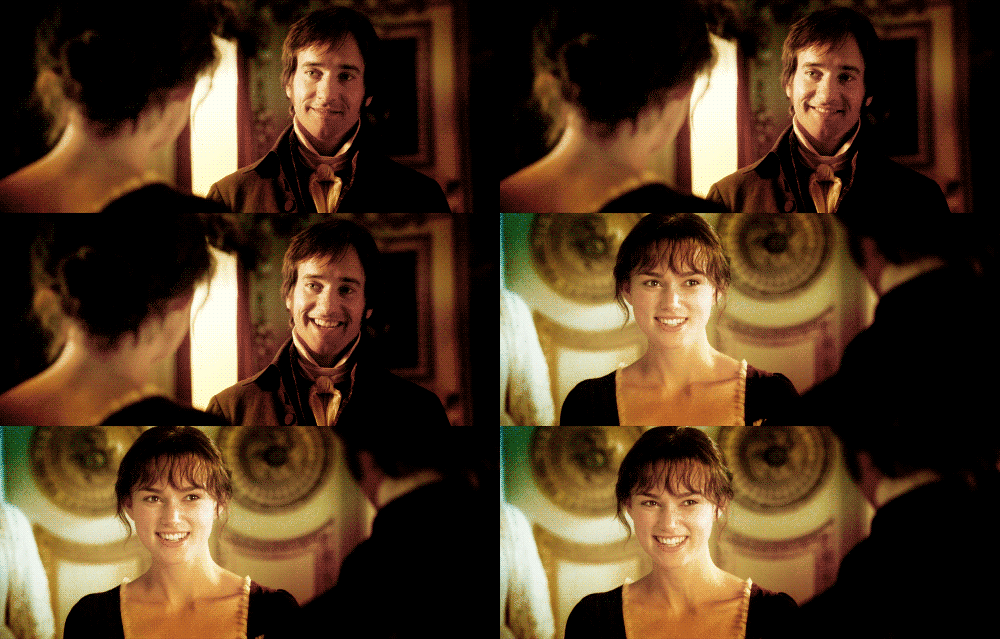
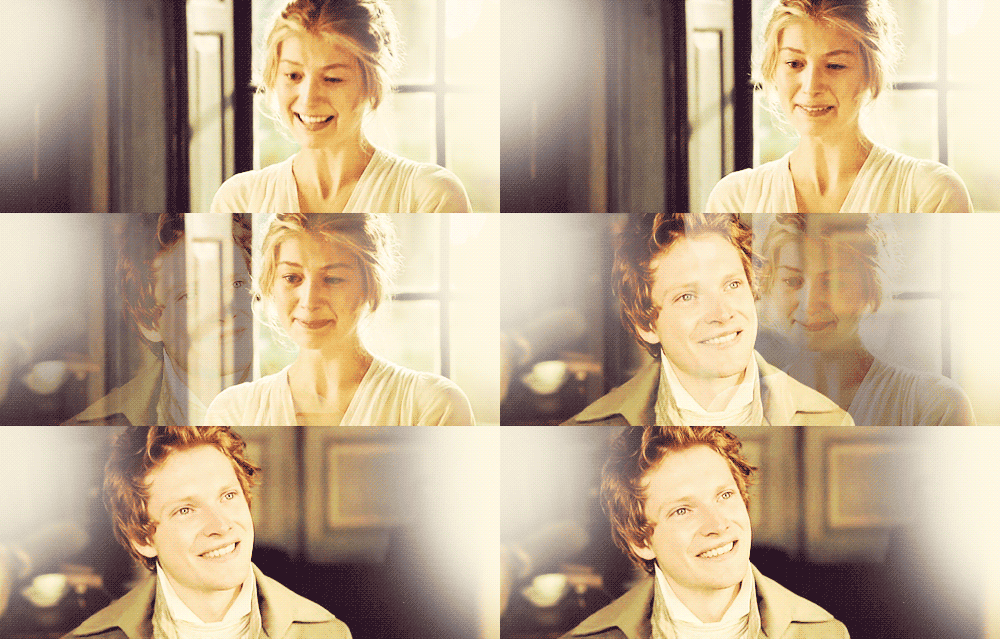




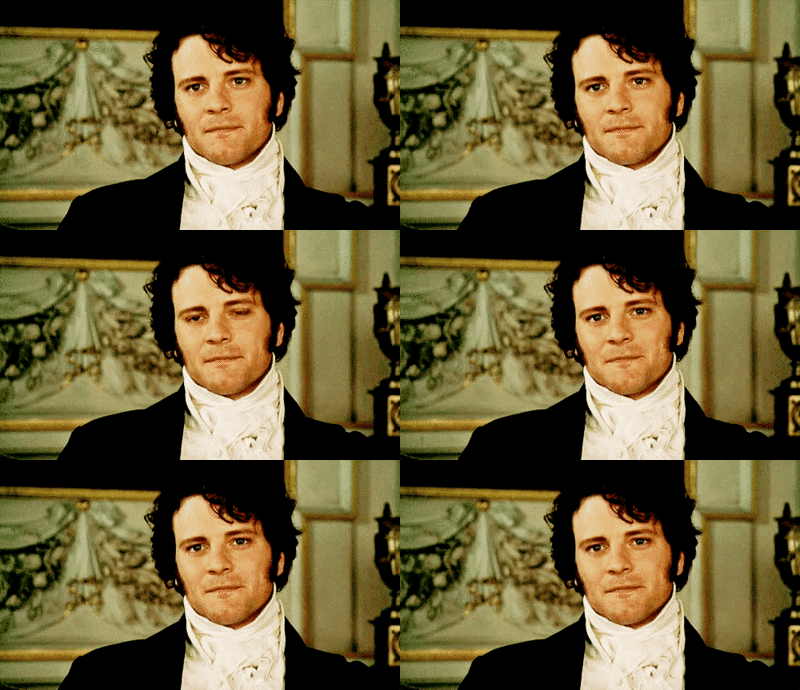
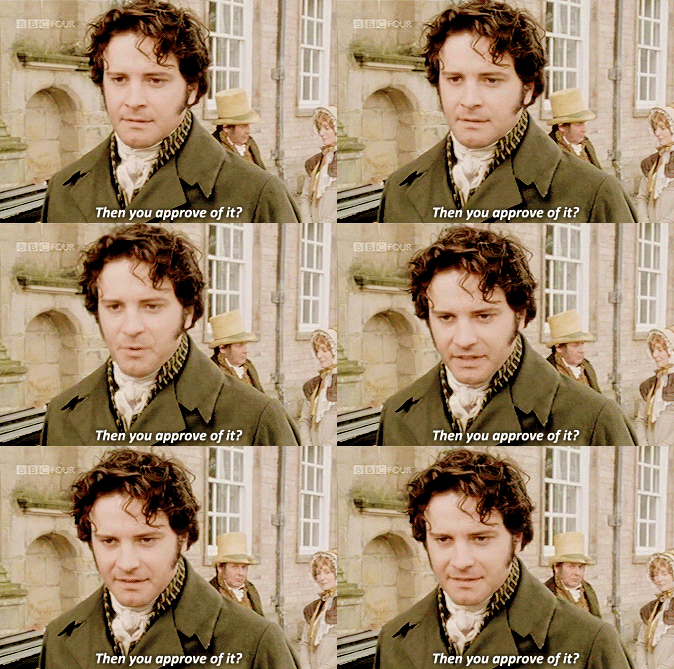
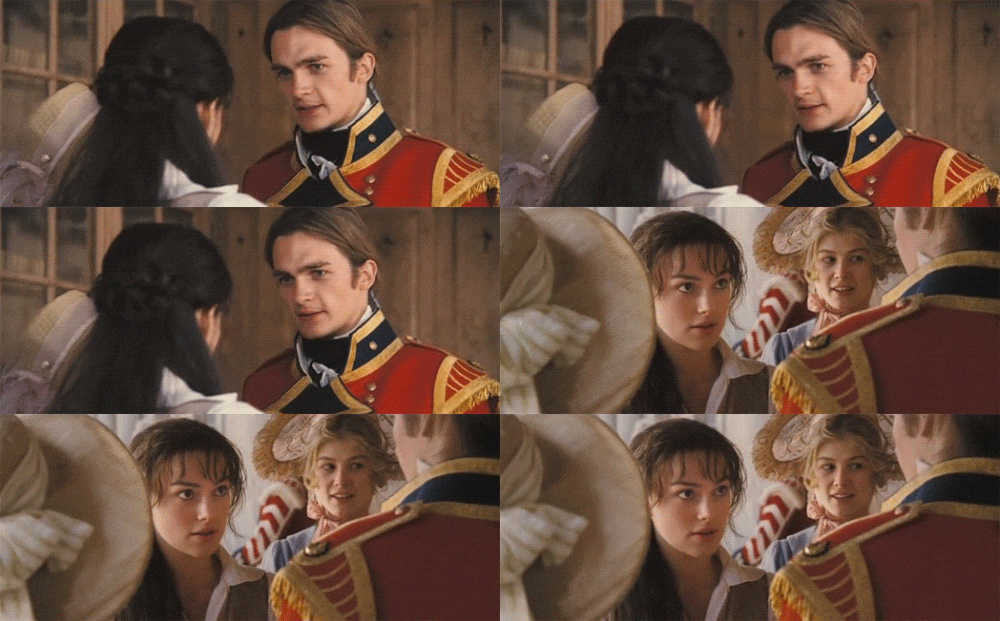
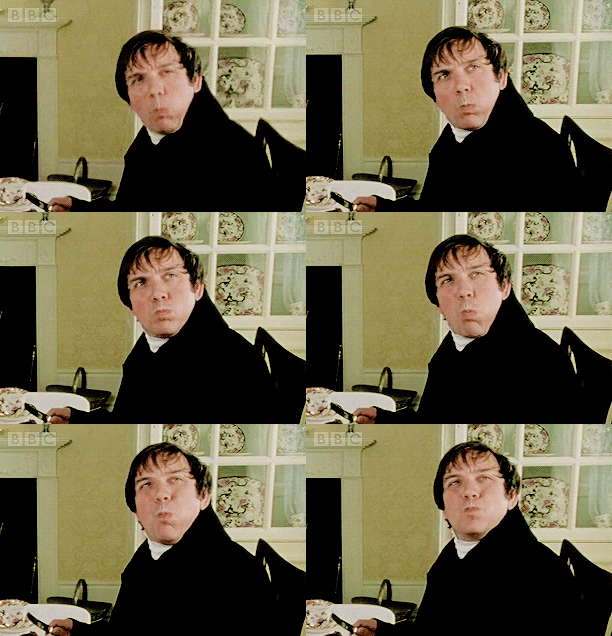
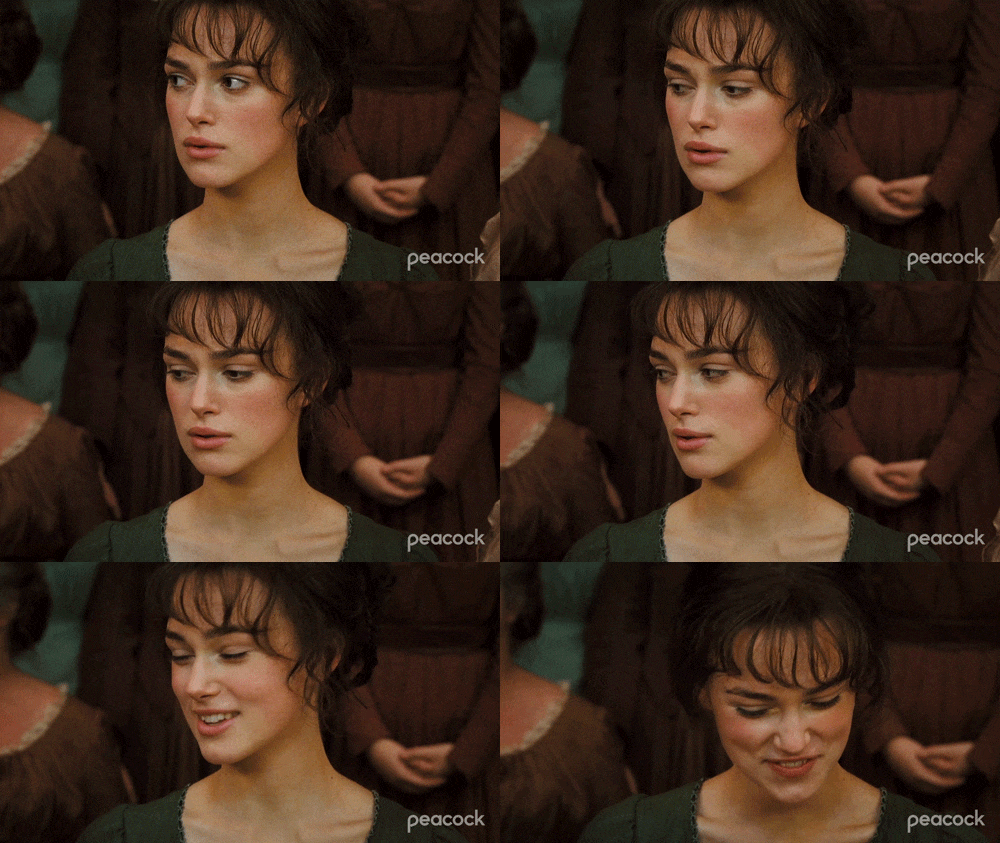
 in this review.
A writer of great wit and style...I've read her books to ragged shreds.
This is one of the few Georgette Heyer books I own, but haven't re-read in recent years. I won't make that mistake again. I must have read it early in my Heyer days, because I'm pretty sure I didn't understand the main characters, Freddy and Kitty, very well. Freddy, in particular, undergoes more character development than is common in Heyer's heroes and is easy to write-off in the early parts of the novel as empty-headed. He starts out much like many supporting characters in Heyer's other novels--stylish, proper, concerned about fashion, an unquestioning bachelor, and considered by his friends to be a well-meaning fribble. He ends much more in the typical heyerian mode of someone who is comfortable in his world and well able to shape it to his needs and desires.
Indeed, in many ways, this book is more about the hero than the heroine. Freddy undergoes a strong metamorphosis as he begins to recognize his own ability to manage his world and put his imprint on it. That others come to appreciate, and respect, his new-found capacity for action isn't nearly so important as realizing, himself, that he is perfectly capable, and willing, to do what must be done to see to the comfort of his friends and the people he cares about. Kitty, on the other hand, doesn't really grow or change except in relation to her understanding of, and appreciation for, Freddy. This is a reversal of the many Heyer novels where the heroine's character develops appreciably and the hero merely learns to appreciate her stellar qualities.
Catching the early hints that Freddy has much more depth than seemed at first possible made all the difference in my enjoyment of this book. It hasn't become my favorite Heyer novel, but it's certainly climbed out of my dog pile and will be happily re-read on a much more regular basis.

He found the strings, tugged ruthlessly at them, and cast the offending bonnet aside. ‘That’s better! Been wanting to kiss you for weeks!’


"It Won't Do, You Know!"
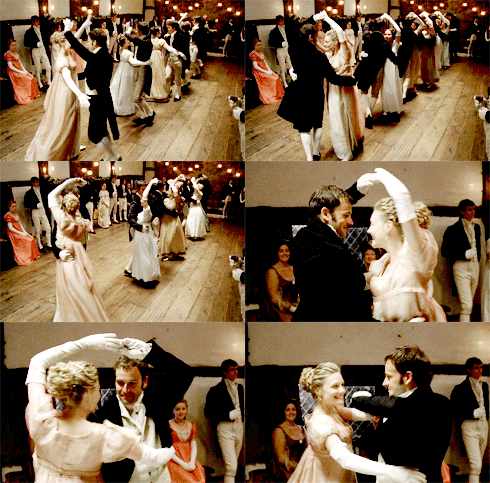
“I daresay Freddy might not be a great hand at slaying dragons, but you may depend upon it none of those knight-errants would be able to rescue one from a social fix, and you must own, Meg, that one has not the smallest need of a man who can kill dragons!”








![Profile Image for Namera [The Literary Invertebrate].](/_next/image?url=https%3A%2F%2Fi.gr-assets.com%2Fimages%2FS%2Fcompressed.photo.goodreads.com%2Fusers%2F1647896333i%2F31792110._UX200_CR0%2C96%2C200%2C200_.jpg&w=128&q=75)


