

What do you think?

Bird Family Trilogy #2
از میان صنوبرهای سیاه
چشمهایم باز است. سعی میکنم آنها را باز نگه دارم و این سختترین کار دنیا است. چشمهای ماریوس هم باز است... به همدیگر خیره شدهایم. میخواهم سرم را بچرخانم تا چیز دیگری ببینم، اما نمیتوانم. سیاهی، روی برف، اطراف ماریوس را دربرگرفته است. متوجه میشوم خون است. چشمهایم دیگر رنگ را تشخیص نمیدهد. به چشمهایش خیره میشوم. چیزی در درونم مرا مجبور میکند آنها را ببندم. سعی میکنم با آن مبارزه کنم، مبارزهای در برابر خواب سنگین
384 pages, Paperback
First published September 9, 2008
About the author
Joseph Boyden
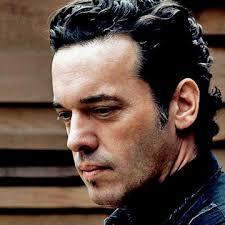
20 books1,325 followersJoseph Boyden is a Canadian novelist and short story writer.
He grew up in Willowdale, North York, Ontario and attended the Jesuit-run Brebeuf College School. Boyden's father Raymond Wilfrid Boyden was a medical officer renowned for his bravery, who was awarded the Distinguished Service Order and was the highest-decorated medical officer of World War II.
Boyden, of Irish, Scottish and Métis heritage, writes about First Nations heritage and culture. Three Day Road, a novel about two Cree soldiers serving in the Canadian military during World War I, is inspired by Ojibwa Francis Pegahmagabow, the legendary First World War sniper. Boyden's second novel, Through Black Spruce follows the story of Will, son of one of the characters in Three Day Road. He has indicated in interviews that the titles are part of a planned trilogy, the third of which is forthcoming.
He studied creative writing at York University and the University of New Orleans, and subsequently taught in the Aboriginal Student Program at Northern College. He divides his time between Louisiana, where he and his wife, Amanda Boyden, are writers in residence, and Northern Ontario.
He grew up in Willowdale, North York, Ontario and attended the Jesuit-run Brebeuf College School. Boyden's father Raymond Wilfrid Boyden was a medical officer renowned for his bravery, who was awarded the Distinguished Service Order and was the highest-decorated medical officer of World War II.
Boyden, of Irish, Scottish and Métis heritage, writes about First Nations heritage and culture. Three Day Road, a novel about two Cree soldiers serving in the Canadian military during World War I, is inspired by Ojibwa Francis Pegahmagabow, the legendary First World War sniper. Boyden's second novel, Through Black Spruce follows the story of Will, son of one of the characters in Three Day Road. He has indicated in interviews that the titles are part of a planned trilogy, the third of which is forthcoming.
He studied creative writing at York University and the University of New Orleans, and subsequently taught in the Aboriginal Student Program at Northern College. He divides his time between Louisiana, where he and his wife, Amanda Boyden, are writers in residence, and Northern Ontario.
Ratings & Reviews
Friends & Following
Create a free account to discover what your friends think of this book!
Community Reviews
Displaying 1 - 30 of 1,070 reviews

July 17, 2022
Why I chose to read this book:
Several years ago, I was overwhelmed by Joseph Boyden's masterpiece debut Three Day Road! I don't know why it took so long for me to finally pick up this sequel, except that designating July 2022 as my "Canadian Authors Month" pushed me to read it.
Praises:
1. storytelling plays a major role in this novel through dual narrators; Cree bush pilot, Will Bird, and his beautiful niece, Annie. Boyden is a master wordsmith in developing these characters, putting them into plausible situations, each running from their demons in their own frightening worlds;
2. although I found Will's character to be endearing (and often frustrating), I was quite impressed with how Boyden portrayed Annie's voice (he states that growing up with seven older sisters and having a wife as a novelist and "best editor" helped a lot!);
3. Boyden's research into the life of a model is credible, but I strongly connected with his descriptiveness of Will's story, especially his time in the bush and his encounters with familiar flora and fauna. I was entranced as I followed his struggles to survive; physically, emotionally, mentally and spiritually;
4. I had so many questions: What happened to Suzanne? Does Annie ever find her? What happened to Will's wife and two boys? How did he end up in a coma? I was pleased that Boyden's expertise in weaving Will and Annie's stories led me to the answers I needed; and,
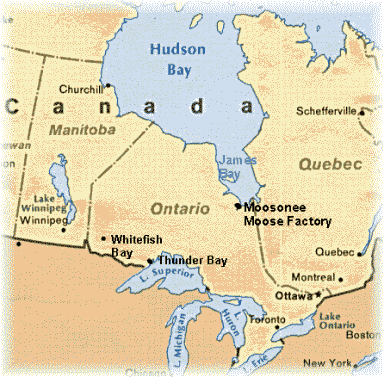
5. I was pleasantly surprised to learn that the communities of Moose Factory and Moosonee, located on the shores of Moose River which runs into James Bay in northern Ontario, actually exist!
Overall Thoughts:
Heartbreaking yet hopeful, Through Black Spruce didn't disappoint, so no niggles! I will definitely read Book 3 in this trilogy, The Orenda!
Recommendation?
Not for the faint-of-heart as this work contains some violent scenes. Although this book works as a standalone, I highly recommend reading Three Day Road first - it will answer any questions you may have with Through Black Spruce.
Several years ago, I was overwhelmed by Joseph Boyden's masterpiece debut Three Day Road! I don't know why it took so long for me to finally pick up this sequel, except that designating July 2022 as my "Canadian Authors Month" pushed me to read it.
Praises:
1. storytelling plays a major role in this novel through dual narrators; Cree bush pilot, Will Bird, and his beautiful niece, Annie. Boyden is a master wordsmith in developing these characters, putting them into plausible situations, each running from their demons in their own frightening worlds;
2. although I found Will's character to be endearing (and often frustrating), I was quite impressed with how Boyden portrayed Annie's voice (he states that growing up with seven older sisters and having a wife as a novelist and "best editor" helped a lot!);
3. Boyden's research into the life of a model is credible, but I strongly connected with his descriptiveness of Will's story, especially his time in the bush and his encounters with familiar flora and fauna. I was entranced as I followed his struggles to survive; physically, emotionally, mentally and spiritually;
4. I had so many questions: What happened to Suzanne? Does Annie ever find her? What happened to Will's wife and two boys? How did he end up in a coma? I was pleased that Boyden's expertise in weaving Will and Annie's stories led me to the answers I needed; and,
5. I was pleasantly surprised to learn that the communities of Moose Factory and Moosonee, located on the shores of Moose River which runs into James Bay in northern Ontario, actually exist!
Overall Thoughts:
Heartbreaking yet hopeful, Through Black Spruce didn't disappoint, so no niggles! I will definitely read Book 3 in this trilogy, The Orenda!
Recommendation?
Not for the faint-of-heart as this work contains some violent scenes. Although this book works as a standalone, I highly recommend reading Three Day Road first - it will answer any questions you may have with Through Black Spruce.

June 15, 2015
I loved this book. It was a beautifully written and contemplative novel about the lengths people will go to find ones they love and escape their past. It looks interestingly at themes of personal transformation, nature, and family ties. Boyden utilizes the dual narration excellently; both voices are clear and strong. If you're looking for a unique, refreshing story set in Canada, definitely give this a try.

August 10, 2012
A great tale of family resilience in remote Ontario settings balanced by narrative excursions to Toronto and New York City. It satisfied me by making me care deeply for its cast of characters, feel connected to their challenging rural environment, and empathize with the plight of Native peoples trying to sustain some identity in the larger society. Most of all I was impressed with the courage the key characters find to take action in the face of threats to their family.
We are treated to two narrative voices. One is Will Bird, the Cree son of the character in “Three Day Road”, who is largely retired from a long career as a bush pilot for sport tourists and thrives on subsistence hunting, fishing, and fur trapping. The other is a niece in her 20s, Annie. She, her sister Suzanne, and their mother, Will’s sister, are about the only family Will has left, as he lost his own wife and children in some disaster in the past which slowly gets revealed. Will is telling the story of his life to his nieces, and Annie is telling her story to Will. Soon we learn that Will is speaking from a point where he is hiding out in a remote hunting camp on an island in the northern wilderness, and Annie is recounting her story from his bedside at a hospital where he lies in a coma. The mysteries of how these points were reached was pretty damned effective as a plot device to hooking me into their intersecting stories.
The main setting is Moosonee, a town of less than 2,000 on the Moose River near its entrance to the tip of James Bay. The site of an old French trading post, it is accessible by water, rail, snowmobile, and airplane, but not by road. A larger settlement and historical site of a 17th century trading post of the Hudson Bay Company, Moose Factory, is nearby on an island in the river, accessible by boat or ice bridge in the winter. The island is the site of a Cree reserve, more significant commerce, a hospital, and, in Will’s youth, where he was forced to attend a residential school after his parents died. This outpost of civilization is called the gateway to the Arctic, and I could feel that aspect as a fulcrum for my understanding of Canada as a whole. The clarity of perspective of man versus nature was brought home to me in an early passage in the book, where Will recounts surviving a plane crash. The quote serves to illustrate Boyden’s unassuming and engaging prose and delightful comic edge to serious situations:
And when the cloud cover left on a winter afternoon a hundred miles plus north of Moosonee in January, the cold came, presented itself in such a forceful way that I had two choices.
The first was to assume that the cold was a living thing that chased me and wanted to suck the life from me. I could get angry at it, desperate for some sense of fairness in the world, and then begin to panic.
Or my second option was to make up my mind that the cold, that nature, was just an unfortunate clash of weather systems. If I made my mind up this second way, that the physical word no longer held vengeance and evil just beyond the black shadow of spruce, then I would try to make do with what I had. And when I realized what an idiot I was for ending up here all alone without the proper gear—just a jean jacket with a sweater under it and running shoes on my feet—I’d get angry, desperate for some sense of fairness in the world, and begin to panic.
Me, I preferred the first option, that Mother Nature was one angry slut. She’d try to kill you the first chance she got.
From the beginning we learn that Suzanne has disappeared with a boy from a family of local smugglers and drug dealers. Annie is preparing to go after her. Her journey takes her first to Toronto, where she learns her sister found work as a model and her boyfriend somehow make enemies with drug dealers there, leading to another disappearance. Among the homeless Indians there, Annie meets an elder who gives her spiritual guidance and assigns a man who is unable to speak, Gordon, to stick with her and protect her on her quest. Their relationship as they try to negotiate the alien urban landscape was wonderful to watch unfold. As the trail takes them to New York City and their money runs out, Annie’s inner strengths and competence as a country girl gives her the courage to follow Suzanne’s path in work as a model in the fashion industry. Gordon provides an anchor as Annie gets too close to the edge of the dissolute wild lifestyle of the high flying crowd and faces the corrupting force of using her heritage to serve as an exotic, ephemeral star of New York society. For classic character development and a fish out of water, this story fits right up there with that of Dorothy in Oz.
Another aspect of the writing that works so well for me is the interior dialog of the characters with their most significant family members in the face of isolation and danger. For example, at the beginning of the book, Will begins to get the message he must take some extraordinary action after he gets beat up by the gang of the brother of Suzanne’s boyfriend:
I don’t know how long I lay there. Something, someone maybe, told me that I eventually had to surface if I was going to live, and believe it or not, it was a tough decision to make. For me, my life’s been hard, and sometimes I’m so tired out from losing things I love it feels easier to just give up and slip away.
A voice I knew, the voice of my father, talked to me, and in my head I saw him squatting beside me in the black, on is haunches, his one real leg bent under him, his wooden prosthesis straight out in front like one of those fancy Russian dancers.
“It’s not you that you live for,” he said to me in Cree. “It can’t be. It’s the others.” Not very specific but I knew who he was talking about.
“What do I got to give to anyone?” I asked. I could tell he was looking down on me, staring at my wounds. He didn’t answer my question.
I don’t know about you, but I was well moved by the power of Boyden’s plain prose to make windows and doors between the natural world and the isolation of the soul. Native peoples aren’t alone in clinging to the wellsprings of family and cultural roots when the going gets tough. I leave you with a passage that gives me some delicious chills as the epitome of the human condition, not too far from the spirit of Robert Frost:
I’ve come to a strange place on this road. I’d gotten used to this travel, a type of comfort in the slow plod forward, until I came to here.
I hear water rushing not so far away, a big river’s voice. I’m scared of it, me. I’ve not truly felt that feeling so strong till here. Something’s there, through the black spruce, just on the other side. I can’t see it yet, though. I can’t see the stretch of water. I have to walk closer if I’m to see it. The sound of rushing water, it makes me feel like drowning. The water closer to shore babbles like children’s voices. The sound makes me want to go to it. But I’m afraid.
We are treated to two narrative voices. One is Will Bird, the Cree son of the character in “Three Day Road”, who is largely retired from a long career as a bush pilot for sport tourists and thrives on subsistence hunting, fishing, and fur trapping. The other is a niece in her 20s, Annie. She, her sister Suzanne, and their mother, Will’s sister, are about the only family Will has left, as he lost his own wife and children in some disaster in the past which slowly gets revealed. Will is telling the story of his life to his nieces, and Annie is telling her story to Will. Soon we learn that Will is speaking from a point where he is hiding out in a remote hunting camp on an island in the northern wilderness, and Annie is recounting her story from his bedside at a hospital where he lies in a coma. The mysteries of how these points were reached was pretty damned effective as a plot device to hooking me into their intersecting stories.
The main setting is Moosonee, a town of less than 2,000 on the Moose River near its entrance to the tip of James Bay. The site of an old French trading post, it is accessible by water, rail, snowmobile, and airplane, but not by road. A larger settlement and historical site of a 17th century trading post of the Hudson Bay Company, Moose Factory, is nearby on an island in the river, accessible by boat or ice bridge in the winter. The island is the site of a Cree reserve, more significant commerce, a hospital, and, in Will’s youth, where he was forced to attend a residential school after his parents died. This outpost of civilization is called the gateway to the Arctic, and I could feel that aspect as a fulcrum for my understanding of Canada as a whole. The clarity of perspective of man versus nature was brought home to me in an early passage in the book, where Will recounts surviving a plane crash. The quote serves to illustrate Boyden’s unassuming and engaging prose and delightful comic edge to serious situations:
And when the cloud cover left on a winter afternoon a hundred miles plus north of Moosonee in January, the cold came, presented itself in such a forceful way that I had two choices.
The first was to assume that the cold was a living thing that chased me and wanted to suck the life from me. I could get angry at it, desperate for some sense of fairness in the world, and then begin to panic.
Or my second option was to make up my mind that the cold, that nature, was just an unfortunate clash of weather systems. If I made my mind up this second way, that the physical word no longer held vengeance and evil just beyond the black shadow of spruce, then I would try to make do with what I had. And when I realized what an idiot I was for ending up here all alone without the proper gear—just a jean jacket with a sweater under it and running shoes on my feet—I’d get angry, desperate for some sense of fairness in the world, and begin to panic.
Me, I preferred the first option, that Mother Nature was one angry slut. She’d try to kill you the first chance she got.
From the beginning we learn that Suzanne has disappeared with a boy from a family of local smugglers and drug dealers. Annie is preparing to go after her. Her journey takes her first to Toronto, where she learns her sister found work as a model and her boyfriend somehow make enemies with drug dealers there, leading to another disappearance. Among the homeless Indians there, Annie meets an elder who gives her spiritual guidance and assigns a man who is unable to speak, Gordon, to stick with her and protect her on her quest. Their relationship as they try to negotiate the alien urban landscape was wonderful to watch unfold. As the trail takes them to New York City and their money runs out, Annie’s inner strengths and competence as a country girl gives her the courage to follow Suzanne’s path in work as a model in the fashion industry. Gordon provides an anchor as Annie gets too close to the edge of the dissolute wild lifestyle of the high flying crowd and faces the corrupting force of using her heritage to serve as an exotic, ephemeral star of New York society. For classic character development and a fish out of water, this story fits right up there with that of Dorothy in Oz.
Another aspect of the writing that works so well for me is the interior dialog of the characters with their most significant family members in the face of isolation and danger. For example, at the beginning of the book, Will begins to get the message he must take some extraordinary action after he gets beat up by the gang of the brother of Suzanne’s boyfriend:
I don’t know how long I lay there. Something, someone maybe, told me that I eventually had to surface if I was going to live, and believe it or not, it was a tough decision to make. For me, my life’s been hard, and sometimes I’m so tired out from losing things I love it feels easier to just give up and slip away.
A voice I knew, the voice of my father, talked to me, and in my head I saw him squatting beside me in the black, on is haunches, his one real leg bent under him, his wooden prosthesis straight out in front like one of those fancy Russian dancers.
“It’s not you that you live for,” he said to me in Cree. “It can’t be. It’s the others.” Not very specific but I knew who he was talking about.
“What do I got to give to anyone?” I asked. I could tell he was looking down on me, staring at my wounds. He didn’t answer my question.
I don’t know about you, but I was well moved by the power of Boyden’s plain prose to make windows and doors between the natural world and the isolation of the soul. Native peoples aren’t alone in clinging to the wellsprings of family and cultural roots when the going gets tough. I leave you with a passage that gives me some delicious chills as the epitome of the human condition, not too far from the spirit of Robert Frost:
I’ve come to a strange place on this road. I’d gotten used to this travel, a type of comfort in the slow plod forward, until I came to here.
I hear water rushing not so far away, a big river’s voice. I’m scared of it, me. I’ve not truly felt that feeling so strong till here. Something’s there, through the black spruce, just on the other side. I can’t see it yet, though. I can’t see the stretch of water. I have to walk closer if I’m to see it. The sound of rushing water, it makes me feel like drowning. The water closer to shore babbles like children’s voices. The sound makes me want to go to it. But I’m afraid.

January 23, 2009
Update:
The CBA (Canadian Bestsellers Association) have handed out the 2009 Libris Awards. Joseph won Fiction of the Year for Through Black Spruce. He also won author of the year.
Joseph's skill in making the narrative ring true is remarkable: we learn Will’s story while he lies in a coma, and Annie’s, too, as she hopes that by “hearing” her story, her uncle will fight his way out of the coma. Marius Netmaker, grandson of Elijah, also has his strong role to play.
I read the short, first chapter twice, and then went on to read the rest of the book without putting it down once. Literally: I read while drinking my morning coffee; while putting in my daily exercise on the stepper; while eating meals; and in front of the fire, well into the night. I was transfixed with the two main characters, in this follow-up to Three Day Road.
If you haven’t read Three Day Road, read it first to better appreciate this second, more contemporary story. It takes place in Northern Ontario (Will and Annie), and in Manhattan (Annie). Two separate stories of two people struggling to find themselves. Stories of the traditional Cree living off the land(both characters), and Annie’s two diverse worlds: from strong female trapper, to becoming a model during her search to find her missing sister.
Through the telling, we feel the desire in each to find themselves, and in turn, reconnect with one another. Family is at the heart; a quest, the driving force.
Joseph Boyden is a born storyteller. I can’t recommend this book highly enough.
The CBA (Canadian Bestsellers Association) have handed out the 2009 Libris Awards. Joseph won Fiction of the Year for Through Black Spruce. He also won author of the year.
Joseph's skill in making the narrative ring true is remarkable: we learn Will’s story while he lies in a coma, and Annie’s, too, as she hopes that by “hearing” her story, her uncle will fight his way out of the coma. Marius Netmaker, grandson of Elijah, also has his strong role to play.
I read the short, first chapter twice, and then went on to read the rest of the book without putting it down once. Literally: I read while drinking my morning coffee; while putting in my daily exercise on the stepper; while eating meals; and in front of the fire, well into the night. I was transfixed with the two main characters, in this follow-up to Three Day Road.
If you haven’t read Three Day Road, read it first to better appreciate this second, more contemporary story. It takes place in Northern Ontario (Will and Annie), and in Manhattan (Annie). Two separate stories of two people struggling to find themselves. Stories of the traditional Cree living off the land(both characters), and Annie’s two diverse worlds: from strong female trapper, to becoming a model during her search to find her missing sister.
Through the telling, we feel the desire in each to find themselves, and in turn, reconnect with one another. Family is at the heart; a quest, the driving force.
Joseph Boyden is a born storyteller. I can’t recommend this book highly enough.

January 19, 2015
We gain experience as we grow into this world, and experience is a two-edged sword. Experience is the most difficult of teachers because it gives the exam first, and the lessons second.
As children, we see the world as a mystery, but a mystery that will reveal itself to us day by day. As children, we see the world as a place where nothing is impossible. We aren’t afraid to believe in our dreams. In fact, we often believe in them more than we believe in the real world. We can fly; we can swim across the ocean; we can climb the highest mountain. It is only through adulthood, the growing up and accepting reality, that we become jaded, that we learn to accept that we can’t be anyone or do anything.
As children, we see the world as a mystery, but a mystery that will reveal itself to us day by day. As children, we see the world as a place where nothing is impossible. We aren’t afraid to believe in our dreams. In fact, we often believe in them more than we believe in the real world. We can fly; we can swim across the ocean; we can climb the highest mountain. It is only through adulthood, the growing up and accepting reality, that we become jaded, that we learn to accept that we can’t be anyone or do anything.

July 27, 2017
از میان صنوبرهای سیاه، ادامهی رمان جادهی سهروزه و دومین جلد از تریلوژی سرخپوستی جوزف بویدن است. کتاب مانند جلد پیشین، توسط دو شخص روایت میشود: ویل برد، پسر زاویر برد (کارکتر و راوی اصلی جادهی سه روزه) و آنی (خواهر زادهی ویل و نوهی دختری زاویر برد). داستان، مدتها بعد از مرگ زاویر برد آغاز میشود. سوزان، خواهر آنی در پی فرار از دست مافیای مواد مخدر ناپدید گشته و ویل نیز در درگیریهای زنجیرهای با آنان از ناحیه سر بهشدت زخمی شده و در لبهی پرتگاه مرگ قرار دارد. آنی هر روز به بالین ویل میرود و ماجراهای خودش را برای دایی در حال مرگش تعریف میکند، ویل نیز در عالم رویا، با خواهرزادههای خود صحبت میکند و این دو روایت بهطور موازی اما با فلشبکهای بسیار، آرام آرام پیش میرود تا در پایان کتاب به نقطهی مشترکی برسند
تقابل سنت و مدرنیته : سرخپوست در مقابل سرخپوست
درونمایهای اصلی تمام آثار بویدن، تقابل فرهنگ سرخپوستی با فرهنگ مدرن و قربانیانیست که در این نبرد قرار میگیرند. در جادهی سه روزه، زاویر برد و الیاس ویسکی جک، با قرار گرفتن در جنگی که متعلق به آنان نیست، در میدان مبارزه سنت و مدرنیته قرار میگیرند، اگر چه یکی به ظاهر پیروز میشود، اما به واقع پیروزی و باخت در این نبرد معنا ندارد، آنها در هر صورت قربانی این نبرد نابرابر هستند. در "از میان صنوبرهای سیاه هم" دو مرد از تبار زاویر و الیاس، ویلِ شکارچی و ماریوس توزیعکننده مواد به ظاهر در مقابل یکدیگر قرار میگیرند و اگر چه یکی کشته میشود و دیگری زنده میماند، اما در اینجا نیز با الگوی قربانی روبرو هستیم. ویل و ماریوس هردو قربانی برزخ هویتی هستند. ویل با تمام وجود در مقابل فشار جامعه و اَبَرفرهنگ مقاومت کرده و سنت سرخپوستی نیاکانش را زنده نگاه داشته، حال آنکه ماریوس مانند پدربزرگش الیاس تسلیم شده و تن به فرهنگ مدرن داده است. ویل نماد آخرین بازماندههای وفادار به سنت سرخپوستیست، که اگرچه مجروح و لنگان لنگان، اما همچنان به مبارزه ادامه میدهد. او نماد آخرین انسان مقاوم است که هنوز تسلیم از خودبیگانگی نشده است
این مبارزه اما محدود به این دو کاراکتر داستان نیست، سوزان، آنی و گوردن (سرخپوست بَصَری داستان) نیز به نوبهی خود درگیر این نبرد هستند. سوزان گمشده در دنیای مد و کلوپهای شبانه و تبهکاری و آنی گمشده در شبهای نورانیِ شهرهای بزرگ و گوردن مطرود و به حاشیه رانده شده که در فشار باغ وحش انسانی، توانایی برقراری هرگونه ارتباط کلامی را از دست داده است
اما سرنوشت نهایی تمام این شخصیتها در گروی تصمیمیست که در مورد هویت خود میگیرند. آنان که به سنت و آیینهای خود بازگشت میکنند، نجات پیدا میکنند ( ویل، آنی، گوردن) و آنها که هویت خود را برای همیشه از دست دادهاند توسط مادرزمین بلعیده میشوند (ماریوس، سوزان). سکانس پایانی داستان - کوچ خانوادگی به کلبهی جنگلی - هم پیامی جز این ندارد، مشابه آنچه در پایان جادهی سه روزه اتفاق میافتد: بازگشت زاویر و خاله نیسکا با کانو به زادگاه اصلی خود. البته الگوهای مشابه دیگری هم در هر دو داستان به چشم میخورد، نظیر نقش یک زن که هم در "جادهی سه روزه" (نیسکا) و هم در "از میان صنوبرهای سیاه" (آنی یا دروتی) قهرمان اصلی داستان را از جادهی مرگ به زندگی باز میگردانند. در نهایت به نظر من "از میان صنوبرهای سیاه" یک سر و گردن پایینتر از "جادهی سه روزه" است و شاید علت اصلی این امر، انتقال تنش داستان از درون کاراکترها به بیرون (از حالتهای روانی به برخوردهای فیزیکی) است
دنیای داستانهای موازی
با کنار هم قرار دادن آثار بویدن، میتوان سه ویژگی کلیدی سبک او را شناسایی کرد. نخست تغییر مداوم و منظم راوی و ایجاد دو روایت موازی اما گرهخورده در بطن داستان است. دوم فلشبکهای مداوم است که به پیچیدگی و قوام بیشتر طرح داستانی میانجامد و سوم، شخصیتپردازی فوقالعاده جالب و دقیق اوست. حتی کاراکترهای فرعی داستانهای بویدن هم ماجراهای خود را دارند که نویسنده آنها را به شیوهای خاص ناگفته باقی نمیگذارد؛ بدین صورت که کاراکترهای فرعی یک داستان، کاراکترهای اصلی داستان دیگر کابهایش است. مثلا در "از میان صنوبرهای سیاه" هیچ اشارهی روشنی به گذشتهی گوردن نمیشود، اما در کتاب متولد شده با یک دندان یک فصل کامل به زندگی گوردن (با لقب زبانرنگی) اختصاص داده شده است
یکی از ویژگیهای دلپذیر و هیجانانگیز آثار بویدن، استفاده مکرر از افسانهها و گنجانیدن آیینهای اساطیری سرخپوستی در داستان است: اتاق شفا، ویندیگو، بادهای چهارگانه، روح رودخانه و شمنیسم سرخپوستی در بطن داستان. مثلا در این کتاب، آنی ظاهرا به بیماری صرع دچار است، اما در باطن امر، او یک شمن ذاتیست و عطیهی شفابخشی و پیشگویی دارد، چنانکه با خواندن داستان زندگیاش در گوش ویل او را شفا میدهد و یا در مواقعی که دچار حملهی صرع میشود، میتواند در ابعاد زمانی و مکانی سفر کند و نادیدنیها را کشف کند
تقابل سنت و مدرنیته : سرخپوست در مقابل سرخپوست
درونمایهای اصلی تمام آثار بویدن، تقابل فرهنگ سرخپوستی با فرهنگ مدرن و قربانیانیست که در این نبرد قرار میگیرند. در جادهی سه روزه، زاویر برد و الیاس ویسکی جک، با قرار گرفتن در جنگی که متعلق به آنان نیست، در میدان مبارزه سنت و مدرنیته قرار میگیرند، اگر چه یکی به ظاهر پیروز میشود، اما به واقع پیروزی و باخت در این نبرد معنا ندارد، آنها در هر صورت قربانی این نبرد نابرابر هستند. در "از میان صنوبرهای سیاه هم" دو مرد از تبار زاویر و الیاس، ویلِ شکارچی و ماریوس توزیعکننده مواد به ظاهر در مقابل یکدیگر قرار میگیرند و اگر چه یکی کشته میشود و دیگری زنده میماند، اما در اینجا نیز با الگوی قربانی روبرو هستیم. ویل و ماریوس هردو قربانی برزخ هویتی هستند. ویل با تمام وجود در مقابل فشار جامعه و اَبَرفرهنگ مقاومت کرده و سنت سرخپوستی نیاکانش را زنده نگاه داشته، حال آنکه ماریوس مانند پدربزرگش الیاس تسلیم شده و تن به فرهنگ مدرن داده است. ویل نماد آخرین بازماندههای وفادار به سنت سرخپوستیست، که اگرچه مجروح و لنگان لنگان، اما همچنان به مبارزه ادامه میدهد. او نماد آخرین انسان مقاوم است که هنوز تسلیم از خودبیگانگی نشده است
این مبارزه اما محدود به این دو کاراکتر داستان نیست، سوزان، آنی و گوردن (سرخپوست بَصَری داستان) نیز به نوبهی خود درگیر این نبرد هستند. سوزان گمشده در دنیای مد و کلوپهای شبانه و تبهکاری و آنی گمشده در شبهای نورانیِ شهرهای بزرگ و گوردن مطرود و به حاشیه رانده شده که در فشار باغ وحش انسانی، توانایی برقراری هرگونه ارتباط کلامی را از دست داده است
اما سرنوشت نهایی تمام این شخصیتها در گروی تصمیمیست که در مورد هویت خود میگیرند. آنان که به سنت و آیینهای خود بازگشت میکنند، نجات پیدا میکنند ( ویل، آنی، گوردن) و آنها که هویت خود را برای همیشه از دست دادهاند توسط مادرزمین بلعیده میشوند (ماریوس، سوزان). سکانس پایانی داستان - کوچ خانوادگی به کلبهی جنگلی - هم پیامی جز این ندارد، مشابه آنچه در پایان جادهی سه روزه اتفاق میافتد: بازگشت زاویر و خاله نیسکا با کانو به زادگاه اصلی خود. البته الگوهای مشابه دیگری هم در هر دو داستان به چشم میخورد، نظیر نقش یک زن که هم در "جادهی سه روزه" (نیسکا) و هم در "از میان صنوبرهای سیاه" (آنی یا دروتی) قهرمان اصلی داستان را از جادهی مرگ به زندگی باز میگردانند. در نهایت به نظر من "از میان صنوبرهای سیاه" یک سر و گردن پایینتر از "جادهی سه روزه" است و شاید علت اصلی این امر، انتقال تنش داستان از درون کاراکترها به بیرون (از حالتهای روانی به برخوردهای فیزیکی) است
دنیای داستانهای موازی
با کنار هم قرار دادن آثار بویدن، میتوان سه ویژگی کلیدی سبک او را شناسایی کرد. نخست تغییر مداوم و منظم راوی و ایجاد دو روایت موازی اما گرهخورده در بطن داستان است. دوم فلشبکهای مداوم است که به پیچیدگی و قوام بیشتر طرح داستانی میانجامد و سوم، شخصیتپردازی فوقالعاده جالب و دقیق اوست. حتی کاراکترهای فرعی داستانهای بویدن هم ماجراهای خود را دارند که نویسنده آنها را به شیوهای خاص ناگفته باقی نمیگذارد؛ بدین صورت که کاراکترهای فرعی یک داستان، کاراکترهای اصلی داستان دیگر کابهایش است. مثلا در "از میان صنوبرهای سیاه" هیچ اشارهی روشنی به گذشتهی گوردن نمیشود، اما در کتاب متولد شده با یک دندان یک فصل کامل به زندگی گوردن (با لقب زبانرنگی) اختصاص داده شده است
یکی از ویژگیهای دلپذیر و هیجانانگیز آثار بویدن، استفاده مکرر از افسانهها و گنجانیدن آیینهای اساطیری سرخپوستی در داستان است: اتاق شفا، ویندیگو، بادهای چهارگانه، روح رودخانه و شمنیسم سرخپوستی در بطن داستان. مثلا در این کتاب، آنی ظاهرا به بیماری صرع دچار است، اما در باطن امر، او یک شمن ذاتیست و عطیهی شفابخشی و پیشگویی دارد، چنانکه با خواندن داستان زندگیاش در گوش ویل او را شفا میدهد و یا در مواقعی که دچار حملهی صرع میشود، میتواند در ابعاد زمانی و مکانی سفر کند و نادیدنیها را کشف کند

January 4, 2013
After the achievement that was "The Orenda," I found this one super disappointing. Orenda, published later, shows a huge leap in maturity for this author.
What I found highly grating about this book was the dialogue, which was embarrassingly artificial. The perspective of Annie was relentlessly two-dimensional, as was Boyden's portrayal of the model socialite life in New York. I realize that this milieu is notoriously superficial, but Boyden did nothing other than echo stereotypical dialogue of vapid twentysomethings without offering any real insight into their lives. Nor did he really offer any insight into the subjectivity of beauty, but really just repeatedly highlighted how utterly beautiful his female protagonist is. God knows a female protagonist can't be interesting unless she is exceptionally beautiful! Yawn.
I have also noticed that Boyden displays a pattern in his writing of having his female protagonists saved from rape by men that ultimately become their "protectors." For an author who writes so honestly about racial and cultural identity in the modern world, I find this trope about female agency to be limiting and just plain embarrassing.
Boyden did a much better job of writing a compelling portrayal of the aging bush pilot, and the erosion of his old way of life into one marred by isolation and alcoholism. Where Annie and her female companions were effectively cardboard cut-outs of young females, Boyden gave real heart to this character, which somewhat saved the book. Somewhat.
My other criticism of this book is that it is ultimately a snoozefest. Devices such as Annie's extended (seemingly interminable) sojourn in New York did nothing to further the plot.
This is not to say that I will not be reading Boyden's third book, Three Day Road. The Orenda was enough to convince me that Boyden is a talented writer that writes about important Canadian issues. Maybe he should just stick to writing about men, though.
What I found highly grating about this book was the dialogue, which was embarrassingly artificial. The perspective of Annie was relentlessly two-dimensional, as was Boyden's portrayal of the model socialite life in New York. I realize that this milieu is notoriously superficial, but Boyden did nothing other than echo stereotypical dialogue of vapid twentysomethings without offering any real insight into their lives. Nor did he really offer any insight into the subjectivity of beauty, but really just repeatedly highlighted how utterly beautiful his female protagonist is. God knows a female protagonist can't be interesting unless she is exceptionally beautiful! Yawn.
I have also noticed that Boyden displays a pattern in his writing of having his female protagonists saved from rape by men that ultimately become their "protectors." For an author who writes so honestly about racial and cultural identity in the modern world, I find this trope about female agency to be limiting and just plain embarrassing.
Boyden did a much better job of writing a compelling portrayal of the aging bush pilot, and the erosion of his old way of life into one marred by isolation and alcoholism. Where Annie and her female companions were effectively cardboard cut-outs of young females, Boyden gave real heart to this character, which somewhat saved the book. Somewhat.
My other criticism of this book is that it is ultimately a snoozefest. Devices such as Annie's extended (seemingly interminable) sojourn in New York did nothing to further the plot.
This is not to say that I will not be reading Boyden's third book, Three Day Road. The Orenda was enough to convince me that Boyden is a talented writer that writes about important Canadian issues. Maybe he should just stick to writing about men, though.

October 21, 2011
ETA, 12/22/12: Back one year later, thinking about the Attawapiskat First Nation. Its Chief, Theresa Spence, is heading into her 12th day of a hunger strike, an act of leadership and heroism that has coincided with the explosion of the #IdleNoMore movement. I'm urging all Canadians reading this to join in solidarity with our Aboriginal brothers and sisters in a call for dialogue, collaboration and action. Demand that PM Harper meet with Chief Theresa Spence to make meaningful, immediate progress on the issues of poverty, climate degradation, social injustice and political disenfranchisement that continue to plague Canada's First Nations - and all Canadian people - and erode Canada's democracy.
ETA, 11/22/11: The Attawapiskat First Nation, located just north along the shore of James Bay from the setting of Through Black Spruce and mentioned in several different places in the novel,is in crisis. A state of emergency has been declared as a result of "'Third-World' living conditions" in which the 2,000 residents, many of whom are children and elders, have no running water, poor or no sanitation facilities, and sub-standard housing. And, it's winter.
This story has barely made the headlines in the mainstream press, and in the three weeks since the emergency was declared, there has been absolutely NO ACTION on the part of federal or provincial governments to respond.
Read this, and weep: What if They Declared an Emergency and No One Came?
Then, please consider signing this.
Thank you.
__________________________________
Happy to have made this the final book in my 2011 GR reading challenge. Great characters, unique setting, remarkable dialogue and voice. Highly authentic evocation of the Canadian Aboriginal perspective and experience from a bunch of different angles - deeply moving, atmospheric, a spiritual journey embedded in a real one (two, actually) across the rural northern landscape and the southern cities of Toronto, Montreal, NYC. The structure - two voices, uncle and niece - telling each other their stories in alternating chapters was beautifully handled, never gimmicky. The dialoguesoundedwas so authentic -- I have northern Ontario ears (slightly out of practice), and I could hear these voices clear as ice in my head.
Ever good, eh?
So much to love - but here's the nub of it, my favourite thing, the most horrible thing really but this novel nailed it so perfectly and with such subtle power: the subjugation of Aboriginal culture, spiritual identity, individual personality, the vitality and destruction of family relationships, the impossibility of assimilation leading to the obliteration of choice, cultural genocide -- these horrific, heartbreaking things ran like a river through this book at a visceral, yet submerged, only rarely surfacing, level. Never hammer-over-the-head political, but there - as theme, as imagery, as symbolism, as setting. So bleak, and yet also strangely optimistic (by the end), or perhaps the better description is resilient. Just a huge testament to resiliency, and therefore hopeful. Every now and then, I thought: this book is treading dangerously close to cliche. Symbolically (I mean, c'mon - the bears? the stoic, silent Indian?). Yet, every time I heard a slight warning bell in my head, the authenticity of the voice, the veracity of the detail, won me back over.
And at the heart of it, a great story.
Truly, truly love this book.
ETA, 11/22/11: The Attawapiskat First Nation, located just north along the shore of James Bay from the setting of Through Black Spruce and mentioned in several different places in the novel,is in crisis. A state of emergency has been declared as a result of "'Third-World' living conditions" in which the 2,000 residents, many of whom are children and elders, have no running water, poor or no sanitation facilities, and sub-standard housing. And, it's winter.
This story has barely made the headlines in the mainstream press, and in the three weeks since the emergency was declared, there has been absolutely NO ACTION on the part of federal or provincial governments to respond.
Read this, and weep: What if They Declared an Emergency and No One Came?
Then, please consider signing this.
Thank you.
__________________________________
Happy to have made this the final book in my 2011 GR reading challenge. Great characters, unique setting, remarkable dialogue and voice. Highly authentic evocation of the Canadian Aboriginal perspective and experience from a bunch of different angles - deeply moving, atmospheric, a spiritual journey embedded in a real one (two, actually) across the rural northern landscape and the southern cities of Toronto, Montreal, NYC. The structure - two voices, uncle and niece - telling each other their stories in alternating chapters was beautifully handled, never gimmicky. The dialogue
Ever good, eh?
So much to love - but here's the nub of it, my favourite thing, the most horrible thing really but this novel nailed it so perfectly and with such subtle power: the subjugation of Aboriginal culture, spiritual identity, individual personality, the vitality and destruction of family relationships, the impossibility of assimilation leading to the obliteration of choice, cultural genocide -- these horrific, heartbreaking things ran like a river through this book at a visceral, yet submerged, only rarely surfacing, level. Never hammer-over-the-head political, but there - as theme, as imagery, as symbolism, as setting. So bleak, and yet also strangely optimistic (by the end), or perhaps the better description is resilient. Just a huge testament to resiliency, and therefore hopeful. Every now and then, I thought: this book is treading dangerously close to cliche. Symbolically (I mean, c'mon - the bears? the stoic, silent Indian?). Yet, every time I heard a slight warning bell in my head, the authenticity of the voice, the veracity of the detail, won me back over.
And at the heart of it, a great story.
Truly, truly love this book.

August 24, 2014
This is one of those books I would probably never have picked up were it not this month's selection of my bookclub, despite the fact that I have another of Boyden's books on my shelf, (Three Day Road), which I have not read yet. It is apparently a prequel, taking place in WWI with the father of Will, a main character in this one. Through Black Spruce takes place in present day in James Bay, Ottowa. The story is told in 2 voices: Will, who lies in a coma in the hospital, and his niece, Annie, who visits him daily. I won't go into specifics, but there's a very good story in the telling. I was taken aback in a few places where homeless street people are internet savvy (but why not, certainly they weren't always street people?). And after a day of trapping and hunting in old tribal ways, coming home to watch nature shows on the Discovery Channel. Times and cultures intersecting with each other.
The beginning of this book had me excited, the conclusion was just about perfect, but the 4 stars are because I got bogged down in the middle. I would actually have rated it 3.5, but rounded up because overall, I really liked it.
The beginning of this book had me excited, the conclusion was just about perfect, but the 4 stars are because I got bogged down in the middle. I would actually have rated it 3.5, but rounded up because overall, I really liked it.

October 31, 2015
I came across this book in my local library and borrowed it as I thought it looked interesting. I got about a quarter of the way through it and had the increasing feeling that I was missing some background, so I looked up the author on the web and found this is actually the second book in a trilogy about the same family. Oops! (This isn't the first time I have made this mistake, if I am being honest). Had this not been a library loan I might have put it aside for a while and read the first book. As it was I just ploughed on with slightly reduced enjoyment.
Leaving all that aside, I thought this was excellent. The novel is set amongst the First Nations communities of James Bay, Ontario, and focuses on two main characters, aging bush pilot Will Bird and his niece Annie. The novel opens with Annie returning home after spending time away, and with Will in a coma. The plot device is that each tells the other their story, Annie whilst talking to the comatose Will on her hospital visits, and Will speaking to Annie in his head. Annie's sister Suzanne worked as a model in Toronto and NYC but has disappeared. When Annie travels south to try and find her she falls in with her sister's wealthy "friends" and into a continuous whirl of drugs, parties, and nightclubbing, overlaid with superficial friendships and the threatening figure of the girls' drug dealer. Meanwhile things are no better at home, where Will struggles to deal with an ugly mix of drugs, alcohol and family feuds affecting the local community.
There is a fair amount of mysticism in the book. In Toronto Annie meets the mysterious Gordon, a young Indian man living on the street. Gordon is tough, handsome, and mute, and takes on the role of Annie's "protector". Visions and ghosts also feature, but it all works in well enough. I thought the book was beautifully written and I was wholly engaged with the characters, especially Will, a man painfully aware of his own flaws. If I were being cynical I could say that the underlying message was a bit corny, but it didn't spoil my enjoyment of the book. I'll certainly be reading more from this author.
Leaving all that aside, I thought this was excellent. The novel is set amongst the First Nations communities of James Bay, Ontario, and focuses on two main characters, aging bush pilot Will Bird and his niece Annie. The novel opens with Annie returning home after spending time away, and with Will in a coma. The plot device is that each tells the other their story, Annie whilst talking to the comatose Will on her hospital visits, and Will speaking to Annie in his head. Annie's sister Suzanne worked as a model in Toronto and NYC but has disappeared. When Annie travels south to try and find her she falls in with her sister's wealthy "friends" and into a continuous whirl of drugs, parties, and nightclubbing, overlaid with superficial friendships and the threatening figure of the girls' drug dealer. Meanwhile things are no better at home, where Will struggles to deal with an ugly mix of drugs, alcohol and family feuds affecting the local community.
There is a fair amount of mysticism in the book. In Toronto Annie meets the mysterious Gordon, a young Indian man living on the street. Gordon is tough, handsome, and mute, and takes on the role of Annie's "protector". Visions and ghosts also feature, but it all works in well enough. I thought the book was beautifully written and I was wholly engaged with the characters, especially Will, a man painfully aware of his own flaws. If I were being cynical I could say that the underlying message was a bit corny, but it didn't spoil my enjoyment of the book. I'll certainly be reading more from this author.

December 4, 2017
This seems to be a place-marker kind of book: something to hold in place between Three Day Road and The Orenda. Like all place-markers, it stands as a static symbol of waiting until one can pick up the story again -- and indeed, there is a lot of waiting, to no purpose in this novel.
While Three Day Road was a heartrending journey of finding one's way home and The Orenda was an equally emotional journey back in time, this seems like a long walk to nowhere.
It's isn't as if it's a bad book; it's just not a very good one, given Boyden's ability to shine like the Northern Star, when he wants to; when he puts his heart into it.
We are given two diverging, yet intertwining storylines: an uncle who is in a coma in a hospital bed recounts, in his mind, the story of his troubled life to his niece; the niece, who is equally troubled, talks to the comatose uncle, and through this therapeutic talk, finds herself again.
The entire novel, in fact, is riddled with voiceless people: Will cannot speak because he's in a coma; the only real conversations that Annie has is with her comatose uncle Will, which can be said to be no conversation at all; Gordon, Annie's love interest and protector, is mute and communicates only with a pen and a pad of paper; Suzanne, Annie's sister, is missing and so she only speaks through Annie's memories of her. It's a wonderful metaphor for the infection that ails the indigenous people: never having a say in their own destinies; unfortunately, Boyden fails to tease this out in a satisfying way. Everyone is voiceless, and then everybody gets back his/her voice, abracadabra and presto! Huh?!
The novel unravels in the usual tug-of-war between Canadian indigenous virtues and the (painted) American Woman of profanity: Annie loses herself in the tawdry and competitive world of high fashion models of NYC who are drowning their lives with drugs, booze and sex. Oh so predictable, and oh so cheap. While Boyden could have made much of this scene by exploring it with real sentiment, it is a surprise to meet only caricatures. Annie is saved, (and saves herself and Gordon), when she returns to her native roots in Northern Ontario, on the shores of James Bay. A little too much of a cliché, because it is done too smoothly. This placidity, in the face of great harm, is all so improbable that it detracts from what could have been an extraordinary journey of redemption.
It may sound trite and reductive -- but that's it; that's the story in a nutshell, and on one level is not much more profound than this.
What saves the novel from complete failure is that Boyden injects Will's character with his signature Boyden incisiveness. While we can dismiss Annie's journey out of hand, we are hard-pressed to do so with Will, for we connect with him immediately, and viscerally. He has a real story to tell, not a cranked out re-run from the Oprah syndicate.
Old men speak in riddles, nieces, but if you listen carefully, they might have something important to tell you.
I look forward to listening, again, when Boyden returns to his authentic voice.
While Three Day Road was a heartrending journey of finding one's way home and The Orenda was an equally emotional journey back in time, this seems like a long walk to nowhere.
It's isn't as if it's a bad book; it's just not a very good one, given Boyden's ability to shine like the Northern Star, when he wants to; when he puts his heart into it.
We are given two diverging, yet intertwining storylines: an uncle who is in a coma in a hospital bed recounts, in his mind, the story of his troubled life to his niece; the niece, who is equally troubled, talks to the comatose uncle, and through this therapeutic talk, finds herself again.
The entire novel, in fact, is riddled with voiceless people: Will cannot speak because he's in a coma; the only real conversations that Annie has is with her comatose uncle Will, which can be said to be no conversation at all; Gordon, Annie's love interest and protector, is mute and communicates only with a pen and a pad of paper; Suzanne, Annie's sister, is missing and so she only speaks through Annie's memories of her. It's a wonderful metaphor for the infection that ails the indigenous people: never having a say in their own destinies; unfortunately, Boyden fails to tease this out in a satisfying way. Everyone is voiceless, and then everybody gets back his/her voice, abracadabra and presto! Huh?!
The novel unravels in the usual tug-of-war between Canadian indigenous virtues and the (painted) American Woman of profanity: Annie loses herself in the tawdry and competitive world of high fashion models of NYC who are drowning their lives with drugs, booze and sex. Oh so predictable, and oh so cheap. While Boyden could have made much of this scene by exploring it with real sentiment, it is a surprise to meet only caricatures. Annie is saved, (and saves herself and Gordon), when she returns to her native roots in Northern Ontario, on the shores of James Bay. A little too much of a cliché, because it is done too smoothly. This placidity, in the face of great harm, is all so improbable that it detracts from what could have been an extraordinary journey of redemption.
It may sound trite and reductive -- but that's it; that's the story in a nutshell, and on one level is not much more profound than this.
What saves the novel from complete failure is that Boyden injects Will's character with his signature Boyden incisiveness. While we can dismiss Annie's journey out of hand, we are hard-pressed to do so with Will, for we connect with him immediately, and viscerally. He has a real story to tell, not a cranked out re-run from the Oprah syndicate.
Old men speak in riddles, nieces, but if you listen carefully, they might have something important to tell you.
I look forward to listening, again, when Boyden returns to his authentic voice.

November 30, 2011
In Joseph Boyden’s mesmerizing and beautifully-rendered second novel – a follow-up to Three Day Road—former bush pilot Will Bird reflects, “Something’s there, through the black spruce, just on the other side. I can’t see it yet, though…”
The “something” is a strange place in the road: the place between traditional ways of life and modernity, between nature and the insidious effects of the drug culture, between life and death. There are two stories that are expertly interwoven here: the story of Will, deep in a coma, who reflects on the adventures and tribulations of his life and what has led him to this hospital bed. And the story of Annie, his niece, who is on a quest to find her missing sister, a one-time top fashion model in New York City who has lived the high life in every sense of the word.
Joseph Boyden captures the Cree language and sensibility and there are truly gorgeous and memorable moments in this book such as Will’s connection with an aging bear sow, who, like Will, is experiencing “a world of loss”. Boyden breathes fresh air into the life of this aging hunter who is losing his designation as the “bush man in this town” and who deplores the blood feuds and drug dealing that have taken hold of his community.
Annie, too, is lost in the foreign world of high stakes modeling in New York – where she ends up in her search for her sister – a high-octane world where human connections mean little and the drug Ecstasy rules the day. After being summoned back home, she and Will strive to rescue each other through the bracing honesty of confessing their experiences.
This gripping novel – taking us from a sterile hospital room to the primordial edges of the secluded James Bay, from the northern backwoods of Ontario to the glittering high-rises of the Big Apple – only falters at the end, with a “tie it all together” ending that is unworthy of the rest of the book. It’s a stunning book, worthy of the Scotibank Giller Prize it so richly earned.
The “something” is a strange place in the road: the place between traditional ways of life and modernity, between nature and the insidious effects of the drug culture, between life and death. There are two stories that are expertly interwoven here: the story of Will, deep in a coma, who reflects on the adventures and tribulations of his life and what has led him to this hospital bed. And the story of Annie, his niece, who is on a quest to find her missing sister, a one-time top fashion model in New York City who has lived the high life in every sense of the word.
Joseph Boyden captures the Cree language and sensibility and there are truly gorgeous and memorable moments in this book such as Will’s connection with an aging bear sow, who, like Will, is experiencing “a world of loss”. Boyden breathes fresh air into the life of this aging hunter who is losing his designation as the “bush man in this town” and who deplores the blood feuds and drug dealing that have taken hold of his community.
Annie, too, is lost in the foreign world of high stakes modeling in New York – where she ends up in her search for her sister – a high-octane world where human connections mean little and the drug Ecstasy rules the day. After being summoned back home, she and Will strive to rescue each other through the bracing honesty of confessing their experiences.
This gripping novel – taking us from a sterile hospital room to the primordial edges of the secluded James Bay, from the northern backwoods of Ontario to the glittering high-rises of the Big Apple – only falters at the end, with a “tie it all together” ending that is unworthy of the rest of the book. It’s a stunning book, worthy of the Scotibank Giller Prize it so richly earned.

October 12, 2018
Deze schrijver zou iedereen moeten lezen, want zo goed! Boydens vorige roman, Driedaagse reis, over twee Cree-broers die meestrijden in het Canadese leger in Wereldoorlog 1, raakte me heel diep. Heb daar nog maanden lopen over palaveren, herinner ik me. Dit boek raakt me eigenlijk ook weer omdat het over menselijke verhoudingen gaat, goede en slechte. De structuur maakt het boek alvast zeer lezenswaardig. Voorheen vermiste Annie vertelt haar belevenissen aan haar oom Will die in coma ligt. Afwisselend verneem je meer over Wills verleden en hoe hij in coma is geraakt. Beide verhalen zijn meer dan de moeite waard. Ook alweer leuk om al lezend dingen op te steken, hier over de cultuur van de Canadese Cree-indianen die het slachtoffer zijn van racisme, discriminatie én alcohol. En over de soms onhebbelijke menselijke natuur die je werkelijk overal tegenkomt.
Dit boek is trouwens één van mijn twaalf favoriete boeken.
Dit boek is trouwens één van mijn twaalf favoriete boeken.

April 28, 2019
Sometimes I just feel privileged to have a particular book in front of me. Perhaps other people have a methodical and logical way of finding books. For me it I think it is mostly just pure luck. Yes, I am an active seeker and yes I have (finally!) learned what it is I like best. I also know that until I actually open the book and begin to read, finding the right book at the right time is still a crapshoot.
If it were not for wanting to read WWI fiction, I'd have never found Joseph Boyden. Through Black Spruce has nothing to do with WWI, other than one of the two narrators, Will Bird, is the son of that Xavier Bird of Boyden's earlier book, Three Day Road. And even so, it doesn't really matter as I could just have easily read this without the former.
This is told in the first person in alternating chapters between Will Bird and his niece, Annie Bird. The very first thing that struck me is how distinct are the voices. First of all, for Will, Boyden gets the cadence right. Some 20% of the population of Ketchikan is Native and I know that the elders speak with an accent. My ear isn't good enough to know if that accent is different according to tribe, and I most certainly don't know if a Cree accent is similar to a Haida accent. I just know there is one. And then when Annie speaks there is no accent. She is young. I think - and I can only surmise about a majority - that people who are bilingual from their earliest ages speak without an accent in either language, that both languages are native to them.
Will Bird is in a coma. I probably should have been disoriented that he could tell his story. I wasn't and somehow it seemed entirely natural. Annie tells her story to her uncle while sitting at his bedside. I came to know each of them, and well. I also came to understand some of the Native ways. Prose, characterization and plot are all well done.
Not just once did I think of Louise Erdrich and how reading her has given me a better understanding of the Native experience. I'm not sure why I'm compelled to keep reading, to keep trying to understand, but I do know these authors are masters. Need I bother to say this is a full unequivocal 5-stars?
If it were not for wanting to read WWI fiction, I'd have never found Joseph Boyden. Through Black Spruce has nothing to do with WWI, other than one of the two narrators, Will Bird, is the son of that Xavier Bird of Boyden's earlier book, Three Day Road. And even so, it doesn't really matter as I could just have easily read this without the former.
This is told in the first person in alternating chapters between Will Bird and his niece, Annie Bird. The very first thing that struck me is how distinct are the voices. First of all, for Will, Boyden gets the cadence right. Some 20% of the population of Ketchikan is Native and I know that the elders speak with an accent. My ear isn't good enough to know if that accent is different according to tribe, and I most certainly don't know if a Cree accent is similar to a Haida accent. I just know there is one. And then when Annie speaks there is no accent. She is young. I think - and I can only surmise about a majority - that people who are bilingual from their earliest ages speak without an accent in either language, that both languages are native to them.
Will Bird is in a coma. I probably should have been disoriented that he could tell his story. I wasn't and somehow it seemed entirely natural. Annie tells her story to her uncle while sitting at his bedside. I came to know each of them, and well. I also came to understand some of the Native ways. Prose, characterization and plot are all well done.
Not just once did I think of Louise Erdrich and how reading her has given me a better understanding of the Native experience. I'm not sure why I'm compelled to keep reading, to keep trying to understand, but I do know these authors are masters. Need I bother to say this is a full unequivocal 5-stars?

July 25, 2015
This was a really good story that gives you a beautiful insight into life in Canada and Indians living this life. The story is told from two perspectives, and I liked how - in the beginning - you are very confused as to who are who and how the timeline goes between the two perspectives. I like it when the author confuses you voluntarily; as long as he gives you an answer in the end, which he did :)
What I appreciated the most about this book was its descriptions of Canadian nature. You could feel the frost on your skin and the cold in your lungs while reading, and the spruce became a beautiful recurrent symbol throughout the book. I also liked how this Canadian rural life was mixed up with life in Montreal, Toronto and even New York City because this added an extra dimension to the setting.
While I very much liked this book, it wasn't spectacular in my eyes - hence my rating. I very much enjoyed it, but I guess I was just hoping for more from it. I did get a great story, though, and a very good insight into the setting of Canada, and for that alone I would definitely recommend the book.
What I appreciated the most about this book was its descriptions of Canadian nature. You could feel the frost on your skin and the cold in your lungs while reading, and the spruce became a beautiful recurrent symbol throughout the book. I also liked how this Canadian rural life was mixed up with life in Montreal, Toronto and even New York City because this added an extra dimension to the setting.
While I very much liked this book, it wasn't spectacular in my eyes - hence my rating. I very much enjoyed it, but I guess I was just hoping for more from it. I did get a great story, though, and a very good insight into the setting of Canada, and for that alone I would definitely recommend the book.

August 6, 2025
Boyden's gift lies in his ability to develop unique characters who think and act so realistically. He places them in perilous situations which put pressure on their moral strength and, as readers, we can only sit back and watch how they handle the distress. He allows them to make assumptions and stupid mistakes and does so without any judgement.
Will Bird is in a coma and his family has taken vigil at his hospital bedside, waiting for any change in his condition. In this state of unconsciousness, Will recounts the events that led up to this coma. He seems to be vaguely aware of the visitors and stories that are told by his bedside, which help keep him from being sidetracked.
He tells of a long-standing bitterness between him and Marius Netmaker with their reciprocated violence, fear and revenge. He shares the deep grief which has forever cut his life into 'before' and 'after', driving him to numb his thoughts with drink. He tells of his need to be alone in the northern wilderness, testing himself against the elements and sometimes failing. And he explains the events that led him into this coma.
Annie Bird, his 20-something niece, has come back to Moosanee to be at her uncle's side. To while away the hours of waiting, she tells him about her missing sister, Suzanne, and her efforts to search for her in Toronto and then New York City. Annie follows every clue which leads her into the dark world of drugs and alcohol as well as the easy wealth of high fashion modeling. She gets caught up in Suzanne's crowd, Suzanne's debts and her enemies. Eventually Annie is forced to abandon her search and escape back to Moosanee where she reconnects with her wilderness trapping and living off the land.
Although I loved the book, I found the final chapter unsatisfying. Boyden leaves out critical details, making the reader have to draw her own conclusions from frustratingly vague descriptions.
But, that said, I will read anything that Boyden writes.
Will Bird is in a coma and his family has taken vigil at his hospital bedside, waiting for any change in his condition. In this state of unconsciousness, Will recounts the events that led up to this coma. He seems to be vaguely aware of the visitors and stories that are told by his bedside, which help keep him from being sidetracked.
He tells of a long-standing bitterness between him and Marius Netmaker with their reciprocated violence, fear and revenge. He shares the deep grief which has forever cut his life into 'before' and 'after', driving him to numb his thoughts with drink. He tells of his need to be alone in the northern wilderness, testing himself against the elements and sometimes failing. And he explains the events that led him into this coma.
Annie Bird, his 20-something niece, has come back to Moosanee to be at her uncle's side. To while away the hours of waiting, she tells him about her missing sister, Suzanne, and her efforts to search for her in Toronto and then New York City. Annie follows every clue which leads her into the dark world of drugs and alcohol as well as the easy wealth of high fashion modeling. She gets caught up in Suzanne's crowd, Suzanne's debts and her enemies. Eventually Annie is forced to abandon her search and escape back to Moosanee where she reconnects with her wilderness trapping and living off the land.
Although I loved the book, I found the final chapter unsatisfying. Boyden leaves out critical details, making the reader have to draw her own conclusions from frustratingly vague descriptions.
But, that said, I will read anything that Boyden writes.

November 24, 2008
History is front and centre of Joseph Boyden's second novel, "Through Black Spruce". Loosely a follow-up to his first, Three Day Road - the story of two young Cree trackers fighting in World War I - this story looks at history in a very personal, intimate way. Will and Annie Bird, the two narrative voices, are the son and granddaughter of Xavier Bird, one of the three central characters in the earlier book. Distinct in their approaches to their individual story, told in alternating chapters, they are also intricately connected. As the two "confessions" to each other unfold, they increasingly interweave into one multi-layered tapestry.
Will, an experienced trapper and bush pilot, lies in a coma in the hospital of Moosonee, a James Bay community in northern Ontario. Very soon we realize that only one of two possible events can have landed him in this state: another crash with his small bush plane or another big fight with Marius, the bully and controlling local drug lord and prominent member of the Netmaker family. The Birds and the Netmaker families have more than one reasons to be enemies and, recently, much had to do with Will's other niece, the stunningly beautiful Suzanne, who took off with Marius' brother; both have disappeared without a trace since. Annie, recently returned from several months down south, sits by her uncle's side and, speaking softly to his ear, hopes to somehow connect with him and to bring him back to the waking world.
While in his deep sleep, Will's mind is in a state of active dreaming, looking back on his life. Following the twisting and winding ways of memory lane, he digs deep into his past, reviewing and reassessing his hopes and failures, his loves and losses and, eventually the moments of happiness and peace. A sense of urgency compels him to share his life's story and all its secrets with his two beloved nieces. Unbeknownst to Annie, of course, who has her own reasons to reflect on recent experiences. After some reluctance to talk to a comatose, Annie in turn describes to her uncle the events of the last months that took her to Toronto, Montreal and to New York City and, eventually, brought her back to Moosonee.
Whereas Will is intimately connected to the 'old ways' and the constant struggle between traditional and modern worlds in this remote part of the Canadian landscape, Annie lives with between the two realities. Tempted by an invitation, she gave in to the powerful lure of the southern world of the big cities, the excitements and opportunities that they hold for the enterprising young. Annie has another important reason to head south. She is following the trail of her missing sister, who, according to rumours, had made it big in the world of fashion modeling. In Toronto, Annie comes across a group of urban 'Indians' who provide her with the first clues as to Suzanne's whereabouts. Following Annie, Gordon, AKA Painted Tongue, is sent by the group's elder on a mission of his own. Through Annie's eyes and experiences we are introduced into both the desolate life of urban 'Indians' living at the margins of society as well as the glamour of fashion models and their handlers, especially in New York City. Still, Annie is increasingly torn between her old and new life. Boyden very skilfully evokes and contrasts the two worlds while not shying away from exposing the shallowness of glamour, the brutality of drug trafficking, the dependency on alcohol or drugs and the human frailties that are found in both societies, in each with different parameters and consequences.
The novel's present is set in the northern Ontario countryside and most of the characters are, fundamentally, grounded in this stunningly beautiful, untouched land, amongst its rivers and lakes, its flora and fauna. Will uses the black spruce as a recurrent theme for the power of the forest that demands respect and admiration - an almost mystical, living element in the mind of the lonely hunter. The strong restorative power of this landscape for those who are open to its natural splendour is empathetically portrayed. Both Will and Annie are deeply drawn to it. One of the most emotionally engaging passages describes Will's survival on Akimiski Island, the largest island in James Bay. Richly drawn scenes of him coming upon a whale skeleton on the beach or watching a polar bear fall through the ceiling of his little hut, bring out the physical challenges and the even deeper emotional ones. These and other scenes, equally beautifully conveyed in Boyden's expressive prose, turn into a realization of pivotal importance in Will's existence and they may bring him hope to reconnect with the present reality.
Boyden's love for the natural beauty of this landscape, his intimate knowledge of the traditional ways of the Cree speak out of every sentence.While showing much empathy and compassion for his charactes, his portrayals are realistic and reflect their complexities. In addition to Will and Annie, who stand out as the most richly developed and engaging personalities, there are others, friends and family, loves of past and present, and while less developed they are nevertheless intriguing and their interactions with the two narrators compelling. There is much dramatic flow and tension in the story, most sections are real page-turners. Overall, this is a well-paced novel that is hard to put down. Some commentators have expressed disappointment with the novel's ending. While I agree to some degree, the conclusion is one of only a few possible and consistent ones.
For me, it is without doubt one of the most engaging and beautifully written novels I have read in quite a long time.
Will, an experienced trapper and bush pilot, lies in a coma in the hospital of Moosonee, a James Bay community in northern Ontario. Very soon we realize that only one of two possible events can have landed him in this state: another crash with his small bush plane or another big fight with Marius, the bully and controlling local drug lord and prominent member of the Netmaker family. The Birds and the Netmaker families have more than one reasons to be enemies and, recently, much had to do with Will's other niece, the stunningly beautiful Suzanne, who took off with Marius' brother; both have disappeared without a trace since. Annie, recently returned from several months down south, sits by her uncle's side and, speaking softly to his ear, hopes to somehow connect with him and to bring him back to the waking world.
While in his deep sleep, Will's mind is in a state of active dreaming, looking back on his life. Following the twisting and winding ways of memory lane, he digs deep into his past, reviewing and reassessing his hopes and failures, his loves and losses and, eventually the moments of happiness and peace. A sense of urgency compels him to share his life's story and all its secrets with his two beloved nieces. Unbeknownst to Annie, of course, who has her own reasons to reflect on recent experiences. After some reluctance to talk to a comatose, Annie in turn describes to her uncle the events of the last months that took her to Toronto, Montreal and to New York City and, eventually, brought her back to Moosonee.
Whereas Will is intimately connected to the 'old ways' and the constant struggle between traditional and modern worlds in this remote part of the Canadian landscape, Annie lives with between the two realities. Tempted by an invitation, she gave in to the powerful lure of the southern world of the big cities, the excitements and opportunities that they hold for the enterprising young. Annie has another important reason to head south. She is following the trail of her missing sister, who, according to rumours, had made it big in the world of fashion modeling. In Toronto, Annie comes across a group of urban 'Indians' who provide her with the first clues as to Suzanne's whereabouts. Following Annie, Gordon, AKA Painted Tongue, is sent by the group's elder on a mission of his own. Through Annie's eyes and experiences we are introduced into both the desolate life of urban 'Indians' living at the margins of society as well as the glamour of fashion models and their handlers, especially in New York City. Still, Annie is increasingly torn between her old and new life. Boyden very skilfully evokes and contrasts the two worlds while not shying away from exposing the shallowness of glamour, the brutality of drug trafficking, the dependency on alcohol or drugs and the human frailties that are found in both societies, in each with different parameters and consequences.
The novel's present is set in the northern Ontario countryside and most of the characters are, fundamentally, grounded in this stunningly beautiful, untouched land, amongst its rivers and lakes, its flora and fauna. Will uses the black spruce as a recurrent theme for the power of the forest that demands respect and admiration - an almost mystical, living element in the mind of the lonely hunter. The strong restorative power of this landscape for those who are open to its natural splendour is empathetically portrayed. Both Will and Annie are deeply drawn to it. One of the most emotionally engaging passages describes Will's survival on Akimiski Island, the largest island in James Bay. Richly drawn scenes of him coming upon a whale skeleton on the beach or watching a polar bear fall through the ceiling of his little hut, bring out the physical challenges and the even deeper emotional ones. These and other scenes, equally beautifully conveyed in Boyden's expressive prose, turn into a realization of pivotal importance in Will's existence and they may bring him hope to reconnect with the present reality.
Boyden's love for the natural beauty of this landscape, his intimate knowledge of the traditional ways of the Cree speak out of every sentence.While showing much empathy and compassion for his charactes, his portrayals are realistic and reflect their complexities. In addition to Will and Annie, who stand out as the most richly developed and engaging personalities, there are others, friends and family, loves of past and present, and while less developed they are nevertheless intriguing and their interactions with the two narrators compelling. There is much dramatic flow and tension in the story, most sections are real page-turners. Overall, this is a well-paced novel that is hard to put down. Some commentators have expressed disappointment with the novel's ending. While I agree to some degree, the conclusion is one of only a few possible and consistent ones.
For me, it is without doubt one of the most engaging and beautifully written novels I have read in quite a long time.

November 10, 2014
I guess nothing untoward can be said about Joseph Boyden, our true native son who has achieved literary god status in the last few years. I read other reviews in this forum before writing this one and the platitudes for this book are glowing. And yet we need to ask the tough questions, despite people’s origins and sensibilities, if we are to mine gems from amidst the oceans of literary flotsam out today. What follows is therefore one reader’s opinion, mine, and many may not agree with me.
First off, I was underwhelmed by the pace of this novel, slow moving and circular, lacking in narrative thrust until about page 150 when the bear is shot; and you’ll have to wait much longer until the protagonists finally make love with their respective partners. I wondered why the story of Annie, the fashion model, was woven into the one of Will, the bush pilot. Will’s story is good in itself and is the one that interests me the most for it has echoes of Three Day Road, the book that first enamoured me to Boyden. Was Annie introduced to draw female readers, and was she taken to New York to include that larger southern market? A girl from the bush who traps animals for a living suddenly hitting the high spots of the fashion world in the Big Apple seems a bit far- fetched to me. Will’s and Annie’s could not be two more disparate story lines trying hard to meet, just like the two of them struggling to communicate with each other in the hospital.
The coma-ridden uncle, Will, and the niece returned from her adventures abroad, Annie, are only able to talk to each other through the voices inside their heads, an interesting device; and there are many such examples of unarticulated voices: Gordon (the mute protector) of Annie, Suzanne (the missing sister) of Annie, and Soleil (the fashionista godmother) of Annie.
The use of the vernacular to emulate the voices of Will and Annie, who narrate their alternating chapters in first person, masks the elegance of language I know Boyden is capable of. Once, I found the word “them” used seven times in three consecutive short paragraphs!
On the credit side, I found the sections of Will fighting his addiction, flying and crashing his plane several times, enduring the hurts of unkind humans, showing kindness to wild animals, suffering the guilt for losing his family, and living off the land in hostile weather to be revealing and inspirational. The mute Gordon also emerges as a strong character, a kind of Chief Broom from One Flew Over the Cuckoo’s Nest.
As a tale for showing that the back-to-the-land life in the bush, despite its hardships, works better than the artificial high-life of big cities, this novel hits the mark. The New York (and Montreal) scenes are also amateurishly delivered to drive the point home; Soleil’s “pussy posse” comes across as a bunch of cardboard cut-outs. But then so does the brain-dead and inept Marius, who tries several times to bump off Will and Co.
Will Bird remains the one redeeming force in the novel that kept me reading until the end, and I hope he returns, alone, for a repeat engagement in a future novel.
First off, I was underwhelmed by the pace of this novel, slow moving and circular, lacking in narrative thrust until about page 150 when the bear is shot; and you’ll have to wait much longer until the protagonists finally make love with their respective partners. I wondered why the story of Annie, the fashion model, was woven into the one of Will, the bush pilot. Will’s story is good in itself and is the one that interests me the most for it has echoes of Three Day Road, the book that first enamoured me to Boyden. Was Annie introduced to draw female readers, and was she taken to New York to include that larger southern market? A girl from the bush who traps animals for a living suddenly hitting the high spots of the fashion world in the Big Apple seems a bit far- fetched to me. Will’s and Annie’s could not be two more disparate story lines trying hard to meet, just like the two of them struggling to communicate with each other in the hospital.
The coma-ridden uncle, Will, and the niece returned from her adventures abroad, Annie, are only able to talk to each other through the voices inside their heads, an interesting device; and there are many such examples of unarticulated voices: Gordon (the mute protector) of Annie, Suzanne (the missing sister) of Annie, and Soleil (the fashionista godmother) of Annie.
The use of the vernacular to emulate the voices of Will and Annie, who narrate their alternating chapters in first person, masks the elegance of language I know Boyden is capable of. Once, I found the word “them” used seven times in three consecutive short paragraphs!
On the credit side, I found the sections of Will fighting his addiction, flying and crashing his plane several times, enduring the hurts of unkind humans, showing kindness to wild animals, suffering the guilt for losing his family, and living off the land in hostile weather to be revealing and inspirational. The mute Gordon also emerges as a strong character, a kind of Chief Broom from One Flew Over the Cuckoo’s Nest.
As a tale for showing that the back-to-the-land life in the bush, despite its hardships, works better than the artificial high-life of big cities, this novel hits the mark. The New York (and Montreal) scenes are also amateurishly delivered to drive the point home; Soleil’s “pussy posse” comes across as a bunch of cardboard cut-outs. But then so does the brain-dead and inept Marius, who tries several times to bump off Will and Co.
Will Bird remains the one redeeming force in the novel that kept me reading until the end, and I hope he returns, alone, for a repeat engagement in a future novel.

May 1, 2010
I've had this book on my shelf for - oh about a year and a half. I knew it was good... I've had several people tell me so - gushing on and on - and all the reviews were very very positive. So I knew it was a book worth picking up.. but for some reason or another, I just never got around to it. Me, I got complacent. It was there.... it would wait.
Well - thank goodness for CBC book club on Goodreads! It became one of the first of the group's reads and now I had no excuse not to finally pick it up and enjoy what I knew would be a good book.
And it got me to wondering..... why did I wait to read this? What made me pass it by to pick up other (far less memorable, I might add) books? How long did it actually sit by my bedside table waiting? I can't believe it took so long to dust it off and read it. It was a really wonderful story. Something in it really resonated with me - perhaps it's how the characters spent so much time searching and losing their way from things that were important to them, only to find them right where they started. Or perhaps it was the way they had such misguided ideas on how to right wrongs, only to find that things always sort themselves out in the end. Or it may have been the deep intrinsic love of a family that keeps such tight invisible bonds on you, keeping you bouyed up when you feel like you're sinking - even when you deny it - that struck such a deep chord. Don't know really, can't put my finger on the exact thing of the story that hit so close to home. But it did, and me, I'm ever so glad I read it!
A wonderfully woven story that starts with two different voices talking - personally to you, as if you were the other person. It's like the two strings of a swing that spin together, at first slowly then getting tighter and tighter until the point where it has to unravel, the two sides come together and you understand how it all comes together. First, they're two different stories, then you realize they're somehow related until you realize it's all one and the same. It's two members of a family that feel the need to solve a problem in paradoxically different ways, pushing the limits on themselves that nearly kill them and returning back to center. It's a story of family and love, and the wisdom to know that, ulimately, that's what counts in the end. It's also a story of the Canadian Native life and how it has changed -not always for the best - but how it is something to hold to, even with the changes.
Do yourself a favor and pick this book up and give it your time. You won't be disappointed.
Well - thank goodness for CBC book club on Goodreads! It became one of the first of the group's reads and now I had no excuse not to finally pick it up and enjoy what I knew would be a good book.
And it got me to wondering..... why did I wait to read this? What made me pass it by to pick up other (far less memorable, I might add) books? How long did it actually sit by my bedside table waiting? I can't believe it took so long to dust it off and read it. It was a really wonderful story. Something in it really resonated with me - perhaps it's how the characters spent so much time searching and losing their way from things that were important to them, only to find them right where they started. Or perhaps it was the way they had such misguided ideas on how to right wrongs, only to find that things always sort themselves out in the end. Or it may have been the deep intrinsic love of a family that keeps such tight invisible bonds on you, keeping you bouyed up when you feel like you're sinking - even when you deny it - that struck such a deep chord. Don't know really, can't put my finger on the exact thing of the story that hit so close to home. But it did, and me, I'm ever so glad I read it!
A wonderfully woven story that starts with two different voices talking - personally to you, as if you were the other person. It's like the two strings of a swing that spin together, at first slowly then getting tighter and tighter until the point where it has to unravel, the two sides come together and you understand how it all comes together. First, they're two different stories, then you realize they're somehow related until you realize it's all one and the same. It's two members of a family that feel the need to solve a problem in paradoxically different ways, pushing the limits on themselves that nearly kill them and returning back to center. It's a story of family and love, and the wisdom to know that, ulimately, that's what counts in the end. It's also a story of the Canadian Native life and how it has changed -not always for the best - but how it is something to hold to, even with the changes.
Do yourself a favor and pick this book up and give it your time. You won't be disappointed.

June 14, 2023
4.5/5
این جلد رو بعد از اورندا خیلی دوست داشتم
کتاب بازم دو راوی داره و همین باعث زوایای دید و روایتهای مختلف میشه که از جذابیتهای قلم جوزف بویدنه.
اینبار داستان در دنیای معاصر شهرنشینی میگذره و دو نسل. دایی ویل و خواهرزاده.
روایت دایی ویل بیشتر به مسائل سرخپوستها مرتبطه چون ویل یه مدت به جنگل میره و نمونهای کوچیک از زندگی سرخپوستی رو میبینیم.
آنی و سوزان که خواهرزادههای ویل هستند و آنی در جستجوی خواهرش سوزانه که شهر رو ترک کرده.
اتفاقات متنوع زیادی در داستان رخ میده که هم اطلاعات خوبی از سرخپوستها بهمون میده هم از نحوه انطباقشون با دنیای امروزی.
کتاب قشنگی بود و دوسش داشتم.
این جلد رو بعد از اورندا خیلی دوست داشتم
کتاب بازم دو راوی داره و همین باعث زوایای دید و روایتهای مختلف میشه که از جذابیتهای قلم جوزف بویدنه.
اینبار داستان در دنیای معاصر شهرنشینی میگذره و دو نسل. دایی ویل و خواهرزاده.
روایت دایی ویل بیشتر به مسائل سرخپوستها مرتبطه چون ویل یه مدت به جنگل میره و نمونهای کوچیک از زندگی سرخپوستی رو میبینیم.
آنی و سوزان که خواهرزادههای ویل هستند و آنی در جستجوی خواهرش سوزانه که شهر رو ترک کرده.
اتفاقات متنوع زیادی در داستان رخ میده که هم اطلاعات خوبی از سرخپوستها بهمون میده هم از نحوه انطباقشون با دنیای امروزی.
کتاب قشنگی بود و دوسش داشتم.

February 28, 2017
Boyden's been getting a lot of bad press lately; I think at least some of it will blow over. In the meantime, what a wonderful writer he is! This novel struck me as a near-perfect Canadian novel. Its First Nations characters were throbbingly alive on the page; the plotting and pacing were exquisite. We all should – I certainly do, and will – read other First Nations voices; it would be a shame to avoid this generous, big-hearted, gifted man's writings.

Read
February 16, 20203.75/5
I read and loved Joseph Boyden’s The Orenda when I read it a few years ago and I still think of it as quite a masterpiece of Canadian literature. While that was set in 1600’s in Canada, Through Black Spruce is much more of a contemporary novel. It is a slow burn mystery that gradually unravels as a dual narrative moving both forwards and backwards in time.
In one, we follow Will Bird, a retired Cree bush pilot and in alternating chapters, we follow Annie, Will’s niece as she sits by his hospital bedside where he lay paralysed and in a coma. Both narratives weave to slowly reveal the circumstances that have led to that point. Annie’s sister Suzanne has been missing for months when she fell into bad company during her modelling career in Toronto. Annie goes in search of her and in the present, is narrating that too Will. In Will’s chapters, you learn more about his life and the tragedies of his life in Moosenee, a small northern port town in Ontario.
Boyden beautifully brings to life the Native Indian life and beliefs and its juxtaposition against western ideas. In the small town of Moosenee, rivalry runs deep and the vengeance with which certain townsfolk threaten Will’s life reminded me of the two major Native Indian clan rivalries you see in The Orenda. The setting seamlessly moves from rural Canadian landscape in Will's chapters to the urban cities of Toronto, Montreal and New York in Annie’s.
The risk of a dual narrative is in ensuring both voices hold an equal interest in the reader. I think that was the only place this novel slightly let me down. I loved Will’s chapters way more than Annie’s and I found myself rushing through hers just to get to his. In the middle sections that Annie spends searching for Suzanne in Toronto and New York started to feel slightly repetitive. I think if the novel had been 100 pages shorter, with mainly sections cut from Annie’s perspective, it would have undoubtedly been a 5 star read for me. Nonetheless, it’s one I’d highly recommend, especially to read during the colder months.
I read and loved Joseph Boyden’s The Orenda when I read it a few years ago and I still think of it as quite a masterpiece of Canadian literature. While that was set in 1600’s in Canada, Through Black Spruce is much more of a contemporary novel. It is a slow burn mystery that gradually unravels as a dual narrative moving both forwards and backwards in time.
In one, we follow Will Bird, a retired Cree bush pilot and in alternating chapters, we follow Annie, Will’s niece as she sits by his hospital bedside where he lay paralysed and in a coma. Both narratives weave to slowly reveal the circumstances that have led to that point. Annie’s sister Suzanne has been missing for months when she fell into bad company during her modelling career in Toronto. Annie goes in search of her and in the present, is narrating that too Will. In Will’s chapters, you learn more about his life and the tragedies of his life in Moosenee, a small northern port town in Ontario.
Boyden beautifully brings to life the Native Indian life and beliefs and its juxtaposition against western ideas. In the small town of Moosenee, rivalry runs deep and the vengeance with which certain townsfolk threaten Will’s life reminded me of the two major Native Indian clan rivalries you see in The Orenda. The setting seamlessly moves from rural Canadian landscape in Will's chapters to the urban cities of Toronto, Montreal and New York in Annie’s.
The risk of a dual narrative is in ensuring both voices hold an equal interest in the reader. I think that was the only place this novel slightly let me down. I loved Will’s chapters way more than Annie’s and I found myself rushing through hers just to get to his. In the middle sections that Annie spends searching for Suzanne in Toronto and New York started to feel slightly repetitive. I think if the novel had been 100 pages shorter, with mainly sections cut from Annie’s perspective, it would have undoubtedly been a 5 star read for me. Nonetheless, it’s one I’d highly recommend, especially to read during the colder months.

December 27, 2011
"Moosonee. End of the road. End of the tracks," declares Will Bird, a Cree bush pilot lying broken in a hospital bed in this end of the tracks village in northern Ontario. He weaves his story silently, his voice imprisoned by his comatose state. Moosonee is remote, rugged, its Cree Nation inhabitants largely self-sufficient; it is also vulnerable. Poverty fuels drug and alcohol addiction. Those who do leave the community for the excitement and economic opportunity of Toronto or Montreal often fall prey to the cities' darker sides.
This is a world of deep and disturbing contrasts. The great beauty of Ontario's bush, the tightly-knit community that watches over its own, the commitment to holding on to an independent life are set against the violence of survival, the turning away from First Nations' traditions and the glamour and degradation of shining and sinister cities.
Will is the son of Xavier Bird, the WWI sharpshooter whose story was told in the extraordinary Three Day Road. Although it is not necessary to have read Three Day Road to be fully engaged in Through Black Spruce, it provides considerable context as Will reflects on his past and considers his motivations. It also gives a broader historical perspective on Will's tribe and the experience First Nations' people in the region.
Will takes us back through his recent history, explaining in tones that are unsentimental but often contrite, rueful, self-effacing and hilarious, how he came to this hospital bed. His story is the heart and soul of this novel. His sweet honesty charms, whether it is the stumbling jogs he takes along a dirt road, trying to shuffle off his mid-life beer belly, the ill-advised shine he takes to a blind and deaf "dump" bear, his halting romance with a childhood friend, or his multiple attempts to quit drinking. Most tender is his great love for his nieces, Annie and Suzanne.
Suzanne has vanished. Her beauty and wild spirit launches her into a lucrative modeling career, but somewhere along the way she mixed in with the unscrupulous. Her missteps lead directly to the hospital where her uncle now lies, unresponsive and shrinking. Annie, her less-lovely but fiercer sister, undertakes an Odyssean journey to the great cities of the south to find her.
Annie's story is intertwined with Will's. Both narratives are rich with themes of grievous errors, the search for redemption, the struggle to balance old ways with new pressures, and the reluctance to believe they are worthy of love. I struggled, however, to connect with Annie's experiences as she shimmers on the edges of the model-and-club scenes in Toronto, Montreal and New York City. She is too easily seduced by the glamour, the drugs, the money. Instead of finding her sister, Annie becomes her. The scenes border on the melodramatic as the world outside of Moosonee, particularly the United States, is portrayed as unrelentingly corrupt and dangerous. Annie is trailed through each city by a homeless, internet-savvy mute Indian, Gordon, whose chiseled torso and ropy muscles save Annie at every turn. Annie is able to return the favor as the two return north to the protection of the clan and Annie becomes teacher-guide to Gordon. Although his presence is odd, Gordon embodies a vision of the modern Indian returning to his cultural roots, to learn and embrace the old ways as he cleanses his soul of the corrupt contemporary world. He is a far more intriguing character than Annie's other new pals: models and it-crowd sycophants - who are ciphers that add little to Annie's development or to the plot thread of Suzanne's disappearance.
But Boyden's skill as a storyteller propels the reader through these incongruous passages. The constantly-shifting narrative maintains a taut pace. The events -whether jolting or endearing - are unexpected and drive you to turn each page. The central characters are brought to life with vivid description and fine dialogue. You ache for their salvation. This is an immensely satisfying read by a supremely gifted writer.
This is a world of deep and disturbing contrasts. The great beauty of Ontario's bush, the tightly-knit community that watches over its own, the commitment to holding on to an independent life are set against the violence of survival, the turning away from First Nations' traditions and the glamour and degradation of shining and sinister cities.
Will is the son of Xavier Bird, the WWI sharpshooter whose story was told in the extraordinary Three Day Road. Although it is not necessary to have read Three Day Road to be fully engaged in Through Black Spruce, it provides considerable context as Will reflects on his past and considers his motivations. It also gives a broader historical perspective on Will's tribe and the experience First Nations' people in the region.
Will takes us back through his recent history, explaining in tones that are unsentimental but often contrite, rueful, self-effacing and hilarious, how he came to this hospital bed. His story is the heart and soul of this novel. His sweet honesty charms, whether it is the stumbling jogs he takes along a dirt road, trying to shuffle off his mid-life beer belly, the ill-advised shine he takes to a blind and deaf "dump" bear, his halting romance with a childhood friend, or his multiple attempts to quit drinking. Most tender is his great love for his nieces, Annie and Suzanne.
Suzanne has vanished. Her beauty and wild spirit launches her into a lucrative modeling career, but somewhere along the way she mixed in with the unscrupulous. Her missteps lead directly to the hospital where her uncle now lies, unresponsive and shrinking. Annie, her less-lovely but fiercer sister, undertakes an Odyssean journey to the great cities of the south to find her.
Annie's story is intertwined with Will's. Both narratives are rich with themes of grievous errors, the search for redemption, the struggle to balance old ways with new pressures, and the reluctance to believe they are worthy of love. I struggled, however, to connect with Annie's experiences as she shimmers on the edges of the model-and-club scenes in Toronto, Montreal and New York City. She is too easily seduced by the glamour, the drugs, the money. Instead of finding her sister, Annie becomes her. The scenes border on the melodramatic as the world outside of Moosonee, particularly the United States, is portrayed as unrelentingly corrupt and dangerous. Annie is trailed through each city by a homeless, internet-savvy mute Indian, Gordon, whose chiseled torso and ropy muscles save Annie at every turn. Annie is able to return the favor as the two return north to the protection of the clan and Annie becomes teacher-guide to Gordon. Although his presence is odd, Gordon embodies a vision of the modern Indian returning to his cultural roots, to learn and embrace the old ways as he cleanses his soul of the corrupt contemporary world. He is a far more intriguing character than Annie's other new pals: models and it-crowd sycophants - who are ciphers that add little to Annie's development or to the plot thread of Suzanne's disappearance.
But Boyden's skill as a storyteller propels the reader through these incongruous passages. The constantly-shifting narrative maintains a taut pace. The events -whether jolting or endearing - are unexpected and drive you to turn each page. The central characters are brought to life with vivid description and fine dialogue. You ache for their salvation. This is an immensely satisfying read by a supremely gifted writer.

May 18, 2020
I am sad to say that I didn't enjoy this book as much as I had hoped. Somthing was lacking in this plot. There was certainly a lot of great potential - wonderful characters, a great twist, a sincere setting - but everything tumbled together.
Will is a genuine character & though I couldn't relate to him in most ways, I grew to appreciate him & everything that went on in his life. He felt like an important part of the story; his dialogue was relevant, it developed & we as the reader grew to see the bigger picture of his home, his family & himself as the book progressed.
On the other hand, Annie was a character whom I struggled to care about. I wanted to empathize with how she must have felt to lose her sister but, every time her dialogue came around I felt that we were revisiting the same places over & over again. There wasn't much depth to her & I suppose, in contrast to Will, who sacrificed so much for the safety of those he loved & who lived with immense guilt for the greater portion of his adult life, it might be hard to create an equally heavyweight character.
Annie spent so much time in the environments in which her sister was last seen & nothing ever came of any of it. She experienced some of her sister's lifestyle & instead of viewing these things as troublesome, sought to immerse herself in them. I felt bad for her because she seemed like such a lost soul who knew that Moosonee was where she belonged.
When the novel begins to wrap up the plot, I didn't quite grasp how Suzanne was able to safely make her way back home. There is a brief conversation between Will & Suzanne's mom in which she hints at knowing more than what is ever revealed to the reader. I didn't understand why we never revisited that. I think it would have helped to smoothen out the ending if some of the details of Suzanne's whereabouts had been shared with Annie which would have encouraged her to make her way back. Instead, we have a quick phone conversation & then things begin to slow towards the end.
I do enjoy Boyden's writing so will read other works by him but, this one simply wasn't my cup of tea.
Will is a genuine character & though I couldn't relate to him in most ways, I grew to appreciate him & everything that went on in his life. He felt like an important part of the story; his dialogue was relevant, it developed & we as the reader grew to see the bigger picture of his home, his family & himself as the book progressed.
On the other hand, Annie was a character whom I struggled to care about. I wanted to empathize with how she must have felt to lose her sister but, every time her dialogue came around I felt that we were revisiting the same places over & over again. There wasn't much depth to her & I suppose, in contrast to Will, who sacrificed so much for the safety of those he loved & who lived with immense guilt for the greater portion of his adult life, it might be hard to create an equally heavyweight character.
Annie spent so much time in the environments in which her sister was last seen & nothing ever came of any of it. She experienced some of her sister's lifestyle & instead of viewing these things as troublesome, sought to immerse herself in them. I felt bad for her because she seemed like such a lost soul who knew that Moosonee was where she belonged.
When the novel begins to wrap up the plot, I didn't quite grasp how Suzanne was able to safely make her way back home. There is a brief conversation between Will & Suzanne's mom in which she hints at knowing more than what is ever revealed to the reader. I didn't understand why we never revisited that. I think it would have helped to smoothen out the ending if some of the details of Suzanne's whereabouts had been shared with Annie which would have encouraged her to make her way back. Instead, we have a quick phone conversation & then things begin to slow towards the end.
I do enjoy Boyden's writing so will read other works by him but, this one simply wasn't my cup of tea.
This entire review has been hidden because of spoilers.

April 8, 2016
This is like Marilynne Robinson lite: I recognized the combination of polish on trauma, the finely honed suffering. This is a little better than Housekeeping was, but it's still pretty meh. The prose isn't enough to generate interest on its own, and the plot reveals move along too slowly for real interest in that department, so readers must content themselves with having learned some kind of lesson, about difference and identity and suffering and life and experience and how the badness makes it real, but also kind of beautiful, the same lesson you learn in all the books that are exactly like this one but except for slightly different. Oh, and don't expect any joy or playfulness, even in the language. Everything is permanently set at a droning bore of dead serious 11.
I think one of the things that make me skeptical about this type of writing is how easy it is, finally, to read: your one big enemy is boredom rather than horror. It may be nominally about violence, about hurt, about the aforementioned suffering, but it's not actually that hard to take. I think this suffers, too, from a comparison with A Brief History of Seven Killings, which I am also currently reading. That book is genuinely harrowing (Nina with the belt in her hand, buckle out, goddamn). Given the content here, shouldn't I be a little less inclined to nod off?
Apparently I am not the only one in my book club who was not a fan. Martine is of the opinion that while this is certainly a book, it may not really qualify as literature, or art. That seems about right. I would add that the renewed trend toward thinking that novels should be morally edifying is perhaps the worst thing to happen to fiction since the last time novels were supposed to be morally edifying.
I think one of the things that make me skeptical about this type of writing is how easy it is, finally, to read: your one big enemy is boredom rather than horror. It may be nominally about violence, about hurt, about the aforementioned suffering, but it's not actually that hard to take. I think this suffers, too, from a comparison with A Brief History of Seven Killings, which I am also currently reading. That book is genuinely harrowing (Nina with the belt in her hand, buckle out, goddamn). Given the content here, shouldn't I be a little less inclined to nod off?
Apparently I am not the only one in my book club who was not a fan. Martine is of the opinion that while this is certainly a book, it may not really qualify as literature, or art. That seems about right. I would add that the renewed trend toward thinking that novels should be morally edifying is perhaps the worst thing to happen to fiction since the last time novels were supposed to be morally edifying.

August 1, 2018
From August 2016 — I was gripped by this story about a young Cree woman from Northern Ontario, Annie Bird, trying to find her younger sister in the jungle of the big cities—Toronto, Montreal, NYC. Suzanne Bird ran away with a drug dealing boyfriend, and though she had a successful modelling career, none of her friends knows where she's gone to or whether she's still even alive.
The chapters alternate between Annie's narration and her uncle Will Bird, who is relating the recent past to us from the depths of a coma following events that we learn about as the story unfolds. Annie is convinced by a nurse at Will's hospital that she needs to talk to her uncle as much as possible if there's any hope of him ever recovering, so she tells him about her journey as she tried to locate her sister and plunged into Suzanne's superficial world of beautiful people, electronic music and drugs on the one hand, and then her evolving relationship with a man who has been appointed as her guardian, Gordon “Painted Tongue”, a Native Indian who wandered around the streets of Toronto until they met.
Unlike her glamorous sister, Annie has always loved hunting and trapping in the wilds, something she has in common with her uncle and is trying to teach Gordon. There is an element of the mystery thriller to this novel, but the quality of the writing and complexity of the characters make for great literature. As an animal lover, I had a hard time with all the animal killings, and there is one particularly sad and gruesome scene involving a large mammal in the first part of the book, which at least had the merit that the reader sees it coming almost from the start. I'm glad I've finally read something by Boyden, and looking forward to more, though I'll have to brace myself for more violence, as many readers have commented about this aspect of his other novels.
The chapters alternate between Annie's narration and her uncle Will Bird, who is relating the recent past to us from the depths of a coma following events that we learn about as the story unfolds. Annie is convinced by a nurse at Will's hospital that she needs to talk to her uncle as much as possible if there's any hope of him ever recovering, so she tells him about her journey as she tried to locate her sister and plunged into Suzanne's superficial world of beautiful people, electronic music and drugs on the one hand, and then her evolving relationship with a man who has been appointed as her guardian, Gordon “Painted Tongue”, a Native Indian who wandered around the streets of Toronto until they met.
Unlike her glamorous sister, Annie has always loved hunting and trapping in the wilds, something she has in common with her uncle and is trying to teach Gordon. There is an element of the mystery thriller to this novel, but the quality of the writing and complexity of the characters make for great literature. As an animal lover, I had a hard time with all the animal killings, and there is one particularly sad and gruesome scene involving a large mammal in the first part of the book, which at least had the merit that the reader sees it coming almost from the start. I'm glad I've finally read something by Boyden, and looking forward to more, though I'll have to brace myself for more violence, as many readers have commented about this aspect of his other novels.

October 2, 2010
This is the best book I've read all year!!
This book is a deserving winner of the prestigious Giller prize in 2008. I've been wanting to read it for some time, but wanted to read Boyden's first book "Three Day Road" first. As good as that book was, this one is even better. But it was good to read Three Day Road first as it is a precursor to this one and helped me understand the characters a bit more. Like Three Day Road, this book is so difficult to read in some ways because you keep waiting for the terrible, cataclysmic thing to happen. And even though you know it's going to happen, it doesn't make it any less terrible when it does. This book is also similar to Three Day Road as it told from the viewpoints of two different people. Both Will and his young niece Annie have terrible stories to tell and each heals through the sharing of them. I highly recommend this book, but I would suggest that you read Three Day Road first. You will feel richer from the experience of enjoying superlative story telling. Both books will take you up and out of your everyday life and into a magical world that seems so very real while you are there reading about it.
This book is a deserving winner of the prestigious Giller prize in 2008. I've been wanting to read it for some time, but wanted to read Boyden's first book "Three Day Road" first. As good as that book was, this one is even better. But it was good to read Three Day Road first as it is a precursor to this one and helped me understand the characters a bit more. Like Three Day Road, this book is so difficult to read in some ways because you keep waiting for the terrible, cataclysmic thing to happen. And even though you know it's going to happen, it doesn't make it any less terrible when it does. This book is also similar to Three Day Road as it told from the viewpoints of two different people. Both Will and his young niece Annie have terrible stories to tell and each heals through the sharing of them. I highly recommend this book, but I would suggest that you read Three Day Road first. You will feel richer from the experience of enjoying superlative story telling. Both books will take you up and out of your everyday life and into a magical world that seems so very real while you are there reading about it.

January 29, 2020
Joseph Boyden is one of my favorite authors that most people haven't heard of. I love his books. I loved this book too - with the exception of the ending that left me a bit underwhelmed. I really enjoy Boyden's characters and his ability to make them grow in a realistic way throughout a story. This one technically ends a three book series that has a loosely connected family throughout generations, but other than a few references, each book can easily stand alone as a story.

December 8, 2020
فضای جنگلیِ سرد و مهگرفته
داستانی مربوط به سرخپوستهای کانادا که سنتها و ارتباط با طبیعتشون، لا به لای داستان جا گرفته و خوندنش برای من دلچسب بود.
داستانی مربوط به سرخپوستهای کانادا که سنتها و ارتباط با طبیعتشون، لا به لای داستان جا گرفته و خوندنش برای من دلچسب بود.

September 7, 2020
I’ll start by saying that I really, really enjoyed this book. It’s set in Moosonee, Toronto and New York and It’s told by the two main characters in alternating chapters (like a lot of books I’ve recently read). One is a middle aged man named Will and the other is his niece Annie, a young woman on a quest to find her missing sister.
Will is a seriously flawed character who has suffered a terrible loss, but he is fundamentally good and oddly innocent. He is a lonely, untidy, alcoholic, tough Indigenous man, trying to find happiness in spite of his past, just like all of us. His loyal entourage of beer drinking buddies add to the colourful cast of characters.
The other narrator is Annie, a beautiful young woman who is searching for her missing sister in Toronto and New York City. She quickly lands in trouble in the big cities, but finds her way back home where she embraces the northern lifestyle and begins a vigil by her uncle’s bedside, hoping he’ll regain consciousness after months in a coma, all the while recounting what she’s been through.
Being a woman, I’d have expected to relate with Annie, but Will’s character spoke to me much more clearly and Annie's chapters didn't appeal to me nearly as much as did Will's. The pace, imagery and themes that took place in the big cities were a complete contrast to the parts of the story that took place in the North. But that's probably the whole point.
Boyden tackles a lot of themes in this book including traditional ways vs. modern, addictions, the value of family and community, man vs. nature, surviving and moving on after trauma, and missing indigenous women; yet he does it in such a way that the book doesn’t feel like a burden. The heavy parts of the story are lightened by a feeling of hopefulness and understated humour. I laughed out loud at the conversation between Will and his friend Joe after Will had a (somewhat) close encounter with a bear.
“Bear” I croaked, trying to suck in air.
“Yeah,” Joe said. “I saw signs of it the last few days. Want a drive back?”
The drive to my place felt pathetically short. I didn't say a thing. At least I didn’t cut myself up in the fall. Joe drove slow, and we looked for the bear. We saw its footprint, saw mine, noticed that as soon as I started running, the bear did, too, but in the other direction.
“Must have been all your screaming that scared it off,” Joe said.
“I didn’t scream.”
“I could hear you over my motor and still a half mile down the road. Saw your mouth wide open. Screaming like a girl.”
I had put off reading Boyden’s work because, as a white woman, I didn’t know if I could relate to his themes, yet that turned out to be a non-issue. The book has given me a greater appreciation for the uniqueness and richness of life in the north and an understanding of why it’s important to preserve it.
It’s not a flashy book, but it’s genuine and full of substance and I read it slowly, because I wanted to appreciate every word. If you’re looking for non-stop thrills, you might want to pass this one by, but if you’re looking for a well written story and ideas that will expand your world, then it is highly recommended. I feel like I’ve been enriched by this book and am looking forward to reading more of Boyden’s work. I would have given it five stars, except Annie and I just couldn't connect.
Will is a seriously flawed character who has suffered a terrible loss, but he is fundamentally good and oddly innocent. He is a lonely, untidy, alcoholic, tough Indigenous man, trying to find happiness in spite of his past, just like all of us. His loyal entourage of beer drinking buddies add to the colourful cast of characters.
The other narrator is Annie, a beautiful young woman who is searching for her missing sister in Toronto and New York City. She quickly lands in trouble in the big cities, but finds her way back home where she embraces the northern lifestyle and begins a vigil by her uncle’s bedside, hoping he’ll regain consciousness after months in a coma, all the while recounting what she’s been through.
Being a woman, I’d have expected to relate with Annie, but Will’s character spoke to me much more clearly and Annie's chapters didn't appeal to me nearly as much as did Will's. The pace, imagery and themes that took place in the big cities were a complete contrast to the parts of the story that took place in the North. But that's probably the whole point.
Boyden tackles a lot of themes in this book including traditional ways vs. modern, addictions, the value of family and community, man vs. nature, surviving and moving on after trauma, and missing indigenous women; yet he does it in such a way that the book doesn’t feel like a burden. The heavy parts of the story are lightened by a feeling of hopefulness and understated humour. I laughed out loud at the conversation between Will and his friend Joe after Will had a (somewhat) close encounter with a bear.
“Bear” I croaked, trying to suck in air.
“Yeah,” Joe said. “I saw signs of it the last few days. Want a drive back?”
The drive to my place felt pathetically short. I didn't say a thing. At least I didn’t cut myself up in the fall. Joe drove slow, and we looked for the bear. We saw its footprint, saw mine, noticed that as soon as I started running, the bear did, too, but in the other direction.
“Must have been all your screaming that scared it off,” Joe said.
“I didn’t scream.”
“I could hear you over my motor and still a half mile down the road. Saw your mouth wide open. Screaming like a girl.”
I had put off reading Boyden’s work because, as a white woman, I didn’t know if I could relate to his themes, yet that turned out to be a non-issue. The book has given me a greater appreciation for the uniqueness and richness of life in the north and an understanding of why it’s important to preserve it.
It’s not a flashy book, but it’s genuine and full of substance and I read it slowly, because I wanted to appreciate every word. If you’re looking for non-stop thrills, you might want to pass this one by, but if you’re looking for a well written story and ideas that will expand your world, then it is highly recommended. I feel like I’ve been enriched by this book and am looking forward to reading more of Boyden’s work. I would have given it five stars, except Annie and I just couldn't connect.
Displaying 1 - 30 of 1,070 reviews