CWs:
some graphic images of death, injury, blood, gore, and violence; references to suicide ideation and suicide attempts; mentions of child abuse, domestic abuse, and rape; some references to racism, bullying, and homophobia; explorations of mass shootings and gun violence
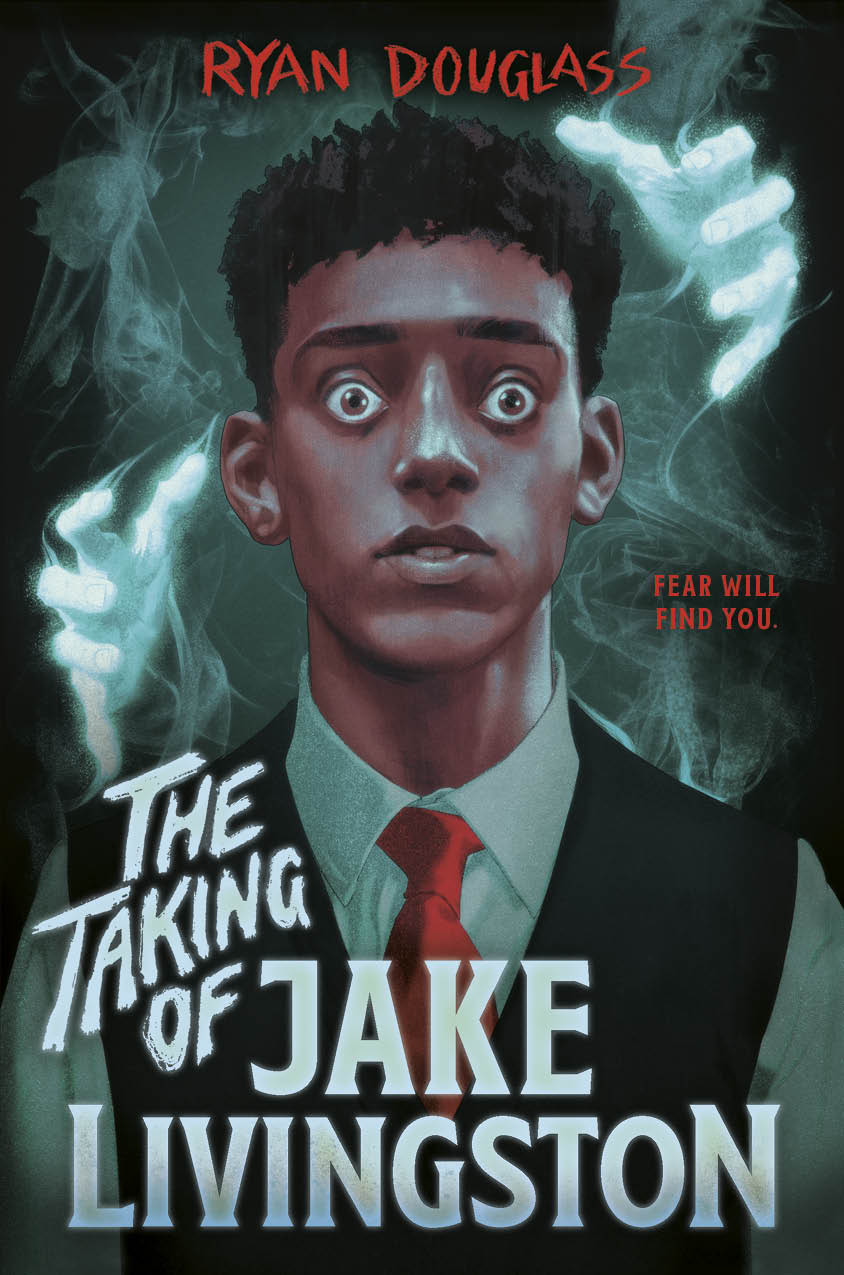
The Taking of Jake Livingston is a dark, challenging, fast-paced paranormal thriller. Where it shines for me is in its ruthless social commentary and in the way the story examines how it feels when identity is violently stripped away from you, figurately and literally. The possession story arc also shines light on the forcible colonization of the body—again, in a literal sense—and how the goal of the colonizer is to weaponize the colonized against each other and get them to finish the colonizer's work. With Jake constantly being surrounded by ghosts, dying, and trauma, I think the story also comments on how Black communities, especially, are not afforded the luxury of healing from trauma—both personal and generational—because how can you heal from a wound that doesn't close?
The atmosphere and the imagery at play in the story are also highly effective, because there is a constant and pervasive sense of danger, tension, and darkness. There is definitely a grotesque, horrific edge to the story, and I appreciate how drastically that adds to the heightened emotion of the characters. There is a constant sense of this situation being very much life-or-death for the characters involved, and that intensity makes the stakes feel real and consequential. Especially for a supernatural YA horror story, this book definitely goes so much darker and deeper than I ever expected it to, and that's part of what almost makes it hard to look away from the page.
With that said, I struggled a bit with this story in terms of structure and character. Structurally, the story is split between between Jake's point of view and diary entries from Sawyer, the vengeful spirit who took his own life after enacting a deadly high school shooting. Personally, I didn't see the need for Sawyer's POV to be so prevalent. The content of his diary entries not only further perpetuate the stereotype of the traumatized "lone wolf" shooter who comes from a broken family, but also felt somewhat sensationalist to me.
It's true that this stereotype is a stereotype for a reason, but without further nuance, there's the chance that it could further stigmatize mental health, when there are people with mental health conditions and trauma who do not then turn around and become violent or murderous. While the intent may have been to "humanize" him a bit more (and clearly NOT to romanticize or justify his actions), I think most of his diary entries border on being disturbing just for the sake of being disturbing.
But even more than that, I felt a strong sense of disconnect with Jake as a narrator and protagonist. I want to be absolutely clear: I do NOT mean that I "wasn't able to connect" with Jake because of his background or identity, in fact I found those to be the strongest tenants of his character. I don't think he's "unlikeable" or "unrelatable," or whatever thinly racist euphemism reviewers are using these days to dismiss marginalized characters. When I say I felt disconnected from him, it's because he's literally disconnected from everything and everyone around him, to the point where his family and friends are constantly mentioning how spaced out he tends to be. What's happening with Sawyer is very much all-consuming for Jake (and with such high stakes, why wouldn't it be?) but besides his ability to see ghosts and the fact that he's gay, I really have no sense of who he is, even after having read the entire book.
And, for me, that really stems from how the emotional and relationship-based dynamics are literally disconnected from the ghost/possession storyline. Again, trying to break the connection between himself and Sawyer is Jake's number one priority, and understandably so, but because of that, it feels like his connection with the characters around him has to be put on hold until *after* that's been dealt with. The things Jake is struggling with and the emotional dynamics he has with those around him don't really get addressed or come into play until the very end of the story, and it left me wishing that those issues had been better integrated to even further intensify the stakes. I do really appreciate the amount of character development and the themes of rebuilding bridges, claiming your identity and your history, and combating erasure by simply existing, but I also feel like those ideas came to fruition a bit too late.
Even with all that aside, there were some world-building elements central to the story that felt hazy at best. Basically, there's this idea of parallel planes, essentially, that connect the world of the living with the world of the dead, and Jake can traverse between these planes. There's also a supernatural substance called "ectomist" that gathers in areas with strong ghost activity and is only visible to the medium's eyes. I wish there had been more detail and more clarity surrounding this "magic system" (for lack of a better word), because there were times where it was hard to picture what exactly was happening, especially in moments of intense conflict where all of these elements come into play at once.
So as you can tell, I'm kind of left in the middle. I think, thematically, this story is parsing some really important questions and using conventions of the genre to evocative, powerful effect. But with that, I still wish there was more character depth and that the relationship dynamics didn't feel so much like an afterthought. But I'm still excited that more people will finally get a chance to read this one soon, and I would love to see what Ryan Douglass writes next.