What do you think?
Rate this book

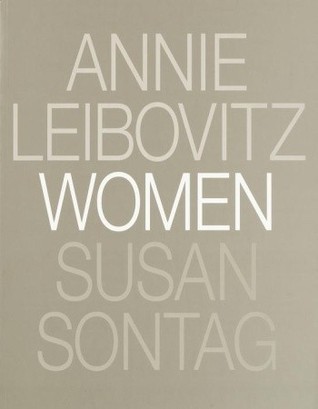
256 pages, Paperback
First published October 5, 1999


In advanced consumer societies, these 'narcissistic' values are more and more the concern of men as well. But male primping never loosens the lock on initiative taking. Indeed, glorying in one's appearance is an ancient warrior's pleasure, an expression of power, an instrument of dominance.Sontag's essay for this book moves restlessly over the surface of its subject, opening cans of worms and leaving them to wriggle uncomfortably into our consciousness, leaving a impression of something well-begun but half-done. Perhaps this is the intention: 'Men, unlike women, are not a work in progress'. The profoundly felt absence is, as Sontag says, justice for women.
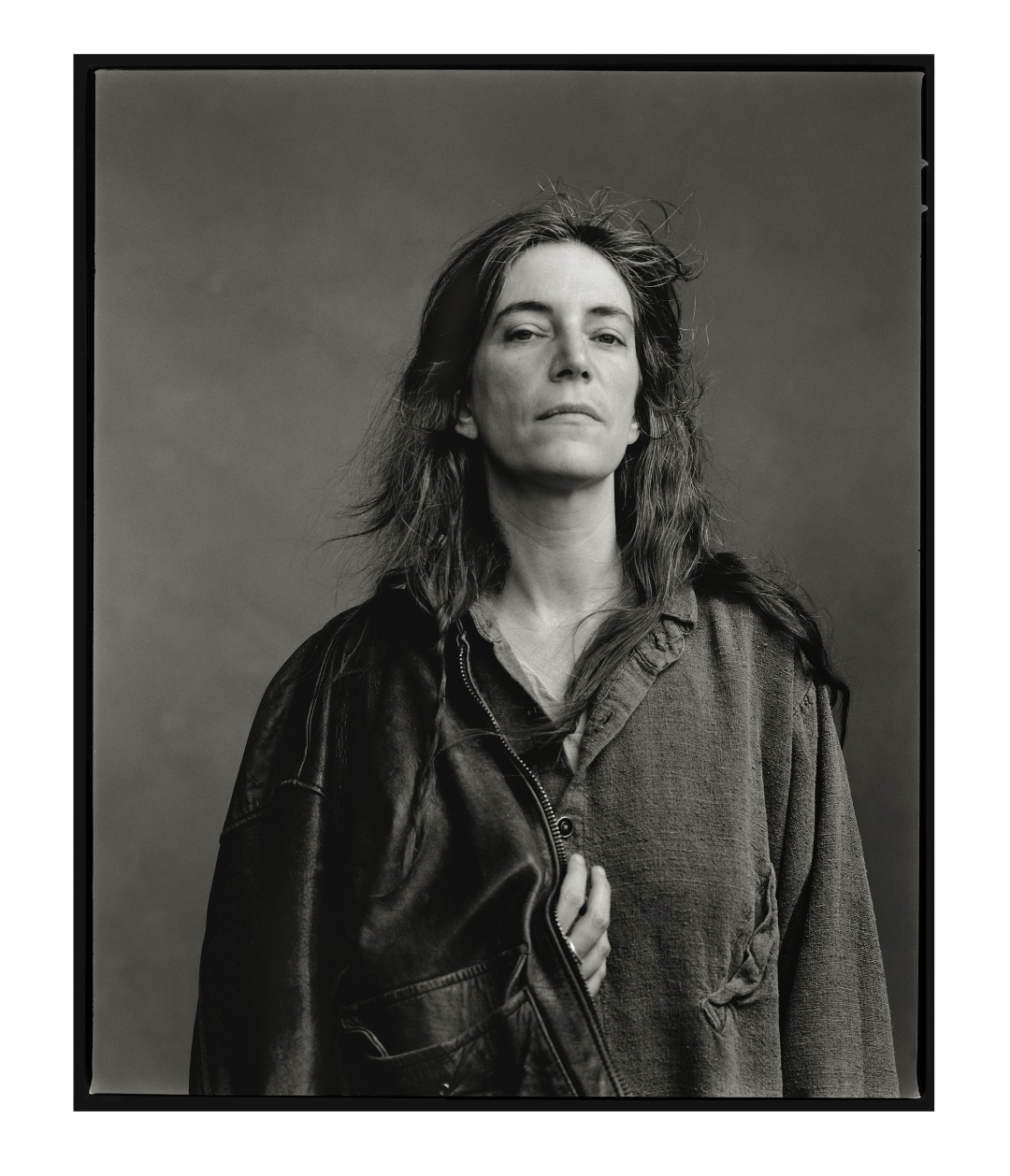
'In a few countries where men have mobilised for a war against women, women scarcely appear at all. The imperial rights of the camera - to gaze at, to record, to exhibit anyone, anything - are an exemplary feature of modern life, as is the emancipation of women'This casual identification with the 'imperial'(!) freedom of the camera to gaze on the other with woman-emancipation is ill at ease with the first sentence. To me it seems odd that she mentions women outside America, where the entire photography project was conducted, while neglecting the fraught issues of race (and social class and even celebrity) that Leibovitz seems to have considered in choosing her subjects. Images of the Williams sisters, Jamaica Kincaid watering her garden wearing a frown that resists reading, and a beautiful Yoruba woman with her children carrying themselves proudly on a beach in Florida bear the ongoing history of racism. The White women here have felt themselves human in front of Leibovitz, whatever Sontag says; their faces declare it. In contrast, the Black women never gaze back carelessly at the White woman holding the camera, but resist her, fend off the 'imperial' gaze. Maybe I am only projecting here.
"I do this, I endure this, I want this . . . because I am a woman. I do that, I endure that, I want that . . . even though I'm a woman. Because of the mandated inferiority of women, their condition as a cultural minority, there continues to be a debate about what women are, can be, should want to be. Freud is famously supposed to have asked, "Lord, what do women want?" Imagine a world in which it seems normal to inquire, "Lord, what do men want?" . . . but who can imagine such a world?”