

What do you think?

Lazarus
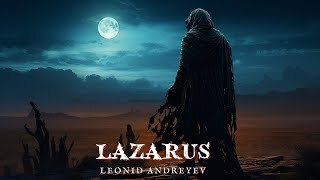
Lazarus is a novel written by Leonid Andreyev. It is a story that revolves around the character of Lazarus, who is resurrected from the dead by Jesus Christ. The novel explores the consequences of this miraculous event on Lazarus and his surroundings. As Lazarus returns to life, he finds himself in a world that has changed. He is haunted by the memories of his previous life and the afterlife, and he struggles to come to terms with his new existence. The people around him are also affected by his resurrection, and they react in different ways. Some are amazed and worship him, while others are frightened and reject him. The novel delves into themes of faith, mortality, and the human condition. It questions the nature of life and death, and the role of religion in shaping human beliefs and values. The character of Lazarus serves as a symbol of hope and redemption, as he learns to embrace his second chance at life and make the most of it. Overall, Lazarus is a thought-provoking and spiritually rich novel that explores the complexities of human existence and the power of faith. It is a must-read for anyone interested in literature that challenges conventional beliefs and values.And when the scarlet, flattened globe would lower, Lazarus would set out for the desert and walk straight toward the sun, as though striving to reach it. He always walked straight toward the sun and those who tried to follow him and to spy upon what he was doing at night in the desert, retained in their memory the black silhouette of a tall stout man against the red background of an enormous flattened disc.This scarce antiquarian book is a facsimile reprint of the old original and may contain some imperfections such as library marks and notations. Because we believe this work is culturally important, we have made it available as part of our commitment for protecting, preserving, and promoting the world's literature in affordable, high quality, modern editions, that are true to their original work.
48 pages, Paperback
First published January 1, 1906
About the author
Leonid Andreyev
736 books450 followersLeonid Nikolayevich Andreyev (Russian: Леонид Николаевич Андреев; 1871-1919) was a Russian playwright and short-story writer who led the Expressionist movement in the national literature. He was active between the revolution of 1905 and the Communist revolution which finally overthrew the Tsarist government. His first story published was About a Poor Student, a narrative based upon his own experiences. It was not, however, until Gorky discovered him by stories appearing in the Moscow Courier and elsewhere that Andreyevs literary career really began. His first collection of stories appeared in 1901, and sold a quarter-million copies in short time. He was hailed as a new star in Russia, where his name soon became a byword. He published his short story, In the Fog in 1902. Although he started out in the Russian vein he soon startled his readers by his eccentricities, which grew even faster than his fame. His two best known stories may be The Red Laugh (1904) and The Seven Who Were Hanged (1908). His dramas include the Symbolist plays The Life of Man (1906), Tsar Hunger (1907), Black Masks (1908), Anathema (1909) and He Who Gets Slapped (1915).
Ratings & Reviews
Friends & Following
Create a free account to discover what your friends think of this book!
Community Reviews
Displaying 1 - 30 of 130 reviews

November 19, 2016
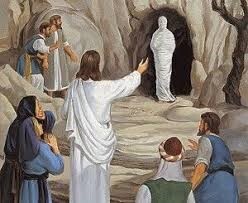
I read Pet Sematary by Stephen King when I was 22. It is on that short list of books that virtually everyone American of a certain age read in 1983 when it was first published and I've yet to meet the pet owner of that age who isn't simultaneously intimately familiar with, and terrified by, its horrible, true theme. Lazarus is an amalgam of that theme, J.K. Rowling's concept of dementors, a twisted riff on Pilate's meeting with Jesus, and the New Testament story of Lazarus, the man whom Jesus resurrected from the dead after Lazarus had spent 3 days in the grave. (If you're either unfamiliar with that story or want to brush up, it is in John 11 and Matthew 21.) I highly recommend this brilliant short story, available at http://www.online-literature.com/leon..., which will take you fifteen minutes, tops, to read.
Andreyev was a Russian playwright and short story writer who, according to the GR bio, was discovered by Gorky. Lazarus was first published in 1906. I'd not heard of Andreyev before today. Having read Lazarus, I now want to obtain and consume everything he ever published in short order.
For a proper, amazing review, check out the one linked below, written by Sidharth Vardhan.
https://www.goodreads.com/review/show...
Andreyev was a Russian playwright and short story writer who, according to the GR bio, was discovered by Gorky. Lazarus was first published in 1906. I'd not heard of Andreyev before today. Having read Lazarus, I now want to obtain and consume everything he ever published in short order.
For a proper, amazing review, check out the one linked below, written by Sidharth Vardhan.
https://www.goodreads.com/review/show...

October 29, 2018
Beware of Lazarus, he does not bring Good News!
A rather awe-inspiring piece of sacrilege. Had to ignore my status as a God-lover to enjoy it, but hey these are godless times so that didn't turn out to be so difficult. Sorry, God. I will make it up to You later.
The author posits the raising of the dead man Lazarus by Jesus as a return of the living dead. But more than that: the returned Lazarus is not just dead-alive, he deadens those he casts his gaze upon. This Lazarus emits a field of entropy. To meet Lazarus is to be consumed by the realization that life is futile and meaningless; to meet Lazarus is not to meet Death, it is to meet the emptiness of Life, of existence itself.
Profoundly pessimistic and chilling in its disillusionment. A refutation of Christian ideals and goals. All your joys become ashes in the mouth, dust in the wind. There is no escape because there is nothing to escape to. And yet its nihilism does not bore, it excites. This is horror, gorgeously written and beautifully challenging horror.
Examining the often bitter and ultimately sad life of its Russian author, the once highly-praised Leonid Andreyez, considered the father of Expressionism in Russia (thank you, Wikipedia)... one realizes that the man was not simply a fiery or embittered radical, he was an idealist. One who empathized powerfully with humanity's struggles. As are many of the atheists that I know.
Gaze upon the sensitive artist:

Here's a fitting quote:
“I want to be the apostle of self destruction. I want my book to affect man’s reason, his emotions, his nerves, his whole animal nature. I should like my book to make people turn pale with horror as they read it, to affect them like a drug, like a terrifying dream, to drive them mad, to make them curse and hate me but still to read me and… to kill themselves.”
Oh, Leonid. I know you don't mean that last part.
A rather awe-inspiring piece of sacrilege. Had to ignore my status as a God-lover to enjoy it, but hey these are godless times so that didn't turn out to be so difficult. Sorry, God. I will make it up to You later.
The author posits the raising of the dead man Lazarus by Jesus as a return of the living dead. But more than that: the returned Lazarus is not just dead-alive, he deadens those he casts his gaze upon. This Lazarus emits a field of entropy. To meet Lazarus is to be consumed by the realization that life is futile and meaningless; to meet Lazarus is not to meet Death, it is to meet the emptiness of Life, of existence itself.
Profoundly pessimistic and chilling in its disillusionment. A refutation of Christian ideals and goals. All your joys become ashes in the mouth, dust in the wind. There is no escape because there is nothing to escape to. And yet its nihilism does not bore, it excites. This is horror, gorgeously written and beautifully challenging horror.
Examining the often bitter and ultimately sad life of its Russian author, the once highly-praised Leonid Andreyez, considered the father of Expressionism in Russia (thank you, Wikipedia)... one realizes that the man was not simply a fiery or embittered radical, he was an idealist. One who empathized powerfully with humanity's struggles. As are many of the atheists that I know.
Gaze upon the sensitive artist:

Here's a fitting quote:
“I want to be the apostle of self destruction. I want my book to affect man’s reason, his emotions, his nerves, his whole animal nature. I should like my book to make people turn pale with horror as they read it, to affect them like a drug, like a terrifying dream, to drive them mad, to make them curse and hate me but still to read me and… to kill themselves.”
Oh, Leonid. I know you don't mean that last part.

February 14, 2017
"And surrounded by Darkness and Empty Waste, Man trembled hopelessly before the dread of the Infinite."
This is the reason why read short stories. Simply amazing!
'Lazarus' as you know is the code name of plan that Sherlock Holmes (my enemy) used to survive fall and fake his death only to show up alive later. I know! he cheated, right?
It is coincidentally also the name of a person in Genesis, who was brought back to life three days after his death by Jesus, who himself was yet another person who came back to life three days after his death. This is problem with good people. They just can't just make their mind!
The miracle that brought Lazarus back to life seems to have been proven inefficient - for though he is now living, he still isn't 'alive' like he was before.
"death had left upon his face and body the effect of an artist's unfinished sketch seen through a thin glass."
It must be some sort of divine omission by Jesus when the messiah didn't took away the memory of afterlife, a memory that is enough to suck the life of all meaning and happiness leaving behind emptiness and agony:
"Now he was grave and silent; neither he himself jested nor did he laugh at the jests of others; and the words he spoke occasionally were simple, ordinary and necessary words—words as much devoid of sense and depth as are the sounds with which an animal expresses pain and pleasure, thirst and hunger. Such words a man may speak all his life and no one would ever know the sorrows and joys that dwelt within him."
He won't tell anyone what he saw. Indifferent to all the joys and cares of the world, he is happy spending his time gazing listlessly at the sun, ultimate source of all life - perhaps seeking its warmth, or just questioning the the cruelty it indulges in by creating life. Sidebar: The Lazarus in 'The Testament of Mary by Colm Tóibín' too showed similar nervousness and confusion.
Lazzaus is like an allegory of all those who have suffered the insufferable misfortunes - wars, concentration camps, nuclear bombs, radiation to name a few big ones. Can a survivor ever recover from suffering that such memories cause? Or is 'survivor' a mere relative term when it comes to such incidences? A soldier who was sent on a mission to Chernobyl after the nuclear disaster refereed to this story in describing his experience in 'Voices from Chernobyl: The Oral History of a Nuclear Disaster by Svetlana Alexievich' which is how I discovered it.
Anyways, Lazarus' story isn't limited to his own suffering. He fills everyone who dares to see him or talk to him with this emptiness and anguish and they are all reduced to similar waiting for the death.It is as if he is wearing death like bridegroom's dress he always had on, like an expression on his face, darkness black eyes and the sad stoic atitude which proved contagious.
"the man who fell under his inscrutable gaze could no longer feel the sun, nor hear the fountain, nor recognise his native sky. Sometimes he would cry bitterly,sometimes tear his hair in despair and madly call for help; but generally it happened that the men thus stricken by the gaze of Lazarus began to fade away listlessly and quietly and pass into a slow death lasting many long years. They died in the presence of everybody, colourless, haggard and gloomy, like trees withering on rocky ground. Those who screamed in madness sometimes came back to life; but the others, never."
The wisdom of saints was no shield against the darkness of his eyes. Love of lovers survived being shown the face of death but it lost all it's beautiful colors. It isn't Lazzarus' fault that they are suffering but they all blame him.
It is just the metaphor I was searching for, being reading about lots man-made tragedies these days. Should one try to avoid knowledge that can cause depression? Ignorance is the bliss - and there are things knowing which makes life difficult, I guess many people will prefer ignorance. (to quote a respectable seriel killer Culverton Smith, "Opt-in ignorance. It makes the world go round.").
Not all people who look into Lazarus' eyes are equally affected. Children in their innocence aren't affected by the infinite that shows in his face at all.
Aurelius, a renowned sculptor, is another exception showing how knowledge of sadness affects an artist. Being an artist - a true artist filled with love for life he isn't affected too much by Lazarus' company. Rather he discovers his truth. Till now he had portrayed only the beautiful things and, although admired by others, had always found them inadequate since he thought they didn't capture the beauty of things they represented. But in ugliness of Lazarus' face he discovered his mistake - that beautiful and desirable things of life are so only because of contrast provided by undesirable and ugly things around them, when accompanied by undeniable fact that their very existence is a revolt of life against tyranny of death, a revolt doomed to fail. To create art that shows only beautiful things is to lie and thus he finally made his 'true' masterpiece, the picture of longing for life in the valley of death:
"It was a thing monstrous, possessing none of the forms familiar to the eye, yet not devoid of a hint of some new unknown form. On a thin tortuous little branch, or rather an ugly likeness of one, lay crooked, strange, unsightly, shapeless heaps of something turned outside in, or something turned inside out—wild fragments which seemed to be feebly trying to get away from themselves. And, accidentally, under one of the wild projections, they noticed a wonderfully sculptured butterfly, with transparent wings, trembling as though with a weak longing to fly."
The last exception is that of emperor Augustus. But this review is already too long for a short story. Go read the story. You can read it here.

November 1, 2021
Already the sage felt that knowledge of the horrific is not yet horrific, and that a vision of death is not yet death.
Ainda só li três contos de Leonid Andreyev e não sei qual deles é o pior. Por pior quero dizer o mais arrepiante, o mais incómodo, portanto, o mais eficaz como história de terror. “Lazarus” pega no episódio bíblico do homem que Jesus trouxe de volta à vida e conta como a satisfação pelo milagre dá lugar ao medo, no momento em que os que o rodeiam começam a querer saber como é estar morto.
And now he was again amongst people, touching them, looking at then – looking at them! - and through the black circles of his pupils, as through dark panes, looking as people was the incomprehensible There itself.
Através de puro terror psicológico, insinuando mais do que mostrando, sem cenas escabrosas ou violentas, Andreyev causa um profundo mal-estar ao leitor, que nem se atreve a imaginar o que viram nos olhos de Lázaro aqueles que, depois, perderam a alegria de viver.
You are superfluous here. You pitiful leftover that death did not finish off, you inspire in people anguish and disgust for life – like a caterpillar in the fields, you eat away at the succulent ear of joy and excrete a slime of despair and grief.
Ainda só li três contos de Leonid Andreyev e não sei qual deles é o pior. Por pior quero dizer o mais arrepiante, o mais incómodo, portanto, o mais eficaz como história de terror. “Lazarus” pega no episódio bíblico do homem que Jesus trouxe de volta à vida e conta como a satisfação pelo milagre dá lugar ao medo, no momento em que os que o rodeiam começam a querer saber como é estar morto.
And now he was again amongst people, touching them, looking at then – looking at them! - and through the black circles of his pupils, as through dark panes, looking as people was the incomprehensible There itself.
Através de puro terror psicológico, insinuando mais do que mostrando, sem cenas escabrosas ou violentas, Andreyev causa um profundo mal-estar ao leitor, que nem se atreve a imaginar o que viram nos olhos de Lázaro aqueles que, depois, perderam a alegria de viver.
You are superfluous here. You pitiful leftover that death did not finish off, you inspire in people anguish and disgust for life – like a caterpillar in the fields, you eat away at the succulent ear of joy and excrete a slime of despair and grief.

July 8, 2017
*** 5+++++++***
This story....!!!! How can everyone not have read it???? How had I not read it until now? Why had I never heard about it before? This was so beautifully painful, so deeply emotional, so prosaically profound! I KNEW what the author slowly and simply unveiled in front of us. I KNEW the emptiness and horror in Lazarus's eyes! I SAW the horror of the 3 days of death. And I am one of the lucky ones who fights ceaselessly and refuses to have the life leached out of me every day, every second, every moment.... Because I KNOW, I have experienced in every fiber of my being, the contrast of darkest depravity and enlightened euphoria, ugliness and beauty, utter despair and boundless hope!!! And I have been blessed to be one of those who can still rejoice in the heat and light of the Sun, be enchanted by the simple innocence of children, and appreciate the privilege of BEING! I have been and still am one of the walking wounded. I recognize Lazarus and those who have survived the unsurvivable.
"..."Now he was grave and silent; neither he himself jested nor did he laugh at the jests of others; and the words he spoke occasionally were simple, ordinary and necessary words—words as much devoid of sense and depth as are the sounds with which an animal expresses pain and pleasure, thirst and hunger. Such words a man may speak all his life and no one would ever know the sorrows and joys that dwelt within him." ..."
I know. I see. I recognize. But most of all, I feel grateful that something in my emotional makeup has let me be deeply marred, but not decimated. I feel the joy and sun and love. I stayed human...
This review is not a review. This is my way of saying thanks to an author long gone, as well as those who keep his work still in print. A thanks for understanding that some events in our lives are not erasable. The wounds heal, sometimes there are no visible scars. But the pain is something we are faced with every single moment, every day, and for some of us, as well as those who look into our eyes and love us, it is soul-destroying. I don't know what is that thing, which helps some move on, open their hearts and senses back to life, while some only continue to exist, but I am beyond grateful that I have found IT, just as Aurelius. IT has gifted me with the ability to truly appreciate every ray of sunshine, bathe in the colors of life while always knowing the grays, as well as the fortitude to weather the tempests always finding their way on the horizon... My words are weak and I cannot express all that I want to say, but I want to express my infinite gratitude to all! And I want to thank those who crisscross their paths with mine. I thank you all who have been with me, patient and loving, on this winding, harsh, and thankless road! You are all KNOWN and tattooed on my heart.
I read this story and I cried. Lazarus has been brought back from the dead and by Jesus of all people. Hurrah for Lazarus! Now he has to survive the rest of his returned life with all the trauma of death stamped on his body, mind and soul. The Lazarus of before is no longer. The parts that have returned are not enough. And although his survival is and is seen as a miracle, what would his daily life do to all around him? If you have ever known or loved, or just wondered about those who have lived through wars, torture, or other "unsurvivable"situations, this short story is a must!!! You have to read this!!!!
READ IT!!!!
This story....!!!! How can everyone not have read it???? How had I not read it until now? Why had I never heard about it before? This was so beautifully painful, so deeply emotional, so prosaically profound! I KNEW what the author slowly and simply unveiled in front of us. I KNEW the emptiness and horror in Lazarus's eyes! I SAW the horror of the 3 days of death. And I am one of the lucky ones who fights ceaselessly and refuses to have the life leached out of me every day, every second, every moment.... Because I KNOW, I have experienced in every fiber of my being, the contrast of darkest depravity and enlightened euphoria, ugliness and beauty, utter despair and boundless hope!!! And I have been blessed to be one of those who can still rejoice in the heat and light of the Sun, be enchanted by the simple innocence of children, and appreciate the privilege of BEING! I have been and still am one of the walking wounded. I recognize Lazarus and those who have survived the unsurvivable.
"..."Now he was grave and silent; neither he himself jested nor did he laugh at the jests of others; and the words he spoke occasionally were simple, ordinary and necessary words—words as much devoid of sense and depth as are the sounds with which an animal expresses pain and pleasure, thirst and hunger. Such words a man may speak all his life and no one would ever know the sorrows and joys that dwelt within him." ..."
I know. I see. I recognize. But most of all, I feel grateful that something in my emotional makeup has let me be deeply marred, but not decimated. I feel the joy and sun and love. I stayed human...
This review is not a review. This is my way of saying thanks to an author long gone, as well as those who keep his work still in print. A thanks for understanding that some events in our lives are not erasable. The wounds heal, sometimes there are no visible scars. But the pain is something we are faced with every single moment, every day, and for some of us, as well as those who look into our eyes and love us, it is soul-destroying. I don't know what is that thing, which helps some move on, open their hearts and senses back to life, while some only continue to exist, but I am beyond grateful that I have found IT, just as Aurelius. IT has gifted me with the ability to truly appreciate every ray of sunshine, bathe in the colors of life while always knowing the grays, as well as the fortitude to weather the tempests always finding their way on the horizon... My words are weak and I cannot express all that I want to say, but I want to express my infinite gratitude to all! And I want to thank those who crisscross their paths with mine. I thank you all who have been with me, patient and loving, on this winding, harsh, and thankless road! You are all KNOWN and tattooed on my heart.
I read this story and I cried. Lazarus has been brought back from the dead and by Jesus of all people. Hurrah for Lazarus! Now he has to survive the rest of his returned life with all the trauma of death stamped on his body, mind and soul. The Lazarus of before is no longer. The parts that have returned are not enough. And although his survival is and is seen as a miracle, what would his daily life do to all around him? If you have ever known or loved, or just wondered about those who have lived through wars, torture, or other "unsurvivable"situations, this short story is a must!!! You have to read this!!!!
READ IT!!!!

July 19, 2018
I'm struggling to find words to describe this one. You all know the biblical story of Lazarus, right? Well, this version is nothing like it. Moreover, Lazarus (the short story) is unlike anything I've ever read before. Never have I read a tale that was so disturbing and twisted, and yet at the same time so brilliant and sensible. It's insane and it's amazing, it's an embodiment of darkness chained with words. This tale of Lazarus was so utterly convincing, that I felt that I couldn't have stopped reading it even if I tried. I've read dark, sinister and depressive tales before, but never have I read something similar.
Moreover, reading this story felt completely unlike to reading any other story. I couldn't create a space between myself and the story, a space that almost always exists. You know how usually when you are reading a story, even if you're immersed into it, you can still reflect on it? There is that mental space you as reader posses, a private space that allows you to ponder the work you're reading. That space vanished when I started reading this story. It was as if I was captured in the story itself. What a compelling read it was! The writing is amazingly powerful and painfully precise. Every sentence carries extra weight until you feel completely overwhelmed. Lazarus is without a doubt one of the best short stories that I have ever read.
I'm not sure how to label this one, if label is indeed needed. I'm inclined to call it philosophical/ psychological horror story. I don't think the word horror is too strong a word to use, and I'm not afraid to admit that this tale scared me. Not in it caught me by the surprise kind of way. No, this is the kind of story that will lay terror in your soul. I'm not a fan of horror, but I do like horror mixed with other genres. This story has certainly impressed me deeply.
As the story opens, you feel that something isn't quite right but as it progresses, you witness as Lazarus becomes the embodiment of human greatest fear- the nothingness. Lazarus returns from his grave a changed man. As the story evolves it becomes obvious how changed he really is. At first others don't really notice it, this change in Lazarus, instead they're happy he has returned, but then one of them asks a terrible question. Soon Lazarus becomes a living curse, as the emptiness of his gaze dries the life energy from others and drives people into insanity. I would say there is a lot of symbolism in this story.
What happens when a man faces nothingness? Asking certain questions can drive people crazy, and yet sometimes we can't resist asking them. We cannot deny experiences, even if they are deeply traumatic, perhaps especially if they are deeply traumatic. We cannot change reality with wishful thinking. Sometimes we shape our reality into terrible things. The story of Lazarus is deeply disturbing and chillingly pessimistic tale. It's a void turned into words. A black hole threatening to devour its reader, but somehow most of all- it's brilliant literature.
An atomic force of pessimism directed at your brain. Sinister. Magnetic. Majestic. Magical. Unforgettable. Unique. One of the kind.
Depressive. Depressive doesn't even cover it. (WARNING : Do not read if you're depressed or feeling low, it has a potency THAT might threw someone over the edge).
...and yet so masterfully written, so stubborn, so precise in its narrative. The most unique tale I have ever read. This is something else!
Moreover, reading this story felt completely unlike to reading any other story. I couldn't create a space between myself and the story, a space that almost always exists. You know how usually when you are reading a story, even if you're immersed into it, you can still reflect on it? There is that mental space you as reader posses, a private space that allows you to ponder the work you're reading. That space vanished when I started reading this story. It was as if I was captured in the story itself. What a compelling read it was! The writing is amazingly powerful and painfully precise. Every sentence carries extra weight until you feel completely overwhelmed. Lazarus is without a doubt one of the best short stories that I have ever read.
I'm not sure how to label this one, if label is indeed needed. I'm inclined to call it philosophical/ psychological horror story. I don't think the word horror is too strong a word to use, and I'm not afraid to admit that this tale scared me. Not in it caught me by the surprise kind of way. No, this is the kind of story that will lay terror in your soul. I'm not a fan of horror, but I do like horror mixed with other genres. This story has certainly impressed me deeply.
As the story opens, you feel that something isn't quite right but as it progresses, you witness as Lazarus becomes the embodiment of human greatest fear- the nothingness. Lazarus returns from his grave a changed man. As the story evolves it becomes obvious how changed he really is. At first others don't really notice it, this change in Lazarus, instead they're happy he has returned, but then one of them asks a terrible question. Soon Lazarus becomes a living curse, as the emptiness of his gaze dries the life energy from others and drives people into insanity. I would say there is a lot of symbolism in this story.
What happens when a man faces nothingness? Asking certain questions can drive people crazy, and yet sometimes we can't resist asking them. We cannot deny experiences, even if they are deeply traumatic, perhaps especially if they are deeply traumatic. We cannot change reality with wishful thinking. Sometimes we shape our reality into terrible things. The story of Lazarus is deeply disturbing and chillingly pessimistic tale. It's a void turned into words. A black hole threatening to devour its reader, but somehow most of all- it's brilliant literature.
An atomic force of pessimism directed at your brain. Sinister. Magnetic. Majestic. Magical. Unforgettable. Unique. One of the kind.
Depressive. Depressive doesn't even cover it. (WARNING : Do not read if you're depressed or feeling low, it has a potency THAT might threw someone over the edge).
...and yet so masterfully written, so stubborn, so precise in its narrative. The most unique tale I have ever read. This is something else!

December 16, 2021
3.5 stars. Quite interesting and gloomy but very depressing.

February 7, 2019
I'm not a fan of short stories but this one is a few of those all-time favourite ones which I've re read so many times over the years. It never gets old.

November 5, 2014
Okumak bir yana daha önce adını bile duymamış olduğum Leonid Andreyev'in kitabını kadim bir dostumun tavsiyesi üzerine aldım. Daha ilk bölümünden beni abartıya kaçmayan fakat zengin dili, karanlık atmosferi, ve 3 gün 3 gece ölü kalan Lazarus'un tuhaf ve anlamlı hikayesiyle kendine bağladı. Zaten kısa olan kitap bir solukta bitti. Yazarın diğer kitaplarını 2015'te okumayı planlıyorum.

July 14, 2024
نقل قولی از برگمان هست که میگه:
"Not a day has gone by in my life when I haven't thought about death.Or when the thought of death hasn't touched me in some way."
نه میتونم مرگ رو به چیزی تشبیه کنم و نه تصور. شکلها در برابرش آب میشون. نه میتونم مرگ رو حس کنم و نه با آدمهای مرده همدلی. کلمات در برابرش سرد و خاموش میشون. فقط میتونم به خیال مرگ صدا ببخشم. یک صدای غمآلود و نالهمانند که قلب رو میشکنه و تکههای خرد شدهاش وجود انسان را پاره پاره میکنه.
"You can kill us a thousand times but we're the ones
Who will always remain in pain, in pain."
این داستان شرح روزهای پس از زنده شدن لازاروس است. عیسی به خواهش ماری و مار خواهران لازاروس او رو به زندگی برمیگردونه.
"اما تو که هستی؟
لازاروس با تقلایی مشهود پاسخ داد: من مرده بودم."
"Not a day has gone by in my life when I haven't thought about death.Or when the thought of death hasn't touched me in some way."
نه میتونم مرگ رو به چیزی تشبیه کنم و نه تصور. شکلها در برابرش آب میشون. نه میتونم مرگ رو حس کنم و نه با آدمهای مرده همدلی. کلمات در برابرش سرد و خاموش میشون. فقط میتونم به خیال مرگ صدا ببخشم. یک صدای غمآلود و نالهمانند که قلب رو میشکنه و تکههای خرد شدهاش وجود انسان را پاره پاره میکنه.
"You can kill us a thousand times but we're the ones
Who will always remain in pain, in pain."
این داستان شرح روزهای پس از زنده شدن لازاروس است. عیسی به خواهش ماری و مار خواهران لازاروس او رو به زندگی برمیگردونه.
"اما تو که هستی؟
لازاروس با تقلایی مشهود پاسخ داد: من مرده بودم."

September 10, 2025
Harbinger of Yonder.
Everyone rejoice! After three days, Lazarus has resurrected from death and returned to the world of the living. But where has his once lively color and cheerful demeanor have gone? Now replaced by a pale, blueish color, and a frightening absenteeism. "Come on, man. Tell us what you saw! How is Yonder like?" But he will not say, he won't even speak... he will only— look.
Well, this was... something alright. So dark, and EPIC, both at once, and in so short time. In a way makes horror look something very, very small. A bit of a slow start, but increasingly and horribly captivating with each escalating stage. For something based on the Bible this was very non-religious, which is greatly appreciated. I especially enjoyed the parts with Aurelius the sculptor, the voyage through the seas, and the meeting with the Emperor Augustus, all exceptionally memorable, and striking. If it gets to you, you may never see Life and Death the same way again.
It’s public domain. You can find it HERE.
-----------------------------------------------
PERSONAL NOTE :
[1906] [48p] [Horror] [Recommendable]
-----------------------------------------------
★★★☆☆ Famous Modern Ghost Stories <--
-----------------------------------------------
Heraldo del Más Allá.
¡Todos regocíjense! Después de tres días, Lázaro resucitó de la muerte y regresó al mundo de los vivos. Pero, ¿a dónde han ido a parar su otrora vivo color y alegre disposición? Ahora sustituido por un color pálido, azulado, y un ausentismo aterrador. "Vamos, hombre. ¡Cuéntanos qué viste! ¿Cómo es el más allá?" Pero no dice, ni siquiera habla... sólo— mira.
Bueno, esto fue... ciertamente algo. Tan oscuro, y ÉPICO, ambos a la vez, y en poco tiempo. En cierto modo hace que el horror parezca algo muy muy pequeño. Un comienzo un poco lento, pero cada vez más terriblemente atrapante con cada etapa que avanza. Para algo basado en la Biblia, esto fue muy poco religioso, lo cual se agradece mucho. Disfruté especialmente las partes con Aurelio el escultor, el viaje por los mares, y el encuentro con Augusto el emperador, todo excepcionalmente memorable y sorprendente. Si te llega, puede que no vuelvas a ver la Vida y la Muerte de la misma manera.
Es dominio público, lo pueden encontrar ACA.
-----------------------------------------------
NOTA PERSONAL :
[1906] [48p] [Horror] [Recomendable]
-----------------------------------------------
Everyone rejoice! After three days, Lazarus has resurrected from death and returned to the world of the living. But where has his once lively color and cheerful demeanor have gone? Now replaced by a pale, blueish color, and a frightening absenteeism. "Come on, man. Tell us what you saw! How is Yonder like?" But he will not say, he won't even speak... he will only— look.
Well, this was... something alright. So dark, and EPIC, both at once, and in so short time. In a way makes horror look something very, very small. A bit of a slow start, but increasingly and horribly captivating with each escalating stage. For something based on the Bible this was very non-religious, which is greatly appreciated. I especially enjoyed the parts with Aurelius the sculptor, the voyage through the seas, and the meeting with the Emperor Augustus, all exceptionally memorable, and striking. If it gets to you, you may never see Life and Death the same way again.
It’s public domain. You can find it HERE.
-----------------------------------------------
PERSONAL NOTE :
[1906] [48p] [Horror] [Recommendable]
-----------------------------------------------
★★★☆☆ Famous Modern Ghost Stories <--
-----------------------------------------------
Heraldo del Más Allá.
¡Todos regocíjense! Después de tres días, Lázaro resucitó de la muerte y regresó al mundo de los vivos. Pero, ¿a dónde han ido a parar su otrora vivo color y alegre disposición? Ahora sustituido por un color pálido, azulado, y un ausentismo aterrador. "Vamos, hombre. ¡Cuéntanos qué viste! ¿Cómo es el más allá?" Pero no dice, ni siquiera habla... sólo— mira.
Bueno, esto fue... ciertamente algo. Tan oscuro, y ÉPICO, ambos a la vez, y en poco tiempo. En cierto modo hace que el horror parezca algo muy muy pequeño. Un comienzo un poco lento, pero cada vez más terriblemente atrapante con cada etapa que avanza. Para algo basado en la Biblia, esto fue muy poco religioso, lo cual se agradece mucho. Disfruté especialmente las partes con Aurelio el escultor, el viaje por los mares, y el encuentro con Augusto el emperador, todo excepcionalmente memorable y sorprendente. Si te llega, puede que no vuelvas a ver la Vida y la Muerte de la misma manera.
Es dominio público, lo pueden encontrar ACA.
-----------------------------------------------
NOTA PERSONAL :
[1906] [48p] [Horror] [Recomendable]
-----------------------------------------------

September 27, 2020
“Ponderous gates, shutting off eternity, appeared to be slowly swinging open, and through the growing aperture poured in, coldly and calmly, the awful horror of the Infinite. Boundless Emptiness and Boundless Gloom entered like two shadows, extinguishing the sun, removing the ground from under the feet, and the cover from over the head. And the pain in his icy heart ceased.”

February 2, 2014
One of the best short stories I have ever read.

June 11, 2022
La sontuosa traduzione di Rebora restituisce con la sensibilità del poeta la cura nella scelta delle parole – in passato, a torto, rubricata a "sterile estetismo" (Borgese) – di
un grande scrittore del primo Novecento russo troppo presto dimenticato.
Lazzaro è un racconto narrato dal punto di vista del resuscitato. Lazzaro ha conosciuto la morte, ne ha fatto esperienza e per questo non può tornare al mondo dei viventi che profondamente cambiato. Si è affacciato sul bordo, ha visto l'orrore dell'infinito e ora lo porta dentro di sé per trasmetterlo attraverso gli occhi alle persone con cui viene in contatto. Assistiamo a un originale e raffinato cambiamento di prospettiva: Andreev trasforma la resurrezione in condanna invece che in miracolo e Lazzaro in un morto-vivente, una dimostrazione della grandezza della morte più che un inno alla vita o, per meglio dire, una dimostrazione dell'impossibilità dell'uomo di comprendere il Grande Mistero.
Notevoli sono anche gli altri racconti della raccolta che oltre a non comuni capacità di scrittura, si segnalano per l'attenzione alla psicologia dell'uomo, spesso vittima di sistemi più grandi di lui che finiscono per schiacciarlo. L'uomo, con il suo carico di debolezze, dubbi e meschinità, è al centro della riflessione di Andreev, un autore da recuperare quanto prima.
un grande scrittore del primo Novecento russo troppo presto dimenticato.
Lazzaro è un racconto narrato dal punto di vista del resuscitato. Lazzaro ha conosciuto la morte, ne ha fatto esperienza e per questo non può tornare al mondo dei viventi che profondamente cambiato. Si è affacciato sul bordo, ha visto l'orrore dell'infinito e ora lo porta dentro di sé per trasmetterlo attraverso gli occhi alle persone con cui viene in contatto. Assistiamo a un originale e raffinato cambiamento di prospettiva: Andreev trasforma la resurrezione in condanna invece che in miracolo e Lazzaro in un morto-vivente, una dimostrazione della grandezza della morte più che un inno alla vita o, per meglio dire, una dimostrazione dell'impossibilità dell'uomo di comprendere il Grande Mistero.
Notevoli sono anche gli altri racconti della raccolta che oltre a non comuni capacità di scrittura, si segnalano per l'attenzione alla psicologia dell'uomo, spesso vittima di sistemi più grandi di lui che finiscono per schiacciarlo. L'uomo, con il suo carico di debolezze, dubbi e meschinità, è al centro della riflessione di Andreev, un autore da recuperare quanto prima.

February 17, 2010
The single greatest short story I have ever read, with an incredibly lyrical and profound insight into death. I wish Andreyev had rewritten all the biblical stories.

June 1, 2017
Poigravanje sa biblijskim temama je ono što meni čini Andrejeva privlačnim. Dovoljno zanimljivim da se sa svakim novom djelom iznova i iznova zaljubite u njega. On daje nove uglove gledanje na ono što crkvena dogma kaže da je tako kako jeste. Bez pitanja. E, Andrejeva baš briga što je Crkva rekla da je to tako.
Lazar u osnovi ima biblijski siže Lazarevog vaskrsenja (što je vrlo lako zaključiti na osnovu samog naslova). Međutim, Andrejev, za razliku od Biblije, daje taj drugi život Lazara. Daje onu stranu koju Biblija ne daje. Njegov Lazar je promijenjen čovjek. Onaj koga se svi klone jer je bio 'tri dana u vlasti smrti'. On se jeste vratio iz groba, ali je smrt ostavila traga na njemu za ta tri dana. Nagrizla ga je. Andrejev u djelu pokazuje samo tijelo koje se vratilo u život, ali čija duša nije vaskrsla. Sa Lazarem se vratila smrt. Ona je u njegovom pogledu i kroz njegove oči Vječno Ništavilo posmatra svijet. Andrejev polemiše sa samim vaskrsnjem. Koliko je vaskrsenje zapravo vaskrsenje? Koliko čovjek ostaje čovjek nakon njega?
Lazar je odbačen od zajednice. Zaboravljen. On je stvar koja ih svojim prissustvom podsjeća na ono što ih čeka. Mračno, hladno i nepoznato Ništavilo.
Sav Lazar dat je u kontrastu: kakav je bio prije smrti i nakon povratka, njegova odjeća i njegova spoljašnost.. sve odaje samo ljušturu čovjeka u kojem više ne stanuje duša.
Jedino sa čim se Lazarevo postojanje poistovjećuje jeste pustinja. Ona je prostranstvo koje odgovara Lazarevom unutrašnjem stanju- prazna je, bez života kao i Lazar.
Lazar u osnovi ima biblijski siže Lazarevog vaskrsenja (što je vrlo lako zaključiti na osnovu samog naslova). Međutim, Andrejev, za razliku od Biblije, daje taj drugi život Lazara. Daje onu stranu koju Biblija ne daje. Njegov Lazar je promijenjen čovjek. Onaj koga se svi klone jer je bio 'tri dana u vlasti smrti'. On se jeste vratio iz groba, ali je smrt ostavila traga na njemu za ta tri dana. Nagrizla ga je. Andrejev u djelu pokazuje samo tijelo koje se vratilo u život, ali čija duša nije vaskrsla. Sa Lazarem se vratila smrt. Ona je u njegovom pogledu i kroz njegove oči Vječno Ništavilo posmatra svijet. Andrejev polemiše sa samim vaskrsnjem. Koliko je vaskrsenje zapravo vaskrsenje? Koliko čovjek ostaje čovjek nakon njega?
Lazar je odbačen od zajednice. Zaboravljen. On je stvar koja ih svojim prissustvom podsjeća na ono što ih čeka. Mračno, hladno i nepoznato Ništavilo.
Sav Lazar dat je u kontrastu: kakav je bio prije smrti i nakon povratka, njegova odjeća i njegova spoljašnost.. sve odaje samo ljušturu čovjeka u kojem više ne stanuje duša.
Jedino sa čim se Lazarevo postojanje poistovjećuje jeste pustinja. Ona je prostranstvo koje odgovara Lazarevom unutrašnjem stanju- prazna je, bez života kao i Lazar.

November 18, 2025
E lexova Lazarin brenda orës, përveçse është një libër i shkurtër, më përpiu të tërën.
Lazari ngjallet të vdekurish pas tre ditësh, një nga mrekullitë e shumta të Krishtit, e shkruar në Bibël.
Po çfarë ndodh pas ringjalljes? Në traditën e krishterë, kryesisht ortodokse, ka histori të ndryshme për Lazarin ku kryesoret janë që u bë peshkop i Qipros dhe që nuk buzëqeshi më kurrë në pjesën e mbetur të jetës.
Leonid Andreyev në këtë tregim, merr pikërisht elementin e mos të vënit më buzën në gaz për dekadat e mbetura tani të jetës së tij të dytë.
Skena hapëse e librit është e preferuara ime. Të gjithë janë ulur në tavolinë për të festuar kthimin e tij nga vdekja, e kanë veshur me rrobat e dhëndrit dhe çdo instrument i mundshëm shoqëron gëzimin e të pranishmëve. Deri kur dikush bën pyetjen: Pse s’na e thua, Lazar, ç’kishte atje?
Muzika ndalon, edhe të qeshurat ndalojnë, të gjithë presin përgjigjen e Lazarit dhe të gjithë vërejnë rrathët e tij të nxirë të syve, mavijosjen e dorës, tregues se para pak orësh kishte qenë një kufomë.
Mënyra se si është e përshkruar gjithë kjo skenë, më duhet të them dhe me një shqipërim fantastik, erdhi kaq e gjallë tek unë sa që e ndjeva veten pjesë të asaj tavoline ku pllakosi heshtja.
Çdo njeriu që vështron në sytë e Lazarit, përfshirë dhe perandorin e Romës, i ndryshon diçka në vetvete, thuajse si një thyerje e lumturisë së brendshme.
Unë do ta kem gjithmonë pranë vetes për ta rilexuar këtë libërth, një lexim i vetëm nuk mjafton.
Lazari ngjallet të vdekurish pas tre ditësh, një nga mrekullitë e shumta të Krishtit, e shkruar në Bibël.
Po çfarë ndodh pas ringjalljes? Në traditën e krishterë, kryesisht ortodokse, ka histori të ndryshme për Lazarin ku kryesoret janë që u bë peshkop i Qipros dhe që nuk buzëqeshi më kurrë në pjesën e mbetur të jetës.
Leonid Andreyev në këtë tregim, merr pikërisht elementin e mos të vënit më buzën në gaz për dekadat e mbetura tani të jetës së tij të dytë.
Skena hapëse e librit është e preferuara ime. Të gjithë janë ulur në tavolinë për të festuar kthimin e tij nga vdekja, e kanë veshur me rrobat e dhëndrit dhe çdo instrument i mundshëm shoqëron gëzimin e të pranishmëve. Deri kur dikush bën pyetjen: Pse s’na e thua, Lazar, ç’kishte atje?
Muzika ndalon, edhe të qeshurat ndalojnë, të gjithë presin përgjigjen e Lazarit dhe të gjithë vërejnë rrathët e tij të nxirë të syve, mavijosjen e dorës, tregues se para pak orësh kishte qenë një kufomë.
Mënyra se si është e përshkruar gjithë kjo skenë, më duhet të them dhe me një shqipërim fantastik, erdhi kaq e gjallë tek unë sa që e ndjeva veten pjesë të asaj tavoline ku pllakosi heshtja.
Çdo njeriu që vështron në sytë e Lazarit, përfshirë dhe perandorin e Romës, i ndryshon diçka në vetvete, thuajse si një thyerje e lumturisë së brendshme.
Unë do ta kem gjithmonë pranë vetes për ta rilexuar këtë libërth, një lexim i vetëm nuk mjafton.

February 13, 2021
Dositej
Beograd, 1989.
Preveo Petar Vujičić
Ova nokturalna novela je izložena sveznajućim pripovjedačem u trećem licu.
Jezik joj je jako atmosferičan, često skuca izrazito živopisne scene.
Andrejev uzima novozavjetnu prispodobu o Lazaru te ju tka iz kuta samog Lazara, predstavlja Lazarov život nakon povratka iz mrtvih.
Kako je tekst uistinu pomračen, ovu novelu možemo smatrati i rubnim primjerom horror žanra.
Ova prozica je ogled tog svevremenskog toposa o sudaru dvaju svijetova, onog preminulog i onog živog.
Lik Lazara u ovoj noveli je poput nekog zombija, posebice uzevši u vidu što Lazar ima čarobne i čudotvorne moći, time zadobiva neki oblak vudua.
Scene pustinjske noći, ruševina, Lazarevig poluleša....
Sjajno!
Pročitajte!
¡Hasta luego mis murcielagos!
Beograd, 1989.
Preveo Petar Vujičić
Ova nokturalna novela je izložena sveznajućim pripovjedačem u trećem licu.
Jezik joj je jako atmosferičan, često skuca izrazito živopisne scene.
Andrejev uzima novozavjetnu prispodobu o Lazaru te ju tka iz kuta samog Lazara, predstavlja Lazarov život nakon povratka iz mrtvih.
Kako je tekst uistinu pomračen, ovu novelu možemo smatrati i rubnim primjerom horror žanra.
Ova prozica je ogled tog svevremenskog toposa o sudaru dvaju svijetova, onog preminulog i onog živog.
Lik Lazara u ovoj noveli je poput nekog zombija, posebice uzevši u vidu što Lazar ima čarobne i čudotvorne moći, time zadobiva neki oblak vudua.
Scene pustinjske noći, ruševina, Lazarevig poluleša....
Sjajno!
Pročitajte!
¡Hasta luego mis murcielagos!

January 1, 2014
I read several books by Leonid Andreyev and they all are disturbing, dark, and controversial — but brilliant, he's a powerful prosaist! So I ended up reading more short stories. He sounds like an atheist in search of God.
This story explores the aftermath of the famous Biblical event: the resurrection of Lazarus - and is one the profoundly chilling works of fiction like The Turn of the Screw.
It's deeply depressingly beautiful and like some sort of aesthetic horror. I just don't have the words to explain.
This story explores the aftermath of the famous Biblical event: the resurrection of Lazarus - and is one the profoundly chilling works of fiction like The Turn of the Screw.
It's deeply depressingly beautiful and like some sort of aesthetic horror. I just don't have the words to explain.

July 21, 2018
A gruesome 1906 adaptation from the biblical account of Lazarus. Andreyev conjures up a foul life after death tale that explores the macabre consequences of Lazarus' predicament after he is resuscitated.

August 18, 2017
Lazarus is one of those characters from the Bible who is more symbolic than real. He serves as a vehicle for one of Christ's miracles, a sign that Jesus is no mere prophet. As such, we know little about him. He's sick and Jesus knows he's going to die, but delays visiting until after Lazarus dies. He then raises Lazarus from the dead. And that is the last we hear of Lazarus. But Andreyev takes up the tale from there. The miracle of being brought back to life turns out to be a nightmare. Death has marked Lazarus and he becomes a pariah among men. Quite a haunting tale.
Story Online here:
http://www.online-literature.com/leonid-andreyev/1479/
Thanks to Carol for the link and original recommendation!
Story Online here:
http://www.online-literature.com/leonid-andreyev/1479/
Thanks to Carol for the link and original recommendation!

April 19, 2014
So Lazarus died and is raised after being in the grave for three days, but have you ever wondered what the man's life was like after his resurrection?
Andreyev gives a bit of insight into what may have occurred after Lazarus's return to life... I love his imagination here and I'd recommend it to anyone seeking a rather short but entertaining read...
Andreyev gives a bit of insight into what may have occurred after Lazarus's return to life... I love his imagination here and I'd recommend it to anyone seeking a rather short but entertaining read...

December 14, 2024
Δύο εξαιρετικά κείμενα (ένα διήγημα και μία νουβέλα) που αντλούν θεματικά από την Καινή Διαθήκη, καθώς επικεντρώνονται σε δύο πολύ γνωστά πρόσωπα (Λάζαρος και Ιούδας) που όμως η παρουσία τους είναι απόμακρη στη Βίβλιο. Ο Αντρέγιεφ εστιάζει σε αυτά, τα ακολουθεί από κοντά, ζωγραφίζοντας παράλληλα σκηνές τρομερής επιβλητικότητας (ειδικά στον Λάζαρο) και απελπισίας, ενώ ο Ιούδας του, με την τρομερή του όψη, την κακόμοιρη ζωή του και τις τριτοπρόσωπες αναφορές στον εαυτό του, έχει -τελείως αναπάντεχα- κάτι από την αύρα του Γκόλουμ!
Υπόψη πως ο Λάζαρος είχε δημοσιευτεί στο περιοδικό Weird Tales το 1927.
Ενδεικτικό απόσπασμα από τον Λάζαρο:
“Να πώς περιέγραφαν τι ένιωθαν όσοι άντεχαν ακόμα να μιλήσουν: Όλα τα πράγματα, όσα βλέπει το μάτι κι όσα αγγίζει το χέρι, γίνονταν κενά, ανάλαφρα και διάφανα, έμοιαζαν με φωτεινές σκιές μέσα στη σκοτεινιά της νύχτας·
επειδή το μέγα σκότος που περιβάλλει το σύμπαν δεν το διέλυε ο ήλιος, ούτε η σελήνη ούτε τ’ αστέρια, κι αυτό τύλιγε τη γη με μια απέραντη μαύρη καλύπτρα και την αγκάλιαζε σαν μάνα·
το μέγα σκότος διαπερνούσε όλα τα σώματα, και το σίδερο και την πέτρα, και τα μόρια των σωμάτων απομονώνονταν κι έχαναν κάθε δεσμό ανάμεσά τους· το μέγα σκότος εισχωρούσε ως και στα βάθη των μορίων, κι απομονώνονταν ως και τα μόρια των μορίων·
επειδή το μέγα εκείνο κενό που αγκαλιάζει το σύμπαν, δεν γέμιζε με κάτι ορατό, ούτε με τον ήλιο, ούτε με την σελήνη, ούτε με τ’ αστέρια βασίλευε ατελεύτητα, εισχωρώντας παντού, αποσυνδέοντας τα πάντα: τα σώματα μεταξύ τους, τα μόρια μεταξύ τους·
τα δέντρα άπλωναν τις ρίζες τους στο κενό και ήταν κενά και τα ίδια· στο κενό αιωρούνταν οι ναοί, τα ανάκτορα και τα σπίτια, δίνοντας την απειλητική εντύπωση ότι θα καταρρεύσουν, όντας και τα ίδια κενά· και μέσα στο κενό κινούνταν ανήσυχα κι ο άνθρωπος κι ήταν κι ο ίδιος κενός κι ανάλαφρος ωσάν σκιά·
επειδή ο χρόνος ήταν πλέον ανύπαρκτος και η αρχή κάθε πράγματος προσέγγιζε το τέλος του: μόλις είχε χτιστεί ένα κτίριο και οι χτίστες ακόμα δεν είχαν πάψει να χτυπάνε με τα σφυριά τους, όταν διακρίνονταν κιόλας τα ερείπιά του και το κενό στην θέση των ερειπίων· μόλις είχε γεννηθεί ένας άνθρωπος και πάνω από το κεφάλι του έκαιγαν οι νεκρικές λαμπάδες και έσβηναν, και στη θέση του ανθρώπου και των λαμπάδων υπήρχε ήδη το κενό· και περιτριγυρισμένος από το κενό και το σκότος, έτρεμε απελπισμένος ο άνθρωπος αντίκρυ στη φρίκη του Απείρου.”
Υπόψη πως ο Λάζαρος είχε δημοσιευτεί στο περιοδικό Weird Tales το 1927.
Ενδεικτικό απόσπασμα από τον Λάζαρο:
“Να πώς περιέγραφαν τι ένιωθαν όσοι άντεχαν ακόμα να μιλήσουν: Όλα τα πράγματα, όσα βλέπει το μάτι κι όσα αγγίζει το χέρι, γίνονταν κενά, ανάλαφρα και διάφανα, έμοιαζαν με φωτεινές σκιές μέσα στη σκοτεινιά της νύχτας·
επειδή το μέγα σκότος που περιβάλλει το σύμπαν δεν το διέλυε ο ήλιος, ούτε η σελήνη ούτε τ’ αστέρια, κι αυτό τύλιγε τη γη με μια απέραντη μαύρη καλύπτρα και την αγκάλιαζε σαν μάνα·
το μέγα σκότος διαπερνούσε όλα τα σώματα, και το σίδερο και την πέτρα, και τα μόρια των σωμάτων απομονώνονταν κι έχαναν κάθε δεσμό ανάμεσά τους· το μέγα σκότος εισχωρούσε ως και στα βάθη των μορίων, κι απομονώνονταν ως και τα μόρια των μορίων·
επειδή το μέγα εκείνο κενό που αγκαλιάζει το σύμπαν, δεν γέμιζε με κάτι ορατό, ούτε με τον ήλιο, ούτε με την σελήνη, ούτε με τ’ αστέρια βασίλευε ατελεύτητα, εισχωρώντας παντού, αποσυνδέοντας τα πάντα: τα σώματα μεταξύ τους, τα μόρια μεταξύ τους·
τα δέντρα άπλωναν τις ρίζες τους στο κενό και ήταν κενά και τα ίδια· στο κενό αιωρούνταν οι ναοί, τα ανάκτορα και τα σπίτια, δίνοντας την απειλητική εντύπωση ότι θα καταρρεύσουν, όντας και τα ίδια κενά· και μέσα στο κενό κινούνταν ανήσυχα κι ο άνθρωπος κι ήταν κι ο ίδιος κενός κι ανάλαφρος ωσάν σκιά·
επειδή ο χρόνος ήταν πλέον ανύπαρκτος και η αρχή κάθε πράγματος προσέγγιζε το τέλος του: μόλις είχε χτιστεί ένα κτίριο και οι χτίστες ακόμα δεν είχαν πάψει να χτυπάνε με τα σφυριά τους, όταν διακρίνονταν κιόλας τα ερείπιά του και το κενό στην θέση των ερειπίων· μόλις είχε γεννηθεί ένας άνθρωπος και πάνω από το κεφάλι του έκαιγαν οι νεκρικές λαμπάδες και έσβηναν, και στη θέση του ανθρώπου και των λαμπάδων υπήρχε ήδη το κενό· και περιτριγυρισμένος από το κενό και το σκότος, έτρεμε απελπισμένος ο άνθρωπος αντίκρυ στη φρίκη του Απείρου.”

October 13, 2021
He wants to paint it black. Jeez Jesus, it’s all very well reanimating three day dead corpses but what happens next for the ones left behind when the Miracle Roadshow leaves town? Lazarus comes back carrying a dark truth, wearying and fatal to the masses and potent enough to challenge even the chipper disposition of the great Augustus.
Note: The translation over at online-literature is far superior to the clunky one at Scribd.
Note: The translation over at online-literature is far superior to the clunky one at Scribd.

August 21, 2013
¡Hermosa historia! profunda, misteriosa, con un delicado gusto de silencio a lo largo de sus frases, los hechos, las descripciones y el "allá". De esos libros que sólo tienen la falla de no ser mucho más largos...

January 5, 2015
Ölüpte dirilmiş bir adamın hayat öyküsü anlatılmaktadır. Hikayenin intihar dürtüsüyle yaşayan Andreyev'i yansıttığı varsayılabilir. Mistik olay mitolojik kahramanlarda içerir.
March 30, 2015
"The lines of thy eyebrows and forehead are quite, quite interesting: they are like ruins of strange palaces, buried in ashes after an earthquake."

May 19, 2024
i love when people come back wrong

June 23, 2020
Vale la pena reseñar este cuento, que aunque corto, no por ello es menos en términos de su alcance literario. Andreyev trae de vuelta a Lázaro, aquel que revivió entre los muertos, para permitirse hablar de aquello que, aunque constitutivo, nos resulta insondable: la muerte. Aquí, Lázaro retorna a la tierra para rememorar a todos los vivos que han de morir, como si se tratase de una suerte de "memento mori" que no sólo trae a la memoria el hecho de que algún día, ricos o pobres, habremos de morir; sino que también permite vislumbrar tan sólo una arista de la infinitud de la nada, de ese conjunto vacío que aterra por la incapacidad para ser representado. En este relato, Lázaro observa y es observado, y en sus ojos se vislumbra el roce de la muerte, el abrazo de ese horizonte que no puede ser surcado por los humanos. Mientras tanto, cada vez que él percibe la vida y sus bondades, la belleza de la existencia, el abismo de la muerte reafirma su presencia.
En medio de ese diálogo, surge la figura de Augusto, quien asume la muerte como el suceso que justifica la existencia y su carácter proyectivo; como suceso que debe abrazarse por el ser humano para pensarse a sí mismo y dotar de sentido su vida. Párabola que arrastra lo mejor de "Filosofar es aprender a morir", de Montaigne, además de intuiciones que luego materializaría de forma más contundente Martin Heidegger en su "Ser y tiempo", "Lázaro" es una obra preciosa en la que la muerte adquiere un nuevo matiz a partir de las sombras que roen su expresión; es decir, su posibilidad de afirmación a pesar de su inefabilidad.
Resta agradecer el buen trabajo que está realizando Mauro Vargas, bogotano por adopción y amigo de Árbol de tinta libros, en la producción de este fanzine que devuelve lo mejor del terror presente y pasado.
En medio de ese diálogo, surge la figura de Augusto, quien asume la muerte como el suceso que justifica la existencia y su carácter proyectivo; como suceso que debe abrazarse por el ser humano para pensarse a sí mismo y dotar de sentido su vida. Párabola que arrastra lo mejor de "Filosofar es aprender a morir", de Montaigne, además de intuiciones que luego materializaría de forma más contundente Martin Heidegger en su "Ser y tiempo", "Lázaro" es una obra preciosa en la que la muerte adquiere un nuevo matiz a partir de las sombras que roen su expresión; es decir, su posibilidad de afirmación a pesar de su inefabilidad.
Resta agradecer el buen trabajo que está realizando Mauro Vargas, bogotano por adopción y amigo de Árbol de tinta libros, en la producción de este fanzine que devuelve lo mejor del terror presente y pasado.

October 18, 2025
Great literature in 1900 would be considered edgelord r/atheism today, I swear.
In this variation on the Christian "Lazarus" myth, our boy gets resurrected with the full knowledge of what exists after life. Except, instead of seeing paradise or the Christian God, he sees... I guess nothing. What he sees is sad, infinite. You can tell, just by looking into Lazarus' eyes that there is not capital-M Meaning to existence, and this story expands on that point by using supernatural hyperbole: anyone who looks into his eyes is overcome with despair. Victims of the knowledge of the Nothingness, as seem through Lazarus' "Medusa" gaze, lose love, art, and willpower, stumbling through a life they now see as nothing but a lie. Meanwhile, Lazarus is listless. He's not nefarious or ill-meaning; he's not anything. He's just the guy who has seen that Nothing is the Truth and now his second life is spent either sitting alone at home or following the setting sun with a pathetic longing.
It's cool! It's also kinda lame! But the more I read Russian short stories from 100 years ago, the more I think it's okay to be a sad boy.
In this variation on the Christian "Lazarus" myth, our boy gets resurrected with the full knowledge of what exists after life. Except, instead of seeing paradise or the Christian God, he sees... I guess nothing. What he sees is sad, infinite. You can tell, just by looking into Lazarus' eyes that there is not capital-M Meaning to existence, and this story expands on that point by using supernatural hyperbole: anyone who looks into his eyes is overcome with despair. Victims of the knowledge of the Nothingness, as seem through Lazarus' "Medusa" gaze, lose love, art, and willpower, stumbling through a life they now see as nothing but a lie. Meanwhile, Lazarus is listless. He's not nefarious or ill-meaning; he's not anything. He's just the guy who has seen that Nothing is the Truth and now his second life is spent either sitting alone at home or following the setting sun with a pathetic longing.
It's cool! It's also kinda lame! But the more I read Russian short stories from 100 years ago, the more I think it's okay to be a sad boy.
Displaying 1 - 30 of 130 reviews