Paper Houses is a novelized account of Emily Dickinson's life, focusing on her childhood, the homes she lived in throughout her life, her family relationships, and her gradual reclusiveness, as she becomes consumed by getting words down on paper, and writing becomes an end in itself.
Dickinson's childhood seems idyllic, and the headstrong Emily is both serious and fanciful. As she presses flowers between the pages of heavy books to preserve them, she reflects that books drink the water of flowers. When she is given a kaleidoscope for Christmas, she sees it as a device for taking the world as it is and making it unrecognizable, saying to her mother in response to the gift, "But I already have so many books..."
The account of her adult life focuses on her writing and gardening, her gradual withdrawal from society, her relationships with family members and her limited contact with people from the outside world. She is disappointed with flesh and blood, and prefers letters, reflecting that you can't have books and a life, after seeing her classmates abandon their dreams to take their place in society. She remains close to her sister, but upon returning to her childhood home Homestead, after a 25-year absence, she reflects that of all the members of her family, she likes the house the best.
Dominique Fortier est née à Québec en 1972. Après un doctorat en littérature à l’Université McGill, elle exerce les métiers de réviseure, de traductrice et d’éditrice. Elle a traduit une quinzaine d’ouvrages littéraires et scientifiques, dans des disciplines aussi diverses que les sciences politiques, la linguistique et la botanique. Elle vit à Outremont. Du bon usage des étoiles est son premier roman.
“Every morning during this time, I visit Emily in a Homestead I have invented from pictures in books and descriptions by witnesses and historians. I enter on tiptoe so I won’t tear holes in the paper floors; I don’t dare sit down. I leave the door open a crack when I go.”
This was my introduction to the writing of Dominique Fortier. My copy was the English translation, a pristine copy I received through Thriftbooks, one of my favorite online book sources, especially for those more difficult to find works that I cannot locate even in my forty-two library system. What an elegant work of literature, very lyrical and almost dreamlike. Through her research, Fortier has pieced together the life of Emily Dickinson with a combination of facts and imagination. It reminded me of the kaleidoscope which Emily received one year for Christmas. The story is pieced together as little snapshots in time. I quite liked this style, giving one the feeling of little prose poems rather than chapters. I could gulp down one or two here and there while on my holiday. They would best be read aloud, if one were so inclined!
"She writes on paper, but that is because she was never able to put together an album big enough to contain the spring showers and the autumn wind – there is no herbarium for snow. She dreams of poems written with insects, which would start walking around on their long legs, their carapaces shining like armour against the self-righteous and extraordinarily proper ladies who shriek when they see a ladybug… She dreams of poems that could be read in the stars, if only we could finally learn the language of their faint constellations. She dreams of complicated odes to circuits and mathematical circumferences. Of the golden sonnets bees trace in honey.”
I knew only the basic facts about Emily Dickinson’s life before reading this. That she lived in Amherst, Massachusetts. That she was a poet and a recluse. Fortier fueled my imagination in a lovely way. I could sense Emily’s wonder at pressing flowers between pages of a book, could see the snowflakes on the lashes of her siblings, and could hear Emily speaking to a visitor on the other side of a partition so as not to be visible to the eyes of another. The more she read, it seemed the more she became disappointed in real life, or so I gleaned from Fortier’s musings. I’m sure many of us can relate to that feeling, though we may not be quite as withdrawn as Emily had been.
“… she has grown fond of the paper beings, and they bear no relationship to the upright citizens she later discovers, men with their shoes, moustaches, asthma, stench of garlic, and suspenders. For years, she has tried to turn herself into a paper creature – to stop eating, sweating, and bleeding, to be someone who only reads and writes.”
Author Dominique Fortier reflects on homes, what they are to us, how we inhabit them, and what they mean to us when we leave them. She does this through Emily Dickinson’s eyes, but also speaks to her own experience of leaving Montreal and moving to Boston. Paper houses and paper towns. Can we ever truly know how people lived in places other than our own, how they felt and feared and dreamed? They seem so fragile, these images transposed onto paper. I personally love what Fortier has done here – treading lightly but somehow creating a striking if not slightly surreal view of Emily Dickinson’s home and life. What a charming discovery thanks to being pointed in its direction by friend and Montrealer, Charles. Merci, mon ami!
“… is it better to have the knowledge and experience required to describe things as they truly are or the freedom to invent them?”
“She has long been living in her paper house. One cannot have both a life and books – unless one chooses books once and for all and records one’s life in them.”
This brief novel has proved to be the most delightful form of escapism. What a wonder. To see the world through Emily Dickinson’s eyes. To sense the intensity with which she lived, understanding her surroundings through the natural world, feeling only at ease among plants, trees, flowers, birds…and words, of course.
Fortier’s skill reconstructing Emily’s life is impeccable. Alternating poetic reveries that recreate scenes of Emily at different stages in her life, Fortier makes tangible the constant struggle between Emily’s paper house and the real world she levitated more than inhabited. For how could Emily be interested in social pleasantries and the demands of everyday life when neverending universes where at hand to explore in the form of books or the color and texture of the plants in the garden?
Fortier’s biggest accomplishment in my opinion is that she presents a convincing argument about Emily’s choice of life, that her self-imposed seclusion and her growing aversion to physical contact of any sort was not the result of the progressive degradation of her mental health but rather the logical, inevitable consequence of being a true poet, an artist living at the essence of things, inhabiting a silent but incredibly rich inner life brimming over with the abundance of words.
“She gave into her natural penchant: solitude, and its corollary, silence. It isn’t really that hard to imagine. When you think about it, it is hard to understand why more writers don’t make the same choice.”
I basked in every word of this gem of a book. I heard Emily, understood her and applauded her ways. No wonder her grondbreaking poems changed literature for good, no wonder we are still dwelling in possibility, hanging on the tip of her dashes, touching the eternal with every stanza, seeing the world the way she saw it more than one hundred and thirty six years after she left it. Thanks Dominique Fortier for allowing such a miraculous trip to be possible, to spend time with this paper creature in her house fairer than prose.
'You see, to get from Amherst to Boston, you have to go through Springfield, Leicester, Worcester, Linden, and Waltham,' Austin explains...'Except,' Austin says, pointing to Linden, 'that one doesn't exist.' Emily looks at him, perplexed. The name is printed in the same typeface as the others, and maps don’t lie. ‘It exists only on the map,’ Austin explains. ‘I know, because I’ve made the trip twenty times. All that’s there is a small stretch of woods and a cornfield. Not even a cabin.’ ‘But how is that possible?’ Emily asks. ‘It’s a paper town. The people who drew the map invented it to be sure no one would steal their work.’
Dominique Fortier has written a beautiful novel, a series of sketches created using the basic facts about Emily Dickinson's life; common speculation; her own imagination, based on those or not; and her feelings about her family's move to Boston, where Fortier was not happy, and back. It works very well. The writing is so lovely that, as with Linden, the reader could be fooled into thinking it's real. Her writing is often poetic, at times lush, delicate, with depth. I'm not enamored of a lot of Dickinson's 1700-plus poems, but out of the many there are plenty I love or like. I'm enamored of Fortier's book.
Paper is the unifying metaphor and the use of Linden an inspired choice. It was just a few hours away, but Emily only went to Boston once, to see a doctor who ordered her to stay there for a few weeks; she was miserable. Fortier's family moved from her beloved Outremont, Montreal to Boston. She was unhappy there. On a wall of their rental in the South End, she used putty to put up an unframed poster from a Peter Doig exhibition: art as home. Every night it fell down.
Falling paper seamlessly folded by Fortier into falling leaves. Emily so loved the seasons, the flowers, the snow, the birds, her hands in the earth, turning the soil, tending the graves, watching the bees, picking flowers -- until she stopped. At first she confined herself to the family home and her brother's, next door and then to her bedroom, in which she wrote and hid most of the poems. She'd been published and he'd changed her work: added titles, which she didn't use, and replaced her dashes with conventional punctuation. She would never be published again in her lifetime and her sister too would change the poems she found after Emily's death, which is most. Most people know only the altered work.
Author, from the Latin augere, to increase. The author adds. On the other side of the window, the flower garden that grows outdoors echoes the paper garden Emily cultivates through the winter.
In the bedroom years she always wore white, only white. Before that Emily dressed in colors. The single authenticated photo of her has added to the mythology: the dress is dark and she looks dour. She would have detested that, being pinned in people's minds in black, being pinned at all. Emily Dickinson's life has been autopsied by scholars, biographers, critics, readers. She was autistic, epileptic, a hysteric. She was mentally ill. She was in love with her sister-in-law, who loved her back or didn't. She had her heart broken by a man: that one I think of as Dickensian Dickinson.
What she's rarely written or thought of as is happy, although it's in the poems. Fortier's Emily Dickinson, in self-imposed confinement, may have felt as free as the birds she so loved. In scenes composed of prose light as snowflakes, the reader often encounters an Emily Dickinson who is happy. At play in the snow with her siblings, gazing at the stars, in conversation, liberated from that photo and in a lovely manner. Emily baking:
she stops, looks around her, grabs the empty bag of flour and tears a piece from it. She takes out a stub of a pencil from her pocket, jots down a few words – sixteen, to be exact, and five dashes as long as sighs – then she folds the piece of paper up tightly, until it takes no more room than a fingernail in the pocket of her apron. She goes back to kneading the bread. Sixty-three. In a desk drawer, she keeps the poems hastily scribbled on packaging. When she takes them out again, she recognizes them by smell: some have the whiff of flour, others the scent of pepper or pecans.
Fortier refers to Dickinson's work as a paper castle. It's an apt metaphor for Paper Houses the book, too. This has been a review with many quotes because the value and beauty of the book arise, for me, purely from the writing, so much so I have no need to point out perceived flaws. I prefer to leave the image of Emily in her bedroom, dashing out poems, gazing wistfully at the graves, looking out at the window at the world she loved.
Emily imagined by Fortier at school, which she left after a year:
In the common room, the girls in white nightgowns, pale as ghosts, take turns considering what they will do when they grow up. ‘I will marry the town doctor.’ ‘I will have three children: two boys and a girl.’ ‘I will live in a big white house with black shutters.’ ‘I will read one book a week.’ ‘I will lie around all day eating shortbreads and drinking lemon tea.’ ‘I will have a garden that grows nothing but roses.’ ‘I will cross the sea on an ocean liner.’ ‘I will play the violin, the piano, and the harp.’ It’s Emily’s turn. The girls look at her. Under her black hair, she seems even paler than the others, almost translucent; it’s as if she is going to take flight or catch fire. ‘I will live in Linden.’
. . . . with appreciation for Candi for her lovely review, without which I'd never have heard of this book
Die kanadische Schriftstellerin Dominique Fortier nimmt den Leser mit auf eine Reise zur Person Emily Dickinson. Wer war eigentlich diese geheimnisvolle Dichterin, die zu ihren Lebzeiten fast nichts veröffentlich hat?
Für mich persönlich war jedes geschriebene Wort ein Abtauchen in eine interessante, inspirierende und entschleunigende Welt. Die Welt von Emily Dickinson war eigenartig und dabei trotzdem einzigartig: vor allem als Frau, die nicht das Leben einer Hausfrau wählte, sondern die Liebe zu Büchern und Blumen. Fortier schafft eine gute Balance zwischen Herantasten und Interpretationsspielraum. Klasse.
Nach Beenden der Lektüre habe ich den Drang noch mehr von Emily Dickinson erfahren zu möchten, dabei gibt es gerade mal ein einziges Foto von der Erwachsenen Dickinson.
Pur, lisse, friable, comme une texture plus qu’un texte. Il en est pour reprocher à Fortier son côté « première de classe », pour trouver que sa prose manque d’aspérités, voire d’anfractuosités. Ce sont ceux qui croient que la littérature n’est qu’affaire d’âmes fêlées. Je ne suis pas de ceux-là. Sa lumière, son bonheur d’écrivaine, son extraordinaire empathie de lectrice, elle les offrent ici à Emily Dickinson, et il en reste quelques miettes pour moi, tant mieux.
رواية من الأدب الأمريكي عن حياة الشاعرة الأمريكية إيميلي دينكسون طفولتها في بلدتها الصغيرة جدا و سنوات مراهقتها و شبابها و كيف فضلت
العزلة و الكتب عن كل شيء سوى ذالك في الحياة.
الكاتبة استخدمت أسلوب السرد القصصي المزدوج تحكي أجزاء من قصة حياة الشاعرة و أجزاء من حياتها هي و طفلتها، طريقة السرد لم تكن متجانسة بل كانت تبتر ما سبقها و تدخل في جزء جديد لم أحب هذه طريقتها أبدا رغم أسلوبها البسيط.
رواية ممتعة في أجواء بلدة أمريكية صغيرة في القرن التاسع عشر.
Ärkasin hommikul üles tahtega seda raamatut lugeda ja see oli fantastiline. Pühapäevane logelemine ühes ja teises toas, võib-olla liiga palju kohvi, aga see raamat oli samasugune – korraga nii tume kui õhuline.
Mu meelest tabab see lause kuidagi raamatu üldist essentsi:
Emily loeb sel õhtul ühe prantslase kirjutatud raamatut juudist, kes elas sada elu. Sada elu, kah mul asi. Ja mitte üheski elus polnud ta lind.
A gem of a book inspired by Emily Dickinson’s poetry and life in the quest to find a true home, “more than a place, the very life beating inside it”. Parallel to a fictional recreation of the episodes in Emily’s life, tracing her gradual withdrawal from the world around her into the life of seclusion in her bedroom, runs the author’s own search for a place that gives her a sense of home after being unable to find it while living in Boston. For the author, a true feeling of home was in her native Quebec where she eventually returns with her family; for Emily, as Fortier insightfully contemplates, it was in her poetry. The enigma of her withdrawal into the solitude and silence of her bedroom for a good part of her life is not an enigma at all - this “withdrawal” meant her complete immersion into the world of words, a place of her own with her poems “forming fragile paper castles”.
While especially rewarding for the lovers of Dickinson’s poetry, any reader can find delight in Fortier’s lyrical prose and beautiful reveries, befitting the muse that inspired them.
Dickinson’s poems have for a long time found their home in my bookshelf shrine and, thanks to my dear GR friend Ilse who was once again a source of this delightful discovery, Fortier’s spell-binding Paper Houses is sitting not too afar.
“Yo nunca había soñado con viajar; llevaba toda la vida buscando lo contrario: echar raíces, sentirme por fin en casa en algún sitio.”
Se ha escrito mucho sobre Emily Dickinson (e imagino que se seguirá escribiendo eternamente sobre ella) intentando desentrañar un misterio que realmente no creo ni que existiera y lo que me gusta de esta magnifica obra de Dominique Fortier, una autora canadiense que no conocía y que he descubierto gracias a la Editorial Minúscula, es precisamente que Dominique Fortier no está intentando desentrañar ningún misterio, ni siquiera escribir una biografía sino que lo que de verdad está haciendo es establecer una serie de paralelismos con su propia vida en el sentido de los espacios, de la sensación de desplazamiento y la obsesión por echar raíces. Dominique Fortier comienza relatando en este libro su sensación de desplazamiento y desubicación cuando por motivos familiares tiene que trasladarse a vivir de Montreal a Boston. Boston una ciudad en la que siempre se sintió una extranjera tal como le ocurrió a Emily Dickinson en su momento.
“A la gente le asombra que pasase esos últimos años en soledad como si de una proeza sobrehumana se tratase, cuando, repito, lo que debería sorprendernos es que no haya más escritores que se encierren en su casa a escribir plácidamente. ¿No es el circo de la vida ordinaria, con su desfile de futilidades y obligaciones, lo que resulta sobrehumano? ¿Por qué nos sorprende que alguien que vive ante todo a través de los libros elija gustosa sacrificar por ellos el contacto con sus semejantes? Hay que tener un alto concepto de sí mismo para querer estar rodeado todo el tiempo de quienes se parecen a uno.”
Tampoco considero esta novela una obra de autoficción porque no creo que a la autora le interese hablar de sí misma, es mucho más modesta que eso, se nota además que Dominique Fortier es una mujer discreta porque en esta novela pasa como de puntillas estableciendo las conexiones espaciales de su propia vida con las de Emily Dickinson. “Cuando escribe, se borra. Desaparece tras la brizna de hierba que, sin ella, jamás habríamos visto. No escribe para expresarse, qué horror de palabra, le recuerda a expectorar. No escribe para destacar. Escribe para dar testimonio: aquí ha vivido una flor, tres días de julio del año 18**, asesinada por un chaparrón matutino. Cada poema es una tumba diminuta erigida en memoria de lo invisible”. Es bien cierto que la vida ordinaria es un circo, muy egocéntrico la mayor parte de las veces, y Dominique Fortier en todo momento defiende el espacio, la ubicación física para constuírse un refugio para poder escribir y crear un universo sin necesidad de establecer estas conexiones superficiales que hace 150 años existían de la misma forma que ahora. Al principio de esta novela o ensayo, la autora comienza contándonos la investigaciones sobre el tema el tema del libro y se debate en un conflicto si pisar/visitar el espacio físico que fue el de Emily Dickinson, Amherst, Homestead, donde vivió la mayor parte de su vida. Es aquí, yo creo, donde Fortier incide en la esencia de este texto ¿hasta qué punto lo real y físico va a ser más importante que lo que podría inventar escribiendo sobre ello?
“De momento solo es una ciudad de papel. ¿Es preferible que siga siéndolo o, para escribir mejor, debería visitar las dos casas museos? En otras palabras: ¿es mejor tener el conocimiento y la experiencia necesarios para describirlas tal y como son en realidad o la libertad de inventarlas?”
En forma de postales cortas y concisas, Fortier repasa escenas de la vida de Emily Dickinson, escenas domésticas, de la vida cotidiana, las inventa y crea un texto magnifico sobre el arraigo y la necesidad de crear un espacio propio. Las raíces dan un sentido literal a la vida pero no van a ser solo unas raíces físicas sino en forma de palabras, de cartas, de poemas. Estos poemas y sobre todo estas cartas se convierten en un hogar en sí mismo, un refugio del yo más íntimo, tal como expone Fortier, y es muy sutil, muy elíptica en la forma que expone estas viñetas de su vida, menos es siempre más, y sabremos leer entre líneas, desglosando ciertos momentos, como por ejemplo, cuando Emily Dickinson tuvo que enfrentarse a la condescendencia masculina, las pocas veces que se atrevió a salir de su aislamiento para mostrar sus poemas...
“-Me han agradado mucho sus... textitos. ¿Cómo pudo pensar que él seria capaz de leerla? Y, sobre todo, ¿cómo es posible que los hombres estén siempre muy por debajo de lo que sugieren sus fotografías, sus artículos, sus cartas? Pero Emily conoce la respuesta a esa pregunta: se encariña con los seres de papel y estos no tienen nada que ver con los ciudadanos respetables que descubre a continuación.“
En "Las Ciudades de papel" Dominique Fortier narra la historia de lugares que ella conectará con su vida y con la de Emily Dickinson: diferentes ciudades y casas donde vivió y que aunque arrastrara en sus diferentes desplazamientos un cartel de una exposición de Peter Doig, con la cita “No hay tierra extranjera”, para recordarse a sí misma que podía construirse un hogar en cualquier tierra extranjera, realmente la sensación de desubicación es constante, hasta que finalmente consigue encontrar un hogar, un refugio personal; todo este proceso de búsqueda/construirse un hogar va firmemente conectado a como lo enlaza con las escenas en torno a Emily Dickinson. Damos por hecho el misterio en torno a la huida del mundo de Emily para concentrarse en su escritura y en la observación de este, pero de alguna forma Dominique Fortier viene a contarnos muy sutilmente que igual no había tal misterio, solo la necesidad de preservar su propia vida interior y acercarse a la esencia de las cosas. Un texto bellísimo, sutil, que ahonda en Emily Dickinson casi de puntillas, pero profundizando sobre todo en el proceso de la creación artística. Dominique Fortier ha sido el primer descubrimiento de este año, y espero que sigan traduciéndola.
“A medida que su hermana los viste, ella se desnuda en el silencio de su cuarto. Primero los prejuicios, los cumplidos, luego, de Dios y su cortejo, las visitas, las obligaciones y las sonrisas. Pronto ya no le faltará más que salir de su piel y situarse ante el espejo.”
Inspirée par la vie quasi-monastique de la poétesse américaine Emily Dickinson, Fortier nous offre ici un récit tout en douceur, une biographie romanesque qui se déguste comme un chocolat fin, une tapisserie des petits moments routiniers et répétitifs d’une vie consacrée à l’écriture. Dickinson écrivait par nécessité, ni pour elle ni dans le but d’être éventuellement éditée, et cette vie simple et pure est ici magnifiquement suggérée.
Avec ce dernier roman, la cinquième de mes lectures à porter son nom, Dominique Fortier conforte l'estime que je lui réserve : sans tapage, sans poudre aux yeux, plutôt à coups de moments privilégiés, joliment intimes, d'une fraîcheur toute matinale, elle était et demeure mon auteure québécoise préférée. Quelle plume lumineuse. Et quelle douce assurance. Soufflé.
Réaction mitigée sur ce livre... L'auteur à une plume charmante il n'y a pas à dire et l'hommage à Émily Dickinson est également très beau. C'est d'ailleurs ce dernier point qui m'a attiré, me découvrant une passion pour cette poète que je vois absolument partout ces derniers temps. Malheureusement, le style fragmenté du roman ne m'a pas plus. J'aime rarement ce style d'ailleurs, ce n'est pas nécessairement la faute de ce livre. Je trouve que cela casse le rythme de lecture et j'accroche toujours moins. Le mélange entre la vie de Dickinson et les passages plus personnels sur la propre vie de l'auteur ne m'ont pas tellement rejoint non plus. Des points forts et des plus faibles. Une auteur qui sait certainement écrire et qui a du talent, mais un livre qui m'a un peu laissé sur mon appétit!
4,5 J'ai adoré ce roman, qui a été la cause d'une journée complète de relecture des poèmes d'Emily Dickinson. Mon billet sur le blogue: http://moncoinlecture.com/les-villes-...
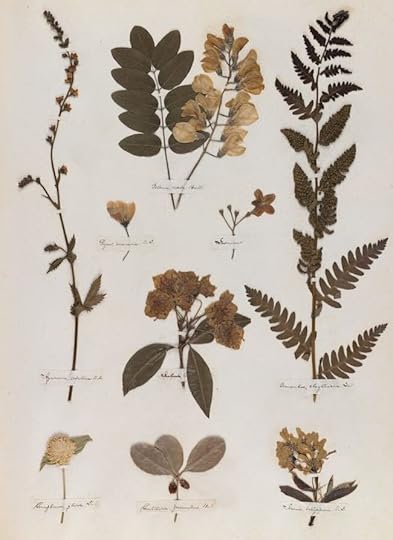
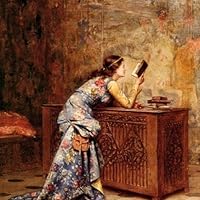
Dominique Fortier hat ein sehr poetisches Buch über das Leben der Dichterin Emily Dickinson geschrieben. Dickinson, die 1830 geboren wurde und von der es nur ein einziges Foto gibt (Slide 2), kaum vorstellbar bei der heutigen Bilderflut - gilt heute als eine der bedeutendsten amerikanischen Dichterinnen. In kurzen Kapiteln wechselt Fortier zwischen ihrem eigenen Leben, den Beschreibungen ihrer Wohnorte mit Mann und Tochter und ihren Gedanken zu Dickinsons Biographie. Fortiers Erzählstil hat mich sofort in den Bann gezogen, ich fand es interessant zu lesen, wie Dickinson aufwuchs, in einem strengen Elternhaus, mit Vater, Mutter und den geliebten Geschwistern Austin und Lavinia (Foto 3: Ein Gemälde von Emily und ihren Geschwistern, gemalt von Otis Bullard, ca.1840). Im Text wird auch ihre große Liebe zu Pflanzen deutlich, ein von ihr angelegtes Herbarium mit 424 verschiedenen Blumen und Pflanzen kann man auch heute noch in der "Houghton Library" der Havard Universität betrachten, in digitalisierter Form (Foto 4). Fortier vermittelt uns das Bild einer außergewöhnlichen Frau, die sich nichts hat vorschreiben lassen, schon gar nicht von Verlegern, die es vorzog, ihre Texte nicht zu publizieren, wenn sie aufgefordert wurde, die Gedichte zu ändern oder anzupassen. Insgesamt wurden nur 10 ihrer Gedichte zu Lebzeiten veröffentlicht. (Foto 5 zeigt ihr Gedicht "Die Buchreise" von 1873)
Fortier fängt auch ihre "Seltsamheit" ein, dass sie sich zurückzog aus der Öffentlichkeit, nur noch den Garten betrat, dann im Haus blieb, später nur noch im Zimmer, immer ausschließlich weiße Kleider trug, nur noch mit anderen durch einen Türspalt oder eine Zimmerwand sprach - schließlich ihr Zimmer nicht mehr verließ, bis sie 55jährig starb. Diese selbstgewählte Isolation der Emily Dickinson ist laut Fortier nicht so richtig zu erklären, es gibt kein einschneidendes, lebensveränderndes Trauma oder einen Bruch (soweit man weiß), vielleicht ist ihr Leben deshalb so wenig fassbar und doch schafft es die Autorin mit ihrer besonderen Sprache, den Lesenden eine Ahnung davon zu vermitteln, was für ein besonderer Mensch, die Dichterin Emily Dickinson gewesen sein könnte.
Es ist das Portrait einer Frau, die bürgerliche Konventionen ablehnte und zwischen ihren Büchern aus Papier lebte, so, wie sie es sich schon als junges Mädchen gewünscht hatte.
Große Leseempfehlung!
#namethetranslator Aus dem Französischen von Bettina Bach
This entire review has been hidden because of spoilers.
C’était doux et inspirant, mais je décrochais facilement de l’histoire avec la narration en parallèle de l’autrice… Moins mon genre de livre mais je suis contente d’avoir appris un peu plus sur la fameuse Emily Dickinson!
>>Beim Schreiben radiert sie sich aus. Sie verschwindet hinter dem Grashalm, den wir ohne sie nicht bemerkt hätten. ... Jedes Gedicht ist ein winziges Grab zum Gedenken an das Unsichtbare. ... Die Tinte fließt in ihren Adern, die Worte, die sie schreibt, sind himbeerrot, direkt aus den zarten blauen Linien geschöpft, die unter ihrer Haut pulsieren. ...<<
"Städte aus Papier - vom Leben der Emily Dickinson", geschrieben von Dominique Fortier war für mich ein großes Lese-Highlight und ein wahrlich wundervoller Genuss zugleich! Neben vielen Informationen zu Emily Dickinson tauchen wir ein in einzelne Situationen, in einzelne Bilder, die die Autorin mit solcher Liebe zum Wort niedergeschrieben und gleichzeitig eine unglaublich spürbare Atmosphäre geschaffen hat, die mich einfach vollends erfasst hat. Durch Dominique Fortier's Zeilen hatte ich für mich das Gefühl Emily Dickinson ein ganzes Stück weit näher kommen zu können, einzutauchen in ihr Leben und gleichzeitig in ihre Gedanken und die kleinen Dinge ein bisschen durch ihre Augen zu sehen, ja..., nahezu fassen zu können. Einfach ganz ganz wundervoll, inspirierend und für mich eine Herzensempfehlung für jeden, der sich in irgendeiner Form mit Emily Dickinson, ihren Werken verbunden fühlt oder einfach ein bisschen literarisch auf ihren Spuren wandeln möchte.
>>...Warum sind wir überrascht, wenn jemand, der vorwiegend in Büchern lebt, ihnen freiwillig den Umgang mit seinen Mitmenschen opfert? Man muss schon sehr selbstherrlich sein, um von morgens bis abends Zeit mit seinesgleichen verbringen zu wollen. ...<<
Esmalt kaante vahele piiludes tundus olevat selline raamat, et loed natuke, paned käest ära ja võtad siis jälle mõne aja pärast. Aga ei olnud nii! Need unenäolised tükikesed tekitasid minus uskumatu nälja aina rohkem ja rohkem endasse ahmida. See oli nagu pikk talveöö, mille jooksul sai vaadatud filmi luuletaja elust, mis võis ja võis ka mitte Emily Dickinsoni päriselu olla. Kindlasti loen kunagi üle.
L'autora va descrivint i entrelligant moments puntuals (alguns certs, altres volgudament imaginats) de la vida d'Emily Dickinson, amb moments de la seva pròpia vida. M'han agradat les reflexions sobre els llocs que habitem i deixem enrere. M'agrada com Fortier troba en els buits de la vida de Dickinson un espai on crear més bellesa. És bonic.
Kummaline, et mõni autor püüab viimse detailini konstrueerida ammu surnud kuulsuse elulooraamatu - ja see ei anna sulle lugejana suurt midagi. Ja siis on seal teine autor, kes liigub väheste teadaolevate detailide vahel, visandab neid võrdlemisi vaba käega, lisab külluslikult omaenese fantaasiat, sekka omaeluloolistki. Ja see on hea.
Пълен и неочакван дисонанс се получи при мен с тази книга. Да, на пръв поглед много красиво пише Доминик Фортие, но всички образи са взети назаем от Емили Дикинсън. Все едно някой се опитва да ми преразказва поезията ѝ. "Градове на хартия" вероятно би била подходяща за читатели, които са съвсем незапознати с поезията ѝ. Сигурно ще прозвучи ужасно нескромно, но за мен нямаше абсолютно нищо ново като информация, усещане или надникване в света на поетесата.
Kui kellegi kohta on biograafilisi andmeid nii vähe, nagu Emily Dickinsoni kohta, siis peaks temast kirjutajatel olema eriti hõlpus lünkasid oma fantaasiaga täita. Ja kûllap on igas niisuguses tõlgenduses ka üksjagu tõlgendajat ennast. “Paberlinnad” on õhulise poeetikaga kogumik Emily Dickinsoni eluhetkedest, millele autor on lisanud ka fragmente oma elust, tehes seda siiski harvaesineva delikaatsusega. Fortier ei otsi vastust küsimusele, miks Dickinson end maailmast ära lõikas, ega püüa fikseerida mingit traagilist pöördepunkti ajas, sest tema nägemuses ei ole luuletaja eraklus passiivne reaktsioon mingile välisele sûndmusele, vaid aktiivselt endale sobivaks kujundatud reaalsus. Tõenäoliselt on see miski, mida ekstravertses kultuuris on keeruline mõista - et inimene võib mitte vajada välist stimulatsiooni ja kontakte välise maailmaga, sest tema isiklik maailm laieneb sissepoole ja leiab väljundi loomingus, ning et sellise inimese jaoks on erakluses elamine vabadus, mitte ei tähenda kannatamist ja kokkuvõttes traagiliselt ebaõnnestunud elu. Kindlasti on see vaid üks, ometi usutav tõlgendusvõimalus, mis on kirja pandud lummava väljendusrikkusega.
J’ai aimé parcourir la vie de la poétesse Emily Dickinson au travers les pages de ce livre. Je me suis laissé éblouir et bercé par la beauté des mots. C’était doux, poétique. J’ai relu les passages qui m’ont fait frissonner. Je les ai pris en note afin de les savourer encore et encore. À lire, si ce n’est pas déjà fait. ✨ • « Elle est de chair, de sang et d’encre. C’est l’encre qui coule dans ses veines, les mots qu’elle trace sont rouge framboise, puisés à même ces fines lignes bleues qui palpitent sous la peau. » • « Elle a besoin de si peu de choses qu’elle pourrait aussi bien être morte — ou n’avoir jamais existé. »