It is good at being nonlinear,
the afternoon.
Tongues emit selfhood.
Good at entropy,
everything.
Love kind of
thins out
if stretched. I imagine it hanging, hammered
pin thin,
between then and now.
I am not good at the truth.
It doesn't
elate me
like it does
good people.
Peace
is making space for everything:
pine boards, afternoon, deceit.
Go about a little empty
and you will be good at it.
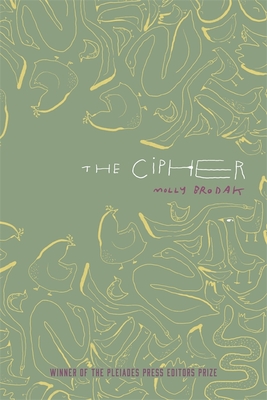
The last submitted collection by Molly Brodak before her suicide earlier this year right before the pandemic hit. This is present, cogent, and biting contemporaneity, a collection in and of itself more worthy of the Nobel in literature than Glück because it makes more commitments, is less coy, is more willing to be caught out in the spaces where language can't reach and instead becomes gesture—though more often than not it stretches language to reach where it previously hasn't been in modern poetry. Brodak makes in even commonplace observations devastating statements of something true, but as the above excerpt demonstrates, poetic truth cannot save us so much as open us up to hurt in new ways of seeing the mess we are in. This book should be read, read again, read out loud—let it steep in your thoughts long enough and you will realize it was already there long before you had words to know it.
Pioneers,
what did you really hope
we'd do with your pain?
A coward
shakes hands with everyone he meets.