

What do you think?

The Film Explainer
It is the early 1930s in Limbach, an industrial village suffering from the depression. Karl Hofmann narrates silent movies at the local cinema. The job pays poorly and is largely unnecessary, as the films have subtitles and the crowds are small, but Karl sees himself as an he is convinced only his explanation will make the movies accessible to the ever-shrinking audience. When the "talkies" arrive and he loses his job after a quarrel with the Jewish theater owner, Karl loses his sense of purpose and joins the Nazi Party--the first step toward his horrible end.
250 pages, Hardcover
First published January 1, 1990
About the author
Gert Hofmann
42 books17 followersGert Hofmann (1931 – 1993) was a German writer and professor of German literature.
He was the father of poet Michael Hofmann, who translated some of his father's works into English.
He was the father of poet Michael Hofmann, who translated some of his father's works into English.
Ratings & Reviews
Friends & Following
Create a free account to discover what your friends think of this book!
Community Reviews
Displaying 1 - 18 of 18 reviews

December 30, 2025
شهر زادگاه گرت هوفمان، پس از جنگ جهانی دوم جزو مناطق تحت اشغال روسها بوده است. در همین ایام حین تماشای فیلمی از سر و صدای دیگر بچهها عصبانی میشود و فریاد میزند که بس است و همین فریاد تعبیر سیاسی میشود و او به خاطرش یک ماه به زندان روسها میافتد و متعاقب آن از مدرسه اخراج میشود و ادامه تحصیلاتش را به صورت خصوصی نزد یکی از معلمهای همان مدرسه میگذراند. درباره نویسنده و اثر. مترجم. صفحهی ۶ کتاب
منتقدان آثار او را به دقت زبانی و قدرت متقاعد کنندگی بالایی میشناسند که بیش از همه به زبان کافکا نزدیک است. آثار او پس از گونتر گراس بیش از همهی نویسندگان ادبیات آلمانی به زبانهای زندهی دنیا ترجمه شده است و نیویورک تایمز او را پس از هاینریش بول، شگفت انگیزترین نویسندهی آلمانی نامیده است. درباره نویسنده و اثر. مترجم. صفحهی ۸ کتاب
بد نیست بدانیم که برادر آکیرا کوروساوا فیلمساز شهیر ژاپنی نیز پرده خوان بوده است. او با ظهور سینمای ناطق بیکار و دچار افسردگی شدید میشود و عاقبت در سال ۱۹۳۳ دست به خودکشی میزند. درباره نویسنده و اثر. مترجم. صفحه ۹ کتاب
سپاسگزارم از آنها که در حد توانشان کوشیدند، راه ادبیات را سد کنند. به لطف آنان بود که ما مترجمان و خوانندگان ادبیات، هر روز بیش از پیش به قدرت ادبیات پی بردیم. دربارهی نویسنده و اثر. مترجم. صفحهی ۱۰ کتاب
بابابزرگ گفت، هر بار که زالتسمان چراغ را روشن میکند و تو را از حال و حوای فیلم بیرون میکشد، هوا چه سرد میشود. این سرما، میدانی این سرما چیه؟
نه.
این سرمای واقعیت است که همهی ما حق داریم ازش بترسیم! و ازش بلرزیم. صفحه ۴۶ کتاب
فلاکت چی است؟
بابابزرگ گفت، فلاکت چیزی است که یک عمر بالای سر یکی است و بالاخره وقتش که برسد بر سرش خراب میشود. فلاکت، تقدیر ماست. صفحه ۹۲ کتاب
بابابزرگ بعدها گفت، «این دو تا همیشه با هماند: هر چیز خندهداری وحشتناک است و هر چیز وحشتناکی خندهدار!». صفحه ۱۶۹ کتاب
توی همچی لانهای دنیا آمدن و بزرگ شدن، کار راحتی نیست.
خب آدم کجا دنیا بیاید خوب است؟
بابابزرگ گفت، بهتر است اصلاً دنیا نیاید. صفحه ۱۷۹ کتاب
عجیب است که ناگهان میبینی چه عمری پشت سر گذاشتهای و چه عمر کوتاهی پیش رویت داری! صفحه ۲۱۷ کتاب
یک بار بابابزرگ گفت: من اغلب فیلمها را دیدهام. همه را یادم هست. و این زیباترین بخش زندگیام بوده. الان دیگر چشمم آب نمیخورد که فیلمهایی به آن خوبی بیاید. صفحه ۲۹۸ کتاب
۱۴۰۴/۱۰/۰۹
منتقدان آثار او را به دقت زبانی و قدرت متقاعد کنندگی بالایی میشناسند که بیش از همه به زبان کافکا نزدیک است. آثار او پس از گونتر گراس بیش از همهی نویسندگان ادبیات آلمانی به زبانهای زندهی دنیا ترجمه شده است و نیویورک تایمز او را پس از هاینریش بول، شگفت انگیزترین نویسندهی آلمانی نامیده است. درباره نویسنده و اثر. مترجم. صفحهی ۸ کتاب
بد نیست بدانیم که برادر آکیرا کوروساوا فیلمساز شهیر ژاپنی نیز پرده خوان بوده است. او با ظهور سینمای ناطق بیکار و دچار افسردگی شدید میشود و عاقبت در سال ۱۹۳۳ دست به خودکشی میزند. درباره نویسنده و اثر. مترجم. صفحه ۹ کتاب
سپاسگزارم از آنها که در حد توانشان کوشیدند، راه ادبیات را سد کنند. به لطف آنان بود که ما مترجمان و خوانندگان ادبیات، هر روز بیش از پیش به قدرت ادبیات پی بردیم. دربارهی نویسنده و اثر. مترجم. صفحهی ۱۰ کتاب
بابابزرگ گفت، هر بار که زالتسمان چراغ را روشن میکند و تو را از حال و حوای فیلم بیرون میکشد، هوا چه سرد میشود. این سرما، میدانی این سرما چیه؟
نه.
این سرمای واقعیت است که همهی ما حق داریم ازش بترسیم! و ازش بلرزیم. صفحه ۴۶ کتاب
فلاکت چی است؟
بابابزرگ گفت، فلاکت چیزی است که یک عمر بالای سر یکی است و بالاخره وقتش که برسد بر سرش خراب میشود. فلاکت، تقدیر ماست. صفحه ۹۲ کتاب
بابابزرگ بعدها گفت، «این دو تا همیشه با هماند: هر چیز خندهداری وحشتناک است و هر چیز وحشتناکی خندهدار!». صفحه ۱۶۹ کتاب
توی همچی لانهای دنیا آمدن و بزرگ شدن، کار راحتی نیست.
خب آدم کجا دنیا بیاید خوب است؟
بابابزرگ گفت، بهتر است اصلاً دنیا نیاید. صفحه ۱۷۹ کتاب
عجیب است که ناگهان میبینی چه عمری پشت سر گذاشتهای و چه عمر کوتاهی پیش رویت داری! صفحه ۲۱۷ کتاب
یک بار بابابزرگ گفت: من اغلب فیلمها را دیدهام. همه را یادم هست. و این زیباترین بخش زندگیام بوده. الان دیگر چشمم آب نمیخورد که فیلمهایی به آن خوبی بیاید. صفحه ۲۹۸ کتاب
۱۴۰۴/۱۰/۰۹

December 1, 2025
فیلم دیدن از همان کودکیم شروع شد،اول با کارتون بعد با سریال های دیزنی و تاامروز که خیلی از فیلم دیدن لذت میبرم.
همیشه عاشق این بودم که دنیای متفاوتی و احساسات مختلفی رو تجربه کنم،برای همین بزرگتر که شدم ، به کتاب خوندن رو آوردم.راستش خوشحالم اینکه تمام عمرمو با فیلم دیدن گذروندم و کلی خاطره از هر فیلمی که دیدم.
کتاب پرده خوان اثر گرت هوفمان،نویسنده ی آلمانی،در این کتاب از عشق به سینما گفته است،سینمایی که هرکدوم قصه و درام های خودش را دارد. شخصیت اصلی کتاب کارل هوفمان،که شغل اصلیش پرده خوان هست،در دوران سینمای صامت رسم این بوده است که کسی صحنه ها را روایت میکرده و میکوشید شور و حال افزونتری به فیلم بدهد.اما با آمدن سینمای ناطق کار این پرده خوان ها تمام و از کار برکنار میشدن. در این کتاب راوی نوهی کارل هوفمان است ،خاطرات پدربزرگش را با حسرت و دلسوزی روایت میکند.او شاهد تلاش های بی پایان پدربزرگش برای حفظ شغلش و مبارزه با احساس ناتوانی است.چیزی که در این کتاب برام خیلی ملموس و جذاب بود اینکه در حین خواندن ارجاعات خیلی زیادی به فیلم ها آورده و باعث میشه با کلی فیلم جدید آشنا بشویم.
شخصیت پدر بزرگ خیلی دوست داشتنیه در طول داستان شاهد این هستیم که چقدر به سینما وابسته هست و اینکه با ذوق از هرفیلم تعریف میکند. بنظرم هر فیلمبازی که این کتاب رو بخونه با پدربزرگ همذاتپنداری میکند.
ودر آخر مقدمه های مترجم آقای همتی همیشه عالی هستند و انتخابات ایشون برای مترجمه حرف ندارن.
همیشه عاشق این بودم که دنیای متفاوتی و احساسات مختلفی رو تجربه کنم،برای همین بزرگتر که شدم ، به کتاب خوندن رو آوردم.راستش خوشحالم اینکه تمام عمرمو با فیلم دیدن گذروندم و کلی خاطره از هر فیلمی که دیدم.
کتاب پرده خوان اثر گرت هوفمان،نویسنده ی آلمانی،در این کتاب از عشق به سینما گفته است،سینمایی که هرکدوم قصه و درام های خودش را دارد. شخصیت اصلی کتاب کارل هوفمان،که شغل اصلیش پرده خوان هست،در دوران سینمای صامت رسم این بوده است که کسی صحنه ها را روایت میکرده و میکوشید شور و حال افزونتری به فیلم بدهد.اما با آمدن سینمای ناطق کار این پرده خوان ها تمام و از کار برکنار میشدن. در این کتاب راوی نوهی کارل هوفمان است ،خاطرات پدربزرگش را با حسرت و دلسوزی روایت میکند.او شاهد تلاش های بی پایان پدربزرگش برای حفظ شغلش و مبارزه با احساس ناتوانی است.چیزی که در این کتاب برام خیلی ملموس و جذاب بود اینکه در حین خواندن ارجاعات خیلی زیادی به فیلم ها آورده و باعث میشه با کلی فیلم جدید آشنا بشویم.
شخصیت پدر بزرگ خیلی دوست داشتنیه در طول داستان شاهد این هستیم که چقدر به سینما وابسته هست و اینکه با ذوق از هرفیلم تعریف میکند. بنظرم هر فیلمبازی که این کتاب رو بخونه با پدربزرگ همذاتپنداری میکند.
ودر آخر مقدمه های مترجم آقای همتی همیشه عالی هستند و انتخابات ایشون برای مترجمه حرف ندارن.

July 3, 2023
خواندنش عذاب الیمی بود. داستان از جای خوبی آغاز نشد، خوب ادامه پیدا نکرد، شخصیت بابابزرگ گرت هوفمان و باقی آدمها در سطح به حال خود رها شدند، هیچ احساس لذت همذات پنداری و خوشی ناشی از لذت متن شکل نگرفت.
این کتاب داستان سرگذشت پدربزرگ گرت هوفمان است که پردهخوان سینمای آپولو است. سینمای صامت در حال فراموشی و زوال است. پیرمرد پردهخوان با زوال سینمای صامت عشق و مایهی حیاتش از جوانی تا پیری آرام آرام فراموش، ناتوان و زوال پذیر میشود. دیگر نمیتواند هیچ فیلمی را پرده خوانی کند و برای تماشاگران اندک سینمای آپولو حرف بزند یا پیانو بنوازد. سینمای ناطق جای پیرمرد را برای همیشه پر میکند و به جای آنکه مثل گذشتهها روبهروی آن پردهی عجیب سینمای آپولو بایستد روی صندلیهای جلوی سینما خموش و غمگین مینشیند.
کتاب قصهی جدایی عظیمی از سینما است که اصلا زیبا تعریف نشد یا لااقل گرت هوفمان هر دوره از زندگی پیرمرد را درست نچید و بیان نکرد.
این کتاب داستان سرگذشت پدربزرگ گرت هوفمان است که پردهخوان سینمای آپولو است. سینمای صامت در حال فراموشی و زوال است. پیرمرد پردهخوان با زوال سینمای صامت عشق و مایهی حیاتش از جوانی تا پیری آرام آرام فراموش، ناتوان و زوال پذیر میشود. دیگر نمیتواند هیچ فیلمی را پرده خوانی کند و برای تماشاگران اندک سینمای آپولو حرف بزند یا پیانو بنوازد. سینمای ناطق جای پیرمرد را برای همیشه پر میکند و به جای آنکه مثل گذشتهها روبهروی آن پردهی عجیب سینمای آپولو بایستد روی صندلیهای جلوی سینما خموش و غمگین مینشیند.
کتاب قصهی جدایی عظیمی از سینما است که اصلا زیبا تعریف نشد یا لااقل گرت هوفمان هر دوره از زندگی پیرمرد را درست نچید و بیان نکرد.

December 6, 2025
هیچوقت آن روزی که برای اولین بار عاشق سینما شدم را فراموش نمیکنم؛ دهه هفتاد یک کودک پنج (یا احتمالا شش) ساله کنجکاو ، و یک تلویزیون جعبه ای.
نشسته بودم پای تلویزیون کوچک خانهمان و شبکهی چهار مثل همیشه داشت فیلمی پخش میکرد که سالهاست هنوز اسمش را پیدا نکرده ام. سیاه و سفید بود، جنگی، و آن دو سرباز(دو رفیق)میان میدان مین گیر افتاده بودند. یکیشان پایش روی مینی رفته بود که اگر فقط کمی وزنش را جابهجا میکرد، همهچیز تمام میشد. رفیقش خم شده بود بالای سرش، دستهای خاکیاش میلرزید، و هر دو میدانستند که زمان به شکل بیرحمانهای از کنارشان میگذرد. گروهان میآمد، میرفت، و امید مثل نخی پوسیده بین انگشتانشان کش میآمد.
من همان لحظه، همانجا، با آن صدای زنگدار دوبله و آن کنتراست خشن تصاویر، فهمیدم سینما فقط قصهگویی نیست؛ نوعی مکاشفه است، نوعی تماشای انسان در لحظهای که چیزی برای گمکردن و چیزی برای نجاتدادن ندارد. شاید همانجا بود که فهمیدم هر روایت واقعی، هر روایت تکاندهنده، با یک موقعیت ساده شروع میشود: انسانی که در برابر خودش قرار میگیرد.
آن روز فهمیدم سینما فقط سرگرمی نیست. سینما جایی است که آدمها برای نجات یکدیگر رقابت میکنند، جایی که زمان کش میآید، جایی که ترس و امید در یک قاب جا میگیرند. و شاید همان روز بود که فهمیدم آدم میتواند به خاطر یک تصویر، یک نگاه یا یک مکث ساده، سالها درگیر جهان داستان بماند.
خواندن پردهخوان گرت هوفمان همین حالوهوا را دوباره زنده کرد؛ آن لحظهای که میفهمی نقش روایت، نقش «تعریف کردن جهان»، گاهی میتواند نجاتبخش باشد و گاهی هم به همان اندازه ویرانگر. رمانی درباره مردی که تمام جهانش را در پردهای نورانی میدید، اما سقوطش را در تاریکی تجربه کرد.
داستان در اوایل دهۀ ۱۹۳۰ میگذرد؛ زمانی که آلمان، مثل بسیاری از نقاط اروپا، در تب تند بحران اقتصادی و بحران هویتی میسوخت. کارل هوفمان، مردی جوان با روحی حساس و شور عجیب برای سینما، در روستای لیمباخ، پردهخوان است. شغلی که امروز شاید برای ما بیشتر به یک آیین از بینرفته شبیه باشد؛ شغلی که قرار بود جهان روی پرده را برای تماشاگران زندهتر کند.
پردهخوانها آخرین بازماندگان عصر «سینمای صامت» بودند. پیش از آنکه صدا وارد تصاویر شود، آنها جای خالی دیالوگ و توضیح را پر میکردند؛ با صدایشان، با تفسیرشان، با هیجانشان. نوعی نیمهبازیگری، نیمهنویسندگی، نیمهاجرا. نوعی هنر فراموششده.
وقتی فیلمها حرف زدن را یاد گرفتند، پردهخوانها ساکت شدند.
هوفمان، نویسنده، این سکوت را بهانهای میکند برای نوشتن رمانی که فقط یک روایت خانوادگی نیست؛ بلکه روایتی درباره جهانِ پیش از یک فاجعه است: جهان پیش از نازیسم، پیش از جنون جمعی، پیش از تبدیل شدن مردم عادی به ابزارهای ایدئولوژی.
کارل هوفمان خودش را هنرمند میداند. و حق دارد. او باور دارد که بدون صدای او، فیلمها نیمهجان و بیروحاند. اما این باور نه از خودشیفتگی، که از تجربهای درونی میآید: او واقعاً میداند روایت چیست. او قدرت تبدیل تصویر به احساس را میفهمد.
اما جهان او را پس میزند.
با ورود فیلمهای ناطق، نخستین قربانیان کسانی بودند که بین تصویر و تماشاگر نقش واسطه داشتند. روایت دیگر لازم نبود. مردم میتوانستند جای صداهای بیگانه و مصنوعی، صدای خود فیلم را بشنوند. و این همان لحظهای است که کارل حس میکند جهان او را کنار گذاشته. دیگر جایگاهی ندارد؛ نه در هنر، نه در سینما، نه در زندگی.
نزاع با صاحب سینمای یهودی، نه یک نزاع شخصی، که استعارهای از فروپاشی فرهنگی آلمان پیش از جنگ است: فرهنگی که بهجای پذیرش تغییر و تطور، خود را در جنگ قدرت، نفرت و حذف دیگری تعریف کرد.
کارل، که زمانی تنها دغدغهاش هنر و تصویر بود، آرامآرام تهی میشود. گویی کسی از درون او را خالی میکند و چیزی که باقی میماند، انسانی است سرگشته، بیریشه، آمادۀ بلعیده شدن توسط اولین ایدئولوژی که به او «اهمیت» بدهد.
و اینجاست که نازیسم وارد میشود.
هوفمان بهطرزی دردناک نشان میدهد که چگونه یک انسان معمولی، یک هنرمند، یک عاشق سینما، تنها به دلیل از دست دادن جایگاهش در جهان، تنها به دلیل احساس بیمعنایی، میتواند به سمت ایدئولوژیای برود که وعده «اهمیت» و «نقش داشتن» میدهد.
رمان هوفمان از این جهت درخشان است که هرگز مستقیم شعار نمیدهد. او نازیسم را نقد نمیکند؛ بلکه نشان میدهد چگونه پدید میآید. چگونه مردم عادی، مردمی با زندگیهای کوچک، زخمهای شخصی و شکستهای بیصدا، تبدیل به نیروهای یک ماشین مرگ میشوند.
کارل هوفمان نمونهای از همین انسانهاست.
او در لحظهای که سینما دیگر به او نیازی ندارد، سراغ جایی میرود که احساس میکند دوباره دیده میشود. و به همین دلیل، سقوط او از هنر به ایدئولوژی، از روایت به نفرت، بسیار انسانیتر و در نتیجه دردناکتر است.
یکی از جذابترین بخشهای رمان، توصیف شغل پردهخوانی است. خواننده حس میکند در اتاقک سینما نشسته، نور چراغ پروژکتور را روی گردوغبار هوا میبیند، صدای قدمهای معدود تماشاگران را میشنود. کارل، همچون معلمی که برای شاگردانش داستان میخواند، روی هر صحنه رنگ و جان میپاشد.
هوفمان این قسمتها را چنان شاعرانه نوشته که میشود گفت این رمان، هم یادنامهای برای سینمای صامت است و هم نقدی بر جهان مدرن که سرعت و صدا و هیجان را جایگزین روایت آرام، حضور انسانی و تأویل فردی کرده است.
پردهخوانها آخرین هنرمندان عصر سکوت بودند. و شاید آخرین گروهی که باور داشتند هنر فقط تصویر نیست؛ تجربه است.
وقتی کارل بیکار میشود، رمان وارد مرحلهای عمیقتر میشود. افسردگی او فقط افسردگی یک فرد نیست؛ نمادی است از نسل کاملی که از تغییر جهان جا ماندند. هوفمان با دقت نشان میدهد که چگونه هنر، وقتی دیگر برای انسان جایی در آن نباشد، بهجای نجات، منبع زخم میشود.
نازیسم برای این گروه از مردم نه تنها یک پناهگاه سیاسی، بلکه نوعی «بازگرداندن معنا» بود؛ معنایی دروغین اما کافی برای بلعیدن کسانی که چیزی برای از دست دادن نداشتند.
کارل گرایشی به خشونت ندارد. او اهل جنگ نیست. حتی اهل جهان نیست. اما درست همین بیگانگی، او را شکار ایدئولوژی میکند.
سقوط او آرام است. بیصدا. درست مثل ورود صدا به سینما: تغییری که کسی نفهمید چه زمانی رخ داد، اما همهچیز را عوض کرد.
هوفمان در مقام نویسنده، با روایت جایگاه نوه، زاویه دیدی خاص به داستان میدهد. این فاصله زمانی، به رمان کیفیتی دوگانه میدهد:
۱. احساسِ شخصی و خانوادگی: نوه تلاش میکند بفهمد چرا پدربزرگش به این سرنوشت رسید.
۲. فاصله تاریخی و تحلیلی: خواننده همزمان میتواند جامعه آلمان، قدرت تبلیغات، بیماری جمعی و زوال انسانیت را ببیند.
این ترکیب، رمان را شبیه دفترچهای از جستوجوی هویت میکند؛ هویتی خانوادگی و هویتی ملی.
در قلب این رمان، یک سؤال ساده و تکاندهنده قرار دارد:
وقتی جهان صدای ما را نشنیده میگیرد، چه بر سر ما میآید؟
کارل هوفمان، مثل بسیاری از هنرمندان روزگارش، حامل بخشی از روح جهان بود؛ اما جهان جدید به او گفت: «صدایت لازم نیست.»
و این تلخترین جملهای است که میشود به یک انسان گفت.
رمان از این جهت یادآور فیلمهایی مثل روبان سفید میشائیل هانکه یا زندگی دیگران است: آثاری که نشان میدهند قهرمانهای کوچک چگونه در چرخدندههای بزرگ تاریخ گم میشوند.
پردهخوان فقط یک رمان تاریخی نیست. فقط یک یادنامه خانوادگی هم نیست. این یک «مرثیه» است؛ مرثیهای برای آدمهایی که تنها میخواستند دیده شوند، اما تاریخ آنها را در تاریکی بلعید.
اگر عاشق سینما باشی، این کتاب برایت مثل کشف یک اتاق پنهان در تاریخ این هنر است. اگر عاشق روایت باشی، این کتاب برایت درس بزرگی است درباره نقش روایت در ساختن یا ویران کردن انسان. اگر به تاریخ علاقه داشته باشی، این رمان نشان میدهد که فاشیسم چگونه در میان زندگیهای معمولی ریشه دواند.
برای من، بازگشت به خاطره آن فیلم روی شبکه چهار، با خواندن این کتاب کامل شد. همان حس انسانیِ گیر کردن روی مین، همان لحظهای که هیچکس نمیداند چه باید بکند، همان جا که روایت میتواند نجات بدهد یا نابود کند.
پردهخوان داستان کسی است که با از دست دادن روایت، خودش را نیز از دست داد.
نشسته بودم پای تلویزیون کوچک خانهمان و شبکهی چهار مثل همیشه داشت فیلمی پخش میکرد که سالهاست هنوز اسمش را پیدا نکرده ام. سیاه و سفید بود، جنگی، و آن دو سرباز(دو رفیق)میان میدان مین گیر افتاده بودند. یکیشان پایش روی مینی رفته بود که اگر فقط کمی وزنش را جابهجا میکرد، همهچیز تمام میشد. رفیقش خم شده بود بالای سرش، دستهای خاکیاش میلرزید، و هر دو میدانستند که زمان به شکل بیرحمانهای از کنارشان میگذرد. گروهان میآمد، میرفت، و امید مثل نخی پوسیده بین انگشتانشان کش میآمد.
من همان لحظه، همانجا، با آن صدای زنگدار دوبله و آن کنتراست خشن تصاویر، فهمیدم سینما فقط قصهگویی نیست؛ نوعی مکاشفه است، نوعی تماشای انسان در لحظهای که چیزی برای گمکردن و چیزی برای نجاتدادن ندارد. شاید همانجا بود که فهمیدم هر روایت واقعی، هر روایت تکاندهنده، با یک موقعیت ساده شروع میشود: انسانی که در برابر خودش قرار میگیرد.
آن روز فهمیدم سینما فقط سرگرمی نیست. سینما جایی است که آدمها برای نجات یکدیگر رقابت میکنند، جایی که زمان کش میآید، جایی که ترس و امید در یک قاب جا میگیرند. و شاید همان روز بود که فهمیدم آدم میتواند به خاطر یک تصویر، یک نگاه یا یک مکث ساده، سالها درگیر جهان داستان بماند.
خواندن پردهخوان گرت هوفمان همین حالوهوا را دوباره زنده کرد؛ آن لحظهای که میفهمی نقش روایت، نقش «تعریف کردن جهان»، گاهی میتواند نجاتبخش باشد و گاهی هم به همان اندازه ویرانگر. رمانی درباره مردی که تمام جهانش را در پردهای نورانی میدید، اما سقوطش را در تاریکی تجربه کرد.
داستان در اوایل دهۀ ۱۹۳۰ میگذرد؛ زمانی که آلمان، مثل بسیاری از نقاط اروپا، در تب تند بحران اقتصادی و بحران هویتی میسوخت. کارل هوفمان، مردی جوان با روحی حساس و شور عجیب برای سینما، در روستای لیمباخ، پردهخوان است. شغلی که امروز شاید برای ما بیشتر به یک آیین از بینرفته شبیه باشد؛ شغلی که قرار بود جهان روی پرده را برای تماشاگران زندهتر کند.
پردهخوانها آخرین بازماندگان عصر «سینمای صامت» بودند. پیش از آنکه صدا وارد تصاویر شود، آنها جای خالی دیالوگ و توضیح را پر میکردند؛ با صدایشان، با تفسیرشان، با هیجانشان. نوعی نیمهبازیگری، نیمهنویسندگی، نیمهاجرا. نوعی هنر فراموششده.
وقتی فیلمها حرف زدن را یاد گرفتند، پردهخوانها ساکت شدند.
هوفمان، نویسنده، این سکوت را بهانهای میکند برای نوشتن رمانی که فقط یک روایت خانوادگی نیست؛ بلکه روایتی درباره جهانِ پیش از یک فاجعه است: جهان پیش از نازیسم، پیش از جنون جمعی، پیش از تبدیل شدن مردم عادی به ابزارهای ایدئولوژی.
کارل هوفمان خودش را هنرمند میداند. و حق دارد. او باور دارد که بدون صدای او، فیلمها نیمهجان و بیروحاند. اما این باور نه از خودشیفتگی، که از تجربهای درونی میآید: او واقعاً میداند روایت چیست. او قدرت تبدیل تصویر به احساس را میفهمد.
اما جهان او را پس میزند.
با ورود فیلمهای ناطق، نخستین قربانیان کسانی بودند که بین تصویر و تماشاگر نقش واسطه داشتند. روایت دیگر لازم نبود. مردم میتوانستند جای صداهای بیگانه و مصنوعی، صدای خود فیلم را بشنوند. و این همان لحظهای است که کارل حس میکند جهان او را کنار گذاشته. دیگر جایگاهی ندارد؛ نه در هنر، نه در سینما، نه در زندگی.
نزاع با صاحب سینمای یهودی، نه یک نزاع شخصی، که استعارهای از فروپاشی فرهنگی آلمان پیش از جنگ است: فرهنگی که بهجای پذیرش تغییر و تطور، خود را در جنگ قدرت، نفرت و حذف دیگری تعریف کرد.
کارل، که زمانی تنها دغدغهاش هنر و تصویر بود، آرامآرام تهی میشود. گویی کسی از درون او را خالی میکند و چیزی که باقی میماند، انسانی است سرگشته، بیریشه، آمادۀ بلعیده شدن توسط اولین ایدئولوژی که به او «اهمیت» بدهد.
و اینجاست که نازیسم وارد میشود.
هوفمان بهطرزی دردناک نشان میدهد که چگونه یک انسان معمولی، یک هنرمند، یک عاشق سینما، تنها به دلیل از دست دادن جایگاهش در جهان، تنها به دلیل احساس بیمعنایی، میتواند به سمت ایدئولوژیای برود که وعده «اهمیت» و «نقش داشتن» میدهد.
رمان هوفمان از این جهت درخشان است که هرگز مستقیم شعار نمیدهد. او نازیسم را نقد نمیکند؛ بلکه نشان میدهد چگونه پدید میآید. چگونه مردم عادی، مردمی با زندگیهای کوچک، زخمهای شخصی و شکستهای بیصدا، تبدیل به نیروهای یک ماشین مرگ میشوند.
کارل هوفمان نمونهای از همین انسانهاست.
او در لحظهای که سینما دیگر به او نیازی ندارد، سراغ جایی میرود که احساس میکند دوباره دیده میشود. و به همین دلیل، سقوط او از هنر به ایدئولوژی، از روایت به نفرت، بسیار انسانیتر و در نتیجه دردناکتر است.
یکی از جذابترین بخشهای رمان، توصیف شغل پردهخوانی است. خواننده حس میکند در اتاقک سینما نشسته، نور چراغ پروژکتور را روی گردوغبار هوا میبیند، صدای قدمهای معدود تماشاگران را میشنود. کارل، همچون معلمی که برای شاگردانش داستان میخواند، روی هر صحنه رنگ و جان میپاشد.
هوفمان این قسمتها را چنان شاعرانه نوشته که میشود گفت این رمان، هم یادنامهای برای سینمای صامت است و هم نقدی بر جهان مدرن که سرعت و صدا و هیجان را جایگزین روایت آرام، حضور انسانی و تأویل فردی کرده است.
پردهخوانها آخرین هنرمندان عصر سکوت بودند. و شاید آخرین گروهی که باور داشتند هنر فقط تصویر نیست؛ تجربه است.
وقتی کارل بیکار میشود، رمان وارد مرحلهای عمیقتر میشود. افسردگی او فقط افسردگی یک فرد نیست؛ نمادی است از نسل کاملی که از تغییر جهان جا ماندند. هوفمان با دقت نشان میدهد که چگونه هنر، وقتی دیگر برای انسان جایی در آن نباشد، بهجای نجات، منبع زخم میشود.
نازیسم برای این گروه از مردم نه تنها یک پناهگاه سیاسی، بلکه نوعی «بازگرداندن معنا» بود؛ معنایی دروغین اما کافی برای بلعیدن کسانی که چیزی برای از دست دادن نداشتند.
کارل گرایشی به خشونت ندارد. او اهل جنگ نیست. حتی اهل جهان نیست. اما درست همین بیگانگی، او را شکار ایدئولوژی میکند.
سقوط او آرام است. بیصدا. درست مثل ورود صدا به سینما: تغییری که کسی نفهمید چه زمانی رخ داد، اما همهچیز را عوض کرد.
هوفمان در مقام نویسنده، با روایت جایگاه نوه، زاویه دیدی خاص به داستان میدهد. این فاصله زمانی، به رمان کیفیتی دوگانه میدهد:
۱. احساسِ شخصی و خانوادگی: نوه تلاش میکند بفهمد چرا پدربزرگش به این سرنوشت رسید.
۲. فاصله تاریخی و تحلیلی: خواننده همزمان میتواند جامعه آلمان، قدرت تبلیغات، بیماری جمعی و زوال انسانیت را ببیند.
این ترکیب، رمان را شبیه دفترچهای از جستوجوی هویت میکند؛ هویتی خانوادگی و هویتی ملی.
در قلب این رمان، یک سؤال ساده و تکاندهنده قرار دارد:
وقتی جهان صدای ما را نشنیده میگیرد، چه بر سر ما میآید؟
کارل هوفمان، مثل بسیاری از هنرمندان روزگارش، حامل بخشی از روح جهان بود؛ اما جهان جدید به او گفت: «صدایت لازم نیست.»
و این تلخترین جملهای است که میشود به یک انسان گفت.
رمان از این جهت یادآور فیلمهایی مثل روبان سفید میشائیل هانکه یا زندگی دیگران است: آثاری که نشان میدهند قهرمانهای کوچک چگونه در چرخدندههای بزرگ تاریخ گم میشوند.
پردهخوان فقط یک رمان تاریخی نیست. فقط یک یادنامه خانوادگی هم نیست. این یک «مرثیه» است؛ مرثیهای برای آدمهایی که تنها میخواستند دیده شوند، اما تاریخ آنها را در تاریکی بلعید.
اگر عاشق سینما باشی، این کتاب برایت مثل کشف یک اتاق پنهان در تاریخ این هنر است. اگر عاشق روایت باشی، این کتاب برایت درس بزرگی است درباره نقش روایت در ساختن یا ویران کردن انسان. اگر به تاریخ علاقه داشته باشی، این رمان نشان میدهد که فاشیسم چگونه در میان زندگیهای معمولی ریشه دواند.
برای من، بازگشت به خاطره آن فیلم روی شبکه چهار، با خواندن این کتاب کامل شد. همان حس انسانیِ گیر کردن روی مین، همان لحظهای که هیچکس نمیداند چه باید بکند، همان جا که روایت میتواند نجات بدهد یا نابود کند.
پردهخوان داستان کسی است که با از دست دادن روایت، خودش را نیز از دست داد.

July 14, 2018
Hofmann gere muito bem, como habitualmente, a narração infantil. Os apontamentos expressionistas e satíricos são de elevada qualidade. Um escritor injustamente esquecido num mundo de literatura de plástico.

September 2, 2024
خوندنش حداقل برای من با لذت زیادی همراه بود. چون عاشق فیلمهای ایتالیاییام و این کتاب سیرداستانیش جوری بود که انگار داشتم فیلمهای تورناتوره، فلینی یا اولمی رو به متن میخوندم.
_
« مثل اینکه بابابزرگ یکبار به مامانبزرگ گفته بود: سینما نباشد، واقعا نمیتوانم زندگی را تحمل کنم!
مامان بزرگ هم جواب داده بود، من هم از همان روز میترسم.»
« بابابزرگ کل داستان فیلم را، البته آنطور که خودش فهمیده بود، یکبار دیگر برایم تعریف کرد. معمولا او جور دیگری فیلمها را میفهمید.
از خودم پرسیدم: چرا هرکس هر فیلمی را یکجور میفهمد؟»
« آقای کوزیمو همیشه دستهگلی به قبرستان میبرد و این دستهگل هربار کوچکتر میشد، چون پول که علف خرس نیست و هیچ عشقی هم جاودانه نیست، حتی عشق به رفتگان.»
« بابابزرگ گفت، هر کسی توی سرش یک سینما دارد و این تنها فرق آدم با دیگر جوندگان است.
پرسیدم، من هم دارم؟
تو هم داری! و اسم این سینما….
مامان از اتاق بغلی داد زد، بگذار بچه برود بخوابد. مامان دوباره پشت چرخخیاطیاش نشسته بود. بعد گفت، بلکه خوابش ببرد.
بابابزرگ گفت، تخیل، تخیل، اسمش تخیل است! »
_
« مثل اینکه بابابزرگ یکبار به مامانبزرگ گفته بود: سینما نباشد، واقعا نمیتوانم زندگی را تحمل کنم!
مامان بزرگ هم جواب داده بود، من هم از همان روز میترسم.»
« بابابزرگ کل داستان فیلم را، البته آنطور که خودش فهمیده بود، یکبار دیگر برایم تعریف کرد. معمولا او جور دیگری فیلمها را میفهمید.
از خودم پرسیدم: چرا هرکس هر فیلمی را یکجور میفهمد؟»
« آقای کوزیمو همیشه دستهگلی به قبرستان میبرد و این دستهگل هربار کوچکتر میشد، چون پول که علف خرس نیست و هیچ عشقی هم جاودانه نیست، حتی عشق به رفتگان.»
« بابابزرگ گفت، هر کسی توی سرش یک سینما دارد و این تنها فرق آدم با دیگر جوندگان است.
پرسیدم، من هم دارم؟
تو هم داری! و اسم این سینما….
مامان از اتاق بغلی داد زد، بگذار بچه برود بخوابد. مامان دوباره پشت چرخخیاطیاش نشسته بود. بعد گفت، بلکه خوابش ببرد.
بابابزرگ گفت، تخیل، تخیل، اسمش تخیل است! »

August 21, 2018
In the beginning was the light. The light was turned off. I stood in front of the screen. all alone. I looked into the audience. There weren't many of them there.In the beginning was the light. The light was turned off. I stood in front of the screen. all alone. I looked into the audience. There weren't many of them there.
Book 22/24 in my reading of the past winners of the Independent Foreign Fiction Prize / Man Booker International.
The Film Explainer, translated from Gert Hoffman's original Der Kinoerzähler, won the 1995 prize, the last awarded before the prize went into abeyance for several years,. It was also awarded posthumously to the author, something no longer permitted under the Man Booker version of the rules.
The novel was translated by Gert Hoffman's son, Michael, himself a poet and an award-winning translator (e.g. winner of the 1998 International IMPAC Dublin Literary Award for his translation of Herta Müller's novel The Land of Green Plums and the 2004 Oxford-Weidenfeld Translation Prize for his translation of Ernst Jünger's Storm of Steel), as well as a judge in the 2018 Man Booker International.
See https://www.independent.co.uk/arts-en... for an interview with Michael Hoffman after the prize was awarded.
The Film Explainer, set in Germany of the 1930s-mid 40s is gently comic but with a dark edge from the political developments in the background. The novel opens:
My grandfather Karl Hofmann (1873-1944) worked for many years in the Apollo cinema on the Helenenstrasse in Limbach/Saxony. I knew him towards the end of his life, with his artist's hat, his walking stick, his broad gold wedding ring that from time to time would go into pawn in Chemnitz but always came back safely. It was he who gave me the idea - long after he was dead - of walking with a stick. He had trouble with his teeth and used to say: These gnashers will be the death of me one day, if I ever die. In the end, though, it was something quite different, not that at all.
My grandfather was the film explainer and piano player in Limbach. They still had those, back then. A lot of them came from the fairgrounds, from the "apish origins of art" (Grandfather). You could see that from the way they dressed. In the cinema they wore red or blue tailcoats with gold or silver buttons, a white bow tie, white trousers, sometimes top-boots. Others would wear smoking jackets.
Watch out, don't nod off, here comes a wonderful sequence, maybe the most wonderful in the whole film, cried Grandfather, reaching for his pointer. He liked to wave that around a lot.
(as I understand it Gert Hofmann's grandfather was indeed a film explainer, although the novel is not wholly autobiographical e.g. the grandson in the novel was born before Gert himself)
Yes Grandfather is a film explainer, one who, in the early days of silent movies, stood by the screen and explained what people were seeing. A role perfected in Japan by Benshi (https://en.wikipedia.org/wiki/Benshi) but which even by the time of the novel was largely redundant in Europe and later killed entirely by 'talkies' (with the coming of Hitler and the sound-film they slipped quietly back to the circus. grandfather remained.)
Grandfather is a pompous and self-important character, convinced that the citizens of the town need him to appreciate the medium - An audience needs someone to explain a film to them, at least its finer points - despite firm evidence, from indifferent and diminishing audiences, to the contrary. And like the Benshi he views his role as an artform in itself as well as a job, albeit one that, due to the low audiences, doesn't pay well. In one of a number of sarcastic retorts from the narrator's Grandmother, the film explainer's long suffering wife, that punctuate the text she proclaims 'He's not just an artist without any bread, he's an artist without any art'
Grandfather lives for films - for pretty much any situation that arises he has a film based analogy, and the text is filled with his brief explanations of the plots that illustrate this point, usually to the bemusement of his interlocutor. This lovely review contains still from various of the scenes discussed in the movie https://silentsplease.wordpress.com/2...
His favourite of all the actresses he watches is Asta Nielsen, for reasons he didn’t want to divulge. Those reasons, Grandmother said, are her small but shapely breasts. Interestingly (not mentioned in the novel but presumably at the back of the author's mind), Nielsen found herself in the mid 30s summoned to see Hitler who suggested her films could play a valuable cultural role - her response was to leave the country.
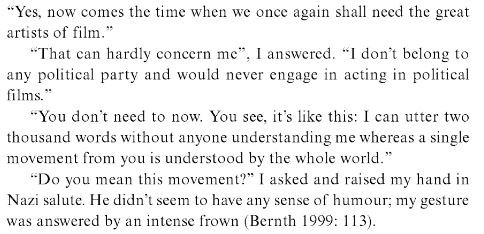
(her recollection of the conversation from 1966, reported in A Cultural History of the Avant-Garde in the Nordic Countries 1900-1925).
And her rival for Grandfather's (mental) affections is Pola Negri, whose 1935 film Mazurka (1935) was designated "artistically valuable" (künstlerisch wertvoll) by the Reichsfilmkammer and was so beloved of Hitler that their were rumours the two had an affair, albeit Negri successfully sued the French magazine that carried the story for libel.
And it is this knowledge, more hinted at than explicit, in the novel that provides the novel it's dark edge.
Grandfather has a constant battle with the owner of the cinema, rightly unconvinced that silent movies and film explainers are the future, and with the coming of the first talkie shown in the town, The Jazz Singer (1927) with Al Jonson, Grandfather's days are numbered, although his heckling throughout the first showing is a comic highlight.
In the middle of the novel he falls into physical and emotional despair, joining the ranks of the unemployed. An attempt to transfer his skills to the theater as a prompter fails when he cannot resist leaping on stage to show how it should be done.
But with the rise of the Party, he is revitalised. His nemesis, who is Jewish, disappears and the cinema is sold for a knock down price into other, more sympathetic hands, enabling Grandfather to resume employment, albeit now as an usher.
But his real love remains film. Sent to Berlin as a 'deputy flag waver' in a major Nazi party rally in May 1939, he decides to watch a movie before the rally starts, managing to mislay his flag and therefore his opportunity to share a platform with Hitler. The movie he watches, which he talks about for the remaining 5 years of his life was 'Gone With the Wind' (of course a favourite also of the Fuhrer's).
To me a novel that couldn't quite make up its mind what it wanted to be - a tribute to the silent film, a family memoir or social history, a straightforward tale or an analogy, an affectionate portrait of vainglorious rogue or a portrayal of a Nazi sympathiser. To its credit it contains all these element but perhaps then becomes a jack of all trades novel. 3.5 stars
Book 22/24 in my reading of the past winners of the Independent Foreign Fiction Prize / Man Booker International.
The Film Explainer, translated from Gert Hoffman's original Der Kinoerzähler, won the 1995 prize, the last awarded before the prize went into abeyance for several years,. It was also awarded posthumously to the author, something no longer permitted under the Man Booker version of the rules.
The novel was translated by Gert Hoffman's son, Michael, himself a poet and an award-winning translator (e.g. winner of the 1998 International IMPAC Dublin Literary Award for his translation of Herta Müller's novel The Land of Green Plums and the 2004 Oxford-Weidenfeld Translation Prize for his translation of Ernst Jünger's Storm of Steel), as well as a judge in the 2018 Man Booker International.
See https://www.independent.co.uk/arts-en... for an interview with Michael Hoffman after the prize was awarded.
The Film Explainer, set in Germany of the 1930s-mid 40s is gently comic but with a dark edge from the political developments in the background. The novel opens:
My grandfather Karl Hofmann (1873-1944) worked for many years in the Apollo cinema on the Helenenstrasse in Limbach/Saxony. I knew him towards the end of his life, with his artist's hat, his walking stick, his broad gold wedding ring that from time to time would go into pawn in Chemnitz but always came back safely. It was he who gave me the idea - long after he was dead - of walking with a stick. He had trouble with his teeth and used to say: These gnashers will be the death of me one day, if I ever die. In the end, though, it was something quite different, not that at all.
My grandfather was the film explainer and piano player in Limbach. They still had those, back then. A lot of them came from the fairgrounds, from the "apish origins of art" (Grandfather). You could see that from the way they dressed. In the cinema they wore red or blue tailcoats with gold or silver buttons, a white bow tie, white trousers, sometimes top-boots. Others would wear smoking jackets.
Watch out, don't nod off, here comes a wonderful sequence, maybe the most wonderful in the whole film, cried Grandfather, reaching for his pointer. He liked to wave that around a lot.
(as I understand it Gert Hofmann's grandfather was indeed a film explainer, although the novel is not wholly autobiographical e.g. the grandson in the novel was born before Gert himself)
Yes Grandfather is a film explainer, one who, in the early days of silent movies, stood by the screen and explained what people were seeing. A role perfected in Japan by Benshi (https://en.wikipedia.org/wiki/Benshi) but which even by the time of the novel was largely redundant in Europe and later killed entirely by 'talkies' (with the coming of Hitler and the sound-film they slipped quietly back to the circus. grandfather remained.)
Grandfather is a pompous and self-important character, convinced that the citizens of the town need him to appreciate the medium - An audience needs someone to explain a film to them, at least its finer points - despite firm evidence, from indifferent and diminishing audiences, to the contrary. And like the Benshi he views his role as an artform in itself as well as a job, albeit one that, due to the low audiences, doesn't pay well. In one of a number of sarcastic retorts from the narrator's Grandmother, the film explainer's long suffering wife, that punctuate the text she proclaims 'He's not just an artist without any bread, he's an artist without any art'
Grandfather lives for films - for pretty much any situation that arises he has a film based analogy, and the text is filled with his brief explanations of the plots that illustrate this point, usually to the bemusement of his interlocutor. This lovely review contains still from various of the scenes discussed in the movie https://silentsplease.wordpress.com/2...
His favourite of all the actresses he watches is Asta Nielsen, for reasons he didn’t want to divulge. Those reasons, Grandmother said, are her small but shapely breasts. Interestingly (not mentioned in the novel but presumably at the back of the author's mind), Nielsen found herself in the mid 30s summoned to see Hitler who suggested her films could play a valuable cultural role - her response was to leave the country.
(her recollection of the conversation from 1966, reported in A Cultural History of the Avant-Garde in the Nordic Countries 1900-1925).
And her rival for Grandfather's (mental) affections is Pola Negri, whose 1935 film Mazurka (1935) was designated "artistically valuable" (künstlerisch wertvoll) by the Reichsfilmkammer and was so beloved of Hitler that their were rumours the two had an affair, albeit Negri successfully sued the French magazine that carried the story for libel.
And it is this knowledge, more hinted at than explicit, in the novel that provides the novel it's dark edge.
Grandfather has a constant battle with the owner of the cinema, rightly unconvinced that silent movies and film explainers are the future, and with the coming of the first talkie shown in the town, The Jazz Singer (1927) with Al Jonson, Grandfather's days are numbered, although his heckling throughout the first showing is a comic highlight.
In the middle of the novel he falls into physical and emotional despair, joining the ranks of the unemployed. An attempt to transfer his skills to the theater as a prompter fails when he cannot resist leaping on stage to show how it should be done.
But with the rise of the Party, he is revitalised. His nemesis, who is Jewish, disappears and the cinema is sold for a knock down price into other, more sympathetic hands, enabling Grandfather to resume employment, albeit now as an usher.
But his real love remains film. Sent to Berlin as a 'deputy flag waver' in a major Nazi party rally in May 1939, he decides to watch a movie before the rally starts, managing to mislay his flag and therefore his opportunity to share a platform with Hitler. The movie he watches, which he talks about for the remaining 5 years of his life was 'Gone With the Wind' (of course a favourite also of the Fuhrer's).
To me a novel that couldn't quite make up its mind what it wanted to be - a tribute to the silent film, a family memoir or social history, a straightforward tale or an analogy, an affectionate portrait of vainglorious rogue or a portrayal of a Nazi sympathiser. To its credit it contains all these element but perhaps then becomes a jack of all trades novel. 3.5 stars

August 29, 2026
A magia do cinema num tempo em que a imagem era acompanhada pela voz de um narrador. Assim é este romance biográfico, que conta a história do seu avô, narrador de cinema. Com uma dose de humor assinalavel, o neto Hofmann escreve uma homenagem ao avô Hofmann em forma de livro de memórias reais e imaginadas. A história corre por entre os laivos totalitaristas do III Reich, mas é a beleza e o encanto da imagem cinematográfica que marca o ritmo para nos dizer que o belo será sempre maior do que o horror da guerra.
Nota: li este livro com muito prazer. O meu avô também trabalhou num cinema, mas foi apenas arrumador, durante décadas. Dele guardo o ar garboso com que ficava de farda.
Nota: li este livro com muito prazer. O meu avô também trabalhou num cinema, mas foi apenas arrumador, durante décadas. Dele guardo o ar garboso com que ficava de farda.

December 22, 2022
یه رمان سرراست و ساده درباره ی پدربزرگی که پرده خوان سینما بوده زمانی که فیلم های سینما صامت بودن. عاشق سینما بودن پدربزرگ بخش جذاب ماجراست و ما همراه نوه از زمانی که سینمای صامت در حال افول بوده تا زمانی که کلا برچیده میشه و نسل جدید سینما جاش رو میگیره و پدربزرگ بیکار میشه، هستیم. به نظر من شاهکار نبود ولی از خوندنشم پشیمون نیستم
This entire review has been hidden because of spoilers.

June 21, 2021
I found the novel overall an interesting read, particularly as a study of the period in Germany and the general attitude towards the Nazis, also as a study of the kind of people the Nazis targeted to recruit. Overall there were moments that were funny, tragic and also scary. But in general I found it went on too long, particularly the middle section with Grandfather and his sulk. The characters were all pretty unlikeable and if anything the novel took too long to get to any discussion of the situation at large i.e the rise of Fascism, the persecution of the Jews amongst others. But maybe that was the point, it was almost an aside to the main characters and their self obsessions. The most interesting parts were the explanations of the many silent films Grandfather loves. Not sure I would recommend it but I also don't regret reading it

December 20, 2017
First off, you probably don't realize there were far, far more silent films made then you ever knew of. I found this story mildly interesting, but quite repetitive overall. I'd say it's an excellent study of how a person of low self-esteem can come to prefer the fantasy of film over the reality of their lives -- I knew someone like that. Also an interesting glimpse into how a mind too focused on itself can be easily manipulated into a belief system -- in this case, the Nazi party.

April 22, 2024
This novel won the Independent Foreign Fiction Award in 1995. It's autobiographical fiction at its greatest? The author Hofmann (Gert) writes a touching story about his father (Karl) and Gert's son, Michael (Karl's grandson). Interestingly enough, the novel is written from the point of view of Michael, the German to English translator of the novel. Gert presence is missing from the novel. His mother (Grandmother of Michael) and his wife (Mother of Michael) are characters perhaps representing Gert's own point of view. But it is equally possible, and more likely in my opinion, that it's Gert's imagined point of view of his son, Michael.
Grandfather and Grandson are together nearly all the time. Their relationship is pretty tight, and Grandson sticks with him through thick and thin. Grandfather is nearing 60 when the story first unfolds. He's employed at a dying silent film theater (talkies are beginning to take over the movie business) orating the films playing, adding depth beyond their subtitles. At least that's how he sees things. He's a living encyclopedia of German silent films and other films of note. Grandson accompanies his grandfather to all of the showings, and is pumped up with pride in his grandfather. Everyone in the theater greets him, and Grandfather inflates his own position in the community. Like most people, he is his job.
But Grandfather is oblivious to the fact that more and more people are bored and even irritated by his endless references to movies. But he's a professional talker so he's only doing what he knows.
Naturally Grandmother and Mother are the first to grow tired of his talking, and they aren't particularly sensitive to Grandfather's plight as who he is fades to who he was.
This a story about having the rug "suddenly" pulled out from under you, and the difficulty of adapting well to the new challenges facing you. Grandfather goes through the stages of grief, and resents the world that's doing it to him. People of all ages can experience it, but a person over sixty (old by the 1930's standards) who's spent the majority of his life doing something that no longer exists, the future prospects seem few. Such a person is searching for the relevance they once enjoyed. They're missing affirming human contact. It's the early thirties in Germany, and the movies aren't the only thing s changing.
Grandfather and Grandson are together nearly all the time. Their relationship is pretty tight, and Grandson sticks with him through thick and thin. Grandfather is nearing 60 when the story first unfolds. He's employed at a dying silent film theater (talkies are beginning to take over the movie business) orating the films playing, adding depth beyond their subtitles. At least that's how he sees things. He's a living encyclopedia of German silent films and other films of note. Grandson accompanies his grandfather to all of the showings, and is pumped up with pride in his grandfather. Everyone in the theater greets him, and Grandfather inflates his own position in the community. Like most people, he is his job.
But Grandfather is oblivious to the fact that more and more people are bored and even irritated by his endless references to movies. But he's a professional talker so he's only doing what he knows.
Naturally Grandmother and Mother are the first to grow tired of his talking, and they aren't particularly sensitive to Grandfather's plight as who he is fades to who he was.
This a story about having the rug "suddenly" pulled out from under you, and the difficulty of adapting well to the new challenges facing you. Grandfather goes through the stages of grief, and resents the world that's doing it to him. People of all ages can experience it, but a person over sixty (old by the 1930's standards) who's spent the majority of his life doing something that no longer exists, the future prospects seem few. Such a person is searching for the relevance they once enjoyed. They're missing affirming human contact. It's the early thirties in Germany, and the movies aren't the only thing s changing.

December 15, 2025
"پردهخوان" برای من فقط قصهی یک شکست نبود؛ روایتِ لحظهای بود که آدمها، درست وسطِ یک بزنگاهِ تاریخی، تصمیم میگیرن حقیقت رو بفهمن یا سازگار بشن.
نازیسم توی این کتاب مثل یک هیولا وارد صحنه نمیشه؛ مثل یک ناجی میآد. با فریبِ نظم، دیده شدن، بازگشتِ شکوه. همون چیزی که یک آدمِ خسته، مطرود و تحقیرشده دنبالش میگرده.
ما اینجا با نگاه قاضیمآب یک بزرگسال جلو نمیریم؛ با خاطرات یک کودک جلو میریم.
انگار دوستداشتنِ یک آدم، مانع دیدنِ خطاش میشه. یا بدتر، خطاش رو قابلِ درک و توجیه میکنه.
زمانهایی هم هست، که سیاست از خیابون میآد توی مغزِ آدم و ایدئولوژی نه با زور، که با وعدههای پوشالی عمل میکنه. و شاید گرت هوفمان میگه که فاشیسم، قبل از اینکه سیاسی باشه، روانشناختیه و از خلأ درونی و عقدهی برتری شروع میشه، نه از نفرت.
بهنظرِ من، گرت هوفمان توی این کتاب کسی رو محکوم نمیکنه، اما تبرئه هم نمیکنه.
روند کُند داستان کمی برام اذیتکننده بود.
ترجمهی محمد همتی هم به تبع روایت که از جانب کودک بود، مسیرِ روان و ملایمی داشت.
اما در کل، نمیتونم بذارمش توی شلفِ موردعلاقههام.
نازیسم توی این کتاب مثل یک هیولا وارد صحنه نمیشه؛ مثل یک ناجی میآد. با فریبِ نظم، دیده شدن، بازگشتِ شکوه. همون چیزی که یک آدمِ خسته، مطرود و تحقیرشده دنبالش میگرده.
ما اینجا با نگاه قاضیمآب یک بزرگسال جلو نمیریم؛ با خاطرات یک کودک جلو میریم.
انگار دوستداشتنِ یک آدم، مانع دیدنِ خطاش میشه. یا بدتر، خطاش رو قابلِ درک و توجیه میکنه.
زمانهایی هم هست، که سیاست از خیابون میآد توی مغزِ آدم و ایدئولوژی نه با زور، که با وعدههای پوشالی عمل میکنه. و شاید گرت هوفمان میگه که فاشیسم، قبل از اینکه سیاسی باشه، روانشناختیه و از خلأ درونی و عقدهی برتری شروع میشه، نه از نفرت.
بهنظرِ من، گرت هوفمان توی این کتاب کسی رو محکوم نمیکنه، اما تبرئه هم نمیکنه.
روند کُند داستان کمی برام اذیتکننده بود.
ترجمهی محمد همتی هم به تبع روایت که از جانب کودک بود، مسیرِ روان و ملایمی داشت.
اما در کل، نمیتونم بذارمش توی شلفِ موردعلاقههام.

February 5, 2020
Gert Hofmann começou por escrever peças radiofónicas, isso terá marcado a sua narrativa. O Homem do Animatógrafo , contendo material autobiográfico, funciona como um conto esticado até ao infinito alcançando mais de 300 páginas. No fundo, não interessa o género, mas a forma como narra a personagem obsessiva do seu livro, o avô. É O Homem do Animatógrafo, título em português.
As descrições das suas idas à menina Fritzsche são de fina ironia e de uma implacável graça, recomendando a sua leitura dos 15 aos 150 anos. Trata-se de um escritor delicioso, capaz de traçar o retrato de uma pessoa excessivamente centrada na sua importância por não se dar conta da escala e dos valores sociais. Chamar-lhe-íamos o "cromo" que falta na colecção.
As descrições das suas idas à menina Fritzsche são de fina ironia e de uma implacável graça, recomendando a sua leitura dos 15 aos 150 anos. Trata-se de um escritor delicioso, capaz de traçar o retrato de uma pessoa excessivamente centrada na sua importância por não se dar conta da escala e dos valores sociais. Chamar-lhe-íamos o "cromo" que falta na colecção.
This entire review has been hidden because of spoilers.
April 16, 2021
After reading and loving "Spectacle at the Tower" and "The Parable Of The Blind," this (autobiographical?) novel seems a bit tepid. Stylistically it's perfect, being seen entirely through the eyes of a child. But that child's grandfather is not a character worthy of this many pages. I have a feeling lopping off 50 pages would have done wonders.

Read
September 29, 2020استانى درباره نوجوانى كه پدربزرگش در شهرى دور افتاده پرده خوان فيلمهاى صامت است؛ يعنى برابر تماشاچيان مى ايستد و از فيلم حرف ميزند. اما سينماى صامت دارد برچيده ميشود و او در تلاش است نگذارد كارش (عشقش) نابود شود. كتاب را به عشقان سينما پيشنهاد ميكنم. كتاب جذابى بود با ترجمه اى كه روان و درست نبود... اگر ترجمه بهتر بود بيشتر لذت ميبردم
March 25, 2021
انتخابهای محمد همتی اغلب انتخابهای متفاوتی هستند و پرده خوان نیز از این قاعده مستثنا نیست. این کتاب حکایت پدربزرگ هوفمان، پرده خوان سینماییست که با آمدن سینمای ناطق از کار بیکار و دچار انزوا میشود. متن کتاب بسیار روان و ترجمه اش فوق العاده است
This entire review has been hidden because of spoilers.
July 12, 2025
یه عالمه فیلم صامت اضافه کردم به لیست دیدن لترباکسدم. به جز این، روایت روان و شیرین و غمباری داشت. مثل ترجمهی قبلی که از محمد همتی خونده بودم. ایوب از یوزف روت.
Displaying 1 - 18 of 18 reviews