

What do you think?

سفر در اتاق تحریر
پیرمرد روی لبهی تخت مینشیند. ذهنش درگیر مسائل دیگری است. این جا چه میکند؟
در اتاق، وسایلی هست که هر یک با برچسبی یک کلمهای مشخص شدهاند. روی میز نوشته شده: میز؛ روی لامپ: لامپ، او کیست؟
این جا چه میکند؟
پیرمرد پاسخ هیچ یک از سئوالات را نمیداند، پیرمرد هیچ به یاد نمیآورد...
استر کنجکاوی هر خوانندهای را برمیانگیزد و ابعاد تازهای به ادبیات مدرن و حتی از آن مهمتر به برداشت ما از انسان اضافه میکند. او مخاطب را از بلندای دنیای جادویی کلمات، برزمینِ سخت مینشاند و دوباره به پرواز در میآورد.
در اتاق، وسایلی هست که هر یک با برچسبی یک کلمهای مشخص شدهاند. روی میز نوشته شده: میز؛ روی لامپ: لامپ، او کیست؟
این جا چه میکند؟
پیرمرد پاسخ هیچ یک از سئوالات را نمیداند، پیرمرد هیچ به یاد نمیآورد...
استر کنجکاوی هر خوانندهای را برمیانگیزد و ابعاد تازهای به ادبیات مدرن و حتی از آن مهمتر به برداشت ما از انسان اضافه میکند. او مخاطب را از بلندای دنیای جادویی کلمات، برزمینِ سخت مینشاند و دوباره به پرواز در میآورد.
168 pages, Paperback
First published December 1, 2006
About the author
Paul Auster
247 books12.5k followersPaul Auster was the bestselling author of 4 3 2 1, Bloodbath Nation, Baumgartner, The Book of Illusions, and The New York Trilogy, among many other works. In 2006 he was awarded the Prince of Asturias Prize for Literature. Among his other honors are the Prix Médicis Étranger for Leviathan, the Independent Spirit Award for the screenplay of Smoke, and the Premio Napoli for Sunset Park. In 2012, he was the first recipient of the NYC Literary Honors in the category of fiction. He was also a finalist for the International IMPAC Dublin Literary Award (The Book of Illusions), the PEN/Faulkner Award (The Music of Chance), the Edgar Award (City of Glass), and the Man Booker Prize (4 3 2 1). Auster was a member of the American Academy of Arts and Letters and a Commandeur de l’Ordre des Arts et des Lettres. His work has been translated into more than forty languages. He died at age seventy-seven in 2024.
Ratings & Reviews
Friends & Following
Create a free account to discover what your friends think of this book!
Community Reviews
Displaying 1 - 30 of 1,229 reviews

September 1, 2018
Picking The Language Lock
From Kafka to Blanchot to Auster: it sounds a bit like an old American baseball triple play. However unlikely it seems, it is in fact a direct literary lineage. What’s passed along isn’t a baseball; it’s an attitude toward language, an attitude inspired by, of all things, the Kabbalah. Kabbalah is a Jewish meditative technique (an inadequate description but so is method, or philosophy, or experience), the purpose of which is not to understand what language means, but to reveal what it conceals behind its mask of innocent neutrality. Travels in the Scriptorium is one of Auster’s more explicit Kabbalistic pieces, and therefore probably can’t be fully grasped without understanding its literary ancestry.
Paul Auster has translated at least two of the French Maurice Blanchot’s books on the philosophy of language, and incorporates much of that philosophy in his fiction. Blanchot in turn was a serious scholar of Franz Kafka who inspired Blanchot’s thought through his distinctive prose of alienation, apparently alienation of the individual from repressive social regimes. But Kafka’s primary focus wasn’t political, it was linguistic. The overtly political insinuations of his stories are allegorical. That is to say their language means something other than what it says.
Travels in the Scroptorium is obviously Kafka-esque and obviously allegorical. The protagonist Mr. Blank inhabits a room without explanation, to him or to the reader. He has no memory of his arrival there, or of his previous life. The room could be a bedroom, a hospital ward, or a prison cell. Mr Blank doesn’t know whether he is a guest, a patient or a prisoner. Meaning is in abeyance, thus capturing the reader’s attention with an unstated macguffin. So far, so Kafka.
But very quickly it is evident that there is more to the story. In particular there are labels in block capitals placed on the objects in the room: TABLE, PEN, SHADE, WALL, etc. As descriptive designations, these labels are superfluous. Mr. Blank obviously knows what these objects are; he hasn’t lost his ability for language along with his memory. They are clearly not descriptions, or reminders. The labels are commands. The words they contain are imposed on Mr. Blank even if he is unaware of the situation. The labels assert an equivalence between the object on which they are placed and the word they contain. This is a rather Blanchotian twist. It makes explicit the real subject of the story: the power of language. (For more on Blanchot and Kabbalah see: https://www.goodreads.com/review/show...).
On the desk is a set of typescripts which Mr. Blank fears might reveal unpleasant things but to which he is irresistibly drawn. The typescripts don’t have a label. Or said another way: they constitute one complex, narrative label. Mr. Blank reads them with incomprehension. Who are they written by? Are they truthful? Why are they here for him to read? They constitute a command like the labels. But Blank has no idea how to respond. Could this be precisely the right response to the command of the typescript? I think so; and I think that this is a key contribution of Auster to the tradition in which he has chosen to participate. The dominance of language is inescapable even when the tactics of the ‘language-game’ are clear.
Blank tries to reassure himself with logical reason: “It's only words, he tells himself, and since when have words had the power to frighten a man half to death? It won't do,” but they are obviously not ‘merely’ words. They have an attractive power which draws him into themselves, into the story they form. And they generate a range of emotions, the most important of which is the compulsion he feels to comprehend what’s ‘behind’ them: “while he has grasped every word of the text so far, he has no idea what to make of it.” Unlike the other experiences he has in the room - the feel of his sock-clad feet on the polished floor; the sexual ministrations of his mysterious visitor, Anna; the touch of a wash cloth on his neck - the experience of language is problematic.
There is literally no getting behind the labels. After a false start to see what’s outside the room, Blank gets the shade (with its label) to roll up, only to find impenetrably toughened glass of the window further protected by steel shutters, which are themselves held in place by large nails which he has no means to extract. “Imagine Mr. Blank's disappointment when he peers through the window and sees that the shutters have been closed, blocking any possibility of looking out to discover where he is.”
But in a manner analogous to his attitude toward the typescript text, Blank’s desire to understand his context is also ambivalent. He could try the door since he doesn’t know whether it locks from inside or out, “But Mr. Blank does not move from his spot by the window, for the simple reason that he is afraid, so afraid of what he might learn from the door that he cannot bring himself to risk a confrontation with the truth.” The danger is that there is nothing there at all, at least nothing which can be discovered with a label already attached. For me, this is a perfect example of Auster’s imaginative brilliance. And it’s also the opening by which Kabbalah enters his story.
The first ‘principle’ (another inadequate term) of Kabbalah is that everything is a sign. It doesn’t fight language, it succumbs entirely to it. Auster alludes to this by the visual and audio recording of everything that occurs in the room: “The least groan or sniffle, the least cough or fleeting flatulence that emerges from his body is therefore an integral part of our account as well.” In Kabbalah every jot and tittle of the text is of tremendous import. My sense is that Auster’s inclusion of Blank’s grunts and mumbles and the unintelligible random noises of the room is an intentional self-referential parody of Kabbalah, a very appropriate Kabbalistic tactic which frequently exposes itself to its own critique.
Kabbalah then destroys the conventional meaning of the signs. As he reads the typescript, Blank is informed that the narrative will be used against the writer who has prepared it by those who are persecuting him. The writer implies that although he is being as factual as he can be in his report, what he has written is essentially a lie which will convict him. The text says, “Thank the Colonel for me, and tell him I understand what he's doing. He's giving me a chance to lie about what happened in order to save my neck. That's very sporting of him. Please tell him that I appreciate the gesture... By allowing me to put the story in writing, he is gathering evidence, irrefutable evidence that will justify any action he decides to take against me.” In other words even the most factual account he can give is evidence of his guilt. Truth itself is falsehood; the connections between words and things is broken.
But Kabbalah is not merely destructive. It seeks to re-construct reality by re-arranging the relationships among the signs of language, to give these signs not new designations connecting them to things but to give them new relationships with each other, thus re-framing their emotional import as well as demonstrating their arbitrary exercise of power. At one point Blank tries to adjust the labels as “a symbolic undertaking to restore harmony to a broken universe.” This is one of many examples of Auster’s explicit use of the terminology of Kabbalah - repairing the broken universe.
What does Blank do to escape the power of words? Remarkably, he writes. He throws himself back into the arms of the thing which is constraining him, namely language. He constructs a story. Like the writer of the typescript, Blank can only tell another story regardless of the consequences: “The only thing I can do is tell the story.” The unique aspect of this story is that it cannot be a command, except perhaps to oneself. It is therefore not something definitive or eternal or verifiable. The story is a re-construction out of the material at hand which will change as the material allows, including the new material of his story itself.
This is the dangerous truth, the ghost in the machine, the bedrock of thought: that there is no bedrock. Many find this not just dangerous but sacrilegious, an affront to both the human mind and whatever they consider to be divine intelligence. Travels in the Scriptorium is wonderfully dangerous and sacrilegious, just like Kabbalah.
From Kafka to Blanchot to Auster: it sounds a bit like an old American baseball triple play. However unlikely it seems, it is in fact a direct literary lineage. What’s passed along isn’t a baseball; it’s an attitude toward language, an attitude inspired by, of all things, the Kabbalah. Kabbalah is a Jewish meditative technique (an inadequate description but so is method, or philosophy, or experience), the purpose of which is not to understand what language means, but to reveal what it conceals behind its mask of innocent neutrality. Travels in the Scriptorium is one of Auster’s more explicit Kabbalistic pieces, and therefore probably can’t be fully grasped without understanding its literary ancestry.
Paul Auster has translated at least two of the French Maurice Blanchot’s books on the philosophy of language, and incorporates much of that philosophy in his fiction. Blanchot in turn was a serious scholar of Franz Kafka who inspired Blanchot’s thought through his distinctive prose of alienation, apparently alienation of the individual from repressive social regimes. But Kafka’s primary focus wasn’t political, it was linguistic. The overtly political insinuations of his stories are allegorical. That is to say their language means something other than what it says.
Travels in the Scroptorium is obviously Kafka-esque and obviously allegorical. The protagonist Mr. Blank inhabits a room without explanation, to him or to the reader. He has no memory of his arrival there, or of his previous life. The room could be a bedroom, a hospital ward, or a prison cell. Mr Blank doesn’t know whether he is a guest, a patient or a prisoner. Meaning is in abeyance, thus capturing the reader’s attention with an unstated macguffin. So far, so Kafka.
But very quickly it is evident that there is more to the story. In particular there are labels in block capitals placed on the objects in the room: TABLE, PEN, SHADE, WALL, etc. As descriptive designations, these labels are superfluous. Mr. Blank obviously knows what these objects are; he hasn’t lost his ability for language along with his memory. They are clearly not descriptions, or reminders. The labels are commands. The words they contain are imposed on Mr. Blank even if he is unaware of the situation. The labels assert an equivalence between the object on which they are placed and the word they contain. This is a rather Blanchotian twist. It makes explicit the real subject of the story: the power of language. (For more on Blanchot and Kabbalah see: https://www.goodreads.com/review/show...).
On the desk is a set of typescripts which Mr. Blank fears might reveal unpleasant things but to which he is irresistibly drawn. The typescripts don’t have a label. Or said another way: they constitute one complex, narrative label. Mr. Blank reads them with incomprehension. Who are they written by? Are they truthful? Why are they here for him to read? They constitute a command like the labels. But Blank has no idea how to respond. Could this be precisely the right response to the command of the typescript? I think so; and I think that this is a key contribution of Auster to the tradition in which he has chosen to participate. The dominance of language is inescapable even when the tactics of the ‘language-game’ are clear.
Blank tries to reassure himself with logical reason: “It's only words, he tells himself, and since when have words had the power to frighten a man half to death? It won't do,” but they are obviously not ‘merely’ words. They have an attractive power which draws him into themselves, into the story they form. And they generate a range of emotions, the most important of which is the compulsion he feels to comprehend what’s ‘behind’ them: “while he has grasped every word of the text so far, he has no idea what to make of it.” Unlike the other experiences he has in the room - the feel of his sock-clad feet on the polished floor; the sexual ministrations of his mysterious visitor, Anna; the touch of a wash cloth on his neck - the experience of language is problematic.
There is literally no getting behind the labels. After a false start to see what’s outside the room, Blank gets the shade (with its label) to roll up, only to find impenetrably toughened glass of the window further protected by steel shutters, which are themselves held in place by large nails which he has no means to extract. “Imagine Mr. Blank's disappointment when he peers through the window and sees that the shutters have been closed, blocking any possibility of looking out to discover where he is.”
But in a manner analogous to his attitude toward the typescript text, Blank’s desire to understand his context is also ambivalent. He could try the door since he doesn’t know whether it locks from inside or out, “But Mr. Blank does not move from his spot by the window, for the simple reason that he is afraid, so afraid of what he might learn from the door that he cannot bring himself to risk a confrontation with the truth.” The danger is that there is nothing there at all, at least nothing which can be discovered with a label already attached. For me, this is a perfect example of Auster’s imaginative brilliance. And it’s also the opening by which Kabbalah enters his story.
The first ‘principle’ (another inadequate term) of Kabbalah is that everything is a sign. It doesn’t fight language, it succumbs entirely to it. Auster alludes to this by the visual and audio recording of everything that occurs in the room: “The least groan or sniffle, the least cough or fleeting flatulence that emerges from his body is therefore an integral part of our account as well.” In Kabbalah every jot and tittle of the text is of tremendous import. My sense is that Auster’s inclusion of Blank’s grunts and mumbles and the unintelligible random noises of the room is an intentional self-referential parody of Kabbalah, a very appropriate Kabbalistic tactic which frequently exposes itself to its own critique.
Kabbalah then destroys the conventional meaning of the signs. As he reads the typescript, Blank is informed that the narrative will be used against the writer who has prepared it by those who are persecuting him. The writer implies that although he is being as factual as he can be in his report, what he has written is essentially a lie which will convict him. The text says, “Thank the Colonel for me, and tell him I understand what he's doing. He's giving me a chance to lie about what happened in order to save my neck. That's very sporting of him. Please tell him that I appreciate the gesture... By allowing me to put the story in writing, he is gathering evidence, irrefutable evidence that will justify any action he decides to take against me.” In other words even the most factual account he can give is evidence of his guilt. Truth itself is falsehood; the connections between words and things is broken.
But Kabbalah is not merely destructive. It seeks to re-construct reality by re-arranging the relationships among the signs of language, to give these signs not new designations connecting them to things but to give them new relationships with each other, thus re-framing their emotional import as well as demonstrating their arbitrary exercise of power. At one point Blank tries to adjust the labels as “a symbolic undertaking to restore harmony to a broken universe.” This is one of many examples of Auster’s explicit use of the terminology of Kabbalah - repairing the broken universe.
What does Blank do to escape the power of words? Remarkably, he writes. He throws himself back into the arms of the thing which is constraining him, namely language. He constructs a story. Like the writer of the typescript, Blank can only tell another story regardless of the consequences: “The only thing I can do is tell the story.” The unique aspect of this story is that it cannot be a command, except perhaps to oneself. It is therefore not something definitive or eternal or verifiable. The story is a re-construction out of the material at hand which will change as the material allows, including the new material of his story itself.
This is the dangerous truth, the ghost in the machine, the bedrock of thought: that there is no bedrock. Many find this not just dangerous but sacrilegious, an affront to both the human mind and whatever they consider to be divine intelligence. Travels in the Scriptorium is wonderfully dangerous and sacrilegious, just like Kabbalah.

July 10, 2018
عالم من المتعة والغموض في رحلة من رحلات بول أوستر الروائية
البداية تُثير التساؤل عن رجل عجوز جالس على حافة سرير في غرفة صغيرة
خلال يوم كامل نرى ونسمع كل ما يدور في الغرفة
ينتقل أوستر بين الحكايات والشخصيات وتتضح التفاصيل بالتدريج
ليعرض صورة لإبداع الكاتب وعلاقته بشخصياته الروائية
التي يبتكرها الكاتب فتظل حية ومؤثرة حتى بعد رحيله
البداية تُثير التساؤل عن رجل عجوز جالس على حافة سرير في غرفة صغيرة
خلال يوم كامل نرى ونسمع كل ما يدور في الغرفة
ينتقل أوستر بين الحكايات والشخصيات وتتضح التفاصيل بالتدريج
ليعرض صورة لإبداع الكاتب وعلاقته بشخصياته الروائية
التي يبتكرها الكاتب فتظل حية ومؤثرة حتى بعد رحيله

April 7, 2011
It is official. Paul Auster is the master mind messer. This book is an MC Escher drawing in literary form. *Spoiler alert*
Mr Blank is in a room. He can't remember who he is, anything about his past or where he came from. All he knows is what people tell him about himself and without knowing it he is under 24 hour scrutiny by a higher power, someone with an overall view of the situation. Characters enter the room, perform basic tasks and leave and almost the instant that they are gone Mr Blank forgets who they are. So who is Mr Blank?
Well Blank is Auster and Auster has taken the opportunity to anonymously write himself and all the great characters from all his earlier novels (Peter Stillman, Walt Rawley, Daniel Quinn, Fanshawe) into this book. The empty room is Austers own imagination. An effective prison to Mr Blank because he can try to walk out at any time but he is paralysed within the limits of his own mind. No matter where he goes he will always be trapped inside his own head. The cast of characters, who outwardly appear benign are the characters that Auster gave life to in all those novels.
At the end of novel he is charged with cruelty, criminal indifference, sexual molestation and negligent homicide - these are all the things he subjected his characters to when he made them experience a life of his choosing and now they are back to get him. Mr Blank is about to learn that you can create a fantasy cast of people and send them out into the world but once they're out there they will keep on living and the tables are about to be turned as the author becomes the subject of a story over which he has no control in an environment not of his own making. He cannot even remember who he is and that is because he has no substance, he is being written into existance as the story progresses.
This book is probably a clever comment on what it means to be a writer - you can get caught up in your own head and in your own stories. You can come to believe that the people you create are close friends because you know them so well. Labels can be applied to anything and what you apply them to does not have to be constant or remain the same. Or it might be a comment on nothing.. who knows? But I enjoyed reading it and I was extremely pleased when I recognised all the characters names although if you've never read any other Auster novels then this is not the place to start. This is only clever if you're an Auster fan. If you're not then it probably just comes off as predictable pseudo sci-fi cheese.
Mr Blank is in a room. He can't remember who he is, anything about his past or where he came from. All he knows is what people tell him about himself and without knowing it he is under 24 hour scrutiny by a higher power, someone with an overall view of the situation. Characters enter the room, perform basic tasks and leave and almost the instant that they are gone Mr Blank forgets who they are. So who is Mr Blank?
Well Blank is Auster and Auster has taken the opportunity to anonymously write himself and all the great characters from all his earlier novels (Peter Stillman, Walt Rawley, Daniel Quinn, Fanshawe) into this book. The empty room is Austers own imagination. An effective prison to Mr Blank because he can try to walk out at any time but he is paralysed within the limits of his own mind. No matter where he goes he will always be trapped inside his own head. The cast of characters, who outwardly appear benign are the characters that Auster gave life to in all those novels.
At the end of novel he is charged with cruelty, criminal indifference, sexual molestation and negligent homicide - these are all the things he subjected his characters to when he made them experience a life of his choosing and now they are back to get him. Mr Blank is about to learn that you can create a fantasy cast of people and send them out into the world but once they're out there they will keep on living and the tables are about to be turned as the author becomes the subject of a story over which he has no control in an environment not of his own making. He cannot even remember who he is and that is because he has no substance, he is being written into existance as the story progresses.
This book is probably a clever comment on what it means to be a writer - you can get caught up in your own head and in your own stories. You can come to believe that the people you create are close friends because you know them so well. Labels can be applied to anything and what you apply them to does not have to be constant or remain the same. Or it might be a comment on nothing.. who knows? But I enjoyed reading it and I was extremely pleased when I recognised all the characters names although if you've never read any other Auster novels then this is not the place to start. This is only clever if you're an Auster fan. If you're not then it probably just comes off as predictable pseudo sci-fi cheese.
This entire review has been hidden because of spoilers.

February 5, 2021
Reminded me of Krapp's Last Tape by Samuel Beckett or The Blind Owl by Sadegh Hedayat...solid fiction - lots of questions - much to ponder. Will look for more books by Paul Auster; always happy to find another author who has a unique perspective on existence and our need to examine deeper questions of individuality.

October 2, 2017
هناك مشكلة تواجهني مع كثير من الادباء .. هي أن يكون لقائي الأول معهم مع أجمل أعمالهم .. فاتاثر كثيرا وأتوقع منهم الكثير بعد ذلك .. وهنا تكمن المشكلة .. فليس بالضروري أن تكون باقي الأعمال بنفس الجودة أو درجة الاستمتاع نفسها .. ولكنه خطأ التوقع أو قل : خطأ التمني الذي أقع فيه غالبا
... نعود للرواية
الفكرة أكثر أكثر من رائعة ..
واعترف أنني لم أفهم المغزي من الرواية إلا في الصفحات الأخيرة حين يتحدث الأديب عما يفعله ببطل روايته
حسنا انا لا اريد ان أحرق الأحداث ... الأمر فقط يتعلق بالناحية الأخلاقية للأديب والإجابة عن سؤال قد لا يأتي في ذهنك ابدا مهما قرأت من روايات : هل من حق الأديب أن يفعل ببطله ما يشاء ؟
هل من حقه أن يكتب رواية ما ويدع البطل في عذاب دائم وحيرة مستمرة الي الأبد ؟
فالاديب قد كتب الرواية وانتهي الأمر .. وسيظل البطل هكذا في عذاب دائم مادامت الرواية موجودة دون نهاية أخري
هل من حق الأديب أن يتحكم في مصير البطل فيفعل به ما يشاء ؟؟
وهل من الأخلاقي أن يستمتع بعذاب البطل ؟؟
في مقال أدبي لانيس منصور تحدث عن أمر مشابه في رواية ضباب للأديب الإسباني الشهير ميغيل دي أونامونو .. ولكن اختلف الأمر حين ثار البطل علي الأديب وصاح به : لماذا تفعل بي هذا ؟ لماذا لا تكتب لي مصيرا مختلفا ونهاية أخري سعيدة ؟؟؟
تخيل لو أن البطل قد أوقف الأديب أثناء الكتابة وطالبه بتغيير النهاية !! وتخيل لو أنه حاول ان يجبره علي ذلك .. أو ان يطرق باب مؤلف آخر ليطلب منه نهاية مختلفة كما شاهدت في فيلم اجنبي من قبل ؟؟
الأمر يذكرني أيضا بمسرحية ست شخصيات تبحث عن مؤلف ل الأديب الإيطالي لويجي برانديللو .. حين راحت شخصيات الرواية تبحث في الواقع عن مؤلف يكمل قصتها ويحل مشكلاتها ويهبها نهاية سعيدة بعد المعاناه
،،،
علي اية حال النجمة للفكرة لأنها حقا رائعة .. أما الرواية نفسها للأسف لم أحبها
..

May 21, 2007
First things first: I am an Auster fan. I’m not sure I’d have been able to enjoy this book were I unfamiliar with his work. Yes, its gotten mixed reviews. Yes, it is self-referential. (Honestly, is this a surprise to anyone? Get over it.) Worth reading for Auster-philes? Without a doubt.
The issues Auster takes on in this novella (really, it’s only about 150 pages) are familiar to his readers: questions of identity, memory, the nature of narrative, among others. The writing is tighter, more compact than that of “Brooklyn Follies,” and I enjoyed it more.
This book is fun to puzzle over . . . Highly recommended.
If you're new to Auster, start with the New York Trilogy or "Book of Illusions."
The issues Auster takes on in this novella (really, it’s only about 150 pages) are familiar to his readers: questions of identity, memory, the nature of narrative, among others. The writing is tighter, more compact than that of “Brooklyn Follies,” and I enjoyed it more.
This book is fun to puzzle over . . . Highly recommended.
If you're new to Auster, start with the New York Trilogy or "Book of Illusions."

June 16, 2007
Light-weight meta-fiction. Not much going on here really, but--as always with Auster--his style makes it worthwhile.
August 28, 2017
دلم میخواهد یک بار دیگر چشمم به آسمان بیفتد. تمام چیزی که الان میخواهم همین است. ایستادن در فضای باز و تماشای آن آبی بزرگ بالای سرم، خیره شدن به آسمان چشمگیر بیمنتهابرای آخرین بار.
از متن کتاب
از متن کتاب

January 31, 2017
بدون حواشی باید بگم داستان درنیومده بود. فضا و امکانات فضا می تونست یه داستان خوب ازش دربیاد اما نشد که بشه. از همون اول تا اون آخر واکنش های این بابا در اون اتاق تو ذوق من می زد - مثلا اینکه این همه کله ملق زد اما آخرش نرفت سمت در
تا اونجا که من دیدم در دو جای کتاب چند بند حذف شدن به دلیل محتوای جنسیشون - یکی موقع حموم بردن بلنک توسط آنا و دیگری موقع سروکله زدن با سوفی. چند جمله ی دیگر هم به همین دلیل حذف شده اند. البته عجیب آنکه باد معده هم از حذفیات است
ترجمه قطعا نیاز به ویرایش داره. همین الان که اومدم این ریویو رو بنویسم فهمیدم که اتفاقا در سال 1394 ویراست دوم این کتاب منتشر شده - یعنی این کتاب. این خبر خوبیه و امیدوارم باقی کتاب های این سری که مشکل دارن هم ویرایش بشن. البته من اون ویراستو ندیدم تا مقایسه کنم اما صرف ویرایش خودش یه خبر خوبه. وجود ویراست دوم باعث می شه چندان نیازی به توضیح اشتباهات مترجم نباشه اما به هر حال من صرفا فارسی و انگلیسی بعضی اشکالا رو می آرم ولی دیگه توضیحی نمی دم. در ضمن ظاهرا دو ترجمه ی دیگه هم از این کتاب از سوی نشر چشمه و نشر ثالث منتشر شده. من از کیفیت اون ترجمه ها بی خبرم اما اگه قرار باشه این کتابای استرو بخرم از افق می خرم به خاطر اینکه پول کپی رایتو داده
مواردی از اشتباهات ترجمه ی این ویراست نخست:
تا اونجا که من دیدم در دو جای کتاب چند بند حذف شدن به دلیل محتوای جنسیشون - یکی موقع حموم بردن بلنک توسط آنا و دیگری موقع سروکله زدن با سوفی. چند جمله ی دیگر هم به همین دلیل حذف شده اند. البته عجیب آنکه باد معده هم از حذفیات است
ترجمه قطعا نیاز به ویرایش داره. همین الان که اومدم این ریویو رو بنویسم فهمیدم که اتفاقا در سال 1394 ویراست دوم این کتاب منتشر شده - یعنی این کتاب. این خبر خوبیه و امیدوارم باقی کتاب های این سری که مشکل دارن هم ویرایش بشن. البته من اون ویراستو ندیدم تا مقایسه کنم اما صرف ویرایش خودش یه خبر خوبه. وجود ویراست دوم باعث می شه چندان نیازی به توضیح اشتباهات مترجم نباشه اما به هر حال من صرفا فارسی و انگلیسی بعضی اشکالا رو می آرم ولی دیگه توضیحی نمی دم. در ضمن ظاهرا دو ترجمه ی دیگه هم از این کتاب از سوی نشر چشمه و نشر ثالث منتشر شده. من از کیفیت اون ترجمه ها بی خبرم اما اگه قرار باشه این کتابای استرو بخرم از افق می خرم به خاطر اینکه پول کپی رایتو داده
مواردی از اشتباهات ترجمه ی این ویراست نخست:

May 31, 2022
پیرمردی در اتاقی لب تخت نشسته که تمام وسایلش برچسب هایی حاوی اسم اون وسیله رو دارن مثلا روی صندلی نوشته صندلی و حتی روی دیوار نوشته شده دیوار. به نظر میاد که پیرمرد فراموشی داره (حالا به هر دلیل) چیزی از گذشته و اینکه کی هست یادش نیست. حتی نمیدونه چرا اونجاست. در اتاق یک میز تحریر و یک سری عکس و نوشته هم وجود داره که داستان ما تشکیل میشه از رفت و آمد و صحبت افرادی با این پیرمرد و دیدن عکسها و خوندن نوشته ها توسط اون. ایده ی داستان خیلی جذابه حتی اون ابهام و گنگی داستان و اینکه تا انتها نمیتونی حدس بزنی ته داستان چیه باعث کشش داستان شده. یه جاهایی رو میشد بیشتر شرح و بسط داد به نظرم ولی خب نظر نویستنده مثل من نبوده :))) آخر داستان رو کمتر از بقیه ی داستان دوست داشتم

December 14, 2021
CRITIQUE:
Disclaimer
In exchange for an honest review, the publisher of this novella gave me a free copy of this book, and a daily postprandial hand job from an attractive blonde nurse at my hospital called Michael.
My four-star rating was in no way influenced by either of these benefits. My review on another site will explain why I didn't rate Michael's performance five stars.

Scribe at work in a scriptorium
The Utility of the Scriptorium
The Scriptorium is a place in Paul Auster's imagination where all of his literary tools and ideas reside.
He uses some ideas and characters for each distinct novel that he writes, but then he recycles others as he runs out of ideas or characters, or decides to reiterate or rejuvenate them.
The Scriptorium in the novella sounds like a room in an institution (e.g., a prison or a hospital), where the aging resident writer and protagonist (Mr. Blank) feels like he is losing both his memory and his imagination. Still, he persists in telling his story, even if characters from Auster's previous novels have fabricated (or contributed to) it.
Resentful Characters
The problem is that Auster's past characters resent the fact that they were created for a single performance (i.e., one novel at a time), and discarded or terminated when their performance ended. They rebel against their ephemerality. They want to resume their lives and reappear in Auster's subsequent fiction.
This novella is yet another appearance/ performance for them, but who can tell whether it will be their last? They still reside in the Scriptorium with their author.
"Textermination"
For a more extensive character rebellion, see Christine Brooke-Rose's novel, "Textermination".
Disclaimer
In exchange for an honest review, the publisher of this novella gave me a free copy of this book, and a daily postprandial hand job from an attractive blonde nurse at my hospital called Michael.
My four-star rating was in no way influenced by either of these benefits. My review on another site will explain why I didn't rate Michael's performance five stars.
Scribe at work in a scriptorium
The Utility of the Scriptorium
The Scriptorium is a place in Paul Auster's imagination where all of his literary tools and ideas reside.
He uses some ideas and characters for each distinct novel that he writes, but then he recycles others as he runs out of ideas or characters, or decides to reiterate or rejuvenate them.
The Scriptorium in the novella sounds like a room in an institution (e.g., a prison or a hospital), where the aging resident writer and protagonist (Mr. Blank) feels like he is losing both his memory and his imagination. Still, he persists in telling his story, even if characters from Auster's previous novels have fabricated (or contributed to) it.
Resentful Characters
The problem is that Auster's past characters resent the fact that they were created for a single performance (i.e., one novel at a time), and discarded or terminated when their performance ended. They rebel against their ephemerality. They want to resume their lives and reappear in Auster's subsequent fiction.
This novella is yet another appearance/ performance for them, but who can tell whether it will be their last? They still reside in the Scriptorium with their author.
"Textermination"
For a more extensive character rebellion, see Christine Brooke-Rose's novel, "Textermination".

April 1, 2018
Δεν καταλαβαινω γιατι εχει σχετικα χαμηλη βαθμολογια αυτο το βιβλιο..το βρηκα ευφυεστατο, κυλαει πολυ γρηγορα και ειναι ενα βιβλιο "χαρακτηριστικο" του Auster.δε μπορω να πω παραπανω πραγματα χωρις να προδωσω σημαντικα στοιχεια της πλοκης και της τελικης λυσης.μπαινει στα αγαπημενα μου του Auster.
Αφου δε μπορουμε να διαβασουμε το καινουριο του(εκτος και αν κανω κανεναν ερανο), ας πορευτουμε με τα παλια...😏😏
Αφου δε μπορουμε να διαβασουμε το καινουριο του(εκτος και αν κανω κανεναν ερανο), ας πορευτουμε με τα παλια...😏😏

December 7, 2017
يقول اي بي وايت: إن الكاتب الذي ينتظر تحقق الظروف المثالية ليكتب، سوف يموت قبل أن يضع كلمة واحدة على ورقة.
لا تقرأ هذه الرواية ما لم تكن كاتبا أو لديك نية في التأليف مستقبلا، غالبا هذه الرواية لم يكتبها بول أوستر لك. كيف تصبح كاتبا لكن ليس على طريقة كتب الطبخ (مقادير كعك الحليب بالزعفران)، إنها طريقة أكثر تعقيداً من ذلك. قد لا أكون مخطأً إذا قلت بأن بول أوستر قام ببناء روايته على أساس تجريبي بحت "التجريب"، إذ لا يعرف الكاتب نتيجة ما يقدم عليه في الكتابة إلا بعد انتهاء الرواية، بمعنى فرصة الكشف عن الحكاية غير وارد بشكل مبكّر، وذلك على أساس ابتكار عالم متخيل لا تعرفها الحياة العادية. وأظن أن هذا النوع من الروايات لم يعرف به بول أوستر في أعماله الأكثر شهرة.
شكرًا أستاذ سامر أبو هواش على الترجمة
لا تقرأ هذه الرواية ما لم تكن كاتبا أو لديك نية في التأليف مستقبلا، غالبا هذه الرواية لم يكتبها بول أوستر لك. كيف تصبح كاتبا لكن ليس على طريقة كتب الطبخ (مقادير كعك الحليب بالزعفران)، إنها طريقة أكثر تعقيداً من ذلك. قد لا أكون مخطأً إذا قلت بأن بول أوستر قام ببناء روايته على أساس تجريبي بحت "التجريب"، إذ لا يعرف الكاتب نتيجة ما يقدم عليه في الكتابة إلا بعد انتهاء الرواية، بمعنى فرصة الكشف عن الحكاية غير وارد بشكل مبكّر، وذلك على أساس ابتكار عالم متخيل لا تعرفها الحياة العادية. وأظن أن هذا النوع من الروايات لم يعرف به بول أوستر في أعماله الأكثر شهرة.
شكرًا أستاذ سامر أبو هواش على الترجمة

March 10, 2013
“What the fuck was that?!”, I cried at the very last sentence.
I planned to read another book right after finishing it but no, Auster wouldn’t let me go. I had to make sense of it. I had to understand. I had to.
So I retold myself the significant parts, read back on the details I thought I might be missing and tried to analyze what it was all about.
This book is basically about how the characters and stories created by people, especially writers are bound to haunt them.
Auster illustrated the struggles or if I may say, the “curse” of writing fiction. Partial stories of people were told through Mr. Blank’s readings and through people visiting him. Then it was shown that Mr.Blank himself was responsible for the misfortunes of those people.Try as he might though, he was at a loss to make sense or even find a vague clue to his mysterious past.He also sees a parade of "figment beings" , "demons... that would eventually tear his body apart.", as said in the book.
Much later in the story he was asked to give the continuation of the unfinished novel he had just read.
The real deal however was that Mr. Blank’s story is actually an ongoing novel by an author named Fanshawe who said that “... he (Mr. Blank) can never die, never disappear, never be anything but the words I am writing on his page."
My thoughts are that the figment beings he sees whenever he close his eyes are the angry people he made to suffer.His charges. Let me take this further by saying that one of those charges, was Fanshawe himself.
The camera placed inside Mr.Blank's room that captured everything was Fanshawe watching his former creator. He had outlived him and Mr. Blank is now the made-up character.
This passage near the ending states the whole idea of the book: “Without him (Mr.Blank) we are nothing, but the paradox is that we [characters], the figments of another mind, will outlive the mind that made us, for once we are thrown into the world, we continue to exist forever, and our stories go on being told, even after we are dead.”
There is no argument that this is like Auster in an introspection of some sort about his writer self. I hated this book for a few seconds until it got me seriously thinking long after the last page. And that’s what I love in a book. When the reader is treated like an active, intelligent participant in the fulfillment of the story.
I planned to read another book right after finishing it but no, Auster wouldn’t let me go. I had to make sense of it. I had to understand. I had to.
So I retold myself the significant parts, read back on the details I thought I might be missing and tried to analyze what it was all about.
This book is basically about how the characters and stories created by people, especially writers are bound to haunt them.
Auster illustrated the struggles or if I may say, the “curse” of writing fiction. Partial stories of people were told through Mr. Blank’s readings and through people visiting him. Then it was shown that Mr.Blank himself was responsible for the misfortunes of those people.Try as he might though, he was at a loss to make sense or even find a vague clue to his mysterious past.He also sees a parade of "figment beings" , "demons... that would eventually tear his body apart.", as said in the book.
Much later in the story he was asked to give the continuation of the unfinished novel he had just read.
The real deal however was that Mr. Blank’s story is actually an ongoing novel by an author named Fanshawe who said that “... he (Mr. Blank) can never die, never disappear, never be anything but the words I am writing on his page."
My thoughts are that the figment beings he sees whenever he close his eyes are the angry people he made to suffer.His charges. Let me take this further by saying that one of those charges, was Fanshawe himself.
The camera placed inside Mr.Blank's room that captured everything was Fanshawe watching his former creator. He had outlived him and Mr. Blank is now the made-up character.
This passage near the ending states the whole idea of the book: “Without him (Mr.Blank) we are nothing, but the paradox is that we [characters], the figments of another mind, will outlive the mind that made us, for once we are thrown into the world, we continue to exist forever, and our stories go on being told, even after we are dead.”
There is no argument that this is like Auster in an introspection of some sort about his writer self. I hated this book for a few seconds until it got me seriously thinking long after the last page. And that’s what I love in a book. When the reader is treated like an active, intelligent participant in the fulfillment of the story.

September 7, 2020
"أيوة برضه ... حضرتك عايز ايه يعني؟!"
هذا ما وجدت نفسي أقوله بصوت مسموع بعد قراءة نهاية الرواية
لي تجربة واحدة مع بول أوستر هي الأروع على الإطلاق
لازالت روايته "في بلاد الأشياء الأخيرة" تطارد فكري حتى اليوم
لازلت أتذكر "آنا بلوم" وأتذكر رحلتها الرهيبة إلى المدينة
لازلت أتذكر بعض الإقتباسات ويزورني الإحساس نفسه الذي شعرت به أثناء قراءتها العام الماضي
منذ ذلك الحين وأنا أعتبر بول أوستر من كُتابي المفضلين وصرت أدخر كتاباته لأقرأها لاحقاً حين يحين الوقت المناسب
ولطالما لفتت "رحلات في حجرة الكتابة" إنتباهي فقررت أخيراً أن أختار صُحبة أوستر من جديد مُمنية نفسي بتجربة غاية في الإمتاع العقلي كما حدث سابقاً
ولكن -كما هو الحال دائماً- ما من توقع عال إلا وبعده خذلان وسقوط مدوي
القصة برمتها غريبة ...
عجوز شبه فاقد الذاكرة يستيقظ من نومه ليجد نفسه في غرفة غريبة ويتعرف على شخصيات أغرب يعطونه لمحات بسيطة عن حياته السابقة وماضيه الأسود
لا يمكنه تذكر شيء عن وجوده هناك ولا حتى عن نفسه
تحدث سلسلة من الأحداث التي لا أجرؤ أبداً على وصفها بالمثيرة
بل هي أقرب للملل والحيرة
يأخذك بول أوستر عطشان طوال الوقت وتعود في النهاية عطشان أيضاً ... لا شيء يروي فضولك
ثم ... لا شيء
نهاية غريبة نوعاً ما وفي الحقيقة أنا أشعر بالغضب لأنه على الأقل لم يجيب عن التساؤلات التي في عقلي
وكأن القصة وُجدت لغرض آخر غير جعلك تفهم ما يجري!
بعد بعض البحث وقراءة مراجعات الأصدقاء تمكنت من فهم بعض النقاط ....
- جميع الشخصيات التي وجدت بالرواية هي شخصيات كانت في روايات أخرى لأوستر!
هي فكرة عبقرية إحقاقاً للحق
- السيد بلانك ما هو إلا مشروع كتابة آخر لبول أوستر
- أوستر يرغب في تسليط الضوء على الشخصيات وكيف يلعب الكاتب بمصائرهم
كل ذلك عظيم
ولكن أعتقد أن "الفكرة العظيمة" غير كافية أبداً لجعل عمل أدبي ما عظيم
الرواية تفتقر إلى الروح والأحداث والوضوح
شعرت بعدها بالخواء والغضب وإهدار الوقت
سأكون حذرة المرة القادمة في توقعاتي من أوستر.
هذا ما وجدت نفسي أقوله بصوت مسموع بعد قراءة نهاية الرواية
لي تجربة واحدة مع بول أوستر هي الأروع على الإطلاق
لازالت روايته "في بلاد الأشياء الأخيرة" تطارد فكري حتى اليوم
لازلت أتذكر "آنا بلوم" وأتذكر رحلتها الرهيبة إلى المدينة
لازلت أتذكر بعض الإقتباسات ويزورني الإحساس نفسه الذي شعرت به أثناء قراءتها العام الماضي
منذ ذلك الحين وأنا أعتبر بول أوستر من كُتابي المفضلين وصرت أدخر كتاباته لأقرأها لاحقاً حين يحين الوقت المناسب
ولطالما لفتت "رحلات في حجرة الكتابة" إنتباهي فقررت أخيراً أن أختار صُحبة أوستر من جديد مُمنية نفسي بتجربة غاية في الإمتاع العقلي كما حدث سابقاً
ولكن -كما هو الحال دائماً- ما من توقع عال إلا وبعده خذلان وسقوط مدوي
القصة برمتها غريبة ...
عجوز شبه فاقد الذاكرة يستيقظ من نومه ليجد نفسه في غرفة غريبة ويتعرف على شخصيات أغرب يعطونه لمحات بسيطة عن حياته السابقة وماضيه الأسود
لا يمكنه تذكر شيء عن وجوده هناك ولا حتى عن نفسه
تحدث سلسلة من الأحداث التي لا أجرؤ أبداً على وصفها بالمثيرة
بل هي أقرب للملل والحيرة
يأخذك بول أوستر عطشان طوال الوقت وتعود في النهاية عطشان أيضاً ... لا شيء يروي فضولك
ثم ... لا شيء
نهاية غريبة نوعاً ما وفي الحقيقة أنا أشعر بالغضب لأنه على الأقل لم يجيب عن التساؤلات التي في عقلي
وكأن القصة وُجدت لغرض آخر غير جعلك تفهم ما يجري!
بعد بعض البحث وقراءة مراجعات الأصدقاء تمكنت من فهم بعض النقاط ....
- جميع الشخصيات التي وجدت بالرواية هي شخصيات كانت في روايات أخرى لأوستر!
هي فكرة عبقرية إحقاقاً للحق
- السيد بلانك ما هو إلا مشروع كتابة آخر لبول أوستر
- أوستر يرغب في تسليط الضوء على الشخصيات وكيف يلعب الكاتب بمصائرهم
كل ذلك عظيم
ولكن أعتقد أن "الفكرة العظيمة" غير كافية أبداً لجعل عمل أدبي ما عظيم
الرواية تفتقر إلى الروح والأحداث والوضوح
شعرت بعدها بالخواء والغضب وإهدار الوقت
سأكون حذرة المرة القادمة في توقعاتي من أوستر.

September 15, 2025
Todavía sigo dándole vueltas a todo lo leído y cuanto más lo pienso más genio me resulta el autor.
Mentiría si dijera que al acabarlo entendí todo, tuve que buscar algo de información y echar una ojeada a la prolífica carrera del autor.
Creo que cómo más se va a entender y disfrutar la lectura es habiendo leído ya otras obras de Paul Auster, porque así seguro que se capta mejor el mensaje y las referencias.
Nada más terminarlo me puse a buscar sus obras y ya tengo unas cuantas anotadas, haré el trabajo a la inversa. Al leer otras obras recordaré ésta y sonreiré al captar la referencia.
Nos encontramos en una habitación con una cama, un escritorio, una silla, unos dosieres y unas fotografías. En ella se encuentra Mr Blank un anciano con problemas de memoria que no sabe donde se encuentra. Seremos testigo de su día, de las visitas que tiene, aunque él ignora quienes son, y de la interacción que hace con ellos.
No será casi hasta el final donde nos daremos cuenta que ocurre. Quiero pensar que si has leído antes al autor quizás veas antes esas referencias, para mí era un batiburrillo de cosas sin saber que es lo que iba a pasar. Llegando al final me vino una idea a la cabeza de lo que podría estar leyendo. El autor hace un ejercicio metaliterario, que sólo al concluir la lectura e indagar un poco, que me ha parecido magistral.
No quiero decir mucho más, aunque realmente tampoco es que este diciendo nada, sólo leánlo.
Mentiría si dijera que al acabarlo entendí todo, tuve que buscar algo de información y echar una ojeada a la prolífica carrera del autor.
Creo que cómo más se va a entender y disfrutar la lectura es habiendo leído ya otras obras de Paul Auster, porque así seguro que se capta mejor el mensaje y las referencias.
Nada más terminarlo me puse a buscar sus obras y ya tengo unas cuantas anotadas, haré el trabajo a la inversa. Al leer otras obras recordaré ésta y sonreiré al captar la referencia.
Nos encontramos en una habitación con una cama, un escritorio, una silla, unos dosieres y unas fotografías. En ella se encuentra Mr Blank un anciano con problemas de memoria que no sabe donde se encuentra. Seremos testigo de su día, de las visitas que tiene, aunque él ignora quienes son, y de la interacción que hace con ellos.
No será casi hasta el final donde nos daremos cuenta que ocurre. Quiero pensar que si has leído antes al autor quizás veas antes esas referencias, para mí era un batiburrillo de cosas sin saber que es lo que iba a pasar. Llegando al final me vino una idea a la cabeza de lo que podría estar leyendo. El autor hace un ejercicio metaliterario, que sólo al concluir la lectura e indagar un poco, que me ha parecido magistral.
No quiero decir mucho más, aunque realmente tampoco es que este diciendo nada, sólo leánlo.

June 7, 2018
كنتُ أؤجّل القراءة لـ "أوستر"، ولم أقرّر بأيّ أعماله أبدأ. ولمّا رأيتُ عنوان هذه الرواية لم أستطع الـتأجيل أكثر. ففي العنوان سحر الحديث عن "الكتابة".
أعجبتني هذه الرواية بسردها المتداخل، فكانت بالنسبة لي أشبه بتجربة كتابة. ولكن لم ترقَ عندي إلى مستوى العمل الرائع. وتساءلت إن كان هذا هو مدى الكاتب ومنتهاه.
لكنّ معلومةً واحدة وجدتها هنا في إحدى مراجعات الأصدقاء على الرواية جعلتني أراها عملاً بديعًا ومدهشًا. فقد قال قارئُ أعمال "أوستر" الأخرى أنّ شخصيات هذه الرواية هم شخصياتٌ من أعماله الأخرى.
وعليه فإنّ "أوستر" قد أدخلنا إلى حجرته الشخصية جدًا، وأجلسنا إلى منضدته الخاصّة. فكتب عن السيد "بلانك" والذي يعني اسمه (البياض القابل للكتابة).
كان السيد "بلانك" هنا بطل القصة يعايش الأحداث باندهاشه وأسئلته وضبابيتها وتمنّعها، وكان كاتبها وراويها ومتلقّيها، وقارئها ومتأملها في آن. وهذه –فيما أظنّ- اللحظات الأكثر إلتباسًا وحميمية وسرّية في حياة كاتب الأعمال القصصية. وعلى ذلك فقد كانت الرواية وصفًا بديعًا لعالم الكاتب الشخصي في تجاربه الإبداعية بأحداثها المتداخلة كمتاهة، وشخوصها العابرة، وبطلها "بلانك" المنفتح كصفحةٍ بيضاء لتلقّي "إلهام" التجربة وإملاء الشخوص واحتمالات الممكن!
ختامًا؛ كانت الترجمة جيّدة لولا استخدام المترجم لكلماتٍ "معجمية متروكة" لا تتناسب وجوّ النصّ الحديث.
أعجبتني هذه الرواية بسردها المتداخل، فكانت بالنسبة لي أشبه بتجربة كتابة. ولكن لم ترقَ عندي إلى مستوى العمل الرائع. وتساءلت إن كان هذا هو مدى الكاتب ومنتهاه.
لكنّ معلومةً واحدة وجدتها هنا في إحدى مراجعات الأصدقاء على الرواية جعلتني أراها عملاً بديعًا ومدهشًا. فقد قال قارئُ أعمال "أوستر" الأخرى أنّ شخصيات هذه الرواية هم شخصياتٌ من أعماله الأخرى.
وعليه فإنّ "أوستر" قد أدخلنا إلى حجرته الشخصية جدًا، وأجلسنا إلى منضدته الخاصّة. فكتب عن السيد "بلانك" والذي يعني اسمه (البياض القابل للكتابة).
كان السيد "بلانك" هنا بطل القصة يعايش الأحداث باندهاشه وأسئلته وضبابيتها وتمنّعها، وكان كاتبها وراويها ومتلقّيها، وقارئها ومتأملها في آن. وهذه –فيما أظنّ- اللحظات الأكثر إلتباسًا وحميمية وسرّية في حياة كاتب الأعمال القصصية. وعلى ذلك فقد كانت الرواية وصفًا بديعًا لعالم الكاتب الشخصي في تجاربه الإبداعية بأحداثها المتداخلة كمتاهة، وشخوصها العابرة، وبطلها "بلانك" المنفتح كصفحةٍ بيضاء لتلقّي "إلهام" التجربة وإملاء الشخوص واحتمالات الممكن!
ختامًا؛ كانت الترجمة جيّدة لولا استخدام المترجم لكلماتٍ "معجمية متروكة" لا تتناسب وجوّ النصّ الحديث.

August 17, 2021
الذاكرة هي جزء من مكونات الأنسان ولكن حينما تتلاشى بعض الذاكرة فإنك تفقد جزءا من ذاتك وروحك
وإن فقدت الذاكرة بالكامل تفقد حضورك في هذا العالم فبالكاد تكون ذلك الأسم المريض ولا تعرف حتى من تكون
لم تعجبني كثيرا هذه الرواية كانت من الممكن أن تكون أفضل من ذلك
وإن فقدت الذاكرة بالكامل تفقد حضورك في هذا العالم فبالكاد تكون ذلك الأسم المريض ولا تعرف حتى من تكون
لم تعجبني كثيرا هذه الرواية كانت من الممكن أن تكون أفضل من ذلك

July 14, 2018
أتذكر جيدا يوم اشتريت الرواية، وكيف ان العنوان شدني كثيرا فقررت العودة لشراءها في اليوم الموالي وكانت خيبة امل كبيرة لان الكاتب هو بول اوستر وانا اجلت قراءة معظم اعماله، متعمدا حتى يتسنى لي القراءة أكثر فاكون قد حضرت نفسي لبول جيدا فاصغي جيدا لروعته اللامتناهية، وها انا اخلف ما قررت وحملت سريعا الكتاب وذهبت في عطلة اسبوعية الى الازرق (البحر)، وبدات عالم بول ويا له من عالم، الحبكة محبوكة جيدا الوصف أكثر من رائع تقنيات الكتابة الابداعية مستعملة كلها في هذه الرواية، الذي زادني امتاعا هو استعماله لشخصيات كان قد كتب عنهم في الثلاثية و غيرها حتى السيد بلانك له دلالة رمزية جميلة لها أكثر من معنى، كيفية المزج بين قصتين كان مذهلا حتى الترجمة ابدع فيها سامر، فكانت حقا من اروع ما قرات، واذا كنت يا صديقي القارئ شغوف بالفراءة و الكتابة فاشتري رحلات في حجرة الكتابة واذهب للأرزق و استمتع كما استمتعت.....
أكيد انصح بها كل اصدقائي .......
أكيد انصح بها كل اصدقائي .......

January 20, 2021
نتونستم با كتاب ارتباط بگيرم،فضاسازي قابل قبولي داشت،ايده داستان هم خوب بود اما بنظرم در حق اين ايده خوب خيلي اجحاف شده بود!!
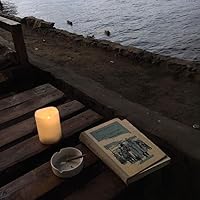
June 29, 2023
حقیقتش با نحوهی داستان نویسی پل استر آشنا نبودم و این اولین کتابی بود که ازش خوندم درنتیجه علاوه بر لذتی که از خوندن کتاب بردم خیلی هم گیج شدم!
البته که ریویو های بقیهی دوستان کمک زیادی بهم کرد
و جدای از اینها وسوسه شدم بازم ازاین نویسنده کتاب بخونم و ببینم میتونم انس بیشتری بگیرم یا نه!
امتیاز اصلی: ۳/۵
البته که ریویو های بقیهی دوستان کمک زیادی بهم کرد
و جدای از اینها وسوسه شدم بازم ازاین نویسنده کتاب بخونم و ببینم میتونم انس بیشتری بگیرم یا نه!
امتیاز اصلی: ۳/۵

October 20, 2018
it is the first book i ve read from Paul Aster,the story was well versed..plot twist was well placed nd the authour just kept playin with our minds nd reader could only follow the plot...it kinda got somehoe lost nd pointless in the end..not at all perfect but still tolerable...

October 14, 2021
میگویند روزی ملا نصرالدین در منزلش یک مهمانی ترتیب می.دهد و چون آدم زرنگی بوده در محل ورود مهمانها نوشتهای به دیوار میآویزد با این مضمون : دوستانی که با هدیه و تحفه تشریف فرما شدهاند از درب سمت راست وارد شده و آنان که دست خالی آمدهاند از در سمت چپ وارد شوند چون مهمان مورد نظر ما هم بیچیز بوده طبیعتاً از درب چپ وارد شده و پس از طی مسیری کوتاه خودش را درون کوچه مییابد!
من هم تقریباً شبیه این مهمان محترم بعد از طی مسیری و سفری در اتاق تحریر دوباره به نقطه اول برگشتم!
ویژگی داستانهای استر در کتابهایش معمولاً سبک معماواری است که دارد و حس کنجکاوی مخاطب را برمیانگیزد در این شرایط و بالاخص در داستان ما لزوم دوبارهخوانی کتاب برای درک بهتر جزئیات، بیشتر احساس میشود.
سفری در اتاق تحریر در واقع گذری بر شخصیت خود استر و یک نوع داستان در داستان است. جهان داستانهای پل استر جهانی متشکل است اسامی و تا حدودی شخصیتها در کتابهایش تکرار میشوند یا به بیان دیگر طیف به هم پیوستهای را تشکیل میدهند.
پیتر استیلمن، فنشاو، سوفی و چند شخصیت دیگر، اگر اشتباه نکنم در سهگانه نیویورک هم حضور داشتند. قالب و نحوه بیان و ارایه، بر محتوای کتابهای استر برتری دارد و ما در هر رمان منتظر شکل جدیدی از ارایه موضوع ها و به شیوهای متفاوت هستیم آنچنانکه به جذابیت کار هم میافزاید.
در نهایت بد نیست به ترجمه خوب مهسا ملک مرزبان اشاره کنیم که در مجموع محصول کارش روان و یکدست از آب درآمده است.
من هم تقریباً شبیه این مهمان محترم بعد از طی مسیری و سفری در اتاق تحریر دوباره به نقطه اول برگشتم!
ویژگی داستانهای استر در کتابهایش معمولاً سبک معماواری است که دارد و حس کنجکاوی مخاطب را برمیانگیزد در این شرایط و بالاخص در داستان ما لزوم دوبارهخوانی کتاب برای درک بهتر جزئیات، بیشتر احساس میشود.
سفری در اتاق تحریر در واقع گذری بر شخصیت خود استر و یک نوع داستان در داستان است. جهان داستانهای پل استر جهانی متشکل است اسامی و تا حدودی شخصیتها در کتابهایش تکرار میشوند یا به بیان دیگر طیف به هم پیوستهای را تشکیل میدهند.
پیتر استیلمن، فنشاو، سوفی و چند شخصیت دیگر، اگر اشتباه نکنم در سهگانه نیویورک هم حضور داشتند. قالب و نحوه بیان و ارایه، بر محتوای کتابهای استر برتری دارد و ما در هر رمان منتظر شکل جدیدی از ارایه موضوع ها و به شیوهای متفاوت هستیم آنچنانکه به جذابیت کار هم میافزاید.
در نهایت بد نیست به ترجمه خوب مهسا ملک مرزبان اشاره کنیم که در مجموع محصول کارش روان و یکدست از آب درآمده است.

August 31, 2016
Auster loves writing about men who lose their memory. I think this is the third book of his with that basic premise, and he's such a great writer that every single one of them is wonderful. One of the things I liked so much about this book, besides Auster's writing and storytelling, was that there were points throughout the story where it became possible that this book was taking place in the same world as his apocalyptic novel In the Country of Last Things. It may or may not be related, but one of the things I like so much about Auster's worlds is that there is so much left unexplained that possibilities abound everywhere.

November 16, 2017
لا تقرأ هذه الرواية الا بعد قراءة اكثر من كتاب لأوستر لسبب بسيط وهو ان ابطال الروايات السابقة للكاتب اجتمعت في هذه الرواية. وهذا سبب أغلب التقييمات المنخفضة له, بكل بساطة الكثير من القراء فاتهم المغزى الاساسي للرواية.
أبطال الروايات السابقة والتي نسجها أوستر حبسته في غرفة ضيقة وقيدت روحه وجسده كما يفعل الكاتب عندما يشكل ويبني عالم الشخصيات ويحدد مصيرها وهويتها. هنا انقلب السحر على الساحر بحيث ذاق الكاتب من نفس الكأس المره التي لطالما سقاها للكثير من الضحايا في رواياته السابقة.
اكثر من مجرد رواية بسيطة.
أبطال الروايات السابقة والتي نسجها أوستر حبسته في غرفة ضيقة وقيدت روحه وجسده كما يفعل الكاتب عندما يشكل ويبني عالم الشخصيات ويحدد مصيرها وهويتها. هنا انقلب السحر على الساحر بحيث ذاق الكاتب من نفس الكأس المره التي لطالما سقاها للكثير من الضحايا في رواياته السابقة.
اكثر من مجرد رواية بسيطة.

November 10, 2023
«سفر در اتاق تحریر» ماجرای یک روز از زندگی مردی (بلنک) است که در اتاقی محبوس شده و زیر نظر قرار دارد و با اینکه چیزی از گذشتهاش و دلیل زندانی شدناش نمیداند با خواندن اوراقی که در اتاقش وجود دارد میکوشد گذشتهاش را به یاد بیاورد...

October 2, 2017
هكذا يضع الراوي القارئ وجهًا لوجهٍ أمام تلك الشخصية الاستثنائية، وبتلك الأحداث الغريبة التي ستتشكل له شيئًا فشيئًا، وكأنه إزاء شخصيةٍ روائية يجري خلقها بين يديه، شخصية لم يكن من العبث تسميتها «بلانك»، والتي تعني «فارغا»، ثم يتم تعريف بعض الشخصيات والأحداث من حوله، لنستكشف أن وراء تلك الشخصية تكمن الرواية وتختبئ الحكايات.
تحضر الشخصيات واحدة تلو الأخرى، وفيما القارئ منهمك في التعرف عليها، إذ ترد إشارات بين الحين والآخر لكون ذلك العجوز على علاقة بهذه الشخصيات، كل واحدٍ منهم يروي طرفًا من الحكاية، ليبدو أنهم على علاقةٍ من نوع خاص به، وهي علاقة تمتد في الزمان والمكان، كما سنكتشف مع شخصيات «آنا بلوم»، و«صوفي»، و«سيغموند جراف»، والمحامي الخاص به، وغيرها، ولدى كل شخصيةٍ منهم أطراف من حكاية ما.
لا يصرّح «أوستر» في أي من صفحات روايته بهويّة «السيد بلانك»، ولا يشير إلى كونه ذلك الكاتب/الروائي بالأساس، حتى وإن بدا أن بعض الشخصيات التي تمر عليه شخصياتٌ روائية بامتياز، (بل إن بعضها هي شخصيات لروايات أخرى لبول أوستر)، ولكنه يفضّل أن يترك للقارئ مساحة التأويل، وهو يتحدث عن الكاتب الإنسان في هذا العالم الذي يواجه بالكثير من التحديات والصعوبات ويظل متهمًا على الدوام!
أنا إنسانٌ ولست ملاكًا، وإذا كان الأسى الذي استولى عليَّ قد شوّش رؤيتي، وأدى إلى بعض السقطات، فإن هذا لا يجدر به أن يُلقي أيّ شكٍ على صدق حكايتي، قبل أن يحاول أحدٌ أن يجردني من الصدقيّة من خلال الإشارة إلى تلك العلامات السود في سجلّي، فإنني سوف أعترف بذنبي، وبكل انفتاح العالم، هذه أزمنةٌ خؤونة وأعرف مدى سهولة تشويه الحقائق بكلمةٍ واحدة تُهمس للأذن الخطأ.
اطعن في شخصية رجلٍ، وكل شيء يفعل، هذا الرجل يبدو خفيًا مشكوكًا به، مزيفًا، وله دوافع مزودجة في حالتي فإن العيوب المطروحة نبعت من الألم لا الحقد، من الارتباك لا المكر!
هكذا يبدو «أوستر» على الدوام مهتمًا بالمتلقي، بالقارئ القادر على صنع العالم والتعرّف على شخصيات روايته بعد قراءةٍ واعية، بل هو يراهن على بقاء القصص والحكايات رغم كل مغريات العالم الافتراضي الذي نعيش فيه، يقول في أحد حواراته:
أؤمن بأن القصص المكتوبة ستواصل النهوض والمقاومة، لأنها تُجيب على كل ما يحتاجه العقل البشري. من جانبي أعتقد أن الأفلام قد تختفي قبل الرواية، لأن الرواية هي المكان الوحيد الذي يجمع بين غريبين بمحض الصدفة، بحيث إن القارئ والكاتب هما من يصنع الرواية سويةً، لأنك كقارئ ستقتحم الوعي الباطن لشخص آخر ستعوم في أغوار دواخله وستقوم باكتشاف أشياء قد تكون وجدت داخلك أنت، وهذا بدوره سيمدك بالحياة أكثر.
تنتهي سطور رواية «رحلات في حجرة الكتابة» التي يفاجئ القارئ بأنه ليس فيها ثمّة رحلات بالمعنى الذي يعرفه، بل لا حتى حجرة الكتابة التي اعتادها، ولكنها رواية خاصة على طريقة «بول أوستر» تجعل القارئ يشعر بالدوران بين شخصياتها، وهو الدوران الذي يجعله يستعيد قراءتها مرة أخرى، بل ربما التعرف على عالم ذلك الروائي الثري من جديد من خلال رواياته الأخرى.
تجدر الإشارة في النهاية إلى أن ترجمة «سامر أبو هواش» جاءت شديدة الدقة والتميّز، إذ استطاع أن يعبّر عن النص الإنجليزي بلغةٍ عربية رائقة ومتقنة، وربما يعود لكونه شاعرا بالأساس، نقل الكثير من نصوص الأدب الأمريكي إلى العربية، فقد سبق أن ترجم أعمال «تشارلز بوكوفسكي» و«مارلين روبنسون» وغيرهما، وقدّم مؤخرًا للمكتبة العربية عددًا من أعمال «بول أوستر»، كان آخرها تلك الرواية التي بين أيدينا
...........
في إضاءات
https://www.ida2at.com/travels-in-the...
تحضر الشخصيات واحدة تلو الأخرى، وفيما القارئ منهمك في التعرف عليها، إذ ترد إشارات بين الحين والآخر لكون ذلك العجوز على علاقة بهذه الشخصيات، كل واحدٍ منهم يروي طرفًا من الحكاية، ليبدو أنهم على علاقةٍ من نوع خاص به، وهي علاقة تمتد في الزمان والمكان، كما سنكتشف مع شخصيات «آنا بلوم»، و«صوفي»، و«سيغموند جراف»، والمحامي الخاص به، وغيرها، ولدى كل شخصيةٍ منهم أطراف من حكاية ما.
لا يصرّح «أوستر» في أي من صفحات روايته بهويّة «السيد بلانك»، ولا يشير إلى كونه ذلك الكاتب/الروائي بالأساس، حتى وإن بدا أن بعض الشخصيات التي تمر عليه شخصياتٌ روائية بامتياز، (بل إن بعضها هي شخصيات لروايات أخرى لبول أوستر)، ولكنه يفضّل أن يترك للقارئ مساحة التأويل، وهو يتحدث عن الكاتب الإنسان في هذا العالم الذي يواجه بالكثير من التحديات والصعوبات ويظل متهمًا على الدوام!
أنا إنسانٌ ولست ملاكًا، وإذا كان الأسى الذي استولى عليَّ قد شوّش رؤيتي، وأدى إلى بعض السقطات، فإن هذا لا يجدر به أن يُلقي أيّ شكٍ على صدق حكايتي، قبل أن يحاول أحدٌ أن يجردني من الصدقيّة من خلال الإشارة إلى تلك العلامات السود في سجلّي، فإنني سوف أعترف بذنبي، وبكل انفتاح العالم، هذه أزمنةٌ خؤونة وأعرف مدى سهولة تشويه الحقائق بكلمةٍ واحدة تُهمس للأذن الخطأ.
اطعن في شخصية رجلٍ، وكل شيء يفعل، هذا الرجل يبدو خفيًا مشكوكًا به، مزيفًا، وله دوافع مزودجة في حالتي فإن العيوب المطروحة نبعت من الألم لا الحقد، من الارتباك لا المكر!
هكذا يبدو «أوستر» على الدوام مهتمًا بالمتلقي، بالقارئ القادر على صنع العالم والتعرّف على شخصيات روايته بعد قراءةٍ واعية، بل هو يراهن على بقاء القصص والحكايات رغم كل مغريات العالم الافتراضي الذي نعيش فيه، يقول في أحد حواراته:
أؤمن بأن القصص المكتوبة ستواصل النهوض والمقاومة، لأنها تُجيب على كل ما يحتاجه العقل البشري. من جانبي أعتقد أن الأفلام قد تختفي قبل الرواية، لأن الرواية هي المكان الوحيد الذي يجمع بين غريبين بمحض الصدفة، بحيث إن القارئ والكاتب هما من يصنع الرواية سويةً، لأنك كقارئ ستقتحم الوعي الباطن لشخص آخر ستعوم في أغوار دواخله وستقوم باكتشاف أشياء قد تكون وجدت داخلك أنت، وهذا بدوره سيمدك بالحياة أكثر.
تنتهي سطور رواية «رحلات في حجرة الكتابة» التي يفاجئ القارئ بأنه ليس فيها ثمّة رحلات بالمعنى الذي يعرفه، بل لا حتى حجرة الكتابة التي اعتادها، ولكنها رواية خاصة على طريقة «بول أوستر» تجعل القارئ يشعر بالدوران بين شخصياتها، وهو الدوران الذي يجعله يستعيد قراءتها مرة أخرى، بل ربما التعرف على عالم ذلك الروائي الثري من جديد من خلال رواياته الأخرى.
تجدر الإشارة في النهاية إلى أن ترجمة «سامر أبو هواش» جاءت شديدة الدقة والتميّز، إذ استطاع أن يعبّر عن النص الإنجليزي بلغةٍ عربية رائقة ومتقنة، وربما يعود لكونه شاعرا بالأساس، نقل الكثير من نصوص الأدب الأمريكي إلى العربية، فقد سبق أن ترجم أعمال «تشارلز بوكوفسكي» و«مارلين روبنسون» وغيرهما، وقدّم مؤخرًا للمكتبة العربية عددًا من أعمال «بول أوستر»، كان آخرها تلك الرواية التي بين أيدينا
...........
في إضاءات
https://www.ida2at.com/travels-in-the...

July 16, 2009
I have to say this was the worst Paul Auster book I've read, and I've read most of his works. If you must read Travels in the Scriptorium, it is best that you keep your expectations in check. That way you won't be bitterly disappointed. From the very first words I thought this story was going nowhere. I was correct. When I had finished it it had gone nowhere. It was a tedious read. And a bore. At least though, the second half was a little better than the first, but overall I thought it was a lame story and poorly written, not the work of Paul Auster at his best. If you're thinking of reading this book I suggest you borrow it from your local library and save your money for something decent. I have generously given this two stars, but I was tempted to give it one.

February 7, 2011
بعد از کشور آخرینهای پل استر مدتها بود که هیچ کتابی منو شگفت زده نکرده بود اما باز هم پل استر در کتابی دیگر منو کاملا به وجد آورد. این کتاب با ایدهی جالبی که داره و توصیفات دقیقی که ارائه میده با ذهن خواننده به راحتی و با ظرافت بازی میکنه و در نهایت درست وقتی که ذهن آرام گرفته اونو به هیجان مییاره... توصیه میکنم اول کتاب "کشور آخرینها" رو بخونید از پل استر بعد بیایید سراغ سفر در اتاق تحریر ( همونطور که دوستی به من این توصیهی ارزشمند رو کرد)
اما به این کتاب 5 ستارهی کامل رو ندادم چون انتهای ِبسیار مبهمی داشت... شاید اگر دوباره این کتاب رو بخونم 5 ستاره بهش خواهم داد ...
اما به این کتاب 5 ستارهی کامل رو ندادم چون انتهای ِبسیار مبهمی داشت... شاید اگر دوباره این کتاب رو بخونم 5 ستاره بهش خواهم داد ...

February 14, 2014
نیوتن معتقد بود هر آنچه که نوشته شده است محقق میشود.
با نوشتن میتوان دنیاهای منحصر بفردی را خلق نمود. دنیاهایی که قوانین مورد نظر خالق آن (نویسنده) در آن حاکم است و شخصیتهای داستانی در آن دنیاهای خلق شده اگر نویسنده بخواهد میتوانند تا ابد به زندگی ادامه دهند و من هیچ دلیلی نمیبینم همه این دنیاهای فعلی و دنیاهای بعدی نوشته نشده باشند حتی دنیای خودمان.
با نوشتن میتوان دنیاهای منحصر بفردی را خلق نمود. دنیاهایی که قوانین مورد نظر خالق آن (نویسنده) در آن حاکم است و شخصیتهای داستانی در آن دنیاهای خلق شده اگر نویسنده بخواهد میتوانند تا ابد به زندگی ادامه دهند و من هیچ دلیلی نمیبینم همه این دنیاهای فعلی و دنیاهای بعدی نوشته نشده باشند حتی دنیای خودمان.
Displaying 1 - 30 of 1,229 reviews