Jump to ratings and reviews
Rate this book

Skylark

Rate this book
It is 1900, give or take a few years. The Vajkays—call them Mother and Father—live in Sárszeg, a dead-end burg in the provincial heart of the Austro-Hungarian Empire. Father retired some years ago to devote his days to genealogical research and quaint questions of heraldry. Mother keeps house. Both are utterly enthralled with their daughter, Skylark. Unintelligent, unimaginative, unattractive, and unmarried, Skylark cooks and sews for her parents and anchors the unremitting tedium of their lives.

Now Skylark is going away, for one week only, it’s true, but a week that yawns endlessly for her parents. What will they do? Before they know it, they are eating at restaurants, reconnecting with old friends, and attending the theater. But this is just a prelude to Father’s night out at the Panther Club, about which the less said the better. Drunk, in the light of dawn Father surprises himself and Mother with his true, buried, unspeakable feelings about Skylark.

Then, Skylark is back. Is there a world beyond the daily grind and life's creeping disappointments? Kosztolányi’s crystalline prose, perfect comic timing, and profound human sympathy conjure up a tantalizing beauty that lies on the far side of the irredeemably ordinary. To that extent, Skylark is nothing less than a magical novel.

222 pages, Paperback

First published January 1, 1924

95 people are currently reading
5879 people want to read

About the author

Dezső Kosztolányi

160 books202 followers
Dezső Kosztolányi was a famous Hungarian poet and prose-writer.

Kosztolányi was born in Szabadka (Subotica) in 1885, then part of the Austro-Hungarian Empire, but which now lies in northern Serbia. The city serves as a model for the fictional town of Sárszeg, in which he set his novel Skylark as well as The Golden Kite. Kosztolányi studied at the University of Budapest, where he met the poets Mihály Babits and Gyula Juhász, and then for a short time in Vienna before quitting and becoming a journalist--a profession he stayed with for the rest of his life. In 1908, he replaces the poet Endre Ady, who had left for Paris, as a reporter for a Budapest daily. In 1910, his first volume of poems The Complaints of a Poor Little Child brought nationwide success and marked the beginning of a prolific period in which he published a book nearly every year. In 1936, he died from cancer of the palate.
The literary journal Nyugat (Hungarian for "West"), which played an invaluable role in the revitalization of Hungarian literature, was founded in 1908 and Kosztolányi was an early contributor, part of what is often called the "first Nyugat generation", publishing mainly in poetry.

Starting in the 1920s he wrote novels, short stories, and short prose works, including Nero, the Bloody Poet (to the German edition of which Thomas Mann wrote the introduction), Skylark, The Golden Kite and Anna Édes. In 1924 he published a volume of verse harkening back to his early work, entitled The Complaints of the Sad Man.

Kosztolányi also produced literary translations in Hungarian, such as (from English, at least) Shakespeare's "Romeo and Juliet", "The Winter's Tale", Lewis Carroll's "Alice in Wonderland", Thornton Wilder's "The Bridge of San Luis Rey", Lord Alfred Douglas' memoirs on Oscar Wilde and Rudyard Kipling's "If—". He was the first authentic translator of Rilke's poetry, and he worked a Hungarian masterpiece after Paul Valéry's "Cimetiere Marin".

Ratings & Reviews

What do you think?
Rate this book

Friends & Following

Create a free account to discover what your friends think of this book!

Community Reviews

5 stars
872 (25%)
4 stars
1,456 (43%)
3 stars
801 (23%)
2 stars
194 (5%)
1 star
54 (1%)
Displaying 1 - 30 of 394 reviews
Profile Image for Jim Fonseca.
1,163 reviews8,486 followers
June 1, 2023
If I were to identify a single theme this novel is about, I’d say it is about the uneven burden of suffering. We are all aware that life is structured such that some people have tremendous wealth while others survive in desperate poverty. We don't think as often about the unequal burdens of physical and psychological suffering. (Sometimes related to the inequities of wealth.) Some people lead a charmed life. Some go through life without too many tremendous burdens and tragedies. Some others suffer all their lives. This story is about a person in the last group.

description

This story was written in 1925 but it's set in Hungary in 1899, so we have candles, fear of highwaymen if you travel, duels and dowries. A family of three – mother, father, adult daughter - live in small city in what is now Serbia, although the father reads the Budapest newspaper. We’re told the father is 59 but looks 65.

The father, his wife and daughter form a threesome, really an isolated world unto themselves. We're told the daughter (Skylark) is ‘ugly;’ she has large teeth and we’re almost given the impression that her face and perhaps her body are misshapen. She's uncomfortable going out so they are basically housebound. Yet they seem, if not happy, contented. The daughter runs the household doing most of the cooking and cleaning. The threesome forms a dictionary definition of what it means ‘to be in a rut.’

They essentially have no visitors. There may have been one or two young men they entertained at home years ago but nothing came of it. But they still keep money set aside for their daughter’s dowry in the unlikely event…

The story begins when, for the first time, (even though she's probably in her late 20s or so), the daughter is invited to go off by herself. She will take a train to visit distant relatives for a week.

During that one week the life of the stay-at-home parents totally changes. They go out to eat and end up socializing every night with various groups of people. They had forgotten there was life in the world outside their living room. The father gets drawn into a group of men, former acquaintances, who meet nightly to play cards and drink.

One night the husband gets staggeringly drunk. He comes home and says things to his wife that have never been said before. Pretty shocking. But true?

Meanwhile the daughter writes back that she is having a good time visiting the relatives.

The author structures the novel so that the first third is on a level keel – dull and flat. The second third is that week of elation. At the top of the roller coaster, the author drops us flat on our faces from a third-floor window.

Here’s a passage about the father’s reading that I found interesting. The father does nobility/genealogy research. People write to him with questions about ancestry. He has an extensive library on these topics. “He didn't consider novels and plays as things to be taken ‘seriously.’ He wouldn't even look at a work on which imagination had left its magic mark. In his younger days he had attempted one or two, but had soon wearied of them. Whenever books were discussed in company, he'd always remark that he only read ‘as much as the exigencies of his vocation would allow.’ As the ‘exigencies of his vocation’ allowed very little, he read nothing at all.”

description

The author (1885-1936) wrote about 20 or so novels in Hungarian, although only a few appear to be available in English translation. After Skylark, his best-known work in English is Anna Edes about a peasant maid to a wealthy family. The edition I read is part of the great New York Review Book series of translated classics. (And I think this novel qualifies as a Hungarian classic.)

[Edited 5/19/23]

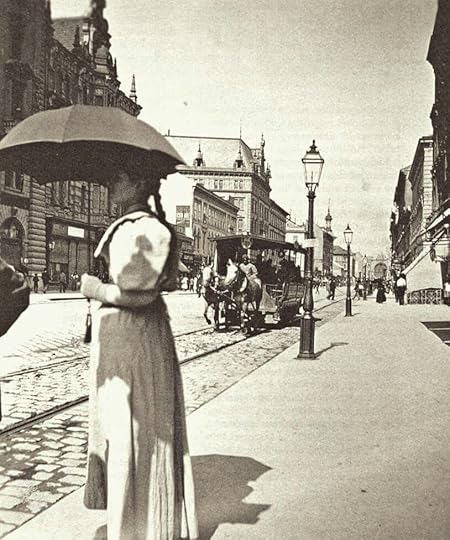
Top photo of Budapest in the 1890s from pinterest.com
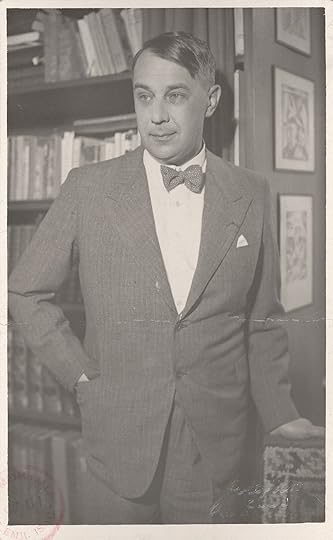
The author from Wikipedia
Profile Image for David.
161 reviews1,747 followers
September 8, 2011
Wow. The last fifty pages or so of Skylark are pretty damn brutal. You know how there are a whole bunch of really ugly truths about life that we generally just brush off or lie to ourselves about? This book confronts some of them head-on. And the honesty is actually a little harrowing at times. Here's my own real-life point-of-comparison: when I was a teenager and worked at a movie theater this one guy used to come in a lot (always alone) to see movies. Not so unusual, right? Well, the reason I still remember him twenty years later is that he had severe burns all over his face. Without too much exaggeration of metaphor, he resembled a melted-down pink candle. Now, the duties of polite society—as I interpreted them—are not only that I try not to seem shocked or fascinated by his deformity, but also that I automatically regard him as 'brave' or 'normal' or any number of adjectives that are expressly positive—or, at the very least, neutral. What propriety and compassion tacitly forbid me to think or to say is that he's ugly or revolting, that he'll probably have a lonely life, that he'll be stared at everywhere he goes, that many of his relationships with other people will be corrupted by pity. And in most everyday instances, I think kindness is a good tradeoff for honesty. And yet... these ugly truths can't be completely ignored or erased. They linger, just at the periphery, coloring our understanding of the world we live in. We may not articulate them in words precisely, but they're always there, haunting our perceptions and emotions. And that's exactly what Dezső Kosztolányi's Skylark is about. It centers on an aging couple living with their unattractive spinster daughter (nicknamed Skylark) in a provincial city in Hungary in 1899. The family is a case study in codependence. The parents dote on and shelter their unfortunate daughter from the cruelties of the world, and in recompense Skylark does everything—cooks, sews, cleans, etc.—for her parents. All of a sudden, Skylark decides to go away for a week to stay with relatives, and this separation results in some honest but harsh realizations in all three of them about their precarious relationship. Mostly (believe it or not) the book is comic, in a very wry sort of way, but at the same time it aggressively flirts with tragedy—until the end, when it finally seals the deal. A tough pill. Go ahead and swallow it, why don't ya?
Profile Image for Steven Godin.
2,782 reviews3,373 followers
February 7, 2020
Normally it's the offspring that can't wait for the parents to go away, but in the case of this it's the other way around. Kosztolanyi's 1924 Hungarian novel plumbs the psyches of a husband and wife burdened with a stifling and overbearing homely daughter, who, according to just about everyone, isn't exactly the prettiest flower in the garden, and she's not that bright either. I like to think she carries an inner beauty. Well, someone's got to. After Ákos Vajkay and his wife eagerly dump Skylark on a train to visit relatives, they are practically drooling like dogs sniffing out a meatbone, to revitalize their lives and rekindle their past glory in Sárszeg, their backwater town.

During their daughterless week, they roll back the years. It's like they have been swimming in the fountain of youth, with their health and happiness back in full swing, indulging in their passions from the past, like getting wildly drunk for example. Until the return of Skylark creeps up on them. As an only child they realise, looking the way she does, there isn't much hope of her ever moving out or getting married, so why not make the most of the free time.

As the week moves forward, Skylark's parents become like children themselves, and find that during this time the living that they have come to accept as normal, is all rather bland.
It is Hungary late in the 19th century, and yet the turbulence of dark historical events at the time doesn't even come into it. Kosztolanyi goes with a particular microcosm in his portrait of characters and the circles they move around in. The language was full of energy and really funny at times, but I felt there was darker side lurking underneath the story.
Not showing it's age at all, Kosztolanyi has written a deftly executed work, and one I did like, however, I can't say it's anything memorable, because for me it wasn't. It's one of those novels for me that wasn't bad, wasn't great, but is sitting pretty right in the middle.
Profile Image for Tony.
1,030 reviews1,912 followers
February 10, 2017
Disappointment is a long word that means a small thing. The character is not SHOCKED, not DEVASTATED. No, he is just...oh...disappointed. Like a Christmas wish not rendered, a fraction of a lower school grade, the wrong team (again) wins the Super Bowl. But when it is someone's life, someone's very existence that disappoints, then that small thing crushes.

The set-up of Skylark is fairly well smathered in the book description and elsewhere that I won't be plot-spoiling to tell you that the eponymous character is an un-handsome daughter. We never learn her real name, just that nickname - Skylark - which her parents gave her when her voice sounded sweet. She is 35 the week this story is told and all attempts at a marriage have failed. She goes to visit other family for a week and her parents are left alone. They dine out, see friends. Father has some cigars, plays cards, drinks again. And, in a vino veritas moment, he lets it out, finally: she's ugly.

We see little of Skylark herself in this book. Instead we see her through the disappointment that her parents thought was hidden.

But it wasn't hidden. Skylark returns, dressed in black oilskin against the rain, carrying a pigeon in a cage. A pigeon in a cage.

The ending of this book was subtle, yet shook me. It made me think of the universality of the story, how parents may want their children to be one thing when they are instead another. A small thing, a disappointment; unless you are the pigeon in the cage.
Profile Image for Sarah.
Author 11 books370 followers
July 23, 2013
To be completely superficial let me start by saying that for a book concerning ugliness, this has a beautiful cover. The colors are gorgeous and fine -dark ochre and robin's egg blue- and the sans serif type and Hungarian accents top it off like fragile bones.

But looks aren't everything. I was also bowled over by the story, which is both heartbreaking and very funny. It's set in a distinctive time and place, but what's portrayed is accessible to anyone.

Before going into it, it’s important to know that this book has a lot of laughs. I laughed out loud at the theater scene. I laughed at how the writer poked fun at the characters’ sentimentality. I laughed at the drunken “ride” in the chair, at the father’s confrontation with a man he’d hoped would wed his daughter, the funny title headings, and at many exchanges between the couple. It’s the humorous touch and the irony that makes it surprising how sad this book is.

The story is about a couple and their 35-year old unmarried daughter, Skylark, who is their life's focus and its albatross. Because Skylark suffers, they suffer. Because Skylark has no way to escape her sad, uneventful life, they resolve to a sad and uneventful life, cutting themselves off from the community and friends and everything else that brings sensual or intellectual pleasure - the theater, good food, cigars, music.

This self-imposed deprivation is painful for the characters, but tedium in its sameness is a great soother, and the alternative would throw Skylark's situation into stark relief. That's what happens when she goes away for a week to visit relatives, leaving her parents alone. They loosen up, and the thought of Skylark loses its grip, until they are confronted with her return.

Skylark seems an average, able person; unfortunately she lacks any gifts, talent or any particular characteristic that would make her attractive, or enrich her inner life, like a keen mind or a love of music, say, or poetry. Significantly the father’s only pastime is studying genealogy, as his own family tree is about to stop branching.

Skylark’s ugliness comes across almost as a disability, as when we first encounter her in the garden in the posture that is “best” for her, or when she walks flanked by her parents. Although she never really seeks to manipulate anyone, Skylark’s presence is oppressive. The family doesn’t eat in restaurants because she has a sensitive stomach. Her frugality means they use only one bulb in a four-bulb chandelier. Her parents love her dotingly in an effort to ease her loneliness, and they hate her because they are powerless to change it.
Profile Image for Paul Bryant.
2,408 reviews12.6k followers
February 14, 2012
Well, some things remain truths universally acknowledged. Certainly this has been and still is held to be true here in Nottingham, England :

He had much to report... who had been drinking wine, or champagne, or schnapps, and how much of each had been consumed by whom; and finally who had been sick and how many times. For in Sarszeg this served as the surest measure of a good time. Those who were sick twice had had a better time than those who were only sick once. Yesterday some had even been sick three times. These enjoyed an exceptionally good night.

So anyway, a short, bleak, bitter novel if that is your poison. I think we may agree that Samuel Beckett is the gold standard of bleakness, so 7.5 on the Beckett scale. As a comparison some of Jacques Brel's songs score 7.2, one by Leonard Cohen scores 8.9 and the novels of Michel Houellebecq regularly score 9.5. And the Winter Light trilogy by Ingmar Bergman scores a perfect 10. There should be a bleakness rating on the back of books I think.

Profile Image for Ratko.
363 reviews96 followers
August 8, 2024
Сјајно!

Узбудљив приказ фиктивне, забачене угарске варошице (вероватно пишчеве родне Суботице) на почетку ХХ века и разобличавање све њене ускогрудости, малограђанштине и учмалости.

Јунакиња из наслова је тридесетпетогодишња "уседелица" која још увек живи са презаштићујућим родитељима. Када на недељу дана оде до ујака на одмор, почеће другачији, бојажљиво ослобођенији живот њених родитеља и то ће бити покретач свих догађаја до краја романа.

На моменте (урнебесно) духовито и сатирично, на моменте горко и са присеном предстојеће катастрофе, Костолањи нас практично увлачи у свет Сарсега и држи нас до самог краја (који оставља грчевит осмејак на лицу).

С обзиром на податак да је Данило Киш наводио Костолањија као једног од њему драгих писаца, нема потребе да наглашавам да ћу му се још посветити.
Profile Image for Daisy.
283 reviews100 followers
July 29, 2022
The only thing worse than being an ugly woman is to be the parents of an ugly woman. This is the assumption of this Hungarian novel from the early 1920’s. Poor Skylark (a misnomer if ever there was one being that she waddles like a duck and lacks any musical ability) goes away for a week to stay with relatives and in her absence her parents realise how small they have allowed their world to become on account of the shame they feel at having an old (35), ugly, unmarried daughter living with them. They are ashamed to be seen out with her so the family shun the outside world and they all pretend they are happy with the life they are leading.

The book was delightfully written but I found the premise too fantastical. I have seen couples where the adage love is blind has been made flesh, others where I think for one of them to be blind would be a blessing and so to believe that anyone is as ugly as her parents think she is, is impossible (unless you go along with the opinion that today people have lower standards). Her parents should have encouraged her to self-affirm in the mirror, listen to Christina Aguilera on repeat and join some clubs or failing that give her the same advice my friend’s mother ‘supportively’ gave her, “You’ll just have to develop a personality”.
Profile Image for Alan.
718 reviews288 followers
January 2, 2025
Bubbling just under the surface of consciousness, the pain of unrealized ambition through no fault of your own. The pain is taboo and would be universally shunned upon discussion. You keep it locked away, even from yourself. The consequences of this pain only become apparent when it subsides for a week.

This is a complex book and so delicate with each and every single one of its characters. One of those situations that you cannot look away from, despite how much it hurts you.
Profile Image for Dagio_maya .
1,107 reviews350 followers
September 11, 2017
♫ ♬ ♪ ….o violino tzigano..... ♫ ♬ ♪

Dopo essermi fatta stuzzicare dalla recensione scritta da un amico, ho inserito questo libro nella già smisurata WL- dove è rimasto a stazionare per qualche mese- finché ho avuto la fortuna di ritrovarmelo davanti rovistando in una bancarella.
Doppia fortuna, tra l'altro, dato che mi sono imbattuta in una bella offerta di Sellerio alla modica cifra di €3,00 ed ho potuto trovare altri libri che desideravo e che il libraio in questione considerava “scarti di magazzino” (!!)

Dezsö Kosztolányi: chi è questo sconosciuto autore che non posso pronunciare se non storpiandone il nome (Cozzolani!!) ???

Copio ed incollo da Wilkipedia (quanti lo fanno e non lo dicono, eh?):

“poeta, scrittore, giornalista e traduttore ungherese, conosciuto in Italia per il romanzo “Le mirabolanti avventure di Kornél” “.
Aggiungo che fu traduttore, soprattutto di Pirandello che ammirava ed imitava nelle tematiche come, tra l'altro, si evince dalla lettura di questo romanzo).
Molto stimato e caldeggiato, inoltre, da quel Sándor Márai,collega e compatriota, ben più celebre.

Pubblicato nel 1923, “Allodola” è un affresco di quella provincia ungherese di fine secolo dove la piccola borghesia si ubriaca e sazia con alcool e pettegolezzi.
Protagonista principale è una famigliola di tre persone: “i due vecchi” e la loro unica figliola per cui essi vivono e si consumano, Allodola per l'appunto.
A 35 anni suonati, con un soprannome affibbiatole da bambina (il vero nome viene citato una sola volta e non lo ricordo neppure), dirige non solo la casa ma la vita stessa dei genitori in un gioco tragicomico di ruoli invertiti.
L'avvio della storia è quello della preparazione dei bagagli di Allodola che sta per andare una settimana in campagna da alcuni parenti.
Sette giorni: questo è l'arco temporale del racconto in cui si assiste, dapprima, alla disperazione dei due vecchi che sembrano spegnersi di fronte al vuoto lasciato dall'assenza di quel morboso rapporto; poi, un crescendo di atti liberatori li porteranno a fare quelle cose che la figlia tanto disapprovava, come ad esempio ingozzarsi al ristorante o prendersi un palco a teatro...
Cose per altri normali e che loro vivono come due adolescenti fuori da ogni controllo.
Ákos – il padre- suggellerà la trasgressione con una serata alcolica memorabile.
E Allodola?
Anche per lei sette giorni sono stati importanti: finalmente fuori dal nido si mette a confronto con gli altri e il bilancio non può che svantaggiarla.
Sette giorni sono sufficienti perchè ogni componente della zuccherosa famigliola si renda conto dei propri fallimenti. La presa di coscienza, tuttavia, è qualcosa che rimane soffocato nel proprio Io. Si piange la notte, nascosti nel proprio letto e ci si prepara al nuovo giorno indossando nuovamente la maschera.
Pirandelliano magiaro.
Consigliato.

“Non era successo niente, ancora una volta non era successo niente. Aveva soltanto mentito, sorriso, era stata carina con tutti ma in quella settimana lontano dai genitori aveva attraversato una trasformazione della quale soltanto adesso si rendeva conto”

https://www.youtube.com/watch?v=C6iw-...
Profile Image for Carlos.
170 reviews110 followers
February 28, 2021
Once upon a time in the provincial town of Szarszeg lived a family of three. Ákos Vajkay, the father, at 59 was a retired county archivist; Antonia, the mother, referred only once by her name, was a devoted housekeeper; and finally, Skylark, the daughter, at 35 still living with her parents. That is the framework in which Dezső Kosztolányi (1885-1936) builds his story, about family relations and dependency, at the turn of the century. The novel became a classic of Hungarian literature.

The opening line of Tolstoy’s Anna Karenina comes to mind, since the Vajkays are at first glimpse difficult to classify. In the very first chapter we meet both mother and father busy packing and having trouble getting everything in a worn brown leather suitcase. Suddenly, they realize they have forgotten the toothbrush, and mother runs frenetically to the daughter’s room to fetch it. While all this is taking place, Skylark is sitting quietly in the veranda, oblivious of the world around her.

In the Introduction of the wonderful NYRB edition, Péter Esterházy tells us a little bit about the author and his time, but most importantly, he talks about his writing style. Kosztolányi was a master of the rhyme and apparently, he changed the way the sentence was conceived. In Hungarian, writes Esterházy, “every single sentence is an individual achievement”. This solemn declaration is a poignant reflection on the complexity of language. And thus, an important feature of the writer's modus operandi is the short sentence (that became his most distinctive mark), as opposed to the long riveting and endless chain of words favored by the French. Furthermore, I believe there is a kind of purity that prevails in his narrative, at times closer to the fairytale style, full of innocence and simplicity. Skylark shines as a meditation on humanity, the passage of time, life and its stark and inevitable decline, and finally, on the way we need each other to survive.

“Every unhappy family is unhappy in its own way”, wrote count Tolstoy, and the phrase could very well apply to the Vajkays, since they realize after a long week, how miserable they really are. Skylark's tears, at the very end, symbolize the eternal suffering of human beings:

"And now she was sobbing out loud. But she lay on her stomach and pressed her mouth to the pillow so that her parents shouldn't hear. It was an exercise she had perfected through many years of practice"

__
Profile Image for Ralu.
197 reviews85 followers
October 27, 2021
4.5

Ce fac copiii când pleacă părinții de acasă? În functie de vârsta lor și de perioada de timp indicată, ne putem imagina cu oarecare ușurință cam care le-ar fi activitățile. Dar ce fac părinții când le pleacă copiii de acasă? Mai ales când în discuție sunt copii care uită să-și ia zborul atunci când ar trebui? Dezso asta își propună să facă: să urmărească o săptămână din viața monotonă a soților Vajkay, timp în care copila de 35 de ani (nu, n-am tastat gresit vârsta) pleacă să se relaxeze la niște rude. Si uite așa iau naștere 159 de pagini de proza excelentă. Cu jeluiri felurite, cu trenuri care întârzie, cu piese de teatru de duzină, cu poeți excentrici, cu mâncăruri alese și haine atent croite, toate intr-un orașel de provincie de pe la 1900.

Zău că n-am salivat așa la vreo altă carte citită recent. Să luăm un exemplu ”Oare ce-s tăițeii cu vanilie? N-am mâncat și n-am văzut niciodata așa ceva. Îmi place mult mirosul străin și incitant al vaniliei, trebuie să fie o senzație deosebită să-și gâdile nările și-n același timp să-ți încânte papilele. Dar oare pastele de un gălbui delicat sunt deja presărate cu condimentul negru african sau sunt servite fără? Am apucat să-i văd doar în treacăt numele, preț de o clipă, între găluștele cu brânză, sorbetul de fructe și tortul de alune. De parcă aș fi visat. Dar nu mi-i pot scoate din minte.”

Cartea nu e doar o odă închinată hedonismului pur cum pare să reiasă din descrierea mea, ci e și o dezpachetare atentă a ființei aflate în fața uneia dintre cele mai mari dileme pe care la poate avea-”De ce trăiesc?”- Asta pare să se întrebe, într-un fel sau altul, fiecare membru al familiei luate în vizor și mai ales Cioc��rlia, fata bătrână deja, cea îndelung absentă din narațiunie, dar magistral construită.

Finalul e de-un tragism rar, l-am citit de vreo 5 ori ca să nu pierd nimic din genialitatea retorică și stilistică a autorului. ”O carte aproape magică” indeed.
Profile Image for Declan.
144 reviews2 followers
July 23, 2013
The three main characters in this superb novel - a mother, father and daughter - have, somehow, expunged all joy from their lives and I believe that all the three of them are, in different ways, complicit in their mutual suffocation. To - as they see it - protect Skylark her parents have allowed a series of habits to come into being which they are forced into maintaining and repeating because to change would be to betray their daughter. It appears to suit Skylark to cling to this way of living because there is no risk and no expectation that anything will change (a comfort given that the change she would most like to come about, is very unlikely to occur). I felt for all of them at different stages of the book and by the end I thought that their stunted communications were central to their dilemma. If only one of the three could have said, "We can't go on like this", then perhaps they could have avoided retreating to their old ways where: "A desolate boredom settled over everything. The warm days were over. And that was all".
By the end, however, that dynamic is less clear or solid. It is as if, in their separate beds (and in their separate heads) they each might recognize the truth and say, "We are each a prisoner and we are each a prison guard".

The railway worker Geza Cifra accentuates another level of pathos in the novel; the might-have-been in Skylark's life. After all he had once "danced the second quadrille with Skylark" and she must then - and on their brief promenade together - have let her mind wander to dreams of possible love. To have felt like that, only to be returned to the inescapable reality of her life was, it seems, judged by her parents to have been a horrible act of cruelty. He was the one person who might have created the circumstances that would have brought about her departure from the family home, and what a different life they all would all have led then! The gender issue is an interesting one too, for while Skylark's ugliness is though of as irredeemably burdensome, I imagine that an ugly son would have been sent off to join the army, to cope as well as he might.

I had a slight fondness for all of the main protagonists, even when they were a bit exasperating. I thought the journalist Miklós Ijas (possibly something of a Kosztolanyi self-portrait) was an interesting and likeable character. He had heard Ákos, Skylark's father, speak kindly about his own father and then he began to think about all of those men he had too easily dismissed. A sense of empathy brings him to the realisation of," how profound, how human they all were. How much like him". And - at the risk of being presumptuous - I might say, how much like us all.
Profile Image for elderfoil...the whatever champion.
274 reviews60 followers
January 7, 2012
This is Central/Eastern European literature at its finest. Beyond being a lovely mirror of the inhabitants from a particular time and place, this Skylark, cloaked in a provincial Hapsburg Empire town at the turn of the century, is a multi-layered parable on Ugliness. Upon the story’s surface rests the straightforward beauty, softness, and problems of daily life, but beneath it the wormy soil is crawling and Kosztolanyi asks what is Joy, what is Beauty, what is Life? We see all the usual routes and the play of answering such questions, all our ‘normal’ choices----familial, Dionysian, economic, and religious. But Ugliness carries the day. As a week of commonplace living is delineated, the heavy question of meaning lurks like the skeleton coming through the door in Bosch’s Death of the Miser. Yet it creeps out and shows itself only in small pieces, as if it has a care and concern all its own; it doesn’t want to thrust a dagger in our heart, but caress our hand until the knuckles fall off. Yes, don’t get lost, if you ask me this book is first and foremost about being-unto-death.

The Hungarians---what a people! They smile at odd times, of both friendliness and the absurd. They are toasty and like to hunch over in small rooms to feel the security and warmth of the enclosure. And yet there is a perpetual doom and gloom hidden at the center of their core and being. I attach these unique traits to Hungarians with much admiration. Myself a lover of caves, closets, and snugs, a lover of honest smiles that “mean” something even if it is absurdity at inopportune moments when the vast majority don’t care, don’t understand, or worse. Janos’ character in my all-time favorite film, Werckmeister Harmonies, exemplifies much of this I think……and, in my mind, the entire film could only be Hungarian. Or consider Hukkle, the silent, bucolic film where people burp throughout a murder mystery. Yes, I think there is something about all of this in the book, probably something innately Hungarian.

Only after reading the book did I learn the author was born in Subotica, the real setting of this story despite the fictitious town name. Kosztolanyi described his hometown as poor, grey, boring, and dusty. Then a part of the Austro-Hungarian Empire, Subotica is now a part of Serbia. It is one of my very favorite towns in all of Europe with its delicious Hapsburg architecture eclipsing time and the wonderful parks, cemeteries, and street lanterns that hark back to the 19th century. Many women as Ugly as Skylark are also there, still sleeping with all of us.
Profile Image for Gabriela Pistol.
643 reviews247 followers
September 13, 2023
O fată într-o colivie în care nimeni nu ar vrea, de fapt, s-o țină, ceea ce îi face singurătatea cu atât mai tristă. Și un scriitor foarte bun, aflu cu această ocazie.
Profile Image for Dorin.
320 reviews103 followers
April 7, 2024
Ciorcâlia este un roman scurt, ușor prin formă, dar puțin mai greu prin temele pe care le introduce și atacă.

Ciocârlia este fata necăsătorită, de 35 de ani, a soților Vajkay. Stă cu ei acasă, într-un mic târg de provincie din Imperiul Austro-Ungar al anului 1899. Este cuminte, harnică, dar și urâtă, chiar ei o spun. Necăsătorită fiind la o asemenea vârstă, s-au născut, de-a lungul timpului, resentimente și dezamăgiri, îngropate adânc sub straturi de bunăvoință și mulțumire sufletească pentru sănătatea și starea socială existente.

Într-una din zile, Ciocârlia pleacă într-o mică vacanță la niște rude, într-un loc mai îndepărtat (vreo două jumătate de călătorie cu trenul, la acea vreme). Timp de o săptămână, părinții (re)descoperă viața. Inițial sunt panicați, confuzi și triști, neștiind cum să-și umple timpul fără fiica din centrul existenței lor. Acum merg la restaurant, la teatru, descoperă compania unor foști prieteni și plăceri demult uitate: mâncăruri pe care Ciocârlia de obicei nu le gătește, vinul rece, trabucurile, bârfele, jocul de cărți.

Deși ani la rând s-au izolat de lume, dedicându-se total odraslei, acum au descoperit că nu au fost uitați, că lumea îi respectă și îi dorește alături. Astfel ies la suprafață frustrări și reproșuri. Nu duc la o confruntare definitivă și nici la o rezolvare satisfăcătoare. Părinții rămân blocați în universul lor, în care gravitează în jurul Ciocârliei, dar măcar acum și-au amintit la ce au renunțat pentru ea. Vedem care sunt sacrificiile pe care trebuie să le facă părinții pentru odrasla lor. Și cum starea de fapt persistă atunci când copilul nu-și poate lua zborul din cuibul părintesc.
Profile Image for Hux.
394 reviews116 followers
December 11, 2024
An odd duck of a book about the parents of an ugly duckling woman. Actually, duckling is misleading given that their daughter (Skylark) is 35 years of age. It's also a misleading title since the book is about them, not her. It opens with Skylark going away for the week to spend time with relatives. This week away allows the parents to spend more time outside of the house, go to restaurants, visit the theatre, all manner of activities which, due, in no small part, to Skylark's sensitive nature and unwillingness to venture beyond her daily comforts, they rarely do. It's presented as though Skylark is the one who is holding them back but as the book goes along, the father (drunk for the first time in years) announces to his wife that their daughter is... ugly. She cannot find a husband and is still at home at 35 and they are both weighed down by this truth and must face it. The mother is somewhat shocked at this outburst and the book balances between this being the cause of their frustrations or simply being their excuse for them.

Written in 1924 but set in 1899, the book tells us that the parents are old despite only being in their 50s. But back then I guess that was old. Skylark is overweight, unattractive, and seemingly without any talents or gifts. The trend for children to remain infantilised and unable to fly the nest is a story we hear often about men (incels and the like) but not so much women, especially from this time period. It's hard not to assume the book is about the parents allowing their daughter's life to define them and, in turn, giving them the excuse they need to justify their own shortcomings. But I'm not entirely sure. That Skylark is the title of the book yet as a character she is only present in the first and last chapter (their week without her revealing the depths of the parents' misery and even shame regarding her) would suggest she is the least of their worries. Or maybe it's a simple satire on parenthood and the inevitability of disappointment. No-one wants to be ugly. But then... no-one wants to be the parents of the ugly, either.

An interesting book to be sure, and nicely written, but ultimately I was never entirely engaged by it. It plods along and you do occasionally smirk but overall, it probably won't live too long in the memory. Truth be told, a genuine story about Skylark, a narrative about (or from) her perspective, probably would have been more to my liking. Poor cow.
Profile Image for Steven R. Kraaijeveld.
559 reviews1,926 followers
November 25, 2020
"In a state of excitement, things that normally pass unnoticed can seem pregnant with significance. At such times even inanimate objects—a lamppost, a gravel path, a bush—can take on a life of their own, primordial, reticent and hostile, stinging our hearts with their indifference and making us recoil with a start. And the very sight of people at such times, blindly pursuing their lonely, selfish ends, can suddenly remind us of our own irrevocable solitude, a single word or gesture petrifying in our souls into an eternal symbol of the utter arbitrariness of life." (189)
This was my first encounter with Kosztolányi, and it made a deep impression. Little happens in the novel; I can imagine that there are readers out there who, having read Skylark, might not think all that much of it. It is subtle—it's simply the story of an elderly couple and their ugly, aging, unmarried daughter, living in a provincial Hungarian town where not much happens. But I think that it is precisely because things are so decidedly unspectacular on the surface, that Kosztolányi—aided by his wonderful ability to describe characters and scenes—leads us directly to what is underneath it all: life and death, hope and disappointment. There was a scene near the end of the novel that had me in tears, which hasn't happened to me in quite some time (not since Dostoevsky's Humiliated and Insulted).
Profile Image for Adriana.
198 reviews69 followers
December 15, 2016
Interesantă. Foarte interesantă. Şi tristă. Şi, pe final, cutremurătoare.

Mi-a reamintit ce se întâmplă atunci când iubeşti prea mult, iar obiectul dragostei tale ajunge, treptat-treptat, să îţi controleze viaţa, să o ajusteze conform propriilor dorinţe şi nevoi. Până când n-o mai recunoşti.

Dar ce se întâmplă dacă, la un moment dat, scapi de sub influenţa bunului tiran? E suficientă oare o săptămână pentru a te bucura de libertate? Şi, dacă da, cu câte remuşcări?
Profile Image for [P].
145 reviews610 followers
May 21, 2016
I’ve written about Tom before. He is, you might say, one of my recurring, minor characters. I use him, not without a seasoning of guilt, when required, which is to say when the focus of the review is on those who feel small, ill-at-ease, and unappealing. In any case, I don’t have to worry about him reading this, because these days he only exists within me, caught in the sticky web of my memories. Tom always considered himself ugly, and it is true that he was no peach. A mess of curly hair, as though someone was building a bonfire on his head, and bad skin…these were probably his best features. Don’t get me wrong, I am not at all under the impression that I am a very handsome man, but I cannot, nevertheless, relate to those who, like my friend, are so self-conscious about their appearance that they hide themselves away, and run from life until all that is left of it is a small black dot in the distance; and yet I can empathise, of course.

How awful to be Tom, to be Skylark.

There are a number of novels featuring undervalued ‘plain Jane’ types – Austen’s Persuasion, for example – but Dezső Kosztolányi leaves us in no doubt that his creation is, in fact, a strikingly unattractive woman. Her face is described as ‘at once both plump and drawn’; she has, we’re told, a ‘pudgy nose’ with ‘flared, horsey nostrils’, ‘severe, masculine eyebrows’ and ‘tiny, watery eyes.’ Indeed, she is such a frightful sight that people cannot help but stare at her with ‘grey, benevolent sympathy.’ However, as if often the way with these kinds of characters, although Skylark is lacking in looks she does have an even-tempered, good-natured personality. She is thoughtful, most of all towards her parents, and industrious. This is, of course, how pathos is created; one is meant to feel for this ugly, but nice, duckling who will never turn into a swan.

Yet the book is not really about Skylark, or is about her only in so much as her presence, her existence affects those around her. The book’s true focus, its real central character, is Akos, her father. As previously noted, to be unlovely is an unfortunate thing, but what must it be like to be the parent of such a child? We don’t tend to like asking ourselves these kinds of questions, but Kosztolányi forces us to. What if your child was hideous? You would love it, that goes without saying, but wouldn’t some part of you be disappointed, perhaps even slightly embarrassed? No? Well, Akos loves his daughter very much, such that a few days without her seems ‘endless, hopeless and bleak,’ but, at the same time, he pities her, and pity is uglier than Skylark herself. Indeed, he is so ashamed of her that he walks ahead of her when they are outside, so as not to be seen with her.

Based on the above one may now have quite a negative opinion of Akos, and perhaps the author too, but I admire Kosztolányi’s fearlessness. He was, quite evidently, a man who did not care if, or rather wanted, you to shift uncomfortably in your seat. In any case, Skylark doesn’t just cause her father embarrassment; having her for a daughter changes his life in a profound way, so that he actually very rarely goes out and now ‘spends his time growing weary of doing nothing.’ It is as though the old man has given up on life, because it has handed him an onion instead of an orange. The world has cheated him, and played a cruel joke on the person he loves most. Indeed, he has an obsession with lineage, and one comes to realise that this is significant in that he will probably never have grandchildren, because no one will ever want to marry Skylark. In this way, one does feel for her, of course, but, for me, some sympathy ought to go to the father also.

“As soon as they began to laugh, he lowered his gaze. Their glances offended him. They belonged to a world of happy households, eligible daughters and handsome dowries; a world so very different from his own.”


Before continuing I must, once again, credit the author. As may already be apparent, he had an ability to gently pull the rug from under the reader’s feet, and take his work in unexpected directions. The best example of this is the change that takes place in Akos, and his unnamed wife, when Skylark goes away for a week. Initially, one suspects that the couple will mope and mourn throughout the entirety of her holiday, and there is certainly some of that, but ultimately her absence is liberating for them. For Akos in particular it is a burden lifted, or sent away, and consequently he experiences some kind of reawakening as a man. For example, he starts to eat, and enjoy, rich food; he spends money; he goes to the theatre and meets actresses; he hangs around with the Panthers – a hedonistic bunch of old acquaintances that he had previously been avoiding; he drinks alcohol and smokes cigars. In short, he has a wonderful time, and, as a result, starts to look younger. And, perhaps I was alone in this, I could not help but smile and urge him on. Have at it, Akos!

I may not have given this impression, but Skylark is a moving, engaging, and complex little novel. Certainly, I am concerned that I have made it sound harsher than it is, when in fact there is not even the merest hint of an authorial sneer. As with Josef Škvorecký, the Hungarian was able to conjure up a cast of humanly flawed, but lovingly drawn characters. However, unlike with the Engineer of Human Souls, these characters are not caught up in world-altering events, they are not being oppressed by a political regime. Their tragedy is local, almost banal; it is the tragedy of shameful feelings and social awkwardness.
Profile Image for Diane S ☔.
4,901 reviews14.6k followers
August 10, 2014
The Vajkays, mother, father and their grown daughter Skylark live in Sarszek, Hungary in the yaw 1899. The parent are in thrall with their beloved daughter despite the fact that she is homely, on the shelf, and controlling. Their days are ruled by a dreary routine, the only things to look forward to are the different days of washing, dusting, cleaning etc. Then Skylark unexpectedly leaves for a week, invited to visit relatives in another town. At first the parents are lost without the imposed routine set by Skylar but then....

Well you will just have to read this short, wonderfully constructed book. A book that shows how little we actually know of the wants and desires of those who inhabit the some house. The many ways we compromise to keep the peace or just out of love. I was very surprised by how much I enjoyed this little book.
Profile Image for Nelson Zagalo.
Author 15 books466 followers
January 8, 2020
A Cotovia parece um romance com muito pouco para oferecer, uma história sem grandes sobressaltos, num momento e mundo em que nada acontece, nem ninguém parece esperar que algum dia venha a acontecer. Contudo, quando nos detemos sobre aquilo que Dezső Kosztolányi nos parece querer dizer, notamos que por debaixo dessa aparente normalidade existe um mal-estar que tudo contamina e nos obriga a repensar os três personagens principais — pai, mãe e filha.

A filha tem 35 anos e continua a viver em casa com os pais, é ela a cotovia. Os poucos que dela se aproximaram, hesitaram, nem sequer chegaram a entrar para conhecer os pais. Os pais sentem a amargura de algo que não compreendem, porque expectavam a suposta normalidade de um dia ver a filha partir para ter a sua própria vida. Contudo isso não parece estar-lhes destinado. Como tal urge compreender porquê, será um problema dos genes dos pais, ou pior, será simplesmente feia?

Um livro simples, mas capaz de questionar aquilo que assumimos como supostas normalidades.
Profile Image for Daniel.
724 reviews50 followers
September 30, 2011
Some writers capture an instance of human endeavor--be it play, work, strife, exploration, love--in prose that conveys this experience with a singular fidelity. Here is Akos Vajkay, carousing with friends on a late night:

"Akos suddenly picked up the tumbler full of schnapps they had set before him and downed it in one. The alcohol warmed its way through his body and lifted him to his feet. There was an enormous knocking in his old brain and he felt such delight that he really wouldn't have minded in the least if there and then, in this moment of giddy ecstasy, when he felt his whole being, his whole life, was in his grasp, he were to fall down and die on the spot. (147)"

I love it when a story from decades back takes me to a moment that could happen in my own life. The many years and historical events between now and then blur like a slew of chemicals, and from this mixture results a precipitate in the form of human beings who are much like ourselves. Such is the alchemy that author Dezso Kosztolanyi works in "Skylark," and being subject to its effects was a wonderful experience; the climactic scene, in which Akos confronts a deep well of misgivings and guilt, had me riveted.

Probably this story can be analyzed in a variety of contexts--the eve of the 20th Century; the changing face of the Hungarian state; the uncertainty prevalent in Europe between the wars, etc--and, probably, I am lazy reader for being (quite) content with a literal perspective. "Skylark" is certainly fat with connotations, and these stretch the dimensions of the story like secret closets in a big house. More than anything, though, I was absorbed by the Vajkay's increasing amount of social activity in their daughter's absence and the glimpses of personalities and habits that once contributed to a sense of well-being that, absent as it was in the story's beginning, is all the more remarkable for its tentative, and elusive, nature.

Human histories are complicated, and human emotions messy, inchoate, and subject to an anti-logic that makes the novel such a daunting and fantastic premise. "Skylark" is one of those novels that fascinates in its depiction of inner lives that stir with tectonic potential, threatening to rupture beneath the conventions and rhythms that otherwise occupy our attentions. It also offers an underdog protagonist that I couldn't help but cheer for--the kind of individual who has succumbed for so long, yet still retains a sliver of adventure just waiting to be exercised. When this adventurous streak had its moment, "Skylark" sunk in deep and took me along.
Profile Image for Hind.
141 reviews65 followers
June 12, 2019
Alauda Arvensis was brought into existence to mother lark and father lark one autumnal day wherein a torrential deluge poured and the gale susurrus were whistling a ballet symphony. The brown leaves which curled auburn and brown were pirouetting and gyrating, as if in arrant jubilation and exuberance, just like mother and father who were utterly euphoric and brim-full of love to have her.
She was so beauteous as a toddler bird, she coruscated like a delicate celestial body enfolded by layers of velvety feathers. Her voice was so canorous, so wondrous like the bells which ring when the doors of the empyrean open to those who will for aye be remunerated. She was, truly, the sweetest thing they had ever seen. They loved her, no, they adored her, cared for her and were contented and exultant for the longest time.

Alauda grew with every inching day, however, the older she became, the more her looks gave away: her feathers lost their lustre and were obnubilated like an opaque stone left with no gleam, her peck and claws were yellowish and blemished; they were very fragile that they got scarred so very often, and grew to be like putrescent nails. Her voice became coarser and raspier as well.
Alauda never knew why all these things befell her, never comprehended why her somatic fate wasn’t like her spiritual beauty, for within, she was a true beauty, she was arrantly wondrous; she was a diamond. It was a matter beyond her hands, something she couldn’t change or control. Nathless, the physiognomies of beauty according to the forest she resided in dictated that beauty was exclusively contradictory to what Alauda is. It wasn’t her fault, however, it wasn’t hers at all that she wasn’t within this odiously unfair idealistic mould that declared which is and which isn’t attractive. It wasn’t her fault that there were standards that pointed at her visage and called her hideous.
Mother lark and father lark observed this, they gingerly witnessed this drastic change as it took place, and they gingerly, excruciatingly saw it in utter terror and consternation. And as if she was Frankenstein, they interred her from the vile eyes of the world, and hid themselves, too. This horrid world coerced them into doing so if they didn’t wish to confront the expressions and scrutiny, the talking and the gossiping that will happen the minute they all show themselves. Unaware, they shunned themselves from all the world and all its pleasures, cozened themselves that they are perfectly contented together, away from the world, they all perjured one another, mother, father, Alauda, all of them illuded themselves and never spoke of this. They were all devastated, torn asunder, maleficently shattered to smithereens because of something that was not their fault.

The days continued, and a plethora of autumns had passed, and in this nest of purgatory, mother and father overlooked one thing: Alauda knew she was not pretty, Alauda saw the look in her parent’s weary, olden eyes, and she knew that to themselves they also had lied. She too, knew that it was because of how unsightly she is that she couldn’t, and would never have an ordinary life, because of how frail she is her soma, too, couldn’t take on the world and she wasn’t even able to eat food like normal birds do. Alauda heard the jeering and disdain of people, saw how they see her, how they pity her or at times even feel revolted by her sight, she saw the viciousness of the world and was wounded by everyone, but to keep her parents unscathed and unharmed by more pain, she had to feign.
She went to bed every night tormented, she wept, weary, and full of ache. She laboured and struggled to make her family glad, they tried to make her cheerful too, but she was condemned, she was condemned because she wasn’t beautiful; doomed, everlastingly, to be wretched, despondent, and she knew that one day, when mother and father are deceased, she’ll be lonely, forlorn, and ugly.
It wasn’t her fault, yet Alauda was to suffer interminable anguish in a society that will never treat her like those other pretty birds. Alauda was for aye to be deserted and pained.
Profile Image for Orsolya.
650 reviews284 followers
September 7, 2016
I am a creature of habit preferring schedule over spontaneity, clocks over chaos. This can also be said of Mother and Father, the parents in “Skylark” whose daughter, Skylark (obviously), breaks normality by visiting her uncle for a week in Hungarian master author Deszo Kosztolanyi’s novel. How will Mother and Father cope?

“Skylark” is far from a typical fictional novel as characters aren’t formally introduced (you get to know them through their actions), there really isn’t much of a plot, and the character development is more linear than an arc. Yet, “Skylark” isn’t a stream of consciousness novel following the thoughts of one main character, instead having an outside omnipresent voice telling the tale in a tone similar to that of a play on a theatre stage.

Even though “Skylark” isn’t “typical”, it has manifolds of meaning mixing philosophy, psychology, economics/government, and familiar themes into the mix. Mother and Father can be anyone, anywhere. Although the story is about a week without their daughter, Mother and Father deal with life issues in general and learn to live with a changing world. In this way, Kosztolanyi offers a message which can apply to all readers.

The messages and underlying morals are subtle and yet heavy, not overwhelming the reader with thickness but offering morsels for thought at the same time. Admittedly, there are areas which are more relatable if the reader is Hungarian (I am) due to some of the customs, cultural icons, and even names suggested. Basically, some meaning may be lost to those outside of Hungarian knowledge circles but regardless, the book is still powerful.

Kosztolanyi’s writing is unique with intelligent prose supplemented with hints of humor which keeps the pace steady and the plot moving. Despite this, “Skylark” is NOT a book for everyone. It is definitely, to my bibliophile credential understanding, a book which either will be loved or hated with a very narrow middle ground: proceed with caution. Again, “Skylark” lacks overabundant dialogue or a complete look into character psyche; working more as an outside study and therefore won’t satisfy everyone.

As “Skylark” progresses, the meaning behind the plot expands. Mother and Father begin to live and experience life in a way they don’t allow themselves in the presence of their daughter. Kosztolanyi uses this as a metaphor for the guilt that can be felt when venturing out of life’s tedium and even “sinning” against personal beliefs. This quiet novel certainly becomes louder, so to speak (no pun intended).

The climax of “Skylark” offers many layers and like the rest of the novel, can be interpreted in various ways. On a superficial level, in context with the plot, Kosztolanyi expresses humor, anger, and strength while underneath the obvious; the reader is set forth to think about individual meaning. Sadly, once the climax commences, “Skylark” loses some steam and vigor almost quite literally as though Kosztolanyi tired out from writing the apex and lost his vision. “Skylark” still delights, but not as much as before the crescendo.

Like the description of the final chapter describes, “Skylark” ends the story without answering all questions. However, the conclusion perfectly depicts life and its uncertainties and thus, the ending is memorable in its own right.

“Skylark” is an enjoyable ‘thinking' novel which bleeds in the classic strain. It is certainly not for everyone but is heavily recommended for those who enjoy heavy literary novels or Eastern European (Hungarian) cultures.
Profile Image for Jim.
2,413 reviews800 followers
January 26, 2012
Some works of fiction are nothing less than magic. Their authors have seen to the core of life and shroud the most mediocre settings with some sort of pixie dust. Such is the provincial city of Sarszeg (sar- is a Hungarian root meaning "mud," just as in French President Nicolas Sarkozy's last name) in the year 1899. Like all of Hungary, it is jokingly referred to as "Kakania" by the Magyars, a disparaging reference to the Dual Monarchy of Austria-Hungary. On one hand, you have the universal meaning of "kaka"; on the other, it refers to the German initials K. u. K., which stood for Kaiser und Königlich -- "imperial and royal."

Nothing could be simpler than the plot. The aging Vajkays have one lone child, a 35-year-old girl whom they call Skylark. Her prospects for marriage are, to say the least, nonexistent. In addition, she is a wet blanket, big time. At the beginning, she leaves for a one week trip to relatives up north. With Skylark gone, Mother and Father Vajkay, who had been leading a dry as dust existence, suddenly shine forth, going to restaurants and to the theater; and in one classic scene, Father Akos attends a drunken revel of the Panthers, an all-male club which features drinking, gambling, tobacco, and gypsy music. After one of their outings, they run into the local journalist and would-be poet, through whose eyes we see the Vajkays as if in a flash:
He could hear rummaging from inside the house, the old couple preparing for rest. And he could see quite clearly before him the wretched rooms, where suffering collected like unswept dust in the corners, the dust of lives in painful heaps, piled up over many long years. He shut his eyes and drank in the garden's bitter fragrance. At such times Miklos Ijas [the poet/journalist] was 'working.'

He stood for some minutes before the gate with all the patience of a lover waiting for the appearance of his beloved. But he was waiting for no one. He was no lover in a worldly sense; the only love he knew was that of divine understanding, of taking a whole life into his arms, stripping it of flesh and bone, and feeling into its depths as if it were his own. From this, the greatest pain, the greatest happiness is born: the hope that we too will one day be understood, strangers will accept our words, our lives, as if they were their own.
As soon as I read that, I felt exactly as if I had bumped into the author, Dezso Kosztolanyi, in the flesh. It is hard to think of a more imaginative summing up of a life.

Eventually, Skylark returns to Sarszeg. Do Papa and Mama continue their recent "skylarking" (please excuse the pun), or do they settle back into a humdrum existence in which their spinster daughter, in effect, calls all the shots? I refuse to say, because I think this obscure 1924 Hungarian novel is perhaps one of the greatest works of 20th Century European Literature, and definitely deserving of your attention.
Profile Image for Jimmy.
513 reviews905 followers
May 22, 2010
Skylark is a woman in her mid-30's, an "old maid", living with her mother and father. They've fallen into such a groove that they have become pathetically dependent on each other. Skylark is also butt ugly, which has given her family much shame in not being able to marry her off. They still save up for her dowry, but try not to harbor any hope for her marrying off, as they have been disappointed many times before.

In the beginning of the book, Skylark leaves for a week to go visit a relative. We do not see any more of her until the last chapter, when she returns. However, her presence is felt in her absence: we see just how this family is tied together, and how easily it falls apart; mother and father seem not to live but to be carried along by their re-enforced beliefs and daily patterns.

For a while, Skylark almost seems like the parent here, and mother and father are like the kids who are cautiously experimenting with 1. eating out 2. going to the theater 3. talking with their friends who they have not talked to since they have isolated themselves in their own self sufficient home 4. partying and drinking 5. playing the piano 6. getting drunk 7. gambling

Of course, even while having fun, they deny that it is fun or good. These are people who, when faced with a problem, try to look the other way. Out of sight, out of mind. They will not talk about any of their problems directly. But you really feel for them, they are so pathetic, and so sad, but wanting happiness desperately.

The rest of the town is not any better. They cavort and get drunk and gamble every Thursday night and don't retire until Friday night. You could see why the family withdrew to themselves after awhile. The writing is simple and elegant, and didn't feel heavy. I loved the chapter titles, especially the last one: "XIII: in which, on the eighth of September 1899, the novel is concluded, without coming to an end" and it's true. Things will probably go on as they always have.
Profile Image for Gill.
330 reviews128 followers
February 27, 2015
I thought this was a beautifully written, delightful story. I'm also assuming that the translation must be excellent. I had already decided to give the book 5 stars before I came to the final part of it. The final part was incredibly moving (and made me sad) and I keep thinking about it. The result is that, if it was possible to give more than five stars, I would do so.
Profile Image for Hulyacln.
987 reviews563 followers
September 12, 2019
“İnsan hayatla dalga geçerek,kostüm giyerek yaşayamazdı.Çünkü kimileri sadece acıyı bilirdi,hiçbir işe yaramayan,hiçbir faydası olmayan,sadece acısın diye var olan o insafsız ve biçimsiz acıyı;kendilerini bu acıya gömer,kederlerinin,sadece onlara ait olan kederin hep daha derinine saplanırlardı,o sonsuz mecraya,o karanlık maden ocağına;sonunda tepelerine çökecek ve kurtulamayacakları o mağaraya.”
.
Bir anne,bir baba ve tek çocukları.Vajkay ailesi bu kadar..Vitrindeki kristaller gibi korunaklı ilişkileri.Her biri,bir diğerini kırmamak için ince buz üzerinde yürüyor. Anne uzun zamandır piyano çalmıyor, Baba bir zamanlar yedikleri içtikleri ayrı gitmeyen arkadaşlarıyla araya mesafe koyalı hayli oluyor, kızları nam-ı diğer Tarlakuşu kanatlarını yeni bir yuva için çırpmıyor,. içine doğduğu yuvaya kanat geriyor. Birbirlerinin gözlerinin içine bakıyorlar.
Ve gün geliyor -ki hep gelir- kızları bir aile ziyareti için taşraya gidiyor.
Bir haftalığına.
Parmaklarınızla sayabileceğiniz günler. Ama üç kişilik mabediniz varsa, ikiye düştüğünüzde ne yapacağınızı şaşırırsınız. Anne ve Baba’ya Tarlakuşu gittiğinde olduğu gibi.
Boşalıyor sanki evin içi,kendi içleri gibi. Oluklarından gerçek akıyor,bir hafta boyunca gerçekle yaşıyorlar.
Ve Tarlakuşu dönüyor.
Üçü de ne yapacağını biliyor artık.
.
Tarlakuşu’nu okurken (ki bir oturuşta,elimden bırakamadan) sıkça gülümsedim; acıyla,merakla hatta biraz da endişeyle.. ve çok sevdim..
.
Dezso Kosztolanyi, sadece üç kişiyi anlatmıyor. 1899’dan haberler de veriyor. Dreyfus davası,komünizmin kapıya gelişi gibi..Dili sade ama görkemli bir sadelik bu.Son sayfaya değin ümitvar bir dil..
.
Erdal Şalikoğlu’nun usta çevirisi, Aslı Sezer’in can alıcı kapak tasarımı ile ~
Profile Image for dilara.
100 reviews12 followers
July 13, 2025
yine bir Macar edebiyatı ve yine ben. son zamanlarda en tutkunu olduğum şey Macar edebiyatı oldu. takıntı yaptım sanırım, Macarlar ne yazdıysa okuyasım var.

geleyim kitaba: kitapta baba-anne-çocuk üçlüsü ana karakter aslında. çocuk dediysem de, çocuğumuz otuz beş yaşında! anne ve babası onun evde kaldığını düşünerek onun için de bir değişiklik olsun diye kızlarını bir haftalığına köye gönderiyorlar. ilk başta gönderirken bayağı zorlanıyorlar, tren istasyonunda ağlıyorlar falan. sonra pacsirta diye seslendikleri kızlarının telgraf çekmesini bekliyorlar, sanki cidden küçük çocuklarından ayrı kalacaklar gibi. sonra biz pacsirta'nın bir haftalık yokluğundaki anne-babanın ilişkisini okuyoruz. yıllardır sadece birbirlerine anne-baba gözüyle bakmaktan başka hiçbir şey yapmamış olan bu çiftin beraber tiyatroya ya da restorana gidişi bile aslında onlar için büyük bir olay.

o kadar birbirlerine ve özellikle kendilerine "anne" ve "baba" sıfatını yapıştırmışlar ki, birbirlerine çoğunlukla bu şekilde sesleniyorlar.

bu sırada günler geçiyor ve pacsirta'nın geri döneceği tarih yaklaşıyor. bu demek oluyor ki, yaşlı çiftin de biraz da olsa özgür oldukları tarihin bitimi de yaklaşıyor. bu durum onlarda bir gerginlik yaratıyor olacak ki bir gece baba sarhoş olup, yıllardır ikisinin de içlerinde tuttukları ve asla dışavuramadıkları bazı şeyleri alkolün de verdiği cesaretle karısına söyleme başlıyor: aslında pacsirta'yı sevmediklerini, onun çirkin olduğunu düşündüklerini söylüyor. anne ise karşı çıkıyor, böyle söylememesi gerektiğini söylüyor. bana kalırsa içten içe o da aynı düşünüyor.

pacsirta'nın geri dönmesiyle ise eski yaşamlarına dönüyorlar ve bana kalırsa bu durumdan da hiç memnun değiller. lakin yıllardır süregelen bu durumu değiştirmek artık mümkün değil gibi.

ben kitabı bayağı sevdim, umarım diğer kitapları da basılır ve onları da okuma şansını edinebilirim.
Displaying 1 - 30 of 394 reviews

Can't find what you're looking for?

Get help and learn more about the design.