In this astonishing novel, a brilliant mélange of fact and fiction, Juliet Gael skillfully and stylishly captures the passions, hopes, dreams, and sorrows of literature’s most famous sisters—and imagines how love dramatically and most unexpectedly found Charlotte Brontë.
During the two years that she studied in Brussels, Charlotte had a taste of life’s splendors—travel, literature, and art. Now, back home in the Yorkshire moors, duty-bound to a blind father and an alcoholic brother, an ambitious Charlotte refuses to sink into hopelessness. With her sisters, Emily and Anne, Charlotte conceives a plan to earn money and pursue a dream: The Brontës will publish. In childhood the Brontë children created fantastical imaginary worlds; now the sisters craft novels quite unlike anything written before. Transforming her loneliness and personal sorrow into a triumph of literary art, Charlotte pens her 1847 masterpiece, Jane Eyre.
Charlotte’s novel becomes an overwhelming literary success, catapulting the shy and awkward young woman into the spotlight of London’s fashionable literary scene—and into the arms of her new publisher, George Smith, an irresistibly handsome young man whose interest in his fiercely intelligent and spirited new author seems to go beyond professional duty. But just as life begins to hold new promise, unspeakable tragedy descends on the Brontë household, throwing London and George into the background and leaving Charlotte to fear that the only romance she will ever find is at the tip of her pen.
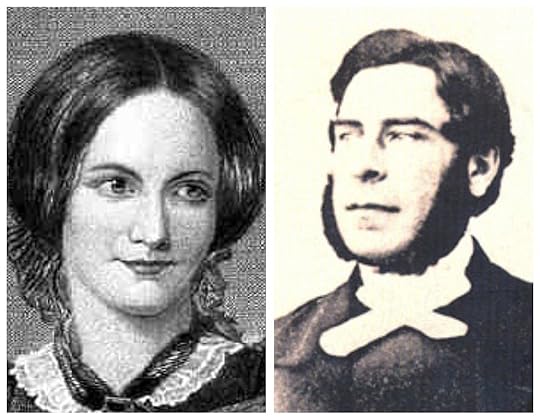
But another man waits in the Brontës’ Haworth parsonage—the quiet but determined curate Arthur Nicholls. After secretly pining for Charlotte since he first came to work for her father, Arthur suddenly reveals his heart to her.
Romancing Miss Brontë is a fascinating portrayal of an extraordinary woman whose life and work articulated our deepest human longing: to love and be loved in return.
Juliet Gael is the pen name used by Janice Graham for biographical fiction. Janice was raised in the Midwest and obtained her M.A. in French literature before pursuing graduate film studies at USC and English literature at UCLA in Los Angeles, California. She has lived abroad for more than fifteen years, primarily in Paris, where she worked as a screenwriter. She now makes her home in Florence, Italy. You can find all her novels on her Janice Graham website, along with a bio with all the fun stuff. www.janicegraham.com
I confess I am a kind of stupid fan of the Brontes and tend to want to read anything that happens to have their names associated with it. So, when I saw this book on the shelf at my local library, I picked it up on a whim and brought it home. Not how I generally choose a book, but sometimes stepping away from the plan is fun. And, this was.
Juliet Gael makes a real effort to stick to the facts, where known, about Charlotte Bronte, which I always appreciate in an author writing about a historical figure. Where she embellishes, I sometimes think she may not have guessed correctly, but then her guess is as good as mine. I did enjoy the fictitious parts of the story, the love interest, and the idea that maybe Charlotte found some marital happiness at the end. After all, don’t we all hope the real lives of those we admire are better than we suppose?
While I like Charlotte very much, and I did enjoy reading Mrs. Gaskell’s account of her, which might not be one bit more accurate than this imagining except in those parts where Elizabeth Gaskell was actually present for an event, I confess that it is Emily who really captures my imagination, and she was not present enough in this novel to please me. It certainly makes me ache to think of Charlotte Bronte watching the deaths of all of her siblings and being left to cope alone with her cantankerous father.
Among the best books ever written are those penned by the Bronte sisters. That so much talent could exist in one family is amazing. That Branwell might have had the same richness of mind and imagination and wasted it is also sad. I have several other volumes on my TBR that deal with the Brontes and that I hope to get to this year. I am glad I stopped for this one now, though, because the impulse was justified and the timing just right. It was not too serious, nor too light, and much needed while I sat in a hospital room with my husband over the last several days.
A disappointing historical fiction about Charlotte Brontë, her sisters Emily and Ann, and how they came from obscurity to write some of the most enduring fiction the West has known.
The first part of this story was the best. The reader gets a unique glimpse into the minds of the Brontës, what their lives were probably like and how unfortunate their brother's existence turned out to be.
I loved hearing Juliet Gael's vision of their character and personality quirks.
The second half of the book, focused primarily on Charlotte and her relationship with Arthur, was a drag.
Up until that point, the women were surprisingly self sufficient, considering the times in which they lived. Yes, they coddled their alcoholic and opium-addicted brother. Yes, they indulged the whims of their ailing father, but for the most part, they acted how they pleased.
Once Arthur enters her life, Charlotte centers every action around him. He tells her who she can write. He controls their social schedule.
The book enters a repetitive loop: Charlotte does something Arthur doesn't like, he reprimands her, she writes her friend a letter about how annoying it is but she simply adores her husband so it's ok... and repeat.
This was probably the reality of her situation but it sucked. I can't imagine that I would have been happy living like that. I don't believe she was either.
The cringe-inducing letters Gael describes in the story actually exist. I also think that if I was a sensitive and reclusive person like Charlotte Brontë, having my personal letters published after my death would be a nightmare situation.
Charlotte and her sisters were forced to live a sub-par existence because they were women.
Traditional roles for women left so little room for living. It's astonishing that the Brontës were able to write anything at all, when you consider when they lived and the disadvantages to their station.
They were poor, lived in the middle of nowhere and had no one they could rely on except themselves.
Add to the mix a dose of religious guilt and social expectations... again, the world is fortunate to have their stories.
I suggest reading Jane Eyre or Wuthering Heights instead of this.
This entire review has been hidden because of spoilers.
"Behind a veneer of a quiet, ladylike demeanor, Charlotte concealed an acerbic mind and ruthlessly harsh opinions on the weaknesses of the human species. Arthur, on the other hand, was the blustery, bigoted sort who could barely open his mouth without offending someone. Yet when the gloves came off, he had a great and tender heart, and was capable of love that would bear all wrongs, endure all tempests—in short, the very stuff that Charlotte took great pains to fabricate in her stories and that she was convinced she would never find."
La novela es fiel a los hechos tal como pasaron, de eso uno no se puede quejar. La famosa declaración de amor de Nicholls a Charlotte (más a lo MR.DARCY que a lo Rochetser, hablando de "sufrimientos imposibles de seguir soportando" XD) está tal cual lo cuenta ella en una de sus cartas a Ellen Nussey. Esa escena me pareció muy bien lograda; lo mismo digo del retrato novelezco que se hace de las grandes pasiones que sufrió Charlotte en su vida: su amor no correspondido hacia M. Heger, y su otro amor no correspondido hacia George Smith. (La vida de Charlotte estuvo marcada por enamoramientos de ese calibre hasta que la declaración totalmente inesperada de Arthur Bell Nicholls y la testaruda oposición de su padre, Patrick- junto con el casamiento repentino de G. Smith- cambiaron su vida solitaria y dieron lugar a sentimientos que ella nunca creyó que viviría.)
No obstante, las partes ficcionalizadas a veces se me hicieron un poco increíbles: los diálogos no acordes a lo que eran las personas en la realidad (según lo que leemos de las cartas que quedaron y demás testimonios que están disponibles hoy en día), algunas descripciones físicas erradas y acciones relatadas que, creo yo, no van con la personalidad de estas personas de las que se habla- sobre todo cuando se trata de Nicholls. Ahora bien, entiendo que se sabe poco y nada acerca de cómo pensaba o se sentía Arthur realmente (era un hombre muy privado, no le gustaba en absoluto que se le metieran en la intimidad) así que, por ese lado, es entendible que se falle en escribir un ABN creíble. ¡O capaz soy yo! La idea de imaginarme momentos sexies entre esa pareja tan hermosa, que existió, me pone incómoda...muy incómoda.
A pesar de todo, fue una novela muy entretenida, romántica y fiel a la vida de la familia Brontë (aunque quizás no a la personalidad de Nicholls). La recomiendo para aquellos que tengan ganas de conocer (superficialmente, aunque sea) a las hermanas, y a tener una idea de cómo fueron sucediendo sus tristezas y sus éxitos.
Reseña Original, antes de leer:
¡La historia de amor entre Arthut Bell Nicholls y Charlotte Brontë ficcionalizada!
A long admirer of Charlotte Bronte, and all the Bronte authors, I picked up this book at the library purely out of curiosity. It left me in tears. Years ago, when I was thirteen or fourteen, my mother insisted over and over that I read Jane Eyre. I kept trying, but I just couldn't get past the first 100 pages. I couldn't see how it would improve. It felt depressing and morose. Finally, when I was fifteen, I committed to it. I don't think any novel has had a greater impact on me since. I fell in love with Jane and with Mr. Rochester. I cried when the could no longer be together. It was the first classical "adult" novel I had read. My mother was right. And I've never quite gotten over it. It was, after all, my first love.
This book in some ways was much the same. Charlotte's life seemed so provincial, ordinary and much of the time, morose and sad. So I wasn't sure I wanted to know. I wondered if anything happy and good, beyond the publication and vast success of her novels, would happen to her. But it did. For a brief moment, Charlotte experienced all the happiness and all the goodness her life deserved. She was a noble, good woman. She was extremely intelligent. She formed deep and lasting friendships with a broad array of people.
Although the book is fiction, at first I thought it read a little too much like a biography. Now I appreciate the way the author wrote the story to so closely mirror Charlotte's real life. Because of that, I got a glimpse of an extraordinary woman. I was extremely happy to find her married to a man worthy of her. While at first she didn't see it, she came discover what a truly great man he was. He was of constant service to others and to her. All the while she had been looking for some exotic Mr. Rochester when what she really wanted had been in front of her for eight years. I think what I loved best was watching Charlotte finally fall in love with Arthur Nicholls, the constant curate who had served her father's parish so well. My hat goes off to Juliet Gael. What a beautiful story of a very beautiful woman's life.
What a sad life Charlotte Bronte lived. Well, really all three women led sad lives but Charlotte had to endure more. What geniuses Emily, Anne, and Charlotte were though. I mean....how many families can have three wonderful novelists in them? I've read a book by all three, I can't say I have a favorite among them, but I've enjoyed the three I have read (5 star books). I can't imagine what Anne & Emily would have come up with if they had lived long enough. Charlotte has received the most accolades but they all deserve recognition for their literary genius.
I enjoyed this novel for the most part. I liked all the information about the Brontes, most I already knew but it's still so sad to read about. So much death and sadness. Now I know why they escaped into their imaginary worlds. How lucky for their readers. What I didn't like was that I thought it was a little too long. The title kinda suggest a romance but you really didn't get to the heart of that until more than halfway through. I actually preferred just reading about the three novelists relationship with each other. Even Arthur Bell Nicholls and Charlotte's courtship was a little sad. Overall all though, the book was well written and I liked reading about Emily, Anne, and Charlotte Bronte.
I hope I can do justice to “Romancing Miss Bronte” when I describe why this is one of the best books I’ve ever read, certainly the best historical fiction novel I’ve ever had the pleasure to read.
Let me begin by saying that even before hearing about this novel, I have always wanted to read a realistic book about Charlotte Bronte’s life. That’s because I always considered it such a tragedy that almost all the people she was close to died so early, and she herself marrying someone that (as I got the impression from reading the bios) she didn’t truly and passionately love. And dying during her pregnancy at that. What a sad way to go. I wished that there was an author out there who would be able to capture Charlotte’s life all the way to that conclusion honestly and sympathetically, at the least, with maybe some extra insight into the life of an author I only knew a little bit about. I really wanted a happy ending to what I believed was a sad fate for Charlotte, author of such a tremendous work like “Jane Eyre”. With this novel, I got all of that, but also a level of such love and respect for the Bronte siblings, their lives and work, that I was quite literally blown away.
Most significantly, this book was written from the heart. I was astounded that the Bronte sisters, Charlotte, Emily, and Anne were written so well. Each had their own distinct personality that was developed fully and realistically. Even their brother Bramwell was a fully rendered character. Their close relationship as a family was very convincing. They come alive in this novel truly as sisters, bound together by love and respect, but not without their own wants and needs that lead to misunderstandings and disagreements. I was very eager to read about what their family life was possibly like, considering the author of “Wuthering Heights” was one of the sisters. I became engrossed by Gael’s skillful portrait of these sisters’ interactions with each other and with their father and brother. Gael so respects her characters that she doesn’t shy away from detailing their hurts, fears, humiliations, and even their deepest darkest thoughts. I believe you can find a well-rounded, authentic portrait of each of the characters in this novel, and we are all the better for it. For in these characters we can see ourselves.
Secondly, “Romancing Miss Bronte” is well-written, meticulously researched work. As far as I can tell, the events in the book follow the events of Charlotte’s own life. The author just imagines these events in intimate detail, drawing us in the story by making every part of her life fascinating and personal. You experience her joys, suffer her humiliations, grieve with her, and feel the deepest, deepest sympathy for her. She really was an extraordinary woman, I just had no idea until I read this novel. And yet, just a real woman, with the same insecurities and emotions.
Lastly, this novel is real. Despite the title, I don’t believe this book is about “romance.” It’s about Charlotte discovering her true self (cliché as that sounds). It’s an honest depiction of a human being, a woman that was under so much pressure, not only from those around her, but also from herself. A good life is not always what you think it should be, and truth can come from unexpected places, as the quote from Charlotte’s last book “Villette” on the cover page eloquently puts it. The complete meaning of the quote can only be fully realized at the end of the novel.
And so, it is with complete respect and honesty that I give this marvelous novel 5 stars. Thank you, Ms. Gael. Truly, truly I consider it a great privilege to have been able to read it.
‘If you could only be content with mortal love –stripped of all delusion.’
This novel begins with the arrival in Haworth of Arthur Bell Nicholls, Patrick Brontë’s new curate. It is 1845, and the four surviving Brontë siblings (Charlotte, Branwell, Emily and Anne) are all living in Haworth Parsonage with their father. Charlotte has returned from her time in Brussels, and her experience there and her attachment to Constantin Heger, partly define the woman we meet in the pages of this novel.
By the time the novel opens, Branwell is in disgrace and has turned to drink and opium. Caring for him and supporting their father occupies the sisters physically, but not emotionally. As children, the Brontë siblings had created and written about imaginary worlds. As adults, Charlotte, Emily and Anne still wrote. Reading some of Emily’s verses is a catalyst for Charlotte’s dream of publication, which leads to a new world of possibility.
Charlotte may be the central character in this novel, but it is Arthur Bell Nicholls who shines. Those familiar with the Brontë story will know the chronological details of their lives and deaths. Those unfamiliar with the detail will get a good sense of who they were from this novel. I’d like to imagine that Charlotte found the kind of happiness with Arthur Bell Nicholls that Ms Gael writes of in this novel.
There are challenges in writing novels that involve real people, especially real people as beloved as the Brontës. I’m not entirely comfortable with Ms Gael’s portrayals of Patrick and Anne, but while that impacts on my overall enjoyment of the novel it doesn’t detract from Ms Gael’s portrayal of Charlotte. If you are interested in the Brontës, whether you have read their novels and poetry or not, this is an enjoyable novel. And if reading this novel moves you to explore their world further, there are some wonderful biographical works available. As well as the novels.
For the life of me I cannot understand why I was so hesitant to read this novel in the historical fiction genre. Perhaps I was expecting more fiction than fact, more fluff than substance. What a pleasant surprise to discover that Romancing Miss Bronte was nothing like that at all. Ms. Gael's prose is somewhat Austenesque although her subject matter is nowhere near Ms. Austen's well to do, charming, close-knit family with suitors stumbling over each other. This is the story of the family Bronte headed by a patriarch who is curate of the little Yorkshire town of Haworth and perhaps living through his own grief he pays little attention to his lonely, tragic brood who resort to creating their own imaginary worlds through stories and poetry. Though their brother, Branwell struggles with his own demons, the girls, Emily, Anne and Charlotte devise a plan to publish their works under pseudonyms. The rest is literary history which Ms. Gael relates with a well researched eye. Many a reader is sure to see the love that Ms. Gael holds for her subjects as it comes through in a tender and almost sorrowful and sympathetic manner while still being truthful. I struggle giving this novel 4.5 stars when I know I should give 5, yet that would place it in the realm of Wolf Hall and perhaps it is not quite there, but so very, very close – as close as Charlotte was to a life of happiness and contentment. ( )
Questa biografia romanzata parte dall’arrivo del reverendo Arthur Bell Nicholls — il curato del reverendo Brontë — alla canonica di Haworth. Le tre sorelle Brontë, Charlotte, Emily e Anne, nutrono il sogno di rendersi indipendenti. Un sogno piuttosto arduo da realizzarsi per tre donne nell’Inghilterra Vittoriana. Le fanciulle, dopo una breve e difficile parentesi come istitutrici, sperano di poter aprire una propria scuola. Intanto vivono nella piccola cittadina dello Yorkshire dedicandosi a lunghe ed estenuanti passeggiate nella brughiera, accompagnate dagli adorati cani Flossy e Keeper, tollerando a malapena gli sbalzi di umore dell’amatissimo fratello Branwell — che soffre i postumi di una relazione adulterina stordendosi con alcol e oppio — e scrivendo.
Fin da giovanissimi i quattro fratelli Brontë, infatti, si sono dedicati alla scrittura, ambientando le loro opere nei mondi fantastici di Angria (Charlotte e Branwell) e di Gondal (Emily e Anne). Così Charlotte, Emily e Anne pensano di raccogliere in un unico volume le loro poesie più belle e di darle alle stampe. Per farsi prendere seriamente in considerazione dalle case editrici e per mantenere l’anonimato, le tre sorelle decidono di diventare tre fratelli, Currer, Ellis e Acton Bell, conducendo una doppia vita di scrittori da una parte e di giovani e morigerate figlie di un ministro del culto dall’altra. In particolare, Emily vorrebbe scrivere solo per se stessa: è gelosa della sua vita interiore e preferirebbe non far conoscere le sue storie e i suoi versi al mondo. Teme che il mondo non capirebbe — e così è, effettivamente, in principio — e che considererebbe i sentimenti che esprime violenti ed eccessivi.
«Abbiamo fatto tutta la strada fino a Wycoller», aggiunse Emily, che era un’indomita camminatrice dotata di un’incredibile resistenza che non paventava di affrontare colline, spoglie brughiere, distese di erica e di ginestrone, né di guadare torrenti o di raggiungere le cime più alte, per tornare a casa soltanto quando l’ultima traccia di luce aveva lasciato il cielo. Raramente diceva loro dove era andata o cosa aveva visto, ma a volte mostrava il disegno che aveva fatto strada facendo. Un giorno era rientrata con un falco ferito, che aveva curato e chiamato Nero.
La Gael ci racconta degli straordinari personaggi della canonica di Haworth: le tre sorelle che affermano al mondo il loro talento e Branwell, la cui vita e il cui talento vengono sprecati a causa di un amore infelice e di un temperamento poco perseverante. È invero una di quelle piccole tragedie umane, alcuni arriverebbero a parlare di scherzo divino: riempire un cuore di desideri, modellarlo così perfettamente a una vocazione e poi negare a chi lo possiede il coraggio necessario a soddisfarla.
Ancora ci fa vedere il diverso atteggiamento dei fratelli nell’affrontare la vita e la malattia. In particolare Emily e Anne, che si ammaleranno a breve distanza l’una dall’altra. Emily è più fatalista: quando si ammala si rassegna e si lascia vincere dalla malattia come una barca alla deriva. Anne è invece più tenace, è coraggiosa e combatte la malattia “come se trovasse esilarante l’idea di trovarsi faccia a faccia con la morte”.
Il titolo di quest’opera di Juliet Gael mi sembra piuttosto riduttivo: sebbene il primo capitolo e il titolo ci facciano sospettare che si tratti di un romanzo incentrato sulla storia d’amore fra Nicholls e Charlotte con l’aggiunta di elementi biografici, in realtà ci troviamo di fronte a una vera e propria biografia di tutta la famiglia Brontë. In alcuni tratti questo libro ha proprio il sapore di una biografia tradizionale: c’è ben poco di romanzato. La Gael, riportando recensioni di libri, articoli di giornale e frammenti di lettere autentiche, veste infatti il suo lavoro di un’aria accademica. Tuttavia, subito dopo si ritorna alla fiction grazie a dialoghi e pensieri. La Miss Brontë del titolo (Charlotte), poi, risulta essere la protagonista della storia semplicemente perché è stata la più longeva delle sorelle Brontë e anche quella di cui sono rimaste più testimonianze. Ecco perché nella seconda parte del libro, sono Charlotte e Arthur gli indiscussi protagonisti, con la loro storia d’amore, di devozione e di perseveranza, che è davvero degna di un romanzo. Tuttavia il titolo continua a risultare riduttivo, sebbene ritenga una scelta adeguata la sua ‘non-traduzione’ in italiano.
Nel suo tentativo di non romanzare troppo la storia, aggiungendo dettagli che potevano però evincersi dalle storie delle eroine dei suoi romanzi — e di restringere la narrazione agli anni che vanno dal 1844 circa, fino alla morte di Charlotte nel 1855 — la Gael dice troppo poco riguardo alle esperienze delle sorelle Brontë nelle scuole da loro frequentate: nella Clergy Daughter's School, di Cowan Bridge, nella scuola di Roe Head e, infine, nel Pensionnat Heger di Bruxelles. Su quest’ultima esperienza in particolare, che vide Charlotte innamorarsi del suo professore, Monsieur Heger, l’autrice ha preferito mantenersi molto vaga, limitandosi ad accennare alle lettere che i due si scambiarono. Del resto anche Elizabeth Gaskell — a cui il padre e il marito commissionarono una biografia di Charlotte —, dopo essersi recata a Bruxelles per indagare sulla relazione intercorsa fra insegnante e allieva, fu piuttosto reticente, non si capisce se per mancanza di testimonianze raccolte o per proteggere il buon nome dell’amica.
Interessante, invece, il rapporto della Brontë con la Gaskell, che è chiamata familiarmente ‘Lily’: un rapporto fatto di stima e di solidarietà femminile, sebbene talvolta la Gael — probabilmente attingendo alle atmosfere del romanzo di Elizabeth Gaskell Cranford — abbia dipinto la Gaskell e la sua cerchia come un gruppo di signore dedite alla chiacchiera facile.
Come in una biografia che si rispetti, il narratore è esterno, sebbene spesso la Gael ci faccia scorgere il punto di vista di alcuni personaggi. Lo stile è molto elegante e le descrizioni della brughiera dello Yorkshire fanno onore ai protagonisti del romanzo. Tuttavia, specialmente nella prima parte, la distinzione fra biografia reale e parte romanzata si sente nettamente: sembra di assistere ad uno di quei documentari in cui alla narrazione di fatti storici si alternano filmati realizzati per supportare il racconto, con una sceneggiatura posticcia. Nella seconda parte, quella che ha il diritto di assumere il titolo di Romancing Miss Brontë, invece, la narrazione scorre fluida, forse proprio perché è più romanzata e meno documentata.
Un romanzo imperdibile per gli ammiratori della famiglia Brontë, ma affascinante anche per chi è semplicemente curioso di scoprire cosa accadeva in quella fucina di talenti che era la canonica di Haworth negli anni 40 e 50 del XIX secolo.
Haunting, intriguing, enthralling! Juliet Gael’s Romancing Miss Brontë is a delight! Once I picked this book up, if I stopped reading it for a short while, I continued to think about these characters until I began reading the book again. The Brontë family and all the people who are connected to the Brontës truly became real people to me. I cared about all of them, and I reacted to them. When Patrick Brontë yelled horrific statements to Charlotte, I became angry. I marched across the moors with Emily. I was quiet and reflective with Anne, and I wanted to shake Branwell senseless. I laughed, cried, but I kept Charlotte’s hope. I cheered when Charlotte published Jane Erye; Emily published Wuthering Heights; Anne published Agnes Grey. I waited with the authors until the reviews were released. I felt all their emotions. And then there was Arthur, Patrick Bronë’s curate. This is an excellent book and a ‘page-turner’ as well. Congratulations, Ms.Gael, on a truly beautiful book. It was my pleasure to read this fine work. Thank you. Highly recommended!!
What an unexpectedly wonderful novel!!! I've never read Jane Eyre but can only imagine that anyone who has read it would enjoy the book all the more after reading this!!! What a tragic life Charlotte had... and what a strong woman she had to be!!! Highly recommend!!!
Se siete delle appassionate delle sorelle Brontë e avete letto i loro romanzi, non potrete fare a meno di questo libro. Juliet Gael ripercorre la vita di Charotte, Emily e Anne Brontë in una delicata sintesi di realtà e finzione. Le loro vite ritirate e a contatto con la natura, le difficoltà di dimostrare il proprio talento perché donne, le privazioni e la salute cagionevole che porta alla prematura scomparsa delle due sorelle più giovani, il successo che giunge, forse troppo tardi, le passioni, i sogni e le sconfitte di Charlotte ma anche di tutte e tre le sorelle, di cui lei fu sempre portavoce. Il romanzo è molto centrato su Charlotte, la maggiore delle sorelle scrittrici, la più famosa e longeva (Emily e Anne moriranno rispettivamente nel 1848 e 1849 di tubercolosi, la stessa malattia che aveva stroncato al vita del loro unico fratello e che le aveva rese malaticce per tutta la vita, mentre Charlotte morirà nel 1854) autrice di quel Jane Eyre che tanto le portò fortuna e per il quale è ancora ricordata tra le più grandi scrittrici della letteratura mondiale. Il personaggio creato da Charlotte è ancora oggi letto, analizzato, studiato, criticato, amato. Ma non ero pienamente a conoscenza di cosa ci fosse dietro Jane fino a quando non ho preso in mano questo libro. Leggere Romancing Miss Brontë ha significato per me rivivere gioie e dolori di una scrittrice da me tanto apprezzata e capire meglio uno dei miei romanzi preferiti. Un libro che mi ha aiutato a realizzare meglio quale fosse la condizione femminile in epoca vittoriana, in particolare cosa significasse essere scrittrice e dover dimostrare sempre il proprio valore e talento in un mondo governato da uomini che continuano a vedere Charlotte non come una loro pari ma come una donna che meglio starebbe in cucina. Ma sono donne come Charlotte e le sue sorelle quelle a cui la letteratura e la cultura devono rendere grazie. Il libro della Gael lo ribadisce e lo fa molto bene.
A remarkably accurate fictionalized account of the literary careers of the Bronte sisters, with most of the emphasis on Charlotte. I’ve read all their works and the brilliant Juliet Barker biography so I approached this with caution, thinking she would take too many liberties. She stuck to the facts where known and filled in the gaps with fiction that is very much in line with what we know about the family. I do think she treated Patrick a bit too harshly, yes he was eccentric and had a temper but was also a loving father. While there were a few editing errors, this was a thoroughly enjoyable reading experience for me as a Bronte fanatic. I recommend it for anyone who loves this amazing family and wants to feel like a fly on the wall in their lives.
“Ma l’intelligenza era una qualità inutile in una ragazza, e così Charlotte aveva tenuto le sue speranze strettamente confinate nella sua immaginazione. Le teneva chiuse a chiave nelle sue scatoline, negli scrittoi e nei cassetti segreti, e guardava il fratello avventurarsi nel mondo per vivere i suoi sogni al posto suo.”
Grande carica emotiva per questo scritto sulle sorelle Bronte, con spiccata enfasi nella seconda parte per il rapporto di Charlotte con il curato del padre Arthur Nicholls.
Il profumo dei pascoli e dei campi d’erica, accentuate dalle forti cariche ventose dello Yorkshire che quasi vibrano nelle eleganti descrizioni di Juliet Gael, mi hanno fatto dimenticare l’afa pomeridiana di questa calura di fine agosto *.*
Un romanzo che mi ha sorpreso, come la bravura della Gael che è stata capace di far rivivere, mescolando in modo sapiente realtà e finzione, le vicende tragiche e appassionate, di tre donne straordinarie. Una storia intensa che ci fa anche riflettere sulla condizione delle donne nel periodo vittoriano. La figura sorprendente di Charlotte Bronte, emerge da queste pagine in tutta la sua umanità, forza, talento...
I must mention now: I'm not the kind of person who would be seen reading a book with "romancing" in the title. But for "Miss Brontë", I shall read! Anything for the Brontës. Other writers during the Brontës time were mainly concerned about money and marriage, but the Brontës were more more more. That is what I love about them. A lot of women of the day would have seen Arthur as a marriage opportunity the second they met him. But even after Arthur proposed, Charlotte remained unconvinced. At almost age forty Charlotte thought of herself as a stunted, spinsterish, poor parson's daughter. Knowing how rare it would be to ever receive another proposal, still she did not immediately accept. She wanted to marry for love and did not love Arthur... yet.
I was worried 'Romancing Miss Brontë' would take everything that happened within Charlotte's life, and make it simply about her marriage. It did not. The devastating deaths of the siblings occur about halfway through the book. I think this is the perfect amount of time for the relationship between Charlotte and Arthur to develop, while also letting the reader get to know Emily, Anne and Branwell, though I must admit I liked reading about the interactions between the siblings more, especially their walks along the moors. That simply may be due to the sort of reader I am. The closest (and only) thing I've read in the "romance" genre are the Brontë novels. For all the freedom women have in 2010, there is another sort of freedom women had in the 1840s. Women in those days could walk around any moorland they wanted to. These days, if there is anything resembling moorland in America, you would be hard pressed not to find 'private property' signs everywhere you looked (and risk getting shot if you ignore said signs). That, for me, is the ultimate "romance" in the time of the Brontës. Freedom has been gained but so much has been lost.
The Brontës mainly wrote about their own past experiences, but it was surprising to see how their books also eerily predicted their futures. Charlotte wrote of the Mr. Rochester fires in Jane Eyre long before her brother Branwell was saved from a fire by Anne and Emily. Arthur's personality reminded me of Jane Eyre's cousin, John Rivers, who discovers Jane near death on the moor, long before Arthur himself mentions the same comparison to Charlotte in 'Romancing Miss Brontë'. Sure, it is a charming and excellent bit of this book, but did Arthur really say this in real life? I'm always skeptical of historical fiction. I don't like things to be made up just to make a better plot about real people that once had their own integrity to protect, rather than a fictional character. After all, Charlotte can not defend herself now. I was wary that a novel about the Brontës could sensationalize their lives (which is funny, seeing as how if anyone can find a fault with the Brontës, it is their penchant for gothic drama...but I happen to love that sort of thing.) Even just writing something that Charlotte would have never really said would bother me. I'm not very knowledgeable about the Brontës, but I don't believe 'Romancing Miss Brontë' takes any liberties: I believe Gael's writing sticks close to the truth. This book is perfect if you'd like to know more about the Brontës (especially if you'd rather read about them in novel form, rather than a biography). It is also a great read if you already know a ton about the them. If you are a fan of anything Brontë, read this. If you want to get a better understanding of why the Brontës were so loved, in their time and ours, read this. The Brontës are amazing. You could probably write anything about them and I would be pleased that they are being remembered.
Sometimes I think of the possibilities of a life. What if Anne, Emily and Charlotte had died the same age as their sisters, Maria and Elizabeth? It makes me sad to wonder what would have happened to literature if the world did not have their books. What amazing novels are we missing that Maria and Elizabeth could have written? And what if Anne, Emily and Charlotte had lived longer? What else may they have written? Imagine if they knew their books were still being read 150 years later! It seems as though the Brontës are fiction themselves, so it would make sense to write a first novel about them. Juliet Gael does a lovely job of it. I'm looking forward to seeing what Gael delivers next. Gael's prose alone tells me I'd be interested in her next book, even if it isn't about a topic as captivating as the Brontës.
This was a story that will stick with me for a really long time and has claimed a high place on my list of best books ever. I was reluctant to read it as Charlotte was always my least favorite of the sisters, but this story brought her to life in a way that made me sympathetic to her. I can't say that I'm endeared to her, but I think I get her better now and don't hold as many grudges as I did before.
At first, I wasn't sure about the writing style. Sometimes the story would go into deep detail; other times it would summarize more sterilely, like a nonfiction biography type. The author would zoom in to rich description and intimate dialogue, but then all the way out to the point of addressing the reader about the characters as if we were watching them together through a window.
All that changes half way through or so and the author does address the issue in her afterward. She had a lot of ground to cover in bringing readers up to date with the Brontes past and lifestyle so her choice makes sense and was not badly done.
I got lost in this sad story many times and found myself putting aside other important things to keep reading. The Brontes' story has always been one of the most tragic I've known. When I went to Haworth in 2016, I wept at the desolateness of the area and the sorrow that household had felt. However, being there and knowing the town and "neighborhood" featured in the story brought it to life dramatically. I was able to see it all in my mind's eye---so thankful for that.
My husband and I have a northern England trip planned for 2020 or so. I hope to return to Haworth and see Charlotte's legacy there with a fresh perspective.
I confess that I did not know much about the life of the Brontë family. This book explores the life of Charlotte and her family with historical accuracy and enough fiction to keep you engaged and interested. As you read these pages, you can’t help but become completely enthralled with Charlotte and the journey that life takes her. Highly recommend!
This is a very enjoyable fictionalized biography of Charlotte Bronte. She grew up fairly sheltered, with a trip to continental Europe providing her only real life experience outside of the English countryside. While studying in Brussels, she fell deeply in love with one of her professors, but to her great sorrow, her love remained unrequited. She drew upon the passion and dreams of this period, as well as her own fertile imagination, to write "Jane Eyre."
Charlotte and her sisters and brother amused themselves while growing up by creating numerous stories with original fantasy characters. These magical early tales, and their abilities to create them, gave rise to the stories each sister would publish in young adulthood. Tragically, they all died young; their brother never fulfilled the early promise of his own writing talents. The world is left to wonder what other great volumes of literature we could have enjoyed if only Emily, Anne, and Charlotte were able to continue writing.
I came away from this book with a strong respect for the often difficult circumstances of Charlotte Bronte's life. She watched her beloved sisters and brothers die of disease at a young age. Charlotte was left to care for her often difficult father. She finally found love after marrying Arthur Nicholls, the curate from her father's rural parish. It's especially sad that they had very little time with each other. Arthur loved her deeply, though his affection was returned only after they were married. He lost her too soon - we all did.
Plot summary: A fictionalised version of Charlotte Bronte's life from the time Arthur Nicholls becomes her father's curate to her death.
Thoughts: I think perhaps the title is misleading here. It gives the impression that it's going to be a "Becoming Jane" kind of a story, where in fact it's far more focused on Bronte's homelife with her family, and her struggles with her eventual fame. While her eventual marriage to Nicholls does, obviously, come into the book, there is little of it in the first 300+ pages of a 416 page book.
It's well written, and I enjoyed it. It's - not surprisingly - quite depressing, given the Bronte family's ability to die in unfortunate ways at a very young age. On the whole, it was more like an easy-to-read biography than a novel. You know, up until the part where she gets married, and suddenly you're reading about her sex life.......
Cosa c'è di diverso da I sogni perduti delle sorelle Bronte? Poco o nulla. Seconda biografia romanzata che non ha neanche il pregio di esser la prima. Posso riconoscere all'autrice solo il dono di aver reso più simpatico e innamorato Mr. Nicholls. Nonostante si legga con piacere, continuo a preferire e sponsorizzare la biografia di Elizabeth Gaskell.
Non ve lo nasconderò, a tratti mi sono annoiata. Ma vi giuro che i passaggi in cui ho fatto un po' fatica a proseguire non reggono il confronto con l'intensità, il pàthos e lo spessore psicologico che caratterizzano i momenti cruciali della vicenda e che, inutile dirlo, mi hanno toccata nel profondo. Sì, perché "Romancing Miss Brontë " è ben lontano da una piatta e semplice biografia delle tre celebri scrittrici: l'intento della Gael si rivela molto più ambizioso, non limitandosi a narrare gli eventi grossomodo noti a tutti, ma tentando di infondere vita nei personaggi attraverso frequenti cambi di prospettiva ed incursioni nei loro pensieri. È in questa inedita forma, più "viva", che essi sono capaci di animare la storia di cui sono protagonisti, gettando tra l'altro luce su un aspetto fondamentale della scrittura femminile del passato. Mi riferisco all'immenso potenziale delle aspiranti scrittrici, alla loro forte sensibilità e alla ricchezza dei loro mondi interiori, che erano però costrette a soffocare per condurre vite grigie, in miniatura, alla mercé dei propri mariti e delle convenzioni sociali.
"Cosa potevano avere da dire le sue verginali sorelle, da sempre confinate nelle loro vite in miniatura? Che genere di storie potevano raccontare?"
"E così erano cresciute, socialmente manchevoli, isolate ma convinte del proprio valore. Intellettualmente dotate, si ritiravano nel loro ristretto mondo dove a contare davvero erano soltanto i libri, i dipinti e la musica. In società non erano nulla, ma all'interno del loro universo mentale e nel conforto della loro famiglia, erano giganti, titani, geni."
Good interesting history as fiction, esp for me as Wuthering Heights was one of the books in my honor's thesis ... probably more a 3.5, I think sometimes the writing was kind of self-conscious, and she may have lost that half a point just for writing that she was "ringing" out a cloth - I know regular people make those kinds of mistakes all the time (but really, how hard is it that you're is you are and your is a posssessive??), but a 'real' writer also aiming for more of a tone of the period, closer to Brontes' own letters - tsk, tsk.
But I did get to feel I got to know the sisters and their lives and how their books became a part of that, in a way I hadn't before, and I looked forward to jumping back into the book each time and getting more.
Excellent read. I finished this book just in time before I visit Haworth in a couple of weeks. The author fills in the gaps beautifully using fact and fiction to paint a portrait of such a talented family. I can imagine the conversations that took place between the sisters, as they went about their lives in a dreary parsonage, all the while escaping their hardships through their creative writing. I developed a real soft spot for Arthur and Patrick Bronte as I felt their heartache through so much loss. They are great examples of perseverance and endurance to the very end of their lives. I felt the love that Arthur had for Charlotte, which was so tender and genuine. I'm glad they had each other even though it was short lived. If you are a fan of the Bronte Family then this book will deepen those feelings.
This entire review has been hidden because of spoilers.
I liked this fictional account of Charlotte Bronte's life with real life accounts mixed into the story. It was very well researched.
I felt I came to know Charlotte Bronte's character better through reading this story and that of her husband, father and siblings, too.
It was very sad that she, her brother and sisters all died so young. So remarkable that they were all such talented writers considering they never traveled anywhere and didn't live privileged lives.
Charlotte me inspirou por sua perseverança em meio a uma vida cheia de tristes e marcantes acontecimentos. Não conhecia as irmãs Bronte e fiquei com muita vontade de ler as obras publicadas - além de visitar a cidade que elas viveram (tem fotos da casa que elas moraram no Google, enquanto lia o livro parava para pesquisar sobre as obras e ver fotos)
I mostly liked this novel. The characters are well drawn, and the book gives a good sense of what Charlotte Brontë's life was like. The aspect that bothered me most and prevented me from giving this five stars was the point of view adopted by the author. She used third-person omniscient, and at times the narrator seems so detached and above it all, particularly when trying to summarize a lot of material or provide a significant flashback. Such sections read like infodumps. Fortunately, those pretty much disappear once you're about a fourth of the way in. Still, I found this impersonal POV an odd choice for a novel about such a passionate writer.