

What do you think?

Probation
All it took to destroy Andy Nocera's seemingly perfect life was an anonymous tryst at an Interstate rest area. Sentenced to probation and thrown out by his wife, he spends his week as a traveling salesman, and his weekends at his mother's house where no questions are asked--and no explanations are offered. To clear his record, the State of North Carolina requires Andy to complete one year of therapy without another arrest. He attends his sessions reluctantly at first, struggling to comprehend why he would risk everything. Answers don't come easily, especially in the face of his mother's sudden illness and his repeated failure to live as an openly gay man. But as Andy searches his past, he gets an opportunity to rescue another lost soul--and a chance at a future that is different in every way from the one he had envisioned.
With profound honesty, sharp wit, and genuine heart, this debut novel portrays one man's search--for love and passion, acceptance and redemption--and for the courage to really live.
With profound honesty, sharp wit, and genuine heart, this debut novel portrays one man's search--for love and passion, acceptance and redemption--and for the courage to really live.
340 pages, Paperback
First published April 1, 2010
About the author
Tom Mendicino
18 books63 followersTom Mendicino is a graduate of the University of Pennsylvania and the University of North Carolina School of Law. His forthcoming novel, The Boys from Eighth and Carpenter (Kensington, September 2015), is about a pair of motherless boys, the sons of an abusive immigrant from Italy, and the choices each makes to protect the other.
His debut novel Probation (Kensington) was named a 2011 American Library Association Stonewall Honor Book and was a Lambda Literary Award finalist. He is also the author of the new adult novellas KC, at Bat, Travelin' Man, and Lonesome Town, a trilogy following the relationship between a promising baseball player and a would-be musician.
His debut novel Probation (Kensington) was named a 2011 American Library Association Stonewall Honor Book and was a Lambda Literary Award finalist. He is also the author of the new adult novellas KC, at Bat, Travelin' Man, and Lonesome Town, a trilogy following the relationship between a promising baseball player and a would-be musician.
Ratings & Reviews
Friends & Following
Create a free account to discover what your friends think of this book!
Community Reviews
Displaying 1 - 30 of 114 reviews

January 24, 2015
in which julio loses his goddamned mind about mm (again).

republished in light of recent events; this constitutes my response.
like, you'll read some of these books, right, and you'll come out of them with iron-clad guarantees that gay men aren't gay men without pain like this; that gay men express love like this; that gay men have sex like this, in fuckdungeons like these, and sometimes with a were-chinchilla—
and mostly it's just drag.
just a bit of fun.
but also an expression of something more.
it's someone else's powerlessness and fear and brokenness, dressed-up to look like mine.
loneliness.
but not mine.
revenge. but not mine.
for different crimes than mine.
and love!
oh, love.
but so rarely mine.

those fucking books, man.
the worst of them?
make me feel alone.
make me feel used.
make me feel invisible. and ugly. and small.
and sometimes the anger roars up inside me like a riot.
because some of these authors don't shut up, you know?
with the endless blog posts; the endless tweets; all the white muscletwinks necking on facebook, all day long—omg michael stokes banned again, such injustice, can't a body enjoy a little faggotry now and again without these stupid net-nannies ruining all the fun—
and i feel it in me. this... sense of being askew.
from them.
from all of them.
i am an Incorrect Gay.
always have been.
i used to keep it a secret.
—shut up! i totally did.
for a while.
but these days, i'm just like...
...so be it, bitches.
the thing is, it's just harlequins.
carnival.
like the carnivale di venizia.
a celebration of carnality.
...a celebration of someone else's.
people got-up in costumes, for reasons of their own—costumes that happen to look a little bit like human beings, but mostly not.

and some of those authors...
look here, they'll say, i am an ally; here are my super-special thoughts on equality; here is my rainbow widget—it's animated! click jake bass to make rainbow glitter erupt from his butthole; also, here's my latest epic about a boy who just needs a ball-gag in his mouth and a horsewhip shredding his ass to feel loved—

haha, yeah, right.
or, like—sometimes?
for some gay people, i think?
a lot of them, even.
just not so many as you'd think from spending ten minutes on amazon.
looking at the exploitey covers of exploitey books.
stories that are not true.
stories that use gay men like puppets, in the most twisted version of 'the lonely goatherd' you or your hoydenish governess have ever seen.
fun stories, sometimes.
but not my stories.
not mine.
shut up, i'll think.
you just shut the fuck up.
sometimes i am filled with bitterness.
you're not me.
and i taste rejection.
the things you make are not mine.
how can these people claim to be my my ally—my goddamned friend, right—and spend all their time objectifying me, whitewashing me, and/or abusing me for the sake of a little bonus color in their incompetent romance novels?
what the shitting shit kind of friend is that?

you'll still catch me reading them all the time, though.
those fake-assed ally authors. and their fake-assed ally books.
still catch me reading them.
being wounded all the time.
over and over.
because i'm stupid, and stubborn, and maybe still hopeful.
but mostly stupid, i guess.

until—once in a while—i find one.
one like this book.
and then i don't care so much.
for a little while, anyway.
oh, what does it matter, eh? the posers—the fucking allies—they can keep their shitty books.
the books that break the promises lonely people need them to keep.
let them have their fun; let them tell their lies about nobody-like-me.
all those happily-ever-afters that will never, ever be mine.
fuggeddaboudit.
so long as i have stories like this one, yea?
books like these.
characters like these. words like these.
evidence.
that somewhere, out there, there's another heart like mine.
relentless, this book.
in its honesty. and its embrace of pain; of humiliation; of cowardice.
and of compassion.
especially that.
grimly hilarious, too.
it's like a scarab beetle:

barbed, armored, terrifying.
yet still glimmering with a dark iridescence.
beautiful.
so very beautiful.
and most of all, mine.

_________________________
please note:
republished in light of recent events; this constitutes my response.
like, you'll read some of these books, right, and you'll come out of them with iron-clad guarantees that gay men aren't gay men without pain like this; that gay men express love like this; that gay men have sex like this, in fuckdungeons like these, and sometimes with a were-chinchilla—
and mostly it's just drag.
just a bit of fun.
but also an expression of something more.
it's someone else's powerlessness and fear and brokenness, dressed-up to look like mine.
loneliness.
but not mine.
revenge. but not mine.
for different crimes than mine.
and love!
oh, love.
but so rarely mine.
those fucking books, man.
the worst of them?
make me feel alone.
make me feel used.
make me feel invisible. and ugly. and small.
and sometimes the anger roars up inside me like a riot.
because some of these authors don't shut up, you know?
with the endless blog posts; the endless tweets; all the white muscletwinks necking on facebook, all day long—omg michael stokes banned again, such injustice, can't a body enjoy a little faggotry now and again without these stupid net-nannies ruining all the fun—
and i feel it in me. this... sense of being askew.
from them.
from all of them.
i am an Incorrect Gay.
always have been.
i used to keep it a secret.
—shut up! i totally did.
for a while.
but these days, i'm just like...
...so be it, bitches.
the thing is, it's just harlequins.
carnival.
like the carnivale di venizia.
a celebration of carnality.
...a celebration of someone else's.
people got-up in costumes, for reasons of their own—costumes that happen to look a little bit like human beings, but mostly not.
and some of those authors...
look here, they'll say, i am an ally; here are my super-special thoughts on equality; here is my rainbow widget—it's animated! click jake bass to make rainbow glitter erupt from his butthole; also, here's my latest epic about a boy who just needs a ball-gag in his mouth and a horsewhip shredding his ass to feel loved—
haha, yeah, right.
or, like—sometimes?
for some gay people, i think?
a lot of them, even.
just not so many as you'd think from spending ten minutes on amazon.
looking at the exploitey covers of exploitey books.
stories that are not true.
stories that use gay men like puppets, in the most twisted version of 'the lonely goatherd' you or your hoydenish governess have ever seen.
fun stories, sometimes.
but not my stories.
not mine.
shut up, i'll think.
you just shut the fuck up.
sometimes i am filled with bitterness.
you're not me.
and i taste rejection.
the things you make are not mine.
how can these people claim to be my my ally—my goddamned friend, right—and spend all their time objectifying me, whitewashing me, and/or abusing me for the sake of a little bonus color in their incompetent romance novels?
what the shitting shit kind of friend is that?
you'll still catch me reading them all the time, though.
those fake-assed ally authors. and their fake-assed ally books.
still catch me reading them.
being wounded all the time.
over and over.
because i'm stupid, and stubborn, and maybe still hopeful.
but mostly stupid, i guess.
until—once in a while—i find one.
one like this book.
and then i don't care so much.
for a little while, anyway.
oh, what does it matter, eh? the posers—the fucking allies—they can keep their shitty books.
the books that break the promises lonely people need them to keep.
let them have their fun; let them tell their lies about nobody-like-me.
all those happily-ever-afters that will never, ever be mine.
fuggeddaboudit.
so long as i have stories like this one, yea?
books like these.
characters like these. words like these.
evidence.
that somewhere, out there, there's another heart like mine.
relentless, this book.
in its honesty. and its embrace of pain; of humiliation; of cowardice.
and of compassion.
especially that.
grimly hilarious, too.
it's like a scarab beetle:
barbed, armored, terrifying.
yet still glimmering with a dark iridescence.
beautiful.
so very beautiful.
and most of all, mine.
_________________________
please note:

September 11, 2015
I have an irritating habit when reviewing books that I really love. I turn the reviews into little autobiographies. It seems it really is all about me. I'm about to do it again. You've been warned.
I've got a rather tangled family tree - half-sisters, stepbrothers, a cousin who's also an aunt - it's an embarrassing situation, but one I never give much thought to because I really don't know any of these people and none of them know me. They're the sorts of relations you might see at weddings and will definitely see at funerals.
Reading this great book, I was reminded of one of those gatherings of strangers that happened when I was nineteen. My parent's house was full of people I couldn't name if I tried, but everyone seemed to know me. That's because I had recently jumped through the closet door and given my parents the bad news.
My mother loves spreading bad news. She had called everyone in her address book to tell them, in tones usually reserved for a cancer diagnosis, that the suspicions had been justified. I really was that way.
It was an uncomfortable weekend, but I thought I could handle it. I was already being treated like a foreign dignitary by my parents. They were no longer sure what foods I liked. They wondered if the sitcoms they enjoyed were witty enough for a young man who was obviously more urbane than they'd intended. I had become a stranger. So, since I was a stranger to my parents, I figured it was not a big deal and should be expected that the various other strangers filling my parent's home to the rafters would give me a wide berth and not really know what to say to me. No one seemed angry or hostile - they just didn't know how to be around someone who was that way.
Things took a turn when my mother told me to be on the lookout for a two year-old relation who was a bit of an escape artist. The little boy was known for bolting out any door left unlocked and was too unaware of the world to be trusted not to wander into the street. I was avoiding everyone by reading a book when the little guy walked through the living room, gave me a smile, and then walked out the front door, headed for certain death by way of the garbage truck that was surely waiting for him. I was on my feet and headed for the door, moving quickly, but not nearly as quickly as his father. The man, my stepbrother, was not chasing after his son - he was intercepting me. He held out a hand to ward me off and backed slowly out the door, only turning to look for his boy when he'd reached the porch and was sure I wasn't going to follow.
I'm no good when it comes to social cues. There had been genuine concern when I first entered school about my inability to interpret nonverbal communication. A diagnosis of Asperger's Syndrome was tossed around, but abandoned when my verbal skills proved enough compensation for what I lacked in the art of expression-reading. I was very good at nonverbal communication that day with my stepbrother, though. That outstretched hand and the look in his eyes told me everything - I was not a rescuer of children. I was the type of man children are rescued from.
The really sick, totally f'ed up thing about this situation was that it did not make me angry. What it made me was deeply ashamed. I felt as if I'd been branded with the mark of Cain. Everybody knew all about me. They knew that I'd happily lost my virginity to a complete stranger on a school trip, deserting my classmates for a nude beach and giving it up in the bushes to someone I'd never met and would likely never see again. Everyone knew just how eager I was to drop to my knees. I felt diseased, so worthless, and so undeserving of a place at the table.
Flash forward five years. I'd been through an absolute nightmare of a first relationship. That first love had taught me a lot about myself. It taught me what I was willing to tolerate from other people. It also taught me that there are all kinds of gay men in the world and that I am a pretty good one. I'd learned self-respect.
I was walking down Stark Street in Portland. All of Portland's gay bars were concentrated into a two block strip at that time. The area was known affectionately as "Vaseline Alley." There is no better feeling in the world than being twenty-four, single, and headed for a bar. I was almost inside my favorite one when a man and woman walked toward me. The man bumped into me. I knew it was probably intentional, but not knowing what else to do, I said, "Excuse me." I still don't know if I said the words with a snide tone. I doubt it. I'm sure my tone didn't matter to those two. The woman gave her boyfriend a shove and said, "Are you going to let a faggot talk to you like that?" He was most definitely not going to let a faggot talk to him like that. He gave me a punch that sent me back a few feet.
I think I'm the king of inappropriate reactions because, once again, I did not get angry. I didn't get scared either. But I had changed in five years. I was no longer ashamed. I felt very calm. I felt almost methodical as I waded into that man and beat the living fuck out of him. By the time the police arrived, I had deep scratches on my face and neck courtesy of the woman trying to pull me off her boyfriend. He was lying on the ground, nose bloodied, eyes blackened, pride destroyed forever (I hope.) I was thrown into the back of the police car, threatened with assault charges, and finally driven home where I threw myself onto my bed and shook and cried myself to sleep.
So, what the hell do the adventures of Nick have to do with this book? Why am I telling you all of this? (Apart from getting to brag about what an ass-kicker I am?) I wanted to share these stories because I couldn't stop thinking about them while reading. This is a book about what it's really like to be a gay man. It's about feeling shame so deep, and desire so strong, that the two feelings are capable of ripping a person in two. Those feelings do rip a lot of men in two. Getting to a place of self-acceptance, being able to love yourself and stand up for yourself is a long, hard journey. That's what this book is about. It's about a man who feels so much self-loathing that he hides his own identity from everyone, himself included.
I saw so much of myself in the character of Andy. His journey was my journey. I saw my boyfriend's trials in Andy's trials. Andy is every gay man I've ever met.
Please read this book.
I've got a rather tangled family tree - half-sisters, stepbrothers, a cousin who's also an aunt - it's an embarrassing situation, but one I never give much thought to because I really don't know any of these people and none of them know me. They're the sorts of relations you might see at weddings and will definitely see at funerals.
Reading this great book, I was reminded of one of those gatherings of strangers that happened when I was nineteen. My parent's house was full of people I couldn't name if I tried, but everyone seemed to know me. That's because I had recently jumped through the closet door and given my parents the bad news.
My mother loves spreading bad news. She had called everyone in her address book to tell them, in tones usually reserved for a cancer diagnosis, that the suspicions had been justified. I really was that way.
It was an uncomfortable weekend, but I thought I could handle it. I was already being treated like a foreign dignitary by my parents. They were no longer sure what foods I liked. They wondered if the sitcoms they enjoyed were witty enough for a young man who was obviously more urbane than they'd intended. I had become a stranger. So, since I was a stranger to my parents, I figured it was not a big deal and should be expected that the various other strangers filling my parent's home to the rafters would give me a wide berth and not really know what to say to me. No one seemed angry or hostile - they just didn't know how to be around someone who was that way.
Things took a turn when my mother told me to be on the lookout for a two year-old relation who was a bit of an escape artist. The little boy was known for bolting out any door left unlocked and was too unaware of the world to be trusted not to wander into the street. I was avoiding everyone by reading a book when the little guy walked through the living room, gave me a smile, and then walked out the front door, headed for certain death by way of the garbage truck that was surely waiting for him. I was on my feet and headed for the door, moving quickly, but not nearly as quickly as his father. The man, my stepbrother, was not chasing after his son - he was intercepting me. He held out a hand to ward me off and backed slowly out the door, only turning to look for his boy when he'd reached the porch and was sure I wasn't going to follow.
I'm no good when it comes to social cues. There had been genuine concern when I first entered school about my inability to interpret nonverbal communication. A diagnosis of Asperger's Syndrome was tossed around, but abandoned when my verbal skills proved enough compensation for what I lacked in the art of expression-reading. I was very good at nonverbal communication that day with my stepbrother, though. That outstretched hand and the look in his eyes told me everything - I was not a rescuer of children. I was the type of man children are rescued from.
The really sick, totally f'ed up thing about this situation was that it did not make me angry. What it made me was deeply ashamed. I felt as if I'd been branded with the mark of Cain. Everybody knew all about me. They knew that I'd happily lost my virginity to a complete stranger on a school trip, deserting my classmates for a nude beach and giving it up in the bushes to someone I'd never met and would likely never see again. Everyone knew just how eager I was to drop to my knees. I felt diseased, so worthless, and so undeserving of a place at the table.
Flash forward five years. I'd been through an absolute nightmare of a first relationship. That first love had taught me a lot about myself. It taught me what I was willing to tolerate from other people. It also taught me that there are all kinds of gay men in the world and that I am a pretty good one. I'd learned self-respect.
I was walking down Stark Street in Portland. All of Portland's gay bars were concentrated into a two block strip at that time. The area was known affectionately as "Vaseline Alley." There is no better feeling in the world than being twenty-four, single, and headed for a bar. I was almost inside my favorite one when a man and woman walked toward me. The man bumped into me. I knew it was probably intentional, but not knowing what else to do, I said, "Excuse me." I still don't know if I said the words with a snide tone. I doubt it. I'm sure my tone didn't matter to those two. The woman gave her boyfriend a shove and said, "Are you going to let a faggot talk to you like that?" He was most definitely not going to let a faggot talk to him like that. He gave me a punch that sent me back a few feet.
I think I'm the king of inappropriate reactions because, once again, I did not get angry. I didn't get scared either. But I had changed in five years. I was no longer ashamed. I felt very calm. I felt almost methodical as I waded into that man and beat the living fuck out of him. By the time the police arrived, I had deep scratches on my face and neck courtesy of the woman trying to pull me off her boyfriend. He was lying on the ground, nose bloodied, eyes blackened, pride destroyed forever (I hope.) I was thrown into the back of the police car, threatened with assault charges, and finally driven home where I threw myself onto my bed and shook and cried myself to sleep.
So, what the hell do the adventures of Nick have to do with this book? Why am I telling you all of this? (Apart from getting to brag about what an ass-kicker I am?) I wanted to share these stories because I couldn't stop thinking about them while reading. This is a book about what it's really like to be a gay man. It's about feeling shame so deep, and desire so strong, that the two feelings are capable of ripping a person in two. Those feelings do rip a lot of men in two. Getting to a place of self-acceptance, being able to love yourself and stand up for yourself is a long, hard journey. That's what this book is about. It's about a man who feels so much self-loathing that he hides his own identity from everyone, himself included.
I saw so much of myself in the character of Andy. His journey was my journey. I saw my boyfriend's trials in Andy's trials. Andy is every gay man I've ever met.
Please read this book.

February 22, 2014
3.5 stars. Review posted June 19, 2014

I wanted to break down my rating
Writing: 4 stars
Storytelling and author’s “voice”: 4.5 stars
Andy: 2.5 stars
Alice: 4 stars
Issues with timeline, switch between past and present, indirect dialogue: 2.5 stars
Dismissed and emotionally neglected by his father when he was a child, Andy grew up feeling 'different'. When the police arrests him for sucking a guy's dick in a public restroom, he's forced to come out of the closet and and has to see a shrink. His marriage comes to an end. Being an ex-husband and outed gay man, he's even more ashamed and falls into a depression, has to deal with panic attacks and sleeping problems. And, in his desperate attempts to find some kind of comfort, finds a valve to release his pent up worries by having meaningless sex with random men. He struggles to form any kind of intimate and emotional relationship and grows lonely. Also, he drinks way too much alcohol and uses marijuana to numb his mind.

I like a healthy dose of self-deprecation but more often than not Andy came off as a whiny, self-righteous, nagging and sad creature. If you’re dissatisfied then change your life and stop whining. He seemed to “enjoy” being miserable, drinking and smoking himself into a stupor. I didn't know how to react to some of his morbid thoughts and I sometimes wondered if his personality bordered on being mentally ill. And how dare he call his ex a fucking bitch As I see it, both of them used each other as a crutch. He wanted to be the loving and straight husband and she needed a good friend. So, yes, Alice is to blame too.
I would have preferred to say all this in person, but I knew I couldn't. For too many years,
I won't lie. I wasn't a fan of Andy. He spent most of his adult life being whiny and pathetic and, in the end, I was exhausted and my understanding for him just dried out.
The height of folly must have been that pathetic interlude at 84 % Andy ---> *brain drops south* Baba ---> *rolls eyes*

I’m a real sucker for lots of dialogue, yet I can enjoy any book if the narrator is compelling. Credit where credit is due, Tom Mendicino wrote a very engaging story and I loved his writing.
Regarding the timeline: Andy met with his father and that’s the point where my issues with the timeline became even more apparent. I think Andy was ten-years-old when he met him and I have no clue how old for them. Although I didn’t think he was an old geezer when they met him. It has been mentioned that Andy’s father served for his country back in 1944. As far as I know Andy hadn’t been born yet. Fact is, I don’t like to put together a puzzle when it comes to timelines. I need a time designation, give me some relatable dates.
Also, what struck me as weird was the guy who The way Andy processed that huge scare made it pretty obvious to me that At that time, Andy was married and it’s been mentioned that Andy and Alice had been together for almost twenty years when they got divorced. Andy is pushing forty when he’s finally in a and his therapy with Matt took up a year or so. It was weird and confused me. I suppose the story ended somewhere in the 90s? I was annoyed with myself that I was pondering about the timeline all the time because it did distract me from the story. I don’t know, I should have been able to properly focus on the storyline. On the other hand, I would have expected more than the imaginary rope I could hold on to or bits and pieces thrown at me I could chew on and felt the urge to spit out as fast as possible again. I just didn’t want to piece together an approximate timeline.
I found it somewhat strange when, somewhere along the line, Matt vanished from the scene quite abruptly and in the final chapter the author dropped a bombshell when he Er…how did that happen? One single chapter to wrap everything up with a nice little bow didn't cut it for me.
I usually don't mind the shift between past and present. In this case, however, it did confuse me a few times and the use of indirect dialogue got on my nerves after a while. There wasn't much dialogue to begin with, so why would an author choose to cut it down even more? Then again, I'm talking about my personal preferences and authors do what they like best or what feels best to enhance a story, a situation or a character…maybe? It was strange when Andy used indirect dialogue, acting smug and "telling" Matt something I felt was more of an imaginary jab against Matt than a one-on-one conversation.
Anyway, just ignore my issues and read it. It's a good book and an entertaining life story after all.
I wanted to break down my rating
Writing: 4 stars
Storytelling and author’s “voice”: 4.5 stars
Andy: 2.5 stars
Alice: 4 stars
Issues with timeline, switch between past and present, indirect dialogue: 2.5 stars
Dismissed and emotionally neglected by his father when he was a child, Andy grew up feeling 'different'. When the police arrests him for sucking a guy's dick in a public restroom, he's forced to come out of the closet and and has to see a shrink. His marriage comes to an end. Being an ex-husband and outed gay man, he's even more ashamed and falls into a depression, has to deal with panic attacks and sleeping problems. And, in his desperate attempts to find some kind of comfort, finds a valve to release his pent up worries by having meaningless sex with random men. He struggles to form any kind of intimate and emotional relationship and grows lonely. Also, he drinks way too much alcohol and uses marijuana to numb his mind.
I like a healthy dose of self-deprecation but more often than not Andy came off as a whiny, self-righteous, nagging and sad creature. If you’re dissatisfied then change your life and stop whining. He seemed to “enjoy” being miserable, drinking and smoking himself into a stupor. I didn't know how to react to some of his morbid thoughts and I sometimes wondered if his personality bordered on being mentally ill. And how dare he call his ex a fucking bitch As I see it, both of them used each other as a crutch. He wanted to be the loving and straight husband and she needed a good friend. So, yes, Alice is to blame too.
I would have preferred to say all this in person, but I knew I couldn't. For too many years,
I won't lie. I wasn't a fan of Andy. He spent most of his adult life being whiny and pathetic and, in the end, I was exhausted and my understanding for him just dried out.
The height of folly must have been that pathetic interlude at 84 % Andy ---> *brain drops south* Baba ---> *rolls eyes*
I’m a real sucker for lots of dialogue, yet I can enjoy any book if the narrator is compelling. Credit where credit is due, Tom Mendicino wrote a very engaging story and I loved his writing.
Regarding the timeline: Andy met with his father and that’s the point where my issues with the timeline became even more apparent. I think Andy was ten-years-old when he met him and I have no clue how old for them. Although I didn’t think he was an old geezer when they met him. It has been mentioned that Andy’s father served for his country back in 1944. As far as I know Andy hadn’t been born yet. Fact is, I don’t like to put together a puzzle when it comes to timelines. I need a time designation, give me some relatable dates.
Also, what struck me as weird was the guy who The way Andy processed that huge scare made it pretty obvious to me that At that time, Andy was married and it’s been mentioned that Andy and Alice had been together for almost twenty years when they got divorced. Andy is pushing forty when he’s finally in a and his therapy with Matt took up a year or so. It was weird and confused me. I suppose the story ended somewhere in the 90s? I was annoyed with myself that I was pondering about the timeline all the time because it did distract me from the story. I don’t know, I should have been able to properly focus on the storyline. On the other hand, I would have expected more than the imaginary rope I could hold on to or bits and pieces thrown at me I could chew on and felt the urge to spit out as fast as possible again. I just didn’t want to piece together an approximate timeline.
I found it somewhat strange when, somewhere along the line, Matt vanished from the scene quite abruptly and in the final chapter the author dropped a bombshell when he Er…how did that happen? One single chapter to wrap everything up with a nice little bow didn't cut it for me.
I usually don't mind the shift between past and present. In this case, however, it did confuse me a few times and the use of indirect dialogue got on my nerves after a while. There wasn't much dialogue to begin with, so why would an author choose to cut it down even more? Then again, I'm talking about my personal preferences and authors do what they like best or what feels best to enhance a story, a situation or a character…maybe? It was strange when Andy used indirect dialogue, acting smug and "telling" Matt something I felt was more of an imaginary jab against Matt than a one-on-one conversation.
Anyway, just ignore my issues and read it. It's a good book and an entertaining life story after all.

August 17, 2014
When reading a romance I find that things are always more ‘er’ in romance. People are beautifuler, stronger, kinder, bigger. We need that to sustain our hope for better. But reading romance can also blind us or skew our perceptions of the real world, where people are not always er but are usually a mixture. This is where books like this come in, books that are not a romance but about us, our lives, in all our muddle of good and bad. The hope that this gives me is the strong hope of when you see someone as fucked up as yourself find a measure of peace, serenity, happiness. It is the kind of hope that romance cannot give you because there hope is tied with er, here it isn’t. This hope is a greater hope, greater because it is tied not to being er but to the reality of us. This makes it more real, more possible, so more relevant.
Mendicino’s writing is an excellent tool to follow the unravelling of Andy, who has lived his life trying to fit a square peg into a round hole. We see him touching the bottom, losing everything that he has. Everything he believed he needed, to be the Andy he should be. While this was sad, it was also beautiful seeing Andy realise that it was impossible for him to be what he ‘should’ be and absolutely necessary for him to be what he is and love himself for what he is. The inner battle Andy fights to realise and accept this is the battle most of us fight, with both success and defeat, most of our lives. Unless we love ourselves for who we are how can we expect others to love us. Can we accept the love of those who love what we do not, that is ourselves?

May 11, 2014
BRILLIANT!
Andy's narrative voice is one of the most intense in gay literary fiction for me.
Painful, sarcastic, despairing, realistic, sometimes ironic and always desperately honest.
This deeply touching and emotional story blew me away.
One of the best books I've read since years.
Highly RECOMMENDED!
Sofia's review is my favorite.

February 19, 2016
It took me a while to get around to reading this book, because I knew it would upset me, and for what? But then, I read it. And it made me so damn angry.
Early on, there is this line
“I’m sorry,” I say, though he’s not the one who’s owed an apology.
And that was the start of my rage. First, I started making a list of all the people I’ve apologised to ;
Family
Friends who found out
Husbands of friends who thought I might be dangerous/contagious/bad for image/what if the neighbours...
Family
One boss who found out
FAMILY
Bloke colleagues
FAMILYFAMILYFAMILY
My mother
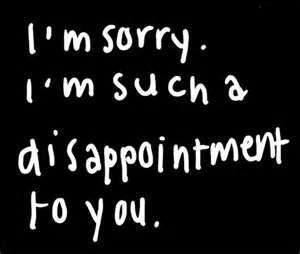
And then I stopped with the list, and started thinking of what I wish I’d said instead, instead of sorry.
Anyway, the book! Well, the other day at work I was ear wiggin.’ Two colleagues were talking about how these days, everything is so much easier now for ‘gays’ and they don’t know what all the fuss is about, cause it’s no worse than being, and this is their words.. “No worse than being dyslexic, is it.” I can’t answer people like that, but look!! This book has done it for me.

Early on, there is this line
“I’m sorry,” I say, though he’s not the one who’s owed an apology.
And that was the start of my rage. First, I started making a list of all the people I’ve apologised to ;
Family
Friends who found out
Husbands of friends who thought I might be dangerous/contagious/bad for image/what if the neighbours...
Family
One boss who found out
FAMILY
Bloke colleagues
FAMILYFAMILYFAMILY
My mother
And then I stopped with the list, and started thinking of what I wish I’d said instead, instead of sorry.
Anyway, the book! Well, the other day at work I was ear wiggin.’ Two colleagues were talking about how these days, everything is so much easier now for ‘gays’ and they don’t know what all the fuss is about, cause it’s no worse than being, and this is their words.. “No worse than being dyslexic, is it.” I can’t answer people like that, but look!! This book has done it for me.

December 11, 2013
Every fall from grace has a story, I would recommend this one to everyone because, just . . . WOW!
You think it's as simple as that? You made a mistake? One mistake? Which of the many was the fatal one?
How do I write about a book with such amazing story telling that it’s going to take me almost as long to go through all my highlighted quotes as it did to read the book in the first place? My words aren’t going to do justice to this book, they just aren’t. I’m not even going to tell you about the story much. It’s Andy’s story to tell and you need to hear it from him and reading it for the first time without knowing much about what’s coming is too good to be messed with in a review. His voice is so painfully honest, his words broke my heart but I couldn’t put this down. He’s a character that will stay with me.
Andy Nacero lives a lie. Trouble is, he’s also a self- professed natural born salesman and he has himself believing his own sales pitch. If just one thing were different, if that one thing changed, he could go on living that comfortable lonely lie. But as Andy says,
Life is a series of ‘what ifs’.
Probation is the story of one man’s fall from grace and his journey to the truth for himself. On paper, Andy isn’t someone I should have any sympathy for. If I randomly heard about what happened to him; local man arrested, caught on his knees in a public bathroom, etc., etc., my first thought wouldn’t be, “poor guy.” Not hardly, but what was so compelling about this story is the author’s portrayal of Andy. He’s not a hero, he’s not a bad guy, he’s just a man and he has a story. His whole life is dissected in the one year he is placed on probation and forced into court appointed counseling. His life is more than that blurb I heard and all the moments that led up to that night make Andy a person I won’t soon forget.
Suffice it to say, it’s very real and can’t be summed up with one or two tragic events. As Dorothy Parker said, “It’s not the tragedies that kill us; it’s the messes.” And Andy is a mess. I loved his honest voice, it was incredibly heartbreaking and real without being pathetic and once his story really started to unfold I couldn’t put this book down.
All the messes he’s had have made him who he is. Taken individually, many could possibly be explained away, we all have childhood moments we would rather not recall. He has a few though that are terribly damaging but because he isn’t even honest with himself, he has no one to share his burdens with. A lifetime of hiding has taken its toll and the saddest thing is he doesn’t even know that there are other options for him. That love, romance and the connection to another human being is possibly available to him. He hates himself and everything he represents so much he can’t see past stereotypes to give anyone, much less himself a chance.
Andy has become a sponge for all the shame and blame of his loved ones. His therapist, Matt, tells him, “Shame seems to be a recurring theme in your life”. It’s completely self-prescribed too, from his sister’s relationship with his mother and her family to Alice and her father. Those relationships were messed up all on their own and would have been with or without Andy. Selfishness isn’t just for personal gain and Andy sees himself as the catalyst for the damaged bonds between these people. He uses that blame as fuel for his self-loathing, it’s easier to stay there than to make painful changes. He antagonizes just to fuel the fire. Talking about Alice’s father, also his boss:
My efforts to capture his attention never failed to provoke paternal eruptions that fueled my courage and pushed me a little closer to the edge of outrageousness . . . .
Secondary characters in this story were amazing. You would think, with all of Andy’s issues, his family and friends would be awful people, but they are just like him, they’re human. They have their own problems and it took tragedy and illness for Andy to get some perspective.
Andy’s mom is his rock and where he goes when there is no place else for him. She’s very old school and on the surface it seems she’s mostly concerned with proper appearances, but she’s a mama bear at heart and her methods work as well as she’s able to make them. They don’t “talk” about what happened with Andy, that’s just not how she operates:
We’re very comfortable here in the zone between questions left unasked and answers never offered.
But,
My mother will be there, ready to catch me if I fall and lead the charge when I’m challenged.
He has no doubt though that she loves him unconditionally and it took coming back home to figure that out.
Matt, the therapist is a perfect fit for Andy. He makes him comfortably uncomfortable and gets Andy to see things in a fresh light. I think one of the most memorable parts of this book was when Matt asked Andy to write his own report of his progress at the end of their year together. Andy was brutally honest and incredibly insightful. I read his report a couple of times because he nailed it so well.
There are so many others, Alice, Gina, his father, his nephew – gah, I could go on all day about them all, but I have to say his relationship with every random hookup broke my heart but showed the most hope for a real future than any other relationship he had.
Do you want to be wooed? More than he can ever know, for as long as he’s been on this earth.
While Andy may not have been in a place where he could verbalize it yet, he did have hope and I could see it even when he was at his lowest. That’s what was so amazing about the writing here, how the author kept me hooked on Andy through all the awful things that happened but with underlying glimpses of optimism that I had to see play out.
This paragraph hit me, a hookup told Andy how much he liked him, pretty simple stuff, but – this is Andy
He couldn’t know the impact of his words; he wouldn’t understand I’d waited my entire life to hear another man speak them but had made conscious, deliberate choices to ensure I never would. And all that careful planning – compartmentalizing, rationalizing, justifying, avoiding, excusing, lying – where had it gotten me in the end? Locked in a fucking jail cell and kicked out on the street. But somehow I’d survived to make it here, at long last, to this tiny apartment, at the brink of an auspicious beginning. But my fear of the risks of intimacy, the possibility of rejection, still held me back. The only thing more terrifying than losing my home, my job, my good name, was the very real possibility of losing my heart.
I really can’t recommend this book enough. I was honestly planning on being depressed while reading Probation, and I’ve said it here repeatedly, my heart broke over and over, but Andy’s story is too compelling not to go through with him. Sure, parts are sad as hell, but I knew there had to be something more waiting for him. The ending was completely realistic in its subtlety and I loved it more than any extravagant, over-the-top HEA. The completion of Andy’s story fit him and I couldn’t have been happier.

The author provided a copy of this book for an honest review. I can't thank him enough.
You think it's as simple as that? You made a mistake? One mistake? Which of the many was the fatal one?
How do I write about a book with such amazing story telling that it’s going to take me almost as long to go through all my highlighted quotes as it did to read the book in the first place? My words aren’t going to do justice to this book, they just aren’t. I’m not even going to tell you about the story much. It’s Andy’s story to tell and you need to hear it from him and reading it for the first time without knowing much about what’s coming is too good to be messed with in a review. His voice is so painfully honest, his words broke my heart but I couldn’t put this down. He’s a character that will stay with me.
Andy Nacero lives a lie. Trouble is, he’s also a self- professed natural born salesman and he has himself believing his own sales pitch. If just one thing were different, if that one thing changed, he could go on living that comfortable lonely lie. But as Andy says,
Life is a series of ‘what ifs’.
Probation is the story of one man’s fall from grace and his journey to the truth for himself. On paper, Andy isn’t someone I should have any sympathy for. If I randomly heard about what happened to him; local man arrested, caught on his knees in a public bathroom, etc., etc., my first thought wouldn’t be, “poor guy.” Not hardly, but what was so compelling about this story is the author’s portrayal of Andy. He’s not a hero, he’s not a bad guy, he’s just a man and he has a story. His whole life is dissected in the one year he is placed on probation and forced into court appointed counseling. His life is more than that blurb I heard and all the moments that led up to that night make Andy a person I won’t soon forget.
Suffice it to say, it’s very real and can’t be summed up with one or two tragic events. As Dorothy Parker said, “It’s not the tragedies that kill us; it’s the messes.” And Andy is a mess. I loved his honest voice, it was incredibly heartbreaking and real without being pathetic and once his story really started to unfold I couldn’t put this book down.
All the messes he’s had have made him who he is. Taken individually, many could possibly be explained away, we all have childhood moments we would rather not recall. He has a few though that are terribly damaging but because he isn’t even honest with himself, he has no one to share his burdens with. A lifetime of hiding has taken its toll and the saddest thing is he doesn’t even know that there are other options for him. That love, romance and the connection to another human being is possibly available to him. He hates himself and everything he represents so much he can’t see past stereotypes to give anyone, much less himself a chance.
Andy has become a sponge for all the shame and blame of his loved ones. His therapist, Matt, tells him, “Shame seems to be a recurring theme in your life”. It’s completely self-prescribed too, from his sister’s relationship with his mother and her family to Alice and her father. Those relationships were messed up all on their own and would have been with or without Andy. Selfishness isn’t just for personal gain and Andy sees himself as the catalyst for the damaged bonds between these people. He uses that blame as fuel for his self-loathing, it’s easier to stay there than to make painful changes. He antagonizes just to fuel the fire. Talking about Alice’s father, also his boss:
My efforts to capture his attention never failed to provoke paternal eruptions that fueled my courage and pushed me a little closer to the edge of outrageousness . . . .
Secondary characters in this story were amazing. You would think, with all of Andy’s issues, his family and friends would be awful people, but they are just like him, they’re human. They have their own problems and it took tragedy and illness for Andy to get some perspective.
Andy’s mom is his rock and where he goes when there is no place else for him. She’s very old school and on the surface it seems she’s mostly concerned with proper appearances, but she’s a mama bear at heart and her methods work as well as she’s able to make them. They don’t “talk” about what happened with Andy, that’s just not how she operates:
We’re very comfortable here in the zone between questions left unasked and answers never offered.
But,
My mother will be there, ready to catch me if I fall and lead the charge when I’m challenged.
He has no doubt though that she loves him unconditionally and it took coming back home to figure that out.
Matt, the therapist is a perfect fit for Andy. He makes him comfortably uncomfortable and gets Andy to see things in a fresh light. I think one of the most memorable parts of this book was when Matt asked Andy to write his own report of his progress at the end of their year together. Andy was brutally honest and incredibly insightful. I read his report a couple of times because he nailed it so well.
There are so many others, Alice, Gina, his father, his nephew – gah, I could go on all day about them all, but I have to say his relationship with every random hookup broke my heart but showed the most hope for a real future than any other relationship he had.
Do you want to be wooed? More than he can ever know, for as long as he’s been on this earth.
While Andy may not have been in a place where he could verbalize it yet, he did have hope and I could see it even when he was at his lowest. That’s what was so amazing about the writing here, how the author kept me hooked on Andy through all the awful things that happened but with underlying glimpses of optimism that I had to see play out.
This paragraph hit me, a hookup told Andy how much he liked him, pretty simple stuff, but – this is Andy
He couldn’t know the impact of his words; he wouldn’t understand I’d waited my entire life to hear another man speak them but had made conscious, deliberate choices to ensure I never would. And all that careful planning – compartmentalizing, rationalizing, justifying, avoiding, excusing, lying – where had it gotten me in the end? Locked in a fucking jail cell and kicked out on the street. But somehow I’d survived to make it here, at long last, to this tiny apartment, at the brink of an auspicious beginning. But my fear of the risks of intimacy, the possibility of rejection, still held me back. The only thing more terrifying than losing my home, my job, my good name, was the very real possibility of losing my heart.
I really can’t recommend this book enough. I was honestly planning on being depressed while reading Probation, and I’ve said it here repeatedly, my heart broke over and over, but Andy’s story is too compelling not to go through with him. Sure, parts are sad as hell, but I knew there had to be something more waiting for him. The ending was completely realistic in its subtlety and I loved it more than any extravagant, over-the-top HEA. The completion of Andy’s story fit him and I couldn’t have been happier.
The author provided a copy of this book for an honest review. I can't thank him enough.

November 11, 2016
Let's face it:How do you greet a woman you’ve lived with for nearly twenty years, who vowed to stay with you through better or worse unless the worst meant being rescued from a police station, no toothbrush or mouthwash available and the smell of cock still on your breath?
He's got nowhere to go but back to his mother’s house.
The story begins shortly after Andy Nocera is arrested when caught having sex with another man in a public restroom. Kicked out of his house, he now lives with his mother and must attend weekly counseling sessions with a psychiatrist/priest named Matt, who is expecting revelations and catharsis from him .
This is… the woman who shared my life for twenty years. Sorry I can’t be more specific. “Wife” isn’t accurate. “Ex-wife” sounds harsh, too full of bitterness and regret. “Friend” would be an insult to our history; it can’t describe the bond between us, even now.
I kept my promise, Alice. I never told you I stopped loving you because I never did. You asked the wrong question. You should have made me promise to tell you if I ever fell in love with someone else.
I’ll always love you. In some way.
From page one I knew I had connected with the story, the portrayal of the damaged Andy, the protagonist, was an instant winner. Yes, it's been painful being part of his inner monologue- sad, but smart and engaging! . Yes, I felt his self-hate would become my own. But, in the process he finds a way to fix his broken soul. Thanks God!
The prose is so powerful to the extent that it sucks you mercilessly in the dark side of possibilities hidden within each of us, and holds you strongly to its very end. There’s an analytical and psychological quality to Mendicino’s writing, which is rare in the genre. The author dares to go deeper and deeper into the complicated nature of family, love and pursuing these sexual encounters, breaking your heart to pieces, and then put them back together. There is a humor,self-irony. And a passion. But most of all, there is a hope- what goes around comes around- and there is a future to move on with somebody else. Things have come full circle.
Thank you for something real!
and
Thank you Mr. Thinking Man.
He's got nowhere to go but back to his mother’s house.
The story begins shortly after Andy Nocera is arrested when caught having sex with another man in a public restroom. Kicked out of his house, he now lives with his mother and must attend weekly counseling sessions with a psychiatrist/priest named Matt, who is expecting revelations and catharsis from him .
This is… the woman who shared my life for twenty years. Sorry I can’t be more specific. “Wife” isn’t accurate. “Ex-wife” sounds harsh, too full of bitterness and regret. “Friend” would be an insult to our history; it can’t describe the bond between us, even now.
I kept my promise, Alice. I never told you I stopped loving you because I never did. You asked the wrong question. You should have made me promise to tell you if I ever fell in love with someone else.
I’ll always love you. In some way.
From page one I knew I had connected with the story, the portrayal of the damaged Andy, the protagonist, was an instant winner. Yes, it's been painful being part of his inner monologue- sad, but smart and engaging! . Yes, I felt his self-hate would become my own. But, in the process he finds a way to fix his broken soul. Thanks God!
The prose is so powerful to the extent that it sucks you mercilessly in the dark side of possibilities hidden within each of us, and holds you strongly to its very end. There’s an analytical and psychological quality to Mendicino’s writing, which is rare in the genre. The author dares to go deeper and deeper into the complicated nature of family, love and pursuing these sexual encounters, breaking your heart to pieces, and then put them back together. There is a humor,self-irony. And a passion. But most of all, there is a hope- what goes around comes around- and there is a future to move on with somebody else. Things have come full circle.
Thank you for something real!
and
Thank you Mr. Thinking Man.

June 13, 2014
"Step right up, folks. Welcome to the greatest show on earth.
Years of experience, a lifetime of lying, have prepared me for this. Oh yes, I’m the Great Pretender."
I think it was because of these lines on one of the first pages that I could not stop thinking about the movie Magnolia the entire time I was reading Probation.
So, Magnolia:
There is this guy - Frank. He has invented a system called Seduce and Destroy that teaches men who hate women how to hate women more successfully. His lifeline is "Facing the past is an important way of not making progress. The most useless thing in the world is that what is behind me." But this is all a sham, every personal detail that Frank has made public is a lie. And the only person who Frank really hates is his father.
Then there’s Donnie who is in love with a bartender named Brad. Brad wears braces and all Donnie wants is to have the same braces because he believes that this is the only way to get close to Brad. So Donnie says: "I’m sick and I’m in love. I confuse the two and I don’t care." But Donnie is not sick, he is just lost.
There’s also this kid Stanley. He is the smartest kid in the world but all he wants is for his father to be nice to him.
Andy Nocera is not Frank or Donnie or Stanley but he is also all of them. Because Probation is his journey in search of love and letting go of the guilt and shame after decades of pretending. But most of all it is the story of Andy’s finding a way to love himself for who he is.
“Have you ever felt as if you were living in someone else’s body?” Robert asks me. “Did you ever touch your skin and couldn’t feel it?”
“All the time,” I admitted.
The book is narrated by Andy and it covers a period of a little over a year after his arrest but every chapter also includes recollections of his past. Andy discovers that he is gay at very early age and consciously decides to put an end to it during his college years when he gets married to Alice.
"I’d kept my mind a blank slate when it came to homoerotic attraction and proclivities. I would immediately extinguish the occasional, no, frequent, disturbing thoughts before they had an opportunity to reveal their nature, before they could identify themselves as attraction or desire."
Until, 8 years into his marriage, when Andy meets a man who is the catalyst for all events to follow.
"… I learned how my body could respond to a touch I truly desired. And, for the first time, I felt the fissures in the fault line of the life I’d created and the potential of my dry heart to crack and split."
Andy lives with the belief that the people around him only love him or like him for who he is pretending to be so he hates himself and his closest people are the collateral damage to this hate. Sometimes Andy’s thoughts of other people are so cruel that he is convinced he doesn’t have a heart. Other times, he is achingly vulnerable in his attempts to get close to someone and a simple kind word turns him upside down.
Andy is also the master of denial and he makes some really bad decisions. I took this as an accurate representation of how imperfect humans are, and not as stupidity, but it was not easy to like Andy.
There is an episode around the 70% mark when Andy writes a painfully honest evaluation report of himself. That was the most powerful part of the book for me. Luckily, Andy also has a great sense of humor and it was his sarcasm and self-irony that kept the balance.
Probation is not a light read, but it was a truly compelling story for me.
Triggers: .

December 29, 2015
Very well written, this is one of the most honest fictional book about gay male sexuality I have read in a very long time.
What keeps me from giving a high rating is the excess of drama and self-destructive behaviour and a too short and scrambled last chapter.
What keeps me from giving a high rating is the excess of drama and self-destructive behaviour and a too short and scrambled last chapter.

January 7, 2014
I’m hard-pressed to come up with something more painful than witnessing the complete and thorough self-destruction of a character in a book. I’m reading the words, the things the MC is doing and thinking, “No! Please, don’t! Don’t DO this to yourself!” and “Oh, god, that choice is gonna wreck everything that happens to you from this point forward...”
The simple fact is I’m so used to reading about gay men who are comfortable with themselves and their sexuality (for the most part), that this novel was a jolt to my system. It was shocking. It was sad. I spent an entire book in the POV of a man who was utterly unable to accept who he was; his entire life was a lie.
It was awkward. It was scary. It was depressing. It was thought provoking.
I want to give Tom Mendicino one star, no, less than one star, for what he did to Andy Nocera in Probation. But what I’m left with is the idea that maybe Tom needs all the stars for not caving to the stereotype that every character has to be well adjusted and find love and have great sex and have an understanding family and have copious amounts of friends and just...happiness and ride off into the sunset on a white horse next to a handsome stud.
Andy Nocera is lost, dammit. His resolution is satisfying enough, I guess. But I’ll be damned if Andy didn't have to go to hell and back just to land somewhere close to okay.

The simple fact is I’m so used to reading about gay men who are comfortable with themselves and their sexuality (for the most part), that this novel was a jolt to my system. It was shocking. It was sad. I spent an entire book in the POV of a man who was utterly unable to accept who he was; his entire life was a lie.
It was awkward. It was scary. It was depressing. It was thought provoking.
I want to give Tom Mendicino one star, no, less than one star, for what he did to Andy Nocera in Probation. But what I’m left with is the idea that maybe Tom needs all the stars for not caving to the stereotype that every character has to be well adjusted and find love and have great sex and have an understanding family and have copious amounts of friends and just...happiness and ride off into the sunset on a white horse next to a handsome stud.
Andy Nocera is lost, dammit. His resolution is satisfying enough, I guess. But I’ll be damned if Andy didn't have to go to hell and back just to land somewhere close to okay.

April 12, 2017
4.5 stars
The blurb says pretty much all there’s to say about this book’s “plot”.
If you’re looking for a steaming romance, or even for a hearts and flowers one, look elsewhere. To be completely accurate, if you’re looking for a romance, look elsewhere.
This is not a romance, it’s all about Andy and his journey of...I guess you could call it his journey of self-awareness and self-acceptance, it certainly is all that, but, put it that way, it seems much more organic and organized than it actually is.
When the story starts Andy is going to his first court-mandated counseling appointment and it goes on from there, with Andy adjusting, or failing to adjust, to his new life after the arrest and his separation from his wife.
Andy being as lonely, imperfect, afraid, selfish and, yes, a little bit of a coward too, as any human being can be, it’s a messy journey and most of the time it isn’t even pretty. It’s real, though.
I’m not a gay man, so I don’t have any personal experience to say that this is an accurate portrait of the struggles, thoughts and actions of a gay man in Andy’s position. Leaving aside Andy’s sexuality, I can say that this is an accurate portrait of the struggles, thoughts and actions of a person stumbling through life, so I’m assuming all the other parts are also accurate.
Anyway, it felt real to me. Every bad decision, every choice made for fear or loneliness, every moment of weakness and every unkind, selfish thought, nothing was sugar-coated or romanticized. It was like having a front-row seat to the mind and life of a real person, not a character in a book.
The writing is excellent, but you have to get used to the narrator’s voice, which is actually Andy narrating present events and recollections of his past in a way that almost resembles a stream of consciousness. It was a little draining at times, but it worked for this story.
Most likely not something I’ll ever feel like re-reading, but I’m glad I didn’t miss it.
The blurb says pretty much all there’s to say about this book’s “plot”.
If you’re looking for a steaming romance, or even for a hearts and flowers one, look elsewhere. To be completely accurate, if you’re looking for a romance, look elsewhere.
This is not a romance, it’s all about Andy and his journey of...I guess you could call it his journey of self-awareness and self-acceptance, it certainly is all that, but, put it that way, it seems much more organic and organized than it actually is.
When the story starts Andy is going to his first court-mandated counseling appointment and it goes on from there, with Andy adjusting, or failing to adjust, to his new life after the arrest and his separation from his wife.
Andy being as lonely, imperfect, afraid, selfish and, yes, a little bit of a coward too, as any human being can be, it’s a messy journey and most of the time it isn’t even pretty. It’s real, though.
I’m not a gay man, so I don’t have any personal experience to say that this is an accurate portrait of the struggles, thoughts and actions of a gay man in Andy’s position. Leaving aside Andy’s sexuality, I can say that this is an accurate portrait of the struggles, thoughts and actions of a person stumbling through life, so I’m assuming all the other parts are also accurate.
Anyway, it felt real to me. Every bad decision, every choice made for fear or loneliness, every moment of weakness and every unkind, selfish thought, nothing was sugar-coated or romanticized. It was like having a front-row seat to the mind and life of a real person, not a character in a book.
The writing is excellent, but you have to get used to the narrator’s voice, which is actually Andy narrating present events and recollections of his past in a way that almost resembles a stream of consciousness. It was a little draining at times, but it worked for this story.
Most likely not something I’ll ever feel like re-reading, but I’m glad I didn’t miss it.

November 20, 2014
Audible
A beautiful book and an even better audiobook. A deeply touching prose told by one of the most talented, mesmerising narrators, in my opinion.
This is not a story to rush and skip through, and it's not a romance (I'm glad I was warned so there wouldn't have been any expectations). Instead, it's a book portraying a lonely man's life who had tried and failed to pretend he's not who he really is and then crawled through the deep depression and a tragedy trying, without believing it's possible, to find himself again.
I cannot, in all fairness, express the force of the effect this book has had on me. Each chapter is a jewel, some leaving me hopeful, some turning me inside out with the simple truth of how harsh our lives could be.
Tom Mendicino's writing is exquisite. I can feel the hooks his words embedded inside of me, still making me bleed slightly, and I suspect I'll have some little scar to remember this book for a long time to come.
***5 stars*** for both an author and a narrator.
A beautiful book and an even better audiobook. A deeply touching prose told by one of the most talented, mesmerising narrators, in my opinion.
This is not a story to rush and skip through, and it's not a romance (I'm glad I was warned so there wouldn't have been any expectations). Instead, it's a book portraying a lonely man's life who had tried and failed to pretend he's not who he really is and then crawled through the deep depression and a tragedy trying, without believing it's possible, to find himself again.
I cannot, in all fairness, express the force of the effect this book has had on me. Each chapter is a jewel, some leaving me hopeful, some turning me inside out with the simple truth of how harsh our lives could be.
Tom Mendicino's writing is exquisite. I can feel the hooks his words embedded inside of me, still making me bleed slightly, and I suspect I'll have some little scar to remember this book for a long time to come.
***5 stars*** for both an author and a narrator.
October 8, 2017
This is one of those books that's Too Real.
WARNING: this is less a book review and more a.... diatribe? self-pitying monologue?
Here's the book reviewy bit:
It's not a shiny story written in the fluffy world of mm romance novels. You know, where everyone does The Right Thing and says The Right Thing all the fucking time even when they're being "kinky". Where being gay is OK, but only if you do it The Right Way, the Acceptable Way, NO STEREOTYPES NEED APPLY, PARAGONS OF VIRTUE AND SAFETY, ONLY, MONOGAMY IS THE ONLY WAY TO LOVE. Where the characters suffer artfully and usefully and romantically and no one has to wade through the muck and garbage of their battered, bombed out soul trying to find enough pieces of themselves to calculate whether it's still enough to make a whole person and then find out, shit... it's not.
So don't make the mistake of thinking this is that kind of book. There's truth inside of here. Too much for me, today, which is how we wound up with the following self-involved bullshit:
You look inside this book, and the protagonist is just an insufferable asshole who has been bashed around by life and then spends a good chunk of the next part of his life bashing other people around. Lashing out, closing off, hiding who he is, desperate that no one see him and desperate that someone see him and being just fucking pissed off at the world when people either do or don't see him for who he really is. There's no way to win. It's losing all the way down.
He hates himself.
And he's me.
And I'm him.
Not really me, but that's the problem, isn't it. Our problems differ. Our secrets and lies are different. The unstable foundation upon which we built our house of cards is constructed of different half-truths and wishful thoughts and the desperate mad scrabble to conform and to not be that, any fucking thing but that, but at the heart of it, even though he was clearly better at constructing his house of cards than I was, the broken hidden jagged edges that we shellack over for public viewing is still fucking familiar.
Please don't see me.
Please see me.
His salvation and his downfall are the same. They have to be. The bill comes due. You can't lie to everyone and sundry including yourself for decades and not pay the price. Maybe the price is a deathbed confession to a nurse somewhere as you're dying. Or maybe the price is the loss of the life you built and the ignominy of admitting to all those people that you don't have your shit together and that none of them really knew you. And then starting all over again, but you're not older and wiser, you're damaged goods staring at middle age with nothing to offer anyone but porcupine quills and dented armor that you've cobbled together into a nearly impenetrable shield that won't let them hurt you but won't let them love you either. And after years of living in your pointy tin can, the armor hurts almost worse than the wounds those assholes are trying to inflict, and so you have to take it off and then you're naked in the world and life hands those dickheads a rusty blade and all you can do is beg them not to give you fucking tetanus. And of course they do. Someone always will. But being naked has its perks, and I suppose you just have to hope that you and whatever ragtag group of people pathetic enough to still care about your sorry, lying, pathetic, pathetic ass can patch up the damage faster than you take it so you don't bleed to death of papercuts and stab wounds made of broken glass and bigotry.
I can only read one or two of these a year, because ^^^^^^^^^^^^^ do you see that bullshit up there? Fucking emo whiny bullshit leaks out of the pages of these books and all over me. Sticky maudlin wishes of 'if only' and 'maybe' and the bitter tang of 'I feel like I cheated myself out of living my own fucking life and it's too late now so what's the fucking point?' And the sick trickle of jealousy for someone who faced themselves and now lives their truth and survived to tell the tale and people still love them and they get to live and have some semblance of happiness, and I want to stab them in the face, because who the fuck do they think they are? Why isn't hiding and conforming an alternate path to happiness? Why doesn't it fucking count that I've tortured myself for years trying to fit in my box? When you hack off enough pieces of yourself the idea is that eventually you'll fit in the fucking box comfortably, but for some reasons the wounds don't heal right and you just wind up misshapen and in constant pain and it's not fucking fair. All that effort should count for something, but it fucking doesn't. No one ever thanks you for pretending your hardest and lying your best to be everything they want. They expect it, but don't ever tell them it's not real, because then you're the bad guy.
And maybe I am.
We're all somebody's bad guy, and if you don't see that about yourself, then you're the worst kind of bad guy.
Ugh. So I hope you're fucking pleased with yourself, Tom Mendicino, you truth-seeking bastard. You've made me feel my own feelings. If anyone needs me, I'll be putting fresh bandages on all my wounds since this book went and ripped them all off.
WARNING: this is less a book review and more a.... diatribe? self-pitying monologue?
Here's the book reviewy bit:
It's not a shiny story written in the fluffy world of mm romance novels. You know, where everyone does The Right Thing and says The Right Thing all the fucking time even when they're being "kinky". Where being gay is OK, but only if you do it The Right Way, the Acceptable Way, NO STEREOTYPES NEED APPLY, PARAGONS OF VIRTUE AND SAFETY, ONLY, MONOGAMY IS THE ONLY WAY TO LOVE. Where the characters suffer artfully and usefully and romantically and no one has to wade through the muck and garbage of their battered, bombed out soul trying to find enough pieces of themselves to calculate whether it's still enough to make a whole person and then find out, shit... it's not.
So don't make the mistake of thinking this is that kind of book. There's truth inside of here. Too much for me, today, which is how we wound up with the following self-involved bullshit:
You look inside this book, and the protagonist is just an insufferable asshole who has been bashed around by life and then spends a good chunk of the next part of his life bashing other people around. Lashing out, closing off, hiding who he is, desperate that no one see him and desperate that someone see him and being just fucking pissed off at the world when people either do or don't see him for who he really is. There's no way to win. It's losing all the way down.
He hates himself.
And he's me.
And I'm him.
Not really me, but that's the problem, isn't it. Our problems differ. Our secrets and lies are different. The unstable foundation upon which we built our house of cards is constructed of different half-truths and wishful thoughts and the desperate mad scrabble to conform and to not be that, any fucking thing but that, but at the heart of it, even though he was clearly better at constructing his house of cards than I was, the broken hidden jagged edges that we shellack over for public viewing is still fucking familiar.
Please don't see me.
Please see me.
His salvation and his downfall are the same. They have to be. The bill comes due. You can't lie to everyone and sundry including yourself for decades and not pay the price. Maybe the price is a deathbed confession to a nurse somewhere as you're dying. Or maybe the price is the loss of the life you built and the ignominy of admitting to all those people that you don't have your shit together and that none of them really knew you. And then starting all over again, but you're not older and wiser, you're damaged goods staring at middle age with nothing to offer anyone but porcupine quills and dented armor that you've cobbled together into a nearly impenetrable shield that won't let them hurt you but won't let them love you either. And after years of living in your pointy tin can, the armor hurts almost worse than the wounds those assholes are trying to inflict, and so you have to take it off and then you're naked in the world and life hands those dickheads a rusty blade and all you can do is beg them not to give you fucking tetanus. And of course they do. Someone always will. But being naked has its perks, and I suppose you just have to hope that you and whatever ragtag group of people pathetic enough to still care about your sorry, lying, pathetic, pathetic ass can patch up the damage faster than you take it so you don't bleed to death of papercuts and stab wounds made of broken glass and bigotry.
I can only read one or two of these a year, because ^^^^^^^^^^^^^ do you see that bullshit up there? Fucking emo whiny bullshit leaks out of the pages of these books and all over me. Sticky maudlin wishes of 'if only' and 'maybe' and the bitter tang of 'I feel like I cheated myself out of living my own fucking life and it's too late now so what's the fucking point?' And the sick trickle of jealousy for someone who faced themselves and now lives their truth and survived to tell the tale and people still love them and they get to live and have some semblance of happiness, and I want to stab them in the face, because who the fuck do they think they are? Why isn't hiding and conforming an alternate path to happiness? Why doesn't it fucking count that I've tortured myself for years trying to fit in my box? When you hack off enough pieces of yourself the idea is that eventually you'll fit in the fucking box comfortably, but for some reasons the wounds don't heal right and you just wind up misshapen and in constant pain and it's not fucking fair. All that effort should count for something, but it fucking doesn't. No one ever thanks you for pretending your hardest and lying your best to be everything they want. They expect it, but don't ever tell them it's not real, because then you're the bad guy.
And maybe I am.
We're all somebody's bad guy, and if you don't see that about yourself, then you're the worst kind of bad guy.
Ugh. So I hope you're fucking pleased with yourself, Tom Mendicino, you truth-seeking bastard. You've made me feel my own feelings. If anyone needs me, I'll be putting fresh bandages on all my wounds since this book went and ripped them all off.

July 17, 2010
Andy Nocera is a middle age man whose life seemingly has come to a screeching halt. Twenty years into his heterosexual marriage, he is arrested at a roadside park along the interstate and charged with indecency. He’s been caught having casual, anonymous sex with a stranger in a public facility. He loses his marriage, his job, his home, his dreams of fatherhood, and the tiny shred of self respect to which he’d previously been clinging.
Probation is the story of a man’s journey through a perilous and undeniably disturbing period of transition as well as the history of a boy who squandered so much potential by trading it for the big lie. Presented in first person voice, the narrator propels the plot forward in the present tense while simultaneously weaving-in past-tense flashback scenes. This blending creates a very readable, page-turning conversational monologue that is heart-wrenching, brutally honest, and humorous. With its ramblings and non-essential tangents, the prose reads like a memoir, yet the slightly sardonic—bordering on jaded—sarcasm is crisp and witty and paints a portrait of an authentic-yet-sometimes-annoying sympathetic protagonist.
At times I found myself disgusted with Andy, and I felt he was a self-absorbed, self-pitying, whiny prima donna who made terribly poor choices and then bemoaned his own stupidity. These feelings, though, were short lived, because it was no sooner that I became irritated by him than a piece of his history would reveal the building blocks of his self deprecation. I was moved emotionally as I learned of his feelings of rejection during childhood, the numerous incidents of ridicule, the brutal molestation he suffered at the hands of a stranger, and his conflicting religious beliefs.
Andy was plagued with Roman Catholic guilt, and he strove to compensate for what he perceived to be his shortcomings by trying to follow a life roadmap which had been designed for someone else. His insecurity prevented him from attending his college of choice, and instead he stuck close to home. His internal homophobia and guilt prevented him from embracing his sexual orientation, and he instead chose to marry his best friend and try to pursue the American Dream. His timidity and low self esteem prevented him from pursuing a career of which he could be passionate, and instead he accepted a token executive position in his father-in-law’s company.
When all of the facades crumble and Andy’s true identity begins to emerge, he is lost. Under a court order, he begins therapeutic counseling during a one year period of “probation”. He is forced to return home to live with his mother, and becomes her primary caregiver as she battles terminal lymphoma. He accepts a job as a traveling salesperson, pedaling display shelving for retail stores. He struggles to come to terms with his new lifestyle, labeling himself a failure and blaming himself for his failed marriage.
Andy has a lot to unlearn. During his therapy sessions he grows exponentially, at least in terms of his self awareness. Emotionally, however, he regresses. He no longer feels like a 40-year-old, somewhat affluent businessman and husband. He’s but a boy again, defined not by his accomplishments but rather by his insecurity. Who will he become when he grows up? Can he forgive himself? Can he ever become all his father expected him to be? Can he stop hating his sister for having born witness to the most vulnerable version of himself? Can he make peace with a mother who loved him too oppressively and who made excuses for his weaknesses?
The raw depiction of Andy’s dependent relationship with his counselor Matt is gripping and fiercely honest. Matt is everything that Andy is not. He’s perfect, has squandered nothing. He’s achieved all of his goals and then some, reminding Andy what an utter failure his own life has been. Andy needs Matt. He needs his approval. Andy hates him though. He hates how one-sided the relationship is. He despises the fact that Matt has all the power. Matt knows everything about Andy, but Andy craves to learn just a tiny shred of Matt’s vulnerability. He’s placed Matt on a pedestal of which he’s hellbent to knock him off. He needs Matt to be perfect, yet he hates him for this. And simultaneously he loves him.
The authenticity of Andy Nocera is the strength of this novel. He’s magnificently flawed. He’s irritating and at times immature, yet he’s also frighteningly intelligent. Andy represents everything about ourselves that we gay men hate, yet he reminds us how stupid we are not to love ourselves. I want to have a chat with Andy Nocera. I want to tell him to quit whining and be thankful for the blessings in his life. I want to assure him how loveable he truly is. I want to be his best friend. I’m afraid, though, that Andy would never trust me enough to have such a conversation. He’d convince himself I was judging him. Instead of becoming my true friend, he’d make mental comparisons and decide that either I was too good for him or vice versa.
Andy changes during the course of his probation, or perhaps he simply realizes there is no need to change. His perception is subtly altered, but even this tiny shift has a dramatic impact upon the course of his destiny. The realistic conclusion of Probation is not the HEA you’d find at the end of a Harlequin Romance, but it is hopeful. It is genuine and believable, and it is satisfying.
Probation is a mirror. Be prepared for what you might see
Probation is the story of a man’s journey through a perilous and undeniably disturbing period of transition as well as the history of a boy who squandered so much potential by trading it for the big lie. Presented in first person voice, the narrator propels the plot forward in the present tense while simultaneously weaving-in past-tense flashback scenes. This blending creates a very readable, page-turning conversational monologue that is heart-wrenching, brutally honest, and humorous. With its ramblings and non-essential tangents, the prose reads like a memoir, yet the slightly sardonic—bordering on jaded—sarcasm is crisp and witty and paints a portrait of an authentic-yet-sometimes-annoying sympathetic protagonist.
At times I found myself disgusted with Andy, and I felt he was a self-absorbed, self-pitying, whiny prima donna who made terribly poor choices and then bemoaned his own stupidity. These feelings, though, were short lived, because it was no sooner that I became irritated by him than a piece of his history would reveal the building blocks of his self deprecation. I was moved emotionally as I learned of his feelings of rejection during childhood, the numerous incidents of ridicule, the brutal molestation he suffered at the hands of a stranger, and his conflicting religious beliefs.
Andy was plagued with Roman Catholic guilt, and he strove to compensate for what he perceived to be his shortcomings by trying to follow a life roadmap which had been designed for someone else. His insecurity prevented him from attending his college of choice, and instead he stuck close to home. His internal homophobia and guilt prevented him from embracing his sexual orientation, and he instead chose to marry his best friend and try to pursue the American Dream. His timidity and low self esteem prevented him from pursuing a career of which he could be passionate, and instead he accepted a token executive position in his father-in-law’s company.
When all of the facades crumble and Andy’s true identity begins to emerge, he is lost. Under a court order, he begins therapeutic counseling during a one year period of “probation”. He is forced to return home to live with his mother, and becomes her primary caregiver as she battles terminal lymphoma. He accepts a job as a traveling salesperson, pedaling display shelving for retail stores. He struggles to come to terms with his new lifestyle, labeling himself a failure and blaming himself for his failed marriage.
Andy has a lot to unlearn. During his therapy sessions he grows exponentially, at least in terms of his self awareness. Emotionally, however, he regresses. He no longer feels like a 40-year-old, somewhat affluent businessman and husband. He’s but a boy again, defined not by his accomplishments but rather by his insecurity. Who will he become when he grows up? Can he forgive himself? Can he ever become all his father expected him to be? Can he stop hating his sister for having born witness to the most vulnerable version of himself? Can he make peace with a mother who loved him too oppressively and who made excuses for his weaknesses?
The raw depiction of Andy’s dependent relationship with his counselor Matt is gripping and fiercely honest. Matt is everything that Andy is not. He’s perfect, has squandered nothing. He’s achieved all of his goals and then some, reminding Andy what an utter failure his own life has been. Andy needs Matt. He needs his approval. Andy hates him though. He hates how one-sided the relationship is. He despises the fact that Matt has all the power. Matt knows everything about Andy, but Andy craves to learn just a tiny shred of Matt’s vulnerability. He’s placed Matt on a pedestal of which he’s hellbent to knock him off. He needs Matt to be perfect, yet he hates him for this. And simultaneously he loves him.
The authenticity of Andy Nocera is the strength of this novel. He’s magnificently flawed. He’s irritating and at times immature, yet he’s also frighteningly intelligent. Andy represents everything about ourselves that we gay men hate, yet he reminds us how stupid we are not to love ourselves. I want to have a chat with Andy Nocera. I want to tell him to quit whining and be thankful for the blessings in his life. I want to assure him how loveable he truly is. I want to be his best friend. I’m afraid, though, that Andy would never trust me enough to have such a conversation. He’d convince himself I was judging him. Instead of becoming my true friend, he’d make mental comparisons and decide that either I was too good for him or vice versa.
Andy changes during the course of his probation, or perhaps he simply realizes there is no need to change. His perception is subtly altered, but even this tiny shift has a dramatic impact upon the course of his destiny. The realistic conclusion of Probation is not the HEA you’d find at the end of a Harlequin Romance, but it is hopeful. It is genuine and believable, and it is satisfying.
Probation is a mirror. Be prepared for what you might see

January 15, 2017
One of the messiest, most painful, but ultimately hopeful books I've read. Andy Nocera is a gay man married to a woman. When he's arrested for public indecency after truck stop sex with a man, he loses his wife, his home, and his job, and is sentenced to probation that includes a year of therapy. Socially isolated, living with his dying mother, it's tough to see how anything in his life will ever get better. But it does. Not with a sudden light bulb moment, not with sustained optimism and hard work, but through a series of small changes, painful revelations in therapy, and finally at least some degree of self-acceptance. An unflinching look at the damage homophobia and toxic masculinity inflict on queer men, and intensely compassionate towards its main character and his healing.

July 27, 2014
The biting acerbic voice coated in humorous wit makes it impossible not to empathize with this poor bastard's self-castigating storyline. Of course, I perversely lingered and voyeured in hopes of some classic-timeless f'ed up priest/parishioner man-loving moments..aaaaand..sonofabitch..twas not to be. But..still very worthy of a compassionately-identifiable read.

December 21, 2013
I was pleasantly surprised at how well written this book was, especially considering it was Mendicino’s first novel. The plot sounded interesting enough: Andy Nocera, a married man in his late thirties, is arrested for having sex with another guy at an interstate rest stop. His life quickly goes downhill from that point. Besides the public shame and legal ramifications, he loses both his job and his wife. As the title suggests, the story traces his life during his one year probation period. This is Andy’s story and is told from his point of view. Over the course of his probation Andy must finally come to terms with accepting himself as a gay man, something he has struggled with since his early teens. We learn much about Andy’s back story through the effective use of flashback.
Probation is an excellent accounting of one man’s fall from grace and the difficult road he must take over the course of one year before he can achieve happiness and inner peace. Andy is neither a hero nor a villain. He is just one screwed-up guy trying to make some sense out of his life. The author has strong writing skills and delivers a story that is powerful and compelling. In addition to Andy the other primary characters are:
• Matt: the court-appointed counselor, psychiatrist as well as Jesuit priest. Matt is the perfect foil for Andy and plays an important role in getting Andy to accept himself.
• Alice: his ex-wife who despite everything that has happened still cares deeply about Andy.
• Andy’s mom who bails him out of jail, welcomes him into her home and provides him important emotional support.
Some of the comments others have made about this book frankly annoy me. Apparently some people found Andy whiny, self-righteous, irritating and pathetic. One person commented “If you’re dissatisfied then change your life and stop whining. He seemed to ‘enjoy’ being miserable, drinking and smoking himself into a stupor.” Really? I could not disagree more strongly. The story as I recall takes place in North Carolina in the early 90’s, not exactly the cradle of love your gay neighbor. To apply a mindset of Will and Grace, Modern Family and Marriage Equality to Andy’s time and place as I suspect many Generation Xers and Millennials do is preposterous. Even in 2014 there is enormous societal pressure to think and act straight. Andy grew up in an environment that told him he was sick and disgusting for his sexual urges and behavior and he should probably be beaten to a pulp like Matthew Shepherd was. As a result he is self-loathing and resorts to drinking heavily to mask the pain he is feeling. “Don’t judge me till you have walked a mile in my shoes” seems an apt way of describing his situation. That is why I can and apparently others cannot understand his anguish, self-hatred and suffering.
Like Andy I too was once married, trying to live the Leave it To Beaver existence society had pressured me into believing I needed to pursue to achieve happiness. Even though I had known since my early teens that guys and not gals was what aroused me, I struggled with my feelings, living a lie, trying to convince myself and others I was something I wasn’t. Only when I reached the age of thirty and my marriage started to crumble did I face my demons. Fortunately I was not caught at a public restroom having sex, although at the time the prospect of engaging in such activity did cross my mind on more than one occasion. Living in the closet is a bleak and heavy burden to bear. Like Andy when I allowed myself to accept me for who and what I was, it was quite liberating.
This is not an easy story to read but one that is gripping, believable and very satisfying. It is not your usual M/M romance story. Rather it is the saga of a middle-aged man who happens to be gay though not willing to acknowledge it, and what happens to him after getting caught going down on another guy at a rest stop. The work was a Lambda Literary Award Nominee for Gay Debut Fiction in 2011. All-in-all this was a very rewarding novel.
Probation is an excellent accounting of one man’s fall from grace and the difficult road he must take over the course of one year before he can achieve happiness and inner peace. Andy is neither a hero nor a villain. He is just one screwed-up guy trying to make some sense out of his life. The author has strong writing skills and delivers a story that is powerful and compelling. In addition to Andy the other primary characters are:
• Matt: the court-appointed counselor, psychiatrist as well as Jesuit priest. Matt is the perfect foil for Andy and plays an important role in getting Andy to accept himself.
• Alice: his ex-wife who despite everything that has happened still cares deeply about Andy.
• Andy’s mom who bails him out of jail, welcomes him into her home and provides him important emotional support.
Some of the comments others have made about this book frankly annoy me. Apparently some people found Andy whiny, self-righteous, irritating and pathetic. One person commented “If you’re dissatisfied then change your life and stop whining. He seemed to ‘enjoy’ being miserable, drinking and smoking himself into a stupor.” Really? I could not disagree more strongly. The story as I recall takes place in North Carolina in the early 90’s, not exactly the cradle of love your gay neighbor. To apply a mindset of Will and Grace, Modern Family and Marriage Equality to Andy’s time and place as I suspect many Generation Xers and Millennials do is preposterous. Even in 2014 there is enormous societal pressure to think and act straight. Andy grew up in an environment that told him he was sick and disgusting for his sexual urges and behavior and he should probably be beaten to a pulp like Matthew Shepherd was. As a result he is self-loathing and resorts to drinking heavily to mask the pain he is feeling. “Don’t judge me till you have walked a mile in my shoes” seems an apt way of describing his situation. That is why I can and apparently others cannot understand his anguish, self-hatred and suffering.
Like Andy I too was once married, trying to live the Leave it To Beaver existence society had pressured me into believing I needed to pursue to achieve happiness. Even though I had known since my early teens that guys and not gals was what aroused me, I struggled with my feelings, living a lie, trying to convince myself and others I was something I wasn’t. Only when I reached the age of thirty and my marriage started to crumble did I face my demons. Fortunately I was not caught at a public restroom having sex, although at the time the prospect of engaging in such activity did cross my mind on more than one occasion. Living in the closet is a bleak and heavy burden to bear. Like Andy when I allowed myself to accept me for who and what I was, it was quite liberating.
This is not an easy story to read but one that is gripping, believable and very satisfying. It is not your usual M/M romance story. Rather it is the saga of a middle-aged man who happens to be gay though not willing to acknowledge it, and what happens to him after getting caught going down on another guy at a rest stop. The work was a Lambda Literary Award Nominee for Gay Debut Fiction in 2011. All-in-all this was a very rewarding novel.

February 29, 2012
Unflinchingly honest, this book is sometimes an uncomfortable read but always a quality one. The sardonic voice of the narrator has such emotional range behind it but always communicates so specifically that the reader can't help but be engaged. (Sometimes repulsed, sometimes sympathetic but always engaged.) The book also has terrific structure--it's able to delve into considerable detail and yet never loses sight of its time line. Also many of its chapters could stand alone as short stories, yet the story never feels episodic. I felt like I had ridden along with the narrator through some rough terrain and felt rewarded at the end when he emerged from the experience with more depth and self-knowledge. It's also refreshing to read a story about a gay character which isn't set in an urban epicenter and isn't all about persecution.

January 6, 2016
UNFORGETTABLE! I just finished so this review will most likely be incoherent ramblings. I started the audible driving and went straight to my kindle at home. I could not put this down. There are so many perfect reviews-read them if you want a summary, this is a must read. This story is so real, it's heartbreaking, eye opening, yet perfect. The book takes us through flashbacks and current times after an incident leaves the MC, Andy reassessing his life. It's so difficult to see how alone and misguided he has been his entire life. He memories are sarcastic and painful. I will not forget this book.

May 27, 2010
I had many problems liking Andy Nocera. However, I couldn't put this book down. The writing was very compelling. And even if Andy and all of his closeted baggage is so unattractive, his development as a character is commendable. He was, in the end, very believable.
Rev. Matt McGinley remained an enigma of sorts. I would have liked to know him more.
Rev. Matt McGinley remained an enigma of sorts. I would have liked to know him more.

April 17, 2010
This is Tom Mendocino's first novel, and I hope it won't be his last. He writes with honesty, humor and an aversion to sentimentality that makes you believe every minute of his narrator's journey of occasionally self-destructive self-discovery.

December 1, 2010
Tom Mendicino’s book, Probation, tells the story of Andrew “Andy” Nocera, a man who just can’t stop risking the loss of a life of luxury cars and cashmere sweaters. He risks it all by chasing anonymous homosexual encounters in “piss-soaked and shit-stinking public toilets.” Eventually, he is arrested and placed on probation for having sex at an Interstate rest area.
Some have complained that the novel is too dark, but Andy’s story is one I hear from men on a regular basis. Perhaps it isn’t that the story is too dark; it’s just that most of our heterosexual society would prefer not to hear it. The LGBT community says that the obvious solution is coming out but many fail to realize how difficult that is for these men who have been charting a different course.
One study in New York City found that nearly 10% of married men had had sex with another man in the year prior to the study. Why do these men live these lives? Many of them are married and feel that they have too much at stake to come out. Living heterosexual lives, they fear the loss of their family (particularly their relationships with their children), their profession and sometimes their cultural and religious communities.
Andy describes his wife, Alice, as “like a distant buoy bobbing on the surface of a placid but unnavigable lake.” Andy, like many of these men, loved his wife whom he considered his best friend. But he also feared that Alice loved him for all of the things he hated about himself: feeling weak, soft and needing protection.
Andy and Alice “[lived] in a zone where questions [are] never asked and answers never given.” Many couples, even unknowingly, collude to keep their secret, choosing to maintain the status quo. For many years, Alice was willing to close her eyes to everything, ignoring the obvious. Even after they separated, she missed Andy, her best friend.
Andy felt that loving Alice as he should always remained out of reach. Men like Andy often feel unskilled in heterosexual love-making. They’ve feel like they never received a copy of the heterosexual dating play book. When Andy saw Alice naked, he thought, “Maybe I loved her but I didn’t desire her.” Although he had an occasional gold medal sexual performance with Alice, Andy became exhausted from his attempts at a satisfying sex life with Alice. Finally, he came to believe he couldn’t respond to her even if I wanted to.
At some point, Andy, like many of us, discovered sex with another man. Some men discover their attraction to other men early in life; they have “always known.” Others almost seem to unexpectedly stumble upon same-sex activity.
Through these early years Andy made conscious, deliberate choices that protected him so that none of his homosexual pairings would become more than a casual, superficial experience. Andy immediately disposed of occasional, secret thoughts that would have revealed his true nature. He just didn’t want to identify himself as someone who could love another man.
Andy was tormented by the life he led. Men who are in Andy’s situation live lonely, hidden lives. They do not have a community of gay friends and they cannot speak of it with their straight friends. Like Andy, some see themselves as too masculine to be gay. They cannot identify with the men they find in gay bars; they are disgusted by them, as if they are “mock[ing] everything I believe in.” They are unaware of how frequently they misjudge the bar’s patrons.
The sleazy underground meeting places where men meet for casual sex don’t do much to enhance the participants self worth. They seem filled with unsavory, dysfunctional men, and there you are, just one more of them. Some insist on unsafe sex. When Andy once suggested he would put on a condom, his sexual partner responded, “What do you think I am? Some kind of fag?”
People who engage in casual sex often don’t think of themselves as “the kind of person who engages in casual sex.” Many do not think of themselves as “gay.” In the same study mentioned above, nearly 10% of men who define themselves as heterosexual had sex exclusively with other men.
These men live in every part of the world. The Internet has offered some opportunities for these men to meet, but they don’t often lead to discovering strong gay role models who help them deal with their anguish. Social interaction often leads to cybersex with another unhappy married man who abandoned his wife in the marital bed.
Because of his anxiety, shame and guilt, Andy’s life became a pattern of drinking too much and tricking with anonymous men. In most research related to suicide the pain of the hidden lives of mature men who have sex with men is never considered. And yet, many men who feel trapped between gay and straight feel hopeless about finding a satisfactory solution to their dilemma.
If risks of suicide and substance abuse are higher for the LGBT population, they are most certainly higher for those who remain paralyzed in making a decision.
Some eventually come out after they discover they can no longer avoid living the life they were really meant to live. Andy waited years to find someone who would tell him that they really liked him. When he finally did find someone, he found it impossible to trust since he disliked himself so much. He had learned that his body could respond to the touch he truly desired. Andy said he felt “the fissures in the fault line of the life I’d created. I need to become who I am rather than who I thought I wanted to be.” Coming out is anything but a linear process.
This is Mendocino’s first novel, although his stories have been published previously, in gay anthologies. Mendocino’s purpose seems to be to help us understand the pain of a man who experiences an intense internal dissonance. In the process he has exposed a major, under-recognized public health issue. Mendocino has been in a relationship for over thirty years to a man who is a physician long involved in treating HIV related illnesses.
Some have expressed concern about the novels “darkness,” but Mendocino is not content for his readers to exist in that same dead zone where Alice and Andy lived during their marriage.
Those of us who have lived – or continue to live -- Andy’s experience recognize how very dark that place seems. But when faced with difficult choices, we ruminate on the negative possibilities and can’t seem to find the positive ones. The novel ends on a bright note as Andy seeks to find self-actualization. Only then can he begin to write the final happy ending.
Some have complained that the novel is too dark, but Andy’s story is one I hear from men on a regular basis. Perhaps it isn’t that the story is too dark; it’s just that most of our heterosexual society would prefer not to hear it. The LGBT community says that the obvious solution is coming out but many fail to realize how difficult that is for these men who have been charting a different course.
One study in New York City found that nearly 10% of married men had had sex with another man in the year prior to the study. Why do these men live these lives? Many of them are married and feel that they have too much at stake to come out. Living heterosexual lives, they fear the loss of their family (particularly their relationships with their children), their profession and sometimes their cultural and religious communities.
Andy describes his wife, Alice, as “like a distant buoy bobbing on the surface of a placid but unnavigable lake.” Andy, like many of these men, loved his wife whom he considered his best friend. But he also feared that Alice loved him for all of the things he hated about himself: feeling weak, soft and needing protection.
Andy and Alice “[lived] in a zone where questions [are] never asked and answers never given.” Many couples, even unknowingly, collude to keep their secret, choosing to maintain the status quo. For many years, Alice was willing to close her eyes to everything, ignoring the obvious. Even after they separated, she missed Andy, her best friend.
Andy felt that loving Alice as he should always remained out of reach. Men like Andy often feel unskilled in heterosexual love-making. They’ve feel like they never received a copy of the heterosexual dating play book. When Andy saw Alice naked, he thought, “Maybe I loved her but I didn’t desire her.” Although he had an occasional gold medal sexual performance with Alice, Andy became exhausted from his attempts at a satisfying sex life with Alice. Finally, he came to believe he couldn’t respond to her even if I wanted to.
At some point, Andy, like many of us, discovered sex with another man. Some men discover their attraction to other men early in life; they have “always known.” Others almost seem to unexpectedly stumble upon same-sex activity.
Through these early years Andy made conscious, deliberate choices that protected him so that none of his homosexual pairings would become more than a casual, superficial experience. Andy immediately disposed of occasional, secret thoughts that would have revealed his true nature. He just didn’t want to identify himself as someone who could love another man.
Andy was tormented by the life he led. Men who are in Andy’s situation live lonely, hidden lives. They do not have a community of gay friends and they cannot speak of it with their straight friends. Like Andy, some see themselves as too masculine to be gay. They cannot identify with the men they find in gay bars; they are disgusted by them, as if they are “mock[ing] everything I believe in.” They are unaware of how frequently they misjudge the bar’s patrons.
The sleazy underground meeting places where men meet for casual sex don’t do much to enhance the participants self worth. They seem filled with unsavory, dysfunctional men, and there you are, just one more of them. Some insist on unsafe sex. When Andy once suggested he would put on a condom, his sexual partner responded, “What do you think I am? Some kind of fag?”
People who engage in casual sex often don’t think of themselves as “the kind of person who engages in casual sex.” Many do not think of themselves as “gay.” In the same study mentioned above, nearly 10% of men who define themselves as heterosexual had sex exclusively with other men.
These men live in every part of the world. The Internet has offered some opportunities for these men to meet, but they don’t often lead to discovering strong gay role models who help them deal with their anguish. Social interaction often leads to cybersex with another unhappy married man who abandoned his wife in the marital bed.
Because of his anxiety, shame and guilt, Andy’s life became a pattern of drinking too much and tricking with anonymous men. In most research related to suicide the pain of the hidden lives of mature men who have sex with men is never considered. And yet, many men who feel trapped between gay and straight feel hopeless about finding a satisfactory solution to their dilemma.
If risks of suicide and substance abuse are higher for the LGBT population, they are most certainly higher for those who remain paralyzed in making a decision.
Some eventually come out after they discover they can no longer avoid living the life they were really meant to live. Andy waited years to find someone who would tell him that they really liked him. When he finally did find someone, he found it impossible to trust since he disliked himself so much. He had learned that his body could respond to the touch he truly desired. Andy said he felt “the fissures in the fault line of the life I’d created. I need to become who I am rather than who I thought I wanted to be.” Coming out is anything but a linear process.
This is Mendocino’s first novel, although his stories have been published previously, in gay anthologies. Mendocino’s purpose seems to be to help us understand the pain of a man who experiences an intense internal dissonance. In the process he has exposed a major, under-recognized public health issue. Mendocino has been in a relationship for over thirty years to a man who is a physician long involved in treating HIV related illnesses.
Some have expressed concern about the novels “darkness,” but Mendocino is not content for his readers to exist in that same dead zone where Alice and Andy lived during their marriage.
Those of us who have lived – or continue to live -- Andy’s experience recognize how very dark that place seems. But when faced with difficult choices, we ruminate on the negative possibilities and can’t seem to find the positive ones. The novel ends on a bright note as Andy seeks to find self-actualization. Only then can he begin to write the final happy ending.

March 29, 2013
I'm not much of a reviewer so I'll keep this short. Any gay man over 35 should read this book. The writing is very fluid so the story flows effortlessly. It charts the internal world of a man whose surface life has followed one particular direction - a wife, almost a father, successful career. However, his real world - the one he lives with every minute of his waking and sleeping life, eventually breaks through the surface just once too often and he gets caught in a `compromising situation'. One he can't escape. It completely alters his life. The book charts the coming to the surface of this internal life - his real self, and the destruction it causes to those around him and of course to himself.
It has a cast of major and minor characters - casual one night stands and some less casual but none of whom he is in a position to deal with and thus loses. The story holds nothing back. The main character is not held up as some harmless creature at the whim of external forces. He chooses his path early on in his life and puts his conscious thoughts into pursuing a life which was killing him - except he couldn't see it. It describes perfectly I feel the dilemma of men who realise as young men that they are gay but who don't want to be but can't do anything about it. They equate it with sex only. If they can endure that they can get by in a `normal' relationship. The incident in the public toilet puts an end to all that and he is dragged in front of a mirror to painfully look at the man he really is - not the one he believed himself to be.
The therapist does not play an overwhelming part in the story as one would assume mainly because the main character finds him part of the problem not a solution - someone trying to pigeon hole him and make him look at himself in a way he finds unpalatable. His injunctions and observations are largely ignored for most of the book.
I found the book very engaging despite not having anything really in common with the life of the protagonist. At the end of the book I could sympathise with those men who feel themselves railroaded into a lifestyle they never wanted and the horrible consequences of not accepting it. A very engaging read. I hope he doesn't stop with this book but continues his exploration of these issues.
It has a cast of major and minor characters - casual one night stands and some less casual but none of whom he is in a position to deal with and thus loses. The story holds nothing back. The main character is not held up as some harmless creature at the whim of external forces. He chooses his path early on in his life and puts his conscious thoughts into pursuing a life which was killing him - except he couldn't see it. It describes perfectly I feel the dilemma of men who realise as young men that they are gay but who don't want to be but can't do anything about it. They equate it with sex only. If they can endure that they can get by in a `normal' relationship. The incident in the public toilet puts an end to all that and he is dragged in front of a mirror to painfully look at the man he really is - not the one he believed himself to be.
The therapist does not play an overwhelming part in the story as one would assume mainly because the main character finds him part of the problem not a solution - someone trying to pigeon hole him and make him look at himself in a way he finds unpalatable. His injunctions and observations are largely ignored for most of the book.
I found the book very engaging despite not having anything really in common with the life of the protagonist. At the end of the book I could sympathise with those men who feel themselves railroaded into a lifestyle they never wanted and the horrible consequences of not accepting it. A very engaging read. I hope he doesn't stop with this book but continues his exploration of these issues.

September 17, 2012
I remember now why it's taken me so many tries to read this book. Frankly by the fourth chapter I want to die. So I put it down and try to get on with life and ignore all the little ways Andy and his predicament speak to me. Eventually I forget and get on with life.
This time I found the courage to continue reading but succumbed to the horrible compulsion to stay in bed unwashed, uncaffinated all day to sob and read and sob and read...
And proceeded in such a state until about the 95% mark where the MC started to get his shit together and I finally felt like I might not die after all.
I love this book. That damn passage in the book that finishes... "I have complete and total faith that I am not who I am but who I want to be." Will haunt me for a while.
This time I found the courage to continue reading but succumbed to the horrible compulsion to stay in bed unwashed, uncaffinated all day to sob and read and sob and read...
And proceeded in such a state until about the 95% mark where the MC started to get his shit together and I finally felt like I might not die after all.
I love this book. That damn passage in the book that finishes... "I have complete and total faith that I am not who I am but who I want to be." Will haunt me for a while.

December 29, 2015
This was not a romance, oh no. This was a struggle, a battle of wills. It was real and raw and heart-rending at times...but this is what life is about for some gay guys. You know, staying in that damn closet, you lose yourself sometimes...just little pieces, but it all adds up and then when s**t happens and the temptation gets too much, as it did for Andy in this really well written novel by Tom Mendicino, reality becomes an absolute nightmare. An awesome and enlightening read.

April 7, 2013
a stunning book about a somewhat stereotypical situation of the married man who is gay but the prose and storyline line are insightful and compelling and it goes places I didn't expect it to go.

April 30, 2010
IN A NUTSHELL: A powerful coming out story of a gay man who has been married for 20 years; an arrest for solicitation forces him to rethink, reevaluate, and rebuild his life. Readers share this experience with the prickly, but sympathetic, first person narrator.
THE BLURB
All it took to destroy Andy Nocera’s seemingly perfect life was an anonymous tryst at an Interstate rest area. Sentenced to probation and thrown out by his wife, he spends his week as a traveling salesman, and his weekends at his mother’s house where no questions are asked—and no explanations are offered.
To clear his record, the State of North Carolina requires Andy to complete one year of therapy without another arrest. He attends his sessions reluctantly at first, struggling to comprehend why he would risk everything. Answers don’t come easily, especially in the face of his mother’s sudden illness and his repeated failure to live as an openly gay man. But as Andy searches his past, he gets an opportunity to rescue another lost soul—and a chance at a future that is different in every way from the one he had envisioned.
With profound honesty, sharp wit, and genuine heart, this debut novel portrays one man’s search—for love and passion, acceptance and redemption—and for the courage to really live.
THE REVIEW
Wave’s recent post on coming out and the accompanying essays generated quite a bit of discussion here at the site. If that conversation interested you, then I would definitely recommend this book. It’s an extended look at one year in the life of Andy Nocera—one harrowing year. Fortunately, he tells the story with lots of humor and wit, so even though we as readers are raked over the coals, more than once, it’s a bearable experience. The unexpected payoff at the end makes the emotional journey worthwhile, too.
The blurb summarizes the story nicely, so I won’t repeat it here. The story is told from Andy’s first person POV. In the opening chapter we are introduced to Andy and his therapist, a Jesuit priest who is also a psychiatrist (MD). Andy doesn’t want to be in therapy but he also doesn’t want a police record that identifies him as a sexual offender, so he does what he has to do to get that cleared up: talk to Father Matt.
The story moves forward in time but also flashes back in Andy’s mind as we learn about his childhood, marriage, and present-day life. The entire story doesn’t take place in his psychiatrist’s office but those sessions are important touchstones that mark his progress throughout the year.
They say you have to descend into hell before you can start getting better, and Andy does. It’s tough reading, particularly because he doesn’t turn the corner until late in to the book (after the book proper ends, to be completely honest). But Andy is a sympathetic character and I found I was rooting for him, despite the massive quantities of alcohol and drugs that he was ingesting and the poor choices he was making along the way. I wanted things to work out for him and…not to give too much away…they did, but not in the way I expected.
Men who know they are gay but choose to get married to a woman—put on a façade of a “normal” life—it’s a societal consequence that is slowly changing. I look forward to the day when men (and women) are not forced to live a lie for 10, 20, 30 years…but that day is not here yet. So, unfortunately, many men will have to go through what Andy went through—I suspect that this story, although fictional, will ring true for many people who read it.
I should probably note that this is not a romance although issues of sex and sexuality pervade the narrative. If you are looking for sweet kisses or hot smexxin’, this is not the story for you. On the other hand, if you are looking for a very well told, well written story of a man being wrenched from the closet and forced to reevaluate and rebuild his life in the process, then you will want to read this book.
This is the author’s first novel (although he has published several short stories in various collections) and it is an auspicious debut. I look forward to reading more from him. According to his website, he is an attorney and lives in Philadelphia with his partner of 30 years. I was actually glad to find out this book wasn’t a fictionalized autobiography although in an interview, he did say that the story was based on experiences of many men he has known over the years, which didn’t surprise me.
All in all, an excellent book, especially for those who like a little challenge in their fiction. I can recommend this with ease and am happy to give it an unqualified five stars.
(posted at reviewsbyjessewave, 5/6/10)
THE BLURB
All it took to destroy Andy Nocera’s seemingly perfect life was an anonymous tryst at an Interstate rest area. Sentenced to probation and thrown out by his wife, he spends his week as a traveling salesman, and his weekends at his mother’s house where no questions are asked—and no explanations are offered.
To clear his record, the State of North Carolina requires Andy to complete one year of therapy without another arrest. He attends his sessions reluctantly at first, struggling to comprehend why he would risk everything. Answers don’t come easily, especially in the face of his mother’s sudden illness and his repeated failure to live as an openly gay man. But as Andy searches his past, he gets an opportunity to rescue another lost soul—and a chance at a future that is different in every way from the one he had envisioned.
With profound honesty, sharp wit, and genuine heart, this debut novel portrays one man’s search—for love and passion, acceptance and redemption—and for the courage to really live.
THE REVIEW
Wave’s recent post on coming out and the accompanying essays generated quite a bit of discussion here at the site. If that conversation interested you, then I would definitely recommend this book. It’s an extended look at one year in the life of Andy Nocera—one harrowing year. Fortunately, he tells the story with lots of humor and wit, so even though we as readers are raked over the coals, more than once, it’s a bearable experience. The unexpected payoff at the end makes the emotional journey worthwhile, too.
The blurb summarizes the story nicely, so I won’t repeat it here. The story is told from Andy’s first person POV. In the opening chapter we are introduced to Andy and his therapist, a Jesuit priest who is also a psychiatrist (MD). Andy doesn’t want to be in therapy but he also doesn’t want a police record that identifies him as a sexual offender, so he does what he has to do to get that cleared up: talk to Father Matt.
The story moves forward in time but also flashes back in Andy’s mind as we learn about his childhood, marriage, and present-day life. The entire story doesn’t take place in his psychiatrist’s office but those sessions are important touchstones that mark his progress throughout the year.
They say you have to descend into hell before you can start getting better, and Andy does. It’s tough reading, particularly because he doesn’t turn the corner until late in to the book (after the book proper ends, to be completely honest). But Andy is a sympathetic character and I found I was rooting for him, despite the massive quantities of alcohol and drugs that he was ingesting and the poor choices he was making along the way. I wanted things to work out for him and…not to give too much away…they did, but not in the way I expected.
Men who know they are gay but choose to get married to a woman—put on a façade of a “normal” life—it’s a societal consequence that is slowly changing. I look forward to the day when men (and women) are not forced to live a lie for 10, 20, 30 years…but that day is not here yet. So, unfortunately, many men will have to go through what Andy went through—I suspect that this story, although fictional, will ring true for many people who read it.
I should probably note that this is not a romance although issues of sex and sexuality pervade the narrative. If you are looking for sweet kisses or hot smexxin’, this is not the story for you. On the other hand, if you are looking for a very well told, well written story of a man being wrenched from the closet and forced to reevaluate and rebuild his life in the process, then you will want to read this book.
This is the author’s first novel (although he has published several short stories in various collections) and it is an auspicious debut. I look forward to reading more from him. According to his website, he is an attorney and lives in Philadelphia with his partner of 30 years. I was actually glad to find out this book wasn’t a fictionalized autobiography although in an interview, he did say that the story was based on experiences of many men he has known over the years, which didn’t surprise me.
All in all, an excellent book, especially for those who like a little challenge in their fiction. I can recommend this with ease and am happy to give it an unqualified five stars.
(posted at reviewsbyjessewave, 5/6/10)
August 25, 2022
I read this book ten years ago and when I came to review it years later I had very little recall of the novel beyond that I didn't hate it so I've read it again and can now review it - I am pretty sure that this review does not reflect exactly what I though ten years ago - but some of what I felt came back to me as I read the book.
I found the novel disappointing, it is supposed to be a tale of a man looking back on his life, coming to terms with that life, and finding his way forward. The problem is that while Andy Nocera's life story is related in mind numbing detail there is little indication of his analyst, Father Matt (a Jesuit priest and I am not even going to get into how problematic I find that), leading him to confront any of the red flags in his story as it comes out - the biggest one is the way he self destructs once he is arrested (I won't go into specifics but it is a clear case of wanting to be caught/exposed/humiliated/destroyed). Also Fr. Matt while leading Andy to accept/understand who he is (and honestly if you have spent most of your married life sucking cock on the side the reader might ask why is it so difficult to understand?). But the only thing Andy ever gets an insight into is himself, he starts off and remains one of the most self obsessed, self centred and navel gazing characters I have encountered.
At no point does Andy every pause to consider what he has done to the woman he has been married to for twenty years, the woman he has used as a cover/excuse/escape from his own demons and failings to confront them. When he discovers that his wife, before the marriage imploded, had started to see someone else he explodes in anger, jealousy and hurt and there is no indication that he ever deals with those feelings in his analysis. Everything in the novel is about Andy and his needs, how he needs to come to terms with his needs, etc. Nothing about his facing up to the harm he did to the woman he married - the woman he used.
I have zero tolerance for gay men or authors who use women as a way of hiding, or as plot devices, and even less tolerance for a gay character who goes back into the closet with a wife in the late 1970's who we are supposed to be sympathetic towards. I think he is a monster, it is not that I am unaware of how things were back then (I am certainly old enough) but using another person, lying to them, etc. is wrong. The centrality of Andy's analysis should not have been about his feverish desire to suck cock as soon as he was away from his wife but about his lies and deceptions to her.
I don't think this is a very honest novel (although one reviewer who I respect, Joseph Oliver, back on March 29, 2013 has an entirely different opinion) and I cannot give the novel more than one star. It might have things to say about hiding from yourself (I found all of that much more succinctly and honestly told in a brilliant story by the author Christopher Fowler called 'Come on Then if You Think You're Hard Enough' in his collection 'The Devil in Me') but it dodges, or doesn't even recognise, the elephant in the rooms of what Andy's behaviour means for others.
I found the novel disappointing, it is supposed to be a tale of a man looking back on his life, coming to terms with that life, and finding his way forward. The problem is that while Andy Nocera's life story is related in mind numbing detail there is little indication of his analyst, Father Matt (a Jesuit priest and I am not even going to get into how problematic I find that), leading him to confront any of the red flags in his story as it comes out - the biggest one is the way he self destructs once he is arrested (I won't go into specifics but it is a clear case of wanting to be caught/exposed/humiliated/destroyed). Also Fr. Matt while leading Andy to accept/understand who he is (and honestly if you have spent most of your married life sucking cock on the side the reader might ask why is it so difficult to understand?). But the only thing Andy ever gets an insight into is himself, he starts off and remains one of the most self obsessed, self centred and navel gazing characters I have encountered.
At no point does Andy every pause to consider what he has done to the woman he has been married to for twenty years, the woman he has used as a cover/excuse/escape from his own demons and failings to confront them. When he discovers that his wife, before the marriage imploded, had started to see someone else he explodes in anger, jealousy and hurt and there is no indication that he ever deals with those feelings in his analysis. Everything in the novel is about Andy and his needs, how he needs to come to terms with his needs, etc. Nothing about his facing up to the harm he did to the woman he married - the woman he used.
I have zero tolerance for gay men or authors who use women as a way of hiding, or as plot devices, and even less tolerance for a gay character who goes back into the closet with a wife in the late 1970's who we are supposed to be sympathetic towards. I think he is a monster, it is not that I am unaware of how things were back then (I am certainly old enough) but using another person, lying to them, etc. is wrong. The centrality of Andy's analysis should not have been about his feverish desire to suck cock as soon as he was away from his wife but about his lies and deceptions to her.
I don't think this is a very honest novel (although one reviewer who I respect, Joseph Oliver, back on March 29, 2013 has an entirely different opinion) and I cannot give the novel more than one star. It might have things to say about hiding from yourself (I found all of that much more succinctly and honestly told in a brilliant story by the author Christopher Fowler called 'Come on Then if You Think You're Hard Enough' in his collection 'The Devil in Me') but it dodges, or doesn't even recognise, the elephant in the rooms of what Andy's behaviour means for others.

May 18, 2010
I was incredibly surprised at how good this one was. I picked up a used copy at Half-priced Books and couldn't put it down. The characters feel more real than any that I've experienced in a while. It's the first book that I've read in some time that I actually want to know how everyone turns out...especially Robert -- I'd love to read his story and how he can grow from being wounded by his family to being loved by an unlikely source. The only thing that bothered me was Matt...I'd love to know what happened to him, but understand that, like many others in our lives, people come and go.
Displaying 1 - 30 of 114 reviews