Jump to ratings and reviews
Rate this book

Метель

Rate this book
Что за странный боливийский вирус вызвал эпидемию в русском селе? Откуда взялись в снегу среди полей и лесов хрустальные пирамидки? Кто такие витаминдеры, живущие своей, особой жизнью в домах из самозарождающегося войлока? И чем закончится история одной поездки сельского доктора Гарина, начавшаяся в метель на маленькой станции, где никогда не сыскать лошадей? Повесть Владимира Сорокина не только об этом. Поэтичная, краткая и изысканная «Метель» стоит особняком среди книг автора. Подобно знаменитым произведениям русской классики о путешествии по родным просторам, эта маленькая повесть рисует большую картину русской жизни и ставит философские вопросы, на которые не дает ответа.

304 pages, Hardcover

First published January 1, 2010

145 people are currently reading
4497 people want to read

About the author

Vladimir Sorokin

86 books928 followers
Vladimir Sorokin (Владимир Сорокин, Vlagyimir Szorokin) was born in a small town outside of Moscow in 1955. He trained as an engineer at the Moscow Institute of Oil and Gas, but turned to art and writing, becoming a major presence in the Moscow underground of the 1980s. His work was banned in the Soviet Union, and his first novel, The Queue, was published by the famed émigré dissident Andrei Sinyavsky in France in 1983. In 1992, Sorokin’s Collected Stories was nominated for the Russian Booker Prize; in 1999, the publication of the controversial novel Blue Lard, which included a sex scene between clones of Stalin and Khrushchev, led to public demonstrations against the book and to demands that Sorokin be prosecuted as a pornographer; in 2001, he received the Andrei Biely Award for outstanding contributions to Russian literature. Sorokin is also the author of the screenplays for the movies Moscow, The Kopeck, and 4, and of the libretto for Leonid Desyatnikov’s Rosenthal’s Children, the first new opera to be commissioned by the Bolshoi Theater since the 1970s. He has written numerous plays and short stories, and his work has been translated throughout the world. Among his most recent books are Sugar Kremlin and Day of the Oprichnik. He lives in Moscow.

Ratings & Reviews

What do you think?
Rate this book

Friends & Following

Create a free account to discover what your friends think of this book!

Community Reviews

5 stars
1,077 (23%)
4 stars
1,770 (38%)
3 stars
1,277 (27%)
2 stars
382 (8%)
1 star
105 (2%)
Displaying 1 - 30 of 462 reviews
Profile Image for Vit Babenco.
1,781 reviews5,776 followers
August 10, 2025
The Blizzard is thoroughly stylized to the Russian classical fiction of the nineteenth century with an exception of the one little twist… And this little twist is a grand shift in reality…
“Now, the lot of ye – we gonna go for a drive?” Crouper asked his horses, and they neighed even louder.
The younger ones reared and bucked; the shaft horses and the steppe horses snorted, shook their manes, and nodded. Crouper lowered his large, rough hand, still holding the piece of bread in the other, and began petting the horses. His fingers caressed their backs, stroked their manes, and they neighed, tossing their heads and stretching their necks. They playfully nipped his hand with their tiny teeth and pressed their warm nostrils against his fingers. Each horse was no bigger than a partridge. He knew every single one of them and could tell you what its story was, where it was from, and how he got it, how it worked, who its parents were, and describe its likes and dislikes – its personality.

There are normal-sized horses and there are tiny horses… And there are tremendous horses as well.
There are normal-sized people and there are midgets… And there are also giants.
Then the plot starts developing as in the famous Alexander Pushkin’s poem “Devils”: “On and on our coach advances, Little bell goes din-din-din… Round are vast, unknown expanses; Terror, terror is within. – Faster, coachman! ‘Can’t, sir, sorry: Horses, sir, are nearly dead. I am blinded, all is blurry, All snowed up; can’t see ahead. Sir, I tell you on the level: We have strayed, we’ve lost the trail. What can we do, when a devil Drives us, whirls us round the vale?’”
So it goes but slowly the story turns into a kind of barbaric dystopia with a piquant flavor of an exotic horror tale…
The huge, wide object was completely covered in snow and rose up and up. Throwing his travel bags down in the snow, the doctor wiped his pince-nez with his scarf and tilted his head back. He couldn’t understand what was in front of him. At first he thought it was a pointed haystack covered in snow. But he touched it and realized that it wasn’t made of hay, just snow. His eyes agog, the doctor stepped farther back. Suddenly, at the top of the strange, vast, snowy shape, he made out the likeness of a human face. He realized that he was standing in front of a snowman of monstrous proportions, with a huge, erect phallus of snow.
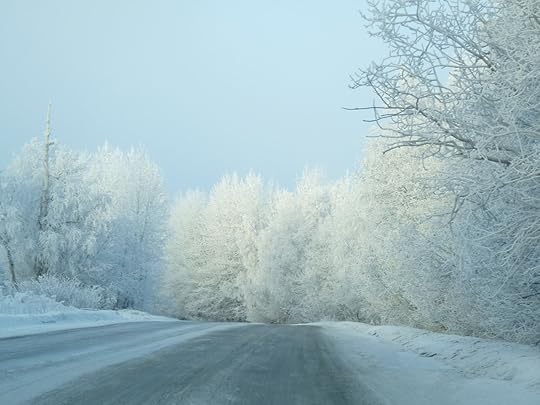
Somewhere deep inside in every modern man his prehistoric origins are hidden sleeping and they may awaken any moment…
Profile Image for Jim Fonseca.
1,163 reviews8,486 followers
October 8, 2022
[Revised, edited for typos 10/8/22]

A story, translated from Russian, that is part magical realism and part science fiction – a blend of old Russia and a post-apocalyptic futuristic Russia. Almost all of the action takes place in a Dr. Zhivago type sleigh ride during a week-long blinding blizzard across the frozen Russian landscape.

Minor spoilers follow.

A doctor carrying vaccine has hired a sled driver to get him to a remote village where people have been struck by a plague. The harder the doctor tries to reach the village, the more obstacles he encounters. It's like one of those “running nightmares” where you can never reach your destination. And, oh yes, I forgot to mention that the village people are suffering from the 'Bolivian plague' that turns them into zombies. Not good.

description

There’s a shortage of gasoline. Fortunately, genetic bioengineering has done its magic and the sleigh’s motor (think snowmobile) is powered by 50 miniature horses propelling a drive belt under the hood. Genetic manipulation has also bred giant and miniature humans. The giant people, 6 meters tall, are hired to do things like clear forests by ripping trees out by hand. A tavern owner they encounter on their journey is a miniature man, about as tall as a wine bottle, married to a normal-sized woman. We have digital clocks but no phones or internet.

In the travels of the doctor and his driver, they come across a tent city populated by Kazakh people, aka 'Vitaminders.' The Kazakhs erect their tents in a few minutes by using a substance squeezed out of a tube of toothpaste that they water and then in a few minutes it grows into a felt-like substance.

The Vitaminders make their living selling an LSD-type drug. The doctor takes advantage of the drug just as he did the tavern owner’s wife. In his hallucinogenic drugged state the doctor has nightmarish dreams where he reflects on all the bad things he did in his life and tries to justify himself to a village tribunal that has condemned him to a gruesome death.

I’m not a science fiction fan but the book kept my attention with its inventiveness and my wondering exactly what is going on and what was coming next. On the other hand I didn’t quite get the point of it all.

description

Sorokin (b. 1955) is a post-modern Russian writer. He has been writing since the 1980s and his early work had been banned under the old Soviet regime. But now he is banging out a book a year and has published about 15 novels since then.

Top photo from blog.eurekatent.com
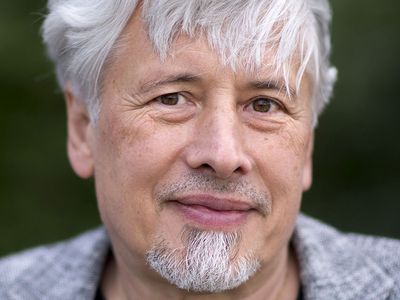
The author from britannica.com
Profile Image for ♑︎♑︎♑︎ ♑︎♑︎♑︎.
Author 1 book3,799 followers
March 5, 2019
I finished re-reading The Blizzard this weekend and when I got to the end my feeling was one of exalted revelation. It felt like a completely different book from the last time. Once more I'm amazed at the way books can mean very different things, depending on who we are when we read them.

This time for me The Blizzard was about how what one thinks is important in life turns out to be not important at all. It's about how even our most terrible mistakes in life can reveal themselves over time to be glorious and meaningful, if we've lived honestly. The novel suggests that a life lived with quiet acceptance of what can't be helped leads to peace, whereas a life lived by striving forward from one goal to the next leads to nothing.

Last time I framed the characters in this novel differently. I thought of the doctor as the protagonist and everyone else as a secondary character. This time the full nature of the relationship between Garin and "Crouper" became the focal point of the novel for me, and it led to a deeper interpretation.

The first time I read the novel I was also distracted by the flurry of events that come one after another in its pages. There is a relentless series of happenings in the story, a metaphorical blizzard of bizarre experiences and scenic wonders. This time the blizzard of happenings felt like they were written to demonstrate the way we humans allow ourselves to be trapped in strife and frustration, from moment to moment. The real story here beats more deeply, like a huge and generous heart.

first review:

Profile Image for Fabian.
136 reviews82 followers
March 29, 2024
In the Russia of the novel, the proportions are not right: there is a miller of small stature who drinks his alcohol from a thimble, dwarf horses of the size of partridges and giants six metres tall. Reality is viewed through a distorted mirror, revealing its monstrosity and transporting it into a parallel world where regression and progress collide and create a strange, anachronistic atmosphere.

Although it is the literary equivalent of a road movie, the plot of the novel is characterised by stasis. The journey of Doctor Garin and the coachman is vaguely reminiscent of Kafka's "Castle", in which K. tries in vain to enter it. All sorts of things happen, but ultimately the two don't really get anywhere.

This parabolic plot also works on the level of the characters. It gradually becomes clear that the personality of the doctor, who is there to help others, is not only determined by altruism. Again and again, enigmatic figures appear and are left behind.

In the snowstorm of that cold night, absurd figures, dark visions, fragments of memories and fantastic events, all of which are anchored in a dark reality, merge into a feverish dream that you follow breathlessly until the dawn of a new day.
Profile Image for Katia N.
710 reviews1,110 followers
May 18, 2021
This was another proof how much sheer serendipity and the timing affects the degree of book's enjoyment. I've read recently George Saunders's A Swim in a Pond in the Rain: In Which Four Russians Give a Master Class on Writing, Reading, and Life. That book contained an analysis of a story previously unknown to me Master and Man by Tolstoy. So I've read the story.

And now I've picked up this. This was supposed to be the novella about a doctor going through a blizzard to deliver vaccines to a remote village affected by the deadly epidemic. Spoiler 1 - it is not a thriller about vaccinating an unruly population and it is not a medical fiction about the difficulties and efficacy of newly invented vaccines against a new disease:-)

But what is it then? Spoiler 2 - it is basically Tolstoy's story mentioned above masterly retold.

The strongest point of Sorokin's story is the style. It is perfectly tuned for the tale with different characters speaking different style of language. It is clearly "calling" to Tolstoy's tale. These two novelllas are in a wonderful, unique conversation with each other. And here is a very rare case, when I reading them it next to each other amplifies the impact compared to reading a single one. I am not hiding anything under the spoiler's alert as it is hard "to spoil" this story. The beauty of it in the moments of both spiritual awakenings and tiny details of the language. It is distinctive as well how Sorokin - re-imagined the conflict in Tolstoy's story and solved it.

Oh, and yes: there is a speculative element in Sorokin's novella. It might come across a little gimmicky to some and non sufficient for the lovers of the speculative fiction. But it did not do anything for me at all. Neither positive nor negative. It won't change my opinion of the story.

If you plan to read this one, read Tolstoy's first and I can assure, you would find one more dimension here. I normally do not like retellings. But this one is more like a conversation between the two authors and the very stylish one.
Profile Image for Peter.
396 reviews232 followers
June 28, 2020
Warum müssen wir ständig irgendwohin hetzen? fragt sich Dr. Platon Garin, als der Schneesturm ihm und seinem Fahrer, dem „Krächz“, wieder einen Streich spielt auf dem Weg nach Dolgoje, wo eine Seuche ausgebrochen ist. Die beiden sind im winterlichen Russland mit einer Art von Snowmobil unterwegs, das von einer Herde kaninchengroßer Kleinpferde gezogen wird. Aber auch Zwerge und Riesen gibt es in dieser Geschichte, die sich über weite Teile liest wie eine Erzählung von Tschechov oder Bulgakov, um dann wieder ins Phantastische abzudriften.

Wie in einem literarischen Road Movie ist die Reise selbst das Thema der Erzählung; eine Reise durch das winterliche Russland, dessen Unbilden der Mensch auch in dieser verfremdeten Zukunft ausgeliefert ist. Im Gegensatz zur Technik haben sich die Menschen dieser Alternativwelt kaum weiterentwickelt. Immer noch herrscht eine Kluft zwischen der gebildeten fortschrittsorientierten Welt des Doktors und der schicksalsergebenen, aber grundgütigen der einfachen Leute. Nur in Zeiten äußerster Not gelingt es ihnen von Gleich zu Gleich zusammenzufinden.

Der Titel der Erzählung ist wörtlich aus dem Russischen übersetzt, wobei das russische Wort метель anders als das deutsche keine Zusammensetzung ist, sondern ein eigenständiges Element der Natur beschreibt mit einer wesentlich intensiveren Qualität als ein Sturm mit Schneeschauern. Zudem gibt es eine Erzählung Alexander Puschkins mit dem gleichen Titel. Leider weiß ich nicht, wie und ob diese mit dem vorliegenden Buch zusammenhängt.

Mir hat Sorokins unterhaltsame Geschichte ausnehmend gut gefallen. Ich bedaure lediglich, dass ich sie nicht im Original lesen konnte, um die Sprachschöpfungen und umgangssprachlichen Ausdrücke Sorokins vollends auszukosten. Sicher wird dies nicht mein letztes Buch dieses Autors bleiben.
Profile Image for Matthew Ted.
1,007 reviews1,035 followers
January 25, 2023
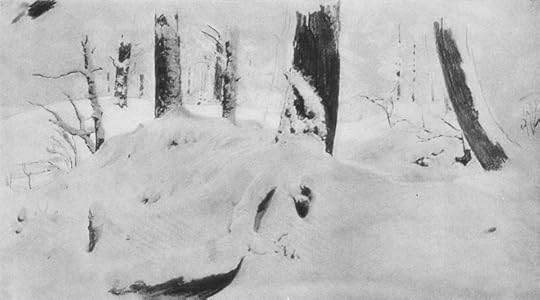
15th book of 2023. Artist for this review is Russian painter Arkhip Kuindzhi (1841-1910).

Sorokin is becoming one of those writers where I think to myself, Yeah, I'll read them all. There's something so wild and intelligent about this, just as there was in Day of the Oprichnik; but this is considerably less weird. Though we have a lot of the same sorts of things: weird beings, weird narcotics/drugs, sex. This is Sorokin's 'zombie' novel. A doctor is travelling through a blizzard (a dreamscape blizzard, really) to get to a village to begin the rollout of a vaccine he has to stop the 'Bolivian plague', which is killing people and having them rise from the dead. They have hands like moles and bury their way out of their graves and tunnel underground. During his difficult blizzard-journey, the doctor meets men the size of bottles, the remains of 20-foot giants, strange creatures who create hallucinatory drugs . . . It's great stuff. I preferred this one to Day of the Oprichnik, without a doubt. I think that one should have been read after some of his others to get a feel for the sort of thing he writes, I went into Oprichnik blind and all the human centipede sex and drugs was a lot. This one is a better place to start.

description
Forest Under Snow
Profile Image for MihaElla .
328 reviews512 followers
August 28, 2025
Sad and despondent the closing of the book, my heart sank as if I was crushed under the weight of The Blizzard so I didn't like it, the end I mean. It was like some ill-humoured and capricious gods played with the destiny of those two chief characters of the book, and these gods --- the villains, the barbarians --- had spared nothing. It almost made me bilious, and I needed not puzzle my brains to think what was that I felt so uncomfortable with. Yet, strangely enough, till that closing I have had frequent gusts of laughter. I enjoyed the narrative and the dialogue of the characters, even if now and then I didn't know where to put them as for time plane. It seems as if there is past and future blending together and some very strange phenomena engulf the 'heroes', even to the point that it all had the obscurity of a dream. Well, never mind, in spite of that I have thought the novel worthy of attention thanks to some interesting ideas that struck me at once, and had me gazing open-eyed :)
Profile Image for Liam Mulvaney.
224 reviews25 followers
October 1, 2025
Can I have your attention, please? I want to start this review with a question: What do you get if you mix Doctor Who, the delirium of Fear and Loathing in Las Vegas, and the bleak journeys of The Road by McCarthy or The Odyssey by Homer?

Anyone? No?

Well, if I have to answer that weird question, and you'll have to excuse my brain buzzing, that novel would have to be called The Blizzard, and a book called The Blizzard does, in fact, exist. The strange and remarkable Vladimir Sorokin wrote it, by the way. Now I've never journeyed through a blizzard, nor have I experienced anything close to one, but it sounds and feels very cold.

The novel narrates the journey of a Doctor and Crouper, also known as Kozma (the man who is employed to take the Doctor on a daring rescue mission), as they travel to Dolgoye by horse-drawn sleigh (I lost count of the many mini/tiny horses pulling the sleigh while Kozma and the Doctor shivered with the cold). It gets weirder from there. I nearly lost it when I read the scene of a pint-sized man. It's challenging to capture the essence of the book in just a few lines, as it is a remarkable journey of serious F* ups—and writing them down here would spoil the work—which I had the pleasure of experiencing with loud giggles and guffaws. Crouper is funny, and so are Doctor Garin's mood swings. Moreover, the doctor wears a pince-nez, a distinctive eyeglass frame, which I was familiar with but didn't know the name for. Just wearing the pince-nez excuses any villainy I felt towards his attitude!

I do not necessarily think that whether they made it safely to the rural village is an important question to ask. Still, from what I gathered from the book, it is how the experience is experienced that makes this one a very unique book to get your hands on. But honestly, I felt like a bewildered little monkey leafing through the pages of this work, whilst smoking a camel cigarette and looking puzzled at Mr Sorokin's strange imaginings. The funny thing is, I don't smoke.

I'm definitely going to have a lot of brain farts reading the rest of his work in the future, but I would undoubtedly enjoy the experience.

4/5

I feel confident in recommending it to you, dear reader, who I know loves Russian Literature spiked with absurdism, aching cold winds, and delirious humour.
Profile Image for Sinem A..
481 reviews293 followers
April 11, 2019
Rus edebiyatının sadece eskide kalmadığını hala yaşadığını gösteren kitaplar beni mutlu ediyor.
Mektupların romanından sonra genç bir Rus yazardan okuduğum ikinci kitap oldu Tipi.
Gerçi kitaba asıl dikkatimi çeken Engin 'e teşekkür etmezsem haksızlık olur. (Bu yorumu da teşekkür amaçlı eklemek istedim açıkçası :)) O söylemeseydi belki geç fark ederdim ama illaki bir yerde kesişirdi yolum bu kitapla.
Kesişirdik çünkü kitap sadece modern Rus edebiyatına dair olmakla kalmıyor aynı zamanda masalsı büyülü anlatımıyla da ilgimi fazlaca cezbediyor .
Masalın biçim bilimine göre tüm masallar aşağı yukarı bir yol hikayesidir; kahraman bir yolculuğa çıkar ve olaylar, maceralar gelişir...
Bu modern masalda da kahramanımız doktor Platon İlyiç Garin, Dolgoye köyündeki hastalara yardım etmek için yola çıkar ancak kızakçı Perhuşa ile ilk karşılaştığı andan itibaren yolun bambaşka yerlere varacağı bellidir.
İşte bu iki yolcunun o yolda hem birlikte hem de ayrı ayrı yaşadıkları, düşündükleri, hatırladıkları ; güzel bir okuma macerasına dönüşüyor. O soğuk doğadaki gizeme sizi de peşinden sürüklüyor.
Profile Image for Hendrik.
440 reviews111 followers
March 1, 2021
Den Mix aus Sci-Fi und Fantasyelementen kennt man bereits aus Der Tag des Opritschniks und Der Zuckerkreml. "Der Schneesturm" führt uns ebenso in dieses seltsame, dystopische Russland einer nicht allzufernen Zukunft. Mit Spannung folgt man dem Doktor und seinem Fuhrmann bei ihrem Kampf gegen die Unbill des Wetters und allerlei bizarren Begegnungen. Die Übersetzung scheint mir auch sehr gelungen (ohne es mit dem Original vergleichen zu können). Jede Figur hat ihren ganz eigenen Sound, was sich zum Teil recht lustig liest.

Update Feb 2021:
»Die Kranken erwarten mich. Ich bringe die Vakzine.«
Eine Seuche, Quarantäne, Warten auf Impfstoff … kommt einem irgendwie bekannt vor.
Profile Image for Korcan Derinsu.
583 reviews402 followers
February 5, 2024
Çok tuhaf bir roman Tipi. Klasik bir Rus romanı gibi başlıyor (bir doktor salgın hastalıkla boğuşan bir kasabaya aşı götürmeye çalışmaktadır) ama sonra iş bambaşka yerlere gidiyor. Temelde iki adamın kar yağışı altında yolculuğunu anlatıyor aslında ama içinde neler neler yok ki; devler, cüce hayvanlar, halüsinatif maddeler, hologram gibi görülen deneyimler, rüyalar vs. Dili de anlatımı da çok sürükleyici. Gerçekle fantastik arasında geçişlerin olduğu metinleri her zaman sevemiyorum ama Tipi’nin atmosferi o kadar iyi kurulmuş ki okuyucuyu çekip alıyor içine. Sonunda ya da akışında karakterlere dair bir dönüşüm ya da sürpriz olsa tadından yenmezmiş ama bu haliyle de bence gayet güzel.
Profile Image for nettebuecherkiste.
684 reviews178 followers
November 18, 2016
Deutsche Rezension unten.

A truly original and atmospheric dystopian novel, nice language too!

Der Arzt Garin strandet auf dem Weg in das Dorf Dolgoje in einer Kutschenstation, denn dort gibt es angesichts des wütenden Schneesturms keine Pferde zum Wechseln. Garin reagiert wütend, wird er doch dringend in Dolgoje erwartet, wo eine seltsame "Pest" ausgebrochen ist und der Impfstoff, den er mit sich führt, dringend benötigt wird. In seiner Not wendet er sich an den Brotkutscher Kosma, genannt "der Krächz". Dieser willigt ein, ihn mit seinem von 50 Kleinpferden gezogenes Schneemobil in das Dorf zu bringen.

Während der ersten Lese- bzw. Hörminuten wähnt sich der Leser bzw. Hörer in einer Szenerie aus dem Russland des 19. Jahrhunderts. Spätestens, als von winzigen Pferden die Rede ist, die ein Schneemobil ziehen, und von weiteren seltsamen Kreaturen und Technologien, wird jedoch klar: Wir befinden uns in einer Dystopie. Welchen Zeitraum wir uns vorzustellen haben und wie es zu dem offensichtlichen Rückschritt der Menschheit kam, wird nicht erklärt, doch der Autor wartet im Verlauf des Buchs immer wieder mit wirklich originellen Ideen für die Entwicklung alternativer Technologien auf, die für mich angesichts der erzeugten Atmosphäre gleichzeitig den größten Unterhaltungswert und die größte Stärke des Romans darstellen. Das Buch liest bzw. hört sich kurzweilig, die Sprache ist gehoben, sehr angenehm. Spannung wird durch die ganze Situation erzeugt: Wird es dem Doktor und dem Krächz gelingen, nach Dolgoje zu gelangen? Welchen Seltsamheiten werden die unterwegs noch begegnen? Und was ist das für eine geheimnisvolle Krankheit, die etwas Merkwürdiges mit den Menschen zu machen scheint?

Die Hauptprotagonisten sind sehr unterschiedliche Typen, der Doktor pflichtbewusst, aber leicht auffahrend, Kosma aka Krächz bemüht, bescheiden und vor allem auf das Wohlergehen seiner Pferdchen bedacht, was ihn zu der sympathischeren der beiden Figuren macht. Wir erfahren über beide verschiedene Einzelheiten aus ihrer Vergangenheit, ohne dabei über ihren gesamten Lebensweg informiert zu werden.

Das Ende empfand ich als etwas unbefriedigend, ich hätte gerne noch mehr erfahren, mehr Auflösungen für Aspekte der Geschichte erhalten, es ist jedoch absolut stimmig.

Ich habe russische Literatur bisher sträflich vernachlässigt in meinem Leseleben, dieses originelle Buch mit seiner schönen Sprache hat mir sehr viel Lust auf mehr gemacht.

Ich brauche kaum zu erwähnen, dass Stefan Kaminski seinen Job großartig macht, er ist der talentierteste Hörbuchsprecher, den ich kenne.
Profile Image for Anna Carina.
682 reviews338 followers
February 26, 2023
Für die extra Portion Unterhaltung dringend das Hörbuch, von Stefan Kaminski eingesprochen, hören!

Russland: Wenn das höchste Glücksgefühl darin besteht, doch nicht hingerichtet worden zu sein…
Prost 🥃
Profile Image for Lori.
1,786 reviews55.6k followers
January 23, 2016
Read 12/20/15 - 1/1/16
5 Stars - Highly Recommended / The Next Best Book
Pages: 192
Publisher: FSG
Released: December 2015
Translated by: Jamey Gambrell


What better day to review Vladimir Sorokin's The Blizzard, as I sit here on the couch in the midst of our very own blizzard? Wrapped up in the relative warmth of a fuzzy blanket, hands cupping a mug of spiced tea, as the wind whips the ever falling snow back and forth beyond my front windows, it's easy to take for granted the bone-chilling, snot-freezing cold that our brave protagonist ventures out into in an attempt to save a small 19th century town from the grips of a terrifying zombie plague.

Doctor Garin holds the vaccine that will stop the epidemic from spreading and feels compelled to bully his way through the wicked snow storm, which currently has him stalled and horseless at a station house. After much shouting and cursing, the stationmaster is finally convinced to hook Garin up with Crouper, a local bread man with a fleet of partridge-sized ponies and a sled, who might be convinced to take the pushy doctor where he is determined to be.

Garin applies the same bossy tactics with Crouper, who reluctantly agrees to head out into the raging storm, against better judgment. A trip that, under normal circumstances, should take but a few hours slowly and painfully turns into a never ending battle of man vs. nature.

It's the kind of book where nothing really happens but everything is just told so perfectly that you really don't care. It's got just the right touch of the fantastical too. I'm calling it "soft apocalyptic fantastical fiction". The zombies, strangely, never make an appearance, but other odd and wonderous things do. The deeper into the storm we travel, the more fantastical and otherworldly their circumstances become and all the while our characters grow more and more suspended in this sort of timeless past-future, which adds to the overall awesomeness of the novel.

It's beautiful, relentless, and tenderly harsh.
Profile Image for Dax.
335 reviews196 followers
September 10, 2022
A playful novel in which Sorokin takes aim at the conditions of his home country of Russia. He uses magical realism to great effect; creating a surreal atmosphere that fits well with the story. A couple of strange tangents that are probably thematically significant but went straight over my head. If I were a local, this would probably be even more impressive, but I believe I got the gist. Great characters, especially Crouper. Many will be displeased with the ending, but it is appropriate and makes sense if you consider it thematically. Read this during a quiet winter night for maximum effect. I like Sorokin and will be reading more. Low four stars.
Profile Image for Jenny (Reading Envy).
3,876 reviews3,709 followers
August 8, 2015
I received a copy of this from the publisher through Edelweiss.

This is my first read of Sorokin, although I've had Day of the Oprichnik marked to read for a while. He is a living Russian author but the setting for Blizzard is 19th century Russia, so it feels like going back to the time of Tolstoy. Except there is a town suffering from a virus that turns them into zombies, and the doctor has the vaccine they need. The blizzard and other bizarre events are working against his attempts to get to them.

There are a few other random future tech things like the vitaminders and zoogenesis, and teeny tiny horses. Brr.
Profile Image for iva°.
738 reviews110 followers
January 28, 2021
dakle, ovo je bilo neobično. nešto što počinje kao klasična priča o liječniku koji odlazi u kontaminiranu zabit donijeti cjepivo i pokušati suzbiti epidemiju, s vremenom se pretvara u nadrealno putovanje tijekom kojega otkrivaš da su konji koji vuku njegova kola, ustvari, veličine jarebice, da je muž mlinarice koja mu pruža prenoćište patuljak veličine boce (scena seksa između doktora i mlinarice još uvijek me proganja...), a tu se još pojavljuju i zagonetne piramide, vitaminderi (?!), likovi s imenima "zadan", "recimo" i "nina nana", šestmetarni div i tak...

vjerojatno bi sve skupa trebalo biti neka alegorija koju nisam uspjela u potpunosti uhvatiti, ne mogu reći da sam uživala u tekstu, više sam bila začuđena i iznenađena ispreplitanjem klasičnoga ruskoga stila i fiktivnog svijeta kojeg sorokin, bez upozorenja, nameće svakih nekoliko stranica - taman uhvatiš nit, budeš suputnik na putovanju tog liječnika i njegovog pratitelja kašljucka (?!) i onda te osupne nekakvim imaginarnim likom...

za one koji vole bajkovito i "pomaknutu", nekonvencionalnu literaturu. nije dopadljivo štivo... više, onako, za probirljive.
Profile Image for Maćkowy .
485 reviews135 followers
November 27, 2025
Fascynująca książka. W okładkowych blurbach, oprócz spisu nagród jakie zgarnął za "Zamieć" Sorkin, można między innymi przeczytać coś w stylu, że to podróż przez historię rosyjskiej literatury. Nie jestem w stanie tego stwierdzić, bo ichniejszej prozy za bardzo nie znam, ale jedno muszę autorowi przyznać: na 170 stronach stworzył świat tak dziwny, bogaty i fascynujący, że ciężko się od niego oderwać, świat pełen symboli i odniesień do Rosji, tej współczesnej i tej dawnej (których w większości pewnie i tak nie odkryłem lub nie zrozumiałem) ale też świat przystępnie dla zwykłego czytelnika opisany.

Doktor Płaton Iljicz Garin, człowiek uczony i dystyngowany, musi dostarczyć do ogarniętego epidemią miasta Dołgie szczepionkę, na jego drodze staje tytułowa zamieć, skutecznie zmieniająca podróż lekarza w mikroodyseję. Doktorowi w podróży towarzyszy Chrząkała - woźnica, prostolinijny i poczciwy, nieco fajtłapowaty, safanduła wręcz. Naszym bohaterom przyjdzie zmierzyć się nie tylko z burzą śnieżną, ale też z bardzo niezwykłymi wydarzeniami i postaciami, zamieszkującymi Rosyjską prowincję.

Książka zaczyna się niewinnie, od pierwszej sceny świat przedstawiony wydaje się znajomy, ot dziewiętnastowieczna Carska Rosja z mrozem, samowarami i brzuchatymi, wąsatymi zawiadowcami stacji, jednak Sorokin szybko acz subtelnie wyprowadza czytelnika z błędu: na przykład konie woźnicy Chrząkały są wielkości kuropatw i wprawiają w ruch pojazd zwany samopędem - ruszamy zatem do Dołgiego, a po drodze, to już same dziwy.

Obok motywów kojarzących się z baśniami czy ludowymi przekazami, jak liliputy i olbrzymy, po drodze spotykamy się z wątkami mocno postapo. Nie chcę zbyt wiele zdradzać żeby nie zepsuć zabawy potencjalnym czytelnikom, w każdym razie ten z pozoru XIX wieczny świat przedstawiony, jakby żywcem wyjęty z opowiadań Czechowa (jak twierdzi jeden z autorów okładkowego blurba) nie jest tym, czym się wydaje. Sorokin sprytnie podrzuca tropy bo trafia się na przykład nawiązanie do piosenki Elvisa Presleya, gdzieniegdzie trafimy na automaty kałasznikowa czy narkotyki, rodem z powieści P.K. Dicka. Cały ten miszmasz tworzy niesamowite wrażenie przebywania naraz w przeszłości, teraźniejszości i przyszłości a jedyną stałą w tym galimatiasie zdaje się być mentalność Rosjan.
Profile Image for Esra M..
64 reviews57 followers
August 8, 2019
İnsanın iliklerine işleyen soğuk, dinmeyen tipi. Hedefe bir türlü varılamayan yol. Tabiat şartları karşısındaki çaresizlik, yoldaki aksilikler, anlatıma eşlik eden masalsı öğeler; cüceler, devler, hayalle gerçeğin kah savaşı kah uzlaşması.. Bütün bunlar okuru yerine mıhlayacak bir hikaye yaratmaya yetecekken, bunu birde çağdaş Rus yazar olan Sorokin’den okumak. Yeterince artıya sahip bir kitap olarak karşımızda duruyor Tipi.
İlk sayfadan itibaren başlayan yolculuğa çekip alıyor okuyucuyu. Hem içsel yolculuğun derinlerine dalıyor insan, hem de fiziken o yolculuktaymış gibi karşısına çıkacak engelleri aşmaya çalışıyor. Debelenip duruyor, kendi derslerini çıkarıyor, Perhuşa’ya katılıp neden-sonuç ilişkisine inanıyor bazen ya da Garin’e bakıp yeni bir başlangıç istiyor tüm kalbiyle. Ama madem ki bu bir yolculuk herkesin kendi hikayesi olmalı diyip bambaşka diyarlara dalıyor. Yoldayken daire çizmemek gerek, varmak için bu döngüyü kırmalı diye kapatıyor son sayfayı.
Hızla akıp giden, insanı düşündüren, belki biraz karamsar ama okumaya değer bir kitap Tipi.
Profile Image for Emmeline.
439 reviews
October 27, 2023
A case of extreme weather.

Thanks to Katia's review I was able to read this in tandem with Tolstoy's Master and Man, which was a very interesting experience with regards to both similarities and differences. Tolstoy's story is almost like a realist Russian A Christmas Carol. The wealthy man at its centre is subjected to trials (of weather rather than ghosts, and accompanied by his servant) and comes to have an epiphany as to the meaning of life. That sounds trite, but it is not at all trite. The weather scenes are harrowing, and the payoff, if manipulative, supremely earned. Yet another example of Tolstoy as a writer for everyone, no knowledge is needed of Russian society, it is a simple and universal story made stronger by the local elements.

Sorokin's "rewrite" is in many ways the opposite. While I enjoyed it, I felt the ground shifting inscrutably below my feet during the reading, and my most common question was why? What is this satirizing? Is it satire or in fact more of an allegory? Why does it have speculative elements? The ending is reversed... why? Without knowing much about contemporary Russia — and nothing about Sorokin, I felt rootless, and I clung to pieces that seemed easier to read and ascribed my meanings to them, (i.e. the arrival of the Chinese at the end, seeming to symbolize Russia's small stature and dwindling importance, the Russian peasant has died and the Russian man with his self-importance and belief that he will do good and amount to something significant, is pushed rapidly offstage. The Chinese literally have a giant horse). Yet in other sections I felt that my lack of knowledge was a real handicap, that I was experiencing as surreal and rootless something intended to be much more pointed.

Nonetheless it was enjoyable. As a lover of touches (but not ladles) of the fantastic in fiction, I was very pleased with partridge-sized horses, giant horses, (off-stage) zombie apocalypses and other magical and mythological touches. The weather remained as compelling and terrifying as in Tolstoy's original and the relationship between the two protagonists also maintains its compulsion, though it is stranger and more oblique here.

Now, Leonard Gaya’s review reveals to me that "Master and Man" is itself a rewrite of an earlier story by Tolstoy, called "The Snowstorm" (and now I wonder if in Russian these two books have the same title), so it seems I am headed back out into the weather. Send a search party!
Profile Image for Caleb CW.
Author 1 book31 followers
April 5, 2021
Upon further consideration I've decided to raise the rank of this to 5 stars as it was my favorite of 2020.

Vladimir, you absolute shit-stain. That's the ending you wanna give me for my efforts? Fine. Just fine.

So, it was great. Everything was possible in this Russian alternative history and I really enjoyed it. There were horses the size of a mouse and horses the size of a house. There were giants four and a snowman with penis galore. There was a man of great joy who never grew angry but the ending came along and mad it did make me.

Okay, okay I'm done. So, this book is about a doc who wants to vaccinate an infected village which has fallen victim to mole zombies. Funny enough for a book about zombies, they never show up. And it all works very well, I fell in love with it actually. So much so that I want to write something that makes people feel this way. It's so friggin weird, but it's also wholesome, delightful, and mysterious. It's so batshit bananas that there is no limit and you get to experience a dream that has a little bit of everyone in it.

I'm rambling, the book is even structured differently than I'm used to. There are no chapters. None. You get 180 pages of continuous story with no break. It's not gonna be for everyone but it worked for me all but the ending, I was ill prepared.

There it is and there you have it.
Profile Image for Madeline .
2,010 reviews130 followers
May 29, 2016
4.5 Stars

Translated into English from Russian. The Blizzard: A Novel is a quirky short story and I loved it.

The premise of this dystopian story is simple: A Dr. stranded in a blizzard, has the vaccine to prevent people from turning into Zombies.

Okay....sounds interesting. I haven't read too many Zombie books, but I thought I would give it a try....and I am glad that I did.

This story is about the journey of a Dr who wants to do his job; save people's lives.

What an adventure! You will read about, dwarves, giants, partridge sized-horses, "gypsies" and lots and lots of snow.

If you are looking for a fast paced thriller, with all of the ends tied up in a bow, this is probably not the book for you.

This story is the definition of the word, "absurd":

wildly unreasonable, illogical, inappropriate, preposterous, ridiculous, ludicrous, farcical, laughable, foolish, silly, inane, imbecilic, insane, harebrained, and cockamamie.

So far, I would say that this is my favorite book of the year!


**********Major Spoiler Alerts**********


As for the Zombies, they never show their faces.
Profile Image for emily.
635 reviews542 followers
Read
February 26, 2025
‘The birch was old, and the bark was puckered—the doctor breathed on it and inhaled its fragrance. The frozen birch smelled like a bathhouse. “White … cellulose…,” the doctor mumbled into the silver bark. He realized that he was beginning to freeze.’

Can’t rate it (starry-ly speaking, that is) as of now but this is definitely and unsurprisingly (in a throughly brilliant way) a form/sort of extremely unhinged fever dream — or like a Slavic zombie film (think maybe, ‘Viy’ (1967) (though that's a bit too wild of a comparison)?) played at an increased 1.5 speed (also with a directorial style akin to Werner Herzog’s, perhaps? Entirely composed of quite absurd(ist) lines, and weird interactions between characters, but no clear narrative plan — loose, flexible plot, etc.) And/but I blitzed through it (do ignore the unintentional pun) in what feels like no time at all. No love lost — in terms of my feelings/thoughts about Sorokin. I am more attached (or so it feels) with every other thing of his I read. I (still) want to devour his entire body of work/everything he’s written. Because this is frankly only the second Sorokin I’ve read from cover to cover, it feels ‘lite’ in comparison to the first one I read, Blue Lard.

This feels like the perfect Sorokin to start with only because it’s not as (extremely) ‘graphic’ (and not as ‘bizarre’ / no Stalin sodomising Kruschchev for starters) and I don’t find myself saying ‘what the fuck’ in my head/ on the inside too much while reading it? In any case, it would bring me joy to encourage/be the reason why someone became a Sorokin — how shall I say this — Sorokin fan? To be fair ‘a keen reader of Sorokin’s work’ — would bring more than enough satisfaction.

“Guten Abend, schöne Müllerin…,” he said aloud, recalling Nadine’s beloved Schubert. He took off his shirt.

“One should never abandon one’s principles. As in chess, one should not stoop lower than the floor and make forced moves. Coercion is not the way to live—the palliatives of work are more than enough. Life offers choice: one should always choose what comes naturally, what will not cause you to regret your own lack of willpower later in life. Only epidemics leave you no choice.”

‘He talks about faith. Faith should make people kinder. People should love their brethren. Two millennia have passed since Christ’s death, and people still haven’t learned to love one another. They haven’t truly grasped their kinship. Haven’t stopped hating one another, deceiving, and thieving. People haven’t stopped killing each other. Why can’t people stop killing each other? If it’s possible in one family, in one village, in one town, then isn’t it possible in one country at the very least?’

‘He wanted to live unencumbered, to enjoy life. It was largely because of this that he and his wife separated. He now repents his bad deeds. He spoke badly of the authorities. He wanted Russia to go to hell. He laughed at Russian people. He made fun of His Majesty. But he was never a criminal, he was a law-abiding citizen. He always paid his taxes on time.’

‘Laughter tormented them for some time. Eventually they stopped laughing, calmed down, shook their heads, began to chuckle, and once again dissolved into laughter. The doctor suffered from the giggles more than the others; it was the first time he had tried the pyramid product. He writhed on the felt floor; he squealed and sobbed; saliva sprayed from his mouth; his hands flapped; he whined; he turned his head back and forth, shook his finger at someone, exclaimed, lamented, and giggled, giggled, giggled. His nose turned red, like a drunk’s, and blood flowed into his trembling cheeks.’

‘The moon shone brightly. The fir trees stood around like part of a living Christmas card.’


A second reading at a later date would probably give me a more rewarding/clearer perspective of the narrative/etc., I would think (even though I have no complaints about my first). Unsurprising considering Sorokin favours/indulges in the use of a lot of metaphors/metaphorical writing and such (that may not be immediately obvious/easily recognised (or more precisely deciphered) by a reader (in this case, me) who is not well-acquainted (not enough anyway) with Russian politics, etc. — and then more). But even without much familiarity with the ‘context’ and historical references, and also Sorokin’s ‘true’ intentions, the writing itself is still — agonisingly spectacular (make of that what you will). As a happy surprise, Sorokin (as with ‘Blue Lard’ — ‘but more so there than in this one) still fancies ‘using’ absolutely, ridiculously unhinged textual ‘sprinkles’ of Chinese ‘pinyin’ with zero consideration/care to add any ‘accents’ (and even more absurd, but ‘funny’ (to me personally anyway) only half of those lines are loosely translated). I don’t know about his other books, but I want, and have come to ‘expect’ the presence of these ‘mad textual sprinkles’ in the rest of his work. Not just Chinese, but he plays with other languages too, but for some reason I feel these particular ones are just a little bit more ‘absurd’ — perhaps because they feel so much more out of place somehow? Is this because I’m reading his work in English translation? I doubt it somehow — unless there are some very specific similarities between the Russian and Chinese languages that I’m ignorant/unaware of (and which would make the ‘original’ text read a little differently?).

“Ni hai huozhe ma?” one of the silhouettes asked, not sure whether the doctor was still alive.

“Wo kao!” The other man laughed.”

“Wo shi yisheng,” the doctor croaked in horrible Chinese. “Bangzhu … bangzhu … qing ban wo…”

“You’re a doctor? Don’t worry, we’ll help you.”

“Wo yisheng, wo shi yisheng…,” Platon Ilich rasped, his hand with the pince-nez trembling.”

‘Tears streamed down his cheeks, grown thin and covered with stubble over the last few days. He clutched his pince-nez and kept shaking it, shaking and shaking, as though conducting some unseen orchestra of grief—The horses, already tossed about in the dark of the sack, had urinated on themselves and finally managed to calm down; now they just grunted and snorted.’


Excerpts below are from his other one, Dispatches from the District Committee quite recently translated by Max Lawton, and very recently published/out and/or available in shops and such. Only ‘browsing’ it for now, but already mesmerised and intrigued by the brilliance of it all. Aside from all the bizarre and absurd plotlines and alike/more than that, I always find Sorokin’s ‘landscapes’ and very detailed descriptions ever so fascinating. I’m glad Lawton is Sorokin’s main (English) translator because I think his translations of this work are some of my favourites. Lawton’s ‘style’, I feel, gives the texts a slightly more ‘animated’ and effervescent feeling/vibe — which to me, is immensely complementary to Sorokin’s writing.

‘A lilac-colored five-ruble bill disappeared into the drivers’ anemic fingers with the crunch of a smashed beetle. Turning away, Alexis took a few steps and fell into the brazen paws of the late October wind. Behind him, motor rumbled and tires squealed. ‘—there is truly nothing more disgusting than our Russian off-season,’ Alexis thought—It was gloomy, cold, and deserted all around him: on his left were the gray curves of roundabouts with their mud-spattered billboards, on his right the apricot jam of the sunset cooled between two forty-story buildings—Alexis continued onwards—.’

‘It’s always pleasant to recall one's childhood. We lived in Bykovo. An area filled with dachas. Pines. The aerodrome. I remember I first saw it when I was three and it was frightening and difficult to make out what was what—what was sky and what were sheets of duralumin shining in the sun. And everything was roaring so much that the earth shook—We lived in a two-story building with a boiler room in the basement, an attic upstairs, and spring flowed from the rooftops, meter-long icicles hanging down, and the tenants cleaning off the snow while suspended from ropes. The courtyard was big, but the other five buildings were one-story. There were communal apartments in them. And many children. And a lot of interesting spaces: a garbage can in one corner of the courtyard, roofs, sheds, an elderberry tree, and it buttressed the sheds, and in the sheds: “sheds are the tombs of various junk” —Vegetable gardens were divided in a fair way, in a popular way, and everything that could grow grew there—carrots, onions, turnips, radishes, tomatoes, flowers, dahlias, gladioli. And in the summer—a hammock betwixt the pines. The pines were tall and creaky and the ground was soft with needles.’
Profile Image for Tamara Agha-Jaffar.
Author 6 books281 followers
March 21, 2021
Set during an unremitting blizzard in rural Russia, The Blizzard by Vladimir Sorokin, translated from the Russian by Jamey Gambrell, mixes realism with magical realism and includes elements of the The Odyssey and Gulliver's Travels.

The plot is straightforward. Platon Ilich Garin, the district doctor, is desperate to get to Dolgoye where the villagers are plagued with a terrible disease that transforms them into flesh-eating zombies. He carries with him a life-saving vaccine. In spite of the blinding snow storm, Crouper, the local bread man, agrees to transport the doctor on his sled pulled by 50 partridge-sized horses. They set off on a journey that should take only a few hours but stretches into days. The unrelenting snow storm reduces visibility, slowing progress. The cold is piercing, the snow knee-deep. Obstacles along the way damage the vehicle, forcing make-shift repairs. Among those they encounter are a dwarfed miller and his wife, wolves, a dead giant, and drug dealers.

The doctor initially appears as a dedicated professional, determined to save lives. But as the increasingly grueling nature of the journey becomes apparent, he reveals more of his personality. He is bitter, condescending, short-tempered, violent, angry, and abusive. Although he frequently expresses remorse at his vituperative outbursts, he makes little attempt to control them. By contrast, Crouper is unwaveringly optimistic and reassuring. He is solicitous and gentle with his horses, making sure they are warm and well-fed, coaxing them to move with gentle pats and soothing words. He prevents the doctor from whipping the horses, for which he receives a punch in the face. But he is quick to forgive and unruffled by the doctor’s erratic tantrums. He is by far the most compelling and tender character.

The journey is fraught with natural and unnatural obstacles that parallel the The Odyssey. The doctor’s sexual encounter with the miller’s wife echoes Odysseus’ sexual exploits. His experience with the Vitaminders’ hallucinogenic drug parallels the temptation of the Lotus Eaters. The dead giant blocking the road is reminiscent of the Laestrygonians. The fierce snow drifts that disrupt travel echo Odysseus’ experience with being tossed around on the ocean. The shifts in scale parallel Gulliver's Travels—the miniature horses, the dwarf-sized miller who curls up on his wife’s lap, the dead giant, and the enormous snow man.

The novel lends itself to an allegorical reading. It represents a litany of the insurmountable challenges that can thwart a cause. It is man versus nature. It is man versus his inner nature and the temptations that lead him to veer from his goal. It illustrates the contrasting attitudes toward life’s challenges as represented by the optimistic, gentle Crouper and the surly, unsympathetic doctor.

Sorokin skillfully plunges the reader in the frigid temperatures and whirling snow drifts. The novel is intense; the setting immersive; the details well-drawn; and the language hypnotic, especially during the dream sequences and Garin’s psychedelic vision. In spite of the many strengths of the novel, the significance of this journey and all that transpires within it remains elusive. One is left with a feeling something is still buried in the snow or is just beyond reach.

My book reviews are also available at www.tamaraaghajaffar.com
Profile Image for Giovanna.
52 reviews186 followers
July 12, 2016
La tormenta di Sorokin è un libro profondamente radicato nella tradizione – letteraria, ma non solo – russa. Questo non significa che non aggiunge niente di nuovo, seguendo pedissequamente percorsi già tracciati, ma che nel contesto contemporaneo si serve di elementi tipici dell'immaginario russo creato nei due-tre secoli che ci precedono. Il romanzo strizza l'occhio alla tradizione già a partire dal titolo, Метель (Metel'), ripreso da un famosissimo racconto di Puškin in cui la tormenta ostacola tragicamente i piani degli uomini. È, la tormenta, un tipico esempio di stichija, di quella forza elementare, rappresentata da fenomeni naturali o sentimenti incontrollati, che sopraffà l'uomo e sconvolge i suoi intenti, una forza molto presente non solo nella letteratura russa, ma nella Russia in generale.

È in questo contesto di stichija che il dottor Garin si mette in viaggio, su una “propulsoslitta” (ma in russo c'è scritto samokat, monopattino) messa in moto da 50 cavallini chiusi nel cofano. Dal momento in cui la slitta parte, ogni coordinata spazio-temporale sparisce, lo spazio russo domina la trama e il tempo è sospeso tra un futuro postapocalittico e i passati, imperiale e sovietico, della Russia; anche i personaggi sono un po' nuovi (gli esseri postapocalittici, i vitaminder) e un po' vecchi (il vetturino, la mugnaia), così l'unica dimensione spazio-temporale certa resta quella del testo.

Lampante agli occhi degli amanti delle Anime morte è la ripresa della figura gogoljana della trojka-Russia che vola verso un futuro radioso; nella Tormenta la trojka è trasformata in propulsoslitta, e su di essa corrono i due volti della Russia, il vetturino e l'intellighent, spinti dalla missione del dottor Garin, l'intellighent, di fermare un'epidemia nel villaggio di Dolgoe. Sarà banale, ma secondo me in questa immagine c'è tutta la Russia, spinta sempre da una missione non ben definita, che giustifica tutto, tutte le sbandate e tutti i sacrifici (e alla fine il sacrificio è sempre quello del popolo). È una missione che giustifica la Russia nel suo seguire un percorso diverso da quello degli altri paesi, per indicare il quale i russi hanno coniato l'espressione osobyj put', via particolare, appunto. Che poi sia una via che non porta da nessuna parte è un altro discorso.

Interessante l'uso che fa Sorokin delle metafore e delle immagini; mi riferisco, per esempio, al fatto che i cavalli del motore sono fisicamente dei cavalli, e non solo un'unità di misura che indica la potenza, o che una delle figure letterarie più diffuse nell'ambito russo, quella del malen'kij čelovek, il piccolo uomo senza qualità particolari, che fa una fatica tremenda a stare al mondo, è rappresentato nel romanzo da un uomo davvero piccolo, così piccolo che usa un ditale come bicchiere. Queste concretizzazioni di immagini e metafore suggeriscono che è la lingua a precedere la realtà, che è l'espressione piccolo uomo a definire le dimensioni effettive della persona, e far precedere il linguaggio rispetto alla realtà conferma l'appartenenza al postmodernismo di Sorokin. Non è, però, questo, un postmodernismo fastidioso come poteva essere quello della Coda, romanzo scritto da Sorokin ormai tantissimo tempo fa; La tormanta è adatta anche a chi ama i romanzi di impianto più tradizionale. Certo, sempre di Sorokin si tratta.

P.S. mi scuso per la marea di corsivi e parole russe, ma questo racconto è così russo che non potevo evitare.
Profile Image for Mircalla.
656 reviews99 followers
August 22, 2021
la trojka/Russia che attraversa la tempesta per inseguire il sole dell'avvenire il quale si presenta non particolarmente radioso...

ai vecchi tempi del NKVD la trojka era composta dal Commissariato del Popolo per gli Affari Interni, qui il dottor Garin inviato da una non meglio precisata autorità a portare un ancora meno precisato vaccino per un'epidemia importata dall'estero, che si scopre alla fine essere un morbo che rende Zombie gli abitanti di un'intera regione, un segretario locale del Partito Comunista dell'Unione Sovietica, qui un burocrate che per non aver aderito a un'ordinanza per mancanza effettiva di mezzi tira in ballo il popolo, nella persona di un vetturino portapane che fa le veci di un rappresentante dell'Ufficio della Procura il quale a sua volta usa una "propulsoslitta" con dentro dei veri piccoli cavalli (figura retorica nemmeno tanto sottile) per portare il citato dottore a salvare la popolazione di un posto lontano che disterebbe qualche chilometro di viaggio effettivo ma che risulta praticamente fuori portata a causa di una potente tempesta di neve...durante il viaggio, che è poi l'intero romanzo, si fa in tempo a veder cambiare le cose e al NKVD succede il KGB e poi anche l'FSB senza che però nulla cambi, intanto il passato viene mescolato con un futuro distopico in cui il mugnaio ha si, sempre una bella moglie, ma subito dietro l'angolo di casa sua ci sono i Vitaminder (spacciatori di pillole con poteri psichedelici che inducono viaggi spazio/temporali) e i due poveri sfortunati viandanti non fanno altro che perdere la strada e ritrovarla, ripararsi in tendostrutture postmoderne, il dottore fa anche in tempo a fare sesso con la bella mugnaia, fumare, bere e congelarsi...alla fine arrivano i cinesi, si proprio loro e qui Sorokin ci dice chiaro e tondo che i tempi della dittatura del proletariato sono finiti da tempo e che i cinesi, che hanno ereditato la Rivoluzione dalla Madre Russia, qua stanno molto più avanti e si fanno carico solo dell'intellighent nella persona del dottore...del vetturino/popolo se ne sbattono alla grande e capito?
Profile Image for Andy Weston.
3,191 reviews226 followers
January 2, 2022
Sorokin is at his best in this dystopian satire of a doctor struggling through a blizzard to deliver a vaccine to a town overtaken by a plague that is turning its residents to vampires.
This is an immensely rewarding read as it delivers on so many levels; as an adventure story of survival, a piece of magical realism with dwarves and giants, or as an ingenious dark comedy.
Despite this the story is grounded in reality and, not always, but usually, plausible. It is though, that slight deviation that gives it a very special appeal.
Profile Image for Aslıhan Çelik Tufan.
647 reviews196 followers
May 11, 2020
Cüceler, devler, kurtlar, hayaller ve gerçekler ve bitmek bilmeyen yol durmaksızın devam eden tipi kar!
O kadar sürükleyici ve ilginç bir kitap ki iyi ki okudum.
Açıkçası çok sorgulamadan güncel Rus edebiyatından okuma yapmak maksadıyla almıştım beklentimin oldukça üstüne çıktı.
Rus edebiyatında hep klasik okumak istemiyorum diyorsanız ve sıradışı bir okuma yapayım diye düşünüyorsanız mutlaka okuyun derim.
Keyifli okumalar!
Profile Image for Silvia.
303 reviews20 followers
August 21, 2022
Deve molto ai racconti di Cechov, con un lato grottesco ed assurdo che ti trascina senza pause fino all'ultima amara pagina. Una scrittura ipnotica, avvolgente, come una tormenta di neve...
Displaying 1 - 30 of 462 reviews

Join the discussion

Can't find what you're looking for?

Get help and learn more about the design.