What do you think?
Rate this book


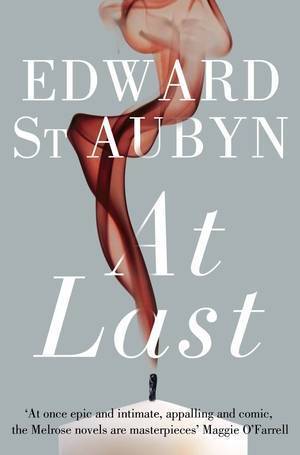
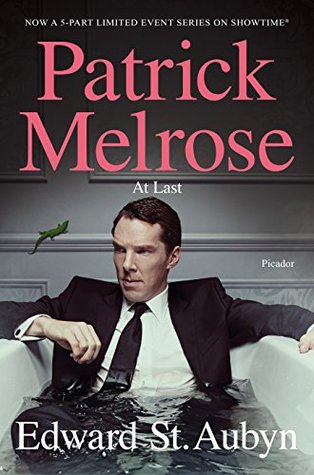
224 pages, Hardcover
First published May 1, 2011
David sat in his dark glasses smoking a cigar, angled away from Patrick, a jaundiced cloud of pastis on the table in front of him, extolling his educational methods to Nicholas Pratt: the stimulation of an instinct to survive; the development of self-sufficiency; an antidote to maternal mollycoddling; in the end, the benefits were so self-evident that only the stupidity and sheepishness of the herd could explain why every three-year-old was not chucked into the deep end of a swimming pool before he knew how to swim.
Eleanor had expected to meet Jesus at the end of a tunnel after she died. The poor man was a slave to his fans, waiting to show crowds of eager dead the neon countryside that lay beyond the rebirth canal of earthly annihilation. It must be hard to be chosen as optimism's master cliché, the Light at the End of the Tunnel, ruling over a glittering army of half-full glasses and silver-lined clouds.
How nauseating, thought Nicholas, a Jew being sentimental on behalf of a Negro: you lucky fellows, you've got plenty o' nuthin', whereas we're weighted down with all this international capital and these wretched Broadway musical hits.
'Oh, I disagree,' said Nicholas. 'He saw the funny side of everything.'
'He only saw the funny side of things that didn't have one,' said Patrick. 'That's not a sense of humour, just a form of cruelty.'
This flat, the bachelor pad of a non-bachelor, the student digs of a non-student, was as good a place as he could wish for to practice being unconsoled. The lifelong tension between dependency and independence, between home and adventure, could be resolved only by being at home everywhere, by learning to cast an equal gaze on the raging self-importance of each mood and incident. He had some way to go. He only had to run out of his favourite bath oil to feel like taking a sledgehammer to the bath and begging a doctor for a Valium script.
“La infancia era el destino”
“Ahora que era huérfano todo era perfecto. Tenía la impresión de llevar toda la vida esperando esa sensación de plenitud.”
“Creo que las muerte de mi madre es lo mejor que me ha pasado desde… bueno, desde que murió mi padre”
“Gracias a Dios había gente que era feliz con nada… y así la gente como ella (y el resto de las personas que había conocido en su vida) podía tener más”
“Los comportamientos podían cambiarse, las actitudes modificarse, las mentalidades transformarse, pero costaba dialogar con los hábitos somáticos de la infancia.”
Robert’s curiosity about his grandfather had prompted Patrick to tell him the story of his swimming lesson. [His father threw him into the pool.] He felt it would be too burdensome to tell his son about David’s beatings and sexual assaults, but at the same time wanted to give Robert a glimpse of his grandfather’s harshness. Robert was completely shocked.
“That’s so horrible,” he said. “I mean, a three-year-old would think he was dying. In fact, you could have died,” he added, giving Patrick a reassuring hug, as if he sensed that the threat was not completely over.
Robert’s empathy overwhelmed Patrick with the reality of what he had taken to be a relatively innocuous anecdote. He could hardly sleep and when he did he was soon woken by his pounding heart. He was hungry all the time but could not digest anything he ate. He could not digest the fact that his father was a man who had wanted to kill him, who would rather have drowned him than taught him to swim, a man who boasted of shooting someone in the head because he had screamed too much, and might shoot Patrick in the head as well, if he made too much noise.
The road ran beside the hedge-filled railings of the Mortlake Cemetery, past the Hammersmith and Fulham cemetery, across Chiswick Bridge, and down to the Chiswick Cemetery on the other side. Acre upon acre of gravestones mocking the real-estate ambitions of riverside developers. Why should death, of all nothings, take up so much space? Better to burn in the hollow blue air than claim a plot on that sunless beach, packed side by side in the bony ground, relying on the clutching roots of trees and flowers for a vague resurrection. Perhaps those who had known good mothering were drawn to the Earth’s absorbing womb, while the abandoned and betrayed longed to be dispersed into the heartless sky. Johnny might have a professional view. Repression was a different kind of burial, preserving trauma in the unconscious, like a statue buried in the desert sand, its sharp features protected from the weather of ordinary experience. Johnny might have views on that as well, but Patrick preferred to remain in silence. What was the unconscious anyway, as against any other form of memory, and why was it given the sovereignty of a definite article, turning it into a thing and a place when the rest of memory was a faculty and a process?
The car climbed the narrow, battered flyover that straddled the Hogarth roundabout. A temporary measure that just wouldn’t go away, it had been crying out for replacement ever since Patrick could remember. Perhaps it was the transport equivalent of giving up smoking: never quite the right day to give it up - there’s going to be a rush hour tomorrow morning… the weekend is coming up… let’s do this thing after the Olympics… 2020 is a lovely round number, a perfect time for a fresh start.
“This dodgy flyover,” said Patrick.
“I know,” said Johnny, “I always think it’s going to collapse.”
He hadn’t meant to talk. An inner monologue had broken the surface. Better sink down, better make a fresh start.