

What do you think?

The Henry Rios Mysteries #7
Rag and Bone
In Michael Nava’s final Henry Rios mystery, the Latino lawyer faces his most daunting personal and professional challenges as he comes to terms with his past—and a cache of family secrets
Henry Rios was dead for fifty-seven seconds when he suffered a heart attack in the courtroom. While he recovers, his sister, Elena, stays with him at the hospital, and they begin to repair their strained relationship, finally airing their thoughts and regrets about their childhood in an abusive home. But Elena has an extra surprise for Rios: Thirty years ago, when she was in college, she had a baby and gave her up for adoption. The girl, Vicky, grew up in foster homes, but now seeks out Elena for help escaping an abusive husband.
Despite Elena and Rios’s efforts, Vicky returns to her husband—but not long after, he’s shot dead in a motel room and Vicky claims to have blown him away. Rios doesn’t believe her confession, though, and finds evidence that suggests she’s innocent. Rios’s search for the facts leads him into a thicket of secrets and lies. As he fights for a niece he never knew he had, he must also combat the ever-present shadow of his own mortality and the truth about his past. A possible judgeship and a new love give him hope for the future in this stellar conclusion to the acclaimed Henry Rios series, about love, loss, and the enduring power of family.
Henry Rios was dead for fifty-seven seconds when he suffered a heart attack in the courtroom. While he recovers, his sister, Elena, stays with him at the hospital, and they begin to repair their strained relationship, finally airing their thoughts and regrets about their childhood in an abusive home. But Elena has an extra surprise for Rios: Thirty years ago, when she was in college, she had a baby and gave her up for adoption. The girl, Vicky, grew up in foster homes, but now seeks out Elena for help escaping an abusive husband.
Despite Elena and Rios’s efforts, Vicky returns to her husband—but not long after, he’s shot dead in a motel room and Vicky claims to have blown him away. Rios doesn’t believe her confession, though, and finds evidence that suggests she’s innocent. Rios’s search for the facts leads him into a thicket of secrets and lies. As he fights for a niece he never knew he had, he must also combat the ever-present shadow of his own mortality and the truth about his past. A possible judgeship and a new love give him hope for the future in this stellar conclusion to the acclaimed Henry Rios series, about love, loss, and the enduring power of family.
308 pages, Kindle Edition
First published January 1, 2001
About the author
Michael Nava
43 books352 followersMichael Nava is the author of a groundbreaking series of crime novels featuring a gay, Latino criminal defense lawyer Henry Rios. Nava is a six-time recipient of the Lambda Literary Award in the mystery category, as well as the Bill Whitehead Lifetime Achievement Award for gay and lesbian literature.
Ratings & Reviews
Friends & Following
Create a free account to discover what your friends think of this book!
Community Reviews
Displaying 1 - 30 of 84 reviews

September 30, 2019
Now that my ladder’s gone, I must lie down where all the ladders start, In the foul rag-and-bone shop of the heart.
W. B. Yeats
“The Circus Animals’ Desertion
5++++++++++ Stars
I have been sitting on this one for a while now, searching for words that will do this book and this series justice, but i can't find the words.
Phase one of Henry Rios is complete. And this series has become one of my favourites. Henry Rios is my number one favourite MC ever.

Rag and Bone is more family oriented. Family is key in this one. Our Henry finally find a permanent home. No more drifting for Henry.
The writing as usual is flawless. I have loved Nava's writing from the moment i started book 1. It is bold, gritty and in your face.
The mystery was engaging though frustrating. I wanted to shake Vicky at times but then again, i understood where she was coming from.
Henry, John, Angel GAAAAAAH!!! I live for this!!

W. B. Yeats
“The Circus Animals’ Desertion
5++++++++++ Stars
I have been sitting on this one for a while now, searching for words that will do this book and this series justice, but i can't find the words.
Phase one of Henry Rios is complete. And this series has become one of my favourites. Henry Rios is my number one favourite MC ever.
Rag and Bone is more family oriented. Family is key in this one. Our Henry finally find a permanent home. No more drifting for Henry.
The writing as usual is flawless. I have loved Nava's writing from the moment i started book 1. It is bold, gritty and in your face.
The mystery was engaging though frustrating. I wanted to shake Vicky at times but then again, i understood where she was coming from.
Henry, John, Angel GAAAAAAH!!! I live for this!!

May 13, 2020
So I read all seven books in three days. Good series? WHAT DO YOU THINK AND WHY ARE YOU READING THIS REVIEW GO GET BOOK ONE RIGHT NOW!!

April 29, 2014
"THIS BOOK BRINGS TO an end this series of mysteries and my career as a mystery writer."
Michael Nava

Well, Henry got his happy ending, but there are many other UNHAPPY PIs, lawyers and UNSOLVED cases around there...
WHY to give up a career as a MYSTERY writer?!

Emotions aside, I LOVE Henry Rios and I love Michael Nava's writing.
The last book in one of the most CAPTIVATING mystery series was probably the most PERSONAL in regard to Henry Rios PERSONAL life, comparing to the previous sequels. But it wasn't very unexpected.
With every sequel we got more and more of Henry Rios as a PRIVATE man, an openly gay Latino lawyer. I really enjoyed the mystery aspect, it has been ALWAYS done on a VERY HIGH level. But it is not just a good written MYSTERY.
What I really enjoyed in the series - a smart mixture of BRAIN and HEART. And Michael Nave understands perfectly well how to present this mixture in the best way.
Rag and Bone is my second BEST in the series, and I can understand WHY it could be your BEST. But I read the last two books, one after another, within a week, and I found the mystery in the previous book a little better than in the final book, but it is my personal feeling-I am just not into kids in my gay fiction books(I hope I won't upset Elton John too much with my statement), but it is just me, in my NOT-A-MOTHER-MODE.
Really, there were so many WONDERFUL UNEXPECTED surprises in this last book:
1)JOHN. THE BEST what COULD have happened to Henry. "John" is the magic word of the book 7.
2)Henry's family. In all possible way. The book 7 is a family book.
3)Henry. He is DIFFERENT here. I don't meant his qualification as a defender. I mean his protective instincts as a family head.
My conclusion:
I'm SAD(for Henry. Because I have to say "farewell" to him), and HAPPY(because of Henry. I leave him not alone! And I don't mean just a family. I mean HIS family.
And I can say it at the end of the series:
Henry Rios,

It was definitely a perfect way to end the series.
LOVE IT. Could it be better than this? Hardly.

February 23, 2024
“And then one day I woke up and people I knew weren’t dying anymore and I was looking at the rest of my life, a life I had not expected to have. A life I was completely unprepared to have. Does any of this make sense?”
[4.7] and that's a wrap on Henry Rios, everyone.
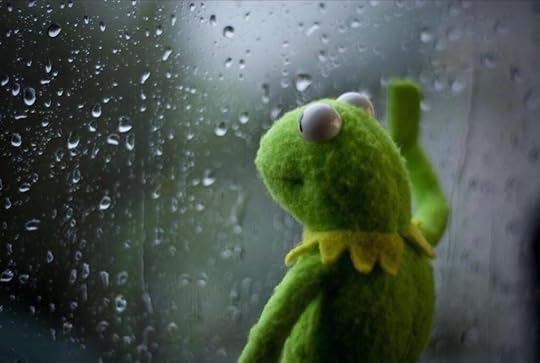
*throws a tantrum, thrashes around the kitchen floor, cries, violently chomps on chocolate, retreats to the comfort of being a blanket burrito*
after the intensity of The Burning Plain, i half-expected Michael Nava to Tokyo Drift the grand finale into a supernova explosion. instead, he expertly eased his foot on the brakes, just a little, to flip the script and present "Henry Rios" in stark limelight. the culmination of his character arc is encased in overarching themes of family and grief, and of his life-long struggle to reconcile his sexuality with his Mexican heritage. it's finding a renewed sense of direction and purpose in the aftermath of the AIDS epidemic, the calamity that left LA a cemetery.
this is Henry's resurrection.
the noir genre oft paints the world in the bleakest and grayest of tones, but never in my life have i read a tale as life affirming as this one.
it is with a heavy heart that i bid our dear Henry Rios adieu. thank you, Michael Nava, for sharing with us this literary masterpiece. you are a tour de force in every possible sense of the phrase.
⚠️ spoiler territory ⚠️
.
.
.
.

April 24, 2011
This is the last book in the mystery series about gay lawyer Henry Rios. Each book has been a blend of crime/mystery and personal and family drama. Henry has been through a lot, including finding and losing a first love, and various family and friend changes and revelations, all presented in an understated way that is moving, in part because of Henry's very honorable stoicism.
In this book, Henry confronts his own mortality, the shifts in his life and ambitions, a newfound relationship with his sister and niece, and an encounter with a very sexy man his own age and background. Of all the Henry Rios books, this is the warmest and the most romantic, and the ending left me happy, satisfied, and only sorry that this author stopped his writing here and didn't give us anymore of his excellent stories.
This book could almost stand alone, so if you are not a mystery fan but like a mystery-accented romance, slowly developing for a very appealing middle-aged hero, you might read just this one. But you will miss out on some backstory. If you are a mystery fan at all, I recommend reading this series in order. Written in the 1980's and 1990's, there are elements, especially relating to HIV, that are heavily imbued with the time in which they take place. Each book builds on the last, and Henry is a character you'll fall in love with as you watch him grow into the man he finally becomes. Recommended.
In this book, Henry confronts his own mortality, the shifts in his life and ambitions, a newfound relationship with his sister and niece, and an encounter with a very sexy man his own age and background. Of all the Henry Rios books, this is the warmest and the most romantic, and the ending left me happy, satisfied, and only sorry that this author stopped his writing here and didn't give us anymore of his excellent stories.
This book could almost stand alone, so if you are not a mystery fan but like a mystery-accented romance, slowly developing for a very appealing middle-aged hero, you might read just this one. But you will miss out on some backstory. If you are a mystery fan at all, I recommend reading this series in order. Written in the 1980's and 1990's, there are elements, especially relating to HIV, that are heavily imbued with the time in which they take place. Each book builds on the last, and Henry is a character you'll fall in love with as you watch him grow into the man he finally becomes. Recommended.

September 27, 2024
So, I was wrong about my gut feeling and I couldn’t have been happier. This didn’t end badly, it ended exactly how it should. I can’t recommend this series enough, it’s truly one of the best mystery books around with one of the most memorable and interesting (gay) protagonists I ever came across. I love Henry and I’m not ready to say goodbye to him yet. But since this is the final book, I think re-reading this series in the future will be my only option.

August 14, 2023
4.5 stars
Halle-freaking-lujah!
It Was About Time.
Don’t get me wrong, it’s not like it’s all hearts and flowers, it’s still this series and this author, but at least for once the good outweighs the bad. Henry gets once again put through the wringer
I also liked a lot how the “mystery” part of the book intersected with Henry’s personal life. It seemed a bit too convenient that , but it didn’t feel too forced and it was nice to see Henry
Rounding up because I can and Henry has earned it.
Halle-freaking-lujah!
It Was About Time.
Don’t get me wrong, it’s not like it’s all hearts and flowers, it’s still this series and this author, but at least for once the good outweighs the bad. Henry gets once again put through the wringer
I also liked a lot how the “mystery” part of the book intersected with Henry’s personal life. It seemed a bit too convenient that , but it didn’t feel too forced and it was nice to see Henry
Rounding up because I can and Henry has earned it.

February 24, 2025
5.0 ⭐️
Perfect conclusion to that brilliant series!
Excellent narration by Thom Rivera.
Highly recommended.
“We need to be who we are, not what other people tell us we should be.”
*****
I had been given this book—a prose retelling of the Iliad and the Odyssey—by a teacher who observed my interest in Greek mythology, but it had opened up more than that world for me. Reading about Achilles and Patroclus had, even in this child’s version, intimated something about the love of men for one another that I scarcely understood but never forgot. And Ulysses’ long journey, filled with suffering and adventure, had in some obscure but palpable way consoled and encouraged me as I struggled through my own difficult adolescence.
*****
“What’s funny?”
“The way she pisses you off, she could only be family.” He dipped a mangled french fry into catsup. “You don’t have to like her. You just have to love her.”
****
“You’re looking at me like you’re taking inventory,” he said.
“You’re beautiful.”
“Don’t embarrass me.”
I sat at the edge of the bed. “I love your body.”
“I love yours,” he said. He chuckled. “Man, that’s a hard thing to say to another guy.”
“I know, but I had to tell you at least this once.”
“You tell me every time you look at me,” he said. ♥️
Perfect conclusion to that brilliant series!
Excellent narration by Thom Rivera.
Highly recommended.
“We need to be who we are, not what other people tell us we should be.”
*****
I had been given this book—a prose retelling of the Iliad and the Odyssey—by a teacher who observed my interest in Greek mythology, but it had opened up more than that world for me. Reading about Achilles and Patroclus had, even in this child’s version, intimated something about the love of men for one another that I scarcely understood but never forgot. And Ulysses’ long journey, filled with suffering and adventure, had in some obscure but palpable way consoled and encouraged me as I struggled through my own difficult adolescence.
*****
“What’s funny?”
“The way she pisses you off, she could only be family.” He dipped a mangled french fry into catsup. “You don’t have to like her. You just have to love her.”
****
“You’re looking at me like you’re taking inventory,” he said.
“You’re beautiful.”
“Don’t embarrass me.”
I sat at the edge of the bed. “I love your body.”
“I love yours,” he said. He chuckled. “Man, that’s a hard thing to say to another guy.”
“I know, but I had to tell you at least this once.”
“You tell me every time you look at me,” he said. ♥️

August 17, 2023
Original review here:
https://www.goodreads.com/review/show...
Note: This is the eighth and still final book in the series.
Review of second edition:
This is how you end a series. After all the heartache, headaches and grimness that came before, this leaves Henry in a hopeful place. There's still some sadness in this, some lost opportunities for the side characters, and Henry is facing a new reality due to some health issues. But he also suddenly has an embarrassment of riches: I hope Nava never writes another one because I worry he might decide something dramatic has to happen to mess this all up, lol.
The mystery was well done too, and surprisingly even provided some chuckles in the form of the laidback prosecutor who would clearly rather be at the beach than in the courtroom. Vicky was a bit of trial at times, but once we know all the details, it makes more sense, and it leaves a door open that she might eventually come around to Henry being gay.
I'll echo Elena though and say I wish Nava would have added some Nava was expanding on conversations anyway, so he could have easily done that as well.
But that quibble aside, this was as rewarding to read this time as the first time.
Thanks to Elena and Rosa for the BR!
https://www.goodreads.com/review/show...
Note: This is the eighth and still final book in the series.
Review of second edition:
This is how you end a series. After all the heartache, headaches and grimness that came before, this leaves Henry in a hopeful place. There's still some sadness in this, some lost opportunities for the side characters, and Henry is facing a new reality due to some health issues. But he also suddenly has an embarrassment of riches: I hope Nava never writes another one because I worry he might decide something dramatic has to happen to mess this all up, lol.
The mystery was well done too, and surprisingly even provided some chuckles in the form of the laidback prosecutor who would clearly rather be at the beach than in the courtroom. Vicky was a bit of trial at times, but once we know all the details, it makes more sense, and it leaves a door open that she might eventually come around to Henry being gay.
I'll echo Elena though and say I wish Nava would have added some Nava was expanding on conversations anyway, so he could have easily done that as well.
But that quibble aside, this was as rewarding to read this time as the first time.
Thanks to Elena and Rosa for the BR!

May 3, 2015
Henry discovers what having a family is about and maybe a new love too. Great ending to a great series.

August 15, 2023
This series goes directly to be part of my all time favourites. Not that I would reread it ever, but the journey, though hard, was really worth it.
I'm very glad we finally leave Henry in a place where he is happy. Don't get me wrong, things hasn't been wine and roses in this book, and it won't be in the furture either. If I've learnt something through reading this, is that Henry (like everybody) is going to need to fight for his happiness always, but we leave him in a point where I can see that fight won't take the best of him.
I liked the hopeful note with which this ends. I highly recomend this. It's a series that need to be read, we can't forget how it was. Thank you Linda for suggesting reading this series, it was really worth it. I'm really bad at writing reviews, so I recommend to check out the ones that Ele, Linda and Shile have written. They explain why you should read this better than me.
I'm very glad we finally leave Henry in a place where he is happy. Don't get me wrong, things hasn't been wine and roses in this book, and it won't be in the furture either. If I've learnt something through reading this, is that Henry (like everybody) is going to need to fight for his happiness always, but we leave him in a point where I can see that fight won't take the best of him.
I liked the hopeful note with which this ends. I highly recomend this. It's a series that need to be read, we can't forget how it was. Thank you Linda for suggesting reading this series, it was really worth it. I'm really bad at writing reviews, so I recommend to check out the ones that Ele, Linda and Shile have written. They explain why you should read this better than me.

March 5, 2013
This is the last of the series and is much more waited to Henry's personal life than the other books. He's worked hard over the series and here, he's given a much deserved happy ending.
This entire review has been hidden because of spoilers.

May 31, 2015
Perfect ending to a wonderful gay mystery series.
"He was lying naked on the bed, his hands cupping his head on the pillows, watching me dress. I paused and studied him. I remembered some of the boys I’d slept with in my twenties and thirties, with their hard, perfect bodies, and while perfection has its attractions, it isn’t really lovable. John had golden skin and big arms, but the muscles in his chest sagged a little and there were pockets of flab at his waist and a mesh of fine wrinkles above his eyelids, reminding me whenever I looked at him that among the reasons I loved him were that he spent his days in the sun, loved to eat and was halfway through life."

July 10, 2020
It wasn’t the strongest book of the series. The mystery was a little easy. The other issues resolved a little too easily and neatly. But damn if this devoted reader hasn’t earned that after all that Henry has put her through.
I’m so happy my man got everything he deserved.

I’m so happy my man got everything he deserved.

December 6, 2011
This is the last in the Henry Rios series and my favorite from the series because it is filled with hope.
Henry's near death experience kind of marks the death of his old life and all his losses and the beginning of the new. Now at the end of this fantastic series Henry for me has become a kind of 20th Century Job, who having lost everything begins life again with family, friends, love and a new opportunity.
Henry reunites with his sister who was distant before and the two of them begin a kind of journey together of healing the past. Henry discovers he has a niece and she has a son who looks just like him. At his time of crisis he gets to learn and experience the love of his friends and he finds friendship and love with a new man. So there is hope on every side but also a mystery to solve as he finds himself defending his niece from murder charges. But both she and Angel his nephew are hiding something and it is something which could turn the case on its head.
I loved this. I loved the way in which we get to see Henry practicing law and the way in which he follows his gut instinct to find out what happened, all whilst recovering from a heart attack. At the beginning of the series Henry came across as quite lonely but here we get to see his friends and see that though things have been hard for him he has managed to develop relationships that sustain him. We also get to see Henry finding himself in his family.
The mystery was excellent with a few twists and turns, and secrets. Best of all is Henry's chance at finding new love which he thoroughly deserves and finding the love of his sister. Henry's court scenes were superb, his scenes with his sister touched my heart and his energy and determination were inspiring. It left me wishing for an uncle like Henry.
I will definitely read this book again. I think it is a fitting place to stop the series as well but I do wish there had been more. I like the sense of Henry finding life again after the losses of his previous loves and the darkness of the last book. Henry has come such a long way in his journey. I would have loved to see him as a judge.
An excellent finale for an excellent series.
Henry's near death experience kind of marks the death of his old life and all his losses and the beginning of the new. Now at the end of this fantastic series Henry for me has become a kind of 20th Century Job, who having lost everything begins life again with family, friends, love and a new opportunity.
Henry reunites with his sister who was distant before and the two of them begin a kind of journey together of healing the past. Henry discovers he has a niece and she has a son who looks just like him. At his time of crisis he gets to learn and experience the love of his friends and he finds friendship and love with a new man. So there is hope on every side but also a mystery to solve as he finds himself defending his niece from murder charges. But both she and Angel his nephew are hiding something and it is something which could turn the case on its head.
I loved this. I loved the way in which we get to see Henry practicing law and the way in which he follows his gut instinct to find out what happened, all whilst recovering from a heart attack. At the beginning of the series Henry came across as quite lonely but here we get to see his friends and see that though things have been hard for him he has managed to develop relationships that sustain him. We also get to see Henry finding himself in his family.
The mystery was excellent with a few twists and turns, and secrets. Best of all is Henry's chance at finding new love which he thoroughly deserves and finding the love of his sister. Henry's court scenes were superb, his scenes with his sister touched my heart and his energy and determination were inspiring. It left me wishing for an uncle like Henry.
I will definitely read this book again. I think it is a fitting place to stop the series as well but I do wish there had been more. I like the sense of Henry finding life again after the losses of his previous loves and the darkness of the last book. Henry has come such a long way in his journey. I would have loved to see him as a judge.
An excellent finale for an excellent series.

September 9, 2014
The last book of an excellent series, it doesn't disappoint. Of course I'm sad to read Nava's words: ''This book brings to an end this series of mysteries and my career as a mystery writer'', but the series had to end at one stage, and it ends in a relatively good place.
In this last story there is slightly more romance than in the others. I wonder if the title's reference to The Circus Animals' Desertion, a poem by William Butler Yeats, was chosen because of this. In the poem Yeats wants to find new inspiration from ''the foul rag-and-bone shop of the heart''.
There are reflections on mortality, on family, on justice, but not like you would find them in a sermon, they are just naturally interwoven in the book. Ok, maybe a bit too much family: the fact that Henry is immediately ''in love'' with Angel and seems to find a meaning in his life in taking care of the child was a bit too stressed in my opinion. On the other side knowing Henry's childhood this is understandable.
Henry basic decency reminds me strongly of Dave Brandstetter, the main character of another great series, see The Complete Brandstetter, strongly recommended!
Once more Nava's experience as an attorney emerges, but the judicial details are never too obscure or boring. BTW Nava has written this interesting essay The Servant of All: Humility, Humanity, and Judicial Diversity about «how judicial diversity might increase qualities of humility and humanity on the bench».
Good secondary characters as usual, one apparently strongly inspired to a real doctor, Nava's friend Dr. Rod Hayward.
Now that I've read the series I'm sorry it took me so long to start reading it. It is really worth the time.
In this last story there is slightly more romance than in the others. I wonder if the title's reference to The Circus Animals' Desertion, a poem by William Butler Yeats, was chosen because of this. In the poem Yeats wants to find new inspiration from ''the foul rag-and-bone shop of the heart''.
There are reflections on mortality, on family, on justice, but not like you would find them in a sermon, they are just naturally interwoven in the book. Ok, maybe a bit too much family: the fact that Henry is immediately ''in love'' with Angel and seems to find a meaning in his life in taking care of the child was a bit too stressed in my opinion. On the other side knowing Henry's childhood this is understandable.
Henry basic decency reminds me strongly of Dave Brandstetter, the main character of another great series, see The Complete Brandstetter, strongly recommended!
Once more Nava's experience as an attorney emerges, but the judicial details are never too obscure or boring. BTW Nava has written this interesting essay The Servant of All: Humility, Humanity, and Judicial Diversity about «how judicial diversity might increase qualities of humility and humanity on the bench».
Good secondary characters as usual, one apparently strongly inspired to a real doctor, Nava's friend Dr. Rod Hayward.
Now that I've read the series I'm sorry it took me so long to start reading it. It is really worth the time.

July 8, 2020
 Audiobook review
When we catch up with Henry again, and very possibly the last time, he is in court defending a man from the three strikes law. Only he suffers a heart attack in the middle of the courtroom. It could be a blessing in disguise as it not only brings him and his sister Elena together again, both determined to mend fences and become part of each other’s lives. He also meets someone new; John. A man he has chemistry with from the start and someone who encourages him and supports him. They fit together. As always there were obstacles, but not insurmountable ones and not ones that caused drama, something I’m very grateful for.
Rag and Bone is different in many ways from the other books, it’s focused on family, past and present, and not just any family, but Henry's. It's about making amends and moving forward. But it’s not only Henry and Elena - Vicky the daughter Elena put up for adoption many years comes into their lives. She comes with her young son and a whole lot of trouble in tow. She claims that she and Angel are running from her abusive husband newly released from jail for abusing her. However there are parts of her story that doesn’t add up, and when she’s charged with the murder of said husband it falls on Henry to defend her.
This book was like a balm on our scarred and mangled hearts compared to the others in the series. We finally see some happiness for Henry. Genuine happiness, hope and seeing him settling down some. I know I said in my last review that a happy Henry wouldn’t fit with the rest of the series. But it does. It’s hard won and well earned. Don’t get me wrong, this is still not a fluffy romance, but hope and (positive) possibilities shines through everything. But this series wouldn’t be what it was without some major case, some injustice for Henry to fix. And this time it's his own family that needs fixing. I loved him with Angel, this brave little boy broke my heart with all that he’d experienced in his short life, never expecting anything or barely taking up any space. I just fell for him - hard. From having had no one but himself – and the occasional lover, Henry finally has a family. A family that requires a lot of work, but a family he’s willing to fight for.
Thom Rivera has been the perfect choice of narrator for this series. He understands the characters, the place and time. Now I don’t know anything about him, but from his narration alone, I’m guessing he shares some commonalities with Henry (and Nava) in having at least a mixed heritage. The way he portrays the off-hand comment, the slurs and the off look really shows it’s something he’s all too familiar with. Then there is the way he handles the Spanish words and names. They are genuine Spanish, no Spanglish near it, it’s also effortless and clearly something he’s comfortable with. He even did a credible Aussie accent, which was a nice surprise for me. Anyway, it’s these seemingly small things that really set the tone of a book and makes it more genuine and authentic. It’s why, even if a book is so so (not that it’s the case here), you’d still come back to it, just to listen to Rivera.
I don’t know if this is the end of Henry’s journey, in a way it could be. He’s starting a new chapter in his life and one I think he’ll be very happy with, but I still have hope that I’ll experience more works by Nava and Rivera, because this duo knows what they are doing.
A copy of this book was generously provided by the author in exchange for an honest review


September 12, 2014
I enjoy a well-told story with smart characters and a mystery that makes me think. And all of the previous books have been that. But they have all had characters with sad lives and very little happiness for anyone involved. Superbly written and realistic, but heart-wrenching.
Rag and Bone takes all the above and adds some likeable characters, a family drama, several people for Henry to love, and a developing romance between two men who act like adults. Okay, I'm a sap. Or maybe just a romantic. But I enjoyed this book SO much better for the nicer and happier times we got to see. There is still plenty of darkness, and things are not wrapped up with a bow at the end. Since Mr. Nava says this is the last book in the series, I'm glad I can think of Henry living a more contented life somewhere out there in LA.
Rag and Bone takes all the above and adds some likeable characters, a family drama, several people for Henry to love, and a developing romance between two men who act like adults. Okay, I'm a sap. Or maybe just a romantic. But I enjoyed this book SO much better for the nicer and happier times we got to see. There is still plenty of darkness, and things are not wrapped up with a bow at the end. Since Mr. Nava says this is the last book in the series, I'm glad I can think of Henry living a more contented life somewhere out there in LA.

November 29, 2020
Actual rating is 3.5
NB: This review is for the reread of the 2019 edited version. I initially read the book back in 2005.
Unlike the last two books (which were moody to the point of nearly unrelenting angst), the 7th and final book in the Henry Ríos series is definitely lighter. Despite the fact that it begins with Henry literally dying for almost a minute. #IKnow
It's now 5 years later since the events of The Burning Plain. 49-y.o. Henry finds himself reevaluating his previous ideas on what family means by way of two surprise/new relatives in addition to figuring out what exactly he wants the rest of life to be like. Readers of the series will smile when old friends (and perhaps a frenemy or two) show up in the novel.
I also enjoyed meeting Henry's new love interest. He's someone with his own moderately complicated backstory. Another point in that character's favor was his age and life experience. One interesting thing is how the romance in this book is one that's the polar opposite of Henry/Josh in previous novels. Which is a good thing.
Mind y'all, I'm not saying that Henry/Josh was a bad relationship, only pointing out that there was a serving of intense conflict alongside all the love Henry and Josh felt for each other. Like all of the books in the series, however, the romance does end up a bit in the background. What I mean to say is this isn't a book to pick up if you want to read an M/M romance.
This is also a shorter book and a fairly easy read.
Where the book falters (for me, at least) has to do with the mystery. The author once again does a fantastic job of explaining to non-lawyers what's going on during court proceedings, why Henry decides to do one thing over another when defending his client, etc.
Oh, and the theme of race (particularly that of Mexicans and Mexican-Americans) is just as present in this book as in the previous ones. I really liked that.
Buuuuut I do have to mention that the mystery is not really a noir and way more of a family drama (with some criminal sprinklings here and there.) The reasoning behind the crime made sense and I liked the (eventual) reveal of the culprit--and that was despite figuring out who was behind it by, like the 40% mark.
To me, this wasn't a book meant to, i dunno, wow readers. Only to give Henry and co. the kind of ending they all deserved.
Trigger and Content warnings:
TL;DR: A pretty good ending to a series that put its readers thru hell in books 5 and 6. Although I did think the mystery was solid, it leaned more towards family court dramatics than noir--which was a disappointment to me.
In the end, however, it was the weakest entry in a superb series. Absolutely worth the read after the previous 6 books, but not a book that would stand on its own otherwise. I wave goodbye to Henry once again with a soul-deep satisfaction that things will turn out all right.
NB: This review is for the reread of the 2019 edited version. I initially read the book back in 2005.
Unlike the last two books (which were moody to the point of nearly unrelenting angst), the 7th and final book in the Henry Ríos series is definitely lighter. Despite the fact that it begins with Henry literally dying for almost a minute. #IKnow
It's now 5 years later since the events of The Burning Plain. 49-y.o. Henry finds himself reevaluating his previous ideas on what family means by way of two surprise/new relatives in addition to figuring out what exactly he wants the rest of life to be like. Readers of the series will smile when old friends (and perhaps a frenemy or two) show up in the novel.
I also enjoyed meeting Henry's new love interest. He's someone with his own moderately complicated backstory. Another point in that character's favor was his age and life experience. One interesting thing is how the romance in this book is one that's the polar opposite of Henry/Josh in previous novels. Which is a good thing.
Mind y'all, I'm not saying that Henry/Josh was a bad relationship, only pointing out that there was a serving of intense conflict alongside all the love Henry and Josh felt for each other. Like all of the books in the series, however, the romance does end up a bit in the background. What I mean to say is this isn't a book to pick up if you want to read an M/M romance.
This is also a shorter book and a fairly easy read.
Where the book falters (for me, at least) has to do with the mystery. The author once again does a fantastic job of explaining to non-lawyers what's going on during court proceedings, why Henry decides to do one thing over another when defending his client, etc.
Oh, and the theme of race (particularly that of Mexicans and Mexican-Americans) is just as present in this book as in the previous ones. I really liked that.
Buuuuut I do have to mention that the mystery is not really a noir and way more of a family drama (with some criminal sprinklings here and there.) The reasoning behind the crime made sense and I liked the (eventual) reveal of the culprit--and that was despite figuring out who was behind it by, like the 40% mark.
To me, this wasn't a book meant to, i dunno, wow readers. Only to give Henry and co. the kind of ending they all deserved.
Trigger and Content warnings:
TL;DR: A pretty good ending to a series that put its readers thru hell in books 5 and 6. Although I did think the mystery was solid, it leaned more towards family court dramatics than noir--which was a disappointment to me.
In the end, however, it was the weakest entry in a superb series. Absolutely worth the read after the previous 6 books, but not a book that would stand on its own otherwise. I wave goodbye to Henry once again with a soul-deep satisfaction that things will turn out all right.

February 3, 2018
Rag and Bone (Henry Rios #7)
By Michael Nava
Open Road Integrated Media, 2013 (originally published 2001)
Five stars
“I replied with the sobs of a little boy and buried myself against her.”
The late Joseph Hansen, to whom Michael Nava dedicated one of his Henry Rios novels, ended his final installment of the remarkable David Brandstetter series with a heart attack. Nava starts the final book in his series with a heart attack.
But this is a different heart attack. It is one of rebirth and resurrection. From the bleak, despair-filled Los Angeles of “The Burning Plain,” Nava moves us—devoted readers all—to a very different Los Angeles. This is an intensely small city, suffocating in its intimacy. This is not the city of Hollywood, of movie stars; this is the Los Angeles of Latino gangs and tight-knit families beset by all the problems that being poor and brown affords in the land of the free.
This book is Henry’s journey back into the light. There is violence and death, but there is also love, and a kind of family that Henry never imagined he’d know. This page-turning murder mystery is filled with emotion, and a lot of that emotion serves to liberate Henry Rios from the self-imposed exile to which he consigned himself when Josh Mandel died.
“For fifteen years, being gay has been like sitting in a trench on a battlefield.”
Henry, at forty-nine, has fought for the rights of the least loved of America’s people. His razor-sharp mind and unyielding integrity have made him famous across the Golden State; but they have not made him rich, and they have not made him happy. But Henry is not unhappy, because he doesn’t have any sense that he deserves any more than what life has dealt him. His childhood was ruined by his abusive father and passive mother; his youth was lost in drinking. His early middle-life was taken up with finding and losing his first great love. Through it all, Henry has kept working. His thirst for justice, or at least judicial correctness, has kept him alive. Maybe, at last, it’s time for Henry Rios to live.
This is the most moving of all of the Henry Rios stories, because it is so personal. I loved it, but not just because of its uplifting narrative. I loved it because it seems like a fitting finale for an epic series of well-crafted and compelling novels. It is Michael Nava’s last love song to the remarkable character he created, a character for whom the world of fiction should be most grateful.
By Michael Nava
Open Road Integrated Media, 2013 (originally published 2001)
Five stars
“I replied with the sobs of a little boy and buried myself against her.”
The late Joseph Hansen, to whom Michael Nava dedicated one of his Henry Rios novels, ended his final installment of the remarkable David Brandstetter series with a heart attack. Nava starts the final book in his series with a heart attack.
But this is a different heart attack. It is one of rebirth and resurrection. From the bleak, despair-filled Los Angeles of “The Burning Plain,” Nava moves us—devoted readers all—to a very different Los Angeles. This is an intensely small city, suffocating in its intimacy. This is not the city of Hollywood, of movie stars; this is the Los Angeles of Latino gangs and tight-knit families beset by all the problems that being poor and brown affords in the land of the free.
This book is Henry’s journey back into the light. There is violence and death, but there is also love, and a kind of family that Henry never imagined he’d know. This page-turning murder mystery is filled with emotion, and a lot of that emotion serves to liberate Henry Rios from the self-imposed exile to which he consigned himself when Josh Mandel died.
“For fifteen years, being gay has been like sitting in a trench on a battlefield.”
Henry, at forty-nine, has fought for the rights of the least loved of America’s people. His razor-sharp mind and unyielding integrity have made him famous across the Golden State; but they have not made him rich, and they have not made him happy. But Henry is not unhappy, because he doesn’t have any sense that he deserves any more than what life has dealt him. His childhood was ruined by his abusive father and passive mother; his youth was lost in drinking. His early middle-life was taken up with finding and losing his first great love. Through it all, Henry has kept working. His thirst for justice, or at least judicial correctness, has kept him alive. Maybe, at last, it’s time for Henry Rios to live.
This is the most moving of all of the Henry Rios stories, because it is so personal. I loved it, but not just because of its uplifting narrative. I loved it because it seems like a fitting finale for an epic series of well-crafted and compelling novels. It is Michael Nava’s last love song to the remarkable character he created, a character for whom the world of fiction should be most grateful.

January 24, 2025
I cannot rave about this series enough! Every book has been so well-written and utterly fascinating. Absolutely give them a read.
Presumably the last volume, Rag and Bone sees Henry tackle family discord, open himself up to new romance, and take on his most personal case yet. New, rich characters add much to the plot. And, a noticeably more hopeful tone emerges despite the brutality of the crime.
Presumably the last volume, Rag and Bone sees Henry tackle family discord, open himself up to new romance, and take on his most personal case yet. New, rich characters add much to the plot. And, a noticeably more hopeful tone emerges despite the brutality of the crime.

August 5, 2017
This, without a doubt, is THE MUST READ BEFORE YOU DIE SERIES.
Henry Rios - I will miss you very much!
Henry Rios - I will miss you very much!
June 1, 2010
RATING: 4.75
It’s not my normal reading style to read the last book in a series first, but in the case of Rag and Bone, I’m glad that I broke my own rule. The book is exceptional on many levels and has an emotional resonance that you don’t often find in crime fiction.
Henry Rios is at a point where he feels that life is pretty much meaningless. His long time lover, Josh, died of AIDS. He’s been working as a lawyer for a long time and is burned out. So when a heart attack strikes him down, he is more than willing to embrace the end of life, going through a Near Death Experience. It is only the voice of his estranged sister, Elena, that brings him back to the world of the living. During their early years, they had been close. But living in a home with an abusive father drove them apart as time passed with each fighting to survive a life that was terrifying and unpredictable.
As Henry goes through his recuperation, he and Elena reestablish the bond that has always existed between them. Like Henry, Elena is also gay. She is in a committed relationship with another woman. Shockingly, Elena reveals that many years earlier she gave birth to a daughter who she placed for adoption. A few years earlier, she traced her to a group home. Elena was unable to accept who Vicky was since she behaved like a gang girl and never revealed herself. Only now have the two found one another, and that only because Vicky is in serious trouble. She has a 10-year old son, Angel, and they are running from Vicky’s abusive husband.
The husband is murdered, and Vicky is the natural suspect. Henry doesn’t get along particularly well with Vicky but feels he must defend her since she is a family member. Vicky has confessed, but things just don’t quite add up. While Vicky is in jail, Angel is living with Henry. This young boy steals the show. He’s bright and hard, a child who has been through a man’s life. All at once, Henry’s meaningless life has become fuller than it has ever been. He’s reunited with his sister, become an uncle and a father figure and even begun a new relationship which shows great long-term potential. The heart that was broken by his own mother and father and that died in the hospital is in the process of healing, becoming stronger and filled with love.
This was a book that I literally could not put down. I felt a strong connection to each of the characters, even the unsympathetic Vicky. Henry was presented as a real human being with some flaws of character but overall a caring and decent man. Nava excelled at creating a sense of pace that propelled the reader forward and an LA setting with Latino neighborhoods that are poor in many ways and rich in others . It wasn’t too difficult to determine what some of the truth of the mystery was, but there were a few twists that were genuinely surprising. The connections to the past were moving; the bridges to the future were inspiring.
In the acknowledgments of the book, Nava writes: “This book brings to an end this series of mysteries and my career as a mystery writer.” What a sad loss for the genre. Nava is an exceptionally talented author. I am fortunate in that I have not yet read the first 6 books in the series, a lack that I intend to correct.
It’s not my normal reading style to read the last book in a series first, but in the case of Rag and Bone, I’m glad that I broke my own rule. The book is exceptional on many levels and has an emotional resonance that you don’t often find in crime fiction.
Henry Rios is at a point where he feels that life is pretty much meaningless. His long time lover, Josh, died of AIDS. He’s been working as a lawyer for a long time and is burned out. So when a heart attack strikes him down, he is more than willing to embrace the end of life, going through a Near Death Experience. It is only the voice of his estranged sister, Elena, that brings him back to the world of the living. During their early years, they had been close. But living in a home with an abusive father drove them apart as time passed with each fighting to survive a life that was terrifying and unpredictable.
As Henry goes through his recuperation, he and Elena reestablish the bond that has always existed between them. Like Henry, Elena is also gay. She is in a committed relationship with another woman. Shockingly, Elena reveals that many years earlier she gave birth to a daughter who she placed for adoption. A few years earlier, she traced her to a group home. Elena was unable to accept who Vicky was since she behaved like a gang girl and never revealed herself. Only now have the two found one another, and that only because Vicky is in serious trouble. She has a 10-year old son, Angel, and they are running from Vicky’s abusive husband.
The husband is murdered, and Vicky is the natural suspect. Henry doesn’t get along particularly well with Vicky but feels he must defend her since she is a family member. Vicky has confessed, but things just don’t quite add up. While Vicky is in jail, Angel is living with Henry. This young boy steals the show. He’s bright and hard, a child who has been through a man’s life. All at once, Henry’s meaningless life has become fuller than it has ever been. He’s reunited with his sister, become an uncle and a father figure and even begun a new relationship which shows great long-term potential. The heart that was broken by his own mother and father and that died in the hospital is in the process of healing, becoming stronger and filled with love.
This was a book that I literally could not put down. I felt a strong connection to each of the characters, even the unsympathetic Vicky. Henry was presented as a real human being with some flaws of character but overall a caring and decent man. Nava excelled at creating a sense of pace that propelled the reader forward and an LA setting with Latino neighborhoods that are poor in many ways and rich in others . It wasn’t too difficult to determine what some of the truth of the mystery was, but there were a few twists that were genuinely surprising. The connections to the past were moving; the bridges to the future were inspiring.
In the acknowledgments of the book, Nava writes: “This book brings to an end this series of mysteries and my career as a mystery writer.” What a sad loss for the genre. Nava is an exceptionally talented author. I am fortunate in that I have not yet read the first 6 books in the series, a lack that I intend to correct.

August 21, 2022
While recovering from a heart attack, Henry Rios comes to the aid of his long-lost niece, who has confessed to the murder of her abusive husband. As he begins a new relationship, and grows closer to his grand-nephew during his investigation, Rios discovers that things are more complicated than he had thought.
I loved this series so much. Henry as a character means so much to me. I read this series over the course of a week and I'm only sad there's not more books to enjoy. What I loved most about Rag and Bone was how it gave Henry all the things he so deserved, over the course of the series. His burgeoning relationship with John is so sweet and simple, and it made my heart ache to think of this being the end for Henry after all his experiences with Hugh and Josh. As the spectre of AIDS lifts from the lives of those around him, thanks to medical advancements, Rag and Bone depicts how life goes on, but even so, there will always be someone else who needs our support and care. I really loved seeing Henry's paternal instincts come into play with Angel, and while I hold out hope for more from this series in the future, this is a strong, confident ending.
cw: rape
absolutely nothing *~*researchy*~* to see here; an ongoing reading list
1. A Study in Scarlet 2.5/5
2. The Hound of the Baskervilles 5/5
3. The Adventure of the Final Problem 4/5
4. Bath Haus 4.5/5
5. The Forest of Stolen Girls 4/5
6. The Red Palace 2/5
7. The Silence of Bones 1/5
8. Lay Your Sleeping Head 4/5
9. Carved in Bone 5/5
10. Lies with Man 3/5
11. Howtown 2/5
12. The Hidden Law 2/5
13. The Death of Friends 3/5
14. The Burning Plain 3.5/5
15. Rag and Bone 4/5
I loved this series so much. Henry as a character means so much to me. I read this series over the course of a week and I'm only sad there's not more books to enjoy. What I loved most about Rag and Bone was how it gave Henry all the things he so deserved, over the course of the series. His burgeoning relationship with John is so sweet and simple, and it made my heart ache to think of this being the end for Henry after all his experiences with Hugh and Josh. As the spectre of AIDS lifts from the lives of those around him, thanks to medical advancements, Rag and Bone depicts how life goes on, but even so, there will always be someone else who needs our support and care. I really loved seeing Henry's paternal instincts come into play with Angel, and while I hold out hope for more from this series in the future, this is a strong, confident ending.
cw: rape
absolutely nothing *~*researchy*~* to see here; an ongoing reading list
1. A Study in Scarlet 2.5/5
2. The Hound of the Baskervilles 5/5
3. The Adventure of the Final Problem 4/5
4. Bath Haus 4.5/5
5. The Forest of Stolen Girls 4/5
6. The Red Palace 2/5
7. The Silence of Bones 1/5
8. Lay Your Sleeping Head 4/5
9. Carved in Bone 5/5
10. Lies with Man 3/5
11. Howtown 2/5
12. The Hidden Law 2/5
13. The Death of Friends 3/5
14. The Burning Plain 3.5/5
15. Rag and Bone 4/5

August 21, 2019
Back in January, I decided to make 2019 the year I return to reading with renewed gusto. I set a modest goal of 30 books, now surpassed, and also thought it a good idea to read through all of the books I've accumulated over the years. A long time ago, a friend gave me the first 6 books in Michael Nava's Henry Rios series. As I finally read through them, I was pleased to find them to be deep, compelling, and very enjoyable stories. I even had to purchase a copy of this 7th book. As I read the final pages, and Mr. Nava's declaration that "This books brings to an end this series of mysteries and my career as a mystery writer" - I felt a little sad. However, it had been 18 years since the series concluded - I figured Henry Rios was gone for good. Then I checked Mr. Nava's Wikipedia page to see what else he's been up to and it looks like a new Rios mystery will be coming out in October - "Carved In Bone". I'm very curious where the interceding years have taken our hero. I can't wait.
June 13, 2024
Loved the series and it’s hard to be at the end. This and the burning plain were the weakest for me, but there’s plenty I still liked.
1. Henry. I love his character, serious, crusader, flawed and drawn to other flawed people. I love Rumpole and he’s now on my list of faves as well.
2. I like that the series ends with Henry together with John. I like John’s character. We just see enough to see that he’s great for Henry.
What I didn’t like:
1. Henry becoming a judge. I want him to stay in the trenches.
2. Didn’t understand the point of the Deanna plotline.
3. Didn’t get the part where John’s dad came by. Too much.
4. Supervillain Butch. Everything coming together in a convoluted OTT gang storyline.
5. Elena’s character bears no resemblance to her earlier appearances in the series. I hate that she passes on her daughter at age 15.
1. Henry. I love his character, serious, crusader, flawed and drawn to other flawed people. I love Rumpole and he’s now on my list of faves as well.
2. I like that the series ends with Henry together with John. I like John’s character. We just see enough to see that he’s great for Henry.
What I didn’t like:
1. Henry becoming a judge. I want him to stay in the trenches.
2. Didn’t understand the point of the Deanna plotline.
3. Didn’t get the part where John’s dad came by. Too much.
4. Supervillain Butch. Everything coming together in a convoluted OTT gang storyline.
5. Elena’s character bears no resemblance to her earlier appearances in the series. I hate that she passes on her daughter at age 15.
This entire review has been hidden because of spoilers.

October 5, 2019
I think this one was my favorite of the series because Henry wasn’t lonely or miserable or sad for a change. 🤷🏻♀️

May 22, 2021
Author Michael Nava writes in this 2020 revision of his seventh Rios novel that when he finished Rag and Bone in 1999, he planned for it to be his last Henry Rios novel. He had become a staff attorney for the California Supreme Court and was increasingly involved in working to diversify the bar and judiciary. He was, quite simply, too busy.
However, as Nava explains, his books remained in print and were being taught and written about in academic settings because “Rios remained a singular figure in American literature—a gay, professional, man of color, brainy, articulate, complicated and often conflicted. In a culture that regarded, and still often regards, Mexican Americans as a simple race of maids and gardeners, he was an anomaly, a challenge.”
Nava further states that when he first wrote his Rios novels, big publishing houses—which remain largely white, straight, male, and based on the East Coast---thought there might be a profit in gay publications. When that money failed to roll in, however, gay writers found it as hard to be published as did Latinix writers.
At the conclusion of his afterward, Nava writes that “I like to imagine an America whose national literature acknowledges, incorporates, celebrates and promotes all of its communities. Such a literature would, I believe, ultimately teach us not so much about our specific differences—whether ethnic, racial, sexual or gender-based—but about our commonalities. But it would not do in the simplistic “we’re-all-brothers-under-the-skin” ideology…that was an assimilationist ideology that implicitly (and sometimes not so implicitly) demanded that everyone adopt the values and culture of the white, middle-class, Protestant Americans who were then a majority.
I imagine a literature that shows the struggles of people who insist on honoring and preserving their authentic identities against the tentacles of bigotry in all its macro-and-micro forms because they know a life lived on someone else’s terms in not worth living.”
I think it for this reason that I love Michael Nava’s books. When I taught literature courses in high school and even in college, my primary focus was American literature. But the anthologies used by the schools largely portrayed the United States as white, straight, middle-class, male, and Christian. This always seemed wrong to me. Not only was this picture an incomplete look at the country, but it was also a lie, and was a tool for promoting and supporting the dominant culture while ignoring, erasing, or holding back persons on the “outside.”
In the rare instance when a Black, Latinix, female, Muslim, or gay author appeared in the anthologies my school system used, the work almost always promoted assimilationism. Again, this seemed wrong to me. Rather than celebrating humanity and its diversity, literature was being used to tell people to deny themselves to fit in or be second class.
Michael Nava’s gay, Latino protagonist, Henry Rios, refuses to be erased or relegated to second class status. Despite all the pressures against him, he lives his life with integrity.
Rag and Bone falls within the broad mystery genre, but there is not much mystery. Instead, the murder does not occur until halfway through the novel and someone confesses to the killing. Though there is a twist, it was predictable.
Instead, Rag and Bone is more about a family’s struggle to survive—and thrive—in a country that refuses to welcome persons outside the dominant culture. It is about the healing of a broken heart. Today, twenty years after its first publication, the book is still relevant.
Rag and Bone begins when criminal defense attorney, Henry Rios, is in court defending a client when a heart attack sends him to the emergency room. Upon awakening in a hospital bed and seeing his long-estranged sister, he learns his heart had stopped for a full minute; he had died.
While recovering he hints to his sister that his death might not have been so bad. His former lover was dead from AIDS, his law practice was no longer satisfying, and life as a gay Latino was seldom easy.
Once home, however, a good friend from law school tells him he is a possible candidate for a judgeship. And, later after collapsing from chest pains and exhaustion while on while on a walk, he meets John, a working man who offers help and eventually becomes Henry’s lover.
Rios also learns from his estranged sister, Elena, that she had given birth to a daughter many years earlier and given up her baby for adoption. That daughter, Vicky Trujillo, now near 30, has a young son, Angel, and they need Rios’s help. Vicky is a battered woman with a record and her son, who reminds Rios of himself as a young boy with an abusive father, shows signs of future problems.
Then, halfway into the novel, Elena confesses to killing her drug-using husband, and Rios finds himself defending her and taking care of her young son.
Though this plot outline could lead to a melodramatic novel, it does not. Nava integrates its parts to speak about love, loss, commitment, family, the law, and privilege. Through it all, Rios’s humanity, and decency shine through even as he struggles with all that he learns about himself and his family, seeks to reconcile with the past, and welcome the future.
Like Rios, we are also encouraged to reassess our own views of ethnicity, sexual orientation, and class, as well as the “struggles of people who insist on honoring and preserving their authentic identities against the tentacles of bigotry in all its macro-and-micro forms because they know a life lived on someone else’s terms in not worth living.”
However, as Nava explains, his books remained in print and were being taught and written about in academic settings because “Rios remained a singular figure in American literature—a gay, professional, man of color, brainy, articulate, complicated and often conflicted. In a culture that regarded, and still often regards, Mexican Americans as a simple race of maids and gardeners, he was an anomaly, a challenge.”
Nava further states that when he first wrote his Rios novels, big publishing houses—which remain largely white, straight, male, and based on the East Coast---thought there might be a profit in gay publications. When that money failed to roll in, however, gay writers found it as hard to be published as did Latinix writers.
At the conclusion of his afterward, Nava writes that “I like to imagine an America whose national literature acknowledges, incorporates, celebrates and promotes all of its communities. Such a literature would, I believe, ultimately teach us not so much about our specific differences—whether ethnic, racial, sexual or gender-based—but about our commonalities. But it would not do in the simplistic “we’re-all-brothers-under-the-skin” ideology…that was an assimilationist ideology that implicitly (and sometimes not so implicitly) demanded that everyone adopt the values and culture of the white, middle-class, Protestant Americans who were then a majority.
I imagine a literature that shows the struggles of people who insist on honoring and preserving their authentic identities against the tentacles of bigotry in all its macro-and-micro forms because they know a life lived on someone else’s terms in not worth living.”
I think it for this reason that I love Michael Nava’s books. When I taught literature courses in high school and even in college, my primary focus was American literature. But the anthologies used by the schools largely portrayed the United States as white, straight, middle-class, male, and Christian. This always seemed wrong to me. Not only was this picture an incomplete look at the country, but it was also a lie, and was a tool for promoting and supporting the dominant culture while ignoring, erasing, or holding back persons on the “outside.”
In the rare instance when a Black, Latinix, female, Muslim, or gay author appeared in the anthologies my school system used, the work almost always promoted assimilationism. Again, this seemed wrong to me. Rather than celebrating humanity and its diversity, literature was being used to tell people to deny themselves to fit in or be second class.
Michael Nava’s gay, Latino protagonist, Henry Rios, refuses to be erased or relegated to second class status. Despite all the pressures against him, he lives his life with integrity.
Rag and Bone falls within the broad mystery genre, but there is not much mystery. Instead, the murder does not occur until halfway through the novel and someone confesses to the killing. Though there is a twist, it was predictable.
Instead, Rag and Bone is more about a family’s struggle to survive—and thrive—in a country that refuses to welcome persons outside the dominant culture. It is about the healing of a broken heart. Today, twenty years after its first publication, the book is still relevant.
Rag and Bone begins when criminal defense attorney, Henry Rios, is in court defending a client when a heart attack sends him to the emergency room. Upon awakening in a hospital bed and seeing his long-estranged sister, he learns his heart had stopped for a full minute; he had died.
While recovering he hints to his sister that his death might not have been so bad. His former lover was dead from AIDS, his law practice was no longer satisfying, and life as a gay Latino was seldom easy.
Once home, however, a good friend from law school tells him he is a possible candidate for a judgeship. And, later after collapsing from chest pains and exhaustion while on while on a walk, he meets John, a working man who offers help and eventually becomes Henry’s lover.
Rios also learns from his estranged sister, Elena, that she had given birth to a daughter many years earlier and given up her baby for adoption. That daughter, Vicky Trujillo, now near 30, has a young son, Angel, and they need Rios’s help. Vicky is a battered woman with a record and her son, who reminds Rios of himself as a young boy with an abusive father, shows signs of future problems.
Then, halfway into the novel, Elena confesses to killing her drug-using husband, and Rios finds himself defending her and taking care of her young son.
Though this plot outline could lead to a melodramatic novel, it does not. Nava integrates its parts to speak about love, loss, commitment, family, the law, and privilege. Through it all, Rios’s humanity, and decency shine through even as he struggles with all that he learns about himself and his family, seeks to reconcile with the past, and welcome the future.
Like Rios, we are also encouraged to reassess our own views of ethnicity, sexual orientation, and class, as well as the “struggles of people who insist on honoring and preserving their authentic identities against the tentacles of bigotry in all its macro-and-micro forms because they know a life lived on someone else’s terms in not worth living.”

February 17, 2009
Had heard a lot about this author. Was expecting the book to be a crime story somehwere between a murder mystery and a court room drama. I was pleasantly surprised that it really begins to unfold as a personal/family drama and then the mystery comes out in the middle of it with the personal relationships as a rich and complicated backdrop. I came to care so much for the characters b/c the situations were so real. It's also nice to read about gay male characters who aren't actors, models or writers, who aren't in their twenties and who have problems other than romance or status.
The Author's note said this is the last in the series and I look forward to reading the other ones.
The Author's note said this is the last in the series and I look forward to reading the other ones.

September 6, 2018
I'm glad I read the entire series, and this is definitely a more enjoyable book than The Burning Plain, but it barely counts as gay fiction at all, except around the edges. It's almost assimilationist in nature, especially when contrasted with how the "gay ghetto" which enveloped The Burning Plain is almost non-existent here. I understand the burnout the author must have had with the self-loathing nature of homosexuality at the end of the 20th century, but something rings false about how everything is tied together at the end. It might be closer to 2.5 but the series itself is a solid 3.
Displaying 1 - 30 of 84 reviews