

What do you think?

Optic Nerve #9-11
Shortcomings
Shortcomings, Adrian Tomine's first long-form graphic novel, is the story of Ben Tanaka, a confused, obsessive Japanese American male in his late twenties, and his cross-country search for contentment (or at least the perfect girl). Along the way, Tomine tackles modern culture, sexual mores, and racial politics with brutal honesty and lacerating, irreverent humor, while deftly bringing to life a cast of painfully real antihero characters. A frequent contributor to The New Yorker, Tomine has acquired a cultlike fan following and has earned status as one of the most widely acclaimed cartoonists of our time.
Shortcomings was serialized in Tomine's iconic comic book series Optic Nerve and was excerpted in McSweeney's Quarterly Concern #13.
Shortcomings was serialized in Tomine's iconic comic book series Optic Nerve and was excerpted in McSweeney's Quarterly Concern #13.
108 pages, Hardcover
First published October 2, 2007
About the author
Adrian Tomine
50 books1,179 followersAdrian Tomine was born in 1974 in Sacramento, California. He began self-publishing his comic book series Optic Nerve. His comics have been anthologized in publications such as McSweeney’s, Best American Comics, and Best American Nonrequired Reading, and his graphic novel "Shortcomings" was a New York Times Notable Book of 2007. His next release, "Killing and Dying" will be published by Drawn and Quarterly in October 2015.
Since 1999, Tomine has been a regular contributor to The New Yorker. He lives in Brooklyn with his wife and daughters.
Since 1999, Tomine has been a regular contributor to The New Yorker. He lives in Brooklyn with his wife and daughters.
Ratings & Reviews
Friends & Following
Create a free account to discover what your friends think of this book!
Community Reviews
Displaying 1 - 30 of 1,536 reviews

August 30, 2016
DIFETTI, LIMITI, MANCHEVOLEZZE: IMPERFEZIONI

Questo Tomine è decisamente superiore all’altro che ho letto (Scene da un matrimonio imminente), qui posso capire il motivo della sua fama.
Ma non tirerei in ballo Carver: lo si scomoda troppo di frequente, il buon vecchio Raymond, e quasi sempre senza motivo. Il racconto asciutto del quotidiano, una storia di antieroi senza spreco di parole, e si va di Carver.
Allo stesso modo, appena c’è qualcosa di bizzarro, ecco che si nomina Kafka (atmosfera kafkiana), si parla d’adolescenza, e subito si fa apparire Salinger-Holden, si cade sulla memoria, e vai con Prouste le madeleine.
In queste pagine gli antieroi restano tali, e l’ordinario rimane ordinario, non trascende.
Ma anche se leggendo e guardando i disegni di Tomine non ho mai pensato a Carver, non vuol dire che Tomine non sia bravo, e a suo modo grande.
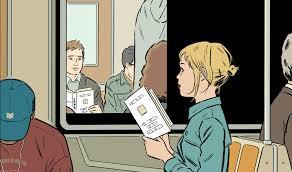
Per i miei gusti, è tutto un po’ troppo spiegato, c’è eccesso di parole: i momenti che preferisco sono le immagini senza dialogo e senza didascalia. Pause. Sospensioni.
Intermittenze.
Come la bella progressione finale che riporta il protagonista a casa.
Mi piace che gli ambienti siano realistici ma non rubino attenzione, pur senza essere trascurati, al punto che chi conosce i luoghi, sa riconoscere quel certo ristorante messicano di Berkeley, eccetera.

L’occhio è indirizzato piuttosto verso i personaggi, i loro particolari, i loro sguardi, i loro accenni, le loro insicurezze, i loro limiti (difetti, manchevolezze, imperfezioni…), quei dettagli che possono rovinare una relazione, d’amore o d’amicizia, l’inadeguatezza…
La storia è costruita su situazioni ordinarie, che non hanno nulla dell’evento, a prima vista irrilevanti, quotidiane (ok, Carver, vabbè).
Sottotono. Senza urlare. Senza enfasi. Senza messaggio. Senza morale.
Bello lo “scontro di civiltà”, con l’Asia che fa da padrone in terra di stelle e strisce.
Bella l’ironia che Tomine dissemina nelle pagine.
Bella edizione, curata (lo stesso lettering dell’edizione originale), completata da una buona intervista all’autore.
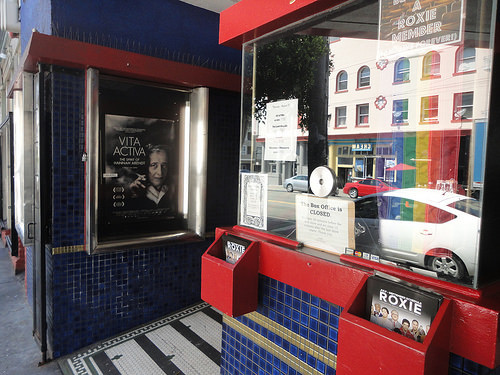
Questo Tomine è decisamente superiore all’altro che ho letto (Scene da un matrimonio imminente), qui posso capire il motivo della sua fama.
Ma non tirerei in ballo Carver: lo si scomoda troppo di frequente, il buon vecchio Raymond, e quasi sempre senza motivo. Il racconto asciutto del quotidiano, una storia di antieroi senza spreco di parole, e si va di Carver.
Allo stesso modo, appena c’è qualcosa di bizzarro, ecco che si nomina Kafka (atmosfera kafkiana), si parla d’adolescenza, e subito si fa apparire Salinger-Holden, si cade sulla memoria, e vai con Prouste le madeleine.
In queste pagine gli antieroi restano tali, e l’ordinario rimane ordinario, non trascende.
Ma anche se leggendo e guardando i disegni di Tomine non ho mai pensato a Carver, non vuol dire che Tomine non sia bravo, e a suo modo grande.
Per i miei gusti, è tutto un po’ troppo spiegato, c’è eccesso di parole: i momenti che preferisco sono le immagini senza dialogo e senza didascalia. Pause. Sospensioni.
Intermittenze.
Come la bella progressione finale che riporta il protagonista a casa.
Mi piace che gli ambienti siano realistici ma non rubino attenzione, pur senza essere trascurati, al punto che chi conosce i luoghi, sa riconoscere quel certo ristorante messicano di Berkeley, eccetera.
L’occhio è indirizzato piuttosto verso i personaggi, i loro particolari, i loro sguardi, i loro accenni, le loro insicurezze, i loro limiti (difetti, manchevolezze, imperfezioni…), quei dettagli che possono rovinare una relazione, d’amore o d’amicizia, l’inadeguatezza…
La storia è costruita su situazioni ordinarie, che non hanno nulla dell’evento, a prima vista irrilevanti, quotidiane (ok, Carver, vabbè).
Sottotono. Senza urlare. Senza enfasi. Senza messaggio. Senza morale.
Bello lo “scontro di civiltà”, con l’Asia che fa da padrone in terra di stelle e strisce.
Bella l’ironia che Tomine dissemina nelle pagine.
Bella edizione, curata (lo stesso lettering dell’edizione originale), completata da una buona intervista all’autore.

March 6, 2008
Adrian Tomine is a good artist who writes a genuine narrative. Unfortunately, as is the case with a lot of "indie" cartoonists, the narrative is boring and irritating. Whiny, irresponsible hipsters go about their horrible and overwrought lives in an authentic way, but who really cares? Reading this is like being cornered in a coffee shop by a vague acquaintance who has an unpleasantly high opinion of himself that he unsuccessfully masks with phony self-deprecation, and all the time you're trying to think of excuses to leave.
Daniel Clowes often writes this sort of thing, but the difference is that Clowes is not afraid to push boundaries and is actually quite funny. Tomine still hasn't grasped what makes a story engaging, and his stabs at subtext are enraging - you'll want to stab yourself the four hundredth time his characters hamfistedly refer to Ben's white woman fetish.
That said, I still enjoy his artwork; it's Jaime Hernandez by way of Clowes by way of a clean modernist aesthetic. I just wish he'd get someone else to write his stories.
Daniel Clowes often writes this sort of thing, but the difference is that Clowes is not afraid to push boundaries and is actually quite funny. Tomine still hasn't grasped what makes a story engaging, and his stabs at subtext are enraging - you'll want to stab yourself the four hundredth time his characters hamfistedly refer to Ben's white woman fetish.
That said, I still enjoy his artwork; it's Jaime Hernandez by way of Clowes by way of a clean modernist aesthetic. I just wish he'd get someone else to write his stories.

September 17, 2014
Annoying Protagonist, Annoying Book?
It looks like many reviewers dislike this book because they dislike its protagonist, which seems a bit unfair to me. Sure, Ben is snobbish, judgmental, dishonest, hypocritical, grumpy, sarcastic, offensive, neurotic, and the list goes on. But who says all protagonists have to be likable? Cartoonist Adrian Tomine never idealizes or trivializes Ben's attitudes and behaviors, yet manages to spark the reader's voyeuristic interest in his gradual fall from grace simply by making him believable, by fleshing him out with many well-observed quirks and frailties.
This is not to say that Shortcomings is without shortcomings. Its pacing feels awkward or even off in places, and as a result the main character's sarcasm and mockery occasionally drags on to the point of becoming tiresome. Still, Shortcomings has qualities that are rare in American comics. Its subtle and unsentimental approach and its lack of heroism clearly set it apart from your typical mainstream comic book, while its restraint, its realistic drawing style, and its bourgeois milieu ensure that it is not a good fit for the alternative comic scene either.
Shortcomings is the kind of comic book that tends to appeal to people who usually do not like comics. It feels a lot like a conventional novel, and thus has been well received by the mainstream press. According to the New York Times, for example, it is "as rewarding as good contemporary fiction." While I don't always agree with the New York Times and generally appreciate my monthly dose of comic-book mayhem, I do from time to time also enjoy the more introspective, finely nuanced observations by Adrian Tomine.
It looks like many reviewers dislike this book because they dislike its protagonist, which seems a bit unfair to me. Sure, Ben is snobbish, judgmental, dishonest, hypocritical, grumpy, sarcastic, offensive, neurotic, and the list goes on. But who says all protagonists have to be likable? Cartoonist Adrian Tomine never idealizes or trivializes Ben's attitudes and behaviors, yet manages to spark the reader's voyeuristic interest in his gradual fall from grace simply by making him believable, by fleshing him out with many well-observed quirks and frailties.
This is not to say that Shortcomings is without shortcomings. Its pacing feels awkward or even off in places, and as a result the main character's sarcasm and mockery occasionally drags on to the point of becoming tiresome. Still, Shortcomings has qualities that are rare in American comics. Its subtle and unsentimental approach and its lack of heroism clearly set it apart from your typical mainstream comic book, while its restraint, its realistic drawing style, and its bourgeois milieu ensure that it is not a good fit for the alternative comic scene either.
Shortcomings is the kind of comic book that tends to appeal to people who usually do not like comics. It feels a lot like a conventional novel, and thus has been well received by the mainstream press. According to the New York Times, for example, it is "as rewarding as good contemporary fiction." While I don't always agree with the New York Times and generally appreciate my monthly dose of comic-book mayhem, I do from time to time also enjoy the more introspective, finely nuanced observations by Adrian Tomine.

May 15, 2018
I am missing whatever others see in Shortcomings. Ben Tanaka is an incredibly unpleasant, immature, negative, shallow, humorless, and defensive main character. I hope he dates no one in the future, and I was happy for each of the three women who successfully exited stage right. On the other hand, I’d gladly read multiple novels featuring his lesbian best friend, although I haven’t the slightest notion what she’s sees in him. Pass on this one.

July 22, 2015
Shortcomings
A bit short, but great.
This was exactly how people behave in a relationship that's falling apart. Blaming, criticizing and demeaning each other. Ugly, but that is precisely what's going on behind closed doors.
And it only leads to bitterness in people's hearts.
A bit short, but great.
This was exactly how people behave in a relationship that's falling apart. Blaming, criticizing and demeaning each other. Ugly, but that is precisely what's going on behind closed doors.
And it only leads to bitterness in people's hearts.
May 2, 2026
Certainly not a very edifying read. The protagonist Ben is just massively complexed and unhappy—meaning that, as badly as it speaks of me, I identified with him a lot. Hence the four stars. (To be honest, I’m not such a big a fan of comics with literary pretensions, unless they’re queer, and even then… I’d much rather read a comic where I can feast my eyes on the gorgeous illustrations, which is probably why I love Franco-Belgian comics so much—or the 90s Vertigo comics, or the Heavy Metal magazine.) The art’s pretty good, and Ben’s lesbian best friend Alice is cool. I can’t agree with the part where a character says “Look… If you dig deep enough into anyone’s sexuality, you’re bound to find something you’d rather not examine too closely. But what’s the point in picking it apart? It is what it is”—which I find a cop-out. It’s short enough that I read almost the whole thing on a bus ride.

July 25, 2011
This was amazing, one of the best stories about the disintegration of a relationship I've ever read. Who said you have to like the characters to enjoy a story? I loved the observations about asian american stereotypes and the fact that all the characters seem real, vulnerable and somehow lost. The drawing couldn't be more beautiful and what a perfect ending! This is vintage Tomine.

January 21, 2009
Haven't I been introduced to these characters before? The brooding film geek, the discontented, underappreciated girlfriend, the shock-you punk rock girl, the brash, gay friend. At times, I fear that any writer falling between the ages of 30 & 40 feels obligated to write the same, semi-autobiographical story about their struggles with identity in overly urbanized and superficial social circles. Because so many of my generation, myself included, have somehow been taught to idealize these scenarios and pseudo-self reflection they inspire, we eat this stuff up and are somehow tricked into thinking it's something profound. It's not that it is entirely bad. It is very honest and heartfelt in many ways. Unfortunately, those ways remind me more of the horrendous songs I wrote in college than stories conveying real depth. Light-bulbs finally went off in my mind this time and I somehow found my way out.
I do, however, appreciate Tomine's graphic stylings. I've seen his illustrations on the cover of the New Yorker and their boldness and clarity have a strong ascetic appeal to me which drew me to this book in the first place.
It is probably unfair to unleash this on this title when so many others are just as deserving. If I had read this three or four years ago, this review would look entirely different. My sensitivities have been heightened as I've confronted my own skewed ideals of relationship and community. These stories don't hold the weight that they once did.
I do, however, appreciate Tomine's graphic stylings. I've seen his illustrations on the cover of the New Yorker and their boldness and clarity have a strong ascetic appeal to me which drew me to this book in the first place.
It is probably unfair to unleash this on this title when so many others are just as deserving. If I had read this three or four years ago, this review would look entirely different. My sensitivities have been heightened as I've confronted my own skewed ideals of relationship and community. These stories don't hold the weight that they once did.

Read
January 15, 2022Prilično zabavna priča o iskompleksiranom jadniku i njegovom najbližem okruženju (uglavnom sadašnje/bivše/potencijalne devojke i jedna jedina drugarica koja zbog svog opredeljenja nikad neće moći da se uglavi ni u jednu od tih kategorija). Super je što ni ostali likovi nisu cvećke nego su takođe većinom što jadni što iskompleksirani (nekad nije vidljivo na prvi pogled) a najbolje je svakako što, kad se pažljivo pogleda, glavni junak tokom stripa ne uradi ništa naročito loše i nemoralno, samo ni ništa dobro, prosto se iskaže pred nama u svoj svojoj jadnoći i onda pobere prirodne posledice toga.
Tomine nije onako bez zadrške zao prema svojim likovima kao Danijel Klouvs i ne zatvara im definitivno sva vrata prema boljoj budućnosti; a opet, ni s optimizmom baš ne preteruje. Preporuke za diskretnu zlobu i odličan crtež.
Tomine nije onako bez zadrške zao prema svojim likovima kao Danijel Klouvs i ne zatvara im definitivno sva vrata prema boljoj budućnosti; a opet, ni s optimizmom baš ne preteruje. Preporuke za diskretnu zlobu i odličan crtež.

April 4, 2013
Everyone loves this one but I instead loved Summer Blonde and only liked Shortcomings a lot. 3.5 on the Richter scale.
Even fans will have to agree that Ben Tanaka, the non-hero, is a thoroughly depressed and depressing person, the sad dark centre around which swirl various much more engaging characters so I was all – come on, Tomine, let’s go with her or her, let’s ditch this dweeb, purlease. But no, we got the close focus on the dweeb. Also – now, I don’t know if this is a little politically incorrect or something – but the always-gorgeous artwork seemed oddly wrong in one really major aspect – maybe readers don’t agree with me – but the Asian American characters (all except two) just didn’t look Asian at all, they looked generically American :
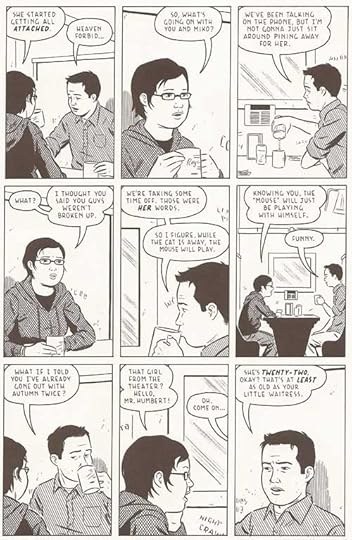
which wouldn’t be relevant at all except that this story is all about Asian Americans and their cultural situation. That said, you couldn’t get a hipper graphic novel this side of Alison Bechdel, my Goodreads Hipometer ™ (now available from Amazon at $14.99 plus $265 shipping) was giving me readings in the high nineties, mainly because of all the Asian American lesbians in the story, some of which were in New York! In a loft! And also because the term “rice king” is used as if everyone knows what it means. I figured it out. It’s nothing to do with that restaurant in Toledo or the current men’s basketball coach at Monmouth University. Different thing altogether.
I kind of also wanted to deduct one star because of the 108-pagesness of this book. Like our glum protagonist’s dingledangle, allegedly (see pages 79-80), it’s not the biggest thing you ever saw. It’s not even medium sized. It’s wee. So this slender graphic novel is fiction’s version of high art or nouvelle cuisine – really pricey stuff you can consume in two shakes of a lamb’s tail. I know it’s art, dwarlingk, but sometimes you need a bit of heft too. It’s not all in the motion. Size matters.
Even fans will have to agree that Ben Tanaka, the non-hero, is a thoroughly depressed and depressing person, the sad dark centre around which swirl various much more engaging characters so I was all – come on, Tomine, let’s go with her or her, let’s ditch this dweeb, purlease. But no, we got the close focus on the dweeb. Also – now, I don’t know if this is a little politically incorrect or something – but the always-gorgeous artwork seemed oddly wrong in one really major aspect – maybe readers don’t agree with me – but the Asian American characters (all except two) just didn’t look Asian at all, they looked generically American :
which wouldn’t be relevant at all except that this story is all about Asian Americans and their cultural situation. That said, you couldn’t get a hipper graphic novel this side of Alison Bechdel, my Goodreads Hipometer ™ (now available from Amazon at $14.99 plus $265 shipping) was giving me readings in the high nineties, mainly because of all the Asian American lesbians in the story, some of which were in New York! In a loft! And also because the term “rice king” is used as if everyone knows what it means. I figured it out. It’s nothing to do with that restaurant in Toledo or the current men’s basketball coach at Monmouth University. Different thing altogether.
I kind of also wanted to deduct one star because of the 108-pagesness of this book. Like our glum protagonist’s dingledangle, allegedly (see pages 79-80), it’s not the biggest thing you ever saw. It’s not even medium sized. It’s wee. So this slender graphic novel is fiction’s version of high art or nouvelle cuisine – really pricey stuff you can consume in two shakes of a lamb’s tail. I know it’s art, dwarlingk, but sometimes you need a bit of heft too. It’s not all in the motion. Size matters.

January 10, 2008
It was one of the most beloved indie comics of the 2000s, the anthology series Optic Nerve, which produced this graphic novel-length Shortcomings. Very much ahead of its time, with takes on Asian-American cinema and hipster critiques, it fits surprisingly well into today's zeitgeist in regards with a new film adaptation.
The main character Ben Tanaka is obviously pseudo-autobiographical (Adrian Tomine), and very unlikable. That’s what makes it work, it feels raw and honest and heartbreaking and yes funny. Just the right amount of cynicism. And what understated, perfectly charming and controlled artwork. Truly such an inspiration.
A somewhat conventional story about dating and love, with a twist about commentary on Asian men and white women, as well as some queer elements, and it stands out as something more than another whiney indie comic. These three chapters come together as a timeless example of what kind of slice-of-life genre that brings literary merit to the entire medium of comics.
The main character Ben Tanaka is obviously pseudo-autobiographical (Adrian Tomine), and very unlikable. That’s what makes it work, it feels raw and honest and heartbreaking and yes funny. Just the right amount of cynicism. And what understated, perfectly charming and controlled artwork. Truly such an inspiration.
A somewhat conventional story about dating and love, with a twist about commentary on Asian men and white women, as well as some queer elements, and it stands out as something more than another whiney indie comic. These three chapters come together as a timeless example of what kind of slice-of-life genre that brings literary merit to the entire medium of comics.

March 20, 2008
The last piece of Adrian Tomine's work that I read before moving to Japan was issue nine of Optic Nerve, the issue that began the serialization of the work that would later be collected as Shortcomings. While that was a fine issue on its own, it didn't work quite as well on its own as some of Tomine's other single-issue stories. However, Shortcomings as a whole is one of Tomine's best works, and it's far more complex and subtle than it may appear on the surface. The story deals with Ben Tanaka, his girlfriend Miko Hayashi, and the role that racial identity and personal shortcomings play in the dissolution of their tumultuous and argumentative relationship.
What Tomine is so good at here is showing the way in which discourses of race infiltrate relational and psychic space despite the desires or best intentions of the characters involved. On the one hand we have Ben, who constantly snipes against the notion that Asian-Americans suffer from discrimination and who despises Asian-American identity politics, but who can't avoid viewing Miko's affair with the 'white' Leon Christopher in terms of race. On the other hand Miko seems heavily invested in the politics of Asian/Asian-American identity, and yet let's herself be objectified and photographed by Leon, who seems to have a deep and obvious Asian fetish.
There are a couple of great moments of dialogue that illustrate how Tomine manages to work with this subject. In one scene Ben meets up with Leon and Mikako on the street in New York (where he's basically stalking them). Leon, ridiculously, keeps speaking Japanese to Mikako even though everyone else is speaking English, and when Ben gets angry he tries to "protect" Mikako by striking a martial arts pose. At this point Ben says, "What? Are gonna do some tai chi on me?" and then turns to Mikako to say "Jesus, Mikako ... you're cheating on me with this Steven Seagal dipshit?" This scene exactly exposes Ben's inability to get beyond race, even though that's what he's so often claiming doesn't matter much at all. In the heat of the moment, when he busts out with an emotionally driven insult, he turns automatically to race. Never mind the fact that Ben's own propensity to be an absolute raging jerk is probably the key factor in the breakup between he and Mikako, rather than Leon's 'whiteness.'
On the other hand, Mikako attempts to, almost ridiculously, move Leon outside of the category of whiteness, clearly in an attempt to make herself feel better about the fact that, on the surface at least, he has all the characteristics of the classic Asian fetishist. Speaking with Ben later she says, "And if it really matters to you, he's not white." So if he's not white, then what is he? "He's half Jewish, half Native American." This may be true (although it seems unlikely, given the storyline), but this categorization is clearly an evasion on Mikako's part, a way for her to look away from the racial dynamics of the relationship that she's found herself in.
Tomine doesn't seem to want to ultimately judge any of these characters, but instead tries to show the way in which desire and the discourse of race create layers of pain and entrapment that end up screwing everybody in the end. What's most impressive about the way he does this in Shortcomings is his reversal of the usual function of caricature in comic art. Comic art is famous for reducing human features to simplistic forms in order to create certain exaggerated effects. Some of the most famous, damaging, and persistent cartoon caricatures are those having to do with race — the depictions of African-Americans that stem from minstrelsy, and the wartime depictions of buck-toothed Japanese are only two obvious examples. Caricature, then, has been a key component in the focusing and dissemination of racist discourse and ideas. However, Tomine's own characters are so well drawn and he pays so much attention to everyday details of expression, that the cartoon depictions he presents us with here in fact turn out to be more complicated and richly shaped than the language of race that circulates in their dialogue. In other words, Tomine has ended up using the detailed possibilities of comic art to undermine the discursive caricatures of racial identity that so often circulate in language, and to show the limitations that linguistic categories run up against when used as overly simplistic explanatory devices for human action and emotion.
Tomine is at his absolute best in those sequences that use the graphic possibility of the comic panel to create emotional and cognitive effects. The comic opens with what seems to be a first-person voiceover, conveying a saccharine (and stereotypical) story about the narrator's grandfather: "For most of my life I had felt distant from my grandfather. Perhaps mistaking the language barrier for coldness. But as I stood beside him in his aging fortune cookie factory, my perception of him began to change. I realized that he was very much like the thing he's spent his life making: a hard, protective shell containing haiku-like wisdom." For the first page of the comic, this is the story you're in, inside the fortune cookie factory, but then the scene shifts and you realize that the panels have been depicting a movie screen and that you are now watching the audience reaction to this screen. By framing the opening in this way, Tomine not only makes an ironic commentary about the kinds of depictions of Asian-American identity that have become popular, safe, and acceptable, he also shows how difficult it is to get outside of that frame of reference once it has been introduced as a central mode of representation and understanding. If the comic begins with a stereotypical (and limiting) discursive frame then it ends by doing away with language all together. The closing panels show Ben Tanaka looking out of an airplane window while the city of New York diminishes beneath his view, finally leaving nothing but a blankness above the clouds. It's as if the confusion inherent in human relations and linguistic limitation can only be elided by moving into a space of nothingness where there's no possibility of meaning at all, only silence.
Finally, since Tomine used to live in Berkeley, I'd like to praise him for providing some of the most detailed and lifelike renderings of Berkeley landmarks — The Crepevine, etc. (not to mention a glorious depiction of a dyke party at Mills) — but also for paying homage to the UC Theater, one of the best movie houses ever to grace the planet, but now sadly closed due to a combination of seismic unreadiness and the unwillingness of the parent company and the city of Berkeley to shell out the money needed to preserve such a worthy landmark.
What Tomine is so good at here is showing the way in which discourses of race infiltrate relational and psychic space despite the desires or best intentions of the characters involved. On the one hand we have Ben, who constantly snipes against the notion that Asian-Americans suffer from discrimination and who despises Asian-American identity politics, but who can't avoid viewing Miko's affair with the 'white' Leon Christopher in terms of race. On the other hand Miko seems heavily invested in the politics of Asian/Asian-American identity, and yet let's herself be objectified and photographed by Leon, who seems to have a deep and obvious Asian fetish.
There are a couple of great moments of dialogue that illustrate how Tomine manages to work with this subject. In one scene Ben meets up with Leon and Mikako on the street in New York (where he's basically stalking them). Leon, ridiculously, keeps speaking Japanese to Mikako even though everyone else is speaking English, and when Ben gets angry he tries to "protect" Mikako by striking a martial arts pose. At this point Ben says, "What? Are gonna do some tai chi on me?" and then turns to Mikako to say "Jesus, Mikako ... you're cheating on me with this Steven Seagal dipshit?" This scene exactly exposes Ben's inability to get beyond race, even though that's what he's so often claiming doesn't matter much at all. In the heat of the moment, when he busts out with an emotionally driven insult, he turns automatically to race. Never mind the fact that Ben's own propensity to be an absolute raging jerk is probably the key factor in the breakup between he and Mikako, rather than Leon's 'whiteness.'
On the other hand, Mikako attempts to, almost ridiculously, move Leon outside of the category of whiteness, clearly in an attempt to make herself feel better about the fact that, on the surface at least, he has all the characteristics of the classic Asian fetishist. Speaking with Ben later she says, "And if it really matters to you, he's not white." So if he's not white, then what is he? "He's half Jewish, half Native American." This may be true (although it seems unlikely, given the storyline), but this categorization is clearly an evasion on Mikako's part, a way for her to look away from the racial dynamics of the relationship that she's found herself in.
Tomine doesn't seem to want to ultimately judge any of these characters, but instead tries to show the way in which desire and the discourse of race create layers of pain and entrapment that end up screwing everybody in the end. What's most impressive about the way he does this in Shortcomings is his reversal of the usual function of caricature in comic art. Comic art is famous for reducing human features to simplistic forms in order to create certain exaggerated effects. Some of the most famous, damaging, and persistent cartoon caricatures are those having to do with race — the depictions of African-Americans that stem from minstrelsy, and the wartime depictions of buck-toothed Japanese are only two obvious examples. Caricature, then, has been a key component in the focusing and dissemination of racist discourse and ideas. However, Tomine's own characters are so well drawn and he pays so much attention to everyday details of expression, that the cartoon depictions he presents us with here in fact turn out to be more complicated and richly shaped than the language of race that circulates in their dialogue. In other words, Tomine has ended up using the detailed possibilities of comic art to undermine the discursive caricatures of racial identity that so often circulate in language, and to show the limitations that linguistic categories run up against when used as overly simplistic explanatory devices for human action and emotion.
Tomine is at his absolute best in those sequences that use the graphic possibility of the comic panel to create emotional and cognitive effects. The comic opens with what seems to be a first-person voiceover, conveying a saccharine (and stereotypical) story about the narrator's grandfather: "For most of my life I had felt distant from my grandfather. Perhaps mistaking the language barrier for coldness. But as I stood beside him in his aging fortune cookie factory, my perception of him began to change. I realized that he was very much like the thing he's spent his life making: a hard, protective shell containing haiku-like wisdom." For the first page of the comic, this is the story you're in, inside the fortune cookie factory, but then the scene shifts and you realize that the panels have been depicting a movie screen and that you are now watching the audience reaction to this screen. By framing the opening in this way, Tomine not only makes an ironic commentary about the kinds of depictions of Asian-American identity that have become popular, safe, and acceptable, he also shows how difficult it is to get outside of that frame of reference once it has been introduced as a central mode of representation and understanding. If the comic begins with a stereotypical (and limiting) discursive frame then it ends by doing away with language all together. The closing panels show Ben Tanaka looking out of an airplane window while the city of New York diminishes beneath his view, finally leaving nothing but a blankness above the clouds. It's as if the confusion inherent in human relations and linguistic limitation can only be elided by moving into a space of nothingness where there's no possibility of meaning at all, only silence.
Finally, since Tomine used to live in Berkeley, I'd like to praise him for providing some of the most detailed and lifelike renderings of Berkeley landmarks — The Crepevine, etc. (not to mention a glorious depiction of a dyke party at Mills) — but also for paying homage to the UC Theater, one of the best movie houses ever to grace the planet, but now sadly closed due to a combination of seismic unreadiness and the unwillingness of the parent company and the city of Berkeley to shell out the money needed to preserve such a worthy landmark.

February 18, 2013
I'm having trouble articulating my thoughts on Shortcomings into a readable review. I've spent a lot of time thinking about the graphic novel and forming an opinion on what I've read. Turns out I really didn't enjoy this. I actually wrote a review where I did a reasonably good job at explaining my dislike for what's done here in contrast with what the book was trying to achieve, but then it got accidentally deleted, so here I am back at square one with no interest in explaining myself again. But I'm going to try!
Shortcomings is a character piece where you're not suppose to like any of the characters. You see, they're "painfully real" and that means they go around and act like dicks for the entirety of the story with no redemption or explanation as to their thinking aside from the fact that they're flawed. There's also a lot of "brutal honesty and lacerating, irreverent humor" which means to say these unlikeable characters are unlikeable because they aren't afraid to push buttons and say things that are disrespectful in a flippant manner. Like that time where the lesbian character is cussing out a girl, who identifies herself as bi, by calling her a "face sitter" and a "dabbler". Wow, how edgy! Totally not afraid to say what they want to say. That's what makes them so real you know. The fact that there so flawed. Just look at how flawed they are! The main character even calls this one guy he doesn't like "faggoty" in a fit of rage. I mean, wow, it just got REAL! Real and FLAWED! Aren't flaws just so REAL?
In the last year I've grown to have a new appreciation for the anti-hero. When characters do have flaws and behave in a way that isn't always likeable, it isn't about having a positive or a negative reaction, it's about how their behaviour plays into an interesting and engaging plot. But Shortcomings isn't interesting. The entire story is formed around the characters insulting each other and whining. This results in a lot of drama, but not a lot of examination of the issues and ideas it's trying to bring to the forefront of the story about racial identity, sexual attraction, and anger management issues. Anything it was trying to say was overwhelmed by the blatant negativity and boring relationship drama that was the equivalent of something you could see in an edgy episode of Gossip Girl.
Shortcomings was trying to be off-putting and it succeeded. But I don't think I could say it succeeded in communicating any of the other points it was so desperately trying to get across.
The only plus side was the art, which was amazing. I would love to see it applied to a less frustrating story.
Shortcomings is a character piece where you're not suppose to like any of the characters. You see, they're "painfully real" and that means they go around and act like dicks for the entirety of the story with no redemption or explanation as to their thinking aside from the fact that they're flawed. There's also a lot of "brutal honesty and lacerating, irreverent humor" which means to say these unlikeable characters are unlikeable because they aren't afraid to push buttons and say things that are disrespectful in a flippant manner. Like that time where the lesbian character is cussing out a girl, who identifies herself as bi, by calling her a "face sitter" and a "dabbler". Wow, how edgy! Totally not afraid to say what they want to say. That's what makes them so real you know. The fact that there so flawed. Just look at how flawed they are! The main character even calls this one guy he doesn't like "faggoty" in a fit of rage. I mean, wow, it just got REAL! Real and FLAWED! Aren't flaws just so REAL?
In the last year I've grown to have a new appreciation for the anti-hero. When characters do have flaws and behave in a way that isn't always likeable, it isn't about having a positive or a negative reaction, it's about how their behaviour plays into an interesting and engaging plot. But Shortcomings isn't interesting. The entire story is formed around the characters insulting each other and whining. This results in a lot of drama, but not a lot of examination of the issues and ideas it's trying to bring to the forefront of the story about racial identity, sexual attraction, and anger management issues. Anything it was trying to say was overwhelmed by the blatant negativity and boring relationship drama that was the equivalent of something you could see in an edgy episode of Gossip Girl.
Shortcomings was trying to be off-putting and it succeeded. But I don't think I could say it succeeded in communicating any of the other points it was so desperately trying to get across.
The only plus side was the art, which was amazing. I would love to see it applied to a less frustrating story.

February 2, 2015
Adrian Tomine has been compared to filmmaker Eric Rohmer, but in Shortcomings he seems more like Woody Allen - that is, if Allen were Asian, 30-something and had started out on the West Coast instead of the East. Tomine's a funny/serious chronicler of urban relationships, and this is his Annie Hall.
Ben Tanaka is a judgmental, slightly insecure schlub working in a Berkeley movie theatre. When his girlfriend, Miko, moves to New York for an internship, he's stuck hanging out with his promiscuous dyke best friend, Alice, and reluctantly begins dating again. Then he finds out what Miko is really doing in Manhattan.
Readers of Tomine's previous books will recognize not only the perfect cadence of his characters' voices (I guarantee you'll know these people) but the subtle artistry of his drawings. Few graphic novelists can suggest as much with the angle of an eyelid or the tilt of a head. An extended scene in a parking lot - much of it silent - is rich with complicated emotions.
Look for a couple of visual jokes at the beginning of chapters: some panels make us think we're entering a different kind of narrative and then take a turn. Other graphic tricks play with dialogue bubbles. Even the flower pattern on the dust jacket takes on resonance by the final chapter.
But what's so thrilling about this book is that it marks the first time Tomine, a fourth-generation Japanese American, has dealt with his ethnicity in a sustained way. He gets it completely right, from the constant debates about stereotypes and representation to less often voiced feelings of sexual anxiety and paranoia.
Originally published in NOW Magazine: https://nowtoronto.com/art-and-books/...
Ben Tanaka is a judgmental, slightly insecure schlub working in a Berkeley movie theatre. When his girlfriend, Miko, moves to New York for an internship, he's stuck hanging out with his promiscuous dyke best friend, Alice, and reluctantly begins dating again. Then he finds out what Miko is really doing in Manhattan.
Readers of Tomine's previous books will recognize not only the perfect cadence of his characters' voices (I guarantee you'll know these people) but the subtle artistry of his drawings. Few graphic novelists can suggest as much with the angle of an eyelid or the tilt of a head. An extended scene in a parking lot - much of it silent - is rich with complicated emotions.
Look for a couple of visual jokes at the beginning of chapters: some panels make us think we're entering a different kind of narrative and then take a turn. Other graphic tricks play with dialogue bubbles. Even the flower pattern on the dust jacket takes on resonance by the final chapter.
But what's so thrilling about this book is that it marks the first time Tomine, a fourth-generation Japanese American, has dealt with his ethnicity in a sustained way. He gets it completely right, from the constant debates about stereotypes and representation to less often voiced feelings of sexual anxiety and paranoia.
Originally published in NOW Magazine: https://nowtoronto.com/art-and-books/...

May 24, 2023
Para na skraju rozstania, zinternalizowane uprzedzenia rasowe i stereotypy, irytujący, choć realistyczni bohaterowie. Fabularnie koresponduje z czytanym przeze mnie równolegle „Prawem do seksu”. Brakowało mi jakiejś większej refleksji na zakończenie, a tak historia się po prostu kończy. Ale czasem w życiu bywa właśnie tak.

February 15, 2008
I've never been a comic book guy. Perhaps I was brainwashed by trappings of "high culture," the elite traditions of an English major, or perhaps I just never trusted anything that wasn't so dense with words that it had to provide deeper meaning.
When I was waiting tables way back in the early '90s, a scrubby cook who looked as if he'd walked straight out of a comic book—bushy red hair, skin and bones, a hopeless music nerd—gave me a wadded-up copy of some stuff by Adrian Tomine (jeepers, he must have been 18 or 19 then). I read it and thought it was great, unlike any other cartoonist I'd read, a poet of small, lonely moments, a minimalist who could fill the mundane with meaning.
I Xeroxed that wadded-up cartoon and never forgot Tomine's name, so I've taken pleasure in watching his rise in stature.
I recently read Shortcomings and thought, in short, that it packed as much punch as any novel I've read. Although graphic novels might not be able to offer the depth and texture of a classic like Anna Karenina, they certainly match a short story or a film's ability to excavate and reveal meaning in the tiny moments of life.
In fact, the graphic novel probably suffers from its comparisons to a novel. It's more like a film—I read Shortcomings in about an hour and a half and felt like I'd seen a film when I put the book down. His panels combe the precision of line drawings with the gentle pacing of art-house film. The facial expressions and gestures are subtle, and his dialogue is sharp and true whether he's portraying a squabble in a dive bar or the negotiations that precede a kiss.
The main character, Ben Tanaka, is struggling with love and self—as an Asian-American, but primarily as a human being. Tanaka, a 30-year-old movie theater manager in Berkeley, treats his girlfriend Miko poorly, alternating between bitter criticism and sullen withdrawal. She's a beauty, but he doesn't seem to realize this, and takes her for granted—like many men, unable to figure out that his sour, caustic comments aren't appealing.
After tolerating his increasingly churlish behavior for too long, and then discovering his all-white porn stash, Miko suggests they "take some time off" and moves to New York City.
Ben is crushed but in time he begins to pursue a series of blondes. Following a failed attempt to kiss the artsy punk girl who takes tickets at his movie theater, he has a brief affair with a bisexual graduate student who soon dumps him with the sendoff, "I could be totally brutally honest about why I'm doing this, but I'm going to restrain myself because I'm not sure you'd ever recover."
Shaken, Ben flies to New York City, where, spying on his own girlfriend, he discovers that she has been sleeping with a white man.
Yes, it's time for Ben to grow up, to view himself through a different lens, to think about being less negative and more appealing—but we know he's not going to do this for a good, long while. Ben has too many "shortcomings."
Beyond his"weird self-hatred issues" and "relentless negativity" that Miko points out to him, he has a pathological fear of change. Tomine depicts these flaws almost too faithfully in Ben's consistently sullen expression, which stands out all the more among the other characters' precisely inflected faces.
Ben does have a half-redeeming friendship with Alice, a serial-dating Korean dyke who is something of a narcissist and a hypocrite herself. And he has his tender moments. But he seems consistently clueless about his many flaws.
You might say that Ben is the perfect character for a an adolescent reader, if only because he's trapped in the shortcomings of his own adolescence.
When I was waiting tables way back in the early '90s, a scrubby cook who looked as if he'd walked straight out of a comic book—bushy red hair, skin and bones, a hopeless music nerd—gave me a wadded-up copy of some stuff by Adrian Tomine (jeepers, he must have been 18 or 19 then). I read it and thought it was great, unlike any other cartoonist I'd read, a poet of small, lonely moments, a minimalist who could fill the mundane with meaning.
I Xeroxed that wadded-up cartoon and never forgot Tomine's name, so I've taken pleasure in watching his rise in stature.
I recently read Shortcomings and thought, in short, that it packed as much punch as any novel I've read. Although graphic novels might not be able to offer the depth and texture of a classic like Anna Karenina, they certainly match a short story or a film's ability to excavate and reveal meaning in the tiny moments of life.
In fact, the graphic novel probably suffers from its comparisons to a novel. It's more like a film—I read Shortcomings in about an hour and a half and felt like I'd seen a film when I put the book down. His panels combe the precision of line drawings with the gentle pacing of art-house film. The facial expressions and gestures are subtle, and his dialogue is sharp and true whether he's portraying a squabble in a dive bar or the negotiations that precede a kiss.
The main character, Ben Tanaka, is struggling with love and self—as an Asian-American, but primarily as a human being. Tanaka, a 30-year-old movie theater manager in Berkeley, treats his girlfriend Miko poorly, alternating between bitter criticism and sullen withdrawal. She's a beauty, but he doesn't seem to realize this, and takes her for granted—like many men, unable to figure out that his sour, caustic comments aren't appealing.
After tolerating his increasingly churlish behavior for too long, and then discovering his all-white porn stash, Miko suggests they "take some time off" and moves to New York City.
Ben is crushed but in time he begins to pursue a series of blondes. Following a failed attempt to kiss the artsy punk girl who takes tickets at his movie theater, he has a brief affair with a bisexual graduate student who soon dumps him with the sendoff, "I could be totally brutally honest about why I'm doing this, but I'm going to restrain myself because I'm not sure you'd ever recover."
Shaken, Ben flies to New York City, where, spying on his own girlfriend, he discovers that she has been sleeping with a white man.
Yes, it's time for Ben to grow up, to view himself through a different lens, to think about being less negative and more appealing—but we know he's not going to do this for a good, long while. Ben has too many "shortcomings."
Beyond his"weird self-hatred issues" and "relentless negativity" that Miko points out to him, he has a pathological fear of change. Tomine depicts these flaws almost too faithfully in Ben's consistently sullen expression, which stands out all the more among the other characters' precisely inflected faces.
Ben does have a half-redeeming friendship with Alice, a serial-dating Korean dyke who is something of a narcissist and a hypocrite herself. And he has his tender moments. But he seems consistently clueless about his many flaws.
You might say that Ben is the perfect character for a an adolescent reader, if only because he's trapped in the shortcomings of his own adolescence.

April 1, 2016
If you are a person who is already quite paranoid in a relationship, stay away from this book!
I have practically read everything by Adrian Tomine but I intentionally left Shortcomings until the end because trust is very important to me. I initially read the blurb and thought 'Oh no, it's going to be about Ben cheating on his girlfriend, Miko, with some blonde.' (Actually this wasn't completely far from the truth) but Shortcomings is pretty clever and nice in the way that it embodies the mantra "what comes around, goes around."
Shortcomings focuses on a Japanese couple - Ben and Miko, the former works as a manager for a failing theatre company while Miko works in the art sector and leaves Berkeley for NYC for a 4 month internship. Their conversations are fraught with tension and a lot of sniping passes between them.
Now, I'm going to sound a bit biased here (being a female and all) but I do agree where Miko is coming from (with regards to "types"). Miko moves to NYC in pursuit of her furthering her career, yet Ben is too pig-headed and self-centred to see this. He wants Miko to consider him all of the time, and, realistically, you can't. If you do, you're just going to make yourself miserable, but Miko doesn't want Ben to move with her and says she's fine going on her own. She gives him a chance to fight for her to stay and to make her want to come back to Berkeley but he just sulks and Miko's mind (by then) is made up.
Despite them never declaring that they have "broken up", as soon as Miko leaves, Ben starts chasing after a blonde white girl called Autumn (his newest employee). After a couple of meetings, they sleep together. When Autumn asks 'what about your girlfriend', Ben says they they've 'broken up'. Now, this really got to me!!! (inserts mind rant)
Whilst reading Shortcomings, I kept thinking 'It seems like everyone is incapable of being loyal', which depressed me a bit, if I'm being completely honest.
For the first half of the book, Shortcomings was starting to get under my skin (only because it is a raw and very realistic portrayal of contemporary relationships) but this is also why I enjoyed it - yes, at times, it was a painful read, but if you persevere, then you find out that Ben gets his just desserts and that made me laugh and go 'ha! Serves you right, you jerk!'
I did find Shortcomings one of Tomine's hardest (if not, the hardest) graphic novels to get into because Ben, the protagonist, is just so bloody annoying, neurotic, sarcastic, bitter, moody, judgemental, selfish and incredibly narrow-minded. I didn't want him to have a happy ending and I'm really pleased with how Tomine decided to end Shortcomings.
I'm not going to go into what he finds out because I don't want to spoil it for others but horrible people shouldn't have nice endings and this comes true here.
My favourite character by far was Alice Kim, Ben's friend, and she just really lifted the story for me (and my mood). I loved how she spoke to him (she wasn't one to hold back or pull her punches) and tried to make him more self-aware of his comments and actions, which he seemed blinkered to about 95% of the time.
Tomine is a master storyteller and Shortcomings is a great little graphic novel which is very raw, painfully honest at times, but also incredibly rewarding.
If you enjoy seeing people get their comeuppance then this book is for you!
This entire review has been hidden because of spoilers.

June 4, 2022
Tomine is not trying to reinvent the wheel with Shortcomings, the mumble-core young adult love life story is not exactly a new and groundbreaking concept. Still his blunt take on interracial relationships is quite refreshing, the dialogues are brutally honest to the point where it's hard to sympathize too much with any of the characters. I do have a soft spot for unlikable, yet coherent, characters so it wasn't that hard to keep reading despite the protagonist's awful comments and poor attitudes. This is all Tomine's merit, his elegant art and frank writing imbues his work with a sense of honesty and a healthy amount of acid humor. The reader is compelled to take into consideration the complexities of human relationships in the context of our racial structures, what it means to feel attracted to someone and the subconscious processes behind that feeling, it's complicated, but should it be? Shortcomings is art that instigates reflection, not sympathy.

March 23, 2015
Spesso Tomine viene paragonato a Carver per lo stile essenziale, per l'assenza di orpelli e per i piani prospettici puliti, aggiungerei che un altro aspetto che li accomuna sono i dialoghi. Si rende manifesto un linguaggio autoreferenziale in cui i personaggi non riescono a comunicare tra loro. Le parole perdono di contenuto non appena sono state pronunciate, solo il lettore è testimone di quanto "non riescano" a dirsi le persone. Il "non detto" in Tomine ha la morfologia di facciate, strade buie, sguardi vacui, piccoli particolari che nessuno noterebbe: l'inessenziale emerge nel silenzio di parole che restano sul fondo.

October 23, 2020
Love the art.
Love the realistic lines.
Enjoyed the unlikeable characters.
Maybe I am getting old enjoying stories like this.
I would have definitely DNFED such reads in a jiffy but adult life is quite mundane that way.
And I would not recommend this one for the beginners or anyone who wants to read a fun graphic novel. This is as adult boring boring AF.
*Nudity, sexist, racism and snobby characters in full swing
Love the realistic lines.
Enjoyed the unlikeable characters.
Maybe I am getting old enjoying stories like this.
I would have definitely DNFED such reads in a jiffy but adult life is quite mundane that way.
And I would not recommend this one for the beginners or anyone who wants to read a fun graphic novel. This is as adult boring boring AF.
*Nudity, sexist, racism and snobby characters in full swing

May 23, 2022
When every character is a piece of trash <3

August 28, 2019
A rather linear story with a typical relationship breakdown pattern. The averageness of love and sex and the neurotic attitudes of the characters reminded me of Woody Allen movies. They too get really boring after a while, constantly recycling the same formula. There is nothing especially amazing in the artwork of this graphic novel and it is a very quick read.
February 3, 2018
Whoa this was...really good. Especially when the main character can be a complete dick.
So the story is about moving on with life. From one relationship to another, to learning who you are, if you're happy with your life, if you want to work at being better, and if you need to accept not everything will be your way. This is a story of Ben Tanaka who is really kind of a prick. Over critical of everyone, he also just kind of jackass, makes fun of his own race and such, and can't stand traditional things. On top of that he always wants to fight. Not to say all the people around him don't always act wonderful because they can be assholes too but his behavior isn't the prime of example of how to act that's for sure.
Good: Dialog. It's natural and really well done. They feel like people and their hardships are very much real and you might have went through it. The side cast is great, and Ben's main friend is a hoot. I also loved Ben because he's a asshole but that's who he is, and the stories doesn't change him. The hardships don't get fixed in one story, nor should they.
Bad: Some of the later pages get a little dragged down and I wasn't inlove with the ending. I got what they were going for but it didn't stick with me. I also thought sometimes people were acting childish but that's to show how human they were, still frustrating.
Overall this was really enjoyable. I'd probably rate it around a 3.5 to a 4 and recommend to check it out for a slice of life type comic. You might be surprised like me.
So the story is about moving on with life. From one relationship to another, to learning who you are, if you're happy with your life, if you want to work at being better, and if you need to accept not everything will be your way. This is a story of Ben Tanaka who is really kind of a prick. Over critical of everyone, he also just kind of jackass, makes fun of his own race and such, and can't stand traditional things. On top of that he always wants to fight. Not to say all the people around him don't always act wonderful because they can be assholes too but his behavior isn't the prime of example of how to act that's for sure.
Good: Dialog. It's natural and really well done. They feel like people and their hardships are very much real and you might have went through it. The side cast is great, and Ben's main friend is a hoot. I also loved Ben because he's a asshole but that's who he is, and the stories doesn't change him. The hardships don't get fixed in one story, nor should they.
Bad: Some of the later pages get a little dragged down and I wasn't inlove with the ending. I got what they were going for but it didn't stick with me. I also thought sometimes people were acting childish but that's to show how human they were, still frustrating.
Overall this was really enjoyable. I'd probably rate it around a 3.5 to a 4 and recommend to check it out for a slice of life type comic. You might be surprised like me.

May 13, 2022
Good art but wow I haven’t hated a protagonist this much in a while. Ben sucks.
1.5 rounded up because of Justin h min for the movie
1.5 rounded up because of Justin h min for the movie

January 14, 2016
I just found out that Adrian Tomine started off as one of those self-published comic artists? And so almost all of his books are actually collections of the comics he has written before. Maybe there's a new touch to them, maybe they're remasters? I hope so. Because I honestly never knew he wrote exclusively short story collections. I think Shortcomings is the only one that has been collected into one arc, making it one story. If that makes sense.
I'm not entirely unfamiliar with Tomine, I will admit that his work is a little hard to get into. I started off with Killing and Dying: Stories, which I never finished reading. I only read one story in the collection, which was called "Hawaiian Getaway", and then I put the novel back on the shelf and never checked it out. I kind of regret that because most popular graphic novels are centered on super heroes or science fiction and sometimes I just want to read a somber slice-of-life story like Sam Alden's It Never Happened Again: Two Stories.
Anyway, like most people, I found the main character to be annoying, I literally cringed after reading three pages, but unlike most people, I actually sympathized with him a lot as I delved in deeper. Because sadly, I saw a little of myself in him. I also notice that most of the people who have read this, based on the reviews I've read and scrolled by, were not of East Asian descent, so it's expected that they don't understand the poor, pathetic soul of Ben Tanaka. Despite that I'm only half East Asian nor am I a Whasian (most books about mixed race Asians are half White and have Asian mothers. I don't, for me it's the other way around and I'm not White.) I can say that he can be pretty darn relatable for those who have gone through those periods of self-hatred and doubt. I'm cynical and can be a bit too critical of myself and others, but I also empathize too hard which makes the situation a vicious circle.
Shortcomings is a politically charged slice-of-life comic about a guy named Ben Tanaka who is in a relationship with a girl, Miko Hayashi. They are both Japanese American but they are polar opposites, politically and personality wise. Ben is a cynical, self-hating, and depressive dude that obsesses over White women and hates anything that's "too Asian" or doesn't find it relatable. Miko is open minded and wants to recconnect with her Japanese roots, so she participates in Asian American cultural festivals. The book starts off with Ben hating on a Chinese American film that contains the theme of family and fortune or something. You will soon find that Ben seems to hate most Asian American films based on the argument he has with Miko, for being too critical of everything.
Does he hate Asian American representation because "Lol fobs"? Sadly, it is clear throughout the novel that Ben is indeed one of those Asians -unfortunately there are a lot of them- that look down upon other East Asians and think "Lol you're a freaking Fob," if they don't speak fluent English and still celebrate traditional holidays or wear traditional garb.
Ben Tanaka struggles with internalized racism throughout the novel, he hates when Asians are 'too Asian' but immediately hates it when an Asian woman dates a White guy. There's a scene where Miko finds pornography filled with White women in his hidden porn stash and their relationship falls apart. Miko tries to be a supportive and loving partner for Ben, but he doesn't appreciate it until she finally leaves him.
In between all of this is a Lesbian Korean American friend named Alice who is caught in between the traditional Korean culture that forbids her relationships with women and an American culture that snickers over her looks and language. And you know what, she was my favorite character, despite that she was basically a gay best friend trope. She joins Ben in his pursuit for two quirky, hipster White girls, but they both reject him in the end, and she too, also realizes that Ben has a lot of self-analyzing to do. She seem to be the most empathetic and really lead Ben into waking up and reconsidering his life choices, but of course he was too late.
Interracial dating is brought up in a weird way in this book? Ben and Alice argue that you should love whoever you love, regardless of race. Alice's best friend is half Taiwanese and half White and like most mixed race people, they have to deal with Asians calling her and her mother a sell-out but also have White people objectify her for being Asian, that was when Ben began to empathize. The views of interracial dating is always so complicated especially when it comes to people like Ben who suffer a complex. So Ben cheated on Miko and he finds out that Miko cheated on him with a White man that obviously has an Asian fetish, he speaks fluent Japanese, has Chinese/Japanese decorations all over his house, and even knows martial arts..... It was almost a "If you're gonna do it, I will do it too, and see how you like it." Which I don't think was the best solution, but I guess that was kind of the point? In the end, love is love right?
Other than the plot, the art is fantastic, it's smooth and simple, there isn't too much going on, and the transitioning mimics reality with occasional panels of monotonous routine and ennui. Since this is a slice-of-life graphic novel, there are no warriors, no spells, but plain old drama that critiques and analyzes our day-to-day actions and relationships, exploring our interactions and complexes.
My overall opinion is, I love this graphic novel because it's different from most graphic novels I've read so far, the art is fantastic, but I have to say I kind of wish the story was a little longer so I can see Ben improve or cry a lot. That poor jackass.
I'm not entirely unfamiliar with Tomine, I will admit that his work is a little hard to get into. I started off with Killing and Dying: Stories, which I never finished reading. I only read one story in the collection, which was called "Hawaiian Getaway", and then I put the novel back on the shelf and never checked it out. I kind of regret that because most popular graphic novels are centered on super heroes or science fiction and sometimes I just want to read a somber slice-of-life story like Sam Alden's It Never Happened Again: Two Stories.
Anyway, like most people, I found the main character to be annoying, I literally cringed after reading three pages, but unlike most people, I actually sympathized with him a lot as I delved in deeper. Because sadly, I saw a little of myself in him. I also notice that most of the people who have read this, based on the reviews I've read and scrolled by, were not of East Asian descent, so it's expected that they don't understand the poor, pathetic soul of Ben Tanaka. Despite that I'm only half East Asian nor am I a Whasian (most books about mixed race Asians are half White and have Asian mothers. I don't, for me it's the other way around and I'm not White.) I can say that he can be pretty darn relatable for those who have gone through those periods of self-hatred and doubt. I'm cynical and can be a bit too critical of myself and others, but I also empathize too hard which makes the situation a vicious circle.
Shortcomings is a politically charged slice-of-life comic about a guy named Ben Tanaka who is in a relationship with a girl, Miko Hayashi. They are both Japanese American but they are polar opposites, politically and personality wise. Ben is a cynical, self-hating, and depressive dude that obsesses over White women and hates anything that's "too Asian" or doesn't find it relatable. Miko is open minded and wants to recconnect with her Japanese roots, so she participates in Asian American cultural festivals. The book starts off with Ben hating on a Chinese American film that contains the theme of family and fortune or something. You will soon find that Ben seems to hate most Asian American films based on the argument he has with Miko, for being too critical of everything.
Does he hate Asian American representation because "Lol fobs"? Sadly, it is clear throughout the novel that Ben is indeed one of those Asians -unfortunately there are a lot of them- that look down upon other East Asians and think "Lol you're a freaking Fob," if they don't speak fluent English and still celebrate traditional holidays or wear traditional garb.
Ben Tanaka struggles with internalized racism throughout the novel, he hates when Asians are 'too Asian' but immediately hates it when an Asian woman dates a White guy. There's a scene where Miko finds pornography filled with White women in his hidden porn stash and their relationship falls apart. Miko tries to be a supportive and loving partner for Ben, but he doesn't appreciate it until she finally leaves him.
In between all of this is a Lesbian Korean American friend named Alice who is caught in between the traditional Korean culture that forbids her relationships with women and an American culture that snickers over her looks and language. And you know what, she was my favorite character, despite that she was basically a gay best friend trope. She joins Ben in his pursuit for two quirky, hipster White girls, but they both reject him in the end, and she too, also realizes that Ben has a lot of self-analyzing to do. She seem to be the most empathetic and really lead Ben into waking up and reconsidering his life choices, but of course he was too late.
Interracial dating is brought up in a weird way in this book? Ben and Alice argue that you should love whoever you love, regardless of race. Alice's best friend is half Taiwanese and half White and like most mixed race people, they have to deal with Asians calling her and her mother a sell-out but also have White people objectify her for being Asian, that was when Ben began to empathize. The views of interracial dating is always so complicated especially when it comes to people like Ben who suffer a complex. So Ben cheated on Miko and he finds out that Miko cheated on him with a White man that obviously has an Asian fetish, he speaks fluent Japanese, has Chinese/Japanese decorations all over his house, and even knows martial arts..... It was almost a "If you're gonna do it, I will do it too, and see how you like it." Which I don't think was the best solution, but I guess that was kind of the point? In the end, love is love right?
Other than the plot, the art is fantastic, it's smooth and simple, there isn't too much going on, and the transitioning mimics reality with occasional panels of monotonous routine and ennui. Since this is a slice-of-life graphic novel, there are no warriors, no spells, but plain old drama that critiques and analyzes our day-to-day actions and relationships, exploring our interactions and complexes.
My overall opinion is, I love this graphic novel because it's different from most graphic novels I've read so far, the art is fantastic, but I have to say I kind of wish the story was a little longer so I can see Ben improve or cry a lot. That poor jackass.

February 17, 2017
I loved the story here — the self-absorbed, critical negative male character who is basically unlikable, except that he seems kind of honest and sarcastic. Also, his best friend is a dyke, and every straight guy needs a dyke best friend to be the truth-teller. (This best-friend character also embodies the stereotyped gay male role of someone who is promiscuous and impulsive). 4 stars so far.
So I liked the characters and the story, but I kept wondering how this would read if it were simply prose. Rarely do the drawings add to the text. The whole story is all in the dialogue. The drawings don't add much. Remove the drawings and the story would almost be intact.
So I liked the characters and the story, but I kept wondering how this would read if it were simply prose. Rarely do the drawings add to the text. The whole story is all in the dialogue. The drawings don't add much. Remove the drawings and the story would almost be intact.

March 17, 2011
This is just fantastic storytelling, and sooooo good looking. Is it about a turd who is a pill and a dullard and a creep? Yes, but it’s incredibly well-told.
2023: I stand by this old assessment. Tomine is so good at this. Might reread Loneliness now, too.
2023: I stand by this old assessment. Tomine is so good at this. Might reread Loneliness now, too.
March 26, 2025
Selvfølgelig frustrerende å lese om en fyr som definitivt ville sagt «but what about me» i alle situasjoner, men likte den. Synes den var morsom, kanskje også fordi Ben (hovedpersonen) er så opphengt i seg selv at han ikke har noe selvinnsikt og alt er negativt og fælt så lenge han ikke har hatt noe med saken å gjøre.
Ikke lest denne typen grafisk novelle før, så synes også det var gøy å teste ut!! (Annen type tegning og målgruppe)
Tenkt til å se filmen, blir interessant å se om de bruker noen av de samme scenene.
Ikke lest denne typen grafisk novelle før, så synes også det var gøy å teste ut!! (Annen type tegning og målgruppe)
Tenkt til å se filmen, blir interessant å se om de bruker noen av de samme scenene.

November 29, 2021
„Niedoskonałości” to graficzna powieść obyczajowa z świetnymi, żywymi dialogami i intrygującymi bohaterami. Adrian Tomine tworzy ciekawego, współczesnego, lekko neurotycznego i pełnego gniewu protagonistę, dla którego unikanie staje się życiową strategią. Ignorowanie kłopotów w związku, wypieranie własnych kompleksów i odcinanie się od potrzeb. Myślę, że większość czytelników funkcjonujących w związkach, odnajdzie w relacji Bena i jego partnerki Miko, własne błędy i frustracje i niepewności. Warto przejrzeć się w tym krzywym lusterku, bo wszyscy jesteśmy pełni niedoskonałości.
Displaying 1 - 30 of 1,536 reviews