

What do you think?
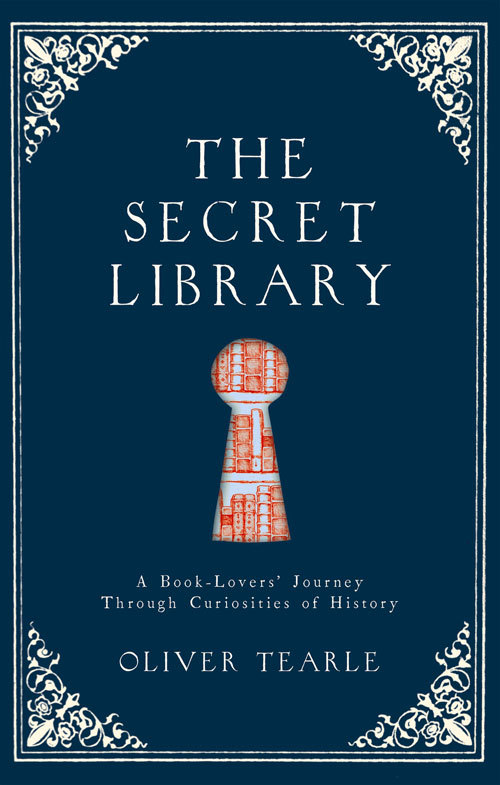
The Secret Library
As well as leafing through the well-known titles that have helped shape the world in which we live, Oliver Tearle also dusts off some of the more neglected items to be found hidden among the bookshelves of the past. You’ll learn about the forgotten Victorian novelist who outsold Dickens, the woman who became the first published poet in America and the eccentric traveller who introduced the table-fork to England. Through exploring a variety of books—novels, plays, travel books, science books, cookbooks, joke books and sports almanacs— The Secret Library highlights some of the most fascinating aspects of our history. It also reveals the surprising connections between various works and historical figures. What links Homer's Iliad to Aesop's Fables ? Or Wisden Cricketers' Almanack to the creator of Sherlock Holmes? The Secret Library brings these little-known stories to light, exploring the intersections between books of all kinds and the history of the Western world over 3,000 years.
256 pages, Hardcover
First published January 1, 2016
About the author
Oliver Tearle
12 books21 followersFrom Bloomsbury: Oliver Tearle lectures at Loughborough University, UK. He is the co-editor (with John Schad) of the book Crrritic! and the author of Bewilderments of Vision: Hallucination and Literature, 1880-1914.
Writes: Gender Studies, Modernism, Twentieth-Century Literature, Creative Writing, Literary Theory
Writes: Gender Studies, Modernism, Twentieth-Century Literature, Creative Writing, Literary Theory
Ratings & Reviews
Friends & Following
Create a free account to discover what your friends think of this book!
Community Reviews
Displaying 1 - 30 of 145 reviews

June 1, 2022
Am ratat apariția cărții lui Oliver Tearle (în 2016), apoi am amînat lectura și, cu ajutorul bunului Dumnezeu, abia acum am apucat s-o citesc. Nu e nici bună, nici rea. Face parte din seria lucrărilor care adună „curiozități” literare, ceea ce englezii numesc „literary trivia”.
În spațiul anglo-saxon, genul are un succes stabil și infailibil, ca și biografiile oamenilor de seamă, ca și cărțile cu liste - bunăoară A Book of Book List: A Bibliophile's Compendium (2017) de Alex Johnson. La noi, astfel de lucrări nu prea au căutare. Sigur, miza cărții lui Tearle e minoră. Scopul ei unic e să prezinte bizarerii, chestii mai puțin cunoscute de cititori. Spre surpriza mea, n-am găsit în cuprinsul ei interpretări literare. Originalitatea, cîtă e, stă în alegerea și prezentarea „curiozităților”. Cine a citit cîteva istorii ale cărții nu va fi probabil extaziat.
Din lista de „trivia” (mărunțișuri literare) ordonată cronologic de autor, am ales cîteva:
● Cea mai veche carte păstrată pînă azi (în Muzeul Național din Sofia) pare a fi așa-numita Carte de aur a etruscilor. E formată din șase tăblițe de aur de 24 de carate, prinse una de alta cu inele. Specialiștii consideră că ar avea o vechime de 2500 de ani. Cartea păstrează și cîteva ilustrații: preoți, un cavaler, o sirenă, un griffon. Textul nu a fost încă descifrat. Unii pretind că nici n-ar fi scris în etruscă. Alții vorbesc pur și simplu de un fake.
● Prozatorul victorian Samuel Butler susținea că Iliada și Odiseea au fost compuse de o femeie. Despre Homer știm că a fost orb. Dar nici un biograf nu i-a precizat sexul. Deci, rămîne loc pentru speculații.
● Homer a redactat și un poem comic, intitulat Margites. Bineînțeles, acest poem s-a pierdut. Protagonistul lui e un individ care îmbină în chip armonios nebunia și stupiditatea. Cînd grecii voiau să insulte pe cineva, spuneau că e „prost și țicnit ca Margites”.
● Termenul „lesbian” vine de la poeta Sappho, originară din insula Lesbos. Se pare că primul scriitor care a folosit termenul - cu semnificația actuală - a fost Aldous Huxley, într-o epistolă din 1925.
● Marco Polo n-a fost primul călător prin Extremul Orient care a lăsat o relatare. Precursorul lui se numea Giovanni da Pian del Carpine, un călugăr franciscan. Și-a notat peripețiile prin anul 1245. În 1995, Frances Wood s-a întrebat dacă Marco Polo a ajuns cu adevărat în China, cum pretinde sus și tare venețianul. Wood a răspuns negativ (cf. Did Marco Polo Go to China?). Asta știam și eu. Marco Polo nu menționează nicăieri Marele zid chinezesc și nici bețișoarele folosite de localnici pentru a așeza boabele de orez pe limbă...
● Voltaire despre Dante Alighieri: „Reputația lui e în creștere, pentru că abia dacă mai este citit de cineva”.
În spațiul anglo-saxon, genul are un succes stabil și infailibil, ca și biografiile oamenilor de seamă, ca și cărțile cu liste - bunăoară A Book of Book List: A Bibliophile's Compendium (2017) de Alex Johnson. La noi, astfel de lucrări nu prea au căutare. Sigur, miza cărții lui Tearle e minoră. Scopul ei unic e să prezinte bizarerii, chestii mai puțin cunoscute de cititori. Spre surpriza mea, n-am găsit în cuprinsul ei interpretări literare. Originalitatea, cîtă e, stă în alegerea și prezentarea „curiozităților”. Cine a citit cîteva istorii ale cărții nu va fi probabil extaziat.
Din lista de „trivia” (mărunțișuri literare) ordonată cronologic de autor, am ales cîteva:
● Cea mai veche carte păstrată pînă azi (în Muzeul Național din Sofia) pare a fi așa-numita Carte de aur a etruscilor. E formată din șase tăblițe de aur de 24 de carate, prinse una de alta cu inele. Specialiștii consideră că ar avea o vechime de 2500 de ani. Cartea păstrează și cîteva ilustrații: preoți, un cavaler, o sirenă, un griffon. Textul nu a fost încă descifrat. Unii pretind că nici n-ar fi scris în etruscă. Alții vorbesc pur și simplu de un fake.
● Prozatorul victorian Samuel Butler susținea că Iliada și Odiseea au fost compuse de o femeie. Despre Homer știm că a fost orb. Dar nici un biograf nu i-a precizat sexul. Deci, rămîne loc pentru speculații.
● Homer a redactat și un poem comic, intitulat Margites. Bineînțeles, acest poem s-a pierdut. Protagonistul lui e un individ care îmbină în chip armonios nebunia și stupiditatea. Cînd grecii voiau să insulte pe cineva, spuneau că e „prost și țicnit ca Margites”.
● Termenul „lesbian” vine de la poeta Sappho, originară din insula Lesbos. Se pare că primul scriitor care a folosit termenul - cu semnificația actuală - a fost Aldous Huxley, într-o epistolă din 1925.
● Marco Polo n-a fost primul călător prin Extremul Orient care a lăsat o relatare. Precursorul lui se numea Giovanni da Pian del Carpine, un călugăr franciscan. Și-a notat peripețiile prin anul 1245. În 1995, Frances Wood s-a întrebat dacă Marco Polo a ajuns cu adevărat în China, cum pretinde sus și tare venețianul. Wood a răspuns negativ (cf. Did Marco Polo Go to China?). Asta știam și eu. Marco Polo nu menționează nicăieri Marele zid chinezesc și nici bețișoarele folosite de localnici pentru a așeza boabele de orez pe limbă...
● Voltaire despre Dante Alighieri: „Reputația lui e în creștere, pentru că abia dacă mai este citit de cineva”.

June 13, 2017
A very funny thing (and typical me) happened with this book: I saw it in the bookstore, loved the cover (not the one shown here on GR, my hardcover has a slight grey dust jacked and the books shelved on the actual cover, that you can see through the "key hole" in the dust jacked, are rainbow-coloured) and the premise so I bought it. But even before that, I started following someone called InterestingLit on Twitter who tweets interesting literary facts and funny anecdotes. You can probably guess it already: as it turns out, the person tweeting is the author of this book! *doh*
Anyway, this book wants to give readers glimpses at lesser-known facts of the history of literature, such as:
- the origin of the word "lesbianism"
- the rather funny (and to modern minds not very logical) commandments Pythagoras left for his students (for example: never urinate in the direction of the sun, don't have children with a woman wearing gold jewellery)
- the first jokes ever told (they weren't all too complex but still snort-worthy)
- all kinds of terms for booklovers (bibliophile, bibliomaniac, bibliognost, bibliophagist, bibliosmiac)
- the origin of the airline name "Cathay Pacific" (Cathay was the term for China at the time of Marco Polo)
- the first woman to ever write an English book (in 1373 for those of you who want to know)
- the name of the real-life inspiration for Robin Hood's Friar Tuck
- the fact that Thomas More probably wrote his Utopia not as a guide-book but as a satire (yes, in expert circles there is still a debate because, ultimately, we do not know for sure)
- the invention of umbrellas (they weren't used against rain at first)
- the word "cell" (for cells of a body) being coined in 1666 and the history of microbiology (along with all the other interesting but horrible things happening in London in 1666)
- the fact that Mrs. Wollenstonecraft was the first feminist we know of, but had been largely misunderstood (which is funny, considering how feminism is going in such a wrong direction nowadays too)
- the other Darwin (yep, Charles was neither the first nor the only one with his theory of evolution by natural selection)
- the connection between all the horror stories about Frankenstein's monster, vampires, werewolves and such
- how many phrases were coined by authors like Charles Dickens (especially interesting for a linguist), some authors even having their names describe a certain genre/worldview; a snail species was even named Ba humbugi after the term "ba humbug" that Dickens coined in his novel A Christmas Carol, despite it only appearing twice in the book
- the fact that meals as we know them now (one course after the other instead of buffet-like) were only known in Russia and came to Europe, and later America, from there because they were described in a famous cookery book
- Devon having produced a number of very famous explorers (as the author said: there's gotta be something in the water there)
- Lewis Carroll of all people having been a Reverend and conservative mathematician
- the first detective novel (though that term didn't exist back in 1860) having been written by a woman
- the fact that Victorian railways have literally invented our modern form of time-keeping (publishing a book with the train schedules), bringing all of England in line with Greenwich Mean Time in 1880
- the fact that Arthur Conan Doyle did so much more than just pen Sherlock Holmes (like writing science fiction, horror stories, historical novels; his legal campaigning leading to the establishment of the UK Court of Criminal Appeal; applying his method of logical induction (not "deduction") when trying to solve the Jack the Ripper case; having been a keen cricketer)
- the woman Oscar Wilde had proposed to marrying Bram Stoker instead
- the fact that MANY classics we nowadays celebrate (or hate because of school) are actually rip-offs of other books ... Dracula is such a book (it wasn't even a success at first), it was outdone by The Beetle (the ook it ripped off)
- Anne Bradstreet founding Boston in Massachusetts (naming it thus in honour of her hometown) and, a short while later, the town that is now Cambridge (the founding of the university followed a few years afterwards)
- the words "knickers" (underwear) as well as "Knickerbocker" (for a New Yorker) having been coined by Washington Irving as well as the term "the almighty dollar"
- who invented Christmas (with all its traditions) as we know it
- Poe's bestseller during his lifetime having been a book about snails (yes, snails again)
- the fact that Mark Twain's real name was Samuel Clemens but that he named himself Mark Twain after the traditional call of a steamboat's leadsman "by the mark twain" which signals that the river is two fathoms deep at that point
- the fact that Louisa May Alcott was so NOT a fan of Twain's (trying to get one of his books banned even) and hated the book she was commissioned to write, which later became the classic Little Women, too
- the fact that there is a book Ben Hur (I only ever knew the movie with Charleton Heston, which isn't even the first but the THIRD adaptation of the book)
- after Ben Hur and Uncle Tom's Cabin a book called Looking Backward having been the bestseller of its time, predicting credit cards (!) and all manner of technological advancements that came at the price of freedom, showing a grim view of America which many shared at the time (and which has striking similarities with our view right now)
- the author of Ben Hur having been the governor of New Mexico, corresponding with Billy the Kid even, to negotiate his immunity in exchange for him testifying against other criminals
- the first author of a volume of fairy tales having been a woman (a French national who had been born into rich circles, fell out of grace, and tried to get back in - which is why her versions of fairy tales usually are the opposite of the rags-to-riches ones we have all come to know)
- Hans Christian Anderson having had a diary in which he detailed how and how often he masturbated (spoiler alert: A LOT) *lol*
- the fact that Leo Tolstoy was a fantastic illustrator, working even on Jules Verne's stories
- F. Scott Fitzgerald having been named after the man who wrote the national anthem of the US, who was a distant relative; and his father having been the first cousin (once removed) from a woman hanged for conspiring to assassinate Abraham Lincoln (talking about a prolific family tree)
- John Maynard Keynes having been a VERY influential economist of the twentieth century who i probably so widely unknown because he was against the Treaty of Versailles (he predicted the rise of Nazism thanks to too severe a punishment towards Germany); he was also instrumental in setting up the Arts Council of Great Britain
- the fact that especially in England there was a lot of censorship in literature, even until as recently as the 1980s, leading to trials against publishers like Penguin (publishing Lolita was fine despite the paedophile narrator because no swear words were being used) that turned out to be VERY funny as in the Lady Chatterley's Lover case where the prosecuting lawyer counted up the offensive words (30 fucks or fuckings, 14 cunts, 13 balls, 6 each of shit and arse, 4 cocks and 3 piss) which means he had to read them out in court, making him not only swear on the Bible *lol*
- Jurassic Park basically being a rip-off of another novel with almost exactly the same premise (the "zoo" with the dinosaurs was in England in the other case) and being one of the bestsellers of the 1990s (it was a phenomenon back then) that caused movie adaptations (Stephen King being another famous author profiting from said phenomenon), further advancing CGI that had started to be used early in the 1980s
Are you curious yet? Because these are but a few examples of what this book contains.
The author also comes full circle, having started off with the Amazons (think Wonder Woman) and ending the book with the first book ever ordered via amazon.com *lol* - quite a nice touch!
What is remarkable is with what fine humour the author presents all the quirky facts. There is a straight line through history from ancient times to today and a lot of facts are being presented, but it is never ever boring. On the contrary, I started every chapter thinking "Who did what NOW?!" and was looking forward to the juicy bits. :D
I hope this book comes out of the shadows and more into the light, as it deserves - and not in 250 years but now! ;)
Anyway, this book wants to give readers glimpses at lesser-known facts of the history of literature, such as:
- the origin of the word "lesbianism"
- the rather funny (and to modern minds not very logical) commandments Pythagoras left for his students (for example: never urinate in the direction of the sun, don't have children with a woman wearing gold jewellery)
- the first jokes ever told (they weren't all too complex but still snort-worthy)
- all kinds of terms for booklovers (bibliophile, bibliomaniac, bibliognost, bibliophagist, bibliosmiac)
- the origin of the airline name "Cathay Pacific" (Cathay was the term for China at the time of Marco Polo)
- the first woman to ever write an English book (in 1373 for those of you who want to know)
- the name of the real-life inspiration for Robin Hood's Friar Tuck
- the fact that Thomas More probably wrote his Utopia not as a guide-book but as a satire (yes, in expert circles there is still a debate because, ultimately, we do not know for sure)
- the invention of umbrellas (they weren't used against rain at first)
- the word "cell" (for cells of a body) being coined in 1666 and the history of microbiology (along with all the other interesting but horrible things happening in London in 1666)
- the fact that Mrs. Wollenstonecraft was the first feminist we know of, but had been largely misunderstood (which is funny, considering how feminism is going in such a wrong direction nowadays too)
- the other Darwin (yep, Charles was neither the first nor the only one with his theory of evolution by natural selection)
- the connection between all the horror stories about Frankenstein's monster, vampires, werewolves and such
- how many phrases were coined by authors like Charles Dickens (especially interesting for a linguist), some authors even having their names describe a certain genre/worldview; a snail species was even named Ba humbugi after the term "ba humbug" that Dickens coined in his novel A Christmas Carol, despite it only appearing twice in the book
- the fact that meals as we know them now (one course after the other instead of buffet-like) were only known in Russia and came to Europe, and later America, from there because they were described in a famous cookery book
- Devon having produced a number of very famous explorers (as the author said: there's gotta be something in the water there)
- Lewis Carroll of all people having been a Reverend and conservative mathematician
- the first detective novel (though that term didn't exist back in 1860) having been written by a woman
- the fact that Victorian railways have literally invented our modern form of time-keeping (publishing a book with the train schedules), bringing all of England in line with Greenwich Mean Time in 1880
- the fact that Arthur Conan Doyle did so much more than just pen Sherlock Holmes (like writing science fiction, horror stories, historical novels; his legal campaigning leading to the establishment of the UK Court of Criminal Appeal; applying his method of logical induction (not "deduction") when trying to solve the Jack the Ripper case; having been a keen cricketer)
- the woman Oscar Wilde had proposed to marrying Bram Stoker instead
- the fact that MANY classics we nowadays celebrate (or hate because of school) are actually rip-offs of other books ... Dracula is such a book (it wasn't even a success at first), it was outdone by The Beetle (the ook it ripped off)
- Anne Bradstreet founding Boston in Massachusetts (naming it thus in honour of her hometown) and, a short while later, the town that is now Cambridge (the founding of the university followed a few years afterwards)
- the words "knickers" (underwear) as well as "Knickerbocker" (for a New Yorker) having been coined by Washington Irving as well as the term "the almighty dollar"
- who invented Christmas (with all its traditions) as we know it
- Poe's bestseller during his lifetime having been a book about snails (yes, snails again)
- the fact that Mark Twain's real name was Samuel Clemens but that he named himself Mark Twain after the traditional call of a steamboat's leadsman "by the mark twain" which signals that the river is two fathoms deep at that point
- the fact that Louisa May Alcott was so NOT a fan of Twain's (trying to get one of his books banned even) and hated the book she was commissioned to write, which later became the classic Little Women, too
- the fact that there is a book Ben Hur (I only ever knew the movie with Charleton Heston, which isn't even the first but the THIRD adaptation of the book)
- after Ben Hur and Uncle Tom's Cabin a book called Looking Backward having been the bestseller of its time, predicting credit cards (!) and all manner of technological advancements that came at the price of freedom, showing a grim view of America which many shared at the time (and which has striking similarities with our view right now)
- the author of Ben Hur having been the governor of New Mexico, corresponding with Billy the Kid even, to negotiate his immunity in exchange for him testifying against other criminals
- the first author of a volume of fairy tales having been a woman (a French national who had been born into rich circles, fell out of grace, and tried to get back in - which is why her versions of fairy tales usually are the opposite of the rags-to-riches ones we have all come to know)
- Hans Christian Anderson having had a diary in which he detailed how and how often he masturbated (spoiler alert: A LOT) *lol*
- the fact that Leo Tolstoy was a fantastic illustrator, working even on Jules Verne's stories
- F. Scott Fitzgerald having been named after the man who wrote the national anthem of the US, who was a distant relative; and his father having been the first cousin (once removed) from a woman hanged for conspiring to assassinate Abraham Lincoln (talking about a prolific family tree)
- John Maynard Keynes having been a VERY influential economist of the twentieth century who i probably so widely unknown because he was against the Treaty of Versailles (he predicted the rise of Nazism thanks to too severe a punishment towards Germany); he was also instrumental in setting up the Arts Council of Great Britain
- the fact that especially in England there was a lot of censorship in literature, even until as recently as the 1980s, leading to trials against publishers like Penguin (publishing Lolita was fine despite the paedophile narrator because no swear words were being used) that turned out to be VERY funny as in the Lady Chatterley's Lover case where the prosecuting lawyer counted up the offensive words (30 fucks or fuckings, 14 cunts, 13 balls, 6 each of shit and arse, 4 cocks and 3 piss) which means he had to read them out in court, making him not only swear on the Bible *lol*
- Jurassic Park basically being a rip-off of another novel with almost exactly the same premise (the "zoo" with the dinosaurs was in England in the other case) and being one of the bestsellers of the 1990s (it was a phenomenon back then) that caused movie adaptations (Stephen King being another famous author profiting from said phenomenon), further advancing CGI that had started to be used early in the 1980s
Are you curious yet? Because these are but a few examples of what this book contains.
The author also comes full circle, having started off with the Amazons (think Wonder Woman) and ending the book with the first book ever ordered via amazon.com *lol* - quite a nice touch!
What is remarkable is with what fine humour the author presents all the quirky facts. There is a straight line through history from ancient times to today and a lot of facts are being presented, but it is never ever boring. On the contrary, I started every chapter thinking "Who did what NOW?!" and was looking forward to the juicy bits. :D
I hope this book comes out of the shadows and more into the light, as it deserves - and not in 250 years but now! ;)

November 15, 2023
Приятна книга, пълна с неочаквани и забравени имена, теми, заглавия и анекдоти свързани с тях.
От издателството са добавили и три части посветени на български автори, което мисля че вдига нивото на книгата за нас.
Подходяща е както за запалени библиофили така и за желаещите да научат нещо ново за чудния свят на литературата през вековете.
Жалко, че творбите на автори извън UK, САЩ и част от Европа не са намерили място в нея.
Част от имената не са предадени по утвърдения в езика ни модел - не знам това дали е недоглеждане или е пропуск на коректора и редактора, но не ми беше приятно да видя в текста Карл Саган или Ричард Вагнер например… 🤨
От издателството са добавили и три части посветени на български автори, което мисля че вдига нивото на книгата за нас.
Подходяща е както за запалени библиофили така и за желаещите да научат нещо ново за чудния свят на литературата през вековете.
Жалко, че творбите на автори извън UK, САЩ и част от Европа не са намерили място в нея.
Част от имената не са предадени по утвърдения в езика ни модел - не знам това дали е недоглеждане или е пропуск на коректора и редактора, но не ми беше приятно да видя в текста Карл Саган или Ричард Вагнер например… 🤨

July 14, 2019
This is a fun book for booklovers, nothing too elaborate or detailed but entertaining and quickly read. From the first cookbook written in English, to the longest novel, the very first autobiography, the inventor of the term 'stream of consciousness' and much more, there's much to either learn or remember about what makes a book so special : its capacity to pass on knowledge, make readers dream, imagine or simply rejoice in the well-written stories the history of literature has on offer since the first print in the 15th century came out. Long may it continue.

December 31, 2016
This is a beautifully presented book, at least in the hardback — the dustcover is lovely, with a keyhole cut into the front and edged with silver, and the book is nicely bound. It’s not quite as meta as the binding of Keith Houston’s The Book, but it’s still a lovely object that will make a good gift for book lovers of your acquaintance.
In terms of content, it’s fairly shallow: it’s a whistlestop tour, as it says several times, so the facts here are more on the level of trivia than anything in-depth. If you’d like a survey of literature and weird facts relating to literature and literary figures, it’s a good one. It made for a good book to read on the train, too, as you could easily dip in and out of it. There was no need to keep track of things too closely.
I think I hoped for more, but honestly, I’m not sure what I was expecting
Originally reviewed here.
In terms of content, it’s fairly shallow: it’s a whistlestop tour, as it says several times, so the facts here are more on the level of trivia than anything in-depth. If you’d like a survey of literature and weird facts relating to literature and literary figures, it’s a good one. It made for a good book to read on the train, too, as you could easily dip in and out of it. There was no need to keep track of things too closely.
I think I hoped for more, but honestly, I’m not sure what I was expecting
Originally reviewed here.

October 1, 2016
This is a fun romp through forgotten, unknown facts about books and authors you may not have realised.
Poes' highest selling book while he was alive is about snails! No gothic scares or creeps but a requested reworking of another authors work to make it readable and cheaper for the masses.
A very enjoyable little book that will be looked into again from time to time.
Poes' highest selling book while he was alive is about snails! No gothic scares or creeps but a requested reworking of another authors work to make it readable and cheaper for the masses.
A very enjoyable little book that will be looked into again from time to time.

May 16, 2023
A friend gave me a copy of The Secret Library, which is based on a blog of literary facts. The edition I read looks absolutely charming - a nice compact hardback with a bookshelf pattern printed on the covers. I found it a quick and easy read, rather too much so in fact. It's essentially a compendium of anecdotes structured as a whistle stop tour of books from antiquity to modern times. Although some sources are referred to in the text, the lack of endnotes and bibliography made me twitch. This is very much an embookened (sic) blog rather than an in-depth history and honestly I would have preferred the latter. I was already familiar with enough of the authors and books discussed that it wasn't hugely satisfying, although there were a few fun discoveries. I also periodically resented the assumptions that the reader wouldn't have heard of or read a book - some of us have read The Divine Comedy thus were already aware of the farting demon named Malacoda! It's actually a very entertaining read that I recommend.
A little more copyediting in places would also have been beneficial, as three sentences beginning 'Curiously...' in half a page are too many. On the other hand, I did enjoy the lists of words first recorded in the work of a particular author. I'd never previously heard of the Tudor writer Thomas Elyot, who apparently gives us the first recorded use of abusive, adult, concoction, fragment, inimitable, perfume, starfish, tension, and tolerate, among others. I also appreciated the inclusion of so many female authors. It was particularly good to see Margaret Cavendish getting her due - I should give The Blazing World a try sometime. The Secret Library kept me interested with its conversational style, despite being a little insubstantial.
A little more copyediting in places would also have been beneficial, as three sentences beginning 'Curiously...' in half a page are too many. On the other hand, I did enjoy the lists of words first recorded in the work of a particular author. I'd never previously heard of the Tudor writer Thomas Elyot, who apparently gives us the first recorded use of abusive, adult, concoction, fragment, inimitable, perfume, starfish, tension, and tolerate, among others. I also appreciated the inclusion of so many female authors. It was particularly good to see Margaret Cavendish getting her due - I should give The Blazing World a try sometime. The Secret Library kept me interested with its conversational style, despite being a little insubstantial.

November 13, 2021
Okuma listenizi kabartacak türden bir eser. Edebiyat dünyasına dair müthiş gıybetler içeriyor, kitap kurtları için biçilmiş kaftan.

July 31, 2022
3,5* "Тайната библиотека" от Оливър Тиърл ме остави с малко противоречиви впечатления. Като основен недостатък за мен е, че няма библиография и това буди съмнения доколко написаното е истина и колко е разкрасено.
Авторът прави литературна разходка из вековете, структурирана под формата на няколко части: Античност, Средновековие, Ренесанс, Просвещение, Романтизъм, Викторианска епоха, Съвремие; като отделя Европейската и Американската литература в отделни глави. Естествено доминираща е английската литература.
Тиърл е университетски преподавател по литература (1880–1930 година, поезията на ХХ век и раждането на модернизма), подходът му е популяризаторки, забавен и далеч от сухата академичност. Набляга на теории, литературни легенди, малко известни факти, които дори не е съвсем сигурно, че са истина (на много места самият той казва, че това са анекдоти и истории със съмнителна достоверност), но написаното е увлекателно, пристрастяващо, докато четях за толкова много емблематични писатели, ми се искаше да прочета толкова много неща, които някога съм оставила за по-нататък.
Част от споменатите автори са били популярни във времето, в което са живели и по някакъв начин са оказали своето влияние върху литературата, но днес са почти забравени. Други са популярни и днес, но пък днес най-известните им произведения не са точно тези, които са били в тяхното време. Естествено списъкът на споменатите автори е подбран субективно, доста значими фигури липсват.
Образите, които създава са много живи, разчупени, в кратките глави за всеки автор са направени щрихи на епохата, наука, култура, исторически събития и всичко това е умело свързано в кратка история.
Боряна Дукова добавя три глави за българската литература - Яворов, Яна Язова и Димитър Димов, които също съдържат интересни факти. Частта за Яворов е малко повърхностна, докато за Язова и Димов е доста по-интересна и задълбочена.
Ако по подобен начин се пишеха предговори към учебниците по литература, със сигурност много деца биха се заинтригували от забавната страна на нещата и биха запомнили интересни и различни факти, свързани с живота на авторите и написването на знаковите им произведения. За мен това литературно пътуване беше много развлекателно.
Авторът прави литературна разходка из вековете, структурирана под формата на няколко части: Античност, Средновековие, Ренесанс, Просвещение, Романтизъм, Викторианска епоха, Съвремие; като отделя Европейската и Американската литература в отделни глави. Естествено доминираща е английската литература.
Тиърл е университетски преподавател по литература (1880–1930 година, поезията на ХХ век и раждането на модернизма), подходът му е популяризаторки, забавен и далеч от сухата академичност. Набляга на теории, литературни легенди, малко известни факти, които дори не е съвсем сигурно, че са истина (на много места самият той казва, че това са анекдоти и истории със съмнителна достоверност), но написаното е увлекателно, пристрастяващо, докато четях за толкова много емблематични писатели, ми се искаше да прочета толкова много неща, които някога съм оставила за по-нататък.
Част от споменатите автори са били популярни във времето, в което са живели и по някакъв начин са оказали своето влияние върху литературата, но днес са почти забравени. Други са популярни и днес, но пък днес най-известните им произведения не са точно тези, които са били в тяхното време. Естествено списъкът на споменатите автори е подбран субективно, доста значими фигури липсват.
Образите, които създава са много живи, разчупени, в кратките глави за всеки автор са направени щрихи на епохата, наука, култура, исторически събития и всичко това е умело свързано в кратка история.
Боряна Дукова добавя три глави за българската литература - Яворов, Яна Язова и Димитър Димов, които също съдържат интересни факти. Частта за Яворов е малко повърхностна, докато за Язова и Димов е доста по-интересна и задълбочена.
Ако по подобен начин се пишеха предговори към учебниците по литература, със сигурност много деца биха се заинтригували от забавната страна на нещата и биха запомнили интересни и различни факти, свързани с живота на авторите и написването на знаковите им произведения. За мен това литературно пътуване беше много развлекателно.

June 27, 2022
"Тайната библиотека" от Оливър Тиърл
Едно истинско книжно пиршество за книгоманите. Книгата представя интересни факти за световни класики и бестселъри, но разказва на широката публика и за много непознати творби от неизвестни автори, имащи огромно значение в развитието на книгописането, книгоиздаването и книголюбителството. Макар и кратка, българската връзка е открита от Боряна Дукова, която представя три любопитни истории за трима знаменити български писатели.
В "Тайната библиотека" е пълно със скрити книжни съкровища, дали началото на цели литературни жанрове. Творби, които за времето си са били по-големи бестселъри от своите известни връстници. Изключителното пътешествие из книжната история просто няма край, а и кой читател въобще би искал да приключи...
Препоръчвам книгата на книголюбителите от "всякоя възраст, класа, пол, занятье". 🕯️📚📜
Едно истинско книжно пиршество за книгоманите. Книгата представя интересни факти за световни класики и бестселъри, но разказва на широката публика и за много непознати творби от неизвестни автори, имащи огромно значение в развитието на книгописането, книгоиздаването и книголюбителството. Макар и кратка, българската връзка е открита от Боряна Дукова, която представя три любопитни истории за трима знаменити български писатели.
В "Тайната библиотека" е пълно със скрити книжни съкровища, дали началото на цели литературни жанрове. Творби, които за времето си са били по-големи бестселъри от своите известни връстници. Изключителното пътешествие из книжната история просто няма край, а и кой читател въобще би искал да приключи...
Препоръчвам книгата на книголюбителите от "всякоя възраст, класа, пол, занятье". 🕯️📚📜

July 15, 2025
Забавни и малко известни факти от света на литературознанието. Книгата ни запознава с неизвестни случки от живота на авторите и техните произведения от античността до съвременността.
Оливър Тиърл има забележително чувство за хумор и ще научите много неизвестни неща за книгите, ако сте книголюбител като мен.
Сборникът може да се чете на части, не е задължително да го глътвате наведнъж. Четенето му може да е както ви харесва и това е предимство за произведения от такъв тип. Трудно се запомня всичко в него, затова и ще остане в библиотеката ми за бързи справки.
Препоръчвам го, заради интересните факти в него.
Оливър Тиърл има забележително чувство за хумор и ще научите много неизвестни неща за книгите, ако сте книголюбител като мен.
Сборникът може да се чете на части, не е задължително да го глътвате наведнъж. Четенето му може да е както ви харесва и това е предимство за произведения от такъв тип. Трудно се запомня всичко в него, затова и ще остане в библиотеката ми за бързи справки.
Препоръчвам го, заради интересните факти в него.

June 1, 2017
This is one of those books probably best dipped in and out of - but I can only ever read one book at a time so I did read it from cover to cover.
Probably best viewed as a platform to investigate more deeply anything that particularly appeals.
It could easily be a controversial book but Tearle tries to avoid this by a lot of use of phrases such as 'there is much speculation' or 'this divides opinion'.
Thankfully he doesn't try to be 'hilarious' as so many misguided writers seem to do these days.
Probably best viewed as a platform to investigate more deeply anything that particularly appeals.
It could easily be a controversial book but Tearle tries to avoid this by a lot of use of phrases such as 'there is much speculation' or 'this divides opinion'.
Thankfully he doesn't try to be 'hilarious' as so many misguided writers seem to do these days.
March 2, 2024
Yazılanların ne kadar gerçek ne kadar yazarın kendisinin düşünceleritam bilemiyorum kitap oldukça ilginç amma yinede ikilemde kalmaktan kurtulamadım açıkcası.

September 2, 2021
3.5 stars. It packs a lot of fun facts for those of us who love books. I also hope it helps me in trivia games.

May 15, 2020
Catnip for bibliophiles! This is a delightful foray through history, from ancient times through the modern era, detailing interesting tidbits and anecdotes about books and the folks who write them. Easy reading, with entries spanning about 1-3 pages each, it’s a quick bit of historical fun. Highly recommend to fellow librarians and book lovers!

February 22, 2017
This entertaining, inquisitive and frankly rather gorgeous hardback is a perfect addition to any bookshelf. The history of 'book evolution' is quite addictive!
(Full review to follow...)
(Full review to follow...)

September 13, 2017
There are some quite interesting bits to this book, but there are also quite a few drawbacks. The author repeatedly refers to works as "foreshadowing" future works, apparently ignorant of the fact that that isn't foreshadowing, and is in fact much more likely to be inspiring. He also refers to people as authors of works they have merely translated, and while this may make a valuable contribution to accessible literature to a country, the translator hasn't contributed anywhere near as much as the author. (This is most apparent when examining later works mentioned such as Kafka - but there is no mention of the names of any translators of Die Verwandlung). There are also parts where the work seems disjointed, as if the writer wrote each section on each text separately and never took the time to read it all together. in some points he presumes knowledge the reader may not have (such as mentioning Wilde's imprisonment but not explaining the circumstances) whereas in other places he gives details which most readers are probably already aware of. Also, despite the fact the book purports to be about the influence of many texts on culture and history, the author often gets caught up in biographies of the authors and doesn't explain how the works are or even were relevant. thus the reader is left wondering why the precursor to Jurassic Park is included but monumental works such as those of McInerney, Easton Ellis and Kerouac, and mentioned Fitzgerald and Hemingway without discussing the real importance of their work. Additionally, while discussing famous Jewish writers during the period of WW2, Tearle mentions Levi and his book The Periodic Table but fails to mention If This Is A Man, the book Levi actually wrote about his experiences in Auschwitz, which he emphatically omits in The Periodic Table.
Overall, this book is very accessible but is pretty disappointing for an established literary enthusiast.
Overall, this book is very accessible but is pretty disappointing for an established literary enthusiast.

August 13, 2019
Gizemli kütüphane Klasik Yunan edebiyatından tutun da Rönesans ve sonrasına, Gutenberg'in icadına, Shakespeare'in ilham perisine, Victoria dönemine, Aydınlanma çağında Daniel Dafoe ile Jonathan Swift'e. Dickens'a, Lewis Carroll'dan günümüze kadar uzanmış. Tearle'nin deyimiyle bu kitap bilinen ya da bilinmeyen eserlerle dolu hayali bir kütüphanenin etrafında gezi niteliğinde, ilginç bir derleme olarak adlandırılmış.
Kendisi İngiltere'de, Loughborough Üniversitesi'nde İngilizce öğretmeni.
https://interestingliterature.com/abo... adlı bir sitesi var. Ve bu sitede yaptığı paylaşımlarla kitap dünyası hakkında az bilinen enteresan gerçekleri ortaya çıkarmayı ve edebiyatın daha ilginç yönlerine ışık tutmayı hedeflemiş. Bayıldım mı? Tartışılır. Ama edebiyat dünyasında dönem dönem gezinmek isterseniz, bir bakın derim.
Kendisi İngiltere'de, Loughborough Üniversitesi'nde İngilizce öğretmeni.
https://interestingliterature.com/abo... adlı bir sitesi var. Ve bu sitede yaptığı paylaşımlarla kitap dünyası hakkında az bilinen enteresan gerçekleri ortaya çıkarmayı ve edebiyatın daha ilginç yönlerine ışık tutmayı hedeflemiş. Bayıldım mı? Tartışılır. Ama edebiyat dünyasında dönem dönem gezinmek isterseniz, bir bakın derim.
September 30, 2022
Книга написана за любителите на книги. Пълна с малко известни факти, люпопитни истории около различни книги, всичко това с много хумор и поставено в съответните времеви и културни рамки. Научих страшно много, забавлявах се, не исках да свършва. През цялото време имах усещането, че присъствам на страшно интересна лекция, която Оливър Тиърл изнася. Личи си с колко любов е написана и това носи още един елемент на наслада. Ииииииии всичката тази разкошност завършва с една притурка по идея на издателство Ентусиаст, написана от Боряна Дукова, която цели да запълни пропуска на книгата, която според тях "...е пропуснала българската "следа"."
Не знам кой носи отговорност за това - издателството или автора на въпросната притурка, но от нея лъха много силно на комплексарщина. Стои като грозна кръпка към книгата, тъй като няма нищо общо със стила на книгата, умелото преливане от тема в тема, препратките и т.н. Сякаш се касае за друга книга и има едно генерално неразбиране, че не се говори за животите на авторите, а за книгите, които са писали и това как са се отразили и се отразяват върху живота на хората. Вместо това е едно досадно изреждане на факти от животите на Яворов, Яна Язова и Димитър Димов. Езикът е досаден, пълен с фрази като “поетическото му перо” и “младото дарование”. За литература не се говори, но пък надълго се обсъждат любовните им преплитания и връзки, което, ако постига нещо, е да докаже защо цялата тази част няма място в тази книга. Ако книгата е интересна лекция, то притурката е безобразно скучен час по литература в начално училище. Пълно с клишета, досадно, не разказващо нищо интересно и най-лошото - не провокиращо мисъл. Не знам чие решение е било да се добави, но се надявам, ако има следващ тираж на книгата, ще бъде премахнато, защото е неудобно и обидно и само отнема.
Давам 5 звезди на книгата, защото ми се струва нечестно да отнемам заради тази кръпка накрая, която така или иначе не е част от книгата, но определено ми остави много горчив вкус и ми развали хубавото преживяване. Иска ми се да не бях чела тази част.
Не знам кой носи отговорност за това - издателството или автора на въпросната притурка, но от нея лъха много силно на комплексарщина. Стои като грозна кръпка към книгата, тъй като няма нищо общо със стила на книгата, умелото преливане от тема в тема, препратките и т.н. Сякаш се касае за друга книга и има едно генерално неразбиране, че не се говори за животите на авторите, а за книгите, които са писали и това как са се отразили и се отразяват върху живота на хората. Вместо това е едно досадно изреждане на факти от животите на Яворов, Яна Язова и Димитър Димов. Езикът е досаден, пълен с фрази като “поетическото му перо” и “младото дарование”. За литература не се говори, но пък надълго се обсъждат любовните им преплитания и връзки, което, ако постига нещо, е да докаже защо цялата тази част няма място в тази книга. Ако книгата е интересна лекция, то притурката е безобразно скучен час по литература в начално училище. Пълно с клишета, досадно, не разказващо нищо интересно и най-лошото - не провокиращо мисъл. Не знам чие решение е било да се добави, но се надявам, ако има следващ тираж на книгата, ще бъде премахнато, защото е неудобно и обидно и само отнема.
Давам 5 звезди на книгата, защото ми се струва нечестно да отнемам заради тази кръпка накрая, която така или иначе не е част от книгата, но определено ми остави много горчив вкус и ми развали хубавото преживяване. Иска ми се да не бях чела тази част.

November 16, 2019
Magyarról kiadásról nincs semmi hír, amit nagyon sajnálok, mert ezt a könyvet, a rengeteg részlet és a krimikből nem megszerezhető választékos kifejezések miatt, sokkal élvezetesebb lett volna fordításban kézbe venni.
https://napifalat.blogspot.com/2019/1...
https://napifalat.blogspot.com/2019/1...

March 28, 2024
Spanning hundreds of years of literary history, Oliver Tearle presents the lesser-known tidbits of writers and literary periods that specific authors/movements outshined. Well-researched and intriguing, The Secret Library had my attention from page one, exploring areas of literary history that I didn't even know about. The Secret Library is the perfect coffee-table book to read on a lazy day. I highly recommend Tearle's book if you love learning about literature or want to read about someone other than the authors with dozens of biographies about them.
Thank you, NetGalley and Michael O'Mara Limited for sending me an ARC in exchange for my honest review.
Thank you, NetGalley and Michael O'Mara Limited for sending me an ARC in exchange for my honest review.
November 5, 2017
What a fascinating little book! Raced my way through it and learnt so much about the world of books, authors, history... and flatulent demons!!
It's cleverly set out in different ages of history and really gives you a feel of the times when various books were released into the world and the stories behind them. Fascinating to find out too that many that we now consider classics were big flops on their initial releases! Written in a light hearted way too that is easy to digest and absorb which made it such a joy to read.
Highly recommended for those of you who love books about books!!
It's cleverly set out in different ages of history and really gives you a feel of the times when various books were released into the world and the stories behind them. Fascinating to find out too that many that we now consider classics were big flops on their initial releases! Written in a light hearted way too that is easy to digest and absorb which made it such a joy to read.
Highly recommended for those of you who love books about books!!

August 16, 2017
I really enjoyed reading this book. The Secret Library is a book which is jammed pack full of facts about books (what's not to love!) but more particular, books that are no longer truly remembered within our collective memory. I really enjoyed how it started with Ancient Greece and ended with the modern day, with each chapter dedicated to a specific era. It touched upon a plethora of different topics which were linked together and made the whole book flow nicely. The book was witty and made me laugh out loud on several occasions but would tone it down for when it needed to be serious. It was the right balance for me personally. Another reason why I really enjoyed this book was that it reminded me very much of a Horrible History book especially because toilet humour features prominently throughout the book as topics include farts, Ancient Greek strap ons and Victor Hugo being in the nude. I had quite forgotten the thrill of learning absurd facts for just the thrill of it.

November 5, 2025
this was an easy and engaging book, that read like following online rabbit holes, although there were sometimes facile bits that could easily have been edited out. Much was very interesting, and I added books I'd never heard of to my tbr list, but as we got closer to the present it became much less interesting. When we reached the 19th century I stopped learning anything new, and I don't know what he thought was at all secret about his 20th century picks, so it became a disappointing skim towards the end.

August 19, 2022
Господи! Кога ще ми омръзне да чета едни и същи глави? Пак и пак. И отново...

February 5, 2018
This book was interesting! A journey of literature through the ages but not with the most significant books, but with the most astonishing or interesting paradoxes, secrets or misconceptions. Important writers or books are of course there, but not because of their importance, but because the author is a mystery (as Homer), because their most successful book during their lifetime was not the one we think, or because some detail shaped their work.
As a whole the book does outline milestones in literature. Which was the first biography, which was the first science fiction and when was the first book with jokes published? All these questions are answered through the pages. It is a collection of trivia, the majority of which I found fascinating.
I would have put five stars. It is one of the best books I have read! But I give it four, because in the end it does refer mostly to English written literature. There are a few chapters refering to books written in other languages, located in the beginning and in the end. As the book starts from antiquity basic ancient Greek and Roman literature is cited, while in the end there is a reference to the continental literature. It is not a flaw of the book really, just my own feeling and anticipation. Still an amazing book.
B.R.A.CE. 2018 ένα βιβλίο όπου αναφέρεται μια βιβλιοθήκη ή ένα βιβλιοπωλείο
As a whole the book does outline milestones in literature. Which was the first biography, which was the first science fiction and when was the first book with jokes published? All these questions are answered through the pages. It is a collection of trivia, the majority of which I found fascinating.
I would have put five stars. It is one of the best books I have read! But I give it four, because in the end it does refer mostly to English written literature. There are a few chapters refering to books written in other languages, located in the beginning and in the end. As the book starts from antiquity basic ancient Greek and Roman literature is cited, while in the end there is a reference to the continental literature. It is not a flaw of the book really, just my own feeling and anticipation. Still an amazing book.
B.R.A.CE. 2018 ένα βιβλίο όπου αναφέρεται μια βιβλιοθήκη ή ένα βιβλιοπωλείο
February 27, 2024
'The Secret Library' is a delightful journey through literary history, answering intriguing questions about books and their creators. Oliver Tearle takes us from Ancient Greece to the present day, revealing fascinating stories behind famous works. While it mostly focuses on English literature, it's packed with humour and easy-to-digest facts.
With each chapter dedicated to a specific era, Tearle's witty writing style makes this book a joy to read. This book offers a quick, fun read that still manages to teach you something new about the world of books.
Highly recommended for book lovers everywhere! Whether you're a seasoned bookworm or just beginning your literary journey, 'The Secret Library' deserves a spot on your shelves. Fellow literature teachers would also find 'The Secret Library' invaluable, as it offers juicy stories to enrich their teaching.
My thanks to NetGalley, the author, and the publisher for providing an ARC in exchange for my honest review.
Highly recommended for book lovers everywhere! Whether you're a seasoned bookworm or just beginning your literary journey, 'The Secret Library' deserves a spot on your shelves. Fellow literature teachers would also find 'The Secret Library' invaluable, as it offers juicy stories to enrich their teaching.
My thanks to NetGalley, the author, and the publisher for providing an ARC in exchange for my honest review.
March 27, 2017
Some interesting snippets of information and commentary on some lesser know books but didn't really explore anything groundbreaking or outside the norm of English/European/American literature.
What about influential books from non-western countries? Books from minority groups (the closest it comes is a token mention of one or two books on American slavery)? Lesser known religious books and their power over their followers? Books that influenced national leaders? Revolutions? Anything that might not be well known in these fields and so many others.
To me, Tearle took a pretty bland route. Instead of searching for the secretly profound, he chose to instead enlighten us with facts like Edgar Allan Poe's fascination with mollusks.
What about influential books from non-western countries? Books from minority groups (the closest it comes is a token mention of one or two books on American slavery)? Lesser known religious books and their power over their followers? Books that influenced national leaders? Revolutions? Anything that might not be well known in these fields and so many others.
To me, Tearle took a pretty bland route. Instead of searching for the secretly profound, he chose to instead enlighten us with facts like Edgar Allan Poe's fascination with mollusks.

December 29, 2016
For anyone who loves reading and loves literature this is a perfect little book of trivia. Featuring sections on the likes of Dickens, Austen and Shakespeare as well as lesser known works and non-fiction this book offers an intriguing overview of 3000 years of writing and reading.

January 12, 2017
This was such a fun read. A book about books is never gonna fail, especially not when written as wittily and cleverly as this one! 4⭐
Displaying 1 - 30 of 145 reviews