

What do you think?

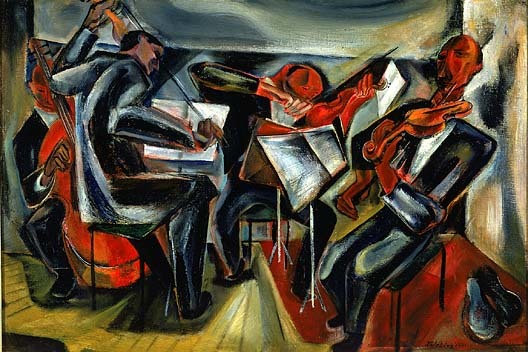
The String Quartet
“The String Quartet” (1921), Virginia Woolf went beyond simply trying to render the experience of music in stream-of-consciousness terms; she renders the narrator’s state of mind while listening. Along the way, she raises questions about the nature of that experience. Is it aesthetic and recreational, or is it simply a means of escapism? In the end, she answers in favor of the latter. The experience of art has become a respite from the disappointments and alienation of contemporary life.This book includes a biography and unique bibliography and with images of the author and the covers of his most important books
28 pages, Kindle Edition
First published January 1, 1921
About the author
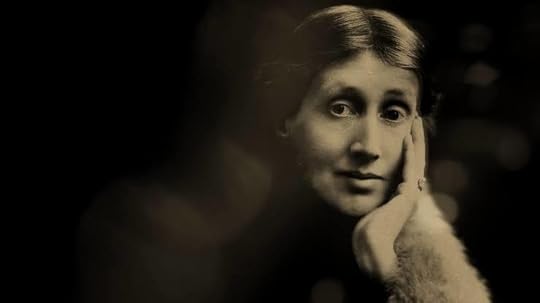
Virginia Woolf
2,108 books30.6k followers(Adeline) Virginia Woolf was an English novelist and essayist regarded as one of the foremost modernist literary figures of the twentieth century.
During the interwar period, Woolf was a significant figure in London literary society and a member of the Bloomsbury Group. Her most famous works include the novels Mrs. Dalloway (1925), To the Lighthouse (1927), and Orlando (1928), and the book-length essay A Room of One's Own (1929) with its famous dictum, "a woman must have money and a room of her own if she is to write fiction."
During the interwar period, Woolf was a significant figure in London literary society and a member of the Bloomsbury Group. Her most famous works include the novels Mrs. Dalloway (1925), To the Lighthouse (1927), and Orlando (1928), and the book-length essay A Room of One's Own (1929) with its famous dictum, "a woman must have money and a room of her own if she is to write fiction."
Ratings & Reviews
Friends & Following
Create a free account to discover what your friends think of this book!
Community Reviews
Displaying 1 - 30 of 48 reviews

September 23, 2016
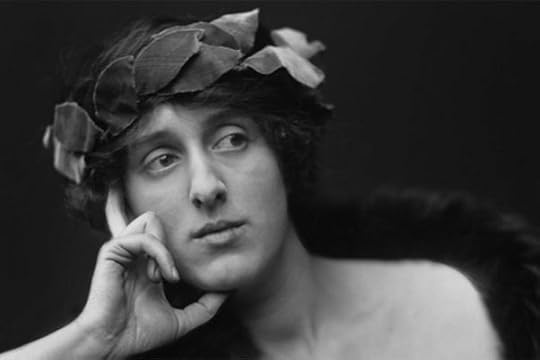
The Virginia Woolf String Quartet – Her feelings, her stream of consciousness, her overarching aesthetic sensibilities, her masterful use of language.
I must have read this brilliant Virginia Woolf short story a dozen times in the last few days, so much like listening to a string quartet, each exposure deepening my appreciation for details, each word and phrase adding color and texture and bestowing life to a torrent of associations.
Where does the string quartet music actually begin and end for the narrator in her account of the evening’s festivities? Hard to say since the story is told in sensual and turbulent stream of consciousness.
We are given hints but only hints, as when we read, “Here they come; four black figures, carrying instruments, and seat themselves facing the white squares under the downpour of light; rest the tips of their bows on the music stand; with a simultaneous movement lift them; lightly poise them, and, looking across at the player opposite, the first violin counts one, two, three — Flourish, spring, burgeon, burst!” Ha! Those last four words are snappers for the eye and, most appropriately considering the story’s title, music for the ear.
But what exactly is flourishing, springing, burgeoning and bursting? Perhaps the first notes of the first movement of a string quartet, maybe one by Mozart; or, perhaps the narrator’s mind; or feelings and senses; or some unique combination thereof. And what is her emotional patina? Is she anxious or upset?
Reflecting on the narrator’s gushing torrent of thoughts, the press of words unstoppable, one literary critic writes how this short piece reflects something of Virginia Woolf’s bouts with mania, how during one such attack Woolf talked nonstop for three days.
There might be an element of truth in the critic’s observation since, for example, here is a snatch of the narrator’s mindstream as she listens to the music: “But to return. He followed me down the corridor, and, as we turned the corner, trod on the lace of my petticoat. What could I do but cry ‘Ah!’ and stop to finger it? At which he drew his sword, made passes as if he were stabbing something to death, and cried, ‘Mad! Mad! Mad!’ Whereupon I screamed, and the Prince, who was writing in the large vellum book in the oriel window, came out in his velvet skull-cap and furred slippers, snatched a rapier from the wall—the King of Spain’s gift, you know—on which I escaped, flinging on this cloak to hide the ravages to my skirt—to hide...”
For me, the narrator’s dizzying stream of consciousness points to how what we hear in music, what images emerge, how our emotions are triggered, reflect our specific frame of mind when listening. How extreme can such a mental and psychic state affect what we hear? Specifically for the narrator of this story, I wouldn’t be surprised if the String Quartet is playing Mozart's Quartet in D minor but she is hearing music more akin to Iannis Xenakis’ Tetras. Take a listen yourself via the below links while keeping this short story in mind:
https://www.youtube.com/watch?v=iXJbQ...
Mozart, Quartet in D minor K. 421: Allegro Ma Non Troppo
https://www.youtube.com/watch?v=fCVx_...
Iannis Xenakis, Quartet Tetras
Anyone interested in either Virginia Woolf or examining this short story in more detail should check out a recently posted review by Goodreads friend, Michele: https://www.goodreads.com/review/show...


January 12, 2018
It’s all a matter of flats and hats and sea gulls, or so it seems to be for a hundred people sitting here well dressed, walled in, furred, replete. Not that I can boast, since I too sit passive on a gilt chair, only turning the earth above a buried memory, as we all do, for there are signs, if I’m not mistaken, that we’re all recalling something, furtively seeking something.

Another short story where Woolf explores the inner workings of the human psyche.
Jan 12, 18
* Also on my blog.

October 18, 2016
If someone wanted to write a "stream of consciousness" short story, this would be a good example, a good model to go by. This one is perfect. This is how you do it. Of course writing at the level of Virginia Woolf is another thing altogether. Her thoughts seem to flow like poetry, or in this case like music.
5 stars
5 stars

September 25, 2016
A Madness of One’s Own…
“Here they come; four black figures, carrying instruments, and seat themselves facing the white squares under the downpour of light; rest the tips of their bows on the music stand; with a simultaneous movement lift them; lightly poise them, and, looking across at the player opposite, the first violin counts one, two, three―”
― Virginia Woolf, “The String Quartet”

I really enjoyed this review by Glenn Russell of Virginia Woolf's short story, The String Quartet... The following serves as a dialectical documentation of a lyrical duet in hopes of understanding this engaging prose as an impressionistic sketch of the implied quandary inherent in modernity – and, hints at a grander question on the intermingling of mythic genius and madness often attributed to the artist.
Glenn wrote: "I must have read this brilliant Virginia Woolf short story a dozen times in the last few days, so much like listening to a string quartet, each exposure deepening my appreciation for details, each word and phrase adding color and texture and bestowing life to a torrent of associations."
Woolf’s Aesthetics of Prose…
In Woolf's aesthetics of prose, there appears to be an ongoing unspoken and inseparable relationship of intertextuality / intermediality between literature and music... Perhaps at times she felt herself to be more of a musician than a writer. In a personal letter to the poet Stephen Spender, Woolf wrote that she wished that she could write “four lines at a time, [...] as a musician does; because it always seems to me that things are going on at so many different levels simultaneously” ...
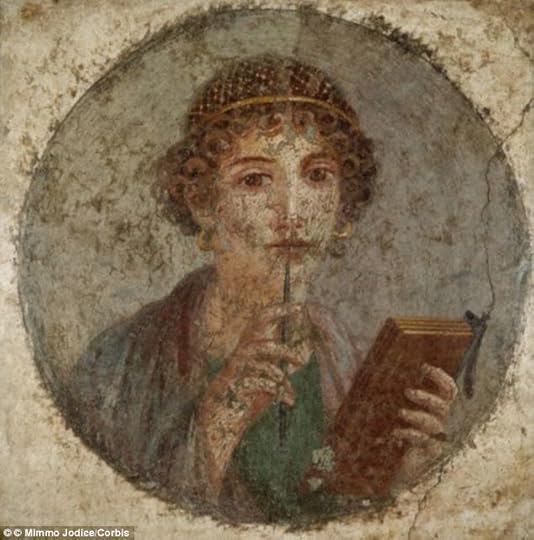
The Author as Musician…
I have been doing some background research in preparation for re-reading The Waves... In this endeavor; I found an interesting study comparing Woolf's passionate interest in the late works of Ludwig van Beethoven with the contrapuntal style, cadence, and polyphonic structure of this wonderfully experimental novel. It seems that the writer was ever-fascinated with the interconnections of literature, art, and music:
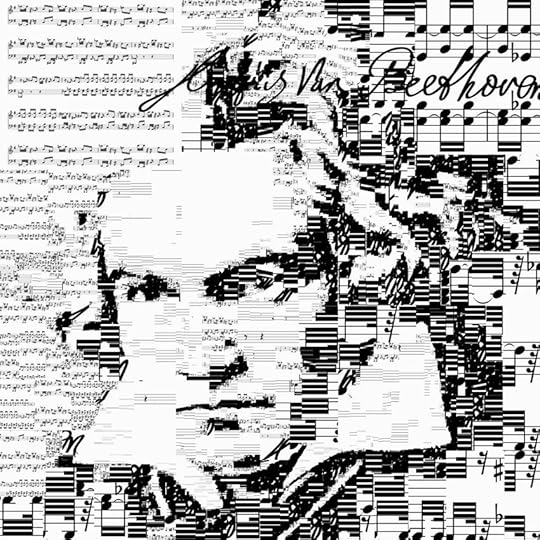
Composers of Playpoems…
In Beethoven's Grosse Fuge/Große Fuge, a similar thematic innovation, melodic disjunction, chromaticism, and polyphonic texture seems to mirror this lyrical masterpiece or "playpoem" of Virginia Woolf...
Video: Beethoven’s “Grosse Fuge in B Major, Op. 133”
In a similar vein, The String Quartet is another playful stream of consciousness poem where an engrossing musicality pervades the lyrical prose in sync with Mozart’s String Quartet:

Video: Mozart’s “Quartet in D minor K. 421: Allegro Ma Non Troppo”
Glenn wrote:
The Musicality of Mania(?)…
Glenn wrote:
Yes, invoking imagery of "a sword and stabbing something to death" seems rather bizarre and counter-intuitive to most listeners' experience of Mozart's string quartets -- or really any passive aural experience of engaging with any genre of music for that matter. So, let’s explore the textual excerpt in question from Woolf’s stream of thought in The String Quartet:
*(For a more detailed analysis, please see message #2 in the commentary thread below...)
Glenn wrote: "For me, the narrator’s dizzying stream of consciousness points to how what we hear in music, what images emerge, how our emotions are triggered, has so much to do with our frame of mind..."
I find it difficult to understand such a disturbed “frame of mind” as outlined by the literary critic from "The Ink Brain" in her haunting review of The String Quartet, but these condemning words certainly give pause:
Video: Iannis Xenakis’ “Quartet Tetras”
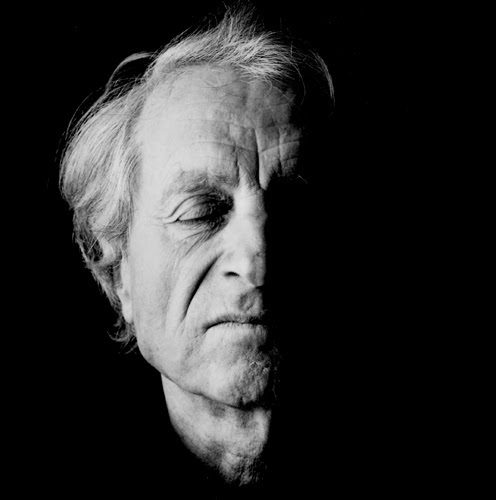
The Author as Mythic Genius…
However, "The Ink Brain" critic ultimately concludes that:
I wonder now and again about the ongoing "epic myth" of the supposed necessity for some type of madness (and/or at the very least, a saturnine disposition) to be at the base root of any genius creation for all great works of art. This seems to me to be a collective historic “literary construct” to generate an unattainable laborious artistic pathway towards the creative production of any elusive masterpiece having at its core an imperative prerequisite of a tortured existence -- whether that be the oeuvre of the writer, composer, painter, sculptor, poet, etc...
“No great mind has ever existed without a touch of madness.” ― Aristotle
Life versus Art…
"Fiction is like a spider's web, attached ever so slightly perhaps, but still attached to life at all four corners. Often the attachment is scarcely perceptible."
― Virginia Woolf, Personal Correspondence
Sometimes it seems difficult looking back through the prismic tome of history to discern the distinctions between the life of the artist and the mythic oeuvre she produces. Certainly as literary critics, we cannot recreate history as such, but instead we can only approximate staccato-like glimpses of the past through reading the rather elusive textual artifacts we have at our disposal at any given moment -- floating in the ever-impressionistic, hazy fog of the memory of time and place.
Glenn wrote:
On Difference and Melancholy…
Swimming in the Stream of Consciousness…
In Woolf’s short story, The String Quartet, the artist speaks to the myriad of melancholic disconnections and inherent differences in the modern world that eternally separate us from a sense of completeness or true interconnectedness -- blunting our ability to achieve any hope of bliss or overarching meaning in our existential cacophonic symphony of existence. However, in the offering of this luscious prose, the author creates a seductively fluid dance of exchange that makes the playful journey of life (un)meaningfully, and yet ironically, still remarkably beautiful.
Additional Links…
Video: Audiobook Recording
“The String Quartet” by Virginia Woolf
Video Series: (Part I) / (Part II) / (Part III)
“The Mind and Times of Virginia Woolf,” Documentary in Three Parts
Video: The Recorded Voice of Virginia Woolf
BBC radio broadcast from April 29th, 1937
Video: Virginia Woolf Documentary
*Enthusiastic 4.75 stars... leaving room for a bit of a crescendo with The Waves and To the Lighthouse.
“Here they come; four black figures, carrying instruments, and seat themselves facing the white squares under the downpour of light; rest the tips of their bows on the music stand; with a simultaneous movement lift them; lightly poise them, and, looking across at the player opposite, the first violin counts one, two, three―”
― Virginia Woolf, “The String Quartet”
I really enjoyed this review by Glenn Russell of Virginia Woolf's short story, The String Quartet... The following serves as a dialectical documentation of a lyrical duet in hopes of understanding this engaging prose as an impressionistic sketch of the implied quandary inherent in modernity – and, hints at a grander question on the intermingling of mythic genius and madness often attributed to the artist.
Glenn wrote: "I must have read this brilliant Virginia Woolf short story a dozen times in the last few days, so much like listening to a string quartet, each exposure deepening my appreciation for details, each word and phrase adding color and texture and bestowing life to a torrent of associations."
Woolf’s Aesthetics of Prose…
In Woolf's aesthetics of prose, there appears to be an ongoing unspoken and inseparable relationship of intertextuality / intermediality between literature and music... Perhaps at times she felt herself to be more of a musician than a writer. In a personal letter to the poet Stephen Spender, Woolf wrote that she wished that she could write “four lines at a time, [...] as a musician does; because it always seems to me that things are going on at so many different levels simultaneously” ...
“Flourish, spring, burgeon, burst! The pear tree on the top of the mountain. Fountains jet; drops descend. But the waters of the Rhone flow swift and deep, race under the arches, and sweep the trailing water leaves, washing shadows over the silver fish, the spotted fish rushed down by the swift waters, now swept into an eddy where—it's difficult this—conglomeration of fish all in a pool; leaping, splashing, scraping sharp fins; and such a boil of current that the yellow pebbles are churned round and round, round and round—free now, rushing downwards, or even somehow ascending in exquisite spirals into the air; curled like thin shavings from under a plane; up and up…”
― Virginia Woolf, “The String Quartet”
The Author as Musician…
I have been doing some background research in preparation for re-reading The Waves... In this endeavor; I found an interesting study comparing Woolf's passionate interest in the late works of Ludwig van Beethoven with the contrapuntal style, cadence, and polyphonic structure of this wonderfully experimental novel. It seems that the writer was ever-fascinated with the interconnections of literature, art, and music:
“Behind the cotton wool is hidden a pattern; that we—I mean all human beings—are connected with this; that the whole world is a work of art; that we are parts of the work of art. Hamlet or a Beethoven quartet is the truth about this vast mass that we call the world. But there is no Shakespeare, there is no Beethoven; certainly and emphatically there is no God; we are the words; we are the music; we are the thing itself.”
― Virginia Woolf, “Moments of Being”
Composers of Playpoems…
In Beethoven's Grosse Fuge/Große Fuge, a similar thematic innovation, melodic disjunction, chromaticism, and polyphonic texture seems to mirror this lyrical masterpiece or "playpoem" of Virginia Woolf...
Video: Beethoven’s “Grosse Fuge in B Major, Op. 133”
In a similar vein, The String Quartet is another playful stream of consciousness poem where an engrossing musicality pervades the lyrical prose in sync with Mozart’s String Quartet:
“The gentleman replies so fast to the lady, and she runs up the scale with such witty exchange of compliment now culminating in a sob of passion, that the words are indistinguishable though the meaning is plain enough—love, laughter, flight, pursuit, celestial bliss—all floated out on the gayest ripple of tender endearment—until the sound of the silver horns, at first far distant, gradually sounds more and more distinctly, as if seneschals were saluting the dawn or proclaiming ominously the escape of the lovers…”
― Virginia Woolf, “The String Quartet”
Video: Mozart’s “Quartet in D minor K. 421: Allegro Ma Non Troppo”
Glenn wrote:
“But what exactly is flourishing, springing, burgeoning and bursting? Perhaps the first notes of the first movement of a string quartet, maybe one by Mozart; or, perhaps the narrator’s mind; or feelings and senses; or some unique combination thereof. And what is her emotional patina? Is she anxious or upset? Reflecting on the narrator’s gushing torrent of thoughts, as if the press of words were unstoppable, one literary critic writes how this short piece reflects something of Virginia Woolf’s bouts with mania, how during one such attack Woolf talked nonstop for three days.”
The Musicality of Mania(?)…
Glenn wrote:
“On my first readings of the story, I didn't detect any mania at all. However, I thought it a tad strange how the narrator's stream-of-consciousness included a sword and stabbing something to death, images most listeners, including myself, would not usually associate with Mozart's string quartets, which are all quite lyrical prompting images of children playing with flowers out in a summer garden.”
Yes, invoking imagery of "a sword and stabbing something to death" seems rather bizarre and counter-intuitive to most listeners' experience of Mozart's string quartets -- or really any passive aural experience of engaging with any genre of music for that matter. So, let’s explore the textual excerpt in question from Woolf’s stream of thought in The String Quartet:
“But to return. He followed me down the corridor, and, as we turned the corner, trod on the lace of my petticoat. What could I do but cry ‘Ah!’ and stop to finger it? At which he drew his sword, made passes as if he were stabbing something to death, and cried, ‘Mad! Mad! Mad!’ Whereupon I screamed, and the Prince, who was writing in the large vellum book in the oriel window, came out in his velvet skull-cap and furred slippers, snatched a rapier from the wall—the King of Spain’s gift, you know—on which I escaped, flinging on this cloak to hide the ravages to my skirt—to hide...”
― Virginia Woolf, “The String Quartet”*
*(For a more detailed analysis, please see message #2 in the commentary thread below...)
Glenn wrote: "For me, the narrator’s dizzying stream of consciousness points to how what we hear in music, what images emerge, how our emotions are triggered, has so much to do with our frame of mind..."
I find it difficult to understand such a disturbed “frame of mind” as outlined by the literary critic from "The Ink Brain" in her haunting review of The String Quartet, but these condemning words certainly give pause:
"...beneath the rush of words one can almost hear the persistent hum of anxiety – like the whine of a machine that is overheating and cannot be turned off... ‘The String Quartet’ is not so much a stream as a torrent... There seems to be an almost strident out-of- synch cacophony of thought that begins with the social contract between two unnamed people, and their ensuing decision to attend a performance together…[T]he hectic pace of Woolf’s thoughts in this run-away short story clearly conveys ‘pressure of speech’ – one of the hallmarks of a manic episode."
― The Ink Brain on “The String Quartet”
Video: Iannis Xenakis’ “Quartet Tetras”
The Author as Mythic Genius…
However, "The Ink Brain" critic ultimately concludes that:
"What is certain, however, and that beyond any shadow of a doubt, is Woolf’s brilliant facility to orient herself as an observer of fugitive thoughts and fleeting moments. Her surpassing skill in this regard has never, in my opinion, been even distantly approximated."
I wonder now and again about the ongoing "epic myth" of the supposed necessity for some type of madness (and/or at the very least, a saturnine disposition) to be at the base root of any genius creation for all great works of art. This seems to me to be a collective historic “literary construct” to generate an unattainable laborious artistic pathway towards the creative production of any elusive masterpiece having at its core an imperative prerequisite of a tortured existence -- whether that be the oeuvre of the writer, composer, painter, sculptor, poet, etc...
“No great mind has ever existed without a touch of madness.” ― Aristotle
Life versus Art…
"Fiction is like a spider's web, attached ever so slightly perhaps, but still attached to life at all four corners. Often the attachment is scarcely perceptible."
― Virginia Woolf, Personal Correspondence
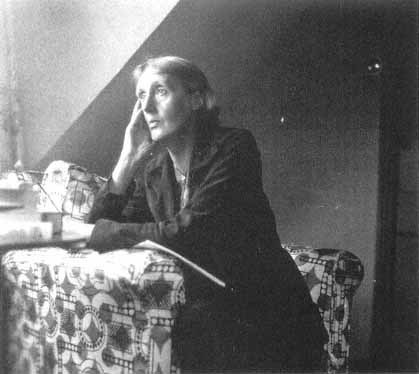
Sometimes it seems difficult looking back through the prismic tome of history to discern the distinctions between the life of the artist and the mythic oeuvre she produces. Certainly as literary critics, we cannot recreate history as such, but instead we can only approximate staccato-like glimpses of the past through reading the rather elusive textual artifacts we have at our disposal at any given moment -- floating in the ever-impressionistic, hazy fog of the memory of time and place.
Glenn wrote:
“…Schopenhauer pictures the artist as both a seer/profit and out-of-step victim in the artist’s role of champion of the arts over and against practical everyday life. Of course, this slides easily into romantic ideas of bohemian vs. bourgeois and then avant-garde vs. academy… [His] reasoning in a nutshell is the creative artist is more attuned and aware of ‘hidden’ powerful truths underlying conventional appearances and has the vision to convert these hidden truths into painting, sculpture or poetry. The downside of such a slant on life is the artist is ill equipped to engage in competition with the hardheaded pragmatic mass of humanity. Thus the artist usually must undergo hardship and intense suffering. Schopenhauer also anticipates the psychological theories linking creativity with mental illness; artistic inspiration with madness.”
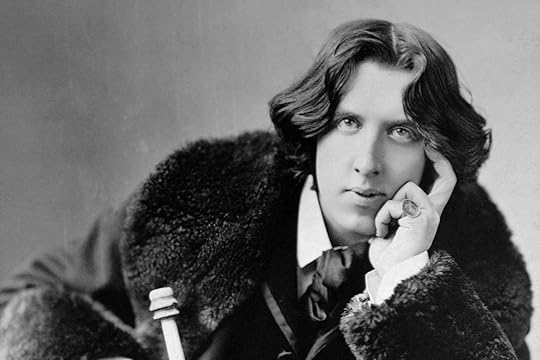
“Beauty is a form of Genius--is higher, indeed, than Genius, as it needs no explanation. It is one of the great facts of the world, like sunlight, or springtime, or the reflection in the dark waters of that silver shell we call the moon. It cannot be questioned. It has divine right of sovereignty. It makes princes of those who have it.”
― Oscar Wilde, “The Picture of Dorian Gray”
On Difference and Melancholy…
“The philosopher Schopenhauer said, 'Opposites throw light upon each other.' Beauty does not belong exclusively to the regions of light and loveliness, cut off from the conversation of oppositions. The vigour and vitality of beauty derives precisely from the heart of difference. No life is one-sided; the life of each of us is animated by the inner conversation of forces which counter and complement each other. Beauty inhabits the cutting edge of creativity -- mediating between the known and unknown, light and darkness, masculine and feminine, visible and invisible, chaos and meaning, sound and silence, self and others.”
― John O'Donohue
“Furthermore, the sense of passion or of power, of depth and vibrancy, feeling and vision, we take away from any work is the result of the intermingling, balance, play, and antagonism between these: it is the arrangement of blues, not any blue itself, which lets us see the mood it formulates, whether pensive melancholy or thoughtless delight, so that one to whom aesthetic experience comes easily will see, as Schopenhauer suggested, sadness in things as readily as smoky violet or moist verdigris.”
― William H. Gass, “On Being Blue: A Philosophical Inquiry”
“If one is to deal with people on a large scale and say what one thinks, how can one avoid melancholy? I don’t admit to being hopeless, though: only the spectacle is a profoundly strange one; and as the current answers don’t do, one has to grope for a new one, and the process of discarding the old, when one is by no means certain what to put in their place, is a sad one.”
― Virginia Woolf, "A Writer's Diary"
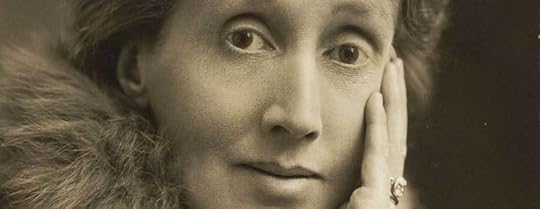
Swimming in the Stream of Consciousness…
In Woolf’s short story, The String Quartet, the artist speaks to the myriad of melancholic disconnections and inherent differences in the modern world that eternally separate us from a sense of completeness or true interconnectedness -- blunting our ability to achieve any hope of bliss or overarching meaning in our existential cacophonic symphony of existence. However, in the offering of this luscious prose, the author creates a seductively fluid dance of exchange that makes the playful journey of life (un)meaningfully, and yet ironically, still remarkably beautiful.
“The melancholy river bears us on. When the moon comes through the trailing willow boughs, I see your face, I hear your voice and the bird singing as we pass the osier bed. What are 4 you whispering? Sorrow, sorrow. Joy, joy. Woven together, like reeds in moonlight. Woven together, inextricably commingled, bound in pain and strewn in sorrow—crash!”
― Virginia Woolf, “The String Quartet”
Additional Links…
Video: Audiobook Recording
“The String Quartet” by Virginia Woolf
Video Series: (Part I) / (Part II) / (Part III)
“The Mind and Times of Virginia Woolf,” Documentary in Three Parts
Video: The Recorded Voice of Virginia Woolf
BBC radio broadcast from April 29th, 1937
Video: Virginia Woolf Documentary
*Enthusiastic 4.75 stars... leaving room for a bit of a crescendo with The Waves and To the Lighthouse.
November 5, 2020
الوتر الرباعي للجميلة "فرجينيا وولف"...💕
هذا النص قطعة حريرية مُطرزة برشاقة تتناثر عليها بتلات ورد ناعمة..لن تقاوم رغبتك في التقاطها ، ولكن احذر الرهافة الجارحة.....
تناهى لمسامعي هنا من أولى "موزارت"
"" لحنٌ مثل كل ألحانه يُشعر المرء باليأس - أقصد بالأمل -""
ولكن في الحقيقة قد غمرني حنينٌ جارفٌ لشيء أجهله....!!
هذا النص قطعة حريرية مُطرزة برشاقة تتناثر عليها بتلات ورد ناعمة..لن تقاوم رغبتك في التقاطها ، ولكن احذر الرهافة الجارحة.....
تناهى لمسامعي هنا من أولى "موزارت"
"" لحنٌ مثل كل ألحانه يُشعر المرء باليأس - أقصد بالأمل -""
ولكن في الحقيقة قد غمرني حنينٌ جارفٌ لشيء أجهله....!!

October 13, 2016
Best short from Woolf I have read so far. Find an incredible review
here.
here.

August 30, 2024
I like her impression of being in a room and having the four players to come out and begin to play. Been there. Done that myself.

November 20, 2022
An outing to a concert is an encounter with the small talk of society, as documented by incessant inner chatter.
If the mind's shot through by such little arrows; [...] if saying one thing does, in so many cases, leave behind it a need to improve and revise...
Once the music starts, another series of thoughts is provoked — a conglomeration of fish all in a pool; leaping, splashing, scraping sharp fins.
The feeling rendered here is multiple outings, multiple encounters, all distilled into a random, flowing essence, evoking swift waters and melancholy rivers, tenderness and pain, clang and clamour.
If the mind's shot through by such little arrows; [...] if saying one thing does, in so many cases, leave behind it a need to improve and revise...
Once the music starts, another series of thoughts is provoked — a conglomeration of fish all in a pool; leaping, splashing, scraping sharp fins.
The feeling rendered here is multiple outings, multiple encounters, all distilled into a random, flowing essence, evoking swift waters and melancholy rivers, tenderness and pain, clang and clamour.
August 21, 2020
What Virginia Woolf accomplished with this short story would be impossible for just about anyone else. In her signature lyrical style, she used the language and words to convey the sounds we hear around us—sounds on the street and the city, the audience chatter before and during a concert, ... and the inner thoughts of an audience member (the narrator) that are in perfect harmony with the chamber music she listens to.
The musical piece/title puzzle:
Through her thoughts I recognized Schubert's 'Trout' (Die Forelle) piano quintet and even each distinct movement. He composed it after his happy summer vacation in the Austrian countryside with a playful melody, with its variations, on the theme of trout in a nearby river. The fish theme also appears in Woolf's reflections but the rhythm and tonality of her thoughts perfectly correspond to each movement—from the buoyant and cheerful opening to the reverie in the 2nd movement (in her case, it transposes her into the idyllic dream of some distant past several centuries back), to return to the sounds of vigorous scherzo with an astonishing exuberance, and so on all through the musical end. I couldn't believe that someone could express it in a literary form.
Solving the puzzle :-):
I was, of course, puzzled that she entitled it 'The String Quartet". Moreover, one audience member exclaims “That's an early Mozart, of course—”. But there is no fish theme in Mozart's chamber music! Well, two puzzles that made me look into the pages of her diary. And there it was! Indeed, Schubert's Die Forelle quintet.
Dated in March 1920, Woolf notes that she “went up to Campden Hill to hear the Schubert quintet—to see George Booth’s house—to take notes for my story—to rub shoulders with respectability—all these reasons took me there” (from The Diary of Virginia Woolf, vol. 2, p. 24). From the well-researched annotation, we learn from the host Booth's diary that the program that day included Schubert's quintet. 'The String Quartet" story was published in her first collection of short stories the next year. It appears that it's still a mystery why she turned that experience into the string quartet... As for a nearby audience member's self-assured guess that it had to be an early Mozart, it's easy to see how the cheerful spirit of the quintet's opening resonated with the brightness of early Mozart. It must have been Woolf's teasing wink.
... and not only that she managed to use words to express the sounds of people, city and music, she also subtly infused it with a social commentary about the people around her (from snobbery to casual chatter).
As she beautifully painted with words in another masterpiece of a short story, Kew Gardens, she now showed how the prose form can penetrate through the sensations of sounds. There were no barriers to this literary genius.
Brilliant, absolutely brilliant!
Had it not been for a GR friend's comment that she feels the connection between Woolf's prose and chamber music (in our conversation about Woolf's The Lady in the Looking-Glass ), this short story might have escaped me. Thank you, Ilse.
The musical piece/title puzzle:
Through her thoughts I recognized Schubert's 'Trout' (Die Forelle) piano quintet and even each distinct movement. He composed it after his happy summer vacation in the Austrian countryside with a playful melody, with its variations, on the theme of trout in a nearby river. The fish theme also appears in Woolf's reflections but the rhythm and tonality of her thoughts perfectly correspond to each movement—from the buoyant and cheerful opening to the reverie in the 2nd movement (in her case, it transposes her into the idyllic dream of some distant past several centuries back), to return to the sounds of vigorous scherzo with an astonishing exuberance, and so on all through the musical end. I couldn't believe that someone could express it in a literary form.
Solving the puzzle :-):
I was, of course, puzzled that she entitled it 'The String Quartet". Moreover, one audience member exclaims “That's an early Mozart, of course—”. But there is no fish theme in Mozart's chamber music! Well, two puzzles that made me look into the pages of her diary. And there it was! Indeed, Schubert's Die Forelle quintet.
Dated in March 1920, Woolf notes that she “went up to Campden Hill to hear the Schubert quintet—to see George Booth’s house—to take notes for my story—to rub shoulders with respectability—all these reasons took me there” (from The Diary of Virginia Woolf, vol. 2, p. 24). From the well-researched annotation, we learn from the host Booth's diary that the program that day included Schubert's quintet. 'The String Quartet" story was published in her first collection of short stories the next year. It appears that it's still a mystery why she turned that experience into the string quartet... As for a nearby audience member's self-assured guess that it had to be an early Mozart, it's easy to see how the cheerful spirit of the quintet's opening resonated with the brightness of early Mozart. It must have been Woolf's teasing wink.
... and not only that she managed to use words to express the sounds of people, city and music, she also subtly infused it with a social commentary about the people around her (from snobbery to casual chatter).
As she beautifully painted with words in another masterpiece of a short story, Kew Gardens, she now showed how the prose form can penetrate through the sensations of sounds. There were no barriers to this literary genius.
Brilliant, absolutely brilliant!
Had it not been for a GR friend's comment that she feels the connection between Woolf's prose and chamber music (in our conversation about Woolf's The Lady in the Looking-Glass ), this short story might have escaped me. Thank you, Ilse.

December 8, 2018
The melancholy river bears us on. When the moon comes through the trailing willow boughs, I see your face, I hear your voice and the bird singing as we pass the osier bed. What are you whispering? Sorrow, sorrow. Joy, joy. Woven together, like reeds in moonlight. Woven together, inextricably commingled, bound in pain and strewn in sorrow—crash!
The boat sinks. Rising, the figures ascend, but now leaf thin, tapering to a dusky wraith, which, fiery tipped, draws its twofold passion from my heart. For me it sings, unseals my sorrow, thaws compassion, floods with love the sunless world, nor, ceasing, abates its tenderness but deftly, subtly, weaves in and out until in this pattern, this consummation, the cleft ones unify; soar, sob, sink to rest, sorrow and joy.
The boat sinks. Rising, the figures ascend, but now leaf thin, tapering to a dusky wraith, which, fiery tipped, draws its twofold passion from my heart. For me it sings, unseals my sorrow, thaws compassion, floods with love the sunless world, nor, ceasing, abates its tenderness but deftly, subtly, weaves in and out until in this pattern, this consummation, the cleft ones unify; soar, sob, sink to rest, sorrow and joy.

August 12, 2020
I want to dance, laugh, eat pink cakes, yellow cakes, drink thin, sharp wine. Or an indecent story, now—I could relish that. The older one grows the more one likes indecency.
The melancholy river bears us on. When the moon comes through the trailing willow boughs, I see your face, I hear your voice and the bird singing as we pass the osier bed. What are you whispering? Sorrow, sorrow. Joy, joy. Woven together, like reeds in moonlight. Woven together, inextricably commingled, bound in pain and strewn in sorrow—crash!
A short, six page story by Virginia Woolf that can be read online. URL link http://www.feedbooks.com/book/1390/th...
The melancholy river bears us on. When the moon comes through the trailing willow boughs, I see your face, I hear your voice and the bird singing as we pass the osier bed. What are you whispering? Sorrow, sorrow. Joy, joy. Woven together, like reeds in moonlight. Woven together, inextricably commingled, bound in pain and strewn in sorrow—crash!
A short, six page story by Virginia Woolf that can be read online. URL link http://www.feedbooks.com/book/1390/th...

January 17, 2021
Music flows, and so does Woolf's stream of conscious writing; which sweeps us under - not by its stream but - its torrent; leaves us insufficiently quenched after feeding us with her dripping honey language - which is not only a verbal expression of a quartet music masked in a metaphor of love, but also a comment on the social mores, modern vs tradition, Classical Venice vs Modernist London - that we return home/world saying: Starry night - as does the lady listener to her maid, after she comes to her home after her senses, by horns blaring at the end of the concert, signalling a doom, a fall, from the ornate venetian structures, designed by Angels listening to Mozart's music, where lovers frolic near the nudging moon, drunk in childish love, while well knowing the tragedy of such feelings, to the desert called London where lovers keep running in the opposite direction and get tremendously frustrated by endless mirage of lover's feet, that they choke and dash to their comfy homes, alone!

Social setting of a classical concert:
The narrator of the story (assuming it is a lady, though a man could rightly fit, or is it?) is a misfit to the place where she decides to open herself to the man, whom she meets after many years. And judging by the mention of Venice as the last met place (7 years ago) - an occasional classical-music-lover-friend to be turned lover. Poor narrator/listener/Woolf! She is a foreigner, a modernist in the hall which sneers at foreigners; a place run by a strict code of class manners.
Sorry to digress here, this last comment reminds me of an incident that took place in my part of world.
If my memory serves well, we were to have a symphony concert, conducted by the honourable Zubin Mehta, at Chennai, 6 or 7 years back, which categorically stated that the audience are permitted only if they come in "Coat"
Now this is a trite statement. Who goes to a classical concert wearing anything but coat and suit. But we are in India, so it needs a special prior announcement. And there was this article in "The Hindu" then, debating whether is it right to impose a dress code for audience.
The point of this digression is quite simple - classical concert hall possesses a certain class and code that you have to abide by.
Now back to the story.
The listener is a misfit because:
"since it’s all a matter of flats and hats and sea gulls, or so it seems to be for a hundred people sitting here well dressed, walled in, furred, replete. Not that I can boast, since I too sit passive on a gilt chair"
First sign of non-identifying herself to her class.
Second time, but now a more stronger statement, comes when mentioning Mozart, when she is pulled back from her thoughts:
"But the tune, like all his tunes, makes one despair—I mean hope. What do I mean? That’s the worst of music! I want to dance, laugh, eat pink cakes, yellow cakes, drink thin, sharp wine. Or an indecent story, now—I could relish that."
And it goes on. This makes it plainly evident that the person isn't a classical music lover, though there are some activities above, which a classical music lover may enjoy while listening his Mozart!
"The older one grows the more one likes indecency. Hall, hah! I’m laughing. What at? You said nothing, nor did the old gentleman opposite … But suppose—suppose—Hush!”
This is hilarious! Love her anarchic wit! As we all know when a classical concert is in session, there is pin drop silence, and that's what Woolf wants to break!
Love under the melody of Mozart:
Apart from few bits of "Supposed dialogues", it's full of colourful thoughts (also a dark one) the lady dreams up, stroked by Mozart's music.
The images of meeting a stranger lover under the hazy moonlight shines brilliantly for few passages before brought back by a comment, which makes her comment:
"That’s the worst of music—these silly dreams."
And immediately getting distracted - in the physical world for a change - by a mundane thing - old lady walking out; starting again on music, but expression through words fail:
"How lovely! How well they play! How—how—how!”
She doesn't say how. And we all know how difficult it is to express music through our language. In my opinion, it would always end up as a distilled form; a subtraction of actual experience. You may stack up sheaf after sheaf, pouring down every imaginable words in your language, describing the greatness of Beethoven or Mozart, or other masters, but just the opening notes of, say, 5th symphony, or pastoral symphony, or late string quartets, or moonlight sonata or any of Beethoven's masterpiece will be far greater in its expression - effect on listener, than those bundle of words!
The lady continues to observe her surroundings, her fellow audience, rather than to continue to listen her music.
If not observing the surroundings, her thought goes back to her imaginary place with her lover. And now it turns dark for a change!
"He followed me down the corridor, and, as we turned the corner, trod on the lace of my petticoat. What could I do but cry ‘Ah!’ and stop to finger it? At which he drew his sword, made passes as if he were stabbing something to death, and cried, ‘Mad! Mad! Mad!’ Whereupon I screamed..."
Once a friend of mine remarked:
While I do like classical music, I find them fixated on tragedy, melancholy and pathos! And a happy light only shows its head for 1 piece or movement for every 1000 dark clouds.
While my friend may be right partially, the other side of it (as we all know, classical music is anything but mono) emerges now, and here comes Mozart to the rescue:
"Whereupon I screamed, and the Prince, who was writing in the large vellum book in the oriel window, came out in his velvet skull-cap and furred slippers, snatched a rapier from the wall—the King of Spain’s gift, you know—on which I escaped, flinging on this cloak to hide the ravages to my skirt—to hide … But listen! the horns!”
Ah, the horns in a string quartet?
Horns, trumpets, yes, the sign of the final crescendo and end of concert is here:
"The gentleman replies so fast to the lady, (the musical exchanges of two performers, or final exchanges between the lovers ) and she runs up the scale with such witty exchange of compliment now culminating in a sob of passion, that the words are indistinguishable though the meaning is plain enough—love, laughter, flight, pursuit, celestial bliss—all floated out on the gayest ripple of tender endearment—until the sound of the silver horns, at first far distant, gradually sounds more and more distinctly, as if seneschals were saluting the dawn or proclaiming ominously the escape of the lovers …"
That's it. End of concert and love escapade!
Venice vs London; Classical vs Modern:
"But this city to which we travel has neither stone nor marble; hangs enduring; stands unshakable; nor does a face, nor does a flag greet or welcome. Leave then to perish your hope; droop in the desert my joy; naked advance. Bare are the pillars; auspicious to none; casting no shade; resplendent; severe."
Perhaps it isn't about any female meeting a guy to express love, but two separate sides of Woolf meets and tries to conjoin, make love, but diverge apart as the story ends. That she is a product of modernism in body and classical in spirit.
Perhaps the best picture/art expressing this short story, would be one of the greatest paintings of all time:
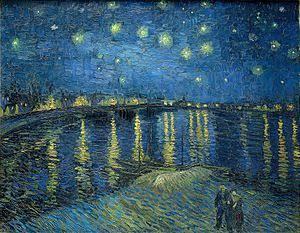
When the concert starts, she compares surging up of music with the waters of Rhone (perhaps wine of Rhone), and finally with all this tryst with classical love, ends up saying: Starry night!
I also wrote, a rather funny piece on this, which I like to share here:
Virginia Woolf's String quartet - An unserious review:
Woolf sitting high at the seat of honour, deep in contemplation, quill resting in her lap, calm in that silent minute interlude between her then vociferously finished string of slithering stream-of-consciousness thread, and in process of conjuring and weaving the next thread, is pulled by her satin collar against her being to the hall of london but Venice - by a torrent of coughs!
"Thank heavens, thank you all, we are all humans not robots", says smiling Woolfie, to the coughing audience!
Did I say Woolfie, rather than Woolf?
P.S: You all know know why the coughs came and what Woolf/Woolfie meant.
Can't recommend enough!
Glenn has written a beautiful review, perhaps more close to classical music and woolf's writing, which you can check here:
https://www.goodreads.com/review/show...

April 2, 2024
As only Virginia Woolf could do, with a Joycean tinge. A short presentation of four voices in a sort of playlet built around a Mozart performance in a concert hall. We don't know who the voices are, but they could easily all be Woolf herself. The medium is the message.

March 11, 2022
'Bare are the pillars; auspicious to none; casting no shade; resplendent; severe. Back then I fall, eager no more, desiring only to go, find the street, mark the buildings, greet the applewoman, say to the maid who opens the door: A starry night. “Good night, good night. You go this way?” “Alas. I go that.” '

September 1, 2024
Alors je suis pas sure d’avoir compris toutes les histoires, franchement la première et la dernière sont vraiment nébuleuse là je suis coite
Mais sinon c’était cool à lire
Mais sinon c’était cool à lire
January 3, 2023
The melancholy river bears us on. When the moon comes through the trailing willow boughs, I see your face, I hear your voice and the bird singing as we pass the osier bed. What are you whispering? Sorrow, sorrow. Joy, joy. Woven together like reeds in moonlight.
This entire review has been hidden because of spoilers.

August 20, 2013
IT'S A TYPICAL OF WOOLF TO DESCRIBE THE SCENES THROUGH ODD ENCOUNTERS ;WAVES , SOUNDS , THOUGHTS AND CONFLICTS ! I EVEN SEE THE TRANSPARENCY OF SOLID THOUGHTS BY GENIUS WRITER !
August 29, 2025
Louise Gluck writes in her essay On George Oppen, “Within the discipline of criticism, nothing is more difficult than to praise. To speak of what you love...to speak of such work is difficult because the natural correlatives of awe and reverence are not verbal.” I've found that statement to be absolutely true, this is why it is with great strain that I begin to craft this insufficiently articulate response to Virginia Woolf’s String Quartet.
The problem I am facing as I try to describe the sensations felt when reading String Quartet is my desire to imitate or repurpose the language Woolf herself used to relate the power of the Quartet. I'm tempted to describe her prose as a quick-currented river picking up momentum as you approach the mouth of a water fall, the last breath at the apex before a crashing descent. Woolf spirals through sensory overload and we spin in her whirl pool. Trying to capture this in my own words feels useless. I might as well quote Woolf directly instead of writing inadequately.
I’ve tried and perhaps failed to denote the feelings imparted in the piece, but what of the meaning, what of the intent of the story? Do I stand a chance of expressing that?
In the beginning the narrator finds herself in an audience, consumed by the intricacies of high society mundanity. She seems to resent all the shining markers of status “the facts I mean, the hats, the feather boas,”. She disdains the shallow values of the audience but does not separate herself from them. She looks past their shiny exteriors, and into herself to notice a universal unease saying “For there are signs, If I am not mistaken that we are all…furtively seeking something. Why fidget?”.
As the musicians take to the stage as “4 black figures...under a downpour of light” Woolf’s prose picks up speed. She moves from an irritated tone into one of mythic reverie. Entering almost completely into metaphor for the swells and falls of the quartet, which for the narrator function as a vessel through the ecstatic nature of life, through the beauty of sensations of all kinds. This music conjures a fusion of all feelings into a single profound experience “Sorrow, Sorrow. Joy, Joy. Woven together, like reeds in moonlight " "his tunes make one despair, I mean hope,”.
Woolf describes the meaning of the piece best herself by saying “The words are indistinguishable though the meaning is plain enough, love laughter, flight pursuit, celestial bliss”. The point of this story (if you could call it that) is something not to be understood but to be felt.
This mythic internal journey towards celestial bliss, through a disembodied love affair defamiliarizes the physical space around her. My favorite example of this is the line “Grey headed sphinx…beckoning so sternly the red omnibus,”. Here the word omnibus itself becomes surreal, mythic, it reads in complete opposition to the mundanity that it conveyed when used in the context of the first page. Like us (the readers) the narrator transcends the ordinary or at least perceives it differently because of this experience.
I could probably write a ten page essay on a single phrase alone so I won't go on, but I clearly love Woolf and the way she uses seemingly senseless lines such as the “The moon lit pool, lemons, lovers and fish all dissolved into an opal sky” to give voice to the ineffable.

May 3, 2026
Bon alors là j’enchaîne sur des lectures bof. J’ai abandonné Victor Hugo juste avant, je me suis donc dis qu’un petit livre ne me ferait pas de mal. Déjà ça commence mal parce que je l’ai lu alors que j’étais fatigué. Et bien je ne conseille pas du tout l’expérience. Le principe de ces histoires c’est que les pensées des narrateurs vont dans tous les sens et qu’on ne comprends absolument rien pour certaines de ces nouvelles. Donc si on est fatigué on survole les phrases sans rien comprendre et la le somnifère est activé.
J’ai aimé la marque sur le mur comme beaucoup de monde il me semble. En revanche j’ai acheté le livre parce que le titre m’attirait et au final la nouvelle m’a déçue. Je l’ai même relu une deuxième fois pour essayer de mieux comprendre mais j’étais assez dubitative. J’étais vachement déçue, j’ai l’impression d’avoir vu un livre plutôt que lu un livre. Je me suis endormie plusieurs fois devant. Bref, je m’attendais à mieux venant de cette autrice car Un lieu a soi m’avait m’avait beaucoup plu.
J’ai aimé la marque sur le mur comme beaucoup de monde il me semble. En revanche j’ai acheté le livre parce que le titre m’attirait et au final la nouvelle m’a déçue. Je l’ai même relu une deuxième fois pour essayer de mieux comprendre mais j’étais assez dubitative. J’étais vachement déçue, j’ai l’impression d’avoir vu un livre plutôt que lu un livre. Je me suis endormie plusieurs fois devant. Bref, je m’attendais à mieux venant de cette autrice car Un lieu a soi m’avait m’avait beaucoup plu.

September 16, 2019
This is another example of Woolf's psychotic writing, and a good one. One could see how mind works during a manic attack, when the brain is very active, but cannot concentrate on one thing and wanders from thought to thought.
I can imagine why some people may consider this poetic writing, and others may look upon it as precise rendition of reality.
There former group are not familiar with this state of the mind, for the latter, this is the only thing they have known all their lives.
Both groups are mistaken. This is neither innovative poetic prose, nor the most accurate representation of reality. It is a good description of the mind of a person who has a brain similar to a small group, and different from the most of humanity.
I can imagine why some people may consider this poetic writing, and others may look upon it as precise rendition of reality.
There former group are not familiar with this state of the mind, for the latter, this is the only thing they have known all their lives.
Both groups are mistaken. This is neither innovative poetic prose, nor the most accurate representation of reality. It is a good description of the mind of a person who has a brain similar to a small group, and different from the most of humanity.

March 2, 2023
“… I too sit passive on a gilt chair, only turning the earth above a buried memory, as we all do, for there are signs, if I’m not mistaken, that we’re all recalling something, furtively seeking something.”
This short borderlines impenetrable for me in parts, but then again the focus seems to be the indescribable feeling music evokes within a listener and that is conveyed beautifully through a series of romantic imagery and escapism. It runs away with you before you realise you’ve been taken on a journey, however small, and it was quite enjoyable.
(On a side note, Virginia Woolf would love Spotify playlists for maladaptive daydreaming.)
This short borderlines impenetrable for me in parts, but then again the focus seems to be the indescribable feeling music evokes within a listener and that is conveyed beautifully through a series of romantic imagery and escapism. It runs away with you before you realise you’ve been taken on a journey, however small, and it was quite enjoyable.
(On a side note, Virginia Woolf would love Spotify playlists for maladaptive daydreaming.)
January 30, 2024
Très mitigée par rapport à ce recueil de nouvelles.
Je pense que c’est une bonne initiation à l’écriture de Woolf mais je n’ai pas apprécié du tout les premières nouvelles. Elles étaient tellement détaillées et passaient d’un sujet à l’autre que j’avais l’impression d’être dans les pensées d’une personne ayant des problèmes de concentration.
Les nouvelles « La dame dans le miroir » et « La duchesse et le joaillier » m’ont réconciliée avec l’auteur mais ce recueil n’est pas mon livre de l’année.
Je pense que c’est une bonne initiation à l’écriture de Woolf mais je n’ai pas apprécié du tout les premières nouvelles. Elles étaient tellement détaillées et passaient d’un sujet à l’autre que j’avais l’impression d’être dans les pensées d’une personne ayant des problèmes de concentration.
Les nouvelles « La dame dans le miroir » et « La duchesse et le joaillier » m’ont réconciliée avec l’auteur mais ce recueil n’est pas mon livre de l’année.

March 4, 2024
"Not that I can boast, since I too sit passive on a gilt chair, only turning the earth above a buried memory, as we all do, for there are signs, if I'm not mistaken, that we're all recalling something, furtively seeking something"
Tuve que darle dos leídas para poder comprenderla mejor. Creo que hay una cierta belleza en la forma en que ha sido escrito este breve relato. Supongo que a simple vista puede parecer que es algo sin sentido, pero una vez entiendes la relación de la narración con la música, empiezas a apreciarlo
Tuve que darle dos leídas para poder comprenderla mejor. Creo que hay una cierta belleza en la forma en que ha sido escrito este breve relato. Supongo que a simple vista puede parecer que es algo sin sentido, pero una vez entiendes la relación de la narración con la música, empiezas a apreciarlo
December 31, 2023
This short story is reflective and moody. Briefly, the narrator attends a quartet performance. She converses with other attendees until the music starts when she has an imaginative daydream which is entwined with the musical experience. It's hard to interpret a clear boundary between the dream and music. When the performance ends the audience exchanges remarks about the experience.
To me, the story was a mystical enigma that made me think about my own experiences with culture.
To me, the story was a mystical enigma that made me think about my own experiences with culture.

February 19, 2020
"The melancholy river bears us on. When the moon comes through the trailing willow boughs, I see your face, I hear your voice and the bird singing as we pass the osier bed. What are you whispering? Sorrow, sorrow. Joy, joy. Woven together, like reeds in moonlight. Woven together, inextricably commingled, bound in pain and strewn in sorrow–crash!"

July 13, 2020
Je ne sais pas si c'est moi qui manque d'intelligence ou si ces nouvelles ne sont juste pas si incroyables que ça, mais ce recueil m'a laissé quelque peu déçu. (Bien que la fin de La marque sur le mur était parfaite, et que je comprends ce que l'auteure a voulu faire Lappin et Lapinova) Au moins, c'était rapide à lire ! Je pense que j'aurais meilleure chance avec ses romans..

June 11, 2021
Mais au dehors, le miroir réfléchissait la table de l'entrée, les tournesols et l'allée du jardin avec tant de précision et de fixité qu'ils paraissaient figés dans leur inéluctable réalité. Le contraste était étrange - tout ici était changeant et là-bas immobile.

August 23, 2023
2.5 stars.
I listened to this with an audiobook while playing animal crossing...
Once again don't remember much from this one, other than I liked the ending. Which was also the ending of the short story collection that I listened to! Finally I'm done with all of these reviews!
I listened to this with an audiobook while playing animal crossing...
Once again don't remember much from this one, other than I liked the ending. Which was also the ending of the short story collection that I listened to! Finally I'm done with all of these reviews!

Read
January 1, 2026Where does the music begin? Where does the music end? Where does reality begin? Where does her flow end?
To have the ability to feel and express oneself in this manner upon listening to music is truly marvellous
To have the ability to feel and express oneself in this manner upon listening to music is truly marvellous

May 30, 2020
C'était pas mauvais, mais ça ne m'a rien ajouté et aussi bizarre soit il, j'ai beaucoup galeré à le finir alors que le truc fait 120 pages quoi c'est dingue... -.-
Displaying 1 - 30 of 48 reviews