

What do you think?

Brother
Winner of the 2017 Rogers Writers' Trust Fiction Prize, David Chariandy's Brother is his intensely beautiful, searingly powerful, and tightly constructed second novel, exploring questions of masculinity, family, race, and identity as they are played out in a Scarborough housing complex during the sweltering heat and simmering violence of the summer of 1991.
With shimmering prose and mesmerizing precision, David Chariandy takes us inside the lives of Michael and Francis. They are the sons of Trinidadian immigrants, their father has disappeared and their mother works double, sometimes triple shifts so her boys might fulfill the elusive promise of their adopted home.
Coming of age in The Park, a cluster of town houses and leaning concrete towers in the disparaged outskirts of a sprawling city, Michael and Francis battle against the careless prejudices and low expectations that confront them as young men of black and brown ancestry--teachers stream them into general classes; shopkeepers see them only as thieves; and strangers quicken their pace when the brothers are behind them. Always Michael and Francis escape into the cool air of the Rouge Valley, a scar of green wilderness that cuts through their neighbourhood, where they are free to imagine better lives for themselves.
Propelled by the pulsing beats and styles of hip hop, Francis, the older of the two brothers, dreams of a future in music. Michael's dreams are of Aisha, the smartest girl in their high school whose own eyes are firmly set on a life elsewhere. But the bright hopes of all three are violently, irrevocably thwarted by a tragic shooting, and the police crackdown and suffocating suspicion that follow.
With devastating emotional force David Chariandy, a unique and exciting voice in Canadian literature, crafts a heartbreaking and timely story about the profound love that exists between brothers and the senseless loss of lives cut short with the shot of a gun.
With shimmering prose and mesmerizing precision, David Chariandy takes us inside the lives of Michael and Francis. They are the sons of Trinidadian immigrants, their father has disappeared and their mother works double, sometimes triple shifts so her boys might fulfill the elusive promise of their adopted home.
Coming of age in The Park, a cluster of town houses and leaning concrete towers in the disparaged outskirts of a sprawling city, Michael and Francis battle against the careless prejudices and low expectations that confront them as young men of black and brown ancestry--teachers stream them into general classes; shopkeepers see them only as thieves; and strangers quicken their pace when the brothers are behind them. Always Michael and Francis escape into the cool air of the Rouge Valley, a scar of green wilderness that cuts through their neighbourhood, where they are free to imagine better lives for themselves.
Propelled by the pulsing beats and styles of hip hop, Francis, the older of the two brothers, dreams of a future in music. Michael's dreams are of Aisha, the smartest girl in their high school whose own eyes are firmly set on a life elsewhere. But the bright hopes of all three are violently, irrevocably thwarted by a tragic shooting, and the police crackdown and suffocating suspicion that follow.
With devastating emotional force David Chariandy, a unique and exciting voice in Canadian literature, crafts a heartbreaking and timely story about the profound love that exists between brothers and the senseless loss of lives cut short with the shot of a gun.
192 pages, Paperback
First published September 26, 2017
About the author
David Chariandy
16 books376 followersDavid Chariandy is a Canadian writer and one of the co-founders of Commodore Books.
His debut novel Soucouyant was nominated for ten literary prizes and awards, including the 2009 International IMPAC Dublin Literary Award (longlisted), the 2007 Scotiabank Giller Prize (longlisted), the 2007 Governor General's Award for Fiction (finalist), the 2007 ForeWord Book of the Year Award for literary fiction from an independent press ("gold" winner), the 2008 Commonwealth Writers' Prize for Best First Book of Canada and the Caribbean (shortlisted), the 2008 Ethel Wilson Fiction Prize of the British Columbia Book Prizes (shortlisted), the 2008 City of Toronto Book Award (shortlisted), the 2008 "One Book, One Vancouver" of the Vancouver Public Library (shortlisted), the 2008 Relit Award for best novel from a Canadian independent press (shortlisted), and the 2007 Amazon.ca/Books in Canada First Novel Award (shortlisted).
Chariandy has a MA from Carleton and a PhD from York University. He lives in Vancouver and teaches in the department of English at Simon Fraser University.
His second novel, entitled Brother, is forthcoming from McClleland and Stewart.
His debut novel Soucouyant was nominated for ten literary prizes and awards, including the 2009 International IMPAC Dublin Literary Award (longlisted), the 2007 Scotiabank Giller Prize (longlisted), the 2007 Governor General's Award for Fiction (finalist), the 2007 ForeWord Book of the Year Award for literary fiction from an independent press ("gold" winner), the 2008 Commonwealth Writers' Prize for Best First Book of Canada and the Caribbean (shortlisted), the 2008 Ethel Wilson Fiction Prize of the British Columbia Book Prizes (shortlisted), the 2008 City of Toronto Book Award (shortlisted), the 2008 "One Book, One Vancouver" of the Vancouver Public Library (shortlisted), the 2008 Relit Award for best novel from a Canadian independent press (shortlisted), and the 2007 Amazon.ca/Books in Canada First Novel Award (shortlisted).
Chariandy has a MA from Carleton and a PhD from York University. He lives in Vancouver and teaches in the department of English at Simon Fraser University.
His second novel, entitled Brother, is forthcoming from McClleland and Stewart.
Ratings & Reviews
Friends & Following
Create a free account to discover what your friends think of this book!
Community Reviews
Displaying 1 - 30 of 1,548 reviews

April 29, 2018
I had no idea what I was in for when Nicole at Bloomsbury Publishing recommended this book to me. I can’t thank her enough.
I went in completely blind. Literally seconds ago I read the blurb. I read it twice.
Having read the book myself, this ‘blurb’, made me cry. I know it wouldn’t have without reading the book. But given what I just ‘experienced’ those words penetrate so much deeper.
Kudos to whomever wrote it...and thank you!
Agree- agree- agree with the blurb: it’s “INTENSELY BEAUTIFUL....searingly powerful, tightly constructed”.
It’s also exquisitely excruciating painful.
It knocked the wind out of me. For a short novel - it packs a DEPTH-PUNCH!!
Tears in a scene too!
Read the Blurb - No need to repeat what’s already perfectly written.
Frances Joseph is “Brother”. His character shows up as a guy to reckoned with at a very young age. I mean this in the best of ways. As first born son - he didn’t just take on the role of adult child - living with his mother and younger brother Michael - he tried to hide his contributions. He was aware of people’s pride. His mother’s in particular. I absolutely fell in love with him right away. He was loyal - but he also ran away - he loved deeply - cared deeply - but not in a sugar- coating style: the opposite. Yet ... we felt him so profoundly. The authors talent shines through his character development.
Frances loved his family. He loved his friends - especially his friend Jelly. He loved music - understood old music - ( that heritage of love)....
He enjoyed listening to Nina Simone, Otis Redding, and Sam Cooke.
Frances had no intention of having poverty define him. He says:
“You’ve got to be cooler about things, and not put everything out on your
face all the time. You’ve got to carry yourself better and think about your look. Doesn’t matter how poor you are. You can always turn up the edge of a collar to style a bit, little things like that. You can always do things to let the world know you’re not nobody. You never know when your break is coming”.
Frances had one of those devastating experiences of just the opposite of the above quote.
He says:
“We were losers and neighborhood schemers. We were the children of the help, without futures. We were, none of us, what our parents wanted us to be. We were not what any other adults wanted us to be. We were nobodies, or else, somehow, a city. We’re all just dreaming”.
We were putty in the hands of younger brother, Michael as the voice for this story. I loved him as much as Frances too. We feel, sense, touch, hear, and smell everything through him. From children playing in the neighborhood, to foods, music, dialogues, strangers, murder, racial and immigrant prejudice, poverty, the police, to all out violence....and devastating loss and sadness. Michael’s storytelling is as personal as personal is.
Mrs. Joseph- Mother - brought her sons to Canada - ( the Scarbrough housing complex), leaving her village - Ste.Madeleine in the middle of the island - in Trinidad....
......leaving her sister and relatives behind....people she loved...leaving slavery, indenture, murder, disease, dirt pot holes, yet love and beauty too, for a better - safer place with more opportunities. As you read the story - one wonders was the REALLY HARD HARD HARDSHIPS worth it? She never told her family the truth about her life in Canada or that her husband was out of the picture.
Even the minor characters are bigger than life - in some cases with only the smallest scenes. - Aisha, Dru, Professor, Aunt Beulah, Jelly....and *Desirea’s*, the Barbershop takes on a character in its own rite.
Everything about this book felt authentic to me —-although —- I did ‘question’ one scene.
But? Simply questioned it.
My final thoughts.......”This book must be read”!!!
I went in completely blind. Literally seconds ago I read the blurb. I read it twice.
Having read the book myself, this ‘blurb’, made me cry. I know it wouldn’t have without reading the book. But given what I just ‘experienced’ those words penetrate so much deeper.
Kudos to whomever wrote it...and thank you!
Agree- agree- agree with the blurb: it’s “INTENSELY BEAUTIFUL....searingly powerful, tightly constructed”.
It’s also exquisitely excruciating painful.
It knocked the wind out of me. For a short novel - it packs a DEPTH-PUNCH!!
Tears in a scene too!
Read the Blurb - No need to repeat what’s already perfectly written.
Frances Joseph is “Brother”. His character shows up as a guy to reckoned with at a very young age. I mean this in the best of ways. As first born son - he didn’t just take on the role of adult child - living with his mother and younger brother Michael - he tried to hide his contributions. He was aware of people’s pride. His mother’s in particular. I absolutely fell in love with him right away. He was loyal - but he also ran away - he loved deeply - cared deeply - but not in a sugar- coating style: the opposite. Yet ... we felt him so profoundly. The authors talent shines through his character development.
Frances loved his family. He loved his friends - especially his friend Jelly. He loved music - understood old music - ( that heritage of love)....
He enjoyed listening to Nina Simone, Otis Redding, and Sam Cooke.
Frances had no intention of having poverty define him. He says:
“You’ve got to be cooler about things, and not put everything out on your
face all the time. You’ve got to carry yourself better and think about your look. Doesn’t matter how poor you are. You can always turn up the edge of a collar to style a bit, little things like that. You can always do things to let the world know you’re not nobody. You never know when your break is coming”.
Frances had one of those devastating experiences of just the opposite of the above quote.
He says:
“We were losers and neighborhood schemers. We were the children of the help, without futures. We were, none of us, what our parents wanted us to be. We were not what any other adults wanted us to be. We were nobodies, or else, somehow, a city. We’re all just dreaming”.
We were putty in the hands of younger brother, Michael as the voice for this story. I loved him as much as Frances too. We feel, sense, touch, hear, and smell everything through him. From children playing in the neighborhood, to foods, music, dialogues, strangers, murder, racial and immigrant prejudice, poverty, the police, to all out violence....and devastating loss and sadness. Michael’s storytelling is as personal as personal is.
Mrs. Joseph- Mother - brought her sons to Canada - ( the Scarbrough housing complex), leaving her village - Ste.Madeleine in the middle of the island - in Trinidad....
......leaving her sister and relatives behind....people she loved...leaving slavery, indenture, murder, disease, dirt pot holes, yet love and beauty too, for a better - safer place with more opportunities. As you read the story - one wonders was the REALLY HARD HARD HARDSHIPS worth it? She never told her family the truth about her life in Canada or that her husband was out of the picture.
Even the minor characters are bigger than life - in some cases with only the smallest scenes. - Aisha, Dru, Professor, Aunt Beulah, Jelly....and *Desirea’s*, the Barbershop takes on a character in its own rite.
Everything about this book felt authentic to me —-although —- I did ‘question’ one scene.
But? Simply questioned it.
My final thoughts.......”This book must be read”!!!

August 12, 2018
Powerful, bold and timely.
"It wasn't just she alone. All around us in the park were mothers who had journeyed far beyond what they knew, who took day courses and worked nights, who dreamed of raising children who might have just a little more than than they did, children who might reward scsrifice and redeem a past. And there were victories, you must know. Fears were banished by the scents from simmering pots, denigration countered by a freshly laundered tablecloth. History beaten back by the provision of clothes and yearly school supplies. Examples were raised."
Their mother came from Trinidad, but others in Toronto, in the housing unit called the Park came from many other places. She had to work three jobs, long bus rides, to take care of Frances and Michael. They had to raise themselves, learn how to navigate where they lived, stay away from those with bad reputations which would do them harm. Yet, she showed them beauty too, tired as she was, she took them for picnics at the creek, called Rouge. Showed then the monarch butterflies and other beauties of nature. She gave them hope that if they stayed out of trouble, they had a chance. Thdy had hope, until it was taken away.
I discovered this book on Kirkuses list of books that were good but had been largely passed by. I finished this book with a big Wow, stunned by this story and the devestating turn it took, though at the end hope of a kind it once again found. The beauty of the writing, because believe me this young author can write! A timely subject, immigrants, refugees trying to circumvent a system that is stacked against them. The way they are viewed as unwanted, criminals in the making, as people who are taking away jobs and resources that should be awarded only to citizens. As I said, a powerfully bold book that deserves reading.
"It wasn't just she alone. All around us in the park were mothers who had journeyed far beyond what they knew, who took day courses and worked nights, who dreamed of raising children who might have just a little more than than they did, children who might reward scsrifice and redeem a past. And there were victories, you must know. Fears were banished by the scents from simmering pots, denigration countered by a freshly laundered tablecloth. History beaten back by the provision of clothes and yearly school supplies. Examples were raised."
Their mother came from Trinidad, but others in Toronto, in the housing unit called the Park came from many other places. She had to work three jobs, long bus rides, to take care of Frances and Michael. They had to raise themselves, learn how to navigate where they lived, stay away from those with bad reputations which would do them harm. Yet, she showed them beauty too, tired as she was, she took them for picnics at the creek, called Rouge. Showed then the monarch butterflies and other beauties of nature. She gave them hope that if they stayed out of trouble, they had a chance. Thdy had hope, until it was taken away.
I discovered this book on Kirkuses list of books that were good but had been largely passed by. I finished this book with a big Wow, stunned by this story and the devestating turn it took, though at the end hope of a kind it once again found. The beauty of the writing, because believe me this young author can write! A timely subject, immigrants, refugees trying to circumvent a system that is stacked against them. The way they are viewed as unwanted, criminals in the making, as people who are taking away jobs and resources that should be awarded only to citizens. As I said, a powerfully bold book that deserves reading.

July 14, 2017
I grew up in the neighbourhood this novel is set in, and am also a child of West Indian immigrants, so this book really resonated with me. The familiarity of the settings, along with the realistic story of living in a low-income suburb, made this all too relatable. I particularly identified with Michael, as he navigated violence, and rumours of violence, that ran rampant within this community, while also trying to hold the best interests of his too-hard worked, sometimes absent, mother at heart. Harsh truths are confronted, and issues of masculinity, and prejudice are accurately conveyed. I would definitely recommend this book, and I hope it becomes a staple in Toronto literature.
January 4, 2018
4.5★
“You’ve got to be cooler about things, and not put everything out on your face all the time. You’ve got to carry yourself better and think about your look. Doesn’t matter how poor you are. You can always turn up the edge of a collar to style a bit, little things like that. You can always do things to let the world know you’re not nobody. You never know when your break is coming.”
Brother. Big brother to little brother. This could have been a quote from “Grease”, couldn’t it? But these brothers are immigrants from Trinidad, trying to fit in in Canada, specifically the Park in Scarborough, on the outskirts of Toronto. Multi-cultural doesn’t begin to describe the community here. Nobody belongs. Everybody belongs.
Michael tells us his story himself, which makes it very personal and made me feel like apologising for the dreadful treatment so many migrants face.
“The world around us was named Scarborough. It had once been called “Scarberia,” a wasteland on the outskirts of a sprawling city. But now, as we were growing up in the early ’80s, in the heated language of a changing nation, we heard it called other names: Scarlem, Scarbistan. We lived in Scarbro, a suburb that had mushroomed up and yellowed, browned, and blackened into life.”
We learn right away that something happened to the older brother ten years earlier and that Mother has never really recovered. The story moves back and forth between today and childhood and youth. The boys’ father left the picture early, and Mother is sadly familiar from other migrant stories.
“All around us in the Park were mothers who had journeyed far beyond what they knew, who took day courses and worked nights, who dreamed of raising children who might have just a little more than they did, children who might reward sacrifice and redeem a past.”
When the boys were still young, she left them home alone with strict instructions while she went to work the night shift.
‘Just answer that front door once. I will string you up by your thumbnails from the ceiling. I will skin you alive and screaming. I will beat you so hard your children will bear scars. Your children’s children will feel!’”
They ate their food after she left and then . . . went wandering. Freedom!
I know an old Croatian lady where I live in regional Australia, and she tells me proudly how when she was a young refugee widow here, she worked three different cooking jobs to raise her two little girls. She criticises today’s young people for wanting welfare because she got off her backside and managed without it. They are lazy. There are jobs there if they’re willing to work. Sound familiar?
But, she left the girls home alone, at night, while she went to work, and when I told her that you’re not allowed to do that today, she basically scoffed. I have a feeling she would do the same thing today despite the law if she were in the same circumstances.
I do think that’s a lot of the problem regarding welfare and equality and the common complaint of older people that anyone can get a job if they just try hard enough. Not alone with little kids, you can’t. Mostly, we’re expected to be with our children whenever they aren’t in school or some kind of care. And of course all parents aren’t equally intelligent and resourceful either.
But I digress.
Francis was the old brother who loved music and hanging out with mates from many countries at Desirea’s, a local barber shop. This reminded me strongly of the classic Jayber Crow, where the men gathered in exactly the same way, to be part of a “family”. The more we think cultures are different, the more they are the same (a slight alteration of the French saying).
“Our parents had come from Trinidad and Jamaica and Barbados, from Sri Lanka and Poland and Somalia and Vietnam. They worked s**t jobs, struggled with rent, were chronically tired, and often pushed just as chronically tired notions about identity and respectability. But in Desirea’s, different styles and kinships were possible. You found new language, you caught the gestures, you kept the meanings close as skin.”
Mother was told that Desirea’s is where the undesirables and law-breakers hang out and had plenty to say about it.
“‘You don’t listen!’ she might shout at us. ‘You all don’t pay attention to what I tell you. You all is HARDEN! Too too HARDEN.’ If we ever hurt ourselves, she would promise to ‘corn our backsides.’ She vowed to whip the life force back into us if ever through sheer foolishness we cut ourselves and shamefully bled our lives away.”
Also sound familiar? Parents everywhere swear that if you break your neck on that bike/horse/mountain I’ll KILL you!
Unfortunately, Mother was right, and they should have stayed away from Desirea’s.
There was one place where they enjoyed some peace and nature, The Rouge. This is a big conservation area, and the boys and even Mother used to wander down the valley to cool off. The boys played and built things with sticks, as kids do. Michael makes a point of saying it’s not David Attenborough country, but it served them well.
“The Rouge Valley. It was a wound in the earth. A scar of green running through our neighbourhood, hundreds of feet deep in some places, a glacial valley that existed long before anything called Scarborough.”
The story of the boys, Mother, Aisha and the other kids is hauntingly real and the author tells it well. It may not be new, but it sounds personal, sad, and angry.
Thanks to NetGalley and Bloomsbury for the preview copy from which I’ve quote so much. It’s well worth reading, and if you want a first-hand opinion, read some reviews by people who have lived there themselves.
P.S. To get an idea of the Rouge Valley, see this page (among others).
https://en.wikipedia.org/wiki/Rouge_N...
“You’ve got to be cooler about things, and not put everything out on your face all the time. You’ve got to carry yourself better and think about your look. Doesn’t matter how poor you are. You can always turn up the edge of a collar to style a bit, little things like that. You can always do things to let the world know you’re not nobody. You never know when your break is coming.”
Brother. Big brother to little brother. This could have been a quote from “Grease”, couldn’t it? But these brothers are immigrants from Trinidad, trying to fit in in Canada, specifically the Park in Scarborough, on the outskirts of Toronto. Multi-cultural doesn’t begin to describe the community here. Nobody belongs. Everybody belongs.
Michael tells us his story himself, which makes it very personal and made me feel like apologising for the dreadful treatment so many migrants face.
“The world around us was named Scarborough. It had once been called “Scarberia,” a wasteland on the outskirts of a sprawling city. But now, as we were growing up in the early ’80s, in the heated language of a changing nation, we heard it called other names: Scarlem, Scarbistan. We lived in Scarbro, a suburb that had mushroomed up and yellowed, browned, and blackened into life.”
We learn right away that something happened to the older brother ten years earlier and that Mother has never really recovered. The story moves back and forth between today and childhood and youth. The boys’ father left the picture early, and Mother is sadly familiar from other migrant stories.
“All around us in the Park were mothers who had journeyed far beyond what they knew, who took day courses and worked nights, who dreamed of raising children who might have just a little more than they did, children who might reward sacrifice and redeem a past.”
When the boys were still young, she left them home alone with strict instructions while she went to work the night shift.
‘Just answer that front door once. I will string you up by your thumbnails from the ceiling. I will skin you alive and screaming. I will beat you so hard your children will bear scars. Your children’s children will feel!’”
They ate their food after she left and then . . . went wandering. Freedom!
I know an old Croatian lady where I live in regional Australia, and she tells me proudly how when she was a young refugee widow here, she worked three different cooking jobs to raise her two little girls. She criticises today’s young people for wanting welfare because she got off her backside and managed without it. They are lazy. There are jobs there if they’re willing to work. Sound familiar?
But, she left the girls home alone, at night, while she went to work, and when I told her that you’re not allowed to do that today, she basically scoffed. I have a feeling she would do the same thing today despite the law if she were in the same circumstances.
I do think that’s a lot of the problem regarding welfare and equality and the common complaint of older people that anyone can get a job if they just try hard enough. Not alone with little kids, you can’t. Mostly, we’re expected to be with our children whenever they aren’t in school or some kind of care. And of course all parents aren’t equally intelligent and resourceful either.
But I digress.
Francis was the old brother who loved music and hanging out with mates from many countries at Desirea’s, a local barber shop. This reminded me strongly of the classic Jayber Crow, where the men gathered in exactly the same way, to be part of a “family”. The more we think cultures are different, the more they are the same (a slight alteration of the French saying).
“Our parents had come from Trinidad and Jamaica and Barbados, from Sri Lanka and Poland and Somalia and Vietnam. They worked s**t jobs, struggled with rent, were chronically tired, and often pushed just as chronically tired notions about identity and respectability. But in Desirea’s, different styles and kinships were possible. You found new language, you caught the gestures, you kept the meanings close as skin.”
Mother was told that Desirea’s is where the undesirables and law-breakers hang out and had plenty to say about it.
“‘You don’t listen!’ she might shout at us. ‘You all don’t pay attention to what I tell you. You all is HARDEN! Too too HARDEN.’ If we ever hurt ourselves, she would promise to ‘corn our backsides.’ She vowed to whip the life force back into us if ever through sheer foolishness we cut ourselves and shamefully bled our lives away.”
Also sound familiar? Parents everywhere swear that if you break your neck on that bike/horse/mountain I’ll KILL you!
Unfortunately, Mother was right, and they should have stayed away from Desirea’s.
There was one place where they enjoyed some peace and nature, The Rouge. This is a big conservation area, and the boys and even Mother used to wander down the valley to cool off. The boys played and built things with sticks, as kids do. Michael makes a point of saying it’s not David Attenborough country, but it served them well.
“The Rouge Valley. It was a wound in the earth. A scar of green running through our neighbourhood, hundreds of feet deep in some places, a glacial valley that existed long before anything called Scarborough.”
The story of the boys, Mother, Aisha and the other kids is hauntingly real and the author tells it well. It may not be new, but it sounds personal, sad, and angry.
Thanks to NetGalley and Bloomsbury for the preview copy from which I’ve quote so much. It’s well worth reading, and if you want a first-hand opinion, read some reviews by people who have lived there themselves.
P.S. To get an idea of the Rouge Valley, see this page (among others).
https://en.wikipedia.org/wiki/Rouge_N...

October 20, 2018
3.5 stars
A tightly-written novella that explores pressing topics like race, immigration, masculinity, and more within a small family living in Canada. The story revolves around two brothers, Michael and Francis, the sons of Trinidadian immigrants, of whom their father has disappeared and their mother works tireless hours so her sons can survive. The novel follows Michael and Francis as they come of age surrounded by hip hop music and potential romantic interests, as well as the anti-black prejudice that pervades their environment. Their lives change in drastic ways after the brothers experience a police crackdown and the consequences that follow.
I liked this book a lot but wanted more, which may be my fault. David Chariandy writes beautifully and searingly about these brothers' development, their search for security amidst racism and toxic masculinity and uncertainty. He also writes poignantly about grief and loss, which are explored in the section of Brother that follows Michael several years after the police crackdown. Perhaps with more space to breathe and to extend, these characters could have taken up more of a permanent residence in my heart instead of only staying for a little while.
While short and more of a stellar snapshot than a fully story, Brother will appeal to many who want an emotional coming of age novella that incorporates some of today's most prominent social issues. Excited to read more in the future written by this talented author.
A tightly-written novella that explores pressing topics like race, immigration, masculinity, and more within a small family living in Canada. The story revolves around two brothers, Michael and Francis, the sons of Trinidadian immigrants, of whom their father has disappeared and their mother works tireless hours so her sons can survive. The novel follows Michael and Francis as they come of age surrounded by hip hop music and potential romantic interests, as well as the anti-black prejudice that pervades their environment. Their lives change in drastic ways after the brothers experience a police crackdown and the consequences that follow.
I liked this book a lot but wanted more, which may be my fault. David Chariandy writes beautifully and searingly about these brothers' development, their search for security amidst racism and toxic masculinity and uncertainty. He also writes poignantly about grief and loss, which are explored in the section of Brother that follows Michael several years after the police crackdown. Perhaps with more space to breathe and to extend, these characters could have taken up more of a permanent residence in my heart instead of only staying for a little while.
While short and more of a stellar snapshot than a fully story, Brother will appeal to many who want an emotional coming of age novella that incorporates some of today's most prominent social issues. Excited to read more in the future written by this talented author.

July 25, 2018
David Chariandy's buzzed-about short novel Brother centres around one man reflecting on his Carribean family's life in Scarborough, and his brother's life cut short during their shared adolescence. This slim volume's prose is captivating, imaginatively descriptive, and deeply poetic. Chariandy opts for subtlety and inference rather than long passages of exposition, lending the book a sense of reality. Life, after all, rarely provides answers to some of the most tumultuous events we experience.
Though you might think the knowledge of Francis' death might steal the wind from the sails of this story, it actually deflates the expected drama in favour of a more complex set of conflicts. Michael and Francis' relationship often takes centre stage, but it is impossible not to be affected by their overworked, immigrant mother's often unacknowledged plight. As the brothers begin to find their own romantic footing, classical masculinity comes into conflict with reality in what I thought was a much more nuanced piece than the myriad of Op-Eds you'll find online.
Really though, this book is best experienced first-hand. Chariandy's writing captivated me from the first page with its warm voice and cool sentence structure. I found myself re-reading whole paragraphs, not for a lack of understanding, but to re-experience the well-constructed sentences or see how he conveyed an old concept in a way that felt new. Though this isn't his first novel, Brother personally marks the arrival of a Canadian voice that demands attention.
[4.5 Stars]
Though you might think the knowledge of Francis' death might steal the wind from the sails of this story, it actually deflates the expected drama in favour of a more complex set of conflicts. Michael and Francis' relationship often takes centre stage, but it is impossible not to be affected by their overworked, immigrant mother's often unacknowledged plight. As the brothers begin to find their own romantic footing, classical masculinity comes into conflict with reality in what I thought was a much more nuanced piece than the myriad of Op-Eds you'll find online.
Really though, this book is best experienced first-hand. Chariandy's writing captivated me from the first page with its warm voice and cool sentence structure. I found myself re-reading whole paragraphs, not for a lack of understanding, but to re-experience the well-constructed sentences or see how he conveyed an old concept in a way that felt new. Though this isn't his first novel, Brother personally marks the arrival of a Canadian voice that demands attention.
[4.5 Stars]

March 8, 2019
I've lived in Toronto practically all of my life and was shocked to discover that such extreme and dire poverty still exists in this city.
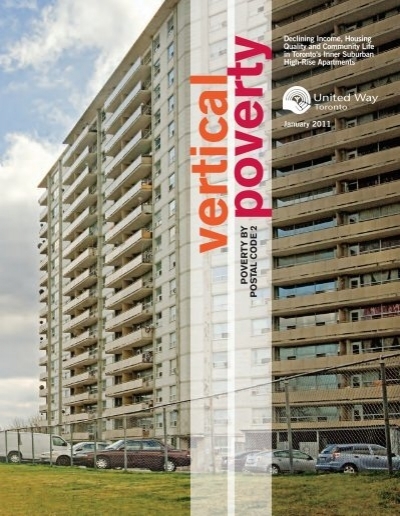
Poverty and homelessness exist in every major city, but this story just broke my heart. We have so many social programs in place in Toronto, and yet young children still go hungry and their futures appear grim. Of course, Scarborough is not the only section of Toronto plagued by gang wars and poverty, but David Chariandy set his story in that part of the city, where he grew up. This was a powerful fictionalization of his own difficult youth. (He is now teaching at a university in B.C.) The author obviously managed to overcome his difficult start in life, but Michael and Francis, the main characters in this novel, are victimized or remain trapped in their economic and physical hell.
I still maintain that Canada is one of the best countries to live in, but it is always good to be reminded that we still, as a City, have so much work to do.
Poverty and homelessness exist in every major city, but this story just broke my heart. We have so many social programs in place in Toronto, and yet young children still go hungry and their futures appear grim. Of course, Scarborough is not the only section of Toronto plagued by gang wars and poverty, but David Chariandy set his story in that part of the city, where he grew up. This was a powerful fictionalization of his own difficult youth. (He is now teaching at a university in B.C.) The author obviously managed to overcome his difficult start in life, but Michael and Francis, the main characters in this novel, are victimized or remain trapped in their economic and physical hell.
I still maintain that Canada is one of the best countries to live in, but it is always good to be reminded that we still, as a City, have so much work to do.

November 18, 2019
Kitabın kapağında şöyle yazıyor: Guardian, Kirkus, Esquire, New York Public Library 2018'in en iyi kitapları seçkisi. "Kardeş" bu tanımlamayı hak eden cinsten.
Toronto'da Park adı verilen bir çevrede Trinidad'dan göçmüş anneleriyle yaşayan iki çocuğun sıcak macerası olarak başlasa da roman,başlar başlamaz bittiğinde bir yerlerinize darbe alacağınızı hissettiriyor. İki oğlan çocuğuna annelik edebilmek, yetebilmek için yorucu işlerde çalışan ve hırçın bir yapıya bürünmüş bir kadının işlevsiz hale dönüşünü, dönüm noktasını, silahların patladığı ve kimsenin hayatının eskisi gibi olmadığı o günü ileri geri sıçramalarla yüreğiniz sıkışarak okuyorsunuz.
Geçmişten gelen hayaletler, misafirler, hiç unutulmayacak anıları canlandırıyor.
"Kardeş olmak" hissi her yerde aynı diye geçirdim çoğu yerde içimden romanı okurken. Trinidad, Toronto, Türkiye, İzmir çok da fark etmiyor sanırım, çocukluğun o büyülü dünyasına her yer ev sahipliği edebiliyor. Her yerde yanınızda kardeşiniz varsa bir oyun bulup eğlenebiliyor, orayı büyülü bir yere çevirebiliyorsunuz ve ne yazık ki o benzersiz his çoğu kez yalnızca çocukluğunuzda kalıyor.
Çevirmeni Begüm Kovulmaz müthiş bir iş çıkarmış. Benim son yıllarda çevirdiği tüm kitapları beğenerek okuduğum birkaç çevirmenden biri zaten. Kanada edebiyatından böyle bir kitabı bizlerle buluşturduğu için çok teşekkürler.
Dilerim çok daha fazla okura ulaşır Kardeş.
Keyifli okumalar.
Toronto'da Park adı verilen bir çevrede Trinidad'dan göçmüş anneleriyle yaşayan iki çocuğun sıcak macerası olarak başlasa da roman,başlar başlamaz bittiğinde bir yerlerinize darbe alacağınızı hissettiriyor. İki oğlan çocuğuna annelik edebilmek, yetebilmek için yorucu işlerde çalışan ve hırçın bir yapıya bürünmüş bir kadının işlevsiz hale dönüşünü, dönüm noktasını, silahların patladığı ve kimsenin hayatının eskisi gibi olmadığı o günü ileri geri sıçramalarla yüreğiniz sıkışarak okuyorsunuz.
Geçmişten gelen hayaletler, misafirler, hiç unutulmayacak anıları canlandırıyor.
"Kardeş olmak" hissi her yerde aynı diye geçirdim çoğu yerde içimden romanı okurken. Trinidad, Toronto, Türkiye, İzmir çok da fark etmiyor sanırım, çocukluğun o büyülü dünyasına her yer ev sahipliği edebiliyor. Her yerde yanınızda kardeşiniz varsa bir oyun bulup eğlenebiliyor, orayı büyülü bir yere çevirebiliyorsunuz ve ne yazık ki o benzersiz his çoğu kez yalnızca çocukluğunuzda kalıyor.
Çevirmeni Begüm Kovulmaz müthiş bir iş çıkarmış. Benim son yıllarda çevirdiği tüm kitapları beğenerek okuduğum birkaç çevirmenden biri zaten. Kanada edebiyatından böyle bir kitabı bizlerle buluşturduğu için çok teşekkürler.
Dilerim çok daha fazla okura ulaşır Kardeş.
Keyifli okumalar.

October 17, 2022
4.5 stars.
A quiet, moving book about the bond between brothers, grief and found family.
The story takes place in The Park, an area in Scarborough, not far from Toronto. The neighbourhood Michael and Francis live in is an integral part of the story. Most of the people living there are immigrants, working numerous jobs to make ends meet, hoping for a better life for their children. The time period is the early 1980’s to early 1990’s.
Ruth, the boys’ mother, dreams of her sons having a better life.
Michael is our narrator and through him we learn of the neighbourhood, their mother and most importantly, Francis. Francis, the oldest son, who taught himself to be tough and show no fear, but who inside cared so deeply for his mother and brother.
“Had I recognized it only then? We were losers and neighbourhood schemers. We were the children of the help, without futures. We were, none of us, what our parents wanted us to be. We were not what any other adults wanted us to be. We were nobodies, or else, somehow, a city.”
At times this story felt like a sucker punch to my stomach with its rawness and emotional impact.
Written with grace and understanding, this is a book I definitely recommend.
Published: 2017
A quiet, moving book about the bond between brothers, grief and found family.
The story takes place in The Park, an area in Scarborough, not far from Toronto. The neighbourhood Michael and Francis live in is an integral part of the story. Most of the people living there are immigrants, working numerous jobs to make ends meet, hoping for a better life for their children. The time period is the early 1980’s to early 1990’s.
Ruth, the boys’ mother, dreams of her sons having a better life.
Michael is our narrator and through him we learn of the neighbourhood, their mother and most importantly, Francis. Francis, the oldest son, who taught himself to be tough and show no fear, but who inside cared so deeply for his mother and brother.
“Had I recognized it only then? We were losers and neighbourhood schemers. We were the children of the help, without futures. We were, none of us, what our parents wanted us to be. We were not what any other adults wanted us to be. We were nobodies, or else, somehow, a city.”
At times this story felt like a sucker punch to my stomach with its rawness and emotional impact.
Written with grace and understanding, this is a book I definitely recommend.
Published: 2017

March 2, 2019
4.5 stars. The reviews of some Goodreads friends had previously put BROTHER on my "radar". Canada Reads 2019 bumped this book to the top of my "to be read" list. I want to read the five finalists before the debates begin. I have one more left to read and it is on hold at the local public library.
Praise for BROTHER
"Mesmerizing. Poetic. Achingly soulful. BROTHER is a pitch-perfect song of masculinity and tenderness, and of the ties of family and community."
- Lawrence Hill, author of THE BOOK OF NEGROES and THE ILLEGAL
"I love this novel. Riveting, composed, charged with feeling, BROTHER surrounds us with music and aspiration, fidelity and beauty."
- Madeleine Thien, author of DO NOT SAY WE HAVE NOTHING
"BROTHER diffracts the spare light toward feeling again, after tragedy. Chariandy deftly assembles that which has come apart in the life of a Black family; their privacies assaulted, their desires unmet. Such a timbrous novel. Such tender work."
- Dionne Brand
"A brilliant, powerful elegy from a living brother to a lost one, yet pulsing with rhythm, and beating with life."
- Marlon James, author of A BRIEF HISTORY OF SEVEN KILLINGS
David Chariandy grew up in Toronto, Canada and lives and teaches in Vancouver. His debut novel. SOUCOUYANT, received stunning reviews and recognition from eleven literary award juries, including a Governor General's Literary Award shortlisting, a Gold Independent Publisher Award for Best Novel, and a Scotiabank Giller Prize longlisting. BROTHER is his second novel and is one of five books chosen by CANADA READS for the debates in March 2019.
Coming of age in The Park, a cluster of townhouses and leaning concrete towers in the disparaged outskirts of a sprawling city, Michael and Francis, sons of Trinidadian immigrants, battle against the careless prejudices and low expectations that confront them as young men of black and brown ancestry.
Propelled by the pulsing beats and styles of hip hop, Francis, the older of the two brothers, dreams of a future in music. Michael's dreams are of Aisha, the smartest girl in their high school, whose own eyes are firmly set on a life elsewhere. But the bright hopes of all three are violently, irrevocably thwarted by a tragic shooting, and the police crackdown and suffocating suspicion that follow.
With devastating emotional force and searing precision, David Chariandy, a unique and exciting voice in Canadian literature, crafts a heartbreaking and timely story about the profound love that exists between brothers and the senseless loss of lives cut short with the shot of a gun.
4.5 stars
Praise for BROTHER
"Mesmerizing. Poetic. Achingly soulful. BROTHER is a pitch-perfect song of masculinity and tenderness, and of the ties of family and community."
- Lawrence Hill, author of THE BOOK OF NEGROES and THE ILLEGAL
"I love this novel. Riveting, composed, charged with feeling, BROTHER surrounds us with music and aspiration, fidelity and beauty."
- Madeleine Thien, author of DO NOT SAY WE HAVE NOTHING
"BROTHER diffracts the spare light toward feeling again, after tragedy. Chariandy deftly assembles that which has come apart in the life of a Black family; their privacies assaulted, their desires unmet. Such a timbrous novel. Such tender work."
- Dionne Brand
"A brilliant, powerful elegy from a living brother to a lost one, yet pulsing with rhythm, and beating with life."
- Marlon James, author of A BRIEF HISTORY OF SEVEN KILLINGS
David Chariandy grew up in Toronto, Canada and lives and teaches in Vancouver. His debut novel. SOUCOUYANT, received stunning reviews and recognition from eleven literary award juries, including a Governor General's Literary Award shortlisting, a Gold Independent Publisher Award for Best Novel, and a Scotiabank Giller Prize longlisting. BROTHER is his second novel and is one of five books chosen by CANADA READS for the debates in March 2019.
Coming of age in The Park, a cluster of townhouses and leaning concrete towers in the disparaged outskirts of a sprawling city, Michael and Francis, sons of Trinidadian immigrants, battle against the careless prejudices and low expectations that confront them as young men of black and brown ancestry.
Propelled by the pulsing beats and styles of hip hop, Francis, the older of the two brothers, dreams of a future in music. Michael's dreams are of Aisha, the smartest girl in their high school, whose own eyes are firmly set on a life elsewhere. But the bright hopes of all three are violently, irrevocably thwarted by a tragic shooting, and the police crackdown and suffocating suspicion that follow.
With devastating emotional force and searing precision, David Chariandy, a unique and exciting voice in Canadian literature, crafts a heartbreaking and timely story about the profound love that exists between brothers and the senseless loss of lives cut short with the shot of a gun.
4.5 stars

April 15, 2022
Pardon my old lady brain if you’ve heard this before, but I have absolutely zero clue how Brother came to be on my TBR and I really wish I did in case it was from sort of “must read” list that I would absolutely go pick from again and again. You see, at the beginning of the dilemma when we all had nothing but time on our hands and couldn’t leave our houses I did what I do best and perused the corners of the interwebs for reading recommendations. It is there that I wound up with an embarrassing large “recommend to library” page on both of my local branches that were never purchased in Kindle format despite my begging. Recently all lockdowns have ended and patrons are once again free to roam the aisles of paper versions lining the shelves which equaled me checking out 13 hard copies at once, because . . . well, because I need all the things and I need them now.
Anyway, so there’s the long and boring story of this book I have no recollection of ever even hearing about being one that I actually chose to read despite having a bounty of other library checkouts and a plethora of unread reader copies. But you know what? No regrets.
I’ve often said the short story or novella doesn’t always work for me, but what I have found I truly loooooooove is an under 200 pager that provides depth of story like a tome. Brother is the story of Michael and the one who got away who returns to the housing project where they grew up together in order to morn her recently deceased father. It is also the story of Michael and his brother Francis who is absent from the tale (physically, at least) as an adult, but was Michael’s best friend and role model until their different lifestyles during adolescence drove them apart. And it’s the tale of Michael and his mother, who worked tirelessly to make sure the boys could have a better life than she did and who now is just tired. It’s also the story of Michael and Aisha (the one who got away) and Jelly (Francis’s best friend) who have both been torn apart and brought back together by tragedy.
This book is what I would classify as a “quiet sleeper” – you don’t know the impact it’s having on you until you’re finished. Chariandy is a remarkable talent.
Anyway, so there’s the long and boring story of this book I have no recollection of ever even hearing about being one that I actually chose to read despite having a bounty of other library checkouts and a plethora of unread reader copies. But you know what? No regrets.
I’ve often said the short story or novella doesn’t always work for me, but what I have found I truly loooooooove is an under 200 pager that provides depth of story like a tome. Brother is the story of Michael and the one who got away who returns to the housing project where they grew up together in order to morn her recently deceased father. It is also the story of Michael and his brother Francis who is absent from the tale (physically, at least) as an adult, but was Michael’s best friend and role model until their different lifestyles during adolescence drove them apart. And it’s the tale of Michael and his mother, who worked tirelessly to make sure the boys could have a better life than she did and who now is just tired. It’s also the story of Michael and Aisha (the one who got away) and Jelly (Francis’s best friend) who have both been torn apart and brought back together by tragedy.
This book is what I would classify as a “quiet sleeper” – you don’t know the impact it’s having on you until you’re finished. Chariandy is a remarkable talent.

November 12, 2017
3.5ish/4 stars.
I thought that this was quite good. I loved how it focused on not only a family, but a community too. The area where this is set is inhabited by a lot of immigrants from different places and their children. They come from all parts of the world but they all make up one community now. What I loved was that sense of lots of different cultures being integrated into the community. I'm from a rural Irish town so everyone I know here is Irish and there aren't other cultures celebrated around here. I think that's why I loved that aspect so much. A bit I found really beautiful was quite a simple thing; when the family are grieving, dishes are left at their front door for them and Michael mentions how some of the dishes are unfamiliar to him. I just thought that that really reiterated how there were all these different cultures at work in this one community. I also loved that sense of community Chariandy created. It highlighted that it doesn't matter where you're from or what race you are, we are all human, we are all the same and we all deserve to be treated accordingly.
I liked the family dynamic that was at play. I thought that it was so authentic, the family and each individual character seemed so real to me. I also really liked the writing and the tone of the book. It was very refreshing and it was felt quite unique. The only problems I had was that it didn't completely reel me in and I just don't think it's will end up being very memorable for me.
I would recommend this & I would read more by David Chariandy.
* I received a copy from NetGalley in exchange for an honest review.
I thought that this was quite good. I loved how it focused on not only a family, but a community too. The area where this is set is inhabited by a lot of immigrants from different places and their children. They come from all parts of the world but they all make up one community now. What I loved was that sense of lots of different cultures being integrated into the community. I'm from a rural Irish town so everyone I know here is Irish and there aren't other cultures celebrated around here. I think that's why I loved that aspect so much. A bit I found really beautiful was quite a simple thing; when the family are grieving, dishes are left at their front door for them and Michael mentions how some of the dishes are unfamiliar to him. I just thought that that really reiterated how there were all these different cultures at work in this one community. I also loved that sense of community Chariandy created. It highlighted that it doesn't matter where you're from or what race you are, we are all human, we are all the same and we all deserve to be treated accordingly.
I liked the family dynamic that was at play. I thought that it was so authentic, the family and each individual character seemed so real to me. I also really liked the writing and the tone of the book. It was very refreshing and it was felt quite unique. The only problems I had was that it didn't completely reel me in and I just don't think it's will end up being very memorable for me.
I would recommend this & I would read more by David Chariandy.
* I received a copy from NetGalley in exchange for an honest review.

July 22, 2018
This novella deals with a young black man living in a Toronto community and trying to move past the death of his elder brother. It’s told in first personal narrative and often in the form of flashbacks to when they were growing up. His mother has never quite recovered from the death of her son. Both are dealing with their own individual grief.
The book is very timely, especially when it delves into the plight of black teenagers, stopped and questioned, just for being. Someone’s always calling and complaining to the cops. I found it interesting to see this is not just an American issue.
It’s a very depressing book. Francis was everything to Michael and when he was lost, so was Michael and so was his mother.
I struggled with the writing style. The back and forth between present and past was disjointed. The writing itself is well done. Hard, bitter and dark. “ We were losers and neighborhood schemers. We were the children of the help, without futures. We were, none of us,what our parents wanted us to be. We were not what any other adults wanted us to be. We were nobodies or else, somehow, a city.”
The book makes some important points. This book grew on me. I appreciated it more after I was done than while I was reading it. It was so dark, it was hard to read.
My thanks to netgalley and Bloomsbury USA for an advance copy of this book.

September 25, 2017
There is always a story connected to Mother and me, a story made all the more frightening through each inventive retelling among neighbours. It is a story, effectively vague, of a young man deeply “troubled”, and of a younger brother carrying “history”, and of a mother showing now the creep of “madness”.
Here's my awful confession: Whenever I hear that there's been some gang-related shooting in Scarborough, it doesn't feel like a full-blown tragedy to me; you run with gangs, you run those risks (naturally, I do empathise with the families who lose their sons; with the neighbourhoods terrorised by drive-by shootings; the unintended victims). And note: Just because the Scarborough gangs tend to be made up of young men of colour, my reaction isn't race-related; I am also emotionally unaffected by white bikers or mafiosi gunning each other down, blowing each other up; this is a them thing that feels unrelated to me. So what author David Chariandy does in Brother feels important and overdue – by giving voice to these young men of colour and exposing the reality of what a newspaper might label their “gang”, I was given that one person to identify with that removes the barrier between “them” and “me”; I felt and personalised the tragedy. This is what good books do.
“I still think of Francis,” she says.
Brother opens ten years after an unnamed event in which the main character, Michael's, older brother Francis has apparently died. Raised by a single mother – a Trinidadian emigrant who is now confounded by “complicated grief” – Michael still lives in that same apartment in the same run-down housing complex in Scarborough, now taking care of the mother who did her best to care for her two sons. Although Michael has tried to shield his mother from the sadness of being reminded of Francis over the years, when people from their past begin showing up in the present, it's unclear which one of them is too fragile to confront the memories. In each chapter, the narrative shifts between the present, the childhood of the brothers, and the events that led directly to Francis' death in 1991; each stream adding vital information to the whole picture.
Had I recognized it only then? We were losers and neighbourhood schemers. We were the children of the help, without futures. We were, none of us, what our parents wanted us to be. We were not what any other adults wanted us to be. We were nobodies, or else, somehow, a city.
For a rather short book, Chariandy includes just enough scenes in each time stream to show who these brothers are: Their mother locking them in the apartment as young children so she could go to cleaning jobs, hoping for double shifts and overtime just to fill the fridge; the boys sneaking out to explore the Rouge Valley (a garbage-strewn rift of green that runs through the neighbourhood); their mother stressing education (despite teachers recommending that the bright brothers be lowered from the academic level to the basic; apparently this happened to Chariandy – now a PhD and professor at Simon Fraser – at a school in the same neighbourhood). These are good boys, even if shopkeepers watch them warily; even if they must stand by raging impotently as strangers hurl racial slurs at their mother; even if the nightly news has conditioned them to be scared of “black criminals”. When, in the stream leading up to Francis' death, they witness the murder of Anton – a neighbourhood acquaintance and the kind of low-level criminal that I generally find it hard to empathise with – the brothers are cuffed and roughed up by the police in a “round up everyone and sort it out later” operation. Francis is angered by this emasculation and starts spending more time with his “gang”: a group of boys who are experimenting with vinyl and turntables, exploring the musical possibilities at the dawn of hip hop. These are good boys, but in the atmosphere following Anton's death, compounded by further injustice, Francis starts to push back.
Brother explores many issues – masculinity, race relations, police brutality, poverty – and lays bare the challenging immigrant experience. I loved the spicy meals that the boys' mother would fry up, empathised with her need to work constantly as menial help to provide her sons with the bare necessities, and respected the dignity that she brought to her life; wearing thin and never complaining. The family makes one trip back to Trinidad when the brothers are young, and they know better than to speak up when their aunt says that she is jealous of the “perfect life” her older sister had found in Canada:
Mother stayed quiet. She did not say that our father had left us years before. She did not admit that she had not had the time or money to complete her studies to become a nurse. She did not hint at the debt or struggles or the aches she often felt. As we headed to the airport, she just nodded and looked out the window at the coconut trees towering black against the evening sky, and the old untended fields of cane stretching out like a sea.
And after the racism – subtle and overt – that she experiences in Canada, the abandonment, lack of real opportunity and social mobility, and most tragically, the loss of her eldest son, I have to wonder if this stoic character thinks the move away from her large, loving family and community had been worth it. There's just so much to think about with this book.
Again, this is a short book, and if I had a complaint it would be that it could be longer – and especially in the present stream, which never felt completely developed – but Chariandy does include enough narrative to give a voice and presence to these youth of Scarborough; he makes them people and that challenges me in a good way. This is what good books do and I hope that Brother's appearance on the Giller Prize longlist gets it the readership that it deserves.

February 11, 2018
Brother is an emotional read, not least because, from the outset, the reader has a sense of inevitability that promising lives will be unfulfilled or end tragically. Danger seems always close at hand in the area where the family live. ‘Always, there were stories on TV and in the papers of gangs, killings in bad neighbourhoods, predators roaming close.’ The relationship between the two brothers is beautifully rendered, with Francis acting as protector and guide to his younger brother. There is also a strong sense of the bonds of loyalty to your family, your friends - your 'group', as it were. Ultimately the latter will lead to tragedy.
The book evokes a believable picture of the immigrant experience in Canada (and I suspect many other places). It’s a world of poor housing and low level, insecure jobs where multiple jobs may be needed to make ends meet. However, there is comfort to be found in cultural reminders (food, music, etc.) and in community support in times of crisis. ‘To this very day, trays of food will sometimes appear at our front door. A pilau with okra, a stew chicken unmistakably Caribbean.’
Like many others, Michael’s and Francis’s mother dreams of a better future for her children, fighting prejudice, social inequality and low expectations. ‘All around us in the Park were mothers who had journeyed far beyond what they knew, who took day courses and worked nights, who dreamed of raising children who might just have a little more than they did, children who might reward sacrifice and redeem a past....Fears were banished by the scents from simmering pots, denigration countered by a freshly laundered tablecloth. History beaten back by the provision of clothes and yearly school supplies. “Examples” were raised.’
Brother – sadly - tells a story that is probably being played out in many of our communities right now. It’s a relatively short book but one that packs an emotional punch.
I received an advance reader copy courtesy of NetGalley and publishers, Bloomsbury, in return for an honest and unbiased review.
The book evokes a believable picture of the immigrant experience in Canada (and I suspect many other places). It’s a world of poor housing and low level, insecure jobs where multiple jobs may be needed to make ends meet. However, there is comfort to be found in cultural reminders (food, music, etc.) and in community support in times of crisis. ‘To this very day, trays of food will sometimes appear at our front door. A pilau with okra, a stew chicken unmistakably Caribbean.’
Like many others, Michael’s and Francis’s mother dreams of a better future for her children, fighting prejudice, social inequality and low expectations. ‘All around us in the Park were mothers who had journeyed far beyond what they knew, who took day courses and worked nights, who dreamed of raising children who might just have a little more than they did, children who might reward sacrifice and redeem a past....Fears were banished by the scents from simmering pots, denigration countered by a freshly laundered tablecloth. History beaten back by the provision of clothes and yearly school supplies. “Examples” were raised.’
Brother – sadly - tells a story that is probably being played out in many of our communities right now. It’s a relatively short book but one that packs an emotional punch.
I received an advance reader copy courtesy of NetGalley and publishers, Bloomsbury, in return for an honest and unbiased review.

February 21, 2019
OK, book three of Canada Reads 2019 down. After reading Brother, I’m becoming skeptical of the tagline for this year’s competition – “one book to move you”. It should probably be, “Canada Reads: Embrace Depression.”
David Chariandy’s novel Brother is an absolutely tremendous, albeit heartbreaking read. Alternating between the past and the present, Chariandy’s book tells the story of two brothers and their single mother living in The Park – a Scarborough housing community outside Toronto.
I wouldn’t be so bold as to say that I know the depths of the challenges the two brothers faced on their journey, but there were a few similarities that had me identifying with their situation. Like Michael and Francis, my brother and I grew up in community housing with a single parent. I’m probably about the same age as the narrator, or at least I believe I am, and we didn’t have a lot of money to go around. Fortunately for my brother and I – and unfortunately for the duo in the novel – that’s about where it ends with regards to commonality.
Chariandy’s writing here is beyond impressive. Despite the tragic nature and overall tone of the novel, it was one of the most enjoyable reads I’ve had in quite some time. There was such an effortless flow to his prose that it put me right inside that housing complex with the two brothers and their group of friends, way back in the sweltering summer of 1991. This is a story that could easily lend itself to another one to two hundred pages, but Chariandy keeps it lean and mean while making sure to pack a punishing emotional punch.
Brother is another example of the greatness of Canada Reads. Like Suzanne, this novel would not have been anywhere near my radar. I’m happy to have read it and will no doubt be recommending it going forward.
David Chariandy’s novel Brother is an absolutely tremendous, albeit heartbreaking read. Alternating between the past and the present, Chariandy’s book tells the story of two brothers and their single mother living in The Park – a Scarborough housing community outside Toronto.
I wouldn’t be so bold as to say that I know the depths of the challenges the two brothers faced on their journey, but there were a few similarities that had me identifying with their situation. Like Michael and Francis, my brother and I grew up in community housing with a single parent. I’m probably about the same age as the narrator, or at least I believe I am, and we didn’t have a lot of money to go around. Fortunately for my brother and I – and unfortunately for the duo in the novel – that’s about where it ends with regards to commonality.
Chariandy’s writing here is beyond impressive. Despite the tragic nature and overall tone of the novel, it was one of the most enjoyable reads I’ve had in quite some time. There was such an effortless flow to his prose that it put me right inside that housing complex with the two brothers and their group of friends, way back in the sweltering summer of 1991. This is a story that could easily lend itself to another one to two hundred pages, but Chariandy keeps it lean and mean while making sure to pack a punishing emotional punch.
Brother is another example of the greatness of Canada Reads. Like Suzanne, this novel would not have been anywhere near my radar. I’m happy to have read it and will no doubt be recommending it going forward.

November 7, 2018
A sad novel that is beautifully written. An elegy for a brother lost, and a tribute to those who migrate from far away to lands that supposedly house better opportunities and greener pastures.
Posturing is the theme that will always come to mind when thinking of Brother. Is Masculinity itself one big posture? Is it necessary? Are men the only ones posturing or are we all doing it?
Plenty of questions to answer and more thoughts to come.
Posturing is the theme that will always come to mind when thinking of Brother. Is Masculinity itself one big posture? Is it necessary? Are men the only ones posturing or are we all doing it?
Plenty of questions to answer and more thoughts to come.

April 30, 2018
Canadian author David Chariandy’s second novel was longlisted for the Giller Prize and won the Rogers Writers’ Trust Fiction Prize. Narrator Michael and his older brother Francis grew up in the early 1980s in The Park, a slightly dodgy community outside Toronto. Their single mother, Ruth, is a Trinidadian immigrant who worked long shifts as a cleaner to support the family after their father left early on. From the first pages we know that Francis is an absence, but don’t find out why until nearly the end of the book. The short novel is split between the present, as Michael and Ruth try to proceed with normal life, and vignettes from the past, culminating in the incident that took Francis from them 10 years ago.
The title is literal, of course, but also street slang for friends or comrades. Michael looked up to street-smart Francis, who fell in with a gang of “losers and neighbourhood schemers” and got expelled from school at age 18. Francis tried to teach his little brother how to carry himself: “You’ve got to be cooler about things, and not put everything out on your face all the time.” Yet the more we hear about Francis staying with friends at a barber shop and getting involved with preparations for a local rap DJ competition, the more his ideal of aloof masculinity starts to sound ironic, if not downright false.
I came into the book with pretty much no idea of what it was about. It didn’t fit my narrow expectations of Canadian fiction (sweeping prairie stories or hip city ones); instead, it reminded me of The Corner by David Simon, We, the Animals by Justin Torres, and Another Day in the Death of America by Gary Younge. It undoubtedly gives a powerful picture of immigrant poverty and complicated grief. Yet the measured prose somehow left me cold.
Originally published on my blog, Bookish Beck.
The title is literal, of course, but also street slang for friends or comrades. Michael looked up to street-smart Francis, who fell in with a gang of “losers and neighbourhood schemers” and got expelled from school at age 18. Francis tried to teach his little brother how to carry himself: “You’ve got to be cooler about things, and not put everything out on your face all the time.” Yet the more we hear about Francis staying with friends at a barber shop and getting involved with preparations for a local rap DJ competition, the more his ideal of aloof masculinity starts to sound ironic, if not downright false.
I came into the book with pretty much no idea of what it was about. It didn’t fit my narrow expectations of Canadian fiction (sweeping prairie stories or hip city ones); instead, it reminded me of The Corner by David Simon, We, the Animals by Justin Torres, and Another Day in the Death of America by Gary Younge. It undoubtedly gives a powerful picture of immigrant poverty and complicated grief. Yet the measured prose somehow left me cold.
Originally published on my blog, Bookish Beck.

August 11, 2019
The blurbs for this book use words such as “pulsing” and “riveting” and “charged,” but I found this to be a very quiet, atmospheric character study of a place and people: the neighborhood of a black, brown, and mixed-race group of young people outside of Toronto in a story about two brothers’ struggles because of racism and therefore their station in life. I liked the book and was interested in the people, but I was not riveted. There is one particularly important time jump at the end of the book that is so awkward that it affected my emotional reaction; I was upset by the scene, but I was more affected by my editor’s head screaming, “This could be done so much better. This doesn’t work and is stuck in here in a manipulative way.” And this was followed by an even more enigmatic time jump that left me completely confused about when in time I was, such that, with just a few pages left, which managed to contain even more awkward time jumps, I read gnashing my editor’s teeth rather than being emotionally blown away, as I’m sure was intended.
The book is a fairly standard lyrical, contemplative literary illumination of a population I knew nothing about. So I appreciate knowing. But I really wonder at cover copy that is so different from the book I read. I know that most often writers who blurb books do not actually read them. They may receive a few chapters and suggestions of things to say. If that is the case here, whatever was conveyed to them was ill-advised because the reader’s opinion (mine) will quickly be affected by resentment at false advertising. However the book has received numerous awards, so there is also the possibility that it’s just not my cup of tea.
The book is a fairly standard lyrical, contemplative literary illumination of a population I knew nothing about. So I appreciate knowing. But I really wonder at cover copy that is so different from the book I read. I know that most often writers who blurb books do not actually read them. They may receive a few chapters and suggestions of things to say. If that is the case here, whatever was conveyed to them was ill-advised because the reader’s opinion (mine) will quickly be affected by resentment at false advertising. However the book has received numerous awards, so there is also the possibility that it’s just not my cup of tea.

August 13, 2018
A beautifully sustained elegy of a lost brother, written with quiet lyricism and deeply resonant emotional power.

November 19, 2017
Heartbreakingly beautiful.
This book is incredible. An extremely emotional, powerful, evocative and heart-rending piece of prose. Yes, I'm an emotional mess now. But really, guys, what a great book, and what a talented author. It was worth every single tear. Hats off.
I should write more, I know, and maybe I'll do it later, when I gather my thoughts.
**Copy provided by the Publisher via NetGalley in exchange for an honest review**
This book is incredible. An extremely emotional, powerful, evocative and heart-rending piece of prose. Yes, I'm an emotional mess now. But really, guys, what a great book, and what a talented author. It was worth every single tear. Hats off.
I should write more, I know, and maybe I'll do it later, when I gather my thoughts.
**Copy provided by the Publisher via NetGalley in exchange for an honest review**

September 21, 2018
3.5 stars. Some lovely writing about grief-stricken Michael and his Mother years after the loss of Francis, the Brother of the title.
We get a sense of the summer heat, the low expectations directed at the brothers by their school and shopkeepers, the exhaustion and frustrated hopes of Mother and other parents of colour in the Park for their children as Michael remembers the shooting of a neighbourhood boy one summer evening years before the story opens in the present. This incident spurs Francis to leave home. Michael, meanwhile begins a relationship with local girl Aisha, who's intent on a future far from the Park. Years later, we see Michael and Mother, practically frozen in their grief, stuck, in the present.
I liked Chariandy's prose, especially his portrayal of Mother, while I found Michael to be a passive and opaque character. And Francis' fate, when it was finally revealed, felt almost anti-climactic. I would have liked more time with Mother, and what was going on with her (even though the story was from Michael's point of view.) There were some lovely passages, and while I liked this book, I wasn't wowed by it.
We get a sense of the summer heat, the low expectations directed at the brothers by their school and shopkeepers, the exhaustion and frustrated hopes of Mother and other parents of colour in the Park for their children as Michael remembers the shooting of a neighbourhood boy one summer evening years before the story opens in the present. This incident spurs Francis to leave home. Michael, meanwhile begins a relationship with local girl Aisha, who's intent on a future far from the Park. Years later, we see Michael and Mother, practically frozen in their grief, stuck, in the present.
I liked Chariandy's prose, especially his portrayal of Mother, while I found Michael to be a passive and opaque character. And Francis' fate, when it was finally revealed, felt almost anti-climactic. I would have liked more time with Mother, and what was going on with her (even though the story was from Michael's point of view.) There were some lovely passages, and while I liked this book, I wasn't wowed by it.

June 22, 2017
A short novel without a wasted word that packs a powerful punch, exploring issues of immigration, poverty, masculinity. family and racism, set in a Scarborough housing complex. A novel set in the same location, exploring the same themes, that I read earlier this year read like it was written by someone that took a creative writing class (albeit, still a worthy debut). In comparison, Chariandy writes like someone that could be teaching master classes. A great addition to Canadian urban grit-lit.

June 8, 2018
3,75
'Raj blinked, looked at Jelly and Dru, looked around at the others all up on their feet now. Trance, Kev, Raj, Dru. Gene. Had I recognized it only then? We were losers and neighbourhood schemers. We were the children of the help, without futures. We were, none of us, what our parents wanted us to be. We were not what any other adults wanted us to be. We were nobodies, or else, somehow, a city.'
'Raj blinked, looked at Jelly and Dru, looked around at the others all up on their feet now. Trance, Kev, Raj, Dru. Gene. Had I recognized it only then? We were losers and neighbourhood schemers. We were the children of the help, without futures. We were, none of us, what our parents wanted us to be. We were not what any other adults wanted us to be. We were nobodies, or else, somehow, a city.'

May 12, 2018
It's difficult to capture the slow-burning sense of alienation that someone can feel within family life, but in “Brother” David Chariandy powerfully depicts the story of a working class mother and her two sons in a way that gives a fully rounded sense of this. Michael lives with his grieving and fragile mother in a tower block in Scarborough, a district of Toronto with a high immigrant population. He still sleeps in the bunk bed of his childhood, but now the top bunk is empty and gradually we discover what happened to his absent brother Francis over the course of the novel. Michael struggles to get enough shift work at his low-paid job and spends the bulk of his time caring for his mentally-precarious mother. They are both haunted by a sense of loss and penned in by their circumstances. What's so beautiful about Chariandy's narrative is how he subtly captures the sense of a family who essentially loves and cares for each other, but whose status as West Indian immigrants has made them into perpetual outsiders and these internalized feelings make them unknown even to each other.
Read my full review of Brother by David Chariandy on LonesomeReader
Read my full review of Brother by David Chariandy on LonesomeReader

January 23, 2019
This is the story of a life, lives, that differ immensely from my own. And while, of course, I'll never know what that life is like to live, I believe that this book is as good as any I've ready to help me taste it just a little bit.
The book has left me a bit speechless. Such talent in writing, and such a story. I can't stop thinking about it, and I doubt I will anytime soon. This is a book that completely engulfed me, ate me whole. I loved it.
The book has left me a bit speechless. Such talent in writing, and such a story. I can't stop thinking about it, and I doubt I will anytime soon. This is a book that completely engulfed me, ate me whole. I loved it.

August 12, 2018
4.5* rounded up.
A story of a lost brother and the subsequent 'complicated grief' within a poor immigrant community.
This was a short but tragic and powerful novel which I could not put down - such beautiful writing.
A story of a lost brother and the subsequent 'complicated grief' within a poor immigrant community.
This was a short but tragic and powerful novel which I could not put down - such beautiful writing.

April 9, 2018
The failure of the dream...
A young man goes to meet an old friend who is returning to visit the neighbourhood where she grew up and he still lives. Aisha's visit prompts Michael to think back to his childhood and teen years in the 1980s, when he and his older brother Francis were being brought up by their mother, an immigrant to Canada from Trinidad whose husband had deserted her when the boys were young. She is strict with the boys, with the usual immigrant dream that they will make successful lives in this society that is new to her. But she has to struggle hard to make ends meet, working several jobs, often having to leave the boys alone and usually exhausted when she finally gets home. So the boys, good at heart, have too many opportunities to drift into the 'wrong' crowd. When they are caught up in an incident of street violence, it begins a chain of events that will ultimately lead to tragedy.
This is a short book with no unnecessary padding, and its brevity makes it all the more powerful. It's a story of how the immigrant dream can go wrong, but it's not overtly hammering polemics at the reader nor too heavily making a 'point'. I found it eye-opening, though, because I'd never really thought of Canada as having the kind of immigrant neighbourhoods described so vividly in the book.
Chariandy brings the neighbourhood of Scarborough to life, showing it as a place where a constant influx of immigrants from different countries around the world first settle when they arrive in Canada, seeing their life there as a stage on the road to either them or their children one day making it in their new world and moving on to more desirable areas. The city of which the neighbourhood is a suburb is, I think, Toronto, but really it could be any big city, in almost any Western country. There is poverty here, both financial and of expectations, and there's the violence and insecurity that usually goes with that; and the exploitation of these incomers as a ready supply of cheap and disposable labour by unscrupulous employers. But Chariandy also shows the kindness that can exist among people when they all face the same problems and share the same dreams.
I found the portrait of the neighbourhood utterly believable, drawn without the exaggerated over-dramatisation that often infests books about the failure of the immigrant dream, making them feel like an unnuanced and often unfair condemnation of the host nation. Although this book centres on a tragedy, Chariandy also allows the reader to see hope – to believe that for some, the dream is indeed possible to attain; and this has a double effect – it stops the book from presenting a picture of unrelenting despair, and it makes the events even more tragic because they don't feel as if they were inevitable.
There's also a short section of the boys and their mother visiting Trinidad – her home, but a new country to them, full of relatives they've never met and a lifestyle that is as foreign to them as Canada is to their mother. Again beautifully done, Chariandy shows the freshness of the immigrant dream through the eyes of the Trinidadian relatives, who assume that the mother's life in Canada is one of comfort and ease in comparison to their own, while the reader has seen the reality of constant days of struggle, hard, poorly-paid work and exhaustion.
An excellent novel, insightful, beautifully written, and with some wonderfully believable characterisation. And happily, unlike too much Canadian literature, available in the UK! Highly recommended.
NB This book was provided for review by the publisher, Bloomsbury Publishing.
www.fictionfanblog.wordpress.com
A young man goes to meet an old friend who is returning to visit the neighbourhood where she grew up and he still lives. Aisha's visit prompts Michael to think back to his childhood and teen years in the 1980s, when he and his older brother Francis were being brought up by their mother, an immigrant to Canada from Trinidad whose husband had deserted her when the boys were young. She is strict with the boys, with the usual immigrant dream that they will make successful lives in this society that is new to her. But she has to struggle hard to make ends meet, working several jobs, often having to leave the boys alone and usually exhausted when she finally gets home. So the boys, good at heart, have too many opportunities to drift into the 'wrong' crowd. When they are caught up in an incident of street violence, it begins a chain of events that will ultimately lead to tragedy.
This is a short book with no unnecessary padding, and its brevity makes it all the more powerful. It's a story of how the immigrant dream can go wrong, but it's not overtly hammering polemics at the reader nor too heavily making a 'point'. I found it eye-opening, though, because I'd never really thought of Canada as having the kind of immigrant neighbourhoods described so vividly in the book.
Some of our neighbours have memories of the events that began with the shootings that hot summer. But new people are always arriving in the Park. And they often come under challenging circumstances, from the Caribbean, from South Asia and Africa and the Middle East, from places like Jaffna and Mogadishu. For these newer neighbours, there is always a story connected to Mother and me, a story made all the more frightening through each inventive retelling among neighbours. It is a story, effectively vague, of a young man deeply “troubled” and of a younger brother carrying “history,” and of a mother showing now the creep of “madness.”
Chariandy brings the neighbourhood of Scarborough to life, showing it as a place where a constant influx of immigrants from different countries around the world first settle when they arrive in Canada, seeing their life there as a stage on the road to either them or their children one day making it in their new world and moving on to more desirable areas. The city of which the neighbourhood is a suburb is, I think, Toronto, but really it could be any big city, in almost any Western country. There is poverty here, both financial and of expectations, and there's the violence and insecurity that usually goes with that; and the exploitation of these incomers as a ready supply of cheap and disposable labour by unscrupulous employers. But Chariandy also shows the kindness that can exist among people when they all face the same problems and share the same dreams.
I found the portrait of the neighbourhood utterly believable, drawn without the exaggerated over-dramatisation that often infests books about the failure of the immigrant dream, making them feel like an unnuanced and often unfair condemnation of the host nation. Although this book centres on a tragedy, Chariandy also allows the reader to see hope – to believe that for some, the dream is indeed possible to attain; and this has a double effect – it stops the book from presenting a picture of unrelenting despair, and it makes the events even more tragic because they don't feel as if they were inevitable.
There's also a short section of the boys and their mother visiting Trinidad – her home, but a new country to them, full of relatives they've never met and a lifestyle that is as foreign to them as Canada is to their mother. Again beautifully done, Chariandy shows the freshness of the immigrant dream through the eyes of the Trinidadian relatives, who assume that the mother's life in Canada is one of comfort and ease in comparison to their own, while the reader has seen the reality of constant days of struggle, hard, poorly-paid work and exhaustion.
We brushed our teeth at a pipe outdoors that offered only cold water. And trying to pee one last time before bed, I stepped on something hard but moving, an insect, prehistoric big it seemed to me, that clicked angrily and flapped away.
Francis and I lay down on our mat, but when the lights were turned off, we couldn't sleep. Wild creatures called in the dark, and the air was filled with the hum of insects, louder than any traffic we heard at home. The living room window framed a full moon that shone like a cool white sun, and billions of stars, a universe we had never even imagined.
An excellent novel, insightful, beautifully written, and with some wonderfully believable characterisation. And happily, unlike too much Canadian literature, available in the UK! Highly recommended.
NB This book was provided for review by the publisher, Bloomsbury Publishing.
www.fictionfanblog.wordpress.com

August 1, 2018
As a reviewer, I try to be open and honest about my potential biases. One of those is my inherent distrust of the novella. I have read some excellent novellas, but I find most of them wanting; somehow they usually feel overlong and too short. Brother, out today, feels a little like that.
Coming in at a relatively scant 190 pages, this is a literary tale of immigration and racism and police brutality and the wealth gap, all vital and important topics in today’s society. And though this story takes place on the backstreets and in the ghettos of Canada, the lessons are applicable to the current political and social climate found in the U.S.
But the subject matter is never enough, not for me; what about the prose? Characters? Plotting?
I am happy to report this author’s prose is some of the most searing and poetic I’ve read in weeks, months. And the characters are well done too, though I would have appreciated spending more time with the peripheral folks. They felt almost totally bland, lifeless.
This short novel’s “gimmick” is switching between two time periods. In under 200 pages, this author tries telling two equally gripping and complex tales, never letting either one fully breathe. And the reader is never told when they have gone back or forth in time; the author just throws flashbacks in, seemingly, at random. Not a fan of that — it doesn’t make this story seem deep, it makes it seem chaotic.
And maybe that’s why I am so “meh” on this one. It’s good — Hell, it’s great at times — but it feels so chaotic. It should have been trimmed down, or expanded. As it stands, this is a solid 3-star read.
Coming in at a relatively scant 190 pages, this is a literary tale of immigration and racism and police brutality and the wealth gap, all vital and important topics in today’s society. And though this story takes place on the backstreets and in the ghettos of Canada, the lessons are applicable to the current political and social climate found in the U.S.
But the subject matter is never enough, not for me; what about the prose? Characters? Plotting?
I am happy to report this author’s prose is some of the most searing and poetic I’ve read in weeks, months. And the characters are well done too, though I would have appreciated spending more time with the peripheral folks. They felt almost totally bland, lifeless.
This short novel’s “gimmick” is switching between two time periods. In under 200 pages, this author tries telling two equally gripping and complex tales, never letting either one fully breathe. And the reader is never told when they have gone back or forth in time; the author just throws flashbacks in, seemingly, at random. Not a fan of that — it doesn’t make this story seem deep, it makes it seem chaotic.
And maybe that’s why I am so “meh” on this one. It’s good — Hell, it’s great at times — but it feels so chaotic. It should have been trimmed down, or expanded. As it stands, this is a solid 3-star read.

August 22, 2018
Terrorized, shell-shocked, just like the brothers’ single mother from Trinidad who walked barefoot to the river’s edge and stared for hours, hopeless, I closed the book. Chariandy paints a solemn picture of life in a ramshackle housing complex in Canada invaded by poverty and shootings. Named the Park, it is itself a pariah, as are those who inhabit it.
Francis is Michael’s, the narrator’s, older brother. When the two of them witness their friend’s shooting death in the Park, Francis is never the same. At 14-years-old, his eyes become those of a zombie. He drops out of school. He moves out. He spends his time at a barber shop with his friends who appear to make money illegally. He drops groceries off for his mother and Michael, but remains a disappointment to his mother.
We meet other residents of the Park. There’s Jelly with whom Francis makes rap music. And Aisha, Michael’s first love, back because her father recently died. Everyone is just trying to get by. But the Park is soul crushing.
Chariandy’s beautiful writing captures the utter despair that befalls the residents of the Park. Michael and Francis are the victims not only of poverty and discrimination, but systemic injustice, the kind that makes your eyes water and makes you want to help someone.
I look forward to reading more of this Canadian author’s work.
Francis is Michael’s, the narrator’s, older brother. When the two of them witness their friend’s shooting death in the Park, Francis is never the same. At 14-years-old, his eyes become those of a zombie. He drops out of school. He moves out. He spends his time at a barber shop with his friends who appear to make money illegally. He drops groceries off for his mother and Michael, but remains a disappointment to his mother.
We meet other residents of the Park. There’s Jelly with whom Francis makes rap music. And Aisha, Michael’s first love, back because her father recently died. Everyone is just trying to get by. But the Park is soul crushing.
Chariandy’s beautiful writing captures the utter despair that befalls the residents of the Park. Michael and Francis are the victims not only of poverty and discrimination, but systemic injustice, the kind that makes your eyes water and makes you want to help someone.
I look forward to reading more of this Canadian author’s work.
Displaying 1 - 30 of 1,548 reviews