

What do you think?

Track Changes
Hailed as "an unusually gifted storyteller with exceptional insight" (Jewish Tribune), Bernstein award-winning writer Sayed Kashua presents his masterful fourth novel Track Changes which follows an Arab-Israeli man as he reckons with the weight of his past, his memories, and his cultural identity.
Having emigrated to America years before, a nameless memoirist now residing in Illinois receives word that his estranged father, whom he has not spoken to in fourteen years, is dying. Leaving his wife and their three children, he returns to Jerusalem and to his hometown of Tira in Palestine to be by his family's side. But few are happy to see him back and, geographically and emotionally displaced, he feels more alienated from his life than ever. Sitting by his father's hospital bed, the memoirist begins to remember long-buried traumas, the root causes of his fallout with his family, the catalyst for his marriage and its recent dissolution, and his strained relationships with his children—all of which is strangely linked to a short story he published years ago about a young girl named Palestine. As he plunges deeper into his memory and recounts the history of his land and his love, the lines between truth and lies, fact and fiction become increasingly blurred. Track Changes is a stunningly original, poignant, and captivating exploration of alienation, love, country, and memory by one of the most important writers at work today.
Having emigrated to America years before, a nameless memoirist now residing in Illinois receives word that his estranged father, whom he has not spoken to in fourteen years, is dying. Leaving his wife and their three children, he returns to Jerusalem and to his hometown of Tira in Palestine to be by his family's side. But few are happy to see him back and, geographically and emotionally displaced, he feels more alienated from his life than ever. Sitting by his father's hospital bed, the memoirist begins to remember long-buried traumas, the root causes of his fallout with his family, the catalyst for his marriage and its recent dissolution, and his strained relationships with his children—all of which is strangely linked to a short story he published years ago about a young girl named Palestine. As he plunges deeper into his memory and recounts the history of his land and his love, the lines between truth and lies, fact and fiction become increasingly blurred. Track Changes is a stunningly original, poignant, and captivating exploration of alienation, love, country, and memory by one of the most important writers at work today.
224 pages, Hardcover
First published April 1, 2015
About the author
Sayed Kashua
5 books176 followersCzech name version: Sajjid Kašua.
Slovak name version: Said Kašua
Sayed Kashua (Arabic: سيد قشوع, Hebrew: סייד קשוע; b. 1975) is an Israeli-Arab author and journalist born in Tira, Israel, known for his books and humoristic columns in Hebrew.
هو كاتب وصحفي فلسطيني إسرائيلي يعيش في القدس ويكتب بالعبرية. ولد سيد قشوع في مدينة الطيرة، مدينة عربية وسط إسرائيل، لأب يعمل موظفا في البنك ولأم تعمل معلمة. هو الثاني من بين أربعة أبناء. حين كان في ال15 من عمره تم قبوله لمدرسة العلوم والفنون في القدس، وهي مدرسة مرموقة، تعمل باللغة العبرية ومعظم تلاميذها من اليهود. بعد انهائه تعليمه الثانوي تعلم في الجامعة العبرية في القدس موضوع الفلسفة والعلوم الاجتماعية. بعد انهائه تعليمه عمل مراسلا للصحيفة العبرية المقدسية "كول هاعير" ("כל העיר") وبعد ذلك تحول أيضا إلى ناقد تلفزيوني وصاحب عمود شخصي في صحيفة هآرتس. كتب قشوع بالعبرية فقط، على عكس غيره من الكتاب العرب في إسرائيل الذين كتبوا بالعربية.
Slovak name version: Said Kašua
Sayed Kashua (Arabic: سيد قشوع, Hebrew: סייד קשוע; b. 1975) is an Israeli-Arab author and journalist born in Tira, Israel, known for his books and humoristic columns in Hebrew.
هو كاتب وصحفي فلسطيني إسرائيلي يعيش في القدس ويكتب بالعبرية. ولد سيد قشوع في مدينة الطيرة، مدينة عربية وسط إسرائيل، لأب يعمل موظفا في البنك ولأم تعمل معلمة. هو الثاني من بين أربعة أبناء. حين كان في ال15 من عمره تم قبوله لمدرسة العلوم والفنون في القدس، وهي مدرسة مرموقة، تعمل باللغة العبرية ومعظم تلاميذها من اليهود. بعد انهائه تعليمه الثانوي تعلم في الجامعة العبرية في القدس موضوع الفلسفة والعلوم الاجتماعية. بعد انهائه تعليمه عمل مراسلا للصحيفة العبرية المقدسية "كول هاعير" ("כל העיר") وبعد ذلك تحول أيضا إلى ناقد تلفزيوني وصاحب عمود شخصي في صحيفة هآرتس. كتب قشوع بالعبرية فقط، على عكس غيره من الكتاب العرب في إسرائيل الذين كتبوا بالعربية.
Ratings & Reviews
Friends & Following
Create a free account to discover what your friends think of this book!
Community Reviews
Displaying 1 - 30 of 73 reviews

June 12, 2019
DOVE COMINCIA L’INIZIO?

Richard Tuschman realizza magnifici diorama come quello sulla copertina del libro. Qui e a seguire alcuni.
Per un futuro migliore, meglio dimenticare il passato.
Se non altro, ridurre il numero e la portata dei ricordi.
Sembra una buona ricetta di vita: ma che si fa col presente?
E che succede quando si capisce che i ricordi dell’infanzia non sono stabili definiti sempiterni, si trasformano, plasmano, sviluppano con noi, alcuni spariscono e altri si aggiungono nuovi?

Ogni riferimento all’arte di Edward Hopper è puramente voluta.
Ho chiuso il libro, finita l’ultima pagina, letto le ultime parole, e mi sono toccato il braccio: la mia mano sotto la stoffa ha sfiorato i brividi sulla pelle. Pelle d’oca si dice, vero?
Non sono arabo, non sono palestinese, non sono ebreo, non sono israeliano, e non ho mai vissuto in quella parte di mondo.
Nessuna delle donne che ho amato si chiama Palestine e non ho mai sposato una donna per motivi simili a quelli che portano al matrimonio di Sayed, o come si chiama davvero questo innominato protagonista, e sua moglie.
Non ero al capezzale di mio padre quando è morto, anche perché mio padre non era a letto quando è morto
Ho un’età ben diversa dal protagonista e facciamo lavori differenti, anche se entrambi abbiamo a che fare con le storie.
Ma non è un po’ poco per sentirmi così parte in causa, così coinvolto in queste pagine, per sentire che Kashua oltre che parlare a me, sta parlando di me?
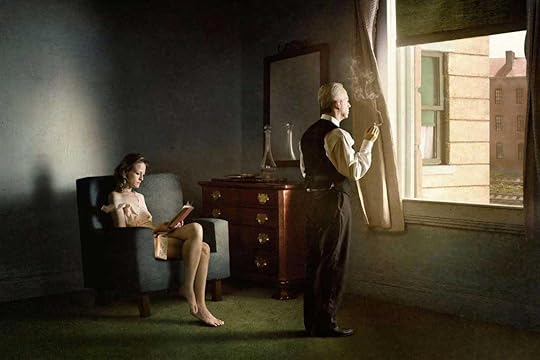
C’è un magnifico gioco d’incastro alla base di questa delizia: Sayed (o come si chiama davvero questo innominato protagonista) è un ghost writer – scrive storie per gli altri – o meglio, scrive le autobiografie degli altri. Se qualcuno, di solito un anziano, o parenti più giovani a nome di un anziano, vuole scrivere la sua vita, i suoi ricordi, ingaggia Sayed (o come si chiama davvero questo innominato protagonista), lo paga per scrivere per lui.
Sayed (o come si chiama davvero questo innominato protagonista) ascolta, si lascia raccontare tutto quello che il committente ricorda, può o vuole ricordare. Lo registra.
Poi va a casa, ascolta e riascolta la registrazione, riavvolge il nastro e pigia il play. Dove gli sembra che ci sia un vuoto, una mancanza, un cedimento, una tristezza, interviene, aggiunge, crea. Prende i suoi stessi ricordi e li regala alla biografia del committente.

È per questo che non riesce a scrivere nulla di davvero personale, che possa pubblicare a suo nome: perché s’è svuotato, ha man mano donato la sua stessa vita, la sua memoria, i suoi ricordi, il suo passato.
Ha perfino rubato un ricordo di suo padre. Un ricordo che come ogni buon ricordo risale a quando il padre era bambino. Sayed (o come si chiama davvero questo innominato protagonista) se ne è appropriato, lo ha fatto suo, ha scambiato se stesso col padre, e quel ricordo dell’incontro con una ragazza sulla terrazza tetto accanto alla bandiera è diventato talmente suo da produrre l’unico racconto firmato davvero col suo nome.
Glielo hanno pubblicato sul giornalino locale. L’unica pubblicazione che Sayed (o come si chiama davvero questo innominato protagonista) sia riuscito a ottenere col suo vero nome.
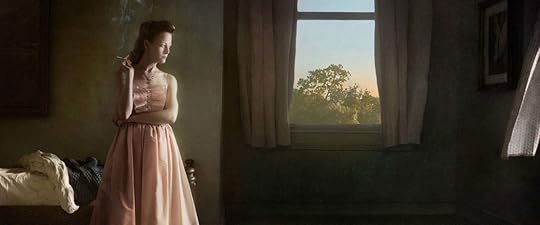
Se non che questo raccontino, breve meno di una pagina, scatena conseguenze. Una delle quali è che suo padre gli ordina di non farsi più vedere.
Poi, però lo chiama: la telefonata parte da Israele e arriva in Illinois dove il figlio s’è spostato a vivere con la sua famiglia, che il padre non conosce. Padre e figlio non si vedono da anni, quattordici mi pare. Il padre chiama dall’ospedale e il figlio prende il primo volo, aspetta ore a Parigi e finalmente atterra nella sua terra. Dall’aeroporto va direttamente all’ospedale. Il padre ha avuto disturbi cardiaci: ma non sono quelli la malattia più grave.

Padre e figlio si ritrovano. E finalmente parlano. Finalmente si spiegano. Ma usano poche parole. Il figlio dice in continuazione “papà”, e l’anziano glielo fa notare, “dici papà un sacco di volte. Una parola per non lasciarlo andare. Per non perderlo adesso che l’ha ritrovato. Una parola ombrello. Papà.
S’è portato dietro il registratore. E anche al padre fa la stessa domanda che fa a tutti i suoi committenti, quelli che gli chiedono di scrivere la loro storia: qual è il ricordo più vecchio che hai, raccontami il tuo primo ricordo.
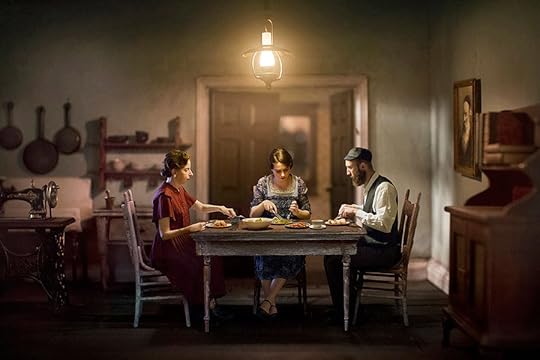
Poi c’è una grande storia d’amore, zoppa fin dal principio, che potrebbe finalmente decollare, ma Kashua non regala zuccherini.
C’è un quarantenne, figlio e padre, che sta cercando il senso del suo vivere, sta cercando il suo io. Sta cercando la traccia dei mutamenti.
C’è Israele, Gerusalemme, c’è Tira, tre ragazzi ebrei rapiti e uccisi, un ragazzo arabo bruciato vivo, la guerra di Gaza alle porte, c’è l’America, l’emigrazione, di quelle per scelta, di quelle riuscite.
E Kashua sembra essersi lasciato alle spalle l’ironia, l’humour del suo esordio, della sua decennale rubrica su Ha’aretz
Ce ne sono di cose, tante, in questo magnifico romanzo.
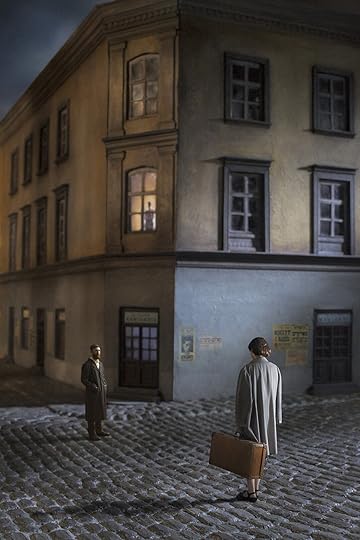
Richard Tuschman realizza magnifici diorama come quello sulla copertina del libro. Qui e a seguire alcuni.
Per un futuro migliore, meglio dimenticare il passato.
Se non altro, ridurre il numero e la portata dei ricordi.
Sembra una buona ricetta di vita: ma che si fa col presente?
E che succede quando si capisce che i ricordi dell’infanzia non sono stabili definiti sempiterni, si trasformano, plasmano, sviluppano con noi, alcuni spariscono e altri si aggiungono nuovi?
Ogni riferimento all’arte di Edward Hopper è puramente voluta.
Ho chiuso il libro, finita l’ultima pagina, letto le ultime parole, e mi sono toccato il braccio: la mia mano sotto la stoffa ha sfiorato i brividi sulla pelle. Pelle d’oca si dice, vero?
Non sono arabo, non sono palestinese, non sono ebreo, non sono israeliano, e non ho mai vissuto in quella parte di mondo.
Nessuna delle donne che ho amato si chiama Palestine e non ho mai sposato una donna per motivi simili a quelli che portano al matrimonio di Sayed, o come si chiama davvero questo innominato protagonista, e sua moglie.
Non ero al capezzale di mio padre quando è morto, anche perché mio padre non era a letto quando è morto
Ho un’età ben diversa dal protagonista e facciamo lavori differenti, anche se entrambi abbiamo a che fare con le storie.
Ma non è un po’ poco per sentirmi così parte in causa, così coinvolto in queste pagine, per sentire che Kashua oltre che parlare a me, sta parlando di me?
C’è un magnifico gioco d’incastro alla base di questa delizia: Sayed (o come si chiama davvero questo innominato protagonista) è un ghost writer – scrive storie per gli altri – o meglio, scrive le autobiografie degli altri. Se qualcuno, di solito un anziano, o parenti più giovani a nome di un anziano, vuole scrivere la sua vita, i suoi ricordi, ingaggia Sayed (o come si chiama davvero questo innominato protagonista), lo paga per scrivere per lui.
Sayed (o come si chiama davvero questo innominato protagonista) ascolta, si lascia raccontare tutto quello che il committente ricorda, può o vuole ricordare. Lo registra.
Poi va a casa, ascolta e riascolta la registrazione, riavvolge il nastro e pigia il play. Dove gli sembra che ci sia un vuoto, una mancanza, un cedimento, una tristezza, interviene, aggiunge, crea. Prende i suoi stessi ricordi e li regala alla biografia del committente.
È per questo che non riesce a scrivere nulla di davvero personale, che possa pubblicare a suo nome: perché s’è svuotato, ha man mano donato la sua stessa vita, la sua memoria, i suoi ricordi, il suo passato.
Ha perfino rubato un ricordo di suo padre. Un ricordo che come ogni buon ricordo risale a quando il padre era bambino. Sayed (o come si chiama davvero questo innominato protagonista) se ne è appropriato, lo ha fatto suo, ha scambiato se stesso col padre, e quel ricordo dell’incontro con una ragazza sulla terrazza tetto accanto alla bandiera è diventato talmente suo da produrre l’unico racconto firmato davvero col suo nome.
Glielo hanno pubblicato sul giornalino locale. L’unica pubblicazione che Sayed (o come si chiama davvero questo innominato protagonista) sia riuscito a ottenere col suo vero nome.
Se non che questo raccontino, breve meno di una pagina, scatena conseguenze. Una delle quali è che suo padre gli ordina di non farsi più vedere.
Poi, però lo chiama: la telefonata parte da Israele e arriva in Illinois dove il figlio s’è spostato a vivere con la sua famiglia, che il padre non conosce. Padre e figlio non si vedono da anni, quattordici mi pare. Il padre chiama dall’ospedale e il figlio prende il primo volo, aspetta ore a Parigi e finalmente atterra nella sua terra. Dall’aeroporto va direttamente all’ospedale. Il padre ha avuto disturbi cardiaci: ma non sono quelli la malattia più grave.
Padre e figlio si ritrovano. E finalmente parlano. Finalmente si spiegano. Ma usano poche parole. Il figlio dice in continuazione “papà”, e l’anziano glielo fa notare, “dici papà un sacco di volte. Una parola per non lasciarlo andare. Per non perderlo adesso che l’ha ritrovato. Una parola ombrello. Papà.
S’è portato dietro il registratore. E anche al padre fa la stessa domanda che fa a tutti i suoi committenti, quelli che gli chiedono di scrivere la loro storia: qual è il ricordo più vecchio che hai, raccontami il tuo primo ricordo.
Poi c’è una grande storia d’amore, zoppa fin dal principio, che potrebbe finalmente decollare, ma Kashua non regala zuccherini.
C’è un quarantenne, figlio e padre, che sta cercando il senso del suo vivere, sta cercando il suo io. Sta cercando la traccia dei mutamenti.
C’è Israele, Gerusalemme, c’è Tira, tre ragazzi ebrei rapiti e uccisi, un ragazzo arabo bruciato vivo, la guerra di Gaza alle porte, c’è l’America, l’emigrazione, di quelle per scelta, di quelle riuscite.
E Kashua sembra essersi lasciato alle spalle l’ironia, l’humour del suo esordio, della sua decennale rubrica su Ha’aretz
Ce ne sono di cose, tante, in questo magnifico romanzo.

July 9, 2019
L’odore della nostalgia

Quando il protagonista torna in Israele per recarsi nell’ospedale dove incontrare il padre colpito da infarto, non sappiamo ancora nulla del motivo dei suoi quattordici anni di assenza, delle tante domande senza risposta che si affastellano nella sua mente, della storia del suo matrimonio e del perché, pur desiderandolo da quattordici lunghissimi anni (forse già dal momento stesso in cui è salito sull’aereo che lo portava in Illinois con la moglie Palestine e i loro tre figli), ora che è lì in ospedale e a un passo da casa, esiti a tornare a Tira, eviti il momento in cui potrebbe riabbracciare la sua famiglia, la sua casa, la sua gente, ma preferisca chiudersi nei ricordi e ripercorrere, nel silenzio dell’attesa, la sua pena.
Ma se quella che Kashua racconta è una storia intima, fatta dei lunghi giorni trascorsi da un uomo al capezzale del padre morente e del suo tentativo di riconciliazione con il passato, se nella storia che racconta a se stesso fatta di parole mai dette, ma anche di tante parole scritte e di ricordi regalati ad altri, quella che Kashua ci racconta è anche la rappresentazione della storia collettiva di un popolo (quello israeliano), in eterno conflitto con le due anime che lo compongono (quella ebrea e quella araba), di un tentativo, infinito, di integrazione, di ricerca di una pace che non è solamente quella politica e civile, ma anche quella interiore: perché racconta di una convivenza fatta di insofferenze, di incomprensioni che affondano le radici nelle diversità, di un’integrazione, che è quella degli arabi israeliani (che vivono insieme agli ebrei israeliani condividendo non solo il passaporto, ma anche il vivere quotidiano nei luoghi di lavoro, ma spesso, quasi sempre, separati nelle strade dove vivono, nei quartieri e nelle città) che si fa profonda e insanabile nello spirito, nelle ferite che arrivano da un passato che sembra non potersi rimarginare mai.
Come si può convivere in uno stato in cui ci si considera a vicenda colpevoli di massacri, in cui gli uni sono considerati terroristi e gli altri colpevoli di genocidio? Ed è possibile trovare il modo di costruire un futuro in un presente che sembra non voler mai fare i conti con quel passato?
Non ci sono risposte in questo romanzo, bellissimo e dolente, ma solo domande, tante, e ricordi che sembrano non volerle mai trovare.
Scrive per gli altri, nascosto nell'ombra della sua professione, la storia della loro vita da consegnare ai propri cari, l'uomo che sembra essere senza identità e incapace di scrivere la propria di storia: in Israele ha lasciato non solo la sua gente, ma anche il suo lavoro di giornalista a Gerusalemme, e con il lavoro che si è inventato, quello del ghost writer, che munito di un registratore ascolta i suoi clienti per poi scrivere le loro autobiografie, regala loro episodi felici della sua esistenza mimetizzandoli in quelle storie che gli sembrano averne bisogno.
E questo forse è l'aspetto più doloroso e commovente al tempo stesso, quasi teso a simboleggiare la fusione di due anime nella stessa vita, di due popoli nella stessa nazione, di due lingue nello stesso romanzo. È solo leggendo i commenti scritti in ebraico qui su Goodreads*, infatti, che ho compreso che lo stesso Kashua consegna al lettore, in un romanzo scritto in ebraico, e in cui si susseguono cancellature e revisioni della trama stessa, che si disvela lentamente, interi brani scritti in arabo in cui padre e figlio parlano tra loro, per esprimere in maniera ancora più forte la connessione fra loro, la ritrovata intimità che sembrava perduta, per preservarli da chi non è capace di ascoltarle (accorgimento che noi, in traduzione, abbiamo perduto del tutto) e testimoniare un'identità che non può essere in alcun modo cancellata né revisionata, come invece fa con le storie che scrive: né da un passaporto, né da confini geografici, né da una lingua inventata dal nulla.
La traccia dei mutamenti, forse, si misura sulla capacità di ritornare e trovare tutto immutato. Anche se stessi. Eppure, diversi. Eppure, ancora capaci di tornare parlare la stessa lingua.
Non è accondiscendente con nessuno, Kashua, in questo romanzo: non lo è con gli ebrei, non lo è con gli arabi, forse non lo è nemmeno con il suo protagonista, ma la sua è una scrittura dove non c'è rancore, solo una bellezza indicibile, e il dolore di un’anima divisa in due, il senso di estraniamento vissuto da chi, dovendo abbandonare la sua terra per trapiantarsi altrove, ha regalato ai suoi figli una nuova lingua e un futuro, ma che non ha ancora ritrovato, e non si è ancora visto riconosciuta, la propria identità.
*Questo è il brano del commento di @yoav che mi ha colpita (che io ho letto nella traduzione di Google Translate):
הרעיון היפה של טשטוש הזהות ושכתוב המציאות עד שלא יודעים את האמת נגע לליבי.
כרגיל, קשוע הוא אמן ביצירת ריאליזים ובתיאור מדוייק של הרגעים הקטנים.
את השיחה המשמעותית עם אביו קשוע הותיר בערבית כאילו מסתיר איתה מפני הקורא בעברית ומשאיר אינטימיות אחרונה ביניהם. אני עדיין לא יודע מה נאמר שם.
e questa la traduzione in un italiano comprensibile, per la quale devo ringraziare un’amica:
«La bella idea sull'offuscamento dell'identità e la riscrittura della realtà, fin quando non scopriamo la verità, mi ha colpito al cuore. Ovviamente Kashua è un artista del realismo e nella sottile descrizione dei piccoli momenti. Kashua lascia in arabo la conversazione più importante con suo padre, come se la nascondesse al lettore in ebraico e lascia un ultimo momento di intimità fra loro due. E io non so ancora cosa si siano detti.»
Tira, a trenta chilometri da Tel Aviv andando verso l’interno, vista da un drone.
Quando il protagonista torna in Israele per recarsi nell’ospedale dove incontrare il padre colpito da infarto, non sappiamo ancora nulla del motivo dei suoi quattordici anni di assenza, delle tante domande senza risposta che si affastellano nella sua mente, della storia del suo matrimonio e del perché, pur desiderandolo da quattordici lunghissimi anni (forse già dal momento stesso in cui è salito sull’aereo che lo portava in Illinois con la moglie Palestine e i loro tre figli), ora che è lì in ospedale e a un passo da casa, esiti a tornare a Tira, eviti il momento in cui potrebbe riabbracciare la sua famiglia, la sua casa, la sua gente, ma preferisca chiudersi nei ricordi e ripercorrere, nel silenzio dell’attesa, la sua pena.
Ma se quella che Kashua racconta è una storia intima, fatta dei lunghi giorni trascorsi da un uomo al capezzale del padre morente e del suo tentativo di riconciliazione con il passato, se nella storia che racconta a se stesso fatta di parole mai dette, ma anche di tante parole scritte e di ricordi regalati ad altri, quella che Kashua ci racconta è anche la rappresentazione della storia collettiva di un popolo (quello israeliano), in eterno conflitto con le due anime che lo compongono (quella ebrea e quella araba), di un tentativo, infinito, di integrazione, di ricerca di una pace che non è solamente quella politica e civile, ma anche quella interiore: perché racconta di una convivenza fatta di insofferenze, di incomprensioni che affondano le radici nelle diversità, di un’integrazione, che è quella degli arabi israeliani (che vivono insieme agli ebrei israeliani condividendo non solo il passaporto, ma anche il vivere quotidiano nei luoghi di lavoro, ma spesso, quasi sempre, separati nelle strade dove vivono, nei quartieri e nelle città) che si fa profonda e insanabile nello spirito, nelle ferite che arrivano da un passato che sembra non potersi rimarginare mai.
Come si può convivere in uno stato in cui ci si considera a vicenda colpevoli di massacri, in cui gli uni sono considerati terroristi e gli altri colpevoli di genocidio? Ed è possibile trovare il modo di costruire un futuro in un presente che sembra non voler mai fare i conti con quel passato?
Non ci sono risposte in questo romanzo, bellissimo e dolente, ma solo domande, tante, e ricordi che sembrano non volerle mai trovare.
Scrive per gli altri, nascosto nell'ombra della sua professione, la storia della loro vita da consegnare ai propri cari, l'uomo che sembra essere senza identità e incapace di scrivere la propria di storia: in Israele ha lasciato non solo la sua gente, ma anche il suo lavoro di giornalista a Gerusalemme, e con il lavoro che si è inventato, quello del ghost writer, che munito di un registratore ascolta i suoi clienti per poi scrivere le loro autobiografie, regala loro episodi felici della sua esistenza mimetizzandoli in quelle storie che gli sembrano averne bisogno.
E questo forse è l'aspetto più doloroso e commovente al tempo stesso, quasi teso a simboleggiare la fusione di due anime nella stessa vita, di due popoli nella stessa nazione, di due lingue nello stesso romanzo. È solo leggendo i commenti scritti in ebraico qui su Goodreads*, infatti, che ho compreso che lo stesso Kashua consegna al lettore, in un romanzo scritto in ebraico, e in cui si susseguono cancellature e revisioni della trama stessa, che si disvela lentamente, interi brani scritti in arabo in cui padre e figlio parlano tra loro, per esprimere in maniera ancora più forte la connessione fra loro, la ritrovata intimità che sembrava perduta, per preservarli da chi non è capace di ascoltarle (accorgimento che noi, in traduzione, abbiamo perduto del tutto) e testimoniare un'identità che non può essere in alcun modo cancellata né revisionata, come invece fa con le storie che scrive: né da un passaporto, né da confini geografici, né da una lingua inventata dal nulla.
La traccia dei mutamenti, forse, si misura sulla capacità di ritornare e trovare tutto immutato. Anche se stessi. Eppure, diversi. Eppure, ancora capaci di tornare parlare la stessa lingua.
Non è accondiscendente con nessuno, Kashua, in questo romanzo: non lo è con gli ebrei, non lo è con gli arabi, forse non lo è nemmeno con il suo protagonista, ma la sua è una scrittura dove non c'è rancore, solo una bellezza indicibile, e il dolore di un’anima divisa in due, il senso di estraniamento vissuto da chi, dovendo abbandonare la sua terra per trapiantarsi altrove, ha regalato ai suoi figli una nuova lingua e un futuro, ma che non ha ancora ritrovato, e non si è ancora visto riconosciuta, la propria identità.
*Questo è il brano del commento di @yoav che mi ha colpita (che io ho letto nella traduzione di Google Translate):
הרעיון היפה של טשטוש הזהות ושכתוב המציאות עד שלא יודעים את האמת נגע לליבי.
כרגיל, קשוע הוא אמן ביצירת ריאליזים ובתיאור מדוייק של הרגעים הקטנים.
את השיחה המשמעותית עם אביו קשוע הותיר בערבית כאילו מסתיר איתה מפני הקורא בעברית ומשאיר אינטימיות אחרונה ביניהם. אני עדיין לא יודע מה נאמר שם.
e questa la traduzione in un italiano comprensibile, per la quale devo ringraziare un’amica:
«La bella idea sull'offuscamento dell'identità e la riscrittura della realtà, fin quando non scopriamo la verità, mi ha colpito al cuore. Ovviamente Kashua è un artista del realismo e nella sottile descrizione dei piccoli momenti. Kashua lascia in arabo la conversazione più importante con suo padre, come se la nascondesse al lettore in ebraico e lascia un ultimo momento di intimità fra loro due. E io non so ancora cosa si siano detti.»
Tira, a trenta chilometri da Tel Aviv andando verso l’interno, vista da un drone.

February 15, 2020
An unnamed Palestinian narrator, originally from Tira, travels home in a rush to be with his father during his passing. As the reader you know he is hesitant to be back, and you get the sense it might even be dangerous, but it takes a while for those details to unfold.
The narrator also has an interesting job where because of his language and writing skills, he is hired by others to write their memoirs or biographies. What people don't seem to catch is how he writes details of his own life into their stories, and as he does those memories seem to leave him. He also has a difficult relationship to his wife, who is a tenure-track professor in the United States. .
I previously read Second Person Singular by this same author for my book club, and it was more humorous. The publisher describes this one as more personal to the author's experiences.
I had a review copy from the publisher through Edelweiss, and it came out January 14, 2020.
The narrator also has an interesting job where because of his language and writing skills, he is hired by others to write their memoirs or biographies. What people don't seem to catch is how he writes details of his own life into their stories, and as he does those memories seem to leave him. He also has a difficult relationship to his wife, who is a tenure-track professor in the United States. .
I previously read Second Person Singular by this same author for my book club, and it was more humorous. The publisher describes this one as more personal to the author's experiences.
I had a review copy from the publisher through Edelweiss, and it came out January 14, 2020.

November 2, 2018
סופר צללים, ערבי ישראלי, חוזר למפגש עם אביו המאושפז בטיפול נמרץ. הסופר לא פגש את משפחתו 14 שנים בעקבות אירוע שלאחריו גורש שלא לשוב מעירו , טירה. הוא ואישתו, פלסטין, ושלושת ילדיהם, התגוררו בירושלים ובשנת 2014 עזבו לאלינוי, שם אישתו מרצה כחלק מהסגל האקדמאי.
כל סיפור הזוגיות שלו עם אישתו מתעתע. הוא אינו עובד והיא מכריחה אותו להתגורר במעונות הסטודנטים, שם שכרה לו חדר. לאורך כל הסיפור ברור שהיא מפנה לו לחי קרה, אם כי לא ברור מדוע ולא ברור - גם בסוף הסיפור- מדוע היא נשארת לחיות איתו במצב הזה.
הסופר, שרואה עצמו קורבן של הנסיבות, לא פועל לשינוי המצב ובכדי לצאת מהמצב הקורבני שלו. הוא מעביר את חייו בחלומות על עתיד טוב יותר , שלא מגיע.
יש בספר נמשל שמהדהד למצב הערבים ישראלים ולמצב הפלסטינאים. לטעמי שם אישתו של הסופר, פלסטין וכל ההתנהלות שלה ושל הזוגיות שלהם, הוא קלישאה שחוקה וטחונה על יחסי ישראל פלסטינאים.
גם מערכת יחסיו של הסופר עם משפחתו אינה ברורה והכמיהה שלו לטירה, המקום ממנו גורש ואליו לא יוכל לחזור מזכירה קצת את הכמיהה של החקלאים לאדמה.
לא הצלחתי להבין מדוע דמותו של הסופר כל כך פאסיבית. גם אל תחום עיסוקו כסופר צללים , הוא התגלגל במקרה ונראה כי אין לו שום יכולת או השפעה על חייו. את זכרונותיו הוא משאיל ללקוחות שלו, כשהוא מרגיש שחסר בזיכרונות שלהם היבט כזה או אחר, ובכך הוא מתנקה גם מהמאפיינים היחודיים שלו כאדם.
הפאסיביות והנטראליות הזו בסופו של דבר הן בעוכריו של הסופר ושל הספר. הוא לא מתקומם כנגד העוול שנגרם לו. הוא לא מתקומם כנגד העוולות שגורמת לו אישתו בחיי נישואין קרים וריקים מתוכן ומרגש, אף על פי שילדה לו שלושה ילדים. הוא גם לא פועל לשנות מצבו ובכך נותר במצב סטאטי ומקבל על עצמו חיים מלאי דכדוך וחוסר מטרה.
יחד עם זאת הכתיבה של קשוע טובה והספר לא רע. הוא פשוט לא מבריק.
כל סיפור הזוגיות שלו עם אישתו מתעתע. הוא אינו עובד והיא מכריחה אותו להתגורר במעונות הסטודנטים, שם שכרה לו חדר. לאורך כל הסיפור ברור שהיא מפנה לו לחי קרה, אם כי לא ברור מדוע ולא ברור - גם בסוף הסיפור- מדוע היא נשארת לחיות איתו במצב הזה.
הסופר, שרואה עצמו קורבן של הנסיבות, לא פועל לשינוי המצב ובכדי לצאת מהמצב הקורבני שלו. הוא מעביר את חייו בחלומות על עתיד טוב יותר , שלא מגיע.
יש בספר נמשל שמהדהד למצב הערבים ישראלים ולמצב הפלסטינאים. לטעמי שם אישתו של הסופר, פלסטין וכל ההתנהלות שלה ושל הזוגיות שלהם, הוא קלישאה שחוקה וטחונה על יחסי ישראל פלסטינאים.
גם מערכת יחסיו של הסופר עם משפחתו אינה ברורה והכמיהה שלו לטירה, המקום ממנו גורש ואליו לא יוכל לחזור מזכירה קצת את הכמיהה של החקלאים לאדמה.
לא הצלחתי להבין מדוע דמותו של הסופר כל כך פאסיבית. גם אל תחום עיסוקו כסופר צללים , הוא התגלגל במקרה ונראה כי אין לו שום יכולת או השפעה על חייו. את זכרונותיו הוא משאיל ללקוחות שלו, כשהוא מרגיש שחסר בזיכרונות שלהם היבט כזה או אחר, ובכך הוא מתנקה גם מהמאפיינים היחודיים שלו כאדם.
הפאסיביות והנטראליות הזו בסופו של דבר הן בעוכריו של הסופר ושל הספר. הוא לא מתקומם כנגד העוול שנגרם לו. הוא לא מתקומם כנגד העוולות שגורמת לו אישתו בחיי נישואין קרים וריקים מתוכן ומרגש, אף על פי שילדה לו שלושה ילדים. הוא גם לא פועל לשנות מצבו ובכך נותר במצב סטאטי ומקבל על עצמו חיים מלאי דכדוך וחוסר מטרה.
יחד עם זאת הכתיבה של קשוע טובה והספר לא רע. הוא פשוט לא מבריק.

October 15, 2017
לא סיימתי, מפסיקה אחרי שישים ומשהו עמודים. קצת מאוכזבת. מרגישה שאני קוראת את אחד הטורים של קשוע, לא משהו מעבר לזה, ואת אלה אני כבר מכירה. התמות של הזרות בארץ אחרת, הסתגלות הילדים לעומת ההורים והגעגועים כבר נחקרו שם לעומק, ולא עושה רושם שיש כאן מעבר לכך. חבל, אני אוהבת את קשוע ומעריכה את כשרונו, אבל כאן הוא נותן לקוראיו עוד מאותו הדבר. ציפיתי להתפתחות ועיסוק בנושאים נוספים, או בדרך אחרת.

June 21, 2021
Kashua did it again. The master of subtle nuance. Throughout the first seventy pages or so, it was going okay, in a fashion similar to Dancing Arabs or Let It Be Morning. Some stuff didn’t add up, but I let it slip. Then, I don’t know how, but everything changed: it started to become more confusing, yet it started to make sense. I had to start thinking: Was Palestine, the main characters’ wife meant to represent the country? A person? Both? Is the narrator lying? Is he telling the truth? Can he no longer differentiate between them? Can we? Do memories fool us? Can collective memory interfere with individual memory? How does language shape our reality? To what extent does identity play a role?
I feel like I need to read this book again, maybe another couple of times, to start understanding it. As in Second Person Singular, Kashua manages to convey a universal experience within a very particular, personal framework: the Arab-Israeli identity.
Here, the book can open up another interesting debate on the field of historiography: How does the Zionist narrative affect its Palestinian citizens’ everyday experiences?
P.D. (With Spoilers): When Saeed imagines himself going back to Tira and announcing that he won the war, I cannot help but wonder if he’s talking about the war Kashua referenced that he lost in Native, which prompted him to leave Israel for Chicago (where Saeed lives): Last week something inside of me broke: When Jewish youth parade through the city shouting 'Death to the Arabs’ I understood that I had lost my little war."
I feel like I need to read this book again, maybe another couple of times, to start understanding it. As in Second Person Singular, Kashua manages to convey a universal experience within a very particular, personal framework: the Arab-Israeli identity.
Here, the book can open up another interesting debate on the field of historiography: How does the Zionist narrative affect its Palestinian citizens’ everyday experiences?
P.D. (With Spoilers): When Saeed imagines himself going back to Tira and announcing that he won the war, I cannot help but wonder if he’s talking about the war Kashua referenced that he lost in Native, which prompted him to leave Israel for Chicago (where Saeed lives): Last week something inside of me broke: When Jewish youth parade through the city shouting 'Death to the Arabs’ I understood that I had lost my little war."

December 23, 2017
סיפורו של ערבי ישראלי החיי באילינוי וחוזר לארץ לבקר את אביו שעבר התקפת לב ומצוי בטיפול נמרץ בבית החולים מאיר. אט אט אנו נחשפים לעברו, לעבודתו במקומון ולפרנסתו מכתיבת זכרונות של אנשים זרים בהם הוא מוהל את זכרונותיו שלו, לקשר המוזר בינו ובין אשתו פלסטין ולסיבה מדוע עזבו את טירה ואחר כך את הארץ ומדוע הוא אינו חוזר. הספר כולו מתכתב עם חייו של הסופר הוא אך הוא במעין מציאות אלטרנטיבית וכך גם הגיבור בספר חיי במציאות אלטרנטיבית משלו, שבה זכרונותיו מוענקים לאנשים אחרים והוא עצמו אינו יודע מהם זכרונותיו האמיתיים ומה בדה.
איני קורא באדיקות את טוריו של קשוע אבל יש בספר הזה חזרה על מוטיבים ותיאורים מספרים קודמים, סיפור המסגרת ידוע ומוכר ואפשר להבין את מי שהתעייף ממנו. מכיוון שלא קראתי שנים את טוריו וספריו של קשוע בשבילי היה בספר הזה גם מימד נוסטלגי וגעגוע.
הרעיון היפה של טשטוש הזהות ושכתוב המציאות עד שלא יודעים את האמת נגע לליבי.
כרגיל, קשוע הוא אמן ביצירת ריאליזים ובתיאור מדוייק של הרגעים הקטנים.
את השיחה המשמעותית עם אביו קשוע הותיר בערבית כאילו מסתיר איתה מפני הקורא בעברית ומשאיר אינטימיות אחרונה ביניהם. אני עדיין לא יודע מה נאמר שם.
איני קורא באדיקות את טוריו של קשוע אבל יש בספר הזה חזרה על מוטיבים ותיאורים מספרים קודמים, סיפור המסגרת ידוע ומוכר ואפשר להבין את מי שהתעייף ממנו. מכיוון שלא קראתי שנים את טוריו וספריו של קשוע בשבילי היה בספר הזה גם מימד נוסטלגי וגעגוע.
הרעיון היפה של טשטוש הזהות ושכתוב המציאות עד שלא יודעים את האמת נגע לליבי.
כרגיל, קשוע הוא אמן ביצירת ריאליזים ובתיאור מדוייק של הרגעים הקטנים.
את השיחה המשמעותית עם אביו קשוע הותיר בערבית כאילו מסתיר איתה מפני הקורא בעברית ומשאיר אינטימיות אחרונה ביניהם. אני עדיין לא יודע מה נאמר שם.

November 23, 2019
אני מאוד אוהבת את סייד קשוע, ובעיקר את העברית היפיפיה, הגבוהה והמדוייקת שהוא משתמש בה.קשה למצוא הרבה סופרים שעושים שימוש דומה בעברית לזה של קשוע.
הסיפור הזה לדעתי מעט מוצלח פחות מ ויהי בוקר אך לא רחוק מ גוף שני יחיד.
הספר מדבר על משפחה שעברה לאמריקה. משפחתו של הגיבור גרה בטירה, ממנה המספר ואשתו הורחקו לפני שנים מסיבה שאין מדברים בה. הוא טס לבקר את אביו אותו לא ראה שנים, והמוני זכרונות עולים תוך כדי הסיפור על ההווה.
המספר שהוא גם סופר או מעין כותב ביוגרפיות וסיפורי חיים אישיים, מספר לנו כיצד הוא שתל את זכרונותיו בספריו של לקוחותיו.
אז הגיבור שלנו טס לישראל, לבלות עם אביו את רגעיו האחרונים, ואולי סוף סוף לסגור את המעגל ולהשלים את הנתק של השנים הארוכות מאז אירע אותו אירוע מכונן ולא נודע לנו.
שמה של אשתו פלסטין, וגם שם, בינו לבינה יש נתק, יש שם יותר מנתק, מעין תהום פעורה יש ביניהם. וגם שם, משהו שקשור בעבר, באותו אירוע שהביא את הנתק והבלאגן התהומי הזה על כולם.
נראה שהגיבור מעולם לא התאושש ממה שקרה, ובהווה עדיין חי בצילם של האירועים הללו שצילקו אותו לחיים.
בסיכום הספר כתוב ״יצירה המפנה לקוראיה ולקוראותיה את השאלה האינטימית: מהו הזיכרון הראשון שלכם?״, בהחלט מחשבה מעניינת שעולה שוב ושוב בספר.
סביבות 3.5 כוכבים. הייתי נותנת יותר, אבל סגנון הכתיבה המעגלי לדעתי קצת מקשה על הקריאה. אעגל ל-3 שבכיף היה יכול להיות 4 אם רק טיפה פחות ערפל על אירועי העבר.
הסיפור הזה לדעתי מעט מוצלח פחות מ ויהי בוקר אך לא רחוק מ גוף שני יחיד.
הספר מדבר על משפחה שעברה לאמריקה. משפחתו של הגיבור גרה בטירה, ממנה המספר ואשתו הורחקו לפני שנים מסיבה שאין מדברים בה. הוא טס לבקר את אביו אותו לא ראה שנים, והמוני זכרונות עולים תוך כדי הסיפור על ההווה.
המספר שהוא גם סופר או מעין כותב ביוגרפיות וסיפורי חיים אישיים, מספר לנו כיצד הוא שתל את זכרונותיו בספריו של לקוחותיו.
אז הגיבור שלנו טס לישראל, לבלות עם אביו את רגעיו האחרונים, ואולי סוף סוף לסגור את המעגל ולהשלים את הנתק של השנים הארוכות מאז אירע אותו אירוע מכונן ולא נודע לנו.
שמה של אשתו פלסטין, וגם שם, בינו לבינה יש נתק, יש שם יותר מנתק, מעין תהום פעורה יש ביניהם. וגם שם, משהו שקשור בעבר, באותו אירוע שהביא את הנתק והבלאגן התהומי הזה על כולם.
נראה שהגיבור מעולם לא התאושש ממה שקרה, ובהווה עדיין חי בצילם של האירועים הללו שצילקו אותו לחיים.
בסיכום הספר כתוב ״יצירה המפנה לקוראיה ולקוראותיה את השאלה האינטימית: מהו הזיכרון הראשון שלכם?״, בהחלט מחשבה מעניינת שעולה שוב ושוב בספר.
סביבות 3.5 כוכבים. הייתי נותנת יותר, אבל סגנון הכתיבה המעגלי לדעתי קצת מקשה על הקריאה. אעגל ל-3 שבכיף היה יכול להיות 4 אם רק טיפה פחות ערפל על אירועי העבר.

October 9, 2017
ספר קצר ושובר לב על גבר שטעות אחת שביצע בנערותו הפכה את חייו על פיהם, והתוותה לו מסלול חיים של כאב, בדידות, עצב ותסכול.

April 17, 2020
As the book opens, Arab-Israeli Saeed is suddenly leaving his wife and family in the US to return to his homeland to be with his sick father. The family have been estranged for 14 years but now Saeed feels impelled to try to come to terms with what happened in the past to cause the family rift. In some ways this is a mystery story, as only slowly is all revealed, and it’s not until the end that all is made clear. What is clear from the beginning is that Saeed is a troubled and unhappy man, whose marriage is under strain, whose relationships with his father and the wider family are difficult, and that whatever happened to force him to emigrate to the US in the first place is something that has deeply affected his whole life. I found this a powerful and moving exploration of loss, memory, alienation and displacement, a haunting tale and a sad and melancholy portrait of man who probably will never reconcile himself with the past. The writing is excellent and the pacing spot-on, riveting the reader’s attention throughout. It’s also a story of Jews and Arabs, and the continuing tensions in Israel, and a compelling portrait of Arab-Israeli life. Highly recommended.

September 28, 2021
Pro Sajjida Kašuu mám slabost, jeho knihy mi poskytují velkou radost, ale tahle poslední i velkou bolest. V částečně autobiografickém románu popisuje bývalého novináře, dnes autora memoárů na zakázku, který se svou ženou žije v USA. Důvodem je arabská verze žertu, která ovlivnila životy mnoha lidí. Co jsem naprosto obdivoval je popis každodenností a vystihnutí stesku po domově, který už příliš domovem není, ale tím není ani nové bydliště.

April 5, 2018
סיפור שלא כל חלקיו ברורים לי עד הסוף, חלקים ממנו כה סוריאליסטים שהמקור חייב להיות אמיתי, על היסטוריה ושינוים ועל העבר ועל ילד ואביו - כשהילד בן 40....
כתיבה שונה מאוד מהתסריטים של סייד קשוע ב"עבודה ערבית" אבל בחלקים מסוימים התעוררה אותה תחושה של מבט מן הצד השני.
כתיבה שונה מאוד מהתסריטים של סייד קשוע ב"עבודה ערבית" אבל בחלקים מסוימים התעוררה אותה תחושה של מבט מן הצד השני.

March 31, 2021
Another recommendation from Alison. This is one of those books that’s not really driven by plot—it’s more “this moment in someone’s life.” Going home to visit his dying dad, who he hasn’t seen since his marriage, sends the narrator into dissecting how his marriage came to be. You know at the beginning of the novel that’s something’s off about it—the story slowly unspools. I really enjoyed the voice here, in all its melancholy mopiness.
Read
November 6, 2018I like reading Sayed Kashua because he writes about subjects familiar to me, about Israeli citizens; and yet foreign to me, since it is the point of view of an Arab Israeli citizen.
This book has also an interesting underlying story ufolding in the background which the reader pieces together.
This book has also an interesting underlying story ufolding in the background which the reader pieces together.

January 27, 2021
I always enjoy reading what Sayed Kashua writes and listen to what he has to tell us through this story. I think there is quite a bit to discuss and would consider this book for Book club.

November 25, 2019
Exploring the Arab-Israeli Alien: Sayed Kashua’s Track Changes
Finding home within the war-torn borders of a country you left behind and within a family fragmented by past trauma is at the center of Sayed Kashua’s fourth novel, Track Changes. The story centers around a (mostly) unnamed narrator, an Arab-Israeli memoir ghostwriter living in the United States, and the journey he takes back to Israel to reconnect with his ailing father and the past he ran from fourteen years prior.
Sayed Kashua is a master of expressing the complexity of the Arab-Israeli experience. Track Changes is partially based on Kashua’s own exodus from his homeland, and his expertise on the subject shines through in the simple authority in the storytelling. Lovers of Kashua’s work know his humor well, but Track Changes shows Kashua in an uncharacteristically somber turn. Through the narrative, Kashua delicately paints the portrait of a man alienated from any sort of belonging he has ever felt. Exiled from his hometown over a poorly-received short story about a beautiful woman named Palestine, he is forced into a marriage with such a woman, who refuses to love him in return. Their lives in Jerusalem are uprooted 11 years later as riots and anti-Arab sentiment takes over the town, and the makeshift family fears for their lives. We meet the narrator two years into his wife’s three-year teaching contract in the United States, with an unclear picture of what’s next. He’s living in student dorms, or occasionally on his living room couch, his wife upstairs, struggling to connect with his children, who lose more command of their mother tongues every day. Kashua’s own multilingualism is rendered extremely well in Ginsburg’s translation, which keeps some of the Arabic passages intact, with a translation key at the back of the book. This decision sufficiently alienates the reader to the narrator’s own memories without disrupting the flow of the narrative.
Set in an Arab-majority town in Israel, this deeply personal account of isolation and alienation from one’s own culture explores the delicate political struggles happening in Israel/Palestine through the narrator’s own experience of being stateless. For a reader unfamiliar with the conflict, Kashua does well to introduce the topic through the approachable, anecdotal lens of the narrator and the people he interacts with. The narrator’s anxiety and all the things he “might have said” also deepen the conversation around the issue through the exploration of what is and isn’t said and the various aggressions that do or do not manifest towards “outsiders.”
I’m a sucker for an outsider story. Kashua’s insightful observations about the ways we are removed from our realities, physically or metaphorically, easily reach readers who may also struggle to find connection in unaccepting societies, or in situations where something about us simply does not “fit.” Track Changes could be described in some ways as an anti-homecoming, an anti-love story in which all pretense of tidy narrative can be stripped away. This is messy, this is emotional, and this is brilliantly done.
It’s the small moments, the narrator’s small observations about the way his world has shifted, and moments of perfection in the midst of chaos that truly bring Kashua’s story to life. The cover art for the book derives from this moment, and it could not be more fitting to encapsulate the mood of Track Changes:
“‘Thank you so much,’ I said with a smile and took the tea and cookies, trying to still the tremor that had taken hold of me. ‘Enjoy,’ she said and left, leaving me to shut the door and cry into the glass of tea, the color I remembered with the exact right amount of mint leaves floating at just the right level.
“What the hell am I doing tearing up over some tea? What does this glass have that makes it seem like it might be the perfect glass of tea, and why is it that when I sip from it I can’t help but let the tears flow freely down my face?”
The prose here and elsewhere is never particularly flowery, or more evocative than is necessary to sketch the scene. Kashua and Ginsburg work perfectly in tandem to record only the essentials, and to highlight moments of importance almost imperceptibly, just as great memoirists do. The short sections of the book, further segmented by short 1-2 page chapters, evoke the vignetting style Kashua’s narrator creates for his own clients.
A note about the translation here: Ginsburg is almost imperceptible as translator: he perfectly captures Kashua’s voice with an exceptional sense of empathy. Especially in passages where Ginsburg blends Kashua’s own multilingualism with the translation, the translation shines.
The title of the work, Track Changes, refers cleverly to the technological process editors use to track their deletions, omissions, and rejected additions. Kashua’s narrator struggles to take ownership of his narrative, even giving away some of his own memories to his clients in heartbreaking moments. When one is stateless, isolated, and without memories or agency enough to construct the full story, what is a man, really? Or, as Kashua asks: “What else can a man aspire to?”
Sayed Kashua’s Track Changes is a stunning work of literary fiction that explores alienation and isolation in an unassuming, well-crafted prose dotted with cultural significance for isolated Arab-Israeli communities, and for all outsiders in search of “home.”
Finding home within the war-torn borders of a country you left behind and within a family fragmented by past trauma is at the center of Sayed Kashua’s fourth novel, Track Changes. The story centers around a (mostly) unnamed narrator, an Arab-Israeli memoir ghostwriter living in the United States, and the journey he takes back to Israel to reconnect with his ailing father and the past he ran from fourteen years prior.
Sayed Kashua is a master of expressing the complexity of the Arab-Israeli experience. Track Changes is partially based on Kashua’s own exodus from his homeland, and his expertise on the subject shines through in the simple authority in the storytelling. Lovers of Kashua’s work know his humor well, but Track Changes shows Kashua in an uncharacteristically somber turn. Through the narrative, Kashua delicately paints the portrait of a man alienated from any sort of belonging he has ever felt. Exiled from his hometown over a poorly-received short story about a beautiful woman named Palestine, he is forced into a marriage with such a woman, who refuses to love him in return. Their lives in Jerusalem are uprooted 11 years later as riots and anti-Arab sentiment takes over the town, and the makeshift family fears for their lives. We meet the narrator two years into his wife’s three-year teaching contract in the United States, with an unclear picture of what’s next. He’s living in student dorms, or occasionally on his living room couch, his wife upstairs, struggling to connect with his children, who lose more command of their mother tongues every day. Kashua’s own multilingualism is rendered extremely well in Ginsburg’s translation, which keeps some of the Arabic passages intact, with a translation key at the back of the book. This decision sufficiently alienates the reader to the narrator’s own memories without disrupting the flow of the narrative.
Set in an Arab-majority town in Israel, this deeply personal account of isolation and alienation from one’s own culture explores the delicate political struggles happening in Israel/Palestine through the narrator’s own experience of being stateless. For a reader unfamiliar with the conflict, Kashua does well to introduce the topic through the approachable, anecdotal lens of the narrator and the people he interacts with. The narrator’s anxiety and all the things he “might have said” also deepen the conversation around the issue through the exploration of what is and isn’t said and the various aggressions that do or do not manifest towards “outsiders.”
I’m a sucker for an outsider story. Kashua’s insightful observations about the ways we are removed from our realities, physically or metaphorically, easily reach readers who may also struggle to find connection in unaccepting societies, or in situations where something about us simply does not “fit.” Track Changes could be described in some ways as an anti-homecoming, an anti-love story in which all pretense of tidy narrative can be stripped away. This is messy, this is emotional, and this is brilliantly done.
It’s the small moments, the narrator’s small observations about the way his world has shifted, and moments of perfection in the midst of chaos that truly bring Kashua’s story to life. The cover art for the book derives from this moment, and it could not be more fitting to encapsulate the mood of Track Changes:
“‘Thank you so much,’ I said with a smile and took the tea and cookies, trying to still the tremor that had taken hold of me. ‘Enjoy,’ she said and left, leaving me to shut the door and cry into the glass of tea, the color I remembered with the exact right amount of mint leaves floating at just the right level.
“What the hell am I doing tearing up over some tea? What does this glass have that makes it seem like it might be the perfect glass of tea, and why is it that when I sip from it I can’t help but let the tears flow freely down my face?”
The prose here and elsewhere is never particularly flowery, or more evocative than is necessary to sketch the scene. Kashua and Ginsburg work perfectly in tandem to record only the essentials, and to highlight moments of importance almost imperceptibly, just as great memoirists do. The short sections of the book, further segmented by short 1-2 page chapters, evoke the vignetting style Kashua’s narrator creates for his own clients.
A note about the translation here: Ginsburg is almost imperceptible as translator: he perfectly captures Kashua’s voice with an exceptional sense of empathy. Especially in passages where Ginsburg blends Kashua’s own multilingualism with the translation, the translation shines.
The title of the work, Track Changes, refers cleverly to the technological process editors use to track their deletions, omissions, and rejected additions. Kashua’s narrator struggles to take ownership of his narrative, even giving away some of his own memories to his clients in heartbreaking moments. When one is stateless, isolated, and without memories or agency enough to construct the full story, what is a man, really? Or, as Kashua asks: “What else can a man aspire to?”
Sayed Kashua’s Track Changes is a stunning work of literary fiction that explores alienation and isolation in an unassuming, well-crafted prose dotted with cultural significance for isolated Arab-Israeli communities, and for all outsiders in search of “home.”
This entire review has been hidden because of spoilers.

October 29, 2024
"Fintanto che scrivo, continuo a imbalsamare mio padre, il suo corpo resta integro, anche se è vecchio e malato, qui alla mia scrivania. La vita di mio padre è nelle mie mani, posso tenerlo in vita. Quando deciderò di aver finito di scrivere, scegliendo di salvare tutte le modifiche e ordinando al computer di presentare la versione finale, spedirò mio padre al cimitero di Tira, dai vermi."

September 6, 2020
I have been following Israeli-Arab Sayed Kashua’s writing career ever since I read his novel Second Person Singular - it’s one of those books that just stays with you forever. I recently heard him speak about this new novel on a webinar through the American Jewish University and decided to try the audio book. Like his previous work, Track Changes is very autobiographical. The narrator is a writer from Tira who attended Israeli schools and worked for an Israeli newspaper before he left for Champaign, IL with his wife and children. After a 14 year exile, he returns to be at his father's deathbed. The way Kashua weaves back and forth in time and slowly reveals the truth behind the protagonist's marriage was very compelling. However, I really wanted to hear the story from his wife's perspective - he didn't develop her character at all (and her story reminded me of the novel A Woman is No Man by Etaf Rum). While the audio book narrator's Arabic and Hebrew sounded spot on, he made me laugh when he pronounced Illini as "Ill-lean-nee" twice! I think Michael Upchurch sums up this book perfectly in his review in The Seattle Times: "If you’re game for a novel about just how sad, fractured and tricky cultural identity can get, Arab-Israeli author Sayed Kashua’s Track Changes is the book for you."
November 1, 2017
אמנם לא הייתי במצבים דומים לאלו של הדמות המספרת אבל אני יכול להתחבר להרבה מאוד מהתחושות שתארה במצבים בה היתה , אולי גם כי אני יכול לראות את עצמי בעתיד במצבים דומים. גיבור הסיפור, אם אפשר לקרוא לו כך, הוא דמות די מיוסרת ודווקא מפני שהזדהיתי עם התחושות שלו הקריאה השאירה אותי עם תחושה קצת עצובה.
חלק מהטקסטים בספר מחוקים, כאילו קשוע השתמש במעקב אחר שינויים. לא שמתי לב לשימוש מאוד נרחב בשיטה של השארת הטקסטים המחוקים בתוך הספר וגם לא הרגשתי שזה היה מאוד חשוב לסיפור. אני מתאר לעצמי שיותר משזה חשוב לסיפור, זה היה חשוב לסייד קשוע שגם הרגיש צורך לעלות דברים מסוימים על הכתב ובמקביל פחד לעשות זאת. במובן מסוים, היו אלו זכרונות שלו והאופן בו ערך אותם לסיפור חייו של הדמות המספרת כאילו משפיעה על האופן בו קשוע יזכור את הסיפורים האלה מחייו שלו ומשפיעה על האופן בו הזכרונות האלה יגרמו לו להרגיש אח"כ. לו היה בוחר רק גרסה אחת של הטקסט לעלות על הכתב, היה נאלץ במובן מסוים להשלים איתה או לחילופין להתווכח איתה אח"כ בעוד שכך הוא יכול לברוח מההתמודדות הזו.
עניין אותי לקרוא גם על תחושת הזרות של ערבים בישראל, ההשוואה לתחושה זו לאחר מעבר לארה"ב או השינויים בחברה הערבית בארץ מאז קום המדינה. שמחתי להתקל גם באנקדוטות שונות שהכרתי לגבי ארה"ב וגם כאלה שלא, ולמדתי גם כמה דברים שלא ידעתי על מנהגי ערבים מוסלמים בישראל.
חלק מהטקסטים בספר מחוקים, כאילו קשוע השתמש במעקב אחר שינויים. לא שמתי לב לשימוש מאוד נרחב בשיטה של השארת הטקסטים המחוקים בתוך הספר וגם לא הרגשתי שזה היה מאוד חשוב לסיפור. אני מתאר לעצמי שיותר משזה חשוב לסיפור, זה היה חשוב לסייד קשוע שגם הרגיש צורך לעלות דברים מסוימים על הכתב ובמקביל פחד לעשות זאת. במובן מסוים, היו אלו זכרונות שלו והאופן בו ערך אותם לסיפור חייו של הדמות המספרת כאילו משפיעה על האופן בו קשוע יזכור את הסיפורים האלה מחייו שלו ומשפיעה על האופן בו הזכרונות האלה יגרמו לו להרגיש אח"כ. לו היה בוחר רק גרסה אחת של הטקסט לעלות על הכתב, היה נאלץ במובן מסוים להשלים איתה או לחילופין להתווכח איתה אח"כ בעוד שכך הוא יכול לברוח מההתמודדות הזו.
עניין אותי לקרוא גם על תחושת הזרות של ערבים בישראל, ההשוואה לתחושה זו לאחר מעבר לארה"ב או השינויים בחברה הערבית בארץ מאז קום המדינה. שמחתי להתקל גם באנקדוטות שונות שהכרתי לגבי ארה"ב וגם כאלה שלא, ולמדתי גם כמה דברים שלא ידעתי על מנהגי ערבים מוסלמים בישראל.

April 17, 2020
"Tirai un respiro profondo, per fiutare il paese, perché in qualche libro avevo letto che l’odorato è il senso della nostalgia. Avevo letto di tante persone che si ricordano dell’odore della terra, degli aranci, dell’aria e del mare. Ci provai, ma non mi arrivò al naso nessun particolare odore di ricordi, forse perché l’odore della strada a scorrimento veloce dall'aeroporto alla 6 non fa parte della mia infanzia, o della patria per come la conosco io.
Sarà un tradimento? Mi accusai di non essere capace di riconoscere il profumo della nostalgia su cui avevo letto tante poesie. Respinsi subito quel senso di colpa. Che bisogno avevo di annusare per dimostrare la mia nostalgia? Non dovevo dimostrare niente a nessuno. Erano lunghi anni che sognavo casa, che non passava giorno senza che pensassi a tornare, allo squallore dell’essere straniero, alla tristezza dello sradicamento.
Quando arriverò a Tira, allora sí che mi aggredirà il familiare odore di casa, l’odore dell’infanzia e delle ortiche dopo la pioggia. Quando entrerò a casa dei miei, certo che scoppierò a piangere, quando l’odore di mio padre – eterno miscuglio di Old Spice e sigarette – mi avvolgerà. Sí." Il protagonista di questa storia, che non ha un nome , è un ghost writer arabo israeliano che torna dall'Illinois nella sua terra: Tira , una città prevalentemente araba nel distretto centrale d'Israele. Il motivo del ritorno è l'aggravamento delle condizioni cliniche di suo padre. Il protagonista è abituato ad ascoltare le vite degli altri, spesso arricchisce i loro aneddoti che paiono scarni con i propri ricordi o opinioni personali , sono pezzi della sua vita che dona agli altri, biografie che quasi nessuno leggerà. "A volte, rileggendo, mi dispiaceva di aver aggiunto miei ricordi d’infanzia che ritenevo piacevoli per i vari clienti; a volte leggevo le versioni delle cartelle, puntavo il mouse sui ricordi che avevo aggiunto e sceglievo ANNULLA INSERIMENTO, riprendendomeli. Ma era troppo tardi. La versione finale era stata già mandata ai clienti e stampata, il ricordo ormai era loro e non sarebbe mai più tornato a me."Tornare da suo padre, nella sua città, dalla madre, dai fratelli, è riaprire un capitolo chiusi quindici anni prima, macchiato dalla vergogna di un fatto del quale si era reso inconsapevole artefice e spinto dalla paura che i conflitti arabo israeliani potessero coinvolgere i propri figli. Con il vecchio registratore Sony decide di tesaurizzare gli ultimi ricordi di suo padre,che non nutre più rancore verso di lui per ciò che è accaduto."Ti ricordi che pioveva, quel giorno? Il silenzio durante il viaggio? Non c’era nessuna musica in macchina, andando verso la fermata dell’autobus non avevi raccontato niente. Solo quel rumore della pioggia che mi era sempre piaciuto, sino a quel viaggio, e per tutta la strada mentre guidavo non pensavo a niente, non ce l’avevo con te per via del racconto che avevi scritto e per la devastazione che avevi causato, non pensavo a cosa avrebbero detto in paese e se un giorno o l’altro tua moglie ti avrebbe perdonato e avreste avuto dei figli, una famiglia. Per tutto il viaggio ero arrabbiato perché detestavo il ticchettio della pioggia, incominciavo a detestare la pioggia che pure aspettavo ogni anno, sempre." Ma cos'era accaduto? Negli anni universitari il protagonista aveva scritto una storia d'amore con episodi leggermente erotici fra lui ed una certa Palestine, nome e donna erano inventati, lei avrebbe rappresentato la sua donna ideale. Caso volle che in quell'area esisteva davvero una Palestine, bellissima, sposata da poco ad un uomo musulmano. Tutti credettero che la Palestine fosse proprio lei, per l'onta la ragazza fu costretta ad annullare il matrimonio e sotto consiglio dell'imam, il nostro scrittore in fieri si decise a sposare Palestine. Lui e Palestine si sposarono e spinti dalla critica situazione arabo -palestinese si diressero verso gli Stati Uniti abbandonando tutto. "Quell’estate erano scoppiati moltissimi incendi, intorno alla città. Gerusalemme era sempre oscurata da un fumo che nascondeva il cielo, il frastuono degli elicotteri, delle ambulanze, dei pompieri e della polizia rimbombava continuamente per tutta la città. In un certo senso, quegli incendi erano la cosa che mi turbava piú di tutto. Avevo paura che il fuoco aggredisse le case del quartiere e bruciasse tutto, senza darci via di scampo, senza che potessimo difenderci dalle fiamme. Gli incendi non mi avevano mai angosciato come in quei nostri ultimi giorni a Gerusalemme. Al notiziario dicevano che i colpevoli erano gli arabi. Tutti sapevano che era colpa degli arabi, anche se nella maggioranza dei casi si era chiarito che gli incendi erano stati appiccati da gitanti o ragazzi dei campi estivi [...]Quell’estate, cominciata con il rapimento di tre ragazzi degli insediamenti, la segretaria di redazione del giornale aveva preso a masticare in bocca saliva e sputare nel cestino della spazzatura ogni volta che mi vedeva."Palestine era davvero come aveva immaginato la sua Palestine: alta, collo lungo, lineamenti delicati. In qualche modo, si suppone , tutto ciò che è accaduto di importante non è menzionato, che Palestine nonostante abbia avuto tre figli dal protagonista, non gli abbia mai perdonato il piccolo romanzetto che l'aveva messa alla berlina e fatto abbandonare l'uomo che aveva scelto. Così i due vivono separati, anche se il protagonista cerca di ricucire lo strappo. Quando torna in Israele tutta la famiglia non nutre più il risentimento verso di lui, tutto si è placato con il tempo, i nonni chiedono dei nipoti, nipoti che non conoscono i nonni e non sanno di provenire da una famiglia musulmana. Il libro non è una lettura facile, perchè tutto scorre lento e sembra che non il libro non proceda verso una direzione definita, ma alla fine le tracce si scoprono.
Concludo con il pensiero del protagonista , il momento in cui la proprietaria del piccolo albergo, dove soggiorna nel periodo in cui assiste il padre, gli offre una tazza di comune tè con i biscotti
"Perché diamine piango per una tazza di tè, accidenti: tè con quest’aroma e prodotto dalla medesima ditta, di menta di ugual forma che si può piantare sul davanzale, ce n’è anche in America, allora che avrà di speciale questa tazza di tè che pare sia il tè perfetto, e perché mentre bevo non riesco a impedire alle lacrime di scendere come gli pare?"
Sarà un tradimento? Mi accusai di non essere capace di riconoscere il profumo della nostalgia su cui avevo letto tante poesie. Respinsi subito quel senso di colpa. Che bisogno avevo di annusare per dimostrare la mia nostalgia? Non dovevo dimostrare niente a nessuno. Erano lunghi anni che sognavo casa, che non passava giorno senza che pensassi a tornare, allo squallore dell’essere straniero, alla tristezza dello sradicamento.
Quando arriverò a Tira, allora sí che mi aggredirà il familiare odore di casa, l’odore dell’infanzia e delle ortiche dopo la pioggia. Quando entrerò a casa dei miei, certo che scoppierò a piangere, quando l’odore di mio padre – eterno miscuglio di Old Spice e sigarette – mi avvolgerà. Sí." Il protagonista di questa storia, che non ha un nome , è un ghost writer arabo israeliano che torna dall'Illinois nella sua terra: Tira , una città prevalentemente araba nel distretto centrale d'Israele. Il motivo del ritorno è l'aggravamento delle condizioni cliniche di suo padre. Il protagonista è abituato ad ascoltare le vite degli altri, spesso arricchisce i loro aneddoti che paiono scarni con i propri ricordi o opinioni personali , sono pezzi della sua vita che dona agli altri, biografie che quasi nessuno leggerà. "A volte, rileggendo, mi dispiaceva di aver aggiunto miei ricordi d’infanzia che ritenevo piacevoli per i vari clienti; a volte leggevo le versioni delle cartelle, puntavo il mouse sui ricordi che avevo aggiunto e sceglievo ANNULLA INSERIMENTO, riprendendomeli. Ma era troppo tardi. La versione finale era stata già mandata ai clienti e stampata, il ricordo ormai era loro e non sarebbe mai più tornato a me."Tornare da suo padre, nella sua città, dalla madre, dai fratelli, è riaprire un capitolo chiusi quindici anni prima, macchiato dalla vergogna di un fatto del quale si era reso inconsapevole artefice e spinto dalla paura che i conflitti arabo israeliani potessero coinvolgere i propri figli. Con il vecchio registratore Sony decide di tesaurizzare gli ultimi ricordi di suo padre,che non nutre più rancore verso di lui per ciò che è accaduto."Ti ricordi che pioveva, quel giorno? Il silenzio durante il viaggio? Non c’era nessuna musica in macchina, andando verso la fermata dell’autobus non avevi raccontato niente. Solo quel rumore della pioggia che mi era sempre piaciuto, sino a quel viaggio, e per tutta la strada mentre guidavo non pensavo a niente, non ce l’avevo con te per via del racconto che avevi scritto e per la devastazione che avevi causato, non pensavo a cosa avrebbero detto in paese e se un giorno o l’altro tua moglie ti avrebbe perdonato e avreste avuto dei figli, una famiglia. Per tutto il viaggio ero arrabbiato perché detestavo il ticchettio della pioggia, incominciavo a detestare la pioggia che pure aspettavo ogni anno, sempre." Ma cos'era accaduto? Negli anni universitari il protagonista aveva scritto una storia d'amore con episodi leggermente erotici fra lui ed una certa Palestine, nome e donna erano inventati, lei avrebbe rappresentato la sua donna ideale. Caso volle che in quell'area esisteva davvero una Palestine, bellissima, sposata da poco ad un uomo musulmano. Tutti credettero che la Palestine fosse proprio lei, per l'onta la ragazza fu costretta ad annullare il matrimonio e sotto consiglio dell'imam, il nostro scrittore in fieri si decise a sposare Palestine. Lui e Palestine si sposarono e spinti dalla critica situazione arabo -palestinese si diressero verso gli Stati Uniti abbandonando tutto. "Quell’estate erano scoppiati moltissimi incendi, intorno alla città. Gerusalemme era sempre oscurata da un fumo che nascondeva il cielo, il frastuono degli elicotteri, delle ambulanze, dei pompieri e della polizia rimbombava continuamente per tutta la città. In un certo senso, quegli incendi erano la cosa che mi turbava piú di tutto. Avevo paura che il fuoco aggredisse le case del quartiere e bruciasse tutto, senza darci via di scampo, senza che potessimo difenderci dalle fiamme. Gli incendi non mi avevano mai angosciato come in quei nostri ultimi giorni a Gerusalemme. Al notiziario dicevano che i colpevoli erano gli arabi. Tutti sapevano che era colpa degli arabi, anche se nella maggioranza dei casi si era chiarito che gli incendi erano stati appiccati da gitanti o ragazzi dei campi estivi [...]Quell’estate, cominciata con il rapimento di tre ragazzi degli insediamenti, la segretaria di redazione del giornale aveva preso a masticare in bocca saliva e sputare nel cestino della spazzatura ogni volta che mi vedeva."Palestine era davvero come aveva immaginato la sua Palestine: alta, collo lungo, lineamenti delicati. In qualche modo, si suppone , tutto ciò che è accaduto di importante non è menzionato, che Palestine nonostante abbia avuto tre figli dal protagonista, non gli abbia mai perdonato il piccolo romanzetto che l'aveva messa alla berlina e fatto abbandonare l'uomo che aveva scelto. Così i due vivono separati, anche se il protagonista cerca di ricucire lo strappo. Quando torna in Israele tutta la famiglia non nutre più il risentimento verso di lui, tutto si è placato con il tempo, i nonni chiedono dei nipoti, nipoti che non conoscono i nonni e non sanno di provenire da una famiglia musulmana. Il libro non è una lettura facile, perchè tutto scorre lento e sembra che non il libro non proceda verso una direzione definita, ma alla fine le tracce si scoprono.
Concludo con il pensiero del protagonista , il momento in cui la proprietaria del piccolo albergo, dove soggiorna nel periodo in cui assiste il padre, gli offre una tazza di comune tè con i biscotti
"Perché diamine piango per una tazza di tè, accidenti: tè con quest’aroma e prodotto dalla medesima ditta, di menta di ugual forma che si può piantare sul davanzale, ce n’è anche in America, allora che avrà di speciale questa tazza di tè che pare sia il tè perfetto, e perché mentre bevo non riesco a impedire alle lacrime di scendere come gli pare?"
May 10, 2018
אהבתי את הספר. למרות שהוא לא קל לעיכול. בטח שלא לישראלית יהודיה. הוא שם מראה מולי והתיאורים של הקיץ הנוראי ההוא מנקודת מבטו הם הופכים את הבטן.
המבט המפוקח והמעמיק על המציאות הישראלית עושה את הקריאה רלוונטית ומעשירה. יש כמה פרקי מופת - שכתובים ישירות מפי חלק מהדמויות שהייתי חוזרת אליהם שוב ושוב
בגדול, זה סיפור ׳הבן האובד׳ אבל בניגוד למהלך המוכר של הסיפור הסליחה והמחילה לא שלמים והתובנה שנשארת היא שאין בעצם איך ולאן לחזור.
הסיפור הולך ומתגלה. רק בסוף ממש הוא נחשף במלואו ומשנה את נקודת המבט של הקורא. מצד אחד זה הופך את הקריאה למעניינת ויוצר אנרגיה. מצד שני, זה קצת מלאכותי ומקשה על הבנה והזדהות עם הדמויות. לא ברור מה מפעיל אותם ואיך הגיעו לחיים כאלו עד הסוף.
לי באופן אישי היה חסר תיאורים של ההגירה עצמה. אהבתי את הכתיבה על המפגש הבינתרבותי בטורים בעיתון הארץ ונראה לי שהפן הזה חסר בספר.
המבט המפוקח והמעמיק על המציאות הישראלית עושה את הקריאה רלוונטית ומעשירה. יש כמה פרקי מופת - שכתובים ישירות מפי חלק מהדמויות שהייתי חוזרת אליהם שוב ושוב
בגדול, זה סיפור ׳הבן האובד׳ אבל בניגוד למהלך המוכר של הסיפור הסליחה והמחילה לא שלמים והתובנה שנשארת היא שאין בעצם איך ולאן לחזור.
הסיפור הולך ומתגלה. רק בסוף ממש הוא נחשף במלואו ומשנה את נקודת המבט של הקורא. מצד אחד זה הופך את הקריאה למעניינת ויוצר אנרגיה. מצד שני, זה קצת מלאכותי ומקשה על הבנה והזדהות עם הדמויות. לא ברור מה מפעיל אותם ואיך הגיעו לחיים כאלו עד הסוף.
לי באופן אישי היה חסר תיאורים של ההגירה עצמה. אהבתי את הכתיבה על המפגש הבינתרבותי בטורים בעיתון הארץ ונראה לי שהפן הזה חסר בספר.
October 8, 2017
Another very good one from Sayed Kashua.
Gives you the life from the view point of an Israeli Arab that cant make up for a "mistake" he maid many years ago
Gives you the life from the view point of an Israeli Arab that cant make up for a "mistake" he maid many years ago
March 13, 2018
Incredible book. Much better than I thought it would be. Very powerful and delicately composed.

April 9, 2018
3.5 כוכבים

October 13, 2020
הכתיבה של סייד קשוע מעולה.
March 12, 2023
ספר סוחף על חיים מוחמצים בגלל נורמות חברתיות. וברקע המצב הלא פתור רגשית של ערביי ישראל בארצינו.
July 13, 2026
“Ci sono risposte che si possono dare solo in una lingua, e quando escono di bocca in una lingua diversa assumono un altro significato, talora opposto.”
Un racconto scritto con goliardia dei 20-anni può cambiarti la vita? È quello che succede ad un giovane giornalista arabo in un giornale ebreo nel cuore di Gerusalemme. Lui che viene da un paesino arabo, Tira, tra un gioco e l’altro con i colleghi ebrei, scrive un raccontino corto dove parla dell’amore carnale con una ragazza chiamata Palestine. La ragazza del racconto per lui rappresenta il paese che non ha posto nelle cartine geografiche attuali, ma che ogni palestinese cerca di immaginare nelle storie ascoltate e raccontate. Per disgrazia, la storia si sparge nel suo paesino di nascita, dove destino vuole che Palestine come lui ha raccontato esiste davvero, è una bella ragazza appena sposata con un altro uomo. Da qui, l’esilio dal paese di entrambi, obbligati a sposarsi dopo che lei ha avuto il divorzio dal suo marito, perché hanno tutti creduto alla veridicità della storia del racconto.
Sayed e Palestine sono due arabi che vivono in un Gerusalemme infuocato dal razzismo e dai conflitti mai sopiti del paese, che alla fine decidono di scappare negli USA grazie al lavoro offerto alla moglie da una università americana. Pensano di riuscire a crescere i loro tre figli al sicuro, lontano dal razzismo.
14 anni dopo, due parole del padre “sono in ospedale” lo riportano al paese, tra sensi di colpa e voglia di rivedere casa, quella nostalgia struggente di chi una casa dove tornare sa che non ce l’avrà più.
Lui che per sopravvivere scrive le biografie di altre persone alle quali dona pezzi dei suoi ricordi d’infanzia, decide di scrivere la storia di suo padre, prima della sua dipartita in quel ospedale con le lenzuola con la stella di David, dove i malati terminali arabi ed ebrei li mettono uno accanto all’altro.
Una storia dolce amara che racconta il dolore e le difficoltà degli autoctoni palestinesi in un territorio dove si sentono sempre sotto l’occhio del ciclone, odiati, repressi, maltrattati a casa propria.
August 28, 2021
Let me begin by saying that I loved Second Person Singular and read it twice, the second time because I chose it as the first book in my new book group. Prepping for a book group is an effective way to notice nuance and sub-sub-plots and points, of which there were a breathtaking amount in that book. I have also read his columns and essays although not the novels that preceded Second Person Singular.
Which brings me to this book, which I hope for Kashua's sake is not too autobiographical. It is a book about longing, alienation, escape and inadvertent betrayal of a person he did not even know existed.
It filled me with sadness for his protagonist who couldn't make right the damage he had innocently done. I was also so frustrated for him that he couldn't articulate all the things he wanted to say to his family, his wife, children, siblings and parents. How he hadn't tried again and again to clarify the fundamental misconception of what he had done and even years later was such a weak communicator.
but also that his culture had an image that served their various agendas and so would not alter their perception of what is true.
Which brings me to this book, which I hope for Kashua's sake is not too autobiographical. It is a book about longing, alienation, escape and inadvertent betrayal of a person he did not even know existed.
It filled me with sadness for his protagonist who couldn't make right the damage he had innocently done. I was also so frustrated for him that he couldn't articulate all the things he wanted to say to his family, his wife, children, siblings and parents. How he hadn't tried again and again to clarify the fundamental misconception of what he had done and even years later was such a weak communicator.
but also that his culture had an image that served their various agendas and so would not alter their perception of what is true.

May 29, 2021
De mensen met wie ik dit boek las, waren er wel over te spreken. Zij vonden het uit het leven gegrepen. Ik ben van mening dat er in een verhaal iets moet gebeuren. Lijdzaam afwachten gebeurt inderdaad bij mensen van vlees en bloed, maar als je iemand bedenkt, alsjeblieft, laat het personage dan uit zijn zeurende hoofd treden en gewoon een gesprek aangaan met degene met wie hij verplicht opgescheept zit. En waarom niet aan het begin al het drama met Falastien onthullen en je vervolgens verdiepen in de psychologische afwikkeling? Nou ja, iedereen heeft recht op zijn eigen literatuuropvatting, dat die van Kashua met die van mij verschilt moge duidelijk zijn.
April 24, 2023
So sad. So beautiful. So courageous.
It's a story about alienation and exile, both personal and political. And it's also about a son coming to terms with his father's death.
It's courageous because one of the darkest aspects of the Muslim culture of Tira (and other places), where Kashua is from, forms a central part of the novel's plot.
He wrote this book in Hebrew (the only language he uses for his creative work) entirely on American soil, in southern Illinois.
It's so sad. And his writing is so beautiful. And the fact that it's far more personal than political makes the characters easier to identify with in spite of some totally crazy, if not unbelievable, plot points.
It's a story about alienation and exile, both personal and political. And it's also about a son coming to terms with his father's death.
It's courageous because one of the darkest aspects of the Muslim culture of Tira (and other places), where Kashua is from, forms a central part of the novel's plot.
He wrote this book in Hebrew (the only language he uses for his creative work) entirely on American soil, in southern Illinois.
It's so sad. And his writing is so beautiful. And the fact that it's far more personal than political makes the characters easier to identify with in spite of some totally crazy, if not unbelievable, plot points.
Displaying 1 - 30 of 73 reviews