Jump to ratings and reviews
Rate this book

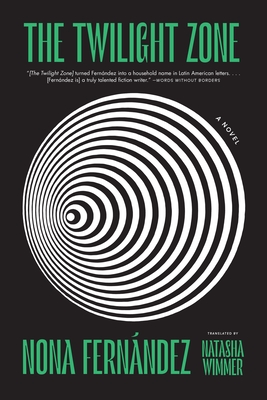
The Twilight Zone

Rate this book
An engrossing, incantatory novel about the legacy of historical crimes by the author of Space Invaders

It is 1984 in Chile, in the middle of the Pinochet dictatorship. A member of the secret police walks into the office of a dissident magazine and finds a reporter, who records his testimony. The narrator of Nona Fernández’s mesmerizing and terrifying novel The Twilight Zone is a child when she first sees this man’s face on the magazine’s cover with the words “I Tortured People.” His complicity in the worst crimes of the regime and his commitment to speaking about them haunt the narrator into her adulthood and career as a writer and documentarian. Like a secret service agent from the future, through extraordinary feats of the imagination, Fernández follows the “man who tortured people” to places that archives can’t reach, into the sinister twilight zone of history where morning routines, a game of chess, Yuri Gagarin, and the eponymous TV show of the novel’s title coexist with the brutal yet commonplace machinations of the regime.

How do crimes vanish in plain sight? How does one resist a repressive regime? And who gets to shape the truths we live by and take for granted? The Twilight Zone pulls us into the dark portals of the past, reminding us that the work of the writer in the face of historical erasure is to imagine so deeply that these absences can be, for a time, spectacularly illuminated.

232 pages, Paperback

First published November 1, 2016

297 people are currently reading
10442 people want to read

About the author

Nona Fernández

31 books577 followers
Patricia Paola Fernández Silanes (Santiago, 1971), más conocida como Nona Fernández, es una actriz, escritora, guionista y feminista chilena.
Hija única de madre soltera, Nona Fernández creció en un barrio de avenida Matta cercano al mercado persa Bíobío. Como actriz, fundó la compañía Merri Melodys, participó en montajes de muchas obras teatrales y ganó como mejor actriz un concurso del Centro Chileno-Norteamericano de Cultura.
Sus cuentos aparecieron primero en diversas antologías de concursos, y su primer libro de relatos salió a luz el año 2000: El cielo. Dos años más tarde publicó su premiada novela Mapocho.

Ratings & Reviews

What do you think?
Rate this book

Friends & Following

Create a free account to discover what your friends think of this book!

Community Reviews

5 stars
2,022 (41%)
4 stars
1,862 (38%)
3 stars
747 (15%)
2 stars
159 (3%)
1 star
42 (<1%)
Displaying 1 - 30 of 835 reviews
Profile Image for David.
301 reviews1,436 followers
November 20, 2021
Living in Chile under the Pinochet dictatorship was a surreal experience, with the sudden disappearance of friends, neighbors, and family members at the hands of the secret police. The 1973 military coup was backed by the U.S. government and Nona Fernandez provocatively uses touchstones of North American pop culture as a lens through which to recount the experience. This was unflinching, emotionally moving, and effective.
Profile Image for Alejandra Arévalo.
Author 4 books1,882 followers
December 8, 2020
Hay una manera magistral y perfecta de retratar un periodo horrible de la historia y lo hizo posible Nona Fernández con este libro. Más allá de contarles la historia, quiero contarles que su narrativa tiene un juego imaginativo precioso, palabras acomodadas perfectamente y que sin embargo duelen. Acá, en la dimensión desconocida suceden atrocidades y esa conexión la hace la autora. Siento que hasta me quiero poner poeta al hablar de este libro, de verdad me gustó mucho.

Objetivamente: es un libro que en un ejercicio de imaginación, memoria e investigación, Nona Fernández nos cuenta sobre un hombre que en plena dictadura militar decide dar su testimonio a una revista diciendo: Yo torturé.
Un militar que ya no quiere oler a muerto es el personaje que se le aparece continuamente a Nona y es ella quien lo mete en la conversación con nosotras sus lectoras, para hacernos parte de esa imaginación desbordada pero precisa de lo que sucedió en Chile.

Lo terminé en unas cuantas horas. No podía soltarlo, sobre todo porque Fernandez insistía en usar esos verbos que me invitaban a imaginar con ella. Imagino, creo, espero. Espero que en un futuro seamos capaces de cerrar las puertas a la dimensión desconocida y que acá podamos echarnos la mano entre todos sin indiferencia de los otros.
Profile Image for Henk.
1,195 reviews302 followers
December 5, 2021
How suppression hurts oppressors sometimes equally as the oppressed, but also how authority requires both brutality and complacency. The flight into a mental twilight zone by enormous parts of Chilean society told in a documentary manner.
Your imagination is clearer than my memory.

This book feels as a modern equivalent of this painting by Goya, featuring an execution: https://en.m.wikipedia.org/wiki/The_T...
Harrowing and intense, I listened this book in one go and was both deeply uncomfortable and eager to see how Nona Fernández would bring the story further.

The narrator of the audiobook initially sounded a bit like Siri, which is not a good thing, but the story of The Twilight Zone is told in a rather detached and documentary like style that in a sense was maybe complemented by the robotic narration.
"I can imagine it perfectly" or "I know, I am not imagining" come back quite often.
In essence the book tells of recent Chilean history and in particular the defection of a soldier first class whose testimony on how he tortured people served as a catalyst to the down fall of the Pinochet regime. The level of nuance Fernández manages to convey, with resistance people turning out to be turncoats and tortures taking actions of enormous heroism, is impressive. The violence, with severed fingers to make identification harder, torture, shootings in the dessert, machine gun fire on people herded together in stadiums; the subject matter is harrowing.
People end up being as broken as Winston at the end of 1984, with the mother of the narrator turning to antidepressants and therapists to combat the trauma of the wider society.
How many faces can a human being contain? is something that is wondered, and people indeed turn from neighbours or innocent conscripts to murderers. But as indicated in the banner of this review, the suppression is corrosive to the suppressors as well, however harsh they are threatened to not show human kindness to their prisoners.

I was reminded of When We Cease to Understand the World while reading this book, also an excellent work engaging with history and morality in an almost documentary like manner.
The Twilight Zone is associative (drawing heavily on the popculture references of the childhood of the author) and not for one moment backs away from uncomfortable scenes and considerations. Easy narratives of civilians all being rebels and the only bad people being in uniforms are rejected, and the world painted is not just very black but also profoundly grey in hues. 4.5 stars rounded down, a harrowing and impressive read.
Profile Image for Cardenio.
209 reviews166 followers
May 19, 2018
Por fin leo a la Nona, y qué bueno, por la chucha. Ahora me doy cuenta de que necesitaba leerla para articular todas esas imágenes y textos de la dictadura que había recolectado mentalmente, casi como en un ejercicio obsesivo por enterarme del horror acometido en esos años. Precisamente esta novela se construye de la misma manera, como un mosaico de citas, e historias, y pequeños relatos menores articulados en un texto más homogéneo que tiene un centro argumental pero que se presenta de manera fragmentada.

Hay una escena muy bonita, en la que la Nona-narradora está con su mamá en el cine viendo uno de los documentales sobre la dictadura chilena (en cuya producción había participado) y nos dice sobre ella: "Todo lo que ve en este momento pertenece a su pasado. Las imágenes proyectadas vuelven presente un tiempo que es más de ella que mío, pero que ha intentado sanamente olvidar mientras que yo lo heredé como una obsesión enfermiza". Siento que esta cita expresa muy bien algunos de los sentimientos que las generaciones de la posdictadura sentimos frente a ese Relato oficial que se nos comunica a través de registros y metáforas tan dispares de acuerdo a los diversos contextos. Nos sentimos ajenos, y escarbamos en distintos territorios tratando de construir una Verdad para finalmente aprehenderla interiormente. Este libro me enseñó lo difícil que es consolidar un Gran Relato Oficial sobre la dictadura y lo importante que es escuchar y atender al memorial de las víctimas, porque lo que queda en la actualidad son precisamente esos pedazos mutilados de historias, fragmentos y recortes del pasado, de esa temida y oscura "dimensión desconocida" a la que la autora da tanto énfasis.

El ejercicio que hace la Nona en este libro es precioso. Unifica, "imagina" y atiende a todos estos pedacitos de memoria viva. En su papel de intelectual e investigadora recurre al Archivo del horror y rescata de allí algunos recuerdos, como los de la familia Weiber Barahona o los de la familia Flores. Además, va estableciendo paralelismos extraordinarios entre lo vivido por las víctimas y lo acontecido en la cultura popular. Por lo demás, su prosa es tan bacán y refrescante que me emocionaba mucho leerla. Me demoré poquito en terminar la novela, pero repasé varias líneas, leía con detenimiento porque no quiero olvidar las historias que se cuentan acá.

La Nona nos dice: "He trabajado tanto con estas imágenes que como buitre me he acostumbrado a ellas y he perdido toda sensibilidad frente a lo que generan". Más allá de escarbar entre estos archivos y entre estos territorios de vulnerabilidad, creo que debemos aprender a escuchar.
Profile Image for Paula Mota.
1,662 reviews561 followers
December 25, 2022
4,5*

A Quinta Dimensão, edição da Elsinore, Setembro de 2022

Sinto o cheiro das velas a consumir-se nesta esquina. Reconheço o fumo antigo que se me cola à pele, ao cabelo, à memória. Fedor incómodo a pneu queimado, a parafina, a barricada, a centenas de velas acesas. Presente, futuro e passado amalgamam-se nesta cerimónia que não é senão um parêntesis de fumo regulado pelo relógio d’A Quinta Dimensão.

Espacei a leitura deste livro durante bastante tempo porque, baseando-se em factos e pessoas reais, vítimas de tortura e assassinato a mando do regime de Pinochet, esse monstro que viveu mais do que deveria ser permitido, pegar nele exigiu alguma determinação da minha parte.

Milhares de fanáticos choram
e fazem fila para se despedirem do tirano.
O neto do assassinado, o general Prats,
espera pacientemente a sua vez.
Após horas de espera, chega ao caixão e cospe nele.


Tendo nascido em 1971, Nona Fernández cresceu durante a ditadura militar (1973-1990) que depôs e assassinou Salvador Allende e assistiu aos primeiros passos da insipiente democracia que permitiu que o ditador continuasse no activo como senador.

O mundo ri da democracia chilena.

É bastante inteligente e paliativa a abordagem que a autora faz deste período brutal da história chilena, porque suaviza os golpes constantes que são os relatos de rapto, tortura, execução e encobrimento do desaparecimento dos opositores ao regime através da correlação com episódios da famosa série “A Quinta Dimensão” a que assistiu durante a infância.
Esta obra abre com Andrés Morales, agente dos serviços de segurança chilenos a entrar na redação de uma revista com o propósito de confessar todas as barbaridades que cometeu a fim de reprimir elementos da oposição, numa entrevista com o título “Eu Torturei”.
A partir daqui, tanto pelos seus relatos como seguindo as vítimas deste e de outros carrascos, ficamos a conhecer vários opositores desde a sua captura até à sua execução, sem sermos poupados a todas as sevícias infligidas até lá.
Embora o foco desta obra sejam as vítimas, os homens e mulheres movidos pela coragem de defender os seus ideais, o que é bem notório pela repetição dos seus nomes, pois creio que a maior homenagem que se pode prestar a uma pessoa é não deixar o seu nome cair no esquecimento, o eixo é sem dúvida esta personagem que adquire desde logo o epíteto de Homem que Tortura. A entrecortar os capítulos surgem vários testemunhos na primeira pessoa em que ele conta o seu percurso no exército até chegar às forças de segurança, o horror que lhe causaram alguns episódios de enorme violência, os remorsos que o levaram a expor tudo aos jornalistas e, por conseguinte, a desertar, bem como os seus pesadelos.

Sim, às vezes sonho com ratos.
Com quartos escuros e com ratos.
Com homens e mulheres aos gritos
e com cartas enviadas do futuro
que me perguntam por esses gritos.
(...)
Depois não aguentei mais,
Fui à revista e fiz o que fiz.
Você contou tudo melhor do que eu.
A sua imaginação é mais nítida que a minha memória.


Aqui é-me impossível não me lembrar de Leonardo Padura com o seu “O Homem que Gostava de Cães”. Também Nona Fernández nos dá o outro lado da moeda: até os homens que praticaram os actos mais hediondos, por convicção, por lavagem ao cérebro, por cumprirem ordens, têm um lado humano, mas apesar de gostar desse desafio, fico sempre a matutar se devo realmente condoer-me de pessoas com sangue nas mãos. É, por isso, um livro inquietante, revoltante mas tocante na sua homenagem a um punhado de dissidentes que representam as 3200 pessoas que desapareceram ou foram mortas e as 38 mil que foram torturadas numa altura em que muitos de nós já tínhamos nascido.

Porquê falar de um homem que participou de tudo isto e, a dada altura, decidiu que não aguentava mais? Como é que se decide que já chega? Qual é o limite para tomar essa decisão? Há um limite? Temos todos o mesmo limite? Que teria eu feito se tivesse iniciado o serviço militar aos 18 anos como o Andrés e o meu superior me tivesse mandado vigiar um grupo de presos políticos? Teria feito o meu trabalho? Teria fugido? Teria compreendido que aquele era o princípio do fim?
Profile Image for Paul Fulcher.
Author 2 books1,952 followers
October 13, 2021
There is a fifth dimension, beyond that which is known to man. It is a dimension as vast as space and as timeless as infinity. It is the middle ground between light and shadow, between science and superstition, and it lies between the pit of man's fears and the summit of his knowledge. This is the dimension of imagination. It is an area which we call The Twilight Zone.

Rod Serling, The Twilight Zone


They unloaded their belongings in bewilderment, and then, once they were inside, their mother explained the rules of a new game they were going to play. This house was a special house, she said. Everything that happened from now on between these four walls would be a secret: any people who visited, any meetings that were held, any flyers that were printed, any conversations over-heard. From now on, there would be things they couldn't talk about, that were part of a secret and unspoken reality, a hidden dimension that only they and nobody else could inhabit. They wouldn't go back to their neighborhood or visit their old friends, because everybody thought they were in Valdivia. The old house and the old neighborhood were part of a life that didn't exist anymore. Now they had this one, the life of the game and of secrets.

from 'The Twilight Zone' translated by Natasah Wimmer from Nona Fernández's (2016) original La dimensión desconocida


Note: This is the 8th of Wimmer's translations I have read, the best known of course Roberto Bolaño's 2666.

The Twilight Zone is based on a true story. In August 1984, a Chilean Intelligence Officer, Andrés Antonio Valenzuela Morales, walked into the editorial offices of Cauce Magazine, to make a confession of his involvement in state-sponsored terror. The interview, initially caught by press censorship, was eventually published in December of that year in a Venezuelan publication, El Diario de Caracas - see https://www.ciperchile.cl/2011/09/30/... - and then in Cauce in July 1985.

Our narrator recalls the first time she saw Andrés Antonio Valenzuela Morales as a teenage girl (Fernández herself had just turned 14 when Cauce was published), someone she refers to usually in the book as the man who tortured people.

The first time I saw him was on the cover of a magazine. It was a copy of Cauce, the kind of thing I read back then with no knowledge of the people featured in all those headlines reporting attacks, kidnappings, strikes, crimes, scams, lawsuits, indictments, and other scandalous occurrences of the day. “Accused Bomber Was Local CNI Boss,” “Degollados Killers Still Doing Time in La Moneda,” “The Plot to Assassinate Tucapel Jiménez,” “Did DINA Order Calama Executions?” My reading of the world at thirteen was shaped by stories in magazines I didn’t own, that belonged to everybody, passed from hand to hand among my classmates. The pictures in each issue gradually arranged themselves into a confusing landscape that I never managed to map in its entirety, though each dark detail lingered in my dreams.

I remember a scene I came up with in my head after reading some article. On the cover of the magazine was a drawing of a blindfolded man in a chair. An agent was interrogating him in the glare of a lamp. Inside the magazine was a catalog of torture methods. I read the testimonies of victims and saw diagrams and drawings that looked like something out of a book from the Middle Ages. I can’t remember every detail, but clear in my mind is the story of a sixteen-year-old girl who said that in the detention center where she was kept they had stripped her, smeared her body with excrement, and put her in a dark room full of rats.

I didn’t want to, but inevitably I imagined that dark room full of rats. I often dreamed of that place and woke up from the dream over and over. Even now I can’t shake it and maybe that’s why I’m recording it here, as a way to let it go. In that same dream, or maybe another like it, I inherited the man I’m imagining. An ordinary man, no different from anyone else, nothing special about him. Except for a bushy mustache, which I, at least, couldn’t stop thinking about. His face was on the cover of one of those magazines, and over the picture was a headline in white letters: I Tortured People.

Under that, another line: Shocking Eyewitness Account By Security Services Agent. In a pull-out section inside there was a long exclusive interview. The man gave a full account of his time as an intelligence agent, from his service as a young conscript in the air force to the moment he went to the magazine to tell his story. There were pages and pages of details about what he had done: the names of agents, prisoners, informers; detention center addresses, burial sites, descriptions of torture methods; accounts of many missions.


See https://i.ibb.co/pLtC4rH/yo-torture1.jpg for the front page to which the narrator refers and https://vivachilemierdathefilm.files.... for the whole article

Fernández's narrator constructs her story based on a combination of the man who tortured people's testimony, that of those who interviewed him and then helped him escape Chile, historical archives, her personal experience (sometimes direct, sometimes in contrast to the 'twilight zone' of abductions and torture), and her own imagination.

She considers both the man who tortured people's own experience, before and after his confession, but also the fate of those whose paths crossed his while he was active.

At times the novel can be a litany of names and dates, most notably in pages at the end that are a taken on Billy Joel's We Didn't Start the Fire, replacing its references to meaningul events and people in Joel's life from 1949-1989 with those from the history of the Pinochet regime. Here the novel reminded me of the work of the great Daša Drndić. albeit without her intensity.

But there is also a side inspired by the eponymous TV show, the twilight zone of the novel referring to the odd alternative world that took place during the regime, with (as per the quote that opened by review) members of the anti-regime resistance leading clandestine lifes, but also a world where suburban houses on ordinary streets proved to hide interrogation centres and torture chambers in their basements, and a schoolfriend's step-father could prove to be a state-sponsored assassin.

Powerful and a worthy finalist for the National Book Award for Translated Literature.
Profile Image for Eylül Görmüş.
754 reviews4,669 followers
July 4, 2024
Ne kitap ama, ne kitap. Ciğerimi söktü.

Şilili yazar Nona Fernadez Bilinmeten Boyut'ta, Şili'de 1973'teki darbenin ardından yaşanan karanlık Pinochet döneminin perdesini aralıyor. Tıpkı Javier Cercas'ın övmelere doyamadığım Bir Anın Anatomisi kitabı gibi, bu da ilk bakışta romana benzemeyen romanlardan - ama bu hikaye de ancak böyle anlatılabilirdi.

Sene 1984, askeri diktatörlük hala çok güçlü; insan kaybetmeler, yasadışı tutuklamalar sürüyor. Bir asker; Andrés Valenzuela, bir derginin kapısından içeri giriyor ve "ben işkence yaptım" diyor. İtiraf edecek. Bunu yaptığı sırada hala görevde, muvazzaf. Her şeyi göze almış çünkü dayanamıyor.

Anlatıyor. İşkencelere, insanların nasıl ortadan kaybolduğuna dair içeriden ilk tanıklık onunki. Dergi yayınlanıyor, o sırada 13 yaşında olan yazarımız okuyor ve okuduklarının dehşeti, işkencelerin detayları zihninden hiç çıkmıyor ve seneler sonra bu kitabı yazıyor.

Valenzuela, itirafının ardından kaçıp Fransa'ya sığınmayı başarıyor ve senelerce tanıklığı sürdürüyor. Yazarımız takıntı haline getirdiği bu adama bir mektup yazıyor, mektup gerçek mi, kurmaca mı, işte oraları bilmiyoruz. Metin, "işkence yapan adam"ın (kitapta hep böyle geçiyor) yazarı cevapladığı bölümler de içeriyor. Bunlar muhtemelen tamamen kurmaca, yazar onun yerine de düşünüyor.

Zaten bence Fernandez'in en iyi yaptığı şey bu: durmaksızın hayal etmek, yerine koymak. İşkencecinin ifadesinde adı geçen kurbanların hikayelerine dair toplayabildiği kadar bilgi toplayıp gerisini hayal ediyor ve bu müthiş yazılmış kısımlar insanların ete kemiğe bürünmesini sağlıyor.

Nitekim o hayali cevapların birinde işkenceci adamın ağzından yazılmış şöyle bir cümle var: "Sizin hayal gücünüz benim hafızamdan daha berrak." Bu kitabın sihri tam da bu cümlede gizli işte. Bu devasa toplumsal suçun kurbanlarını anmanın belki en iyi yolunu bulmuş Fernandez: onları hayal etmek. Öldürülen insanların kendi hayatıyla nasıl kesiştiğini, katliamların aslında herkese dokunduğunu anlattığı yan hikayelerle beraber ortaya bıçak gibi keskin ve kusursuz bir metin çıkmış.

Yine ve yeniden, edebiyatın yarayabileceği işlerden bir başkasını (hafızamız olmak) gösteriyor bu kitap. Çok etkilendim.
Profile Image for Arelis Uribe.
Author 9 books1,716 followers
May 8, 2025
Un librazo, hermoso en su sensibilidad humana, horrible en lo explícito de la violencia. Me gusta cómo entrelazó lo pop con lo factual-crónica, muy potentes los poemas armados con la voz de El Hombre Que Torturaba. La prosa juguetona, respetuosa, inteligente. Aguante Nona Fernández, precioso su trabajo. Gracias a mi amigo Mauricio Tapia que me prestó este librito justo cuando necesitaba leer sobre los uniformados asesinos.
Profile Image for Oscar.
640 reviews44 followers
November 24, 2025
This audiobook was pure horror! 4.4 🌟
Profile Image for Gala.
480 reviews1 follower
May 10, 2018
No me gustó. Cae en varias repeticiones de recursos, lo cual hace de este un libro con mucho relleno. Ejemplos: utiliza conceptos previos (como la serie La dimensión desconocida, o el mayor Yuri Gagarin) y los metaforiza para hablar de la dictadura chilena. Una forma, a mí entender, bastante liviana de hacerlo. Por momentos, es hasta muy tibia al referirse al "protagonista" de la novela, un torturador. Su manera de referirse a todo lo que pasó no me conmovió de ninguna manera, y es más, por momentos me enojó. Sus poética no me produjo ninguna sensación y está llena de lugares comunes. Hay escena que podrían haber sido eliminadas y el resultado final no habría cambiado, porque evidentemente se trataba de partes sin importancia, que estaban ahí para hacer bulto. Es extraño, porque el anterior libro que leí de ella, Space Invaders, sí me gustó, y en este no encontré nada similar que me hubiera hecho acordar a aquel texto.
Profile Image for Alejandra Eme Vázquez .
Author 9 books201 followers
March 7, 2021
Cuando recién lo terminé le había dado cuatro estrellas porque si bien me gustó muchísimo, al momento de leer sentí que la referencia a la dimensión desconocida se agotó a medio libro y lo sufrí un poco porque me había maravillado la construcción inicial del símil. Pero después de varios días, este libro se me fue acomodando muy bien en el cuerpo, recordé que en unos momentos tuve que parar para escribir yo y me eché como cinco cuartillas de mi propio libro en curso (que un libro te desatore la escritura es fantástico). También hubo varias escenas, como la de las fotografías sobre la mesa, que se me quedaron reproduciendo en la cabeza; y esto mismo me pasó con muchísimas ideas sobre la inteligencia, la memoria, la propia escritura, que cuando leí me cimbraron pero después de leer se fueron integrando a mi ser de una manera preciosa. Decidí, pues, volver a leer de la mitad en adelante (es muy cortito) y la segunda vez ya no sentí que se quedara corta en lo de la dimensión desconocida. Entonces vine a poner mi reseña escrita y las cinco estrellas de una lectura que se me quedó en el cuerpo, en la escritura y en la imaginación.
Profile Image for Maria Thomarey.
578 reviews68 followers
December 20, 2022
Άλλο ένα εκπληκτικό βιβλίο απ’ τη χείλη που διάβασα φέτος. Η Χιλή δε με έχει απογοητεύσει ποτέ. Ούτε η Χιλή ούτε χιλιανοί λογοτεχνία
Profile Image for jeremy.
1,202 reviews309 followers
October 24, 2020
being stupid is a personal choice and you don't have to wear a uniform to employ that evil talent. if only you knew, dear andrés, the number of good guys these days who aren't good and never were, though they have yet to be memorialized in a museum; the number of heroes who aren't heroes and never were. i wonder how we'll tell ourselves the story of our times. who we'll leave out of the nice zones in the story. who we'll entrust with control and curatorship.
a reckoning with chile's military dictatorship, nona fernández's the twilight zone (la dimensión desconocida) is as potent as it is poignant. fernández, herself born two years before the (u.s.-backed) coup that deposed president allende (the first notable september 11th) and ushered in pinochet's reign of terror, revisits her childhood in a fictional exploration of the violence, horror, and repression that plagued her nation for nearly two decades.

with a focus on the (real-life) man who tortured people (andrés valenzuela morales, soldier and pinochet-era torturer of political prisoners, who went public with his story in 1984), fernández considers both the era's toll and legacy, framing her personal narrative within the larger context of times past, yet enduring still. employing rod serling's influential television series, the twilight zone, as one of the novel's thematic nuclei, fernández contends with memory, loss, the passage of time, and the unbearable cruelty exacted by a brutal government.

in the vein of other writers exploring their respective nation's dark histories (such as ariel dorfman [also chile] and horacio castellanos moya [el salvador]), fernández unflinchingly braves chile's barbarous past, refusing to turn away from (or ever forget) the murdered, the raped, the tortured, the disappeared, the broken, and the exiled. compelling and creatively composed, the twilight zone, while at times difficult to stomach, manages to masterfully transmogrify the unforgivably abhorrent into the indelibly artistic.
i believe that evil is directly proportional to idiocy. i believe that that the territory you roamed in anguish before you disappeared is ruled by idiots. it isn't true that criminals are masterminds. it takes a vast amount of stupidity to assemble the parts of such grotesque, absurd, and cruel machinery. pure brutality disguised as a master plan. small people, with small minds, who don't understand the abyss of the other. they lack the language or tools for it. empathy and compassion require a clear mind. putting yourself in someone else's shoes, changing your skin, adopting a new face: these are all acts of genuine intelligence.

*translated from the spanish by natasha wimmer (bolaño, enrigue, vargas llosa, zaid, fresán, ybarra, et al.)
Profile Image for Dan HdezSa.
156 reviews102 followers
Read
April 6, 2023
Qué nunca se nos olvide que paralela (¿o perpendicular?) a la nuestra, está la dimensión desconocida en donde

Familiares
de
detenidos
desaparecidos
encienden
velas
en
la
Catedral.

Y en donde desaparecen estudiantes de 43 en 43, y en donde se encuentran fosas clandestinas, que son vecinas de otras fosas clandestinas y en donde se asesinan a al menos diez mujeres al día.

Qué la dimensión desconocida no se nos vuela cotidianidad.
Profile Image for Michał Michalski.
216 reviews342 followers
March 7, 2022
Mocne, mroczne, zapadające w pamięć. Formalnie intrygujące. Językowo świetne.
Profile Image for Aleksandra Pasek .
187 reviews289 followers
June 6, 2022
genialna rzecz. nazwałabym to zbeletryzowaną literaturą faktu.
hybryda wspomnień, kroniki i wyobraźni autorki. wspaniale to wszystko razem jest zmontowane, absolutnie żadnej fałszywej nutki, wszystko ze sobą gra.
mroczna, trzymająca za kołnierz. miejscami niemal poetycka.
okazuje się, że naprawdę można powiedzieć jeszcze coś nowego o terrorze, ofiarach i oprawcach, o dyktaturze. a może nawet nie tyle nowego, co inaczej, jakoś świeżo, w nieoczywisty sposób.

aha, no i naturalnie jest to pozycja o tyranii, rozliczeniu z przeszłością (i czy to się w ogóle Chilijczykom udało), ale przede wszystkim o pamięci, tej wspólnej i tej jednostkowej, a mało jest motywów w literaturze, które mnie kręcą równie mocno. no i nigdy nie czytałam nic z Chile.
zapamiętam sobie tę książkę.
Profile Image for Federico Sosa Machó.
449 reviews134 followers
May 26, 2018
Las confesiones de un torturador cerca del final de la última dictadura chilena son el disparador a partir del cual la autora recrea ficcionalmente distintos episodios vinculados con la feroz represión del régimen de Pinochet. La novela, además de colaborar en la tarea de refrescar la memoria colectiva, plantea varios asuntos de interés. Se asoma oportunamente a la sensación de desencanto de quien observa cómo el paso del tiempo que ha transcurrido desde aquellos hechos ha traído una indiferencia que se ha apoderado de la sociedad chilena. Un documental vinculado a estas cuestiones pasa sin pena ni gloria por los cines, una casa de la memoria sirve para que los antiguos militantes izquierdistas presenten sus quejas vecinales contra los gitanos que se han vuelto poco menos que una amenaza. Fernández muestra que la dimensión desconocida del título no remite a lejanos lugares o realidades extrañas, sino que está aquí, entre nosotros, demasiado cerca, demasiado molesta para que reparemos en ella. Otro eje fundamental de la novela es el que interpela nuestras convicciones éticas a la hora de juzgar la actitud del arrepentido, del "hombre que torturaba". El texto prioriza el planteamiento de preguntas más que ofrecer respuestas. La autora parece seguir, a su modo, los planteamientos de Hannah Arendt y su "banalidad del mal". Valenzuela, el torturador, no aparece como un ser perverso sino como un engranaje más en esa maquinaria terrible, un burócrata que intenta como puede libararse de la culpa que lo espera implacablemente. Algunas alusiones intertextuales, como la que evoca el Cuento de Navidad de Dickens, enriquecen un texto que no deslumbra por su preciosismo pero que encuentra mucha fuerza en su modo directo y preciso de calar en la infamia, en el dolor y sus consecuencias. No es poco.
Profile Image for Jo.
681 reviews79 followers
Read
April 18, 2024
Having read Space Invaders in 2020, I knew I wanted to read anything that was translated into English by Nona Fernández in the future and The Twilight Zone throughly justifies that decision. Built around the real life testimony of a secret service agent during the Pinochet regime, the narrator goes beyond the story and imagines his life and the things that he did, the experiences of those he dealt with, the fallout for the families and so much more. The prose is mesmerizing and sometimes suffocating, the book has to be put down so you can breathe and digest but it’s also entirely compulsive reading. Beyond the connection with the tv series, The Twilight Zone, Fernández links A Christmas Carol, a Billy Joel Song and other eighties and nineties events and culture with the story she is telling and also brings in characters and events from Space Invaders as this novel expands on that novella. A blend of fact and fiction with herself as the narrator, Fernández uses a variety of stylistic techniques to tell this story and it all works, brilliantly so.
Profile Image for Jill.
Author 2 books2,056 followers
September 17, 2021
Each book should stand on its own. Still, I can’t help but compare The Twilight Zone to a book I started the year off reading—Hades, Argentina by Tomas Ortilla. In that book (set in Argentina), hauntings are everywhere as the character’s own ghost appear in his memories, in the street, in the auto plant that he worked that was used for ultimate tortures.

The Twilight Zone is set in Chile during the years of Pinochet’s dictatorship. It centers around the man who tortured others—a military officer with a distinctive moustache—who decides to confess his participation in the torture and disappearance of so many victims to a magazine editor who shares the author’s last name. Many years later, the narrator encounters “the man who tortured others” again, this time as she’s putting together a TV series about the deadly times—and him.

Her conceit is clever: she compares the Pinochet era to The Twilight Zone, actually recounting episodes of it, to showcase the absurdity of this parallel universe where innocents are whisked from the street to disappear forever, enabled by a collectively terrorized and therefore silent society.

Early on, Fernandez frames the questions we must keep in mind: “Why should I talk about a man who was part of it all and at some point decided he couldn’t be anymore? How do you decide when you’ve had enough? What kind of line do you cross? Is there such a line? Will we ever emerge and give the world the bad news about what we were capable of doing?”

This literally haunting novel functions best when it zeroes in on unforgettable images of the victims—three brothers who are simultaneously captured and the devil’s bargain one must make to save the other two, or an ordinary man on the bus with his wife and kids who is suddenly set up and taken away in full view of them. Also, the author adroitly uses a variety of lenses in which to view the story: memory, pop culture, video games, and so forth.

The writing rises to poetry in places, its beauty contrasting with the ugliness of the content. If the novel has a fault, it’s that at times it becomes almost repetitive – another snatching, another torture, another person disappeared. Still, knowing that art will always survive to strive to question the incomprehensible is reason enough to choose this novel.
Profile Image for Ulla Scharfenberg.
155 reviews235 followers
June 3, 2024
Wow! Das war eines der besten Bücher, das ich seit langem gelesen habe. Es ist intensiv, es ist poetisch, es ist stellenweise kaum auszuhalten, denn es ist nur bedingt Fiktion.

Nona Fernandez (*1971 in Santiago de Chile) geht in "Twilight Zone" den Spuren der Militärdiktatur in Chile nach. Ausgangspunkt ist eine Aussage eines Agenten der Geheimpolizei, der 1984 in das Büro einer Journalistin kommt und sagt: ich möchte reden. Dieser Mann, "der Mann der gefoltert hat" erscheint auf dem Cover der Zeitschrift "Cauce", das Nona Fernandez als Teenager sieht und nicht mehr vergisst.

"Twilight Zone" ist ein Roman über das Leben in einer Diktatur, in der Entführungen und das Verschwinden von Menschen zu einer grotesken Normalität gehören. Während die Bevölkerung ihrem Alltag nachgeht, arbeitet, zur Schule geht, Fernsehserien schaut, werden Oppositionelle aus Linienbussen gerissen und in geheime Folterlager verbracht. Viele enden erschossen und mit abgeschnittenen Fingerkuppen in Flüssen, Höhlen, Gräben. Tausende sind bis heute vermisst.

Verwoben mit ihrer eigenen Geschichte, erzählt Nona Fernandez von Menschen, die einen ganz gewöhnlichen Morgen mit ihren Kindern verbringen, bevor sie kurz darauf von Agenten der Geheimpolizei verschleppt werden. Vieles ist historisch belegt, anderes füllt die Autorin mit ihrer Fantasie auf und schafft so ein eindringliches Gesamtbild, das zutiefst berührend ist.

Wer dem Verstehen näherkommen will, was es bedeutet, in einer Diktatur aufzuwachsen, wer einen Eindruck von dem Schmerz bekommen möchte, der tief eingeschrieben ist in Generationen, wer Chile besser kennenlernen will, muss "Twilight Zone" lesen, auch wenn das Grauen mitunter unerträglich ist.

Großartig übersetzt von Friederike von Criegern.
Profile Image for Sunny Lu.
983 reviews6,402 followers
May 3, 2022
more like 3.5
loved the seamless interweaving of personal, media, and political narratives surrounding the narrators personal life and anecdotes and the centralized fixation on the man who tortured people. I think lots of it felt repetitive, and it feels more like a creative personal essay than a novel?? Somewhat unfulfilling on narrative structure but well written and moving
Profile Image for Violely.
412 reviews127 followers
May 17, 2018
Los libros que me generan conflictos morales terminan haciéndome reveer y analizar valores, para después reafirmarlos o decidir cambiarlos, algo que logra y permite tan bien el arte. Con este libro de Nona Fernández me pasó eso, me hizo repensar el perdón, la bondad y maldad del ser humano, también leer teorías sobre el tema y me movió algunas estanterías. Es un libro muy pretencioso y, en ese camino, tiene sus aciertos y desaciertos, pero se nota que Fernández se la juega de cuerpo y alma. Al final, mi balanza dio más positiva que negativa porque quién más que el que sabe y le interesa un tema y se siente parte de él, es capaz de decir algo indebido. Eso hace Nona al decidir otorgar su perdón al "hombre que torturaba", lo hace en su narrativa desde el principio y con total conocimiento de causa y al terminar de leerlo uno valora su decisión y valentía. A pesar de los errores, algunos muy molestos y que hacen muy pedregoso el recorrido, valoro más un libro pretencioso y que con esa pretensión se equivoca que el que se queda en lo simple con la certeza del no error.
Como en la anterior novela de Nona Fernández, los consumos culturales que marcan una época son el punto de partida elegido para hablar de un tema complicado como lo es y lo será siempre la dictadura. Es a partir de la serie "La dimensión desconocida" que ella despliega una sucesión de mundos, idas y vueltas que tienen dos elementos en común, ella y el hombre que torturaba. Esa persona que la marcó tanto desde la niñez y que la llevó a plasmar su historia relacionada con tantas otras en estas páginas.
Puedo nombrar muchas cosas que me parecieron desaciertos. A pesar de eso, debo decir que si uno supera la "zona de ingreso" dónde habita la mayoría, lo que viene se pone mucho mejor. Es de este capítulo donde debo hablar del concepto de distancia de rescate, tan perteneciente a Samanta Schweblin y del que tanto abusa Nona. Me parece una decisión malísima usarlo, más todavía aplicado a otra situación que no es la que ella define en su conocido libro y peor aún repetirla como cinco veces casi seguidas. .
Otro punto, y que en realidad estructura la historia, es el recurso del ejercicio de la imaginación, hasta pasada la mitad del libro me costó terminar de entrar en él, sentía que esa fórmula elegida me expulsaba de la historia una y otra vez. Me sentía mirando todo desde el exterior sin terminar de creerlo, de sentirlo. Lograba quitarle verosimilitud, romper ese pacto sin firmas ni testigos que uno hace con el autor en el momento de abrir un libro.
Los paralelismos con la serie me parecieron interesantes ya que mostraban el mundo detrás del mundo, el choque de tiempo y hasta casi de espacio entre los civiles que no se involucraban y los que estaban siendo torturados y matados. En ese juego, el bajar a la profundidad del dolor, hablando de gnomos en lugar de represores me generó sensaciones encontradas, no estoy segura de que esté del todo bien, para mí no hay que hablar de esa época con eufemismos sino con toda la crudeza que hace falta, porque no se trataban de gnomos de cuentos de hadas sino de asesinos.
A pesar de todo esto, que es lo malo, la novela me gustó porque generó muchas cosas en mí, me movilizó en la molestia, en el análisis, en la repregunta, en el cuestionamiento de lo que se da por sentado, en el valor que puede tener mi perdón y si es más o menos valioso del de alguien que fue parte de esos momentos. En pensar y seguir pensando sobre quién debe ser más perdonado el que hizo algo atroz y después también hizo todo lo que pudo para remediarlo o el que vivió mirando a otro lado esos momentos y ahora siente el derecho del juzgamiento. Claro que son preguntas que todavía no tienen su respuesta, siguen dando vueltas, y quizás eso sea lo mejor.
Profile Image for Sarah ~.
1,055 reviews1,037 followers
January 24, 2025
The Twilight Zone - Nona Fernández


ترجمة لاقتباس ورد في بداية الرواية:
"أتخيل وأمْنحُ صوتًا للأشجار العتيقة، والإسمنت تحت قدمي، والهواء العطن الذي يحوم حول هذا المكان.
أتخيل وأكمل القصص غير المكتملة، وأعيد بناء الحكايات نصف المروية.
أتخيل وأعيد إحياء آثار طلقات الرصاص."

~


رواية عن إرث جرائم عهد الدكتاتور بينوشيه في تشيلي.
كانت الراوية طفلة عندما دخل أحد أفراد الشرطة السرية إلى مقر إحدى المجلات وطلب صحفية حتى يروي لها شهادته حول ما يحدث من تعذيب وإخفاء قسري وخطف وقتل للمواطنين، نشرت المقابلة لاحقًا في المجلة وصدر العدد بعنوان عريض مختصرًا لما جاء على لسان ذلك الرجل: "لقد عذبتُ أناسًا".

ترى الطفلة غلاف المجلة فور صدورها وهذا الحدث يلاحقها طوال حياتها، ككاتبة ثم كمخرجة أفلام وثائقية.
تحاول ملاحقة القصص العديدة التي ذكرها "الرجل الذي كان يعذب الناس"-وهو الاسم الذي ستطلقه عليه كثيرًا وإن كانت ستذكر اسمه الحقيقي بين الحين والآخر، وفي محاولة لوضع صورة مفصلة لقمع وحشي دمر كل شيء وسحق أرواح الملايين، تلاحق القصص التي تتذكرها هي شخصيًا عن الأمر-قصص روتها أمها أو زميلاتها، ومواقف حياتية بسيطة لكن في ضوء جديد تعرف ما وراءها حقًا من رعب مستتر، هذه محاولة لجمع قصص عن أفراد في عوائل غرباء وحتى أصدقاء وزملاء ومعارف اختفوا تمامًا على يد النظام .

بدأت الرواية بتشكك الحقيقة وفلت أنها لن تزيد على أن تكون عملًا جيدًا وحسب ولكنها أذهلتني مع كل صفحة، خاصة في ثلثها الأخير، كثيرًا ما يختلط صوت الراوية بخواطر الرجل الذي كان يعذب الناس وتنتج رواية عظيمة..

هذه رواية عن وطن مزقته أفعال دكتاتور وحشي وزبانيته، وأنهيها وأنا أفكر؛ هذا ما كان يقصده غسان كنفاني تمامًا حين كتب:
"أتعرفين ما هو الوطن يا صفية؟ الوطن هو ألَّا يحدث ذلك كله."
~
أرجو أن تترجم إلى اللغة العربية .
Profile Image for Lauren .
1,834 reviews2,548 followers
August 15, 2022
"A time of ghosts. Of mustached monsters giving testimony under the title 'I tortured people'...

• THE TWILIGHT ZONE by Nona Fernández, translated by Natasha Wimmer, 2021.

Fernández returns to Pinochet-era Chile for an autofictional excavation, choosing to lean in and vivisect the time of terror rather than sweep it under the rug of history.

The narrator of the story (Fernández through a fictional lens?) is a documentarian. The story splits time between the early 1980s of their childhood and the present moment of truth and revelation. Framing the eerie, horrific, and unexplainable acts in terms of the Twilight Zone television show, even reimagining some of the episodes playing out in 1980s Chile.

Immersed in the story of 'the man who tortured people', an intelligence officer who told his story to a journalist in 1984, revealing the deeper layers of the terror apparatus - people abducted on the street and taken to homes in common neighborhoods for torture... and to be added to the numbers of disappeared.

Fernández notes how the "man who tortured people" looks like her science teacher... an Arendtian 'banality of evil' scenario, and she constructs a whole life (fiction + fact) around this person and his motivations.

Unflinching, experimental but not challenging to read - this book reminded me of Gina Apostol's INSURRECTO, and the obvious link to Roberto Bolaño's BY NIGHT IN CHILE, which also has the distinction of translation by Wimmer.
Profile Image for diario_de_um_leitor_pjv .
780 reviews139 followers
September 6, 2024
Um livro poderoso e intenso [por vezes muito duro] sobre a ação da ditadura de Pinochet e da sua polícia política nos anos 70 e 80.
Um texto que partilha da imensa dor que ainda hoje se sente na sociedade chilena.
Um livro a ler.
Profile Image for Caro Mouat.
151 reviews82 followers
June 25, 2025
Uf uf uf increíble. Siento que en este libro se despliega todo el talento de Nona, no sé si se pueda superar a sí misma pero esta obra sin lugar a dudas dejará una huella en la literatura chilena y en nuestra historia.
Profile Image for Pablo.
477 reviews7 followers
June 16, 2021
La descripción de algunos de los hechos más oscuros de dictadura narrados entre los recuerdos y el presente de la narradora. Por momentos me pareció frívolo por parte de la autora yuxtaponer relatos de torturas y asesinatos con hechos cotidianos de su vida y de la cultura pop, como el programa que da nombre al libro o Los Vengadores de Marvel. Pero no tarde en comprender que los horrores que transcurrían en ese tiempo no eran aislados, que si bien pasaban en una "dimensión desconocida", esta solo era a nivel metafórico, ya que pasaban ahí mismo, mientras la vida de otros seguía normal. El "mostrarse" de Nona Fernández en el libro lo hace más abierto, se busca reconstruir una historia, y quién reconstruye esa historia muestra como en cierto sentido aquello también la reconstruye así misma.

Aparte de lo interesante de los hechos expuestos y que creo que muchos desconocemos, siento que el libro refleja muy bien los sentimientos de impotencia, decepción y rabia contenida que dejó la transición. Y eso la autora lo va tejiendo de forma muy sutil al principio, para ya al final "reventar". Y si durante gran parte del libro el sentimiento que generaba era la congoja, para el final es la rabia.
Profile Image for Vaso.
1,752 reviews224 followers
March 7, 2023
Εν μέσω της δικτατορίας του Πινοσέτ, ένας άντρας εμφανίζεται στα γραφεία ενός περιοδικού και λέει ότι θέλει να μιλήσει για τους ανθρώπους που έχει βασανίσει, για τους ανθρώπους που έχει σκοτώσει.
Ορμώμενη από αυτό το πραγματικό γεγονός η συγγραφέας γράφει ένα βιβλίο που μιλά για τους ανθρώπους που εξαφανίστηκαν εν μια νυκτί, για τους γονείς, τους πατεράδες, τους γιους που έφυγαν και δεν ξαναγύρισαν ποτέ. Η δικτατορία του Πινοσέτ κράτησε πολλά χρόνια, κι ακόμη και μετά την ανατροπή του, ο ίδιος συνέχισε να είναι μέλος της κυβέρνησης...σαν να μην έφυγε ποτέ.
Μαρτυρίες που σοκάρουν αλλά που κρύβουν βαθύτατες αλήθειες καλά κρυμμένες για μια χώρα που νόμισε ότι ανατρέποντας τον Πινοσετ έφερε και τη δημοκρατία πίσω. Μόνο που η δημοκρατία άργησε να έρθει μερικά χρόνια...αν ήρθε ποτέ.

"Τον φανταζόμουν εκεί, στην ύπαιθρο, προτού τον γεμίσουν σφαίρες.
Έκλαψα ήσυχα, κρυφά, χωρίς να το καταλάβει κανένας. Μετά ένιωσα θλίψη, είχα έναν κόμπο στο λαιμό.
Μετά συνήθισα στο κλάμα.
Μετά σταμάτησα να κλαίω.
Θέλοντας και μη συνήθισα.
Στο τέλος δεν ένιωθα πλέον τίποτα.
Είχα μετατραπεί σε άλλον.
Σε κάποιον που ξυπνάει και κοιμάται με τη μυρωδιά τού θανάτου."
Displaying 1 - 30 of 835 reviews

Can't find what you're looking for?

Get help and learn more about the design.