

What do you think?

Time's Arrow
In Time's Arrow the doctor Tod T. Friendly dies and then feels markedly better, breaks up with his lovers as a prelude to seducing them, and mangles his patients before he sends them home. And all the while Tod's life races backward in time toward the one appalling moment in modern history when such reversals make sense.
165 pages, Paperback
First published September 26, 1991
About the author
Martin Amis
108 books3,072 followersMartin Amis was an English novelist, essayist, and short story writer. His works included the novels Money, London Fields and The Information.
The Guardian writes that "all his critics have noted what Kingsley Amis [his father] complained of as a 'terrible compulsive vividness in his style... that constant demonstrating of his command of English'; and it's true that the Amis-ness of Amis will be recognisable in any piece before he reaches his first full stop."
Amis's raw material is what he sees as the absurdity of the postmodern condition with its grotesque caricatures. He has thus sometimes been portrayed as the undisputed master of what the New York Times has called "the new unpleasantness."
The Guardian writes that "all his critics have noted what Kingsley Amis [his father] complained of as a 'terrible compulsive vividness in his style... that constant demonstrating of his command of English'; and it's true that the Amis-ness of Amis will be recognisable in any piece before he reaches his first full stop."
Amis's raw material is what he sees as the absurdity of the postmodern condition with its grotesque caricatures. He has thus sometimes been portrayed as the undisputed master of what the New York Times has called "the new unpleasantness."
Ratings & Reviews
Friends & Following
Create a free account to discover what your friends think of this book!
Community Reviews
Displaying 1 - 30 of 1,731 reviews

November 14, 2012
BE KIND, REWIND

Se io leggessi Finnegan’s Wake col caffè del mattino, Proust dal dentista e Herta Müller in bagno, forse avrei trovato questo libro ‘semplice’ - e magari anche 'immediato' e 'diretto'.
Così non è e così non è stato: è un’opera che m’è sembrata ostica, molto faticosa da portare avanti e sono contento d’essermene liberato.
Forse non sarei neppure arrivato in fondo, se dopo qualche pagina non avessi avuto l’illuminazione di saltare alla postfazione dove la citazione di Primo Levi ha acceso il mio interesse e l’ha tenuto sufficientemente vivo fino al termine della lettura.
Che in realtà è l’inizio, almeno quello della storia.

Perché Amis in questo suo esperimento di letteratura srotola il tempo al contrario: non tanto dal finale al principio, piuttosto dal dopo al prima.
Per intendersi: dal carrozziere si va con la macchina a posto e si ritira ammaccata; a Solingen arrivano forbici, coltelli, bisturi che vengono trasformati in acciaio; i mobili non si costruiscono, ma si distruggono riducendoli nei loro componenti…
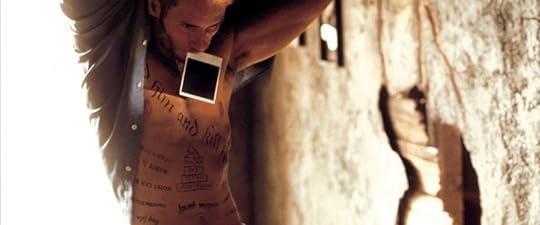
Christopher Nolan: Memento. 2000
Un po’ macchinoso per i miei gusti. Niente a che vedere con la linearità narrativa del film Memento o Il curioso caso di Benjamin Button, opere che in qualche modo potrebbero essere paragonate a questa di Amis.
Di In senso inverso di PK Dick non posso parlare perché non l’ho letto.
L’argomento è fondamentale e imprescindibile, il più buio dei sonni.
Ma sembra quasi che il buon Amis, per non essere confuso con tutte le opere precedenti sull’argomento, abbia voluto procedere a ogni costo "controcorrente" ☺

Se io leggessi Finnegan’s Wake col caffè del mattino, Proust dal dentista e Herta Müller in bagno, forse avrei trovato questo libro ‘semplice’ - e magari anche 'immediato' e 'diretto'.
Così non è e così non è stato: è un’opera che m’è sembrata ostica, molto faticosa da portare avanti e sono contento d’essermene liberato.
Forse non sarei neppure arrivato in fondo, se dopo qualche pagina non avessi avuto l’illuminazione di saltare alla postfazione dove la citazione di Primo Levi ha acceso il mio interesse e l’ha tenuto sufficientemente vivo fino al termine della lettura.
Che in realtà è l’inizio, almeno quello della storia.
Perché Amis in questo suo esperimento di letteratura srotola il tempo al contrario: non tanto dal finale al principio, piuttosto dal dopo al prima.
Per intendersi: dal carrozziere si va con la macchina a posto e si ritira ammaccata; a Solingen arrivano forbici, coltelli, bisturi che vengono trasformati in acciaio; i mobili non si costruiscono, ma si distruggono riducendoli nei loro componenti…
Christopher Nolan: Memento. 2000
Un po’ macchinoso per i miei gusti. Niente a che vedere con la linearità narrativa del film Memento o Il curioso caso di Benjamin Button, opere che in qualche modo potrebbero essere paragonate a questa di Amis.
Di In senso inverso di PK Dick non posso parlare perché non l’ho letto.
L’argomento è fondamentale e imprescindibile, il più buio dei sonni.
Ma sembra quasi che il buon Amis, per non essere confuso con tutte le opere precedenti sull’argomento, abbia voluto procedere a ogni costo "controcorrente" ☺

February 18, 2014
In his Afterword Amis pays tribute to a paragraph by Kurt Vonnegut in Slaughterhouse Five where a character watches a backwards-run film of the American planes scooping up bombs from Dresden and miraculously repairing the ruined city, before the bombs are sent back to a factory where all the dangerous contents of their cylinders are separated into harmless minerals. Amis here uses Vonnegut's ingenious tactic of running everything backwards to investigate the holocaust and the men who carried it out.
You might say Amis's narrator suffers from two conditions which regularly afflict casualties of war and perpetrators of unspeakable acts - dissociative amnesia and split personality disorder. The novel begins with an ageing doctor in New York stumbling backwards from a heart attack. The doctor is the host of our bewildered narrator who discovering no inner life in the doctor only has his dreams to provide clues for what's in store for him.
The backwards drift of the narrative, ingeniously sustained, provides lots of fabulous comedy. Churchgoers pocketing money from the collection box; garbage crews strewing rubbish all over the city's pristine streets; pigeons spitting out crumbs for a forsaken individual who takes them home and reconstitutes them into slices of bread. It's a novel that keeps your mind very active in attempts to re-evaluate so many casual things we do every day. Sexual relationships seen backwards also provide some laughs together with the odd disarming insight.
I would have liked to have read this not knowing we're eventually going to find ourselves in Auschwitz (the publishers chose clumsily to give away this twist in the blurb no doubt for commercial reasons.) Of course, we now know our doctor is going to heal the Jews and reunite them with their families. It sometimes makes for an uncomfortable reading experience being made to laugh at what happened at Auschwitz but what it does do very powerfully is evoke the idealistic insanity greasing the wheels of the chilling efficiency of the Nazi killing machine.
Certainly one thing it does is dump a pie in the face of every loony holocaust denier.
I recently read The Sense of an Ending which, broadly speaking, was about remorse. Remorse, one might say, is a dead end. The end of the line. The chilling grey day after Judgement day. Martin Amis here shows us the lengths the human brain will go to avoid remorse.
4+ stars.
You might say Amis's narrator suffers from two conditions which regularly afflict casualties of war and perpetrators of unspeakable acts - dissociative amnesia and split personality disorder. The novel begins with an ageing doctor in New York stumbling backwards from a heart attack. The doctor is the host of our bewildered narrator who discovering no inner life in the doctor only has his dreams to provide clues for what's in store for him.
The backwards drift of the narrative, ingeniously sustained, provides lots of fabulous comedy. Churchgoers pocketing money from the collection box; garbage crews strewing rubbish all over the city's pristine streets; pigeons spitting out crumbs for a forsaken individual who takes them home and reconstitutes them into slices of bread. It's a novel that keeps your mind very active in attempts to re-evaluate so many casual things we do every day. Sexual relationships seen backwards also provide some laughs together with the odd disarming insight.
I would have liked to have read this not knowing we're eventually going to find ourselves in Auschwitz (the publishers chose clumsily to give away this twist in the blurb no doubt for commercial reasons.) Of course, we now know our doctor is going to heal the Jews and reunite them with their families. It sometimes makes for an uncomfortable reading experience being made to laugh at what happened at Auschwitz but what it does do very powerfully is evoke the idealistic insanity greasing the wheels of the chilling efficiency of the Nazi killing machine.
Certainly one thing it does is dump a pie in the face of every loony holocaust denier.
I recently read The Sense of an Ending which, broadly speaking, was about remorse. Remorse, one might say, is a dead end. The end of the line. The chilling grey day after Judgement day. Martin Amis here shows us the lengths the human brain will go to avoid remorse.
4+ stars.

September 25, 2026
I’ve wanted to read Martin Amis for many years, mostly because he is known to be a contemporary classic, if I can say so. However, I also read some not so positive reviews of his books. So, I was expecting his books not to be pleasant. It took me a while to choose my unpleasantness and settled for Time’s Arrow for two reasons. One, it is short, and if I did not like it much, it would have ended soon enough. Two, the structure was very original and was something I have not read before. As a person who reads a lot, originality is something I look for in my lectures.
I cannot stress this enough, but please go into this book as blindly as possible. I think much of the impact of the novel is in not knowing the main plot twist. It still remains a perfectly constructed novel, with top notch writing. However, yes, avoid spoilers. I will only write a few words about the plot. The novel moves in reverse, from the death of the main character backwards. It takes a lot of skills to pull this off and Amis does a splendid job by dissociating a 2nd main character as the narrator. One who does not understand that the plot is moving back in time, one that is and it is not the same with the main character. Anyway, read it and you will see.
Is the book unpleasant, not always easy to read? Very much so. It is also brilliant and I liked it very much. It is written to punch you in the face with the message, so it will not be subtle. The main character is very unlikable, but also very well written. What I am saying, it is worth the hype, but I can also understand the negative reviews.
I cannot stress this enough, but please go into this book as blindly as possible. I think much of the impact of the novel is in not knowing the main plot twist. It still remains a perfectly constructed novel, with top notch writing. However, yes, avoid spoilers. I will only write a few words about the plot. The novel moves in reverse, from the death of the main character backwards. It takes a lot of skills to pull this off and Amis does a splendid job by dissociating a 2nd main character as the narrator. One who does not understand that the plot is moving back in time, one that is and it is not the same with the main character. Anyway, read it and you will see.
Is the book unpleasant, not always easy to read? Very much so. It is also brilliant and I liked it very much. It is written to punch you in the face with the message, so it will not be subtle. The main character is very unlikable, but also very well written. What I am saying, it is worth the hype, but I can also understand the negative reviews.

September 12, 2011
The non-U USP
A short book that is one long gimmick: clever as a writing exercise, but not worth publishing or reading. Once the novelty of a backwards story has worn off, there is little point to it and I lost interest (though I did finish it). And it's not even that original: Kurt Vonnegut had the same idea as a brief scene in "Slaughterhouse Five" (see my review HERE) as did Borges in the short story A Weary Man’s Utopia, which is in "The Book of Sand" (see my review HERE), and probably Fitzgerald's The Curious Case of Benjamin Button.
It opens with painfully vivid descriptions of a life-and death emergency. It turns out to be the story of one man's life, told backwards by a consciousness/conscience inhabiting his body, but with no memory of what is to come (i.e. what has already happened). It feels his emotions, but can't control them or his actions. He is a doctor, so in this world, he assaults people, "money... all comes down to the quality of your trash" and "all sustenance, all meaning" comes from the loo!
Sense or Nonsense?
At one point the narrator says:
"I have noticed... that most conversations would make much better sense if you ran them backwards. But with this man-woman stuff, you could run them any way you liked - and still get no further forward."
There are duly several scenes where it is quite intriguing to read the dialog forwards then backwards, and the fact it works is clever, but... so what?

Image: This old chestnut is more fun: "Time flies like an arrow. Fruit flies like a banana". (Source)
Page or Screen?
I can't work out if it would be better or worse as a film: backwards footage of walking and eating is passé and comedic, but some other things would work well:
"The ship's route is clearly delineated on the surface of the water and is violently consumed by our advance. Thus we leave no mark on the ocean, as if we were covering our tracks."
Gratuituous Gimmicks?
There are some other ideas where running them backwards gives an intriguing or awkwardly funny slant, but they don't add up to a decent novel, and some of them are so gratuitous and irrelevant to the plot (e.g. buying teeth from the tooth fairy) that I can't help thinking Amis had a list of backward things he wanted to incorporate.
The slightly more interesting ones include the "meticulous vandalism" of gardening and "uglify the home" instead of DIY, birth being a long, painful goodbye, "a wounded finger healed and sealed by the knife's blade", hippies going to Vietnam and returning sane, middle age resurgence of interest in sex being like puberty, breaking up reading like a slushy reconciliation, and bottling the gook from one's hair and selling it. But ultimately, they're a series of gimmicks.
I was reminded of this backwardness by the idea of Reversalism in Ian McEwan's The Cockroach, which I reviewed HERE.
A short book that is one long gimmick: clever as a writing exercise, but not worth publishing or reading. Once the novelty of a backwards story has worn off, there is little point to it and I lost interest (though I did finish it). And it's not even that original: Kurt Vonnegut had the same idea as a brief scene in "Slaughterhouse Five" (see my review HERE) as did Borges in the short story A Weary Man’s Utopia, which is in "The Book of Sand" (see my review HERE), and probably Fitzgerald's The Curious Case of Benjamin Button.
It opens with painfully vivid descriptions of a life-and death emergency. It turns out to be the story of one man's life, told backwards by a consciousness/conscience inhabiting his body, but with no memory of what is to come (i.e. what has already happened). It feels his emotions, but can't control them or his actions. He is a doctor, so in this world, he assaults people, "money... all comes down to the quality of your trash" and "all sustenance, all meaning" comes from the loo!
Sense or Nonsense?
At one point the narrator says:
"I have noticed... that most conversations would make much better sense if you ran them backwards. But with this man-woman stuff, you could run them any way you liked - and still get no further forward."
There are duly several scenes where it is quite intriguing to read the dialog forwards then backwards, and the fact it works is clever, but... so what?
Image: This old chestnut is more fun: "Time flies like an arrow. Fruit flies like a banana". (Source)
Page or Screen?
I can't work out if it would be better or worse as a film: backwards footage of walking and eating is passé and comedic, but some other things would work well:
"The ship's route is clearly delineated on the surface of the water and is violently consumed by our advance. Thus we leave no mark on the ocean, as if we were covering our tracks."
Gratuituous Gimmicks?
There are some other ideas where running them backwards gives an intriguing or awkwardly funny slant, but they don't add up to a decent novel, and some of them are so gratuitous and irrelevant to the plot (e.g. buying teeth from the tooth fairy) that I can't help thinking Amis had a list of backward things he wanted to incorporate.
The slightly more interesting ones include the "meticulous vandalism" of gardening and "uglify the home" instead of DIY, birth being a long, painful goodbye, "a wounded finger healed and sealed by the knife's blade", hippies going to Vietnam and returning sane, middle age resurgence of interest in sex being like puberty, breaking up reading like a slushy reconciliation, and bottling the gook from one's hair and selling it. But ultimately, they're a series of gimmicks.
I was reminded of this backwardness by the idea of Reversalism in Ian McEwan's The Cockroach, which I reviewed HERE.

January 31, 2014
“They're always looking forward to going places they're just coming back from, or regretting doing things they haven't yet done. They say hello when they mean goodbye.”
― Martin Amis, Time's Arrow

I liked the prose and liked the execution, but there was still something a bit off. A tooth is missing in time's reverse cog making this Amis story rock rather than roll in reverse. I enjoyed the narrative told backward; extracting the real meaning while reading the meaning back to front is a funky brain trick. I loved having a Nazi doctor at the center of the story. The movement from physical and moral corruption to a form of innocence uncovered a bit more of the lizard brain for me.
The problem, however, is bending this story without a need for infinite folds in time. There is no gliding back with prose. There are only jumps back with glides forward. Amis is forced to skip back in time, translate, and then relate the narrative forward. Again and again and again. It was a bit like walking the dog with a yoyo. You are pulling the story one direction, but the narrative SAH|HAS to keep spinning in a reverse direction. The skips are necessary, but still disruptive to the narrative. Anyway, I liked it. It was a good thought exercise, just not great literature. A minor experiment from a very good contemporary writer.
― Martin Amis, Time's Arrow
I liked the prose and liked the execution, but there was still something a bit off. A tooth is missing in time's reverse cog making this Amis story rock rather than roll in reverse. I enjoyed the narrative told backward; extracting the real meaning while reading the meaning back to front is a funky brain trick. I loved having a Nazi doctor at the center of the story. The movement from physical and moral corruption to a form of innocence uncovered a bit more of the lizard brain for me.
The problem, however, is bending this story without a need for infinite folds in time. There is no gliding back with prose. There are only jumps back with glides forward. Amis is forced to skip back in time, translate, and then relate the narrative forward. Again and again and again. It was a bit like walking the dog with a yoyo. You are pulling the story one direction, but the narrative SAH|HAS to keep spinning in a reverse direction. The skips are necessary, but still disruptive to the narrative. Anyway, I liked it. It was a good thought exercise, just not great literature. A minor experiment from a very good contemporary writer.

January 7, 2020
It's not often I go into a novel thinking there's a high chance that I'm going to absolutely hate it, only to be completely surprised by just how much I liked it. Well, that's the case with Time's Arrow.
I tend to find, although not always, problems with Holocaust fiction, tending to stick to non-fiction, and part of me thought this would turn out to be nothing more than a piece of artsy nonsense. A self-indulgent literary gimmick. But I'd be wrong - I thought it was a work of sheer brilliance.
The central character is a former Nazi medical experimenter under Mengele at Auschwitz, now known as Tod Friendly, a.k.a John Young, a.k.a Odilo Unverdorben, who is hiding out in the suburbs as the novel opens. But is 'opens' quite the right word to use? As what we have here is a cleverish narrative where the clock Runs Backwards in time. We start at the end of Tod’s existence, and finish up with the commencement, as he is about to be reborn.
It’s quite an intense experience, reading of someone getting younger rather than older, and even though the concept may not be easy to get grip on intellectually, it works like a charm intuitively and on an emotional level. Amis' playfulness and teasing quality actually heightens the impact on the reader. It takes historical events that have been recited often, and brings us right up against them suddenly from new and unexpected angles, but angles that still retain the sombre power to shock us all over again. Any dialogue used is equally in reverse order, so instead of reading a conversation backwards, the trick is to read up from the bottom for them to take full effect.
Working as a doctor in the early chapters, Tod seems to make people worse rather than better.
They come into his office feeling great, and stagger out looking pretty awful. As Herr Doctor Odilo Unverdorben of Auschwitz on the other hand, Tod comes on like a miracle healer, and not just of individuals. All that horrendous destruction is undone right before our eyes, as countless shattered lives - children, families, cultures, and entire nations, are magically reconstituted in all their original splendor.
There’s no denying that Time’s Arrow is playful in nature. And on the surface a fair portion of its entertainment value derives from the zest with which Amis works out the implications of his premise. Because Amis delivers the result first and the cause afterwards, he can toy around with us, peppering the narrative with incidental puzzles. On a deeper level though, it can still be seen as something much more threatening and foreboding. I loved it.

December 22, 2011
She can't help it if her best isn't very good, but she's done it. She's ploddingly typed out her half-assedly apropos review, then clicked on the stars -- three of them, yellow and cartoony, her blithe summation of an author's painstakingly wrought offering to twentieth-century literature. He'll probably spend years writing then researching this thing, which she's already rated like it's an eBay-seller transaction, and reviewed with all the thoughtfulness and care of an Adderall-snorting thirteen-year-old's Facebook status update...
In any case, now she'll see what this book's all about. She picks it up, name-scans the Afterword (Aw, Hitch!), and begins. Seems to be a fairly standard-sort bildungsroman kind of thing, young boy into man... oh, no, but wait. It's not really -- some heavy stuff here -- and -- uh oh, what's this? -- an arguably silly postmodern TRICK! She likes it well enough, reads the whole thing through in about a day. This author does seem to have got a certain way with words, some nice little descriptive details: "Mickey Mouse sniggers and Greta Garbo averts her pained gaze from [a young couple's] mortified writhings on the shallow fur of cinema seats" (p. 154). Shallow fur! She likes that... Also some nice, darkly-brooding well-phrased stuff with its own intense, seductive style: "There's probably a straightforward explanation for the impossible weariness I feel. A perfectly straightforward explanation. It is a mortal weariness. Maybe I'm tired of being human, if human is what I am. I'm tired of being human" (p. 93). Ooh, that's nice!
More good stuff -- time passes from one era to the next with description that transcends mere gimmick... because gimmick is what this is, she sees, as she nears the first page. In this book, she discovers, time runs in reverse, and the life of the main character is being chronicled from the end backwards by a rather hapless, baffled narrator whom we're encouraged to picture as "a sentimentalized fetus, with faithful smile" (p. 42).
Does it work? It works. She more or less does get pretty into the whole thing. But then, she's prone to jokes that go on way too long, and tends to find them more amusing in the endless retelling: an old man wearing bellbottoms in the early eighties is fashion's cutting edge, garbage men scatter trash throughout cities, while highway workers rip up the road. Of course, she knows, this is Literature, so sometimes the joke is very Serious: its protagonist is a doctor, who appalls his Jiminy Cricket-type observing ego by brutalizing patients, as doctors in this backwards world (almost) always necessarily do. The narrator speculates on the demolition of cities, centuries from now, into "the pleasant land -- green, promised," and pauses to assert that he's glad he wasn't around for the city's creation. It's poignant, while also cool, as she finds this novel has generally been throughout.
By the time she's done, she's resolved to seek out more of the writer's work. Although this isn't the greatest book she's ever read, she enjoyed it, and she bets he's done better elsewhere with this evident cleverness and his linguistic gifts. She adds Time's Arrow to her to-read list, and reviews another book by Amis -- book reviews, The War Against Cliche -- which, when she reads it, she feels is vastly superior. Then she goes on to sample more of his fiction, and finds it sort of beguilingly uneven. As with Time's Arrow, each book has, to varying degrees, both its awe-inspiring strengths and unforgivable flaws. None of what she reads is, in her opinion, as good as his reviews... until she finally comes across London Fields, and is lovestruck: THIS is the Martin Amis novel she's been waiting for all her life!
And why is the thing you're looking for always in the last place you look? It seems like she would read more Amis after loving London Fields so much, but she doesn't, and acts surprised later when a close female friend recommends his work. In fact, she seems to forget any real sense of who Amis is, and is overheard sharing a vague negative impression -- acquired who knows where -- that "only pretentious, asshole guys who are way too into coke and themselves read him."
Which is too bad, because Martin Amis is a really good writer, and he's written a lot of books, and she might really enjoy some if she gave them a chance. But it's too late. Wait, is it too late? It might be too late, or, alternatively, it might not be... To be honest, she's not sure how this whole thing works, and trying to figure out the logistics sort of makes her head hurt.
In any case, now she'll see what this book's all about. She picks it up, name-scans the Afterword (Aw, Hitch!), and begins. Seems to be a fairly standard-sort bildungsroman kind of thing, young boy into man... oh, no, but wait. It's not really -- some heavy stuff here -- and -- uh oh, what's this? -- an arguably silly postmodern TRICK! She likes it well enough, reads the whole thing through in about a day. This author does seem to have got a certain way with words, some nice little descriptive details: "Mickey Mouse sniggers and Greta Garbo averts her pained gaze from [a young couple's] mortified writhings on the shallow fur of cinema seats" (p. 154). Shallow fur! She likes that... Also some nice, darkly-brooding well-phrased stuff with its own intense, seductive style: "There's probably a straightforward explanation for the impossible weariness I feel. A perfectly straightforward explanation. It is a mortal weariness. Maybe I'm tired of being human, if human is what I am. I'm tired of being human" (p. 93). Ooh, that's nice!
More good stuff -- time passes from one era to the next with description that transcends mere gimmick... because gimmick is what this is, she sees, as she nears the first page. In this book, she discovers, time runs in reverse, and the life of the main character is being chronicled from the end backwards by a rather hapless, baffled narrator whom we're encouraged to picture as "a sentimentalized fetus, with faithful smile" (p. 42).
Does it work? It works. She more or less does get pretty into the whole thing. But then, she's prone to jokes that go on way too long, and tends to find them more amusing in the endless retelling: an old man wearing bellbottoms in the early eighties is fashion's cutting edge, garbage men scatter trash throughout cities, while highway workers rip up the road. Of course, she knows, this is Literature, so sometimes the joke is very Serious: its protagonist is a doctor, who appalls his Jiminy Cricket-type observing ego by brutalizing patients, as doctors in this backwards world (almost) always necessarily do. The narrator speculates on the demolition of cities, centuries from now, into "the pleasant land -- green, promised," and pauses to assert that he's glad he wasn't around for the city's creation. It's poignant, while also cool, as she finds this novel has generally been throughout.
By the time she's done, she's resolved to seek out more of the writer's work. Although this isn't the greatest book she's ever read, she enjoyed it, and she bets he's done better elsewhere with this evident cleverness and his linguistic gifts. She adds Time's Arrow to her to-read list, and reviews another book by Amis -- book reviews, The War Against Cliche -- which, when she reads it, she feels is vastly superior. Then she goes on to sample more of his fiction, and finds it sort of beguilingly uneven. As with Time's Arrow, each book has, to varying degrees, both its awe-inspiring strengths and unforgivable flaws. None of what she reads is, in her opinion, as good as his reviews... until she finally comes across London Fields, and is lovestruck: THIS is the Martin Amis novel she's been waiting for all her life!
And why is the thing you're looking for always in the last place you look? It seems like she would read more Amis after loving London Fields so much, but she doesn't, and acts surprised later when a close female friend recommends his work. In fact, she seems to forget any real sense of who Amis is, and is overheard sharing a vague negative impression -- acquired who knows where -- that "only pretentious, asshole guys who are way too into coke and themselves read him."
Which is too bad, because Martin Amis is a really good writer, and he's written a lot of books, and she might really enjoy some if she gave them a chance. But it's too late. Wait, is it too late? It might be too late, or, alternatively, it might not be... To be honest, she's not sure how this whole thing works, and trying to figure out the logistics sort of makes her head hurt.

April 24, 2016
-يمكنك ان تبدأ بالسطر الأخير اولا لتحصل علي نفس المراجعة بشكل مختلف نوعا ما-
محمد العربي
الي 25 ابريل 2016
من 24 ابريل 2016

النهاية
---
.ويظل الغلاف لعبد الرحمن الصواف لتلك الطبعة العربية هو أفضل ما حدث بهذه النسخة العربية

.لكن لم استمتع علي الاطلاق بأسلوب المؤلف الثقيل في الحكي وليس الترجمة واسلوب المترجم فحسب
.برغم من ان الفكرة ممتازة جدا...فالبطل ،أوديلو ايا كان اسمه يري ان العالم يسير الان بلا منطق، يري الدنيا ماشية بظهرها..وبعيدا عن سخطه الدائم الثقيل فإنك يجب أن تعترف انه محق
.الأطباء...العاهرات..اللامبالاة..العنصرية
.لا توجد جريمة هنا...واعتقد ان الترجمة الجيدة لكانت "طبيعة الإساءة"...إساءات البشرية ضد نفسها
.القنبلة النووية...التجارب علي البشر الرهيبة
.التغيرات المجتمعية..الحروب..الهيبز..فيتنام...دعاة السلام...التليفزيون والوعي المجتمعي
.انه القرن العشرون..قرن الحربين والاعتداءات...الرواية كتبت في 1991...كشاهد علي هذا العصر
.لقد كان بطل الرواية محقا عندما تسائل في النهاية، هل ولد هو في الوقت الخاطئ- قريب جدا، أو بعد أن أصبح متاخرا جدا
الشخصيات
-----
.هو ليس كرواية الحالة الغريبة لبنجامين بوتون التي كتبها فيتزجيرالد في العشرينات فالبطل يعيش طبيعي ولكن الراوي لا
.الراوي يروي شهادته لحياة البطل منذ لحظة موته بامريكا حتي لحظة ميلاده بسولينجين الألمانية كمونولوج طويل
.بالمتشقلب...فالراوي يدرك انه يرجع الي الخلف وهو يحكي حكاية بطل الحكاية
.منذ ان عاشر ابيه الجندي مصاب الحرب العظمي امه إبان الحرب العالمية..ثم ميلاده...مرورا بشبابه وقت الحرب العالمية الثانية ثم هجرته لامريكا
.ولكنك تقرأ ذلك بالعكس
.فالبطل هو شخص واحد فحسب تود فرندلي، جون يونج، او اوديلو انفيردور..مر بمراحل تغيير هوية اكثر من مرة
.المشكلة ان اسلوب المؤلف سيحيرك بشكل بشع وبلا مبرر،واعتقد ان اسلوب الترجمة كان له ايضا دور في هذا
.ستجد نفسك احيانا متأكدا أن الراوي هو وعي البطل لحظة احتضاره واحيانا تشعر انه مختلفا عنه ومرافقا له وشاهدا علي حياته
الاحداث
----
.تقرأها كأنك لم تقرأ احداث مشقلبة من قبل..لكنها كانت مربكة كثيرا بحق
.لم يوفق المترجم المصري علي ترجمة روح النص الاصلي المربك اصلا،فاسلوب المؤلف يبدو مرتبكا نفسه
.مثلا تود يري طفلا يمسك بلعبة وهو مبتسم ويعرضها عليه..يأخذها منه ومعها ابتسامة الطفل، ليسرع علي متجر ليبدلها بدولارات بسيطة
.لا يسير الشخصيات للخلف ولا يتحدثون بالمقلوب ، بل الامور نفسها تسير بشكل معكوس..اليوم 25 ابريل و"بعد" 3 شهور سنكون في يناير
.كيف كل شئ معكوسا محيرا
.مقزز احيانا كثيرة في وصفه بالاخص عند وصف اكل الطعام وقضاء الحاجة
.عجيب عند وصفه كيف يتم وضع الاطفال في رحم الامهات...الأورام في الاجسام
.علاقته مع الطب المعقدة ستضح لك بالنهاية بمفاجأة وحيدة متوقعة، لكنها كانت كابوسية بحق
.انها الحياة...المعكوسة الرهيبة
عجيب اليس كذلك؟
.هاجم العنصرية ضد اليهود بنهاية الرواية بشكل استرجاعي ذكي..لكنهم بكل مكان اصحاب املاك في بدايتها
.تطور الموضة...الصخب ثم الهدوء...ثم صخب الحروب مرة اخري
.استبدال التليفزيون الملون بالأبيض والاسود...ثم اختفاءه
.كنا نبالي والان لا نبالي
We don't give a "shit"
We don't give a "duck"
.الاطباء لا يبالون به وهو يحتضر ويموت
.وهذا ما تبدأ به الاحداث
~~~~~~~~~~
.مع هذه الفكرة العجائبية...حيث تقرأ من نهاية الأحداث.. للبداية
.قد تكون رسالتها جيدة فقط بثلثها الأخير...ولكن يظل هناك عقبة في الاستمتاع بها
.أسلوب المؤلف نفسه في هذا المونولوج المطول متكدس وعجيب، فضلا عن استخدامه لعبارات كاملة وتراكيب عامية تليق بالانجليزية ولكن عند ترجمتها تفقد ترابطها
.ومع احترامي لدار الربيع العربي ذات الافكار المختلفة بحق والاغلفة والطباعة الفاخرة جدا
.لا اعيب،بل اشيد بدقة المترجم وإستخدامه لفواصل بشكل جيد حقا..ولكنه لم يجعل تراكيب جُملها مقبولة عربية بل زادها ارهاقا
.فبعض الروايات فعلا ما لها ان تترجم للعربية
.انا اعشق الافكار المجنونة عاما ومن وجهة نظري الفكرة ممتازة، العيب في التقديم..بالأخص كمترجمة

.واولا واخيرا احب ان احيي عبد الرحمن الصواف صاحب الغلاف الأجمل من كل اغلفة طبعات الرواية المختلفة في العالم، ويليق جدا بالفكرة المجنونة بحق...فهو اكثر ما جذبني لشراء تلك الرواية، فضلا عن ما سمعته عن فكرتها المقلوبة والتي ذكرتني بفكرة فيلم "مومينتو" الذي انتج بعدها بعشر سنوات ولكنها كانت مختلفة تماما
.فهي رواية عجيبة مقلوبة….ولكنها ليست ممتعة كما توقعت
.فالفكرة ممتازة ولكن كان يمكن ان تكون افضل
.يمكنك ان تعتبر هذا السطر هو اول الريفيو ….. وستفهم مقصدي
.
محمد العربي
الي 25 ابريل 2016
من 24 ابريل 2016
النهاية
---
.ويظل الغلاف لعبد الرحمن الصواف لتلك الطبعة العربية هو أفضل ما حدث بهذه النسخة العربية
.لكن لم استمتع علي الاطلاق بأسلوب المؤلف الثقيل في الحكي وليس الترجمة واسلوب المترجم فحسب
.برغم من ان الفكرة ممتازة جدا...فالبطل ،أوديلو ايا كان اسمه يري ان العالم يسير الان بلا منطق، يري الدنيا ماشية بظهرها..وبعيدا عن سخطه الدائم الثقيل فإنك يجب أن تعترف انه محق
.الأطباء...العاهرات..اللامبالاة..العنصرية
.لا توجد جريمة هنا...واعتقد ان الترجمة الجيدة لكانت "طبيعة الإساءة"...إساءات البشرية ضد نفسها
.القنبلة النووية...التجارب علي البشر الرهيبة
.التغيرات المجتمعية..الحروب..الهيبز..فيتنام...دعاة السلام...التليفزيون والوعي المجتمعي
.انه القرن العشرون..قرن الحربين والاعتداءات...الرواية كتبت في 1991...كشاهد علي هذا العصر
.لقد كان بطل الرواية محقا عندما تسائل في النهاية، هل ولد هو في الوقت الخاطئ- قريب جدا، أو بعد أن أصبح متاخرا جدا
الشخصيات
-----
.هو ليس كرواية الحالة الغريبة لبنجامين بوتون التي كتبها فيتزجيرالد في العشرينات فالبطل يعيش طبيعي ولكن الراوي لا
.الراوي يروي شهادته لحياة البطل منذ لحظة موته بامريكا حتي لحظة ميلاده بسولينجين الألمانية كمونولوج طويل
.بالمتشقلب...فالراوي يدرك انه يرجع الي الخلف وهو يحكي حكاية بطل الحكاية
.منذ ان عاشر ابيه الجندي مصاب الحرب العظمي امه إبان الحرب العالمية..ثم ميلاده...مرورا بشبابه وقت الحرب العالمية الثانية ثم هجرته لامريكا

.ولكنك تقرأ ذلك بالعكس
.فالبطل هو شخص واحد فحسب تود فرندلي، جون يونج، او اوديلو انفيردور..مر بمراحل تغيير هوية اكثر من مرة
.المشكلة ان اسلوب المؤلف سيحيرك بشكل بشع وبلا مبرر،واعتقد ان اسلوب الترجمة كان له ايضا دور في هذا
.ستجد نفسك احيانا متأكدا أن الراوي هو وعي البطل لحظة احتضاره واحيانا تشعر انه مختلفا عنه ومرافقا له وشاهدا علي حياته
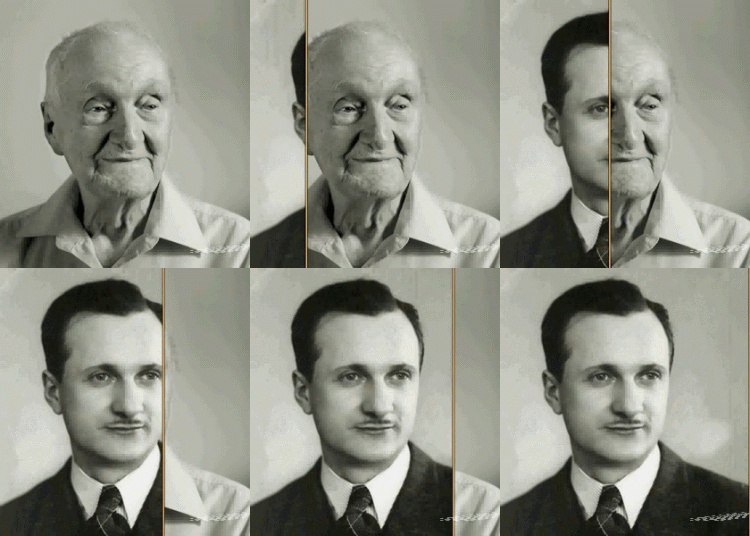
الاحداث
----
.تقرأها كأنك لم تقرأ احداث مشقلبة من قبل..لكنها كانت مربكة كثيرا بحق
.لم يوفق المترجم المصري علي ترجمة روح النص الاصلي المربك اصلا،فاسلوب المؤلف يبدو مرتبكا نفسه
.مثلا تود يري طفلا يمسك بلعبة وهو مبتسم ويعرضها عليه..يأخذها منه ومعها ابتسامة الطفل، ليسرع علي متجر ليبدلها بدولارات بسيطة
.لا يسير الشخصيات للخلف ولا يتحدثون بالمقلوب ، بل الامور نفسها تسير بشكل معكوس..اليوم 25 ابريل و"بعد" 3 شهور سنكون في يناير
.كيف كل شئ معكوسا محيرا
.مقزز احيانا كثيرة في وصفه بالاخص عند وصف اكل الطعام وقضاء الحاجة
.عجيب عند وصفه كيف يتم وضع الاطفال في رحم الامهات...الأورام في الاجسام
.علاقته مع الطب المعقدة ستضح لك بالنهاية بمفاجأة وحيدة متوقعة، لكنها كانت كابوسية بحق
.انها الحياة...المعكوسة الرهيبة
عجيب اليس كذلك؟
.هاجم العنصرية ضد اليهود بنهاية الرواية بشكل استرجاعي ذكي..لكنهم بكل مكان اصحاب املاك في بدايتها
.تطور الموضة...الصخب ثم الهدوء...ثم صخب الحروب مرة اخري
.استبدال التليفزيون الملون بالأبيض والاسود...ثم اختفاءه
.كنا نبالي والان لا نبالي
We don't give a "shit"
We don't give a "duck"
.الاطباء لا يبالون به وهو يحتضر ويموت
.وهذا ما تبدأ به الاحداث
~~~~~~~~~~
.مع هذه الفكرة العجائبية...حيث تقرأ من نهاية الأحداث.. للبداية
.قد تكون رسالتها جيدة فقط بثلثها الأخير...ولكن يظل هناك عقبة في الاستمتاع بها
.أسلوب المؤلف نفسه في هذا المونولوج المطول متكدس وعجيب، فضلا عن استخدامه لعبارات كاملة وتراكيب عامية تليق بالانجليزية ولكن عند ترجمتها تفقد ترابطها
.ومع احترامي لدار الربيع العربي ذات الافكار المختلفة بحق والاغلفة والطباعة الفاخرة جدا
.لا اعيب،بل اشيد بدقة المترجم وإستخدامه لفواصل بشكل جيد حقا..ولكنه لم يجعل تراكيب جُملها مقبولة عربية بل زادها ارهاقا
.فبعض الروايات فعلا ما لها ان تترجم للعربية
.انا اعشق الافكار المجنونة عاما ومن وجهة نظري الفكرة ممتازة، العيب في التقديم..بالأخص كمترجمة
.واولا واخيرا احب ان احيي عبد الرحمن الصواف صاحب الغلاف الأجمل من كل اغلفة طبعات الرواية المختلفة في العالم، ويليق جدا بالفكرة المجنونة بحق...فهو اكثر ما جذبني لشراء تلك الرواية، فضلا عن ما سمعته عن فكرتها المقلوبة والتي ذكرتني بفكرة فيلم "مومينتو" الذي انتج بعدها بعشر سنوات ولكنها كانت مختلفة تماما
"ساعتين او ثلاثة اقضيها في قراءة صحيفة صفراء ذات أسلوب صارخ. ابدأ من أسفل العمود وأشق طريقي إلي أعلي الصفحة لأجد أن كل القصص تم تلخيصها بلا إتقان بخط بارتفاع بوصة. "رجل يلد كلب" أو "زاحف مجنح يغتصب ممثلة ناشئة". وقرأت أن جريتا جاربو ولدت مرة أخري في صورة قطة. كل هذا الكلام عن التوائم. جنس فائق شمالي علي وشك الهبوط من السحب الجليدية الكونية؛ سيحكم الأرض لألف سنة قادمة. وكل هذا الكلام حول أتلانتس. علي ما يبدو، فإن عمال النظافة هم من احضروا لي مادة القراءة هذه"
.فهي رواية عجيبة مقلوبة….ولكنها ليست ممتعة كما توقعت
.فالفكرة ممتازة ولكن كان يمكن ان تكون افضل
.يمكنك ان تعتبر هذا السطر هو اول الريفيو ….. وستفهم مقصدي
.

December 2, 2010
English Standard Version (©2001)
For now we see in a mirror dimly, but then face to face. Now I know in part; then I shall know fully, even as I have been fully known.
“What is it with them, the human beings? I suppose they remember what they want to remember.”
-Time’s Arrow
This is what I want to remember: that I bought this off a wheeled cart for two quarters. That in a bad economy, this was a great investment. Amis is genius in this book. Pure genius. His structure starts with the last rattling gasp of life and then pulls the reader backward, reanimating a character’s troubled past by making it the future of the narrative.
I knew going into this book that it was about the holocaust. What I did not know was that the holocaust could still move me, shock me, and brutalize me anymore. I had read too many books on it, seen too many movies and documentaries about it. I became stupid and calloused and let this lull me into thinking that the holocaust had been overdone. Overdone (!) as in boilerplate, as in Hollywood and botox. Thankfully, this book shamed me back into grief.
Reading this book and trying to get a grasp on the main character is a little like trying to figure out what your face really looks like by only using the side of a spoon for a mirror. The narrator is hard to figure out; it may be the broken and detached voice of the main character’s conscience or it may not. Either way, the narrator is confused. Everything is off. Reality is blurred and warped. Things are born from fire instead of read and then burned, tumors are strategically buried inside bodies and not removed, color televisions are traded in for black and white ones. The all-seeing eye that moves with Doctor Tod (“Death”) Friendly is on perpetual rewind and rarely sees things clearly. “But wait a minute. The baby is crawling, only one or two panting inches at a time- but crawling forward. Hey! Christ, how long has it been since I…? Anyhow, it’s soon over, this lucid interval. The mother is reading backward again, and the baby is merely weeping. It wants its diaper filled with new shit from the trash. I’m being immature. I’ve got to get over it. I keep expecting the world to make sense. It doesn’t. It won’t. Ever.” By using this approach, Amis is able to make sudden and profound statements on life, man, and society, and he is able to keep the time period and setting from completely overwhelming the story.
Most readers know to expect violence in a story involving the Holocaust, and expectations are fulfilled here in the most striking manner. What is surprising about Time’s Arrow is where the violence fails to occur. Going counterclockwise in this story means reading passages where upholding the Hippocratic Oath is detestable and where injecting victims with acid or delivering Zyklon B is portrayed as almost a heartwarming gesture. “We’d just totaled a couple of teenage boys. Their mothers has brought them in and then got the hell out soon after we’d started work, staying only to witness the methodical unraveling of the soaked bandages. We took the stitches out and swabbed the boys with blood. I remember Witney’s skillful insertion of some kind of crossbow bolt; me, I was wedging shards of brown glass into the other boys’ crown. And we both, as they say, ‘cracked up.’ We laughed at each other, full face, showing at last with teeth and tongue and tonsils the mortal hilarity that sniggers behind everything we do here. Our laughter, together with the boys’ cries and whimpers…”
Instead of breaking up families coming off the trains at Treblinka, the doctor plays matchmaker. How kind the good Nazi doctor is when he takes his own gold and fills the Jews’ teeth. The author creates a revisionist history here, winking at the reader, while the reader nods, smiles, and takes away a fuller knowledge of the truth.
The whole thing is amazing, really. It takes a master craftsman to construct a place where “time’s arrow moves the other way.” The phrase “Life is best understood backwards” takes on depth here, and the author is thorough, linking the book’s title with the clocks at Treblinka, there “…to reassure the Jews- the Jews of Warsaw, Radom, and the Bialystok districts whom the camp had serviced…every station, every journey, needs a clock. The hands were painted and would never move to an earlier time. Beneath the clock was an enormous arrow, on which was printed: ‘Change Here For Eastern Trains.’ But time had no arrow, not here.” Brutal, the forethought of that painted clock. And there, right there, the author makes a winning case for the suspension of time’s correct movement throughout his work. Time is gone here, in this book, because time was suspended and removed during that ugly period in history as well.
This book is dark. Hope does not spring eternal here, but instead gives into the dark side, staring into the bleak void of a starved and hollowed eyed nihilism. It is disturbing, really, to read Amis’ words from a narrator that is like “a baby taken from the toilet,” having a heart but no face: “We cry and twist and are naked at both ends of life. We cry at both ends of life while the doctor watches.” If human beings remember only what they want to, I want to remember this book, if only to keep me from forgetting to tremble at the horrors of history.
For now we see in a mirror dimly, but then face to face. Now I know in part; then I shall know fully, even as I have been fully known.
“What is it with them, the human beings? I suppose they remember what they want to remember.”
-Time’s Arrow
This is what I want to remember: that I bought this off a wheeled cart for two quarters. That in a bad economy, this was a great investment. Amis is genius in this book. Pure genius. His structure starts with the last rattling gasp of life and then pulls the reader backward, reanimating a character’s troubled past by making it the future of the narrative.
I knew going into this book that it was about the holocaust. What I did not know was that the holocaust could still move me, shock me, and brutalize me anymore. I had read too many books on it, seen too many movies and documentaries about it. I became stupid and calloused and let this lull me into thinking that the holocaust had been overdone. Overdone (!) as in boilerplate, as in Hollywood and botox. Thankfully, this book shamed me back into grief.
Reading this book and trying to get a grasp on the main character is a little like trying to figure out what your face really looks like by only using the side of a spoon for a mirror. The narrator is hard to figure out; it may be the broken and detached voice of the main character’s conscience or it may not. Either way, the narrator is confused. Everything is off. Reality is blurred and warped. Things are born from fire instead of read and then burned, tumors are strategically buried inside bodies and not removed, color televisions are traded in for black and white ones. The all-seeing eye that moves with Doctor Tod (“Death”) Friendly is on perpetual rewind and rarely sees things clearly. “But wait a minute. The baby is crawling, only one or two panting inches at a time- but crawling forward. Hey! Christ, how long has it been since I…? Anyhow, it’s soon over, this lucid interval. The mother is reading backward again, and the baby is merely weeping. It wants its diaper filled with new shit from the trash. I’m being immature. I’ve got to get over it. I keep expecting the world to make sense. It doesn’t. It won’t. Ever.” By using this approach, Amis is able to make sudden and profound statements on life, man, and society, and he is able to keep the time period and setting from completely overwhelming the story.
Most readers know to expect violence in a story involving the Holocaust, and expectations are fulfilled here in the most striking manner. What is surprising about Time’s Arrow is where the violence fails to occur. Going counterclockwise in this story means reading passages where upholding the Hippocratic Oath is detestable and where injecting victims with acid or delivering Zyklon B is portrayed as almost a heartwarming gesture. “We’d just totaled a couple of teenage boys. Their mothers has brought them in and then got the hell out soon after we’d started work, staying only to witness the methodical unraveling of the soaked bandages. We took the stitches out and swabbed the boys with blood. I remember Witney’s skillful insertion of some kind of crossbow bolt; me, I was wedging shards of brown glass into the other boys’ crown. And we both, as they say, ‘cracked up.’ We laughed at each other, full face, showing at last with teeth and tongue and tonsils the mortal hilarity that sniggers behind everything we do here. Our laughter, together with the boys’ cries and whimpers…”
Instead of breaking up families coming off the trains at Treblinka, the doctor plays matchmaker. How kind the good Nazi doctor is when he takes his own gold and fills the Jews’ teeth. The author creates a revisionist history here, winking at the reader, while the reader nods, smiles, and takes away a fuller knowledge of the truth.
The whole thing is amazing, really. It takes a master craftsman to construct a place where “time’s arrow moves the other way.” The phrase “Life is best understood backwards” takes on depth here, and the author is thorough, linking the book’s title with the clocks at Treblinka, there “…to reassure the Jews- the Jews of Warsaw, Radom, and the Bialystok districts whom the camp had serviced…every station, every journey, needs a clock. The hands were painted and would never move to an earlier time. Beneath the clock was an enormous arrow, on which was printed: ‘Change Here For Eastern Trains.’ But time had no arrow, not here.” Brutal, the forethought of that painted clock. And there, right there, the author makes a winning case for the suspension of time’s correct movement throughout his work. Time is gone here, in this book, because time was suspended and removed during that ugly period in history as well.
This book is dark. Hope does not spring eternal here, but instead gives into the dark side, staring into the bleak void of a starved and hollowed eyed nihilism. It is disturbing, really, to read Amis’ words from a narrator that is like “a baby taken from the toilet,” having a heart but no face: “We cry and twist and are naked at both ends of life. We cry at both ends of life while the doctor watches.” If human beings remember only what they want to, I want to remember this book, if only to keep me from forgetting to tremble at the horrors of history.

June 11, 2015
We can never change our past.
No matter how bad we were, no matter how good we were -- time, the man-made structure that decides what we do in our lives, how often we celebrate occasions, when we are born, when we die, what people think about us after we die, does not discriminate.
The concept behind Amis's 'Time's Arrow' is gimmicky at its core, but works only by the intelligence and craftiness of its author.
When reading this, you see the outlook from a man with a possible multiple personality speaking from its point of view in reverse chronology and not the central character, a man who has escaped the ills of his past to change his life, hide from the past, needing the chance to heal again.
This work of art takes patience and focus. We, as a whole, as everything, move forward and only see one perspective. Reading it from a reverse point of view seems comical at times, but also horrendous when the natural act was anything but the sort.
Some examples:
"They're always looking forward to going places they're just coming back from, or regretting doing things they haven't yet done. They say hello when they mean goodbye."
"It’s all strange to me. I know I live on a fierce and magical planet, which sheds or surrenders rain or even flings it off in whipstroke after whipstroke, which fires out bolts of electric gold into the firmament at 186,000 miles per second, which with a single shrug of its tectonic plates can erect a city in half an hour. Creation … is easy, is quick. There’s also a universe, apparently. But I cannot bear to see the stars, even though I know they’re there all right, and I do see them, because Tod looks upward at night, as everybody does, and coos and points. The Plough. Sirius, the dog. The stars, to me, are like pins and needles, are like the routemap of a nightmare. Don’t join the dots.… Of the stars, one alone can I contemplate without pain. And that’s a planet. The planet they call the evening star, the morning star. Intense Venus."
Many may get tired of it within the first few pages, but stick with it and you'll be rewarded.
No matter how bad we were, no matter how good we were -- time, the man-made structure that decides what we do in our lives, how often we celebrate occasions, when we are born, when we die, what people think about us after we die, does not discriminate.
The concept behind Amis's 'Time's Arrow' is gimmicky at its core, but works only by the intelligence and craftiness of its author.
When reading this, you see the outlook from a man with a possible multiple personality speaking from its point of view in reverse chronology and not the central character, a man who has escaped the ills of his past to change his life, hide from the past, needing the chance to heal again.
This work of art takes patience and focus. We, as a whole, as everything, move forward and only see one perspective. Reading it from a reverse point of view seems comical at times, but also horrendous when the natural act was anything but the sort.
Some examples:
"They're always looking forward to going places they're just coming back from, or regretting doing things they haven't yet done. They say hello when they mean goodbye."
"It’s all strange to me. I know I live on a fierce and magical planet, which sheds or surrenders rain or even flings it off in whipstroke after whipstroke, which fires out bolts of electric gold into the firmament at 186,000 miles per second, which with a single shrug of its tectonic plates can erect a city in half an hour. Creation … is easy, is quick. There’s also a universe, apparently. But I cannot bear to see the stars, even though I know they’re there all right, and I do see them, because Tod looks upward at night, as everybody does, and coos and points. The Plough. Sirius, the dog. The stars, to me, are like pins and needles, are like the routemap of a nightmare. Don’t join the dots.… Of the stars, one alone can I contemplate without pain. And that’s a planet. The planet they call the evening star, the morning star. Intense Venus."
Many may get tired of it within the first few pages, but stick with it and you'll be rewarded.

March 25, 2011
Second reading. Just brilliant. See my review of Kurt Vonnegut's Slaughterhouse-Five for my theory that Time's Arrow was inspired, at least in part, by a sequence in that earlier novel in which the protagonist watches a war film running backwards. Highly recommended.

February 15, 2017
As science fiction concepts go this was interesting, but in the hands of a respectable sf writer this could have been so much more. While the odd idea breaks, through such as the child who is able to crawl forward for a few seconds is intriguing he never takes it further.
The usual amusment with reverse poo is there and why not
Not a good starting point for my first Amis (or for anyone really) but will try again.
The usual amusment with reverse poo is there and why not
Not a good starting point for my first Amis (or for anyone really) but will try again.

October 6, 2014
If an author were to narrate my experience reading this novel in reverse, they would depict me getting progressively less and less frustrated with the book, until the very moment I finally put it down.

April 14, 2011
In a reverse spin of the unreliable narrator, Martin Amis pays homage to Kurt Vonneygut and Isaac Bashevis Singer in his story that opens to a reverse chronology of events, jarring the reader and allowing us to see humanity as the reverse of amorality and immorality. This technique of reversing age was used as a terrible gimmick in The Curious Case of Benjamin Button (corrupted from F. Scott Fitzgerald and exploited for Hollywood), but in Amis' morality tale, it was employed as a perspective that was tantamount to the moral. (Also, in BUTTON, only Benjamin is reversing in age.)
It is difficult to adjust to the narrative at first, because I did not know what I was witnessing. In fact, the protagonist experiencing his own reverse from old man to embryo does not straightaway understand it, either. What makes it so engaging is the character (and his secondary consciousness, i.e. the narrator) accepting it with an almost chaste goodwill, and describing his backward life with open-minded candor. The dialog is brilliantly conceived and, depending on your point-of-view (whether read forward or backward), contains subtle or compelling differences. What is even more canny--or uncanny--is when the dialog's meaning is stacked up against itself when read both ways.
As this character--with the benign-seeming name of Tod Friendly (until I learned that Tod means death in German)--views his life from this new perspective, we learn that he is a medical doctor. The ironies accumulate, which often forced me to stop reading in order to contemplate and consider the implications. For example, it appears that violent injuries sustained by a patient actually heal the wounds, and that a doctor inflicted them. A woman's trauma is healed by assault in this backward chronology.
When the reader is taken to certain key events in World War II, the reverse reality takes on a more riveting poignancy. The scenes here are the heart of the book's excellence and the humanity is bestowed via the ultimate paradox, the meaning of which still pierces me. I do not want to reveal too much for readers coming fresh to this book; however, I recommend that you let events lead you unencumbered, and don't try to intellectualize too much while you are reading. Eventually, the pieces interlock with deadly alacrity.
My small problem was that Amis' use of reverse events, while central to the theme, did distract me and cause me to intellectualize too much at intervals (which is why I recommend going with the flow). I intend to read this again in the future, and I am confident that a second reading may have more emotional immediacy by allowing me to stop attending to the distractions about chronology, and go deeper into the apparent misinterpretations of the narrator. I will be ahead of the protagonist rather than beside him, which does alter Amis' intention, but a heady book such as this deserves another read.
I highly recommend this to literature lovers, and to anyone interested in unusual literary perspectives. Amis executed a World War II morality tale that examines consciousness by transposing time, and excites awareness through time's reversal of consciousness.
It is difficult to adjust to the narrative at first, because I did not know what I was witnessing. In fact, the protagonist experiencing his own reverse from old man to embryo does not straightaway understand it, either. What makes it so engaging is the character (and his secondary consciousness, i.e. the narrator) accepting it with an almost chaste goodwill, and describing his backward life with open-minded candor. The dialog is brilliantly conceived and, depending on your point-of-view (whether read forward or backward), contains subtle or compelling differences. What is even more canny--or uncanny--is when the dialog's meaning is stacked up against itself when read both ways.
As this character--with the benign-seeming name of Tod Friendly (until I learned that Tod means death in German)--views his life from this new perspective, we learn that he is a medical doctor. The ironies accumulate, which often forced me to stop reading in order to contemplate and consider the implications. For example, it appears that violent injuries sustained by a patient actually heal the wounds, and that a doctor inflicted them. A woman's trauma is healed by assault in this backward chronology.
When the reader is taken to certain key events in World War II, the reverse reality takes on a more riveting poignancy. The scenes here are the heart of the book's excellence and the humanity is bestowed via the ultimate paradox, the meaning of which still pierces me. I do not want to reveal too much for readers coming fresh to this book; however, I recommend that you let events lead you unencumbered, and don't try to intellectualize too much while you are reading. Eventually, the pieces interlock with deadly alacrity.
My small problem was that Amis' use of reverse events, while central to the theme, did distract me and cause me to intellectualize too much at intervals (which is why I recommend going with the flow). I intend to read this again in the future, and I am confident that a second reading may have more emotional immediacy by allowing me to stop attending to the distractions about chronology, and go deeper into the apparent misinterpretations of the narrator. I will be ahead of the protagonist rather than beside him, which does alter Amis' intention, but a heady book such as this deserves another read.
I highly recommend this to literature lovers, and to anyone interested in unusual literary perspectives. Amis executed a World War II morality tale that examines consciousness by transposing time, and excites awareness through time's reversal of consciousness.

September 22, 2024
Well, what can be said about this short but intense novel that hasn’t already been said? It’s an obvious statement that it’s a strange reading experience. Already at page 3 the author describes the confusion that grips the narrator (“Wait a minute. Why am I walking backward into the house? What is the – what is the sequence of this journey I’m on? What are its rules? Why are the birds singing so strangely? Where am I heading?”), and that perfectly illustrates the confusion that the reader experiences. When you start reading the book, you know that it tells the story of a life in reverse order, but to experience it sentence by sentence, page by page as a reader is another matter.
I don’t know about you, but I experienced quite a few mood swings: I found Amis’s procedure quite nice and ingenious at first, and enjoyed the constant game of deciphering (by reversing the order) what Amis described. But after a while this continuous effort started to bother me and I even found it banal, edging boring. Until I realized that what was described was anything but banal: the main character is a German Nazi doctor, Odilo Unverdorben, - the name alone – who was active in the Holocaust industry and was able to escape to America afterwards (I am now telling it in the ‘wrong/right’ order). Indeed, anything but banal, which is why you often only realize after a while how horrible what you have just read is, while just before you were smiling at the irony of what Amis describes (Jews walking out healthy and well after ‘treatment’ in the gas chamber, for example). If anything meets the definition of the word ‘mindfuck’ (pardon my French), then this is it.
But is this a successful book? I dare not answer that with an unequivocal yes or no. Ingenious and sometimes downright hilarious, certainly. But also excessively intense, and therefore at times even long-winded. If you are into meta-layers, then you have to give Amis credit for beautifully showing how constructed storytelling in general is, or how treacherous it is to simply describe actions, separated from their meaning. Or: how the eternal ethical-philosophical theme of free will is very much tied to the direction of time, and therefore loses its meaning when that direction is changed (or simply reversed). Well done, Mr. Amis. However, I cannot say that I enjoyed reading this book very much: it was hard work, sometimes got on my nerves, and the existential relevance (which is always important to me) seemed far-fetched. Finally: this is an experimental novel par excellence. But I do wonder whether Amis, following J.L. Borges a bit, would not have been better off limiting himself to a novella?
I don’t know about you, but I experienced quite a few mood swings: I found Amis’s procedure quite nice and ingenious at first, and enjoyed the constant game of deciphering (by reversing the order) what Amis described. But after a while this continuous effort started to bother me and I even found it banal, edging boring. Until I realized that what was described was anything but banal: the main character is a German Nazi doctor, Odilo Unverdorben, - the name alone – who was active in the Holocaust industry and was able to escape to America afterwards (I am now telling it in the ‘wrong/right’ order). Indeed, anything but banal, which is why you often only realize after a while how horrible what you have just read is, while just before you were smiling at the irony of what Amis describes (Jews walking out healthy and well after ‘treatment’ in the gas chamber, for example). If anything meets the definition of the word ‘mindfuck’ (pardon my French), then this is it.
But is this a successful book? I dare not answer that with an unequivocal yes or no. Ingenious and sometimes downright hilarious, certainly. But also excessively intense, and therefore at times even long-winded. If you are into meta-layers, then you have to give Amis credit for beautifully showing how constructed storytelling in general is, or how treacherous it is to simply describe actions, separated from their meaning. Or: how the eternal ethical-philosophical theme of free will is very much tied to the direction of time, and therefore loses its meaning when that direction is changed (or simply reversed). Well done, Mr. Amis. However, I cannot say that I enjoyed reading this book very much: it was hard work, sometimes got on my nerves, and the existential relevance (which is always important to me) seemed far-fetched. Finally: this is an experimental novel par excellence. But I do wonder whether Amis, following J.L. Borges a bit, would not have been better off limiting himself to a novella?
January 7, 2011
After reading the first page of this book and realising that Amis was actually going to write a novel with time moving backwards I thought he must have some brilliant notion that required and would more than excuse the use of such an gimmicky device. I was willing to overlook all the technical and conceptual failings and inconsistencies in execution, on grounds of artistic licence, with the faith that the payoff would be so clever, insightful and illuminating theses trivial concerns would pale into insignificance. In-fact I thought that there were so many failings and inconsistencies was proof of the confidence Amis had in the magnitude of the payoff that was to come.
I found myself at what was clearly meant to be the apex of the novel thinking “is this it?” and wondering what it was that I was supposed to be taking from the notion of a concentration camp running backwards in time. All the technical flaws aside, what was it that Amis was hoping to say with this book? I really have no idea. The holocaust has many disturbing and uncomfortable lessons to teach us about human nature. Many that are so close to the bone that over 60 years on and after significant engagement with the subject we have barely scratched the surface of the harrowing idea that the capacity for such evil lies within any of us.
Needless to say this is extremely fertile and important ground for artists. In-fact it is one of the areas in which humanity truly has to look to it artists for guidance and understanding. And while I respect any artistic attempt to engage with this subject matter I feel Amis has really missed the mark with this book. So much so I’m not even really sure what he was aiming at in the first place.
I found myself at what was clearly meant to be the apex of the novel thinking “is this it?” and wondering what it was that I was supposed to be taking from the notion of a concentration camp running backwards in time. All the technical flaws aside, what was it that Amis was hoping to say with this book? I really have no idea. The holocaust has many disturbing and uncomfortable lessons to teach us about human nature. Many that are so close to the bone that over 60 years on and after significant engagement with the subject we have barely scratched the surface of the harrowing idea that the capacity for such evil lies within any of us.
Needless to say this is extremely fertile and important ground for artists. In-fact it is one of the areas in which humanity truly has to look to it artists for guidance and understanding. And while I respect any artistic attempt to engage with this subject matter I feel Amis has really missed the mark with this book. So much so I’m not even really sure what he was aiming at in the first place.

November 10, 2019
When people move-- when they travel --they look where they've come from, not where they're going. Is this what the human beings always do?
I have apparently read Martin Amis before. My goodreads review tells me I read his Money in 2016, but I had to read through my comments again to remember a single thing about it. I'm giving Time's Arrow a similarly middling rating, though I think this one will stay with me longer, if for no other reason than it required a decent amount of thought and effort on my part.
The premise is interesting, if a bit gimmicky. We follow Tod T. Friendly as he comes back from death, grows younger and fitter day by day, changes his name, moves across the world and returns to his youth as a doctor in Auschwitz. All of this is narrated by a presence, a doppelganger inside of Tod who is separate from Tod's thoughts and consciousness. I got sold pretty quickly on the idea of telling a man's life story backwards, but I was never fully sold on this separate consciousness. I don't understand why a regular third-person narrative wouldn't have sufficed; the only thing missing would be the narrator's constant exclamations about how nothing makes sense (obviously, because it's happening in reverse).
It took me some time to get used to the narrative going backwards. Even though I knew what was going on, my mind really wanted to put things in the order I was reading them. It required a number of stops to think about the actual forward chronology of events (like of course he wasn't stealing from the church collection tray, he was putting money in it). It was especially difficult with conversations where we would get the answers before we knew what the questions were. I had to read each one backwards after to fully understand it.
It also doesn't work perfectly. Though conversations happen backwards, the individual words and sentences do not. If one were really to experience life in reverse, they would hear a series of gobbledygook words, but obviously Amis couldn't be that cruel to us. And while he avoids most talk of eating, on the occasions where it occurs, the characters are described as eating their food, not regurgitating it onto their plates. Honestly, the downside of having to think about everything you read means you also notice every little inconsistency too.
However, I do think it was quite interesting to look at a man's life in reverse. Reading about a man getting younger and knowing less, becoming more innocent and naive, and falling in love while we already know how it ends... there is a certain sadness to it. To conclude the book not with an old man who has committed horrors, but with a helpless infant who is yet to make those mistakes, is definitely effective.
Blog | Facebook | Twitter | Instagram | Youtube

January 21, 2012
"Time's Arrow" is a very fine and powerful novel by Amis who, for me, had a tough encore after reading his genius novel, "Money," of which stratospheric literary level "Time's Arrow" falls a smidge short. However, "Time's Arrow" is very well conceived, highly inventive, lyrically narrated and powerful in its dire themes ultimately relating to one man's poignant personal relationship to the Holocaust. Amis deploys with great skill the narrative device of telling one man's story backward in a disciplined linear story arc from death to birth. We start at a point in the narrator's current life and systematically point the arrow of time in reverse so that each line of narrative, including dialogue, goes straight into flight to an immediately prior point of time until the narrator is three years old. Amis shows an adept skill for showing how, when the narrative takes the reader from the present in a linear flight, the results seem surprising and contradictory. At first this narrative technique seems confusing and even disorienting until the reader understands the narrative vocabulary of the retreat and the rich irony of looking backward event by event. There are also dualing personal voices in the single narrator which require some imagination to sort out but which lend intrigue to the narrative device of time's reversal and that reversal's impact upon the assessment of fortune. Amis genuinely is a major literary novelist and his writing is reliably spectacular as he crafts lines which are pithy, ironic, tragicomic and compelling. I truly respect the writing in "Time's Arrow" and Martin Amis whose masterpiece, "Money," I recommend that you read first.

January 10, 2016
?otnevni im asoc atlov amissorp al E
Martin Amis racconta, tramite un narratore che parla in terza persona, la vita di una persona. Una vita che si svolge... al contrario! Una vera e propria narrazione a ritroso, come un film visto dalla fine all'inizio. Il narratore non ha coscienza delle esperienze fatte, non sa quello che è successo prima e nemmeno quello che succederà dopo. Si limita a giudicare e a commentare i fatti, tentando di assegnare loro un significato che però ovviamente gli sfugge.
La vita della persona inizia dunque dalla sua morte e termina con la nascita. Ma una vita che scorre alla rovescia diventa ai nostri occhi estremamente curiosa, ridicola, a volte anche disgustosa.
Quando si pranza si mettono prima i piatti puliti nella lavastoviglie. Poi, quando ha finito di sporcarli se ne sceglie uno, si raccatta qualche pezzo dalla pattumiera e si mette in tavola. Vari pezzi passano poi dalla bocca al piatto. Quando poi si è finito, bisogna radunare tutto, mettere via e portare tutti i cibi al Supermercato dove si viene rimborsati prima di rimettere tutte le scatole a posto con un carrello.
L'automobile si ritira dallo sfasciacarrozze in pessimo stato; che un incidente stradale provvede poi a sistemare. Cosa significa fare l’elemosina? Derubare un mendicante.
Il protettore è il miglior amico delle prostitute, che le consola a sberle; prostitute che hanno il vizio di fare sesso con uomini maturi pagandoli.
Al pronto soccorso capita di vedere entrare qualcuno con una benda intorno al capo. Sotto la benda, che gli viene tolta subito, ha un buco in testa. Allora il medico raccoglie un chiodo arrugginito dalla spazzatura e glielo pianta in testa.
In pratica il libro di Amis è un libro di fantascienza. Durante la prima parte del romanzo non sapevo se ridere per gli episodi grotteschi nella loro comicità o se buttare il libro dalla finestra, tanto risultava incomprensibile, senza né capo né coda. E' stato necessario tornare a rileggere più volte per cercare di trovare un senso.
Poi, all’improvviso, verso i tre quarti di libro, ho iniziato a intravedere il soggetto e allora la trama ha iniziato ad avere una logica.
Mi chiedo se il libro di Amis aggiunga qualcosa alla visione dell'olocausto. Mi chiedo cosa mi rimanga dopo la lettura del romanzo. Mi chiedo se un libro geniale (perché certamente lo è) possa essere anche considerato un "bel" libro. Mi chiedo se la scelta di Amis sia una scelta estetica o di contenuto.
E la prossima volta cosa ci inventeremo?
Darei 5 stelle piene per l'idea (anche se Azimov faceva di meglio). 1 stella per la leggibilità. Non classificato per il contenuto (visto e rivisto).
Tre stelle, dai, ci stanno.
Martin Amis racconta, tramite un narratore che parla in terza persona, la vita di una persona. Una vita che si svolge... al contrario! Una vera e propria narrazione a ritroso, come un film visto dalla fine all'inizio. Il narratore non ha coscienza delle esperienze fatte, non sa quello che è successo prima e nemmeno quello che succederà dopo. Si limita a giudicare e a commentare i fatti, tentando di assegnare loro un significato che però ovviamente gli sfugge.
La vita della persona inizia dunque dalla sua morte e termina con la nascita. Ma una vita che scorre alla rovescia diventa ai nostri occhi estremamente curiosa, ridicola, a volte anche disgustosa.
Quando si pranza si mettono prima i piatti puliti nella lavastoviglie. Poi, quando ha finito di sporcarli se ne sceglie uno, si raccatta qualche pezzo dalla pattumiera e si mette in tavola. Vari pezzi passano poi dalla bocca al piatto. Quando poi si è finito, bisogna radunare tutto, mettere via e portare tutti i cibi al Supermercato dove si viene rimborsati prima di rimettere tutte le scatole a posto con un carrello.
L'automobile si ritira dallo sfasciacarrozze in pessimo stato; che un incidente stradale provvede poi a sistemare. Cosa significa fare l’elemosina? Derubare un mendicante.
Il protettore è il miglior amico delle prostitute, che le consola a sberle; prostitute che hanno il vizio di fare sesso con uomini maturi pagandoli.
Al pronto soccorso capita di vedere entrare qualcuno con una benda intorno al capo. Sotto la benda, che gli viene tolta subito, ha un buco in testa. Allora il medico raccoglie un chiodo arrugginito dalla spazzatura e glielo pianta in testa.
In pratica il libro di Amis è un libro di fantascienza. Durante la prima parte del romanzo non sapevo se ridere per gli episodi grotteschi nella loro comicità o se buttare il libro dalla finestra, tanto risultava incomprensibile, senza né capo né coda. E' stato necessario tornare a rileggere più volte per cercare di trovare un senso.
Poi, all’improvviso, verso i tre quarti di libro, ho iniziato a intravedere il soggetto e allora la trama ha iniziato ad avere una logica.
Mi chiedo se il libro di Amis aggiunga qualcosa alla visione dell'olocausto. Mi chiedo cosa mi rimanga dopo la lettura del romanzo. Mi chiedo se un libro geniale (perché certamente lo è) possa essere anche considerato un "bel" libro. Mi chiedo se la scelta di Amis sia una scelta estetica o di contenuto.
E la prossima volta cosa ci inventeremo?
Darei 5 stelle piene per l'idea (anche se Azimov faceva di meglio). 1 stella per la leggibilità. Non classificato per il contenuto (visto e rivisto).
Tre stelle, dai, ci stanno.

January 21, 2008
It continues to amaze me how those who claim to be fans of Martin Amis haven't heard of or read Time's Arrow. This book is a masterpiece in experimental fiction. He literally, methodically, writes the story backwards as his character experiences time going backwards. I don't know of any other author who has attempted and succeeded in doing this. It's been a while since I read it, but what I remember was the uncanny sense that I was experiencing time backwards as I read it. I began questioning what was happening to the event of reading, to me!, through this process of a narrative that runs itself backwards. It was requiring that I begin to read the narrative differently, facts collected themselves on the pages chronologically backwards, cause and effect were reversed, action and responses were twisted, requiring the reader to think differently, to read differently. It's quite fascinating, and quite an amazing accomplishment for a writer. I am looking forward to finding the time to read it again soon. (note: I have tried his other books and never could get interested in them like I did this one. Tells me that if you don't usually like Martin Amis's books, you would probably like this one.)

July 28, 2017
è possibile immaginare uno sliding doors dell'olocausto, facendo parlare la voce ingenua della coscienza di un ex criminale nazista? (primo elemento spiazzante: una specie di assistente del dottor mengele può avere una coscienza che candidamente racconta gli orrori come fossero opere di bene?)
risposta di martin amis: sì, se il film scorre al contrario. sì se la coscienza racconta la vita di quest'uomo riavvolgendone la pellicola (come se la sua morte fosse il principio, e ogni dopo diventasse un prima). e ancora sì, se si vuole mostrare la possibilità di una smagliatura nel corso reale dei fatti, ipotizzare una crepa nel modo in cui è andata davvero la Storia.
in un romanzo non semplice (ma semplicemente geniale) lo scrittore inglese contemporaneo più interessante butta lì l'illusione di una finestra spazio-temporale in cui la freccia del tempo, vai a sapere perché, inchioda e fa dietrofront. annulla i rapporti di causa/effetto e l'ineluttabilità del consequenziale.
la bellezza del libro non sta nel virtuosismo, ma resta il fatto che l'abilità di amis nel tessere l’ordito è da applauso. non mi intendo di musica ma azzarderei, con un’imprecisione che credo renda l’idea, che il romanzo in pratica è un canone inverso. una di quelle composizioni in cui a una prima melodia se ne sommano un’altra (o più) che procedono in modo perfettamente contrario. e così da una parte c'è la storia ufficiale, dall'altra quella riveduta e corretta.
se parlando di un romanzo che procede all'indietro è ammesso un fast forward, inserirei qui che il libro si conclude con questo preciso rammarico: «sono arrivato al momento sbagliato - o troppo presto o quando era ormai troppo tardi». una chiosa che dopo la complessità precedente fa sorridere per la semplicità, ma meno di quanto si sorride per molte altre frasi prima di questa. nel perfetto stile di un autore che ha tra i suoi copyright «il senso dell’umorismo e il buon senso sono la stessa cosa ma operano a ritmi diversi».
l'altro registro che amis usa a man bassa è quello della crudezza. nessun effetto splatter né volgarità esagerata, ma nemmeno alcun ammiccamento pacificante, o consolatorio. vuole disturbare, amis l’iconoclasta, e lo fa mettendo il lettore davanti alle cose così come stanno. anche quando si tratta di parlare di escrementi (merda, per essere precisi) come fa dilungandosi all’inizio della storia. che poi vabbè sarebbe la fine. rewind.
nota procedurale:
se da questo commento si ricava l'impressione (sbagliata) di un libro esageratamente faticoso, la colpa è della mia totale incapacità di organizzare un bagaglio intelligente. ho infilato come al solito molto più del necessario. il consiglio è pescare liberamente nella valigia e tenere l’indispensabile: due magliette, una camicia, un paio di jeans (e un abitino nero per le signore).
risposta di martin amis: sì, se il film scorre al contrario. sì se la coscienza racconta la vita di quest'uomo riavvolgendone la pellicola (come se la sua morte fosse il principio, e ogni dopo diventasse un prima). e ancora sì, se si vuole mostrare la possibilità di una smagliatura nel corso reale dei fatti, ipotizzare una crepa nel modo in cui è andata davvero la Storia.
in un romanzo non semplice (ma semplicemente geniale) lo scrittore inglese contemporaneo più interessante butta lì l'illusione di una finestra spazio-temporale in cui la freccia del tempo, vai a sapere perché, inchioda e fa dietrofront. annulla i rapporti di causa/effetto e l'ineluttabilità del consequenziale.
la bellezza del libro non sta nel virtuosismo, ma resta il fatto che l'abilità di amis nel tessere l’ordito è da applauso. non mi intendo di musica ma azzarderei, con un’imprecisione che credo renda l’idea, che il romanzo in pratica è un canone inverso. una di quelle composizioni in cui a una prima melodia se ne sommano un’altra (o più) che procedono in modo perfettamente contrario. e così da una parte c'è la storia ufficiale, dall'altra quella riveduta e corretta.
se parlando di un romanzo che procede all'indietro è ammesso un fast forward, inserirei qui che il libro si conclude con questo preciso rammarico: «sono arrivato al momento sbagliato - o troppo presto o quando era ormai troppo tardi». una chiosa che dopo la complessità precedente fa sorridere per la semplicità, ma meno di quanto si sorride per molte altre frasi prima di questa. nel perfetto stile di un autore che ha tra i suoi copyright «il senso dell’umorismo e il buon senso sono la stessa cosa ma operano a ritmi diversi».
l'altro registro che amis usa a man bassa è quello della crudezza. nessun effetto splatter né volgarità esagerata, ma nemmeno alcun ammiccamento pacificante, o consolatorio. vuole disturbare, amis l’iconoclasta, e lo fa mettendo il lettore davanti alle cose così come stanno. anche quando si tratta di parlare di escrementi (merda, per essere precisi) come fa dilungandosi all’inizio della storia. che poi vabbè sarebbe la fine. rewind.
nota procedurale:
se da questo commento si ricava l'impressione (sbagliata) di un libro esageratamente faticoso, la colpa è della mia totale incapacità di organizzare un bagaglio intelligente. ho infilato come al solito molto più del necessario. il consiglio è pescare liberamente nella valigia e tenere l’indispensabile: due magliette, una camicia, un paio di jeans (e un abitino nero per le signore).

May 11, 2011
Normally when I sense that a writer is going to pull a stunt with the entire conceit of his or her novel, I end up with a slow disdainful Billy Idol-style grimace developing on my face before thudding against the glass ceiling of disgust and shutting the book for good.
Don't do it, Martin. You don't have to dazzle us with a technical feat like this. You're too good for that. And it's called "trying too hard..."
Still, Martin must've been kicking around novel ideas when, probably a little buzzed, gazing at the sunset during a vacation in Portugal or Maiorca, he must've thought: "Hey, I can write anything I want... Isn't it my DUTY to push the limits of fiction? I mean, I could even try to write a freaking book about a Nazi war criminal BACKWARDS!!!"
Sure, go for it, Martin. Then burn the manuscript after twenty pages because it's going to suck, it's gonna be just you showing off your crafty technical brilliance and we're all going to end up feeling seasick, singing White Wedding.
But he went for it (there had to be many moments when he thought "this isn't working") and sure enough, not only does he dazzle with the brilliance of the technical high-wire act, he makes damn thing work.
Amis makes the time-moving-backward conceit neccessary. You understand the development of the character in a way that would be, obviously, impossible by any other means. The character opens up in reverse.
Not only does it work, it ends up breaking your fucking heart.
Don't do it, Martin. You don't have to dazzle us with a technical feat like this. You're too good for that. And it's called "trying too hard..."
Still, Martin must've been kicking around novel ideas when, probably a little buzzed, gazing at the sunset during a vacation in Portugal or Maiorca, he must've thought: "Hey, I can write anything I want... Isn't it my DUTY to push the limits of fiction? I mean, I could even try to write a freaking book about a Nazi war criminal BACKWARDS!!!"
Sure, go for it, Martin. Then burn the manuscript after twenty pages because it's going to suck, it's gonna be just you showing off your crafty technical brilliance and we're all going to end up feeling seasick, singing White Wedding.
But he went for it (there had to be many moments when he thought "this isn't working") and sure enough, not only does he dazzle with the brilliance of the technical high-wire act, he makes damn thing work.
Amis makes the time-moving-backward conceit neccessary. You understand the development of the character in a way that would be, obviously, impossible by any other means. The character opens up in reverse.
Not only does it work, it ends up breaking your fucking heart.

January 19, 2019
"لا يمكنني التعرّف بشكل دقيق على هذا العالم الذي نعيش فيه. يبدو كل شيء مألوفاً ولكنه لا يبعث على الاطمئنان على الإطلاق."

ما لفتني انتباهي لهذه الرواية في البداية هو غلافها العجيب الغريب، المثير للحيرة والتساؤلات، لكن ما أن تُنهيها حتى تستوعب فكرته وعبقرية مُبتكره، عبد الرحمن الصواف.
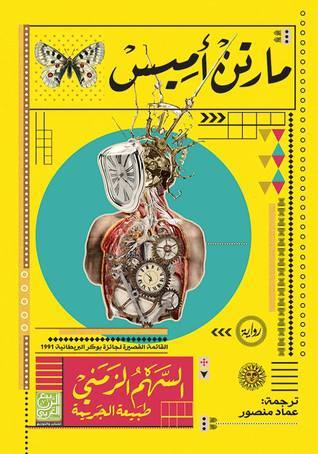
تُعد هذه الرواية أغرب رواية قرأتها في حياتي، حيث الزمن يسير بالعكس، نبدأ بالحاضر وننتهي بالماضي. بدايةً شعرت بالضياع وعدم الفهم، وكنت سأنوي أن أتوقف عن قرائتها قبل وصولي لصفحة 50، لكن ما أن واصلت القراءة حتى بدأت أستوعب ما الذي يحصل، وكيف تسير أحداث هذا العمل، وحمداً لله أنني واصلت قرائتها إلى النهاية، فهي تستحق بكل تأكيد.
تُعتبر هذه الرواية تجسيد لأهم الأحداث في القرن العشرين، من حروب، ومعسكرات اعتقال، ونازيين، وحرب فيتنام، التسلّح النووي، الهجرة إلى الولايات المتحدة، العنصرية، الإعلام، الدعارة، المرض، المستشفيات، الأطباء، المدن الكبيرة، الرأسمالية. عالم ما بعد الحداثة بكل فظائعه وتأثيره على إنسان القرن العشرين.
لن أتكلّم كثيراً عن أحداثها بالضبط حتى يتسنّى لكل من لم يقرأها أن يكتشفها بنفسه دون حرق. بلا شك هي رواية عبقرية جداً، وأنصحك عزيزي القارئ بأن لا تتوقف عن قرائتها ولا تتركها من البداية، رغم ثقل أسلوب السرد، أكملها إلى النهاية.
"سألت نفسي: متى سيبدأ العالم في اكتساب بعض المنطق؟"
...

October 15, 2016
O enredo de A Seta do Tempo não me surpreendeu muito, não só por assentar em factos históricos mas por deduzir, desde as primeiras páginas, para onde me dirigia.
As personagens, um médico e a sua consciência (o narrador), pareceram-me ter pouca profundidade, pelo seu comportamento linear, mantendo-me sempre emocionalmente distante.
Da prosa gostei muito - principalmente do capítulo 5. Aqui não há porquê.
O estilo achei uma loucura! Martin Amis conta a história de um homem, desde a sua morte até ao seu nascimento, de trás para a frente. E nunca se engana!
"O esbaforido choro de uma criança, acalmado pela firme bofetada da mão do pai, uma formiga morta ressuscitada pela descuidada pisadela de uma sola que passa, um dedo ferido curado e selado pela lâmina da faca."
Não é uma leitura difícil mas exige concentração para apreciar o texto (os diálogos têm mais sentido se lidos de baixo para cima). É como se fosse uma espécie de jogo, que ajuda a exercitar os miolos.Ou não; num dado momento, estava tão concentrada que ao olhar para o gato estranhei não o ver a andar às arrecuas.
Evitei, o mais possível, referências ao enredo porque penso que esta leitura terá mais impacto se a fizermos "às cegas". Eu li a sinopse e fiz mal.
As personagens, um médico e a sua consciência (o narrador), pareceram-me ter pouca profundidade, pelo seu comportamento linear, mantendo-me sempre emocionalmente distante.
Da prosa gostei muito - principalmente do capítulo 5. Aqui não há porquê.
O estilo achei uma loucura! Martin Amis conta a história de um homem, desde a sua morte até ao seu nascimento, de trás para a frente. E nunca se engana!
"O esbaforido choro de uma criança, acalmado pela firme bofetada da mão do pai, uma formiga morta ressuscitada pela descuidada pisadela de uma sola que passa, um dedo ferido curado e selado pela lâmina da faca."
Não é uma leitura difícil mas exige concentração para apreciar o texto (os diálogos têm mais sentido se lidos de baixo para cima). É como se fosse uma espécie de jogo, que ajuda a exercitar os miolos.
Evitei, o mais possível, referências ao enredo porque penso que esta leitura terá mais impacto se a fizermos "às cegas". Eu li a sinopse e fiz mal.

May 19, 2007
I can't say enough about this novel, though a quick glance at my friends' reviews reveals that they liked it but were not quite as blown away by it. I loved how Amis took a conceit (running the world backwards and witnessing it from a naive viewpoint that must make sense of backwards-living) and used it to make new something that had grown shopworn and overfamiliar: Literature about the Holocaust. The novel is howlingly funny, and just when you want it to gain in seriousness and gravity, it does--the book deepens and becomes about the human condition, and about the nature of the soul and sin. In fact, between the galleys of the book and the final printing, Amis removed two words from the final line: "And I, [the soul] within, who came along too late or too early to make a difference." (I am writing this from memory, so if it is a misquote, my apologies. The book is in a box somewhere.) An awesome novel, in the truest sense of "awesome."
September 19, 2026
Martin Amis takes one life and threads it backward through a projector, so death arrives at the front of the reel and birth waits at the very end. The body belongs to Tod Friendly, a doctor drifting through small town America with hookers, scotch, and a garden he ruins by watering it into full bloom. Riding along inside him is a second consciousness, a passenger who experiences every hour hindside first.

Food climbs up out of the toilet bowl. Old scars close over into unbroken skin. Letters crawl backward out of the fireplace into fresh envelopes. This passenger describes the whole spectacle with the wonder of a newborn and the vocabulary of a dictionary, always trailing a step behind a man whose worst deeds are still hidden from view.

After about a hundred pages of pure comedy everything turns on its own tail. Amis peels back the layers until Tod Friendly stands revealed as Odilo Unverdorben, once a camp doctor at Auschwitz, and the backward machinery that made his American afternoons goofy suddenly turns his war years into an atrocity. Gas becomes breath again. Bodies rise off a pile, dress themselves, and board trains bound for family reunions.
[image error]
The poor passenger, still trusting, still wide eyed, narrates genocide as medicine, describing a camp doctor who heals thousands of Jews back into daylight with one quick injection. The images double back on the title, physics on one hand, archery on the other, the arrow of entropy running the film in reverse.

Young Odilo even camps as a boy within sight of the rail lines, years before their true purpose exists. The Auschwitz chapters carry the whole book on their back. A wedding night with his new wife Herta, stiff and cold, says everything about a marriage built on a lie. A crying baby in a warehouse, soothed by parents who are themselves doomed, says everything about a system that dressed murder in the language of mercy. The reversal is never just a gimmick. It is an argument about euphemism, about how a language built for healing can be repurposed to describe its total opposite.

The puzzle box structure alone is worth a read. The pages when young Odilo stands in a field near Auschwitz decades before the camp exists, feeling only ordinary boyhood peace under a sky he has no reason yet to fear are just extraordinary. Time's arrow flies in two directions at once here, and only one of them tells the truth about the man carrying it. A confusing, strange, and unique book.
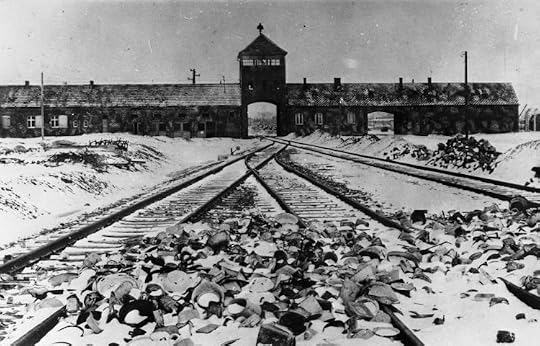
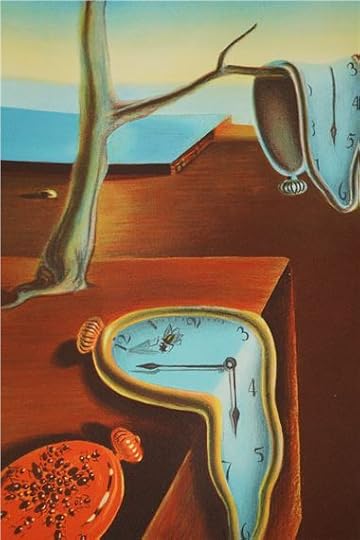
❤️ 🇮🇱
Food climbs up out of the toilet bowl. Old scars close over into unbroken skin. Letters crawl backward out of the fireplace into fresh envelopes. This passenger describes the whole spectacle with the wonder of a newborn and the vocabulary of a dictionary, always trailing a step behind a man whose worst deeds are still hidden from view.
After about a hundred pages of pure comedy everything turns on its own tail. Amis peels back the layers until Tod Friendly stands revealed as Odilo Unverdorben, once a camp doctor at Auschwitz, and the backward machinery that made his American afternoons goofy suddenly turns his war years into an atrocity. Gas becomes breath again. Bodies rise off a pile, dress themselves, and board trains bound for family reunions.
[image error]
The poor passenger, still trusting, still wide eyed, narrates genocide as medicine, describing a camp doctor who heals thousands of Jews back into daylight with one quick injection. The images double back on the title, physics on one hand, archery on the other, the arrow of entropy running the film in reverse.
Young Odilo even camps as a boy within sight of the rail lines, years before their true purpose exists. The Auschwitz chapters carry the whole book on their back. A wedding night with his new wife Herta, stiff and cold, says everything about a marriage built on a lie. A crying baby in a warehouse, soothed by parents who are themselves doomed, says everything about a system that dressed murder in the language of mercy. The reversal is never just a gimmick. It is an argument about euphemism, about how a language built for healing can be repurposed to describe its total opposite.
The puzzle box structure alone is worth a read. The pages when young Odilo stands in a field near Auschwitz decades before the camp exists, feeling only ordinary boyhood peace under a sky he has no reason yet to fear are just extraordinary. Time's arrow flies in two directions at once here, and only one of them tells the truth about the man carrying it. A confusing, strange, and unique book.
❤️ 🇮🇱

November 4, 2016
Read: November 2016
Rating: 5/5 stars, best of 2016
The plot: the narrator of this story inhabits the dying body of a man named Tod Friendly, and it soon becomes clear that the narrator is living backwards in time, as Tod becomes younger, loses and gains lovers, and moves from his current country back through Portugal and then to Poland and Auschwitz.
I loved this book. It is so beautifully and cleverly written. It is a wonderful contrast to Counter Clock World by Philip K Dick which deals in a similar reality. Dick however deals with time moving backwards on a social and global scale; how it affects society and culture, whereas Amis never loses his focus on Tod.
What struck me the most about Time's Arrow is that the Narrator (who doesn't appear to *be* Tod) observes a world that is so much better than ours in a way. He sees for example, men removing the fur lining of their coats to clothe helpless animals, he sees Auschwitz as a place where the dead and the dying are returned to life and health. Where the soldiers and prison guards bestow small kindnesses on their charges; stopping women here and there in the camp to give them gifts of rings and bracelets, putting body parts back together on an operating table to bring a teenage boy back to life. It is heartbreaking to realise what the narrator is seeing is actually the opposite of reality.
Amis has achieved something incredible for me with this novel. He has shown me a different perspective and a different way of viewing the world we live in. What a thoroughly deserving nominee for the Booker prize.
Rating: 5/5 stars, best of 2016
The plot: the narrator of this story inhabits the dying body of a man named Tod Friendly, and it soon becomes clear that the narrator is living backwards in time, as Tod becomes younger, loses and gains lovers, and moves from his current country back through Portugal and then to Poland and Auschwitz.
I loved this book. It is so beautifully and cleverly written. It is a wonderful contrast to Counter Clock World by Philip K Dick which deals in a similar reality. Dick however deals with time moving backwards on a social and global scale; how it affects society and culture, whereas Amis never loses his focus on Tod.
What struck me the most about Time's Arrow is that the Narrator (who doesn't appear to *be* Tod) observes a world that is so much better than ours in a way. He sees for example, men removing the fur lining of their coats to clothe helpless animals, he sees Auschwitz as a place where the dead and the dying are returned to life and health. Where the soldiers and prison guards bestow small kindnesses on their charges; stopping women here and there in the camp to give them gifts of rings and bracelets, putting body parts back together on an operating table to bring a teenage boy back to life. It is heartbreaking to realise what the narrator is seeing is actually the opposite of reality.
Amis has achieved something incredible for me with this novel. He has shown me a different perspective and a different way of viewing the world we live in. What a thoroughly deserving nominee for the Booker prize.

June 15, 2025
A life is a sentence, not a palindrome. It is a thought that seems unnecessary to contemplate given our usual experience of time, in which a life begins, a person accumulates experiences and then dies. Amis alters this structure in Time’s Arrow and invites readers to follow Tod T. Friendly, backwards through his life, through the perceptive lens of a parallel, but disembodied, version of the main character who is objectively experiencing Tod T. Friendly’s life for the first time, as a backwards arc of events, and through a variety of identities, including Tod T. Friendly, John Young, Hamilton de Souza, and finally Odilo Unverdorben (the “unspoiled”), a nazi doctor.
Imagine not just life events happening in reverse order as conventionally-ordered moments but instead like a film reel running backwards, complete with people walking backwards, dropped ice cream leaping off the sidewalk back into the cone, smoke rushing into a fire to reform complete logs, etc. Dialogue is backwards as well, but written as recognizable words instead of phonetically-transcribed, indecipherable backmasking.
The novel structure is unsettling. Events don’t make sense, even if you do understand the overall conceit, and this appears to be the point. The novel is a thought experiment asking if a life can be unwound to make sense of it. Are events and perceptions through life the composition of simpler elements, compounded and moved forward? Can lives of virtue, or tragedy, or infamy, or destruction be unpacked to find out what went right or what went wrong? This notion is what gives the book its title, Time’s Arrow.
The concept of time’s arrow references an asymmetrical relationship between the constitutive elements of reality. As abstractions, the natural laws that describe the constitutive forces of reality balance in both directions. They are true working from left to right or right to left. If A + B + C = D then D - C - B = A. However, macroscopically, at the level of events and experiences and perception, this symmetry does not exist. If A leads to B which leads to C, it is not true the C leads to B which leads to A. It is possible, as a state of affairs, but it is not necessarily true. There may even be a necessary order. One of the developmental branches of the time’s arrow theory hypothesizes that the reason for this asymmetry is that at any given moment, the world can be described as a state of affairs with certain actors and relationships. Change is a constant. In the next moment, a new state of affairs is true, but it also contains the previous state of affairs as part of the current one, mixed like dye in a glass of water. In this formulation, the future is indeterminate because it is built on the platform of an ever-changing state of affairs, and the past is closed because of the state of affairs can never be undone. You can’t unring a bell, as they say. Life may be comprised of discrete moments but those moments do not balance the same way, moving forward or backward — life is a sentence, not a palindrome.
The arrow in Time’s Arrow treats time as an intrinsic feature of reality. Tod T. Friendly’s existence plays out in reverse. Moment to moment, the sequence of states of affairs is possible (physically and causally) but only through the application of a strange logic that allows for burnt papers to be reconstructed from ashes, cream to be pulled out of a cup of coffee, food to be regurgitated onto the plate and taken to the kitchen, etc. And the disembodied narrator attempts to make sense of the events in that direction, which never completely adds up. However, these stretches of backwards time do fit together when the narrator adds a horrifying logic that allows discrete moments to fit together. The narrator describes, for example, how Tod T. Friendly’s patients have their injuries returned to them. He removes bandages from one patient’s hand and drives a nail into it and sends him away. In another scene he removes bandages from a battered woman and returns her to her abuser to have the bruises and abrasions “removed by punches.” As this narrative unwinds into the reverse of time’s arrow, a twisted logic of association comes into focus as the narrative follows Tod Friendly through prior identities back to his nazi past, and each backwards event creates a new asymmetrical, cumulative reality, no less horrible than the one we can infer, moving in the other direction, but certainly different.
Imagine not just life events happening in reverse order as conventionally-ordered moments but instead like a film reel running backwards, complete with people walking backwards, dropped ice cream leaping off the sidewalk back into the cone, smoke rushing into a fire to reform complete logs, etc. Dialogue is backwards as well, but written as recognizable words instead of phonetically-transcribed, indecipherable backmasking.
The novel structure is unsettling. Events don’t make sense, even if you do understand the overall conceit, and this appears to be the point. The novel is a thought experiment asking if a life can be unwound to make sense of it. Are events and perceptions through life the composition of simpler elements, compounded and moved forward? Can lives of virtue, or tragedy, or infamy, or destruction be unpacked to find out what went right or what went wrong? This notion is what gives the book its title, Time’s Arrow.
The concept of time’s arrow references an asymmetrical relationship between the constitutive elements of reality. As abstractions, the natural laws that describe the constitutive forces of reality balance in both directions. They are true working from left to right or right to left. If A + B + C = D then D - C - B = A. However, macroscopically, at the level of events and experiences and perception, this symmetry does not exist. If A leads to B which leads to C, it is not true the C leads to B which leads to A. It is possible, as a state of affairs, but it is not necessarily true. There may even be a necessary order. One of the developmental branches of the time’s arrow theory hypothesizes that the reason for this asymmetry is that at any given moment, the world can be described as a state of affairs with certain actors and relationships. Change is a constant. In the next moment, a new state of affairs is true, but it also contains the previous state of affairs as part of the current one, mixed like dye in a glass of water. In this formulation, the future is indeterminate because it is built on the platform of an ever-changing state of affairs, and the past is closed because of the state of affairs can never be undone. You can’t unring a bell, as they say. Life may be comprised of discrete moments but those moments do not balance the same way, moving forward or backward — life is a sentence, not a palindrome.
The arrow in Time’s Arrow treats time as an intrinsic feature of reality. Tod T. Friendly’s existence plays out in reverse. Moment to moment, the sequence of states of affairs is possible (physically and causally) but only through the application of a strange logic that allows for burnt papers to be reconstructed from ashes, cream to be pulled out of a cup of coffee, food to be regurgitated onto the plate and taken to the kitchen, etc. And the disembodied narrator attempts to make sense of the events in that direction, which never completely adds up. However, these stretches of backwards time do fit together when the narrator adds a horrifying logic that allows discrete moments to fit together. The narrator describes, for example, how Tod T. Friendly’s patients have their injuries returned to them. He removes bandages from one patient’s hand and drives a nail into it and sends him away. In another scene he removes bandages from a battered woman and returns her to her abuser to have the bruises and abrasions “removed by punches.” As this narrative unwinds into the reverse of time’s arrow, a twisted logic of association comes into focus as the narrative follows Tod Friendly through prior identities back to his nazi past, and each backwards event creates a new asymmetrical, cumulative reality, no less horrible than the one we can infer, moving in the other direction, but certainly different.

May 31, 2015
السهم الزمني – طبيعة الجريمة
كانت هذه الرواية على القائمة القصيرة لبوكر 1991 م، وهي العمل الأول الذي اقرأه لمارتن إيمس، وهو عمل مكتوب بعناية، وأجبرني على إعادة قراءته من جديد حالما انتصفت في صفحاته الـ 230، وقلة هي الأعمال التي تجبرك على إعادة قراءتها، إما مبهوراً أو لمحاولة الفهم، بعد المحاولة الأولى المترددة.
قرأت هذه الرواية بلا أي مقدمات حولها أو حول أسلوبها الفريد، لهذا شعرت بالتيه، كنت أتلمس الأسلوب الغريب للرواية، والذي جعلني أشك لحظات في وجود خطأ طباعي ما!! لماذا تأتي سطور الحوار مقلوبة، فيبدأ الحوار من حيث يجب أن ينتهي؟ ما هذا العالم المقلوب؟ والذي توجد في سياراته أربع سرعات للخلف وواحدة للأمام!! لماذا يتصرف الناس والبطل في الرواية بصورة معكوسة؟
تنبيه: فيما يأتي بعض التوضيح للرواية والذي قد يحرق بعض أحداثها.
حالما توقفت وقرأت قليلاً عن الكتاب، فهمت أن هذا هو لب الرواية، فالمؤلف يجبرنا على قلب حياة البطل، والبدء من النهاية باتجاه البداية، ولكن هذا القلب هو قلب تام، هو ليس فقط إعادة رواية الأحداث بشكل عكسي، لا! فالبطل يأخذ مثلاً أكله من القمامة ويعيد ترتيبه وإعطائه للمطعم حيث يدفع له المطعم المال بدل العكس، ولكن لماذا يفعل إيمس هذا؟ ما الغرض الفني من هذا القلب التام للحياة والأفعال؟ لن نكتشف هذا إلا عند نهاية الرواية، فبطلنا الذي يعيش في أمريكا تحت اسم تود فرندلي، ليس إلا طبيب نازي هارب ومتخف، وعندما تعود بنا الرواية إلى الزمن الذي كان يعمل فيه في معتقل أوشفيتز الرهيب، وعندما يكون العالم مقلوباً، فقط عندها نفهم كيف يمكن للطبيب الذي كان عليه أن يخفف آلام مرضاه، أن ينعكس دوره ليكون وراء الألم والمعاناة، هذه رواية عن الهولوكوست والنازية، تعرض العالم معكوساً حيث يفتح الأطباء مرضاهم ليضعوا فيهم الأورام لا ليستأصلوها، وحيث يداعب القوادون العاهرات ويمنحونهن المال، في هذا العالم المقلوب وحده يمكن للفظاعات التي يرتكبها الإنسان أن تتحول إلى عمل طيب، ويمكن للأطباء/القتلة أن ينالوا خلاصهم.
كانت هذه الرواية على القائمة القصيرة لبوكر 1991 م، وهي العمل الأول الذي اقرأه لمارتن إيمس، وهو عمل مكتوب بعناية، وأجبرني على إعادة قراءته من جديد حالما انتصفت في صفحاته الـ 230، وقلة هي الأعمال التي تجبرك على إعادة قراءتها، إما مبهوراً أو لمحاولة الفهم، بعد المحاولة الأولى المترددة.
قرأت هذه الرواية بلا أي مقدمات حولها أو حول أسلوبها الفريد، لهذا شعرت بالتيه، كنت أتلمس الأسلوب الغريب للرواية، والذي جعلني أشك لحظات في وجود خطأ طباعي ما!! لماذا تأتي سطور الحوار مقلوبة، فيبدأ الحوار من حيث يجب أن ينتهي؟ ما هذا العالم المقلوب؟ والذي توجد في سياراته أربع سرعات للخلف وواحدة للأمام!! لماذا يتصرف الناس والبطل في الرواية بصورة معكوسة؟
تنبيه: فيما يأتي بعض التوضيح للرواية والذي قد يحرق بعض أحداثها.
حالما توقفت وقرأت قليلاً عن الكتاب، فهمت أن هذا هو لب الرواية، فالمؤلف يجبرنا على قلب حياة البطل، والبدء من النهاية باتجاه البداية، ولكن هذا القلب هو قلب تام، هو ليس فقط إعادة رواية الأحداث بشكل عكسي، لا! فالبطل يأخذ مثلاً أكله من القمامة ويعيد ترتيبه وإعطائه للمطعم حيث يدفع له المطعم المال بدل العكس، ولكن لماذا يفعل إيمس هذا؟ ما الغرض الفني من هذا القلب التام للحياة والأفعال؟ لن نكتشف هذا إلا عند نهاية الرواية، فبطلنا الذي يعيش في أمريكا تحت اسم تود فرندلي، ليس إلا طبيب نازي هارب ومتخف، وعندما تعود بنا الرواية إلى الزمن الذي كان يعمل فيه في معتقل أوشفيتز الرهيب، وعندما يكون العالم مقلوباً، فقط عندها نفهم كيف يمكن للطبيب الذي كان عليه أن يخفف آلام مرضاه، أن ينعكس دوره ليكون وراء الألم والمعاناة، هذه رواية عن الهولوكوست والنازية، تعرض العالم معكوساً حيث يفتح الأطباء مرضاهم ليضعوا فيهم الأورام لا ليستأصلوها، وحيث يداعب القوادون العاهرات ويمنحونهن المال، في هذا العالم المقلوب وحده يمكن للفظاعات التي يرتكبها الإنسان أن تتحول إلى عمل طيب، ويمكن للأطباء/القتلة أن ينالوا خلاصهم.

February 13, 2020
This novel was very difficult to classify - if you don't want spoilers, don't read the synopsis/blurb, or any of the recommendations. I made the mistake of doing this when I was about halfway through the book, and it ruined the build up and ending for me, as it gives it all away.
Clever, witty, sophisticated.
The narrator of this book is the protagonist's soul, or conscience. The kicker is that the conscience (who is unable to influence the characters behaviour or thoughts, so maybe it is not his conscience, but maybe his soul), comes into being/sentience at the end of the character's life, then progresses through life backwards. So the novel tells the story of a life backwards. I won't tell you what that life entails, as this gives it away, but it is a novel of the twentieth century.
The comic elements come from this device, with clever descriptions of how this is experienced in relation to romantic relationships, monetary transactions etc.
I enjoyed this book a lot - if you are able to avoid spoilers, I think this book would be even better
Highly recommended
Clever, witty, sophisticated.
The narrator of this book is the protagonist's soul, or conscience. The kicker is that the conscience (who is unable to influence the characters behaviour or thoughts, so maybe it is not his conscience, but maybe his soul), comes into being/sentience at the end of the character's life, then progresses through life backwards. So the novel tells the story of a life backwards. I won't tell you what that life entails, as this gives it away, but it is a novel of the twentieth century.
The comic elements come from this device, with clever descriptions of how this is experienced in relation to romantic relationships, monetary transactions etc.
I enjoyed this book a lot - if you are able to avoid spoilers, I think this book would be even better
Highly recommended
Displaying 1 - 30 of 1,731 reviews